Taxonomy & Classification
- Kingdom
- Animalia
- Phylum
- Chordata
- Class
- Aves
- Order
- Passeriformes
- Family
- Maluridae
- Genus
- Malurus
- Species
- Malurus Splendens, Malurus cyaneus, and others

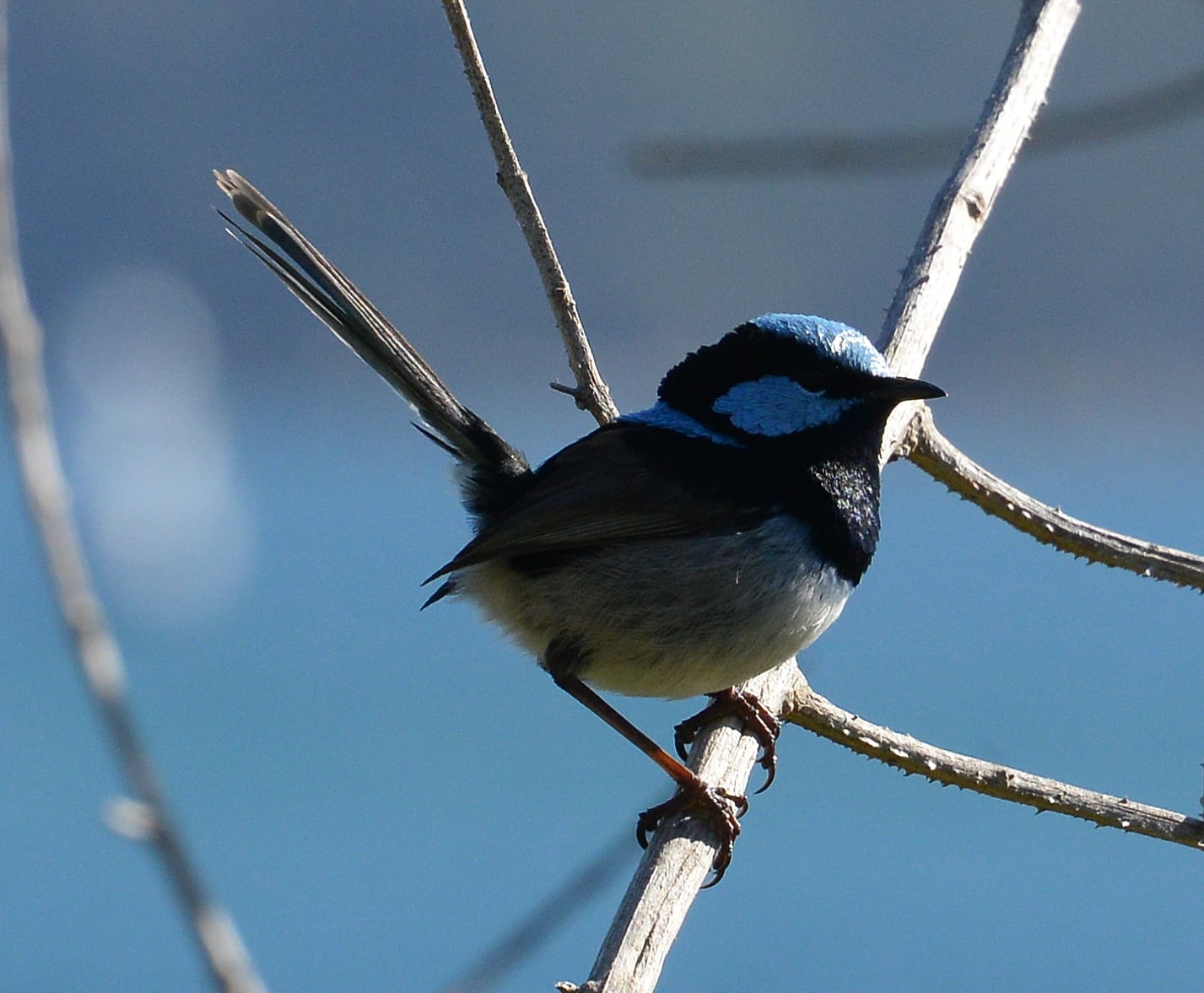 Photo Credit: Sardaka / Wikimedia Commons
In the sun-drenched grasslands and vibrant woodlands of Australia, the Fairy-Wren, scientifically known as Malurus, flits about with a charm that captivates all who encounter it. These tiny birds, measuring just a few inches long, are adorned in a dazzling array of colors, with males often sporting brilliant blue and black plumage that shimmers in the light. Their delicate forms and lively antics make them a favorite among birdwatchers and nature enthusiasts alike, drawing attention not just for their beauty but also for their intriguing behaviors and social structures.
As the day breaks, the Fairy-Wren awakens to a symphony of chirps and whistles, filling the air with its cheerful song. These diurnal birds are known for their energetic foraging, darting through the underbrush in search of insects, their primary food source. What truly fascinates scientists is their complex social behavior, including cooperative breeding, where multiple individuals help care for the young. This unique trait not only highlights their strong community bonds but also plays a crucial role in their survival. With their vibrant colors and lively personalities, Fairy-Wrens are not just a delight to observe; they are a vital part of their ecosystem, helping to maintain the balance of life in their habitats.
The Fairy-Wren is a captivating little bird that holds a special place in the tree of life. Scientifically classified within the kingdom Animalia, it belongs to the phylum Chordata, which includes all animals with a backbone. As a member of the class Aves, or birds, the Fairy-Wren is part of the order Passeriformes, known for its songbirds. What makes this bird particularly intriguing is its vibrant plumage and complex social behaviors, including cooperative breeding, where multiple individuals help raise the young. This unique combination of traits sets the Fairy-Wren apart in the avian world, showcasing the diversity of life on our planet.
| Taxonomic Rank | Scientific Name | Meaning & Significance |
|---|---|---|
| Kingdom | Animalia | The name means “animals” in Latin, highlighting the diverse group of living organisms that share characteristics like movement and consumption of organic material. |
| Phylum | Chordata | This term comes from the Latin word “chorda,” meaning “string,” referring to the notochord, a flexible rod that supports the body in the early stages of development. |
| Class | Aves | Derived from the Latin word for “bird,” this classification emphasizes the unique features of birds, such as feathers and beaks. |
| Order | Passeriformes | This name means “perching birds” in Latin, reflecting the ability of these birds to rest on branches and their diverse vocalizations. |
| Family | Maluridae | The name comes from the Latin “malurus,” which refers to the genus of Fairy-Wrens, highlighting their small size and colorful appearance. |
| Genus | Malurus | This term is derived from the Latin word for “bad” or “ill,” possibly referring to the bird’s small size and delicate nature, which can be seen as vulnerable in the wild. |
The classification of the Fairy-Wren reveals much about its evolutionary history. As part of the Maluridae family, these birds have adapted to various environments, showcasing a remarkable range of colors and behaviors that help them thrive. Their social structures and breeding habits suggest a long history of cooperation and adaptation, allowing them to flourish in diverse habitats. By understanding where the Fairy-Wren fits in the tree of life, we gain insight into the intricate web of relationships that connect all living beings, highlighting the beauty and complexity of nature.
The evolutionary journey of the Fairy-Wren is a tale that stretches back millions of years, weaving through the rich tapestry of avian history. These small, colorful birds belong to the family Maluridae and the genus Malurus, with their ancestors likely branching off from other songbirds around 20 million years ago. As they adapted to the diverse environments of Australia and New Guinea, they developed traits that would help them thrive in a variety of habitats.
The Fairy-Wren’s ancestors were small, insect-eating birds that began to diversify as they spread across different landscapes. Over time, they transitioned from a more generalized diet to a specialized one, honing their skills in foraging for insects and seeds. This shift allowed them to exploit new ecological niches, leading to the vibrant colors and social behaviors we see today. The evolution of their plumage, particularly in males, is a striking example of sexual selection, where brighter colors attract mates. Additionally, their social structures evolved, with many species forming complex family groups that enhance their survival through cooperative breeding.
These adaptations have been crucial for the Fairy-Wren’s survival in a world filled with challenges. Their vibrant plumage not only plays a role in attracting mates but also signals health and vitality, essential for reproduction. Living in social groups enhances their ability to protect themselves from predators and raise their young successfully. Their adaptability to different habitats and food sources ensures they can thrive even as environments change. Together, these traits paint a picture of a bird that has not only survived but flourished through the ages, captivating birdwatchers and nature lovers alike.
The Fairy-Wren is a dazzling little bird that captures the imagination with its vibrant colors and delicate form. With a body that measures just a few inches long, it flits about with an energy that seems to match its bright plumage. Its slender shape and short tail give it an agile appearance, perfect for darting through the underbrush in search of food. The overall impression is one of grace and liveliness, making it a delightful sight in its natural habitat.
| Feature | Description |
|---|---|
| Weight | 0.2 to 0.4 ounces |
| Color | Bold colors, often featuring bright blues, greens, and yellows |
| Body Structure | Slender and compact, with a short tail |
| Skin Type | Feathers that are soft and lightweight |
These striking features work together to enhance the Fairy-Wren’s survival in the wild. Its lightweight body allows for quick movements, helping it evade predators while foraging for insects and seeds. The bold colors not only attract mates but also serve as a form of camouflage among the vibrant flowers and foliage of its environment. This combination of agility and vivid coloration makes the Fairy-Wren a true marvel of nature, perfectly adapted to thrive in its colorful world.
The Fairy-Wren calls home a vibrant world filled with lush forests and open grasslands. Picture a sun-drenched landscape where the air is alive with the sounds of chirping birds and rustling leaves. These charming little birds thrive in areas where dense shrubs and low vegetation provide both shelter and food. Their habitats are often dotted with colorful wildflowers, creating a picturesque setting that is as lively as the birds themselves.
To flourish, Fairy-Wrens prefer climates that are warm and temperate. They are often found in regions that experience a mix of sunny days and occasional rainfall, which helps keep their habitats lush and green. These birds are well-suited to environments where they can easily find insects and seeds, their primary food sources. The combination of mild temperatures and abundant vegetation creates the perfect playground for these energetic little creatures.
Fairy-Wrens have developed several clever adaptations to thrive in their chosen habitats. Their small size allows them to dart through dense underbrush with ease, while their vibrant plumage helps them blend into the colorful surroundings. This camouflage is essential for avoiding predators. Additionally, their social behavior, often seen in groups, provides safety in numbers, allowing them to forage and explore their environment together. These adaptations not only enhance their survival but also make them a delightful sight in the wild.
As the sun rises, the Fairy-Wren begins its day in a lively chorus of chirps and whistles. These small, colorful birds are diurnal, meaning they are active during the day. Their mornings are filled with foraging for insects and seeds, hopping energetically from branch to branch. With their keen eyesight, they search for tasty morsels hidden among the leaves and grasses. As the day unfolds, they engage in playful flights, darting through the air with agility, showcasing their vibrant plumage to anyone who might be watching.
Fairy-Wrens are social creatures, often found in small groups that enhance their daily activities. These flocks are not just for company; they play a crucial role in their survival. By sticking together, they can better spot predators and share information about food sources. Communication is key in these groups, and Fairy-Wrens use a variety of calls and body language to convey messages. Whether it’s a warning about a lurking threat or an invitation to join in a feeding frenzy, their interactions are lively and complex, creating a vibrant social network.
| Behavior Type | Description |
|---|---|
| Foraging | Fairy-Wrens search for insects and seeds, using their sharp eyesight to find food hidden in foliage. |
| Social Structure | They live in small groups, which helps them stay safe from predators and find food more efficiently. |
| Communication | These birds use a mix of chirps, whistles, and body movements to share information with each other. |
The behaviors of Fairy-Wrens are not just charming; they are essential for their survival. By foraging in groups, they increase their chances of finding food while reducing the risk of becoming a meal themselves. Their social interactions foster a sense of community, allowing them to thrive in their natural habitats. In a world filled with challenges, these little birds demonstrate that teamwork and communication are vital tools for navigating life’s adventures.
The Fairy-Wren primarily feeds on a diet rich in insects, making it an insectivore. These lively little birds are skilled foragers, darting through their habitats in search of tasty treats. With their keen eyesight, they spot insects hiding among leaves and grass, using their quick movements to catch them. This feeding behavior not only provides essential nutrients but also keeps them agile and energetic throughout the day.
| Dietary Aspect | Details |
|---|---|
| Diet Type | Insectivore |
| Favorite Foods | Insects |
| Prey Items | Various insects, including beetles, ants, and caterpillars |
| Hunting/Foraging Strategies | Flitting through vegetation, using quick movements to catch insects |
The Fairy-Wren’s diet plays a crucial role in its ecology and daily routine. By consuming a variety of insects, these birds help control insect populations, contributing to the balance of their ecosystems. Their foraging habits also encourage them to be active and social, often seen moving in small groups as they search for food together. This not only strengthens their bonds but also enhances their chances of finding enough to eat, making their daily adventures both vital and vibrant.
During the breeding season, which typically occurs in spring and summer, Fairy-Wrens engage in a captivating courtship ritual. Males display their vibrant plumage, showcasing bright colors to attract potential mates. These birds are known for their complex social structures, often forming groups that include multiple males and females. This social behavior can lead to fascinating mating arrangements, where females may mate with several males, ensuring genetic diversity in their offspring.
| Reproductive Aspect | Details |
|---|---|
| Gestation Period | About 12-14 days |
| Litter Size | Typically 2-5 eggs |
| Age of Maturity | One year |
| Name of Young | Chicks |
Once the eggs hatch, the real adventure begins. The parents, especially the females, are dedicated caregivers, feeding their chicks a diet rich in insects to help them grow strong. The young Fairy-Wrens develop quickly, learning to fly and forage for food within a few weeks. As they mature, they begin to mimic the calls of their parents, blending into the lively chorus of their surroundings. This nurturing environment is crucial for their survival, as it prepares them for the challenges of life in the wild. By the time they reach adulthood, these vibrant birds are ready to take on the world, continuing the cycle of life in their colorful communities.
The Fairy-Wren occupies a delicate position in the food web, serving as both predator and prey. These small, vibrant birds feast on insects, playing a crucial role in controlling insect populations. However, their size and bright colors also make them attractive targets for larger animals. In the wild, the balance of life is a constant dance, and the Fairy-Wren must navigate this intricate web to survive.
To defend themselves against these threats, Fairy-Wrens have developed clever survival strategies. They often rely on their agility and speed, darting quickly through dense vegetation to evade predators. Their small size allows them to hide in the underbrush, making it difficult for larger animals to spot them. Additionally, they are known to be quite vocal, using their chirps and whistles to communicate with one another, alerting their flock to danger. By staying alert and using their environment wisely, Fairy-Wrens continue to thrive in a world full of challenges.
A keystone species is a vital part of its ecosystem, meaning that its presence and activities have a significant impact on the environment and other living things. The Fairy-Wren, with its lively behavior and social structure, plays an important role in its habitat, particularly in forests and grasslands. While it may not be as large or as well-known as some other keystone species, its influence on the ecosystem is noteworthy.
Fairy-Wrens are insectivores, meaning they primarily eat insects. By foraging for these tiny creatures, they help control insect populations, preventing any one species from becoming too dominant. This balance is crucial for maintaining the health of their environment. Additionally, as they flit about in search of food, they inadvertently assist in pollination. While they are not the main pollinators, their movement among flowers can help plants reproduce, contributing to the overall biodiversity of their habitat.
Moreover, Fairy-Wrens are social birds that often live in groups. This social behavior fosters a sense of community and cooperation, which can enhance the survival of the species. Their presence can also attract other wildlife, creating a bustling ecosystem where various species interact. For example, their nests may provide shelter for other small animals, further enriching the habitat.
If Fairy-Wrens were to disappear from their ecosystems, the effects could be profound. Insect populations might surge unchecked, leading to overgrazing of plants and a decline in plant diversity. This imbalance could ripple through the food web, affecting not only other birds and animals that rely on plants for food but also the overall health of the ecosystem. The loss of these vibrant little birds would not only diminish the beauty of their habitats but also disrupt the intricate connections that sustain life in those environments.
The Fairy-Wren occupies a fascinating ecological niche, thriving in forests and grasslands where it plays a vital role in maintaining the balance of its environment. As a small, colorful bird, it is not just a delightful sight but also a key player in its ecosystem. By foraging for insects, the Fairy-Wren helps control insect populations, ensuring that these tiny creatures do not overwhelm their surroundings. This balance is crucial for the health of the habitats they inhabit, making the Fairy-Wren an important species in its community.
| Ecosystem Service | Impact |
|---|---|
| Insect Control | Reduces pest populations, promoting plant health |
| Seed Dispersal | Helps in the growth of new plants by spreading seeds |
| Food Source | Serves as prey for larger birds and mammals, supporting the food web |
| Habitat Indicator | Reflects the health of the ecosystem, signaling changes in biodiversity |
The Fairy-Wren’s influence extends beyond just its diet. By feeding on insects, it helps keep these populations in check, which is essential for the health of the plants in its habitat. When insect numbers are balanced, plants can thrive, providing food and shelter for countless other species. Additionally, as the Fairy-Wren flits from plant to plant, it may inadvertently assist in seed dispersal, allowing new plants to grow and flourish. This process is vital for maintaining the diversity of the ecosystem, as a variety of plants supports a wide range of animal life.
The broader ecological importance of the Fairy-Wren cannot be overstated. As a keystone species, its presence significantly impacts the health and stability of its environment. By controlling insect populations and aiding in plant growth, the Fairy-Wren helps create a thriving habitat for many other organisms. This interconnectedness highlights the delicate balance of nature, where even the smallest creatures can have a profound effect on their surroundings. In essence, the Fairy-Wren is not just a beautiful bird; it is a crucial component of the ecosystems it inhabits, reminding us of the intricate web of life that sustains our planet.
In the intricate web of nature, symbiosis refers to the close and often long-term interactions between different species. These relationships can take many forms, including mutualism, where both species benefit, parasitism, where one benefits at the expense of the other, and commensalism, where one benefits while the other is neither helped nor harmed. The Fairy-Wren, a small and vibrant bird, engages in various ecological partnerships that highlight the beauty and complexity of life in its habitat.
| Species/Type | Relationship Type | Description |
|---|---|---|
| Ants | Mutualistic | Fairy-Wrens often forage near ant colonies. The ants help keep the area free of pests, while the wrens benefit from the insects stirred up by the ants. |
| Brood Parasites (like the Shining Bronze-Cuckoo) | Parasitic | These cuckoos lay their eggs in Fairy-Wren nests, tricking the wrens into raising their young, which can harm the wren’s own offspring. |
| Flowering Plants | Commensal | Fairy-Wrens often use flowering plants for shelter and nesting. The plants benefit from the wrens’ presence, as they help pollinate the flowers while the wrens gain protection. |
These relationships have evolved over time, shaped by the needs and behaviors of the species involved. The mutualistic bond with ants showcases how cooperation can enhance survival, while the parasitic relationship with cuckoos highlights the challenges that come with raising young in a competitive environment. Meanwhile, the commensal interactions with flowering plants illustrate how species can coexist, each gaining something valuable from the other. Understanding these connections helps us appreciate the delicate balance of ecosystems and the roles that each species plays in maintaining it.
The Fairy-Wren is a small, vibrant bird that enchants birdwatchers and nature lovers alike with its dazzling colors and lively behavior. But there’s much more to these charming creatures than meets the eye!
The Fairy-Wren has long captivated the hearts and minds of people, weaving its way into various cultures and histories. Indigenous Australians have revered these colorful birds, often incorporating them into their stories and art. The vibrant plumage of the male Fairy-Wren, especially during the breeding season, has inspired admiration and wonder. These birds symbolize joy and beauty in many cultures, reminding us of the delicate balance between nature and humanity. Historical encounters with Fairy-Wrens have often been marked by a sense of connection, as people have marveled at their lively antics and striking colors.
In contemporary times, the relationship between Fairy-Wrens and humans has evolved, reflecting both cooperation and conflict. Conservation efforts are underway to protect their habitats, as urbanization and agricultural expansion threaten their natural environments. Birdwatchers and nature enthusiasts play a crucial role in these efforts, advocating for the preservation of the lush landscapes that Fairy-Wrens call home. However, challenges remain, such as habitat destruction and climate change, which can disrupt their breeding patterns and food sources. While some people have embraced these birds as part of their gardens, others may inadvertently harm them through pesticide use or habitat alteration.
Looking ahead, the future of the Fairy-Wren and its relationship with humanity hinges on our collective actions. As we become more aware of the environmental challenges facing these enchanting birds, we have the opportunity to foster a deeper connection with nature. By prioritizing conservation and sustainable practices, we can ensure that future generations will continue to enjoy the sight and sound of Fairy-Wrens flitting through their vibrant habitats. Together, we can create a world where these delightful birds thrive alongside us, enriching our lives and ecosystems.
The Fairy-Wren, a delightful little bird known for its vibrant colors and energetic behavior, currently holds a conservation status of “Least Concern.” This means that, overall, the species is not facing immediate threats of extinction. However, specific population trends remain unclear, as estimates of their numbers are currently unknown. While they are not in danger, ongoing monitoring is essential to ensure their populations remain stable and healthy.
| Conservation Factor | Status/Details |
|---|---|
| IUCN Status | Least Concern |
| Population Estimates | Unknown |
| Trend Direction | Stable |
Despite their current status, Fairy-Wrens face several threats that could impact their future. Habitat loss is a significant concern, as urban development and agricultural expansion can destroy the lush environments they rely on for food and nesting. Additionally, climate change poses risks by altering their habitats and food availability. Predation by introduced species, such as cats and foxes, also threatens these small birds, making it crucial to address these challenges.
Conservation efforts are underway to protect the Fairy-Wren and its habitat. Organizations are working to preserve natural areas and restore ecosystems that support these vibrant birds. Public awareness campaigns help educate communities about the importance of protecting local wildlife. With continued efforts and a focus on habitat conservation, the outlook for the Fairy-Wren remains hopeful, ensuring that future generations can enjoy the beauty and charm of these enchanting birds.
| Question | Answer |
|---|---|
| What is the habitat of the Fairy-Wren? | Fairy-Wrens are commonly found in forests and grasslands. They prefer areas with dense shrubs and low vegetation, which provide them with cover and nesting sites. |
| What do Fairy-Wrens eat? | Fairy-Wrens are insectivores, meaning they primarily eat insects. Their diet includes a variety of small bugs, such as beetles and caterpillars, which they hunt for in the underbrush. |
| How do Fairy-Wrens behave? | These birds are known for their lively and social behavior. They often move in small groups, communicating with a series of cheerful chirps and calls, which helps them stay connected with their flock. |
| How do Fairy-Wrens reproduce? | Fairy-Wrens typically build their nests in dense vegetation, where the female lays a clutch of eggs. After about two weeks of incubation, the chicks hatch and are cared for by both parents. |
| What threats do Fairy-Wrens face? | While Fairy-Wrens are currently classified as Least Concern, they face threats from habitat loss and predation by introduced species like cats. Conservation efforts are important to maintain their populations. |
| What are some interesting characteristics of Fairy-Wrens? | One of the most distinctive features of Fairy-Wrens is their bold colors, especially in males during the breeding season. These vibrant hues help attract mates and can change with the seasons. |
| Are Fairy-Wrens social birds? | Yes, Fairy-Wrens are very social and often found in groups. They engage in cooperative behaviors, such as helping to care for each other's young, which strengthens their community bonds. |