Taxonomy & Classification
- Kingdom
- Animalia
- Phylum
- Chordata
- Class
- Mammalia
- Order
- Rodentia
- Family
- Dasyproctidae
- Genus
- Dasyprocta

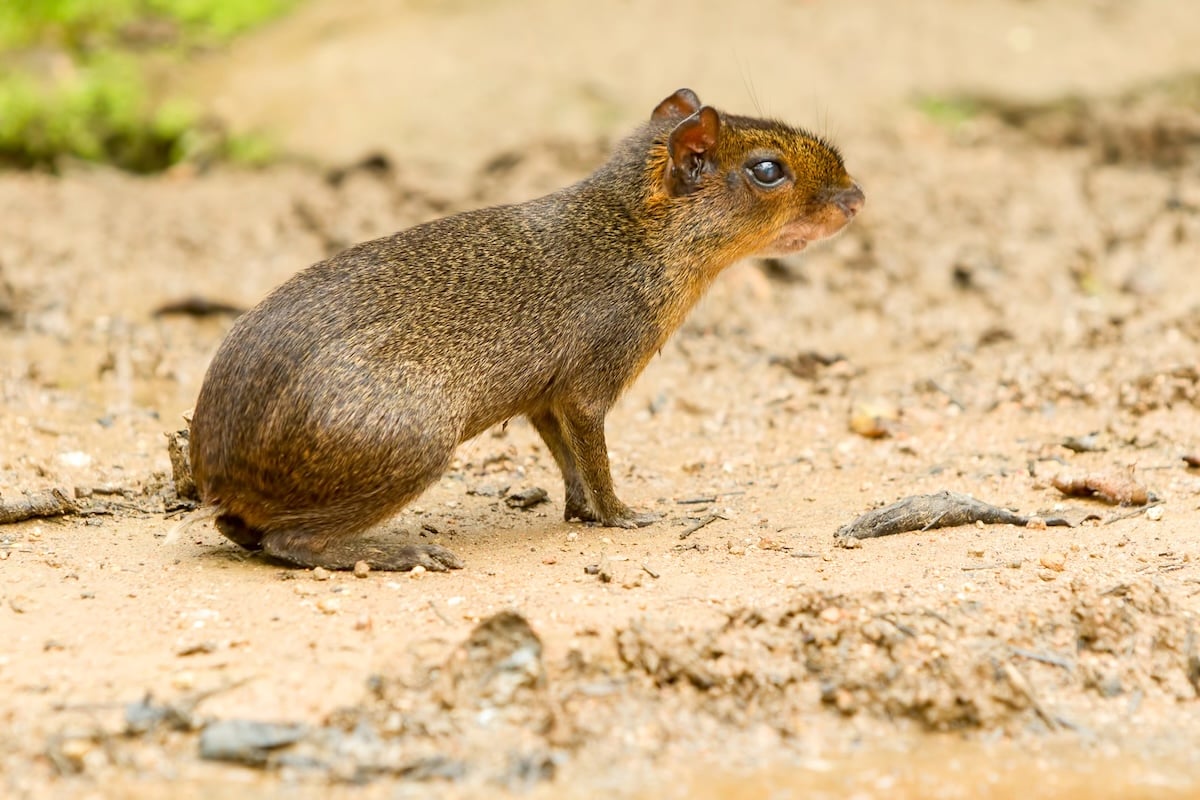 Photo Credit: ammmit on Deposit Photos
In the heart of Central and South America’s vibrant forests, the agouti, scientifically known as Dasyprocta, scurries through the underbrush, a delightful blend of agility and charm. With its sleek, tawny fur glistening in dappled sunlight, this small to medium-sized rodent resembles a miniature deer, complete with long legs and a compact body that allows it to navigate the dense foliage with ease. As it forages for fruits, seeds, and nuts, the agouti plays a crucial role in its ecosystem, acting as a seed disperser that helps maintain the balance of plant life in its habitat.
What makes the agouti particularly captivating to scientists and nature lovers alike is its unique lifestyle and social behavior. Unlike many rodents, agoutis are diurnal, meaning they are active during the day, which gives observers a chance to witness their lively antics. They often form monogamous pairs, showcasing a level of social structure that is rare among their kind. As they dart through the forest, their strong teeth crack open hard seeds, demonstrating their impressive adaptations. The agouti’s presence in the ecosystem is not just charming; it is vital, making it a keystone species that supports the intricate web of life around it. Join us as we delve deeper into the world of the agouti, exploring its fascinating behaviors, ecological importance, and the challenges it faces in a rapidly changing environment.
The agouti is a captivating member of the animal kingdom, nestled within the vast tree of life. This small to medium-sized rodent belongs to the family Dasyproctidae and is known for its long legs, short tail, and sleek, glossy fur. Agoutis are primarily found in Central and South America, where they thrive in tropical forests and grasslands. What sets them apart is their unique role as seed dispersers, helping to maintain the health of their ecosystems. By eating fruits and nuts and burying them for later, agoutis contribute to forest regeneration, making them vital players in their habitats.
| Taxonomic Rank | Scientific Name | Meaning & Significance |
|---|---|---|
| Kingdom | Animalia | This name signifies that agoutis are part of the animal kingdom, which includes all multicellular organisms that are not plants, fungi, or bacteria. |
| Phylum | Chordata | Chordata means “having a notochord,” a flexible rod that supports the body. In agoutis, this structure is present during their early development, showcasing their vertebrate lineage. |
| Class | Mammalia | Mammalia refers to mammals, characterized by having fur or hair and the ability to nurse their young with milk. Agoutis fit this description perfectly! |
| Order | Rodentia | Rodentia comes from the Latin word “rodere,” meaning “to gnaw.” Agoutis have strong, chisel-like front teeth that help them gnaw on tough plant materials. |
| Family | Dasyproctidae | Dasyproctidae means “hairy backside,” which refers to the distinctive fur on the agouti’s rear, a feature that helps them blend into their forest surroundings. |
| Genus | Dasyprocta | This genus name also relates to the agouti’s physical traits, emphasizing their unique body shape and fur texture. |
Understanding the agouti’s classification reveals much about its evolutionary history. As a member of the order Rodentia, agoutis share a common ancestor with other rodents, which have adapted to various environments over millions of years. Their role as seed dispersers highlights their ecological importance and showcases how evolution has shaped their behaviors and physical traits to thrive in their specific habitats. By studying the agouti, we gain insights into the intricate connections within ecosystems and the evolutionary paths that have led to the diverse life forms we see today.
The evolutionary journey of the agouti stretches back millions of years, tracing its roots to ancient ancestors that roamed the Earth during the late Eocene epoch, around 35 million years ago. As part of the diverse rodent family, the agouti has undergone significant changes, adapting to various environments in Central and South America. This timeline reveals a story of survival, innovation, and the remarkable ability to thrive in a world filled with challenges.
The agouti’s ancestors were small, primitive rodents that lived in forested areas. Over time, these early rodents evolved into more specialized forms, adapting to their surroundings. One major transition occurred as they developed longer legs and a more agile body, allowing them to navigate the dense underbrush of tropical forests with ease. This adaptation was crucial for escaping predators and foraging for food. As they evolved, agoutis also developed a unique digestive system that allows them to efficiently process a diet rich in seeds and fruits, which are abundant in their habitats.
These adaptations have played a vital role in the agouti’s survival. The combination of speed, strong teeth, and social behavior allows them to thrive in their natural habitats, while their camouflage fur offers protection from predators. As they continue to navigate the challenges of their environment, the agouti stands as a testament to the power of evolution and the intricate dance of life on our planet.
The agouti presents a charming and agile form, reminiscent of a small deer or a large rabbit. With its long legs and compact body, it moves gracefully through its forest home. The agouti’s fur is soft and dense, providing a warm layer against the elements. Its most distinctive feature is its hairy rump, which is almost devoid of a visible tail, giving it a unique silhouette. This combination of traits makes the agouti not only an intriguing sight but also a well-adapted inhabitant of its environment.
| Feature | Description |
|---|---|
| Weight | 4.4 to 11 pounds |
| Skin Type | Fur |
| Most Distinctive Feature | Hairy rump with almost no visible tail |
These physical characteristics work together to enhance the agouti’s survival in the wild. The lightweight body allows for quick movements, helping it evade predators. The dense fur not only keeps it warm but also provides camouflage among the forest underbrush, making it harder for hungry eyes to spot. The lack of a prominent tail reduces the risk of being caught while darting through dense vegetation. Together, these features create a well-rounded package for a creature that thrives in the lush, vibrant ecosystems of Central and South America.
The agouti thrives in lush, forested environments that are rich in biodiversity. Picture a vibrant landscape filled with towering trees, dense underbrush, and a symphony of sounds from chirping birds and rustling leaves. These habitats provide the perfect backdrop for the agouti’s daily activities, as it forages for fruits, seeds, and nuts among the forest floor. The interplay of sunlight filtering through the canopy creates a warm and inviting atmosphere, ideal for this agile rodent.
Agoutis prefer climates that are warm and humid, typical of tropical and subtropical regions. These areas often experience a significant amount of rainfall, which helps sustain the rich plant life that agoutis depend on for food. The temperature in these habitats usually remains mild, allowing the agouti to remain active throughout the year. This climate supports a diverse ecosystem, providing the agouti with ample resources to thrive.
To navigate their forest homes, agoutis have developed several adaptations. Their strong legs allow them to dart quickly through underbrush, evading predators while foraging for food. Their keen sense of smell helps them locate hidden seeds and fruits, while their ability to dig enables them to uncover buried treasures. These adaptations not only enhance their survival but also play a crucial role in their ecosystem, as they help disperse seeds and promote plant growth in their habitats.
The agouti leads a lively and active life, primarily during the day, as it is a diurnal animal. Each morning, it emerges from its burrow, ready to explore its forest home. The agouti spends much of its time foraging for food, nibbling on fruits, seeds, and nuts. With its keen sense of smell, it can locate hidden treasures beneath the leaf litter. As the sun rises higher in the sky, the agouti may take short breaks to groom its fur, ensuring it stays clean and healthy. This daily routine is not just about finding food; it also involves staying alert for potential predators, making quick escapes when necessary.
Socially, agoutis are known to form family units, which adds a layer of complexity to their daily lives. These small groups often consist of a few adults and their young, working together to find food and keep each other safe. Communication among family members is vital, and agoutis use a variety of sounds and body language to express themselves. Whether it’s a soft chirp to signal danger or a playful chase to strengthen bonds, these interactions are essential for their social structure. By living in groups, agoutis can share the responsibility of watching for threats while enjoying the benefits of companionship.
| Behavior Type | Description |
|---|---|
| Activity Patterns | Agoutis are diurnal, meaning they are active during the day, foraging for food and grooming. |
| Social Structure | They live in family units, which typically include a few adults and their offspring. |
| Communication Methods | Agoutis communicate through various sounds and body language, signaling danger or playfulness. |
The behaviors of agoutis are finely tuned to ensure their survival in the wild. By foraging during the day, they can take advantage of the sunlight to find food while also being more visible to their family members. Living in groups allows them to share the vigilance needed to spot predators, increasing their chances of escaping danger. Through their social interactions and communication, agoutis not only strengthen their family bonds but also enhance their overall survival in the vibrant ecosystems they inhabit.
The agouti is primarily an herbivore, which means it mainly eats plants. This little rodent has a diet rich in fruits, seeds, nuts, and roots. With its strong teeth, the agouti can easily crack open hard seeds and munch on tasty fruits that fall from trees. It forages for food during the day, using its keen sense of smell to locate ripe fruits and hidden seeds beneath the forest floor. This feeding behavior not only sustains the agouti but also plays a vital role in the ecosystem, as it helps disperse seeds throughout its habitat.
| Dietary Aspect | Details |
|---|---|
| Diet Type | Herbivore |
| Favorite Foods | Fruits, seeds, nuts, and roots |
| Prey Items | None (strictly herbivorous) |
| Hunting/Foraging Strategies | Forages during the day, using smell to find food |
The agouti’s diet significantly influences its role in the ecosystem. By eating fruits and seeds, it helps to spread plant life across the forest, allowing new plants to grow in different areas. This not only supports the agouti’s own food supply but also benefits many other animals that rely on the same plants. Its daily routine of foraging and feeding keeps the agouti active and engaged in its vibrant forest home, making it an essential player in the circle of life.
When it comes to mating, agoutis are quite social and often form monogamous pairs, meaning they stick with one partner. Their breeding season can vary depending on their location, but it generally peaks during the rainy season when food is abundant. This timing helps ensure that the young have plenty of resources to grow strong and healthy. During courtship, males may engage in playful behaviors, such as chasing and nuzzling their potential mates, which helps strengthen their bond.
| Reproductive Aspect | Details |
|---|---|
| Gestation Period | 90 to 112 days |
| Average Litter Size | 2-4 |
| Age of Maturity | Approximately 4-6 months |
| Name of Young | Pups |
Once the pups are born, they are born blind and helpless, relying entirely on their parents for care. The mother is particularly attentive, nursing her young and keeping them safe in a cozy nest made of leaves and grass. As the pups grow, they begin to explore their surroundings, learning essential survival skills from their parents. By the time they reach about four to six months of age, they are ready to venture out on their own, equipped with the knowledge and instincts needed to thrive in the wild. This nurturing process is crucial, as it helps ensure the next generation of agoutis can successfully navigate their vibrant forest homes.
The agouti plays a vital role in its ecosystem, acting as both a seed disperser and a prey species. This small rodent is an important part of the food web, helping to maintain the balance of plant life in its forest habitat. However, its position also makes it vulnerable to a variety of predators and threats that can impact its survival.
To defend itself against these dangers, the agouti has developed several clever survival strategies. Its keen senses allow it to detect predators from a distance, and its agile body helps it dart quickly into dense underbrush for cover. When threatened, the agouti can also freeze in place, blending into its surroundings to avoid detection. By using these tactics, the agouti increases its chances of evading danger and continuing its important role in the forest ecosystem.
A keystone species is a vital part of its ecosystem, meaning its presence has a significant impact on the environment and other living things. The agouti, a small rodent found in various forested habitats, qualifies as a keystone species due to its crucial role in seed dispersal and its influence on plant communities. By helping to spread seeds, the agouti supports the growth of many plant species, which in turn sustains a diverse range of animals and insects.
Agoutis are primarily herbivores, munching on fruits, seeds, nuts, and roots. As they forage, they often bury seeds in the ground, a behavior that not only helps them store food for later but also aids in the germination of new plants. This means that agoutis are natural gardeners of the forest, promoting plant diversity and health. For example, when they bury seeds from fruit trees, they inadvertently create new growth areas, allowing these trees to thrive in different locations. This process is essential for maintaining the balance of the ecosystem, as a variety of plants supports various animal species.
Moreover, agoutis serve as a food source for larger predators, such as birds of prey and snakes. Their presence in the food web helps sustain these predators, which rely on them for nutrition. Without agoutis, these predators might struggle to find enough food, leading to a ripple effect throughout the ecosystem. Additionally, the agouti’s family-oriented behavior fosters social structures that can influence the dynamics of their populations and the species that share their habitat.
If agoutis were to disappear from their ecosystems, the consequences would be significant. Without these rodents, many plant species would struggle to reproduce, leading to a decline in plant diversity. This decline would affect not only the plants themselves but also the countless animals that depend on them for food and shelter. Predators that rely on agoutis for sustenance would face food shortages, potentially leading to their decline as well. The intricate web of life that thrives in the forest would unravel, demonstrating just how crucial the agouti is to its environment.
The agouti occupies a crucial ecological niche in its forest habitat, acting as both a seed disperser and a prey species. This small rodent, with its herbivorous diet, plays a significant role in shaping the plant community around it. By consuming fruits, seeds, and nuts, the agouti helps to ensure the growth of various plant species, which in turn supports a diverse array of wildlife. Its diurnal lifestyle means it is active during the day, foraging and interacting with its environment, making it an integral part of the forest ecosystem.
| Ecosystem Service | Impact |
|---|---|
| Seed Dispersal | Helps in the growth of new plants by spreading seeds through its droppings. |
| Food Source | Serves as prey for larger animals, contributing to the food web. |
| Soil Aeration | Burrowing behavior helps to aerate the soil, promoting healthy plant growth. |
| Plant Diversity | Encourages a variety of plant species by consuming and dispersing different seeds. |
The agouti’s influence on its ecosystem is particularly evident in its role as a seed disperser. When it eats fruits and nuts, it often travels some distance before excreting the seeds. This process allows plants to grow in new areas, which can lead to a more diverse plant community. For example, in tropical forests, agoutis are known to help propagate species like the Brazil nut tree, which relies on animals for its reproduction. Additionally, by digging burrows, agoutis aerate the soil, allowing water and nutrients to reach plant roots more effectively.
The broader ecological importance of the agouti cannot be overstated. As a keystone species, its presence supports not only the plant life but also the myriad of animals that depend on those plants for food and shelter. By maintaining the balance of its ecosystem, the agouti helps ensure that the forest remains a vibrant and thriving environment. This interconnectedness highlights the delicate web of life in which every species, no matter how small, plays a vital role in sustaining the health of our planet.
In the intricate web of life, symbiosis plays a vital role, connecting different species in various ways. Symbiosis refers to the close and often long-term interactions between two different biological species. These relationships can be mutualistic, where both species benefit; parasitic, where one benefits at the expense of the other; or commensal, where one benefits while the other is neither helped nor harmed. The agouti, a small rodent found in the forests of Central and South America, engages in several fascinating partnerships that highlight the beauty of ecological relationships.
| Species/Type | Relationship Type | Description |
|---|---|---|
| Fruit Trees | Mutualistic | The agouti helps disperse seeds from the fruits it eats, allowing new plants to grow, while the trees benefit from having their seeds spread over a wider area. |
| Birds (e.g., Toucans) | Commensal | Agoutis may benefit from the presence of birds that alert them to predators, while the birds are unaffected by the agoutis’ presence. |
| Parasites (e.g., ticks) | Parasitic | Ticks can attach to agoutis, feeding on their blood, which harms the agouti while benefiting the tick. |
These relationships have evolved over time, shaped by the needs and behaviors of the species involved. The mutualistic bond between agoutis and fruit trees is particularly important, as it not only aids in the survival of the agouti but also supports the health of the forest ecosystem. By dispersing seeds, agoutis help maintain plant diversity, which in turn provides food and habitat for countless other species. Meanwhile, the commensal interactions with birds illustrate how different animals can coexist and support each other in their daily lives. Understanding these connections deepens our appreciation for the delicate balance of nature and the roles each species plays in sustaining it.
The agouti is a fascinating rodent that plays a crucial role in its forest ecosystem. With its unique adaptations and behaviors, this small creature is full of surprises that can captivate nature enthusiasts of all ages.
The agouti has a long-standing relationship with humanity that dates back to ancient times. Indigenous peoples in Central and South America have revered this small rodent, often incorporating it into their cultural narratives and traditions. The agouti is not just a source of food; it has also been a symbol of the rich biodiversity of the forests where it thrives. In many cultures, the agouti is celebrated in folklore and art, representing the connection between humans and the natural world. This historical significance highlights how intertwined our lives have been with this remarkable animal.
Today, the interactions between agoutis and humans are multifaceted, ranging from conservation efforts to conflicts over land use. As deforestation and habitat destruction threaten their populations, conservationists are working to protect agouti habitats, recognizing their role as seed dispersers in forest ecosystems. However, agoutis can also be seen as pests in agricultural areas, where they may nibble on crops. This can lead to conflicts with farmers who seek to protect their livelihoods. Interestingly, some communities have even considered domesticating agoutis, exploring their potential as a sustainable food source.
The future of the relationship between agoutis and humanity holds both challenges and opportunities. As awareness of environmental issues grows, there is hope that more people will recognize the importance of preserving agouti habitats. By fostering a deeper understanding of these animals and their ecological roles, we can work towards a harmonious coexistence. This partnership could lead to innovative solutions that benefit both agoutis and the communities that share their environment, ensuring that this unique rodent continues to thrive alongside us for generations to come.
The agouti, a small rodent found in the lush forests of Central and South America, is currently classified as Critically Endangered. This alarming status indicates that the species faces an extremely high risk of extinction in the wild. Population estimates are difficult to determine precisely, but trends suggest a significant decline due to various environmental pressures. As habitats continue to shrink and degrade, the future of the agouti hangs in the balance, making conservation efforts more crucial than ever.
| Conservation Factor | Status/Details |
|---|---|
| IUCN Status | Critically Endangered |
| Population Estimates | Unknown, but declining |
| Trend Direction | Decreasing |
The main threats to the agouti stem from habitat loss and fragmentation, primarily due to deforestation for agriculture and urban development. As trees are cut down and forests are cleared, the agouti’s home shrinks, leaving them with fewer places to find food and shelter. Additionally, hunting and poaching pose significant risks, as these small rodents are sometimes targeted for their meat. The combination of these pressures creates a challenging environment for the agouti to survive and thrive.
Conservation efforts are underway to protect the agouti and its habitat. Organizations are working to establish protected areas and promote sustainable land-use practices that benefit both wildlife and local communities. Education and awareness campaigns are also vital, helping people understand the importance of preserving this species and its role in the ecosystem. With continued dedication and support, there is hope that the agouti can rebound from its precarious status and once again flourish in its natural habitat.
| Question | Answer |
|---|---|
| What is the habitat of the Agouti? | Agoutis are found mostly in forested areas, which can vary from tropical rainforests to dry forests. They thrive in environments that provide plenty of cover and food sources, such as fruits and seeds. |
| What do Agoutis eat? | Agoutis are herbivores, meaning they primarily eat plants. Their diet consists of fruits, nuts, seeds, and roots, which they forage for on the forest floor. |
| How do Agoutis behave in the wild? | Agoutis are generally solitary animals, but they can sometimes be seen in pairs or small groups. They are known for their agility and speed, which help them escape predators. |
| How do Agoutis reproduce? | Agoutis typically breed year-round, with females giving birth to one to four young after a gestation period of about 11 weeks. The young are born fully furred and are able to walk shortly after birth. |
| What threats do Agoutis face? | Agoutis are critically endangered due to habitat loss from deforestation and hunting. Their populations are declining as their natural habitats are destroyed for agriculture and urban development. |
| What is a distinctive feature of the Agouti? | One of the most distinctive features of the Agouti is its hairy rump, which has almost no visible tail. This unique characteristic helps them blend into their forest surroundings. |
| Are Agoutis important to their ecosystem? | Yes, Agoutis play a crucial role in their ecosystem by helping to disperse seeds. As they eat fruits and nuts, they often bury some of them, which can grow into new plants, promoting forest regeneration. |