Taxonomy & Classification
- Kingdom
- Animalia
- Phylum
- Chordata
- Class
- Mammalia
- Order
- Dermoptera
- Family
- Cynocephalidae
- Genus
- Galeopterus

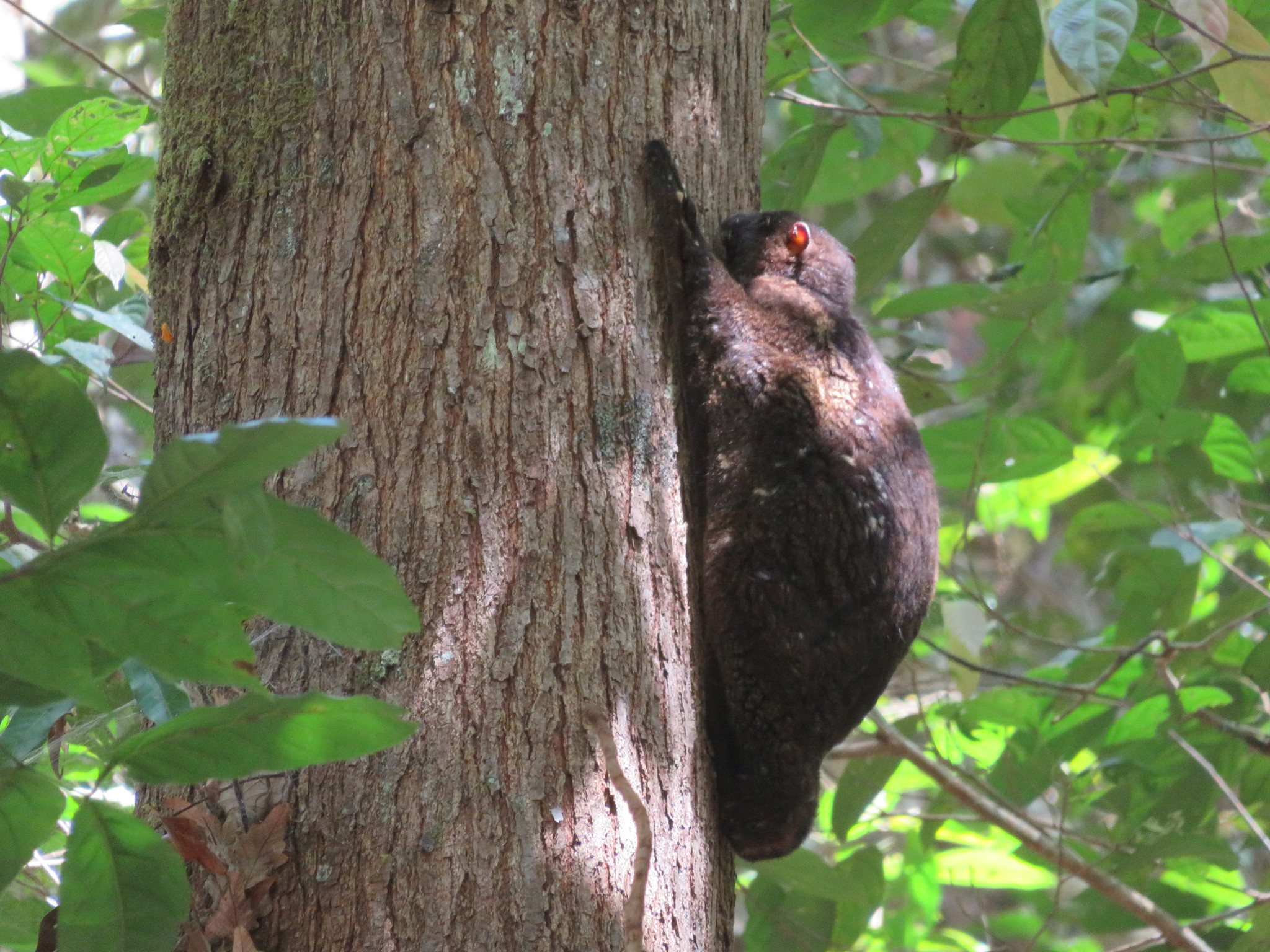 Photo Credit: Gower / Wikimedia Commons
In the heart of Southeast Asia’s lush tropical rainforests, the flying lemur, scientifically known as Galeopterus, glides gracefully through the canopy. With its large, expressive eyes and a body covered in soft, velvety fur, this enchanting creature captures the imagination of anyone lucky enough to spot it. Despite its name, the flying lemur is not a true lemur at all; instead, it belongs to a unique group called Dermoptera, which means “skin wings.” This fascinating adaptation allows it to soar between trees, using a special membrane that stretches from its neck to its fingertips and toes, creating a parachute-like effect.
As night falls, the flying lemur awakens from its leafy nest, ready to embark on a nocturnal adventure. With its keen sense of smell and remarkable agility, it forages for leaves, fruits, and flowers high above the forest floor. Scientists and nature enthusiasts alike are drawn to this creature not only for its stunning gliding abilities but also for its vital role in the ecosystem. By munching on various plants, the flying lemur helps maintain the balance of life in its vibrant habitat, making it a key player in the intricate web of the rainforest. Join us as we explore the world of Galeopterus, uncovering the secrets of its life, behavior, and the challenges it faces in a rapidly changing environment.
The flying lemur, known scientifically as Galeopterus, occupies a special place in the tree of life. Despite its name, it is not a true lemur but belongs to a unique order called Dermoptera, which means “skin wings.” This order is distinct because it includes only a handful of species that glide through the trees of Southeast Asia. With its large eyes, flat face, and a membrane of skin stretching from its neck to its fingertips and toes, the flying lemur is perfectly adapted for life in the canopy. This adaptation allows it to glide gracefully between trees, making it a master of aerial navigation in its forest home.
| Taxonomic Rank | Scientific Name | Meaning & Significance |
|---|---|---|
| Kingdom | Animalia | This name signifies that flying lemurs are part of the vast group of multicellular organisms known as animals, which are characterized by their ability to move and respond to their environment. |
| Phylum | Chordata | Chordata means “having a notochord,” a flexible rod that supports the body. This feature is a key characteristic of all vertebrates, including flying lemurs, which have a backbone. |
| Class | Mammalia | Mammalia refers to mammals, animals that are warm-blooded and have fur or hair, along with mammary glands that produce milk for their young. Flying lemurs fit this description perfectly. |
| Order | Dermoptera | Dermoptera translates to “skin wings,” highlighting the unique gliding membrane that extends from their limbs, allowing them to glide between trees. |
| Family | Cynocephalidae | This family name means “dog-headed,” which refers to the flying lemur’s flat face and large eyes, reminiscent of a dog’s features. |
| Genus | Galeopterus | Galeopterus means “gliding head,” a fitting name for these animals that are known for their remarkable gliding abilities. |
Understanding the flying lemur’s classification reveals much about its evolutionary journey. As a member of the order Dermoptera, it shares a common ancestor with other gliding mammals, showcasing how different species have adapted to similar environments in unique ways. The flying lemur’s specialized adaptations for gliding and its distinct physical features highlight the incredible diversity of life on Earth and the various paths evolution can take. This fascinating creature reminds us of the intricate connections within the animal kingdom and the importance of preserving its forest habitat for future generations.
The evolutionary journey of the flying lemur, or Galeopterus, stretches back millions of years, weaving through the lush forests of Southeast Asia. This intriguing animal is part of a group known as Dermoptera, which diverged from other primates around 60 million years ago. As the world changed, so did the flying lemur, adapting to its environment in ways that would help it thrive in the treetops.
The ancestors of flying lemurs were small, tree-dwelling mammals that lived in the dense forests of Asia. Over time, they developed a series of adaptations that allowed them to glide gracefully between trees. One major transition was the evolution of a membrane of skin that stretches from their neck to their fingertips and down to their toes. This adaptation, known as a patagium, acts like a parachute, enabling them to soar through the air with ease. As they glided from branch to branch, they also developed a diet that focused on leaves and fruits, which are abundant in their forest homes. This shift in diet required changes in their teeth and digestive systems, allowing them to process tough plant material more efficiently.
These adaptations have been crucial for the survival of flying lemurs in their forest habitats. The ability to glide not only helps them escape predators but also allows them to access food sources that are often out of reach for other animals. Their specialized teeth and digestive systems ensure they can thrive on a diet of leaves and fruits, while their keen eyesight helps them navigate the complex, shadowy world of the forest at night. Together, these traits make the flying lemur a master of its arboreal domain, showcasing the wonders of evolution in action.
The flying lemur, or Galeopterus, presents a captivating sight that blends the charm of a small mammal with the grace of a glider. With a body designed for life among the treetops, it boasts a flattened, elongated form that allows it to soar through the air. Its large, expressive eyes are perfectly suited for nighttime adventures, while its broad, membranous patagium—skin stretched between its limbs—enables it to glide effortlessly from branch to branch. This remarkable adaptation not only aids in travel but also helps it evade predators in the dense forests of Southeast Asia.
| Feature | Description |
|---|---|
| Weight | Sunda: 2 to 4.5 pounds; Philippine: 2.2 to 3.85 pounds |
| Skin Type | Fur |
| Most Distinctive Feature | Ability to glide |
The combination of its lightweight body and gliding membrane allows the flying lemur to navigate its arboreal habitat with ease. This adaptation is crucial for foraging, as it can reach food sources that are otherwise difficult to access. Additionally, gliding helps it escape from potential threats lurking below. With its soft fur providing insulation and camouflage among the leaves, the flying lemur is a master of its environment, showcasing the beauty of evolution in action.
The flying lemur, or Galeopterus, calls the vibrant tropical rainforests of Southeast Asia its home. These lush, green environments are filled with towering trees, thick canopies, and a rich tapestry of life. Sunlight filters through the leaves, creating a dappled effect on the forest floor, while the air is alive with the sounds of chirping insects and rustling leaves. This habitat provides the perfect backdrop for the flying lemur’s unique lifestyle, allowing it to glide gracefully from tree to tree in search of food and shelter.
The climate in these tropical rainforests is warm and humid, with temperatures typically ranging from 70 to 90 degrees Fahrenheit. Rainfall is abundant, often exceeding 100 inches a year, which helps sustain the lush vegetation that flying lemurs rely on for food. These animals thrive in environments where the trees are dense and the canopy is high, providing both nourishment and protection from predators. The humidity and warmth create a perfect setting for the diverse plant life that makes up their diet.
Flying lemurs have adapted beautifully to their rainforest homes. Their large, membranous flaps of skin stretch from their necks to their fingertips and down to their toes, allowing them to glide between trees with ease. This adaptation not only helps them escape from predators but also enables them to reach food sources that are often high up in the canopy. Their keen sense of smell and excellent night vision make them skilled foragers, allowing them to navigate their complex habitat with confidence.
The flying lemur, or Galeopterus, leads a life that is both tranquil and adventurous. As night falls, these nocturnal animals emerge from their leafy nests, ready to glide through the trees in search of food. Their diet mainly consists of leaves, fruits, and flowers, which they nibble on with their sharp teeth. With a special membrane stretching from their wrists to their ankles, they can glide gracefully from one tree to another, covering impressive distances in search of their favorite snacks. This gliding ability not only helps them find food but also keeps them safe from ground predators.
While flying lemurs are primarily solitary, they do have social interactions, especially during mating season. They communicate through a variety of sounds, including soft calls and whistles, which help them stay in touch with potential mates or warn others of danger. When they do come together, it’s often in small groups, allowing them to share information about food sources or safe resting spots. This social behavior, though limited, plays a crucial role in their survival, as it helps them navigate their complex forest environment.
| Behavior Type | Description |
|---|---|
| Activity Patterns | Nocturnal foraging, gliding between trees, and resting during the day. |
| Social Structure | Mainly solitary, with occasional gatherings during mating season. |
| Communication Methods | Soft calls and whistles to communicate with potential mates and warn of danger. |
The behaviors of flying lemurs are finely tuned to their environment, ensuring their survival in the dense forests they inhabit. Their gliding ability allows them to evade predators while efficiently searching for food. By maintaining a balance between solitude and social interaction, they can thrive in their lush habitats, making the most of the resources available to them. This blend of independence and occasional socialization is key to their success in the wild.
The flying lemur, or Galeopterus, is primarily an herbivore, meaning it mainly eats plants. Its diet consists of a variety of leaves, fruits, and flowers, which it skillfully forages from the treetops. Although it is not a true lemur, this fascinating animal has adapted to its arboreal lifestyle by developing a keen ability to glide between trees, allowing it to reach food sources that are often out of reach for other animals. With its large eyes and excellent night vision, the flying lemur is well-equipped to search for food during the night when it is most active.
| Dietary Aspect | Details |
|---|---|
| Diet Type | Herbivore |
| Favorite Foods | Leaves, fruits, and flowers |
| Prey Items | Occasionally insects |
| Hunting/Foraging Strategies | Gliding between trees to access food |
This specialized diet plays a crucial role in the flying lemur’s ecology and daily routine. By feeding on a variety of plant materials, it helps maintain the health of its forest habitat, promoting plant growth and diversity. The flying lemur’s nocturnal foraging habits also allow it to avoid competition with other daytime feeders, ensuring it has access to the food it needs. As it glides gracefully through the trees, it not only finds nourishment but also contributes to the intricate web of life in the tropical rainforests of Southeast Asia.
When it comes to mating, flying lemurs engage in a courtship that is both gentle and affectionate. During the breeding season, which varies by species and location, males will often display their agility and strength to attract females. This can include gliding from tree to tree and vocalizing soft calls. Once a pair has formed a bond, they will mate, and the female will prepare for the arrival of her young.
| Reproductive Aspect | Details |
|---|---|
| Gestation Period | 60 days for the Sunda, 105 days for the Philippine |
| Litter Size | 1 infant |
| Age of Maturity | 2 to 3 years |
| Name of Young | Infant |
After the gestation period, which lasts about two months for the Sunda flying lemur and a bit longer for the Philippine variety, a single infant is born. These tiny creatures are born helpless and rely entirely on their mothers for care. The mother is attentive, keeping her infant close as they navigate the treetops together. As the young lemur grows, it learns essential skills like gliding and foraging, gradually becoming more independent. By the time they reach sexual maturity at around two to three years, they are well-prepared to start their own families, continuing the cycle of life in the lush forests they call home.
The flying lemur, or Galeopterus, plays a vital role in its ecosystem, primarily as a herbivore that helps maintain the balance of plant life in the tropical rainforests of Southeast Asia. However, this charming glider is not without its dangers. It finds itself in the middle of the food web, where it must be cautious of various predators and threats that can disrupt its peaceful existence.
To survive against these threats, flying lemurs have developed some clever defensive behaviors. Their ability to glide silently through the trees helps them evade predators, allowing them to escape into the dense foliage. When threatened, they can also remain motionless, blending in with their surroundings thanks to their fur’s coloration. This camouflage, combined with their nocturnal lifestyle, makes it harder for predators to spot them. By using these strategies, flying lemurs navigate the challenges of their environment, ensuring their survival in a world filled with dangers.
A keystone species is an organism that has a disproportionately large impact on its environment relative to its abundance. These species help maintain the structure of an ecosystem, influencing the types and numbers of other species present. The flying lemur, or Galeopterus, while not a true lemur, plays a significant role in its tropical rainforest habitat, but it may not fit the strict definition of a keystone species. Its presence contributes to the health of the ecosystem, yet its absence would not lead to the collapse of the entire system.
Flying lemurs primarily feed on leaves, fruits, and flowers, which makes them important players in their ecosystem. By consuming these plant materials, they help control plant growth and promote biodiversity. For instance, their selective feeding habits can prevent any one species of plant from dominating the forest, allowing a variety of plants to thrive. This diversity is crucial for the overall health of the rainforest, as it supports numerous other species, from insects to larger mammals.
Moreover, flying lemurs serve as a food source for predators, such as birds of prey and snakes. Their presence in the food web helps sustain these predators, which in turn keeps the population of herbivores in check. This balance is essential for maintaining the health of the forest. Additionally, as flying lemurs glide from tree to tree, they may inadvertently assist in seed dispersal. Seeds that pass through their digestive systems can be deposited in new locations, promoting plant growth in different areas of the forest.
If flying lemurs were to disappear from their rainforest homes, the effects could ripple through the ecosystem. Without these animals, certain plant species might become overabundant, leading to a decline in biodiversity. This could affect other herbivores that rely on a variety of plants for food. Additionally, predators that depend on flying lemurs for sustenance would face food shortages, potentially leading to their decline as well. The intricate balance of life in the rainforest could be disrupted, showcasing just how interconnected all species are within their habitats.
The flying lemur, or Galeopterus, occupies a vital ecological niche in the tropical rainforests of Southeast Asia. This fascinating animal is not just a glider; it plays a significant role in maintaining the health and balance of its environment. By foraging on leaves, fruits, and flowers, the flying lemur helps control plant growth and supports the intricate web of life that thrives in its lush habitat. Its unique adaptations allow it to glide gracefully between trees, making it an essential player in the forest ecosystem.
| Ecosystem Service | Impact |
|---|---|
| Seed Dispersal | Helps spread seeds of various plants, promoting forest regeneration. |
| Plant Growth Regulation | Controls the growth of certain plant species by feeding on their leaves. |
| Habitat for Other Species | Creates microhabitats in the trees that benefit other animals and insects. |
| Nutrient Cycling | Contributes to nutrient cycling through its waste, enriching the soil. |
The flying lemur’s influence on its ecosystem is profound. For instance, as it munches on leaves, it not only keeps certain plant populations in check but also aids in the dispersal of seeds. When it consumes fruits, the seeds pass through its digestive system and are deposited elsewhere, allowing new plants to grow in different areas. This process is crucial for maintaining biodiversity, as it encourages a variety of plant species to flourish, which in turn supports a wide range of animal life.
The broader ecological importance of the flying lemur cannot be overstated. As a keystone species, its presence helps shape the structure of the rainforest ecosystem. By promoting plant diversity and supporting other wildlife, the flying lemur ensures that the forest remains a vibrant and thriving habitat. Protecting this remarkable animal is essential not only for its survival but also for the health of the entire rainforest ecosystem, highlighting the interconnectedness of all living things.
In the intricate web of life, symbiosis plays a crucial role in shaping the relationships between different species. Symbiosis refers to the close interactions between organisms, which can be beneficial, harmful, or neutral. These relationships can take many forms, such as mutualism, where both species gain advantages, parasitism, where one benefits at the expense of the other, and commensalism, where one species benefits while the other is neither helped nor harmed. The flying lemur, or Galeopterus, engages in various ecological partnerships that highlight the complexity of its rainforest habitat.
| Species/Type | Relationship Type | Description |
|---|---|---|
| Fruit Trees | Mutualistic | The flying lemur feeds on fruits and leaves, helping to disperse seeds through its droppings, which aids in the growth of new plants. |
| Epiphytic Plants | Commensal | Flying lemurs often rest on branches where epiphytes grow. The plants benefit from the height and light, while the lemurs gain a safe resting spot. |
| Predatory Birds | Parasitic | While not a direct relationship, flying lemurs can fall prey to birds of prey, highlighting the dangers they face in their environment. |
These relationships have evolved over time, shaped by the needs and behaviors of the species involved. The mutualistic bond with fruit trees not only supports the flying lemur’s diet but also promotes forest regeneration, showcasing how interconnected life can be. Meanwhile, the commensal relationship with epiphytic plants illustrates the balance of benefits in nature, where one species can thrive without negatively impacting another. Understanding these dynamics helps us appreciate the delicate balance of ecosystems and the importance of each species in maintaining the health of their environment.
The flying lemur, or Galeopterus, is a captivating animal that enchants both scientists and nature lovers alike. With its extraordinary adaptations and unique lifestyle, this creature offers a glimpse into the wonders of evolution and the diversity of life in our world.
The flying lemur, or Galeopterus, has long captured the imagination of people living in Southeast Asia. Historically, these enchanting animals have been woven into local folklore and cultural narratives. Many communities view them as symbols of agility and grace, often attributing mystical qualities to their gliding abilities. In some cultures, they are seen as guardians of the forest, embodying the spirit of the trees they inhabit. This deep-rooted connection highlights how humans have historically revered the flying lemur, recognizing its role in the rich tapestry of their natural environment.
Today, the relationship between flying lemurs and humanity is more complex. As urbanization and deforestation continue to threaten their habitats, conservation efforts have become crucial. Organizations are working tirelessly to protect these unique animals and their forest homes. However, conflicts can arise when human activities encroach on their territory, leading to habitat loss and fragmentation. While domestication is not a common practice for flying lemurs, some people are drawn to their charm and may keep them as exotic pets, which can pose challenges for their well-being and conservation status.
Looking ahead, the future of the flying lemur and its relationship with humanity hinges on our collective actions. As awareness grows about the importance of biodiversity and the role these animals play in their ecosystems, there is hope for a more harmonious coexistence. By prioritizing conservation and sustainable practices, we can ensure that future generations will not only witness the beauty of flying lemurs but also understand their significance in the natural world. Together, we can foster a deeper appreciation for these remarkable creatures and the forests they call home.
The flying lemur, or Galeopterus, currently holds a conservation status of “Least Concern” according to the International Union for Conservation of Nature (IUCN). This means that, at present, the species is not facing an immediate threat of extinction. With an estimated population size of around 101,000 individuals, the flying lemur appears to be stable overall. However, it is essential to keep a close eye on their numbers, as changes in their habitat could impact their future.
| Conservation Factor | Status/Details |
|---|---|
| IUCN Status | Least Concern |
| Estimated Population Size | 101,000 |
| Population Trend | Stable |
Despite their current stable status, flying lemurs face several significant threats. Habitat loss is one of the most pressing issues, primarily due to deforestation for agriculture and urban development. As their lush rainforest homes are cleared, these gliding mammals lose not only their shelter but also their food sources. Additionally, hunting and the illegal pet trade pose risks, as some people seek to capture these enchanting animals for personal collections or as exotic pets.
Conservation efforts are underway to protect the flying lemur and its habitat. Organizations are working to promote sustainable land use practices that balance human needs with wildlife conservation. Education programs are also being implemented to raise awareness about the importance of preserving these unique animals and their ecosystems. With continued efforts, there is hope that the flying lemur will thrive in the wild for generations to come, gliding gracefully through the treetops of Southeast Asia.
| Question | Answer |
|---|---|
| Where do flying lemurs live? | Flying lemurs, also known as colugos, inhabit tropical rain forests in Southeast Asia. They prefer areas with plenty of trees, as they are excellent gliders and need a canopy to move between branches. |
| What do flying lemurs eat? | These fascinating creatures are herbivores, meaning they primarily eat plants. Their diet consists of leaves, fruits, and flowers, which provide them with the nutrients they need to thrive in their forest homes. |
| How do flying lemurs behave? | Flying lemurs are mostly nocturnal, which means they are active at night. They are known for their gliding ability, using a special membrane that stretches from their neck to their fingertips, allowing them to glide gracefully between trees. |
| How do flying lemurs reproduce? | Flying lemurs typically give birth to a single baby after a gestation period of about two months. The young cling to their mother's belly for safety and nourishment until they are old enough to explore on their own. |
| What threats do flying lemurs face? | While flying lemurs are currently classified as Least Concern, they still face threats from habitat loss due to deforestation. As their forest homes shrink, their populations can become vulnerable, making conservation efforts important. |
| What is a unique characteristic of flying lemurs? | One of the most distinctive features of flying lemurs is their ability to glide. They have a large patagium, a membrane that extends from their limbs, allowing them to soar through the trees with ease, much like a flying squirrel. |
| Are flying lemurs social animals? | Flying lemurs are generally solitary creatures, although they may be seen in pairs or small groups during mating season. They communicate with each other through a variety of sounds and scents, helping them navigate their forest environment. |