Taxonomy & Classification
- Kingdom
- Animalia
- Phylum
- Chordata
- Class
- Mammalia
- Order
- Carnivora
- Family
- Canidae
- Genus
- Canis
- Species
- Canis lupus

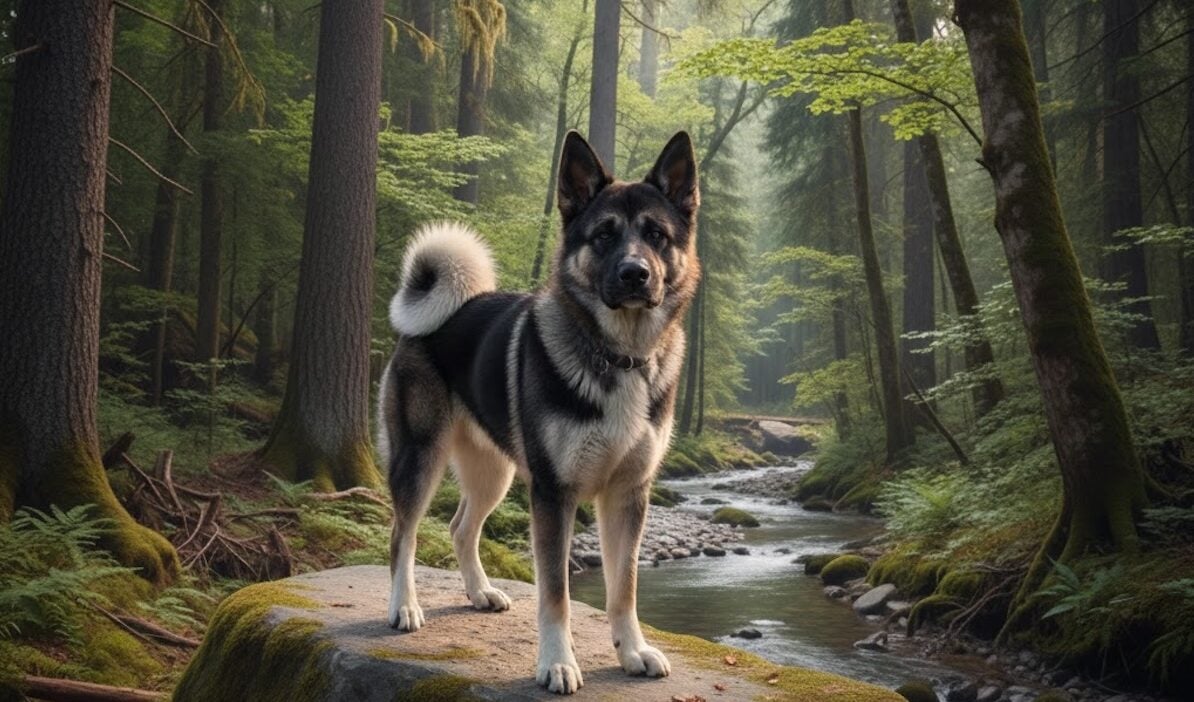 Photo Credit: AnimalsDiscovered
In the heart of a sun-drenched meadow, the Akita Shepherd, scientifically known as Canis lupus familiaris, stands as a striking figure. This hybrid breed, a blend of the noble Akita and the intelligent German Shepherd, boasts a powerful, muscular frame that exudes both strength and grace. With its thick, double coat that can range from a rich brindle to a striking black and tan, the Akita Shepherd is not just a feast for the eyes; it is a marvel of nature that captivates both scientists and dog lovers alike. Its keen, expressive eyes reflect a deep intelligence, hinting at the loyal and protective nature that has made this breed a beloved companion.
As the sun sets, casting a golden hue over the landscape, the Akita Shepherd thrives in its environment, showcasing its agility and playful spirit. This breed is known for its energetic disposition, often bounding through fields with a joyful exuberance that invites admiration. The Akita Shepherd’s unique combination of traits—strength from the Akita and versatility from the German Shepherd—makes it a fascinating subject for study. Researchers are particularly intrigued by how this hybrid’s behavior and physical characteristics reflect the rich histories of its parent breeds, offering insights into the evolution of domesticated animals. Join us as we explore the captivating world of the Akita Shepherd, delving into its history, behavior, and the special bond it shares with humans.
The Akita Shepherd is a captivating blend of two distinct breeds: the Akita and the German Shepherd. This hybrid sits within the animal kingdom’s taxonomic hierarchy, showcasing its lineage and unique characteristics. As a member of the Canidae family, which includes wolves, foxes, and domestic dogs, the Akita Shepherd embodies traits from both its parent breeds. This mix not only influences its physical appearance but also its temperament, making it a loyal and intelligent companion.
| Taxonomic Rank | Scientific Name | Meaning & Significance |
|---|---|---|
| Kingdom | Animalia | This term comes from the Latin word “animalis,” meaning “having breath” or “living.” It signifies all living organisms that are multicellular and capable of movement. |
| Phylum | Chordata | Derived from the Latin “chorda,” meaning “string” or “cord,” this classification includes animals with a notochord, a flexible rod that supports the body, at some stage of development. |
| Class | Mammalia | This name comes from the Latin “mamma,” meaning “breast,” highlighting the defining feature of mammals: females possess mammary glands to nourish their young. |
| Order | Carnivora | From the Latin “carnivorus,” meaning “meat-eating,” this order includes animals that primarily consume meat, showcasing adaptations for hunting and consuming prey. |
| Family | Canidae | This family name is derived from the Latin “canis,” meaning “dog.” It encompasses all dog-like mammals, emphasizing their shared ancestry and characteristics. |
| Genus | Canis | Also from the Latin “canis,” this genus includes domestic dogs, wolves, and other closely related species, highlighting their evolutionary connections. |
Understanding the Akita Shepherd’s classification reveals much about its evolutionary journey. As a hybrid, it inherits traits from both the Akita and the German Shepherd, which have their own rich histories. The Akita, originally bred in Japan for hunting and guarding, brings a strong, independent spirit, while the German Shepherd, developed in Germany for herding and protection, contributes intelligence and loyalty. This blend of characteristics not only shapes the Akita Shepherd’s behavior but also reflects the diverse adaptations that have occurred over time in the animal kingdom. By studying its taxonomic position, we gain insight into the fascinating interplay of genetics and environment that has led to the creation of this unique breed.
The Akita Shepherd, a hybrid breed born from the union of the Akita and the German Shepherd, carries a rich evolutionary history that stretches back thousands of years. The story of this breed begins with its ancestors, the wolves, who roamed the Earth over 15,000 years ago. As humans began to domesticate these wild canids, they selected for traits that would eventually lead to the diverse dog breeds we see today. The Akita Shepherd’s lineage reflects a fascinating journey of adaptation and survival, shaped by both natural and human influences.
The Akita, originating from Japan, was bred for hunting and guarding, showcasing strength and loyalty. Meanwhile, the German Shepherd, developed in Germany in the late 19th century, was designed for herding and protection, known for its intelligence and versatility. The combination of these two breeds resulted in the Akita Shepherd, which inherits the best traits of both. This hybrid showcases a blend of physical prowess and keen intelligence, making it well-suited for various roles, from family companion to working dog.
The adaptations of the Akita Shepherd have played a crucial role in its survival and success as a breed. Its strong build and protective instincts make it an excellent guardian, while its intelligence allows it to navigate complex situations with ease. The ability to adapt to different environments ensures that this hybrid can thrive in various settings, whether as a loyal family pet or a diligent working dog. Together, these traits not only enhance its quality of life but also strengthen the bond it shares with humans, showcasing the enduring partnership between our species and these remarkable animals.
The Akita Shepherd is an impressive sight, standing tall and proud with a robust, muscular build that commands attention. This hybrid breed combines the strength of the Akita with the agility of the German Shepherd, resulting in a powerful yet graceful form. With a broad head and strong neck, the Akita Shepherd exudes confidence and loyalty. Its sturdy legs and large paws provide stability and support, making it an excellent companion for both work and play.
| Feature | Description |
|---|---|
| Weight | 120 lbs |
| Skin Type | Hair |
| Body Structure | Muscular and robust |
| Head Shape | Broad with a strong jaw |
| Legs | Sturdy and powerful |
| Paws | Large and well-formed |
These physical features work together to create a breed that is not only striking but also highly functional. The muscular build allows the Akita Shepherd to excel in various activities, from herding to protection. Its strong legs and large paws provide the necessary support for agility and endurance, making it well-suited for both outdoor adventures and everyday tasks. The combination of strength and grace in this breed is a testament to its heritage, showcasing the best traits of both the Akita and the German Shepherd.
The Akita Shepherd thrives in a variety of environments, often found in homes that offer both space and companionship. This hybrid breed enjoys areas where it can roam freely, whether that be in a suburban backyard or a more rural setting. With its strong lineage from both the Akita and the German Shepherd, it is well-suited to diverse habitats, including open fields, forests, and even mountainous regions. These settings provide the perfect backdrop for its playful and protective nature, allowing it to engage in activities that stimulate both its body and mind.
The Akita Shepherd prefers climates that are moderate to cool, as it has a thick double coat that helps it withstand chilly temperatures. This breed enjoys outdoor activities, so it thrives in environments where it can experience a range of weather conditions, from crisp autumn days to snowy winters. However, it is also adaptable enough to handle warmer climates, provided it has access to shade and plenty of water. The ideal environment for this breed balances outdoor space with a comfortable indoor area, allowing it to enjoy both the fresh air and the warmth of home.
Adaptation is key for the Akita Shepherd, as it has developed traits that help it excel in various habitats. Its thick fur not only provides insulation against the cold but also protects it from harsh weather conditions. Additionally, this breed is known for its intelligence and loyalty, making it an excellent companion for families and individuals alike. The Akita Shepherd’s strong instincts and protective nature allow it to thrive in environments where it can guard its loved ones while also enjoying the freedom to explore and play. This combination of traits makes it a versatile and beloved member of many households.
The daily life of an Akita Shepherd is a blend of energy, loyalty, and intelligence. These dogs thrive on routine, often starting their day with a brisk morning walk. They enjoy exploring their surroundings, sniffing out new scents, and taking in the sights. After their morning exercise, they typically settle down for a nap, recharging for the day ahead. As the sun rises higher, they engage in playtime, showcasing their agility and strength. Whether it’s chasing a ball or wrestling with a favorite toy, their playful nature shines through. As evening approaches, they often enjoy quiet moments with their families, forming strong bonds that are essential to their happiness.
Social behavior is a key aspect of the Akita Shepherd’s life. These dogs are known for their loyalty and protective instincts, making them excellent companions and guardians. They thrive in a family environment, where they can interact with both humans and other pets. Their social structure is often hierarchical, meaning they respect a clear leader, which is usually their owner. Communication is vital for them; they use a mix of barks, growls, and body language to express their feelings. When they feel secure and loved, their playful and affectionate side emerges, making them wonderful family members.
| Behavior Type | Description |
|---|---|
| Activity Patterns | Akita Shepherds require regular exercise, including walks and playtime, to maintain their physical and mental health. |
| Social Structure | They thrive in a family setting, often forming strong bonds with their human companions and respecting a clear leader. |
| Communication Methods | These dogs communicate through a combination of vocalizations, such as barks and growls, as well as body language, like tail wagging and posture. |
The behaviors of the Akita Shepherd are not just charming; they play a crucial role in their survival. Their loyalty and protective nature help them guard their families, while their intelligence allows them to learn commands and adapt to various situations. By forming strong social bonds, they ensure they are part of a supportive group, which is vital for their emotional well-being. In the wild, these traits would help them navigate challenges and thrive, but in a home environment, they create a loving and secure atmosphere for everyone involved.
The Akita Shepherd is an omnivore, which means it enjoys a varied diet that includes both plant and animal foods. This hybrid breed has a hearty appetite and thrives on a balanced mix of proteins, carbohydrates, and fats. In the wild, its ancestors would have hunted for meat while also foraging for fruits and vegetables, making it well-suited to adapt to different food sources. Whether at home or in the wild, the Akita Shepherd’s feeding behavior reflects its need for energy and nutrition to support its active lifestyle.
| Dietary Aspect | Details |
|---|---|
| Diet Type | Omnivore |
| Favorite Foods | Meat, vegetables, grains |
| Prey Items | Small mammals, birds |
| Hunting/Foraging Strategies | Active hunting, scavenging, foraging |
The Akita Shepherd’s diverse diet plays a crucial role in its ecology and daily routine. By consuming a variety of foods, it helps maintain a balanced diet that supports its health and energy levels. This adaptability allows the breed to thrive in different environments, whether it’s chasing after small prey or foraging for tasty plants. As a result, the Akita Shepherd not only fulfills its nutritional needs but also engages in behaviors that keep it physically and mentally stimulated, making it a well-rounded companion for families and individuals alike.
The mating behavior of the Akita Shepherd is influenced by the instincts of its parent breeds, the Akita and the German Shepherd. Typically, the breeding season occurs in the spring and fall, when the female is in heat. During this time, males will often display courtship behaviors, such as playful interactions and vocalizations, to attract a mate. Once a pair has formed a bond, they will mate multiple times over a few days to increase the chances of successful fertilization.
| Reproductive Aspect | Details |
|---|---|
| Gestation Period | Approximately 63 days |
| Litter Size | Typically 6 to 8 puppies |
| Age of Maturity | About 12 to 18 months |
| Name of Young | Puppies |
Once the puppies are born, the mother takes on the vital role of caregiver. She provides warmth, nourishment, and protection to her young. The puppies are born blind and deaf, relying entirely on their mother for survival in those early days. As they grow, they begin to explore their surroundings, developing their senses and social skills. The mother will teach them important behaviors, such as how to interact with other dogs and humans. By the time they reach maturity, these puppies will have transformed into strong, confident adults, ready to take on the world alongside their human companions.
The Akita Shepherd occupies a fascinating position in the food web, primarily as a domesticated animal. While it is not a wild creature, it still faces various dangers from the natural world and human activities. As a hybrid breed, it combines traits from both the Akita and the German Shepherd, making it a strong and capable dog. However, its domesticated lifestyle does not completely shield it from threats that can impact its well-being.
To defend itself against these threats, the Akita Shepherd employs a variety of survival strategies. Its strong instincts, inherited from its parent breeds, make it alert and aware of its surroundings. This breed is known for its loyalty and protective nature, often acting as a guardian for its family. When faced with danger, the Akita Shepherd may bark loudly to warn off intruders or potential predators. Additionally, its physical strength and agility allow it to escape or evade threats when necessary. By combining these behaviors with a keen sense of awareness, the Akita Shepherd navigates its world with both caution and confidence.
A keystone species is a vital part of its ecosystem, playing a crucial role in maintaining the structure and balance of that environment. If removed, the entire ecosystem could change dramatically. The Akita Shepherd, while a beloved hybrid dog, does not qualify as a keystone species. This breed is primarily a domesticated animal, meaning it does not have a significant impact on wild ecosystems in the same way that certain animals, like wolves or sea otters, do.
Even though the Akita Shepherd is not a keystone species, it still has an interesting role in the lives of humans and their environments. As a loyal companion, this breed can influence the social dynamics of households, promoting physical activity and emotional well-being among family members. Their presence encourages outdoor activities, which can lead to healthier lifestyles for their owners.
Moreover, Akita Shepherds can impact local wildlife indirectly. For instance, their natural instincts may lead them to chase smaller animals, which can help control populations of certain species in suburban areas. This behavior can create a balance, preventing overpopulation of small mammals that might otherwise damage gardens or spread disease.
If the Akita Shepherd were to disappear, the immediate effects would be felt in households that rely on their companionship and loyalty. Families might experience a void in emotional support and physical activity. Additionally, the absence of this breed could lead to an increase in small animal populations in suburban areas, potentially causing imbalances in local ecosystems. While the Akita Shepherd may not be a keystone species, its role in human lives and the environment is still significant, highlighting the interconnectedness of all living beings.
The Akita Shepherd occupies a special ecological niche as a domesticated hybrid breed that influences its environment in various ways. This breed, a mix of the loyal Akita and the intelligent German Shepherd, interacts with its surroundings and the people it lives with, shaping the ecosystem in both direct and indirect manners. As a companion animal, the Akita Shepherd not only provides emotional support but also plays a role in the local environment, particularly in urban and suburban settings.
| Ecosystem Service | Impact |
|---|---|
| Companionship | Enhances human well-being and mental health, fostering a connection to nature. |
| Waste Management | Helps in the decomposition process by consuming organic waste, such as food scraps. |
| Guarding | Protects homes and properties, contributing to community safety and security. |
| Exercise and Activity | Encourages outdoor activities for owners, promoting a healthier lifestyle. |
The Akita Shepherd’s influence can be seen in various aspects of daily life. For instance, when taken for walks, these dogs encourage their owners to explore parks and natural areas, fostering a greater appreciation for the environment. Their omnivorous diet means they can help manage organic waste by consuming leftovers, which can reduce the amount of waste that ends up in landfills. Additionally, their protective nature not only safeguards their families but also contributes to a sense of community, as they often deter potential threats in the neighborhood.
The broader ecological importance of the Akita Shepherd extends beyond individual households. By promoting outdoor activities, they help connect people with nature, which can lead to increased environmental awareness and conservation efforts. Their role in waste management and community safety highlights how even domesticated animals can have a significant impact on their ecosystems. In essence, the Akita Shepherd is not just a pet; it is a vital part of the intricate web of life that connects humans and the natural world.
In the intricate web of life, symbiosis plays a vital role in shaping the relationships between different species. Symbiosis refers to the close interactions between organisms, which can be beneficial, harmful, or neutral. These relationships can be classified into three main types: mutualism, where both species benefit; parasitism, where one species benefits at the expense of another; and commensalism, where one species benefits while the other is neither helped nor harmed. Understanding these connections helps us appreciate the balance of ecosystems and the roles that various species play within them.
| Species/Type | Relationship Type | Description |
|---|---|---|
| Humans | Mutualistic | Akita Shepherds often form strong bonds with humans, providing companionship and protection while receiving care and love in return. |
| Other Pets (e.g., cats) | Commensal | In a household, Akita Shepherds may coexist with other pets, where the presence of the dog can provide a sense of security for smaller animals without affecting them negatively. |
| Wildlife (e.g., birds) | Parasitic | In some cases, parasites like fleas or ticks may latch onto Akita Shepherds, benefiting from the dog’s blood while causing discomfort and health issues for the dog. |
These relationships have evolved over time, shaped by the needs and behaviors of the species involved. The bond between Akita Shepherds and humans is a prime example of mutualism, where both parties gain from their interaction. As these dogs have been bred for companionship and loyalty, they thrive in human environments, while humans benefit from their protective instincts and affectionate nature. Meanwhile, the presence of parasites highlights the challenges that can arise in nature, reminding us that not all relationships are beneficial. Understanding these dynamics helps us appreciate the complexity of life and the interconnectedness of all living beings.
The Akita Shepherd is a fascinating hybrid breed that combines the strength and loyalty of the Akita with the intelligence and versatility of the German Shepherd. This unique mix not only makes for a remarkable companion but also reveals some surprising traits and behaviors that will intrigue nature enthusiasts.
The Akita Shepherd, a hybrid of the noble Akita and the intelligent German Shepherd, has a rich history intertwined with humanity. Originating in Japan and Germany, these breeds were initially developed for specific purposes: the Akita for hunting and guarding, and the German Shepherd for herding and protection. Over time, these dogs have become symbols of loyalty and courage in various cultures. In Japan, the Akita is revered as a national treasure, often associated with good health and happiness. This cultural significance has fostered a deep bond between the Akita Shepherd and people, making them cherished companions in many households.
Today, the relationship between the Akita Shepherd and humans continues to evolve. These dogs are not only beloved pets but also serve in various roles that benefit society. They are often involved in search and rescue operations, therapy work, and even as service animals for those with disabilities. However, this relationship is not without its challenges. As urbanization expands, conflicts can arise when these dogs are not given enough space to roam and exercise. Additionally, responsible breeding practices are essential to ensure the health and well-being of the Akita Shepherd, as hybrid breeds can sometimes inherit health issues from their parent breeds.
As we look to the future, the bond between the Akita Shepherd and humanity holds great promise. With increased awareness of animal welfare and responsible ownership, these dogs can thrive in environments that cater to their needs. Education about their unique traits and requirements will help ensure that they remain valued members of our families and communities. By nurturing this relationship, we can continue to celebrate the loyalty, intelligence, and companionship that the Akita Shepherd brings to our lives.
The Akita Shepherd currently holds a conservation status of “Not Listed,” which means it is not recognized as endangered or threatened by major conservation organizations like the IUCN (International Union for Conservation of Nature). This hybrid breed, a mix of the Akita and German Shepherd, has a stable population trend, primarily due to its popularity as a companion animal. While specific population estimates are not readily available, the breed enjoys a healthy presence in homes across various regions.
| Conservation Factor | Status/Details |
|---|---|
| IUCN Status | Not Listed |
| Population Estimates | Not specifically available |
| Trend Direction | Stable |
Despite its stable status, the Akita Shepherd faces several challenges that could impact its future. One of the main threats is the potential for overbreeding, which can lead to health issues and genetic problems. Additionally, as a hybrid breed, it may not have the same level of recognition and support as purebred dogs, making it more vulnerable to neglect or abandonment. Furthermore, the increasing number of mixed-breed dogs in shelters can overshadow the Akita Shepherd, leading to fewer opportunities for adoption.
Conservation efforts for the Akita Shepherd primarily focus on responsible breeding practices and promoting awareness about the breed. Organizations and enthusiasts are working to educate potential owners about the importance of adopting from reputable breeders or shelters. By fostering a community that values the health and well-being of these dogs, the outlook for the Akita Shepherd remains positive. With continued support and awareness, this hybrid breed can thrive alongside its human companions, ensuring a bright future for generations to come.
| Question | Answer |
|---|---|
| What is the habitat of the Akita Shepherd? | Akita Shepherds thrive in a variety of environments, but they prefer spacious areas where they can roam and play. They are adaptable and can live in both urban and rural settings, as long as they have enough exercise and mental stimulation. |
| What do Akita Shepherds eat? | As omnivores, Akita Shepherds enjoy a balanced diet that includes both animal and plant-based foods. High-quality dog food, along with fresh fruits and vegetables, can keep them healthy and energetic. |
| What is the behavior of an Akita Shepherd? | Akita Shepherds are known for their loyalty and protective nature. They are intelligent and can be independent, which means they need consistent training and socialization from a young age to ensure they are well-behaved companions. |
| How do Akita Shepherds reproduce? | Like most dogs, Akita Shepherds reproduce through mating between a male and a female. The female typically goes into heat twice a year, and after a gestation period of about 63 days, she gives birth to a litter of puppies, usually ranging from 4 to 8 pups. |
| What threats do Akita Shepherds face? | While Akita Shepherds are not currently listed as endangered, they can face threats from overbreeding and poor breeding practices. Additionally, like all dogs, they can be at risk for certain health issues, so responsible ownership and regular veterinary care are essential. |
| What are some interesting characteristics of Akita Shepherds? | One fascinating trait of the Akita Shepherd is their strong bond with their families. They are also known for their impressive intelligence, which makes them quick learners, but this can also lead to a stubborn streak if not properly trained. |
| How much exercise do Akita Shepherds need? | Akita Shepherds require a good amount of exercise to stay healthy and happy. Daily walks, playtime, and mental challenges are important to keep them physically fit and mentally stimulated, helping to prevent boredom and destructive behavior. |