Taxonomy & Classification
- Kingdom
- Animalia
- Phylum
- Chordata
- Class
- Mammalia
- Order
- Artiodactyla
- Family
- Bovidae
- Genus
- Gazella
- Species
- Gazella gazella

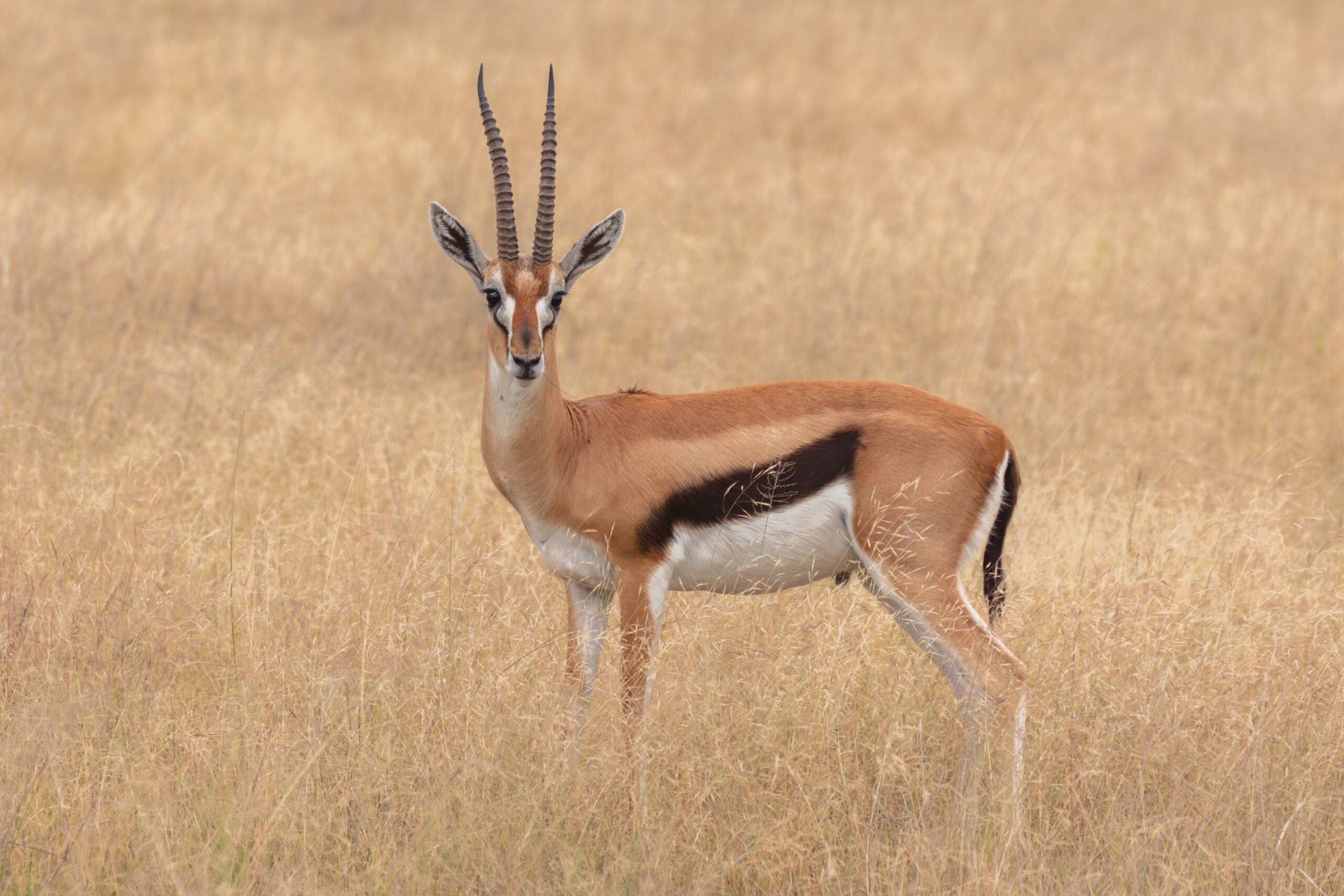 Photo Credit: Diego Delso / Wikimedia
In the sun-drenched savannahs of Africa, the gazelle, known scientifically as Antelope, dances gracefully across the golden grasses. With its slender body and long, elegant legs, this animal embodies speed and agility, making it one of nature’s most captivating sights. Gazelles are not just beautiful; they are marvels of evolution, perfectly adapted to their environment. Their keen eyesight and remarkable ability to leap great distances help them evade predators, while their herbivorous diet of grasses and leaves plays a vital role in maintaining the balance of their ecosystem.
As the day breaks, the savannah comes alive with the sounds of chirping birds and rustling leaves. Gazelles are often seen in small herds, their alert eyes scanning the horizon for any signs of danger. This social behavior not only enhances their safety but also showcases their intricate relationships within the animal kingdom. Scientists and nature enthusiasts alike are drawn to gazelles for their elegance and the fascinating ways they interact with their environment. From their unique mating rituals to their role as a keystone species, gazelles offer a window into the complex web of life that thrives in the wild. Join us as we explore the enchanting world of the gazelle, uncovering the secrets of its survival and the challenges it faces in a rapidly changing habitat.
The gazelle occupies a special place in the tree of life, showcasing the incredible diversity of the animal kingdom. As a member of the family Bovidae, which includes animals like antelopes and cattle, gazelles are part of a larger group known as Artiodactyla, or even-toed ungulates. This means they have an even number of toes on each foot, which helps them run swiftly across the open plains of Africa and parts of Asia. Gazelles are known for their graceful movements and remarkable speed, making them one of the most agile animals in their habitats. Their adaptations for survival, such as keen eyesight and the ability to leap great distances, set them apart in the wild.
| Taxonomic Rank | Scientific Name | Meaning & Significance |
|---|---|---|
| Kingdom | Animalia | This name signifies that gazelles are part of the vast group of multicellular organisms that are primarily heterotrophic, meaning they consume other organisms for energy. |
| Phylum | Chordata | Chordata refers to animals that have a notochord, a flexible rod that supports the body. In gazelles, this structure is replaced by a backbone as they develop. |
| Class | Mammalia | Mammalia indicates that gazelles are warm-blooded animals with fur or hair and that they nurse their young with milk, a defining characteristic of mammals. |
| Order | Artiodactyla | This order includes even-toed ungulates, which have a unique foot structure that aids in running and stability, essential for gazelles in their open habitats. |
| Family | Bovidae | Bovidae encompasses a variety of hoofed animals, and the name reflects their shared traits, such as grazing habits and social structures. |
| Genus | Gazella | The genus name Gazella is derived from Arabic, meaning “little deer,” highlighting their delicate build and graceful appearance. |
Understanding the gazelle’s classification reveals much about its evolutionary journey. As a member of the Bovidae family, gazelles share a common ancestor with other hoofed mammals, which adapted to life on the grasslands. Their unique adaptations, such as speed and agility, have evolved over millions of years, allowing them to thrive in environments where predators are always lurking. This evolutionary history not only showcases the gazelle’s physical traits but also highlights the intricate relationships between species in the animal kingdom, reminding us of the delicate balance of life on Earth.
The evolutionary journey of the gazelle stretches back millions of years, weaving through the vast tapestry of life on Earth. These graceful animals belong to the family Bovidae, which emerged around 20 million years ago. Gazelles, specifically from the genus Gazella, have adapted to their environments in remarkable ways, allowing them to thrive in the diverse habitats of Africa and parts of Asia.
The ancestors of modern gazelles were likely small, agile herbivores that roamed the open plains. Over time, they evolved to become more specialized, developing traits that enhanced their survival in the face of predators and changing climates. One significant transition was the development of long, slender legs, which allowed them to run at incredible speeds. This adaptation was crucial for escaping from predators like lions and cheetahs. Additionally, gazelles evolved keen eyesight and acute hearing, enabling them to detect danger from afar. Their social structures also changed, with herds forming to provide safety in numbers, a strategy that has proven effective against threats.
These adaptations have been vital for the survival of gazelles in their natural habitats. Their speed and agility allow them to escape from fast predators, while their social behavior enhances their chances of survival through collective vigilance. The ability to adapt their diet means they can find food in various environments, ensuring they can thrive even when conditions change. Together, these traits paint a picture of resilience and ingenuity, showcasing how gazelles have successfully navigated the challenges of their world for millions of years.
The gazelle is a stunning embodiment of grace and agility, often evoking images of the open savannah where it thrives. With a slender body that can reach heights of 2 to 3.6 feet at the shoulder, these animals are built for speed. Their long, powerful legs allow them to bound effortlessly across vast distances, while their lightweight frame keeps them nimble and quick. Gazelles are adorned with a coat of soft fur that varies in color, often blending seamlessly with their surroundings, providing both beauty and camouflage.
| Feature | Description |
|---|---|
| Height | 2.0 to 3.6 feet |
| Weight | 26 to 165 lbs. |
| Skin Type | Fur |
| Most Distinctive Feature | Long curved horns |
These physical characteristics work together to create a creature perfectly adapted to its environment. The gazelle’s long legs not only enhance its speed but also allow it to navigate the uneven terrain of its habitat with ease. The soft fur provides insulation and helps regulate body temperature, while the coloration aids in blending into the grasslands, making it harder for predators to spot them. The long curved horns, found in males, serve as both a defense mechanism and a display feature during mating rituals, showcasing the gazelle’s dual role in survival and reproduction. Together, these traits make the gazelle a true marvel of nature, embodying the delicate balance of beauty and functionality in the animal kingdom.
The gazelle calls the sun-drenched grasslands and expansive savannas its home, where the golden grasses sway gently in the breeze. These open landscapes are dotted with shrubs and occasional trees, providing both shelter and food. Gazelles are often seen bounding gracefully across these vast terrains, their slender bodies perfectly adapted to the wide-open spaces. The sights and sounds of the African and Asian wilderness create a vibrant backdrop for these agile animals, making their habitat a true spectacle of nature.
To thrive in their habitats, gazelles require specific climate and environmental conditions. They prefer warm, dry areas with plenty of sunlight, as these conditions support the growth of the grasses they eat. The climate in these regions can vary, but generally, gazelles are found in places that experience seasonal changes, including wet and dry periods. This adaptability allows them to find food and water even when resources are scarce.
Gazelles have developed remarkable adaptations to survive in these environments. Their long legs enable them to run swiftly, helping them escape predators like lions and cheetahs. Additionally, their keen eyesight allows them to spot danger from afar, while their ability to go without water for long periods helps them endure the dry spells of their habitat. These traits not only enhance their survival but also make them a symbol of grace and resilience in the wild.
As the sun rises over the savannah, gazelles begin their day with a series of activities that highlight their agility and alertness. These animals are primarily crepuscular, meaning they are most active during the early morning and late afternoon. During these cooler parts of the day, gazelles graze on grasses and leaves, using their keen eyesight to scan the horizon for any signs of danger. Their daily routine is a delicate balance of feeding, resting, and staying vigilant against predators.
Socially, gazelles are known for their herd behavior, which plays a crucial role in their survival. They often form groups, or herds, that can range from a few individuals to several dozen. This social structure provides safety in numbers, as there are more eyes to spot potential threats. Within these herds, gazelles communicate through a variety of methods, including body language and vocalizations. They may use subtle movements or specific sounds to alert others to danger, ensuring that the entire group remains aware and ready to flee if necessary.
| Behavior Type | Description |
|---|---|
| Activity Patterns | Gazelles are most active during the early morning and late afternoon, grazing on grasses and leaves while remaining alert to predators. |
| Social Structure | They live in herds, which can vary in size, providing safety in numbers and enhancing their ability to detect threats. |
| Communication Methods | Gazelles communicate through body language and vocalizations, using movements and sounds to alert the herd to danger. |
In the wild, these behaviors are not just interesting; they are essential for survival. By living in herds and maintaining constant communication, gazelles increase their chances of evading predators like lions and cheetahs. Their ability to work together and stay alert allows them to thrive in the challenging environments of the savannah, showcasing the beauty of cooperation in the animal kingdom.
Gazelles are herbivores, which means they primarily eat plants. Their diet mainly consists of grasses, leaves, and shoots. Gazelles are well-adapted to their environment, using their keen eyesight and speed to locate food. They often graze in the early morning or late afternoon when temperatures are cooler, allowing them to conserve energy while foraging. This feeding behavior not only helps them find food but also keeps them alert to potential predators lurking nearby.
| Dietary Aspect | Details |
|---|---|
| Diet Type | Herbivore |
| Favorite Foods | Grasses, leaves, and tender shoots |
| Prey Items | None, as they are herbivores |
| Hunting/Foraging Strategies | Grazing in cooler parts of the day, using keen eyesight to spot food and predators |
The diet of a gazelle plays a crucial role in its ecology and daily routine. By feeding on grasses and other vegetation, gazelles help maintain the health of their grassland habitats. Their grazing encourages new plant growth, which benefits other herbivores in the ecosystem. Additionally, their foraging habits influence their social structure, as they often gather in groups to feed, providing safety in numbers. This interconnectedness highlights the importance of gazelles in their environment, showcasing how their dietary choices shape not only their lives but also the ecosystems they inhabit.
When it comes to reproduction, gazelles have some intriguing behaviors that ensure the continuation of their species. The breeding season typically occurs during the rainy months when food is plentiful. Males engage in a variety of displays to attract females, including bounding leaps and vocalizations. These courtship rituals are not just for show; they help establish dominance among males and signal to females that they are strong and healthy mates.
| Reproductive Aspect | Details |
|---|---|
| Gestation Period | 5-6 months |
| Litter Size | 1 fawn |
| Age of Sexual Maturity | 1 year (males), 1.5 years (females) |
| Name of Young | Fawns |
Once a fawn is born, it enters a world filled with challenges and opportunities. Gazelle mothers are attentive and protective, often hiding their young in tall grass to keep them safe from predators. For the first few weeks, fawns rely on their mother’s milk for nourishment. As they grow, they begin to nibble on grass and other vegetation, gradually transitioning to a diet similar to that of adult gazelles. By the time they reach sexual maturity, these young gazelles are well-equipped to navigate the savannah, continuing the cycle of life in their vibrant ecosystem.
The gazelle plays a crucial role in the food web, serving as both a grazer and a prey species. These elegant animals are herbivores, feeding on grasses and leaves, which helps maintain the balance of their ecosystem. However, their position also makes them vulnerable to a variety of predators. In the wild, gazelles must constantly be on the lookout, as they are a key food source for many carnivores.
To survive against these threats, gazelles have developed impressive defensive behaviors. Their incredible speed and agility allow them to make quick escapes when danger approaches. Gazelles can reach speeds of up to 50 miles per hour, making them one of the fastest animals on land. Additionally, they often use their keen eyesight to spot predators from a distance, giving them a head start to flee. When cornered, some species can also perform high jumps and sharp turns, which can confuse their pursuers. These survival strategies are essential for gazelles, helping them navigate the challenges of their environment and evade the many dangers they face.
A keystone species is an organism that has a disproportionately large impact on its environment relative to its abundance. This means that if it were removed, the ecosystem would change dramatically. Gazelles can be considered a keystone species in their habitats, such as grasslands and savannas, due to their role in maintaining the balance of these ecosystems.
Gazelles are herbivores, meaning they primarily eat plants, and their grazing habits help shape the landscape. By feeding on grasses and leaves, they prevent overgrowth, which allows a variety of plant species to thrive. This diversity is crucial because it supports other animals and insects that rely on different plants for food and shelter. For example, when gazelles graze, they create open spaces that can be used by smaller animals, like rodents and birds, to find food and build nests.
Moreover, gazelles are a vital food source for predators such as lions and cheetahs. Their presence supports these carnivores, which in turn helps regulate the populations of other herbivores. This predator-prey relationship is essential for maintaining the health of the ecosystem. Without gazelles, these predators might struggle to find enough food, leading to a decline in their populations and an imbalance in the ecosystem.
If gazelles were to disappear from their ecosystems, the consequences would be significant. Without these graceful grazers, plant overgrowth could occur, leading to a decline in plant diversity. This change would affect not only the plants but also the many animals that depend on them for food and shelter. Additionally, predators that rely on gazelles for sustenance would face starvation, potentially leading to their decline as well. The ripple effects would create an unbalanced ecosystem, demonstrating just how crucial gazelles are to the health of their habitats.
The gazelle occupies a vital ecological niche in its habitat, primarily found in grasslands, savannas, and shrubby steppes. As a herbivore, it plays a crucial role in shaping the plant community and influencing the dynamics of its ecosystem. By grazing on grasses and leaves, gazelles help control plant growth, which in turn affects the availability of resources for other species. Their presence supports a balanced environment, making them essential players in the intricate web of life.
| Ecosystem Service | Impact |
|---|---|
| Grazing | Controls plant growth and promotes biodiversity by preventing any single species from dominating. |
| Seed Dispersal | Helps in the spread of various plant species through their droppings, contributing to plant diversity. |
| Prey for Predators | Serves as a food source for larger carnivores, supporting the predator-prey balance in the ecosystem. |
| Soil Aeration | Through their movement, they help aerate the soil, which can improve water infiltration and nutrient cycling. |
Gazelles influence their environment in several specific ways. For instance, by grazing on grasses, they prevent overgrowth, which can lead to a healthier ecosystem. This grazing behavior allows sunlight to reach the ground, encouraging the growth of a variety of plants. Additionally, when gazelles move through their habitat, they inadvertently help disperse seeds through their droppings, promoting plant diversity. This is particularly important in areas where certain plants may struggle to thrive due to competition or lack of resources.
The broader ecological importance of gazelles cannot be overstated. As a keystone species, their presence is crucial for maintaining the balance of their ecosystems. If gazelles were to disappear, the consequences would ripple through the food web, affecting not only the plants they graze on but also the predators that rely on them for food. By supporting a diverse range of plant life and serving as prey for various carnivores, gazelles help sustain the health and resilience of their habitats, showcasing the interconnectedness of all living things.
In the intricate web of life, symbiosis refers to the close and often long-term interactions between different species. These relationships can take many forms, including mutualism, where both species benefit, parasitism, where one benefits at the expense of the other, and commensalism, where one benefits while the other is neither helped nor harmed. Gazelles, with their graceful presence in the savannahs and grasslands, engage in various ecological partnerships that highlight the interconnectedness of nature.
| Species/Type | Relationship Type | Description |
|---|---|---|
| Oxpecker Birds | Mutualistic | Oxpeckers perch on gazelles, eating ticks and parasites from their skin. This helps keep the gazelles healthy while providing food for the birds. |
| Acacia Trees | Mutualistic | Gazelles feed on the leaves of acacia trees, which in turn benefit from the gazelles’ grazing, as it encourages new growth and keeps the trees healthy. |
| Predators (e.g., Lions) | Commensal | When predators hunt gazelles, other animals, like scavengers, benefit by feeding on the remains. The gazelles are harmed, but the scavengers gain a meal. |
These relationships have evolved over time, shaped by the needs and behaviors of the species involved. Mutualistic partnerships, like those between gazelles and oxpecker birds, demonstrate how cooperation can enhance survival. Meanwhile, the interactions with predators highlight the balance of ecosystems, where every species plays a role, whether as a provider or a consumer. Understanding these connections helps us appreciate the delicate dance of life in the wild, reminding us that every creature, big or small, contributes to the health of our planet.
Gazelles are not just beautiful animals; they are also full of surprises that reveal their incredible adaptations and behaviors. Here are some intriguing facts that will captivate nature enthusiasts of all ages.
Throughout history, gazelles have captivated human imagination and culture. These elegant animals have appeared in ancient art, literature, and folklore, symbolizing grace and speed. In many cultures, gazelles are associated with beauty and freedom, often representing the untamed spirit of nature. From the hieroglyphs of ancient Egypt to modern wildlife documentaries, gazelles have been a source of inspiration and admiration. Their presence in the wild has sparked curiosity and respect, leading to a deep-rooted connection between humans and these swift creatures.
In contemporary times, the relationship between gazelles and humanity has evolved, marked by both conservation efforts and challenges. As habitats shrink due to human expansion, gazelles face threats from poaching and habitat loss. However, many organizations are working tirelessly to protect these animals and their environments. Conservation programs aim to preserve gazelle populations and educate communities about the importance of biodiversity. Yet, conflicts can arise when gazelles venture into agricultural areas, leading to tensions between farmers and wildlife. Understanding these dynamics is crucial for fostering a harmonious coexistence.
Looking ahead, the future of the relationship between gazelles and humanity hinges on our ability to balance development with conservation. As awareness grows about the importance of protecting wildlife, more people are advocating for sustainable practices that benefit both gazelles and local communities. By fostering a sense of stewardship and respect for these magnificent animals, we can ensure that future generations will continue to marvel at the beauty and grace of gazelles in the wild. Together, we can create a world where humans and gazelles thrive side by side, celebrating the wonders of nature.
The conservation status of gazelles is a pressing concern, as many species within this group are facing significant threats. Currently, gazelles are classified as critically endangered, with population estimates indicating fewer than 500 individuals remaining in the wild. This alarming decline highlights the urgent need for conservation efforts to protect these graceful animals and their habitats.
| Conservation Factor | Status/Details |
|---|---|
| IUCN Status | Critically Endangered |
| Estimated Population Size | Less than 500 |
| Population Trend | Decreasing |
The main threats to gazelles stem from habitat loss, poaching, and competition with livestock. As human populations expand, the grasslands and savannas that gazelles rely on for food and shelter are being transformed into agricultural land or urban areas. Additionally, illegal hunting poses a significant risk, as gazelles are often targeted for their meat and horns. The presence of livestock can also lead to competition for resources, further straining the already dwindling gazelle populations.
Conservation efforts are underway to help protect gazelles and their habitats. Organizations are working to establish protected areas and promote sustainable land-use practices that benefit both wildlife and local communities. Education and awareness campaigns are also crucial in fostering a sense of stewardship for these animals. While the outlook remains challenging, dedicated conservationists are hopeful that with continued efforts, gazelles can be saved from the brink of extinction and thrive once more in their natural environments.
| Question | Answer |
|---|---|
| What is the habitat of a gazelle? | Gazelles are typically found in grasslands, savannas, and shrubby steppes. These open areas provide them with plenty of space to run and graze, as well as cover from predators. |
| What do gazelles eat? | Gazelles are herbivores, which means they primarily eat plants. Their diet consists mainly of grasses, leaves, and shoots, allowing them to thrive in their grassy habitats. |
| How do gazelles behave in the wild? | Gazelles are known for their incredible speed and agility, which they use to escape predators. They often live in herds, which helps them stay safe, as there are more eyes to spot danger. |
| How do gazelles reproduce? | Gazelles typically mate during the rainy season when food is abundant. After a gestation period of about six months, females give birth to a single calf, which they hide to protect from predators. |
| What threats do gazelles face? | Gazelles are critically endangered due to habitat loss and poaching. As human activities expand, their natural habitats are being destroyed, making it harder for them to survive. |
| What is a distinctive feature of gazelles? | One of the most distinctive features of gazelles is their long, curved horns. These horns can be quite impressive and are used by males during fights for territory and mates. |
| Are gazelles social animals? | Yes, gazelles are very social creatures. They often form large herds, which can provide safety in numbers and help them communicate about potential threats in their environment. |