Taxonomy & Classification
- Kingdom
- Animalia
- Phylum
- Chordata
- Class
- Mammalia
- Order
- Carnivora
- Family
- Canidae
- Genus
- Canis
- Species
- Canis lupus

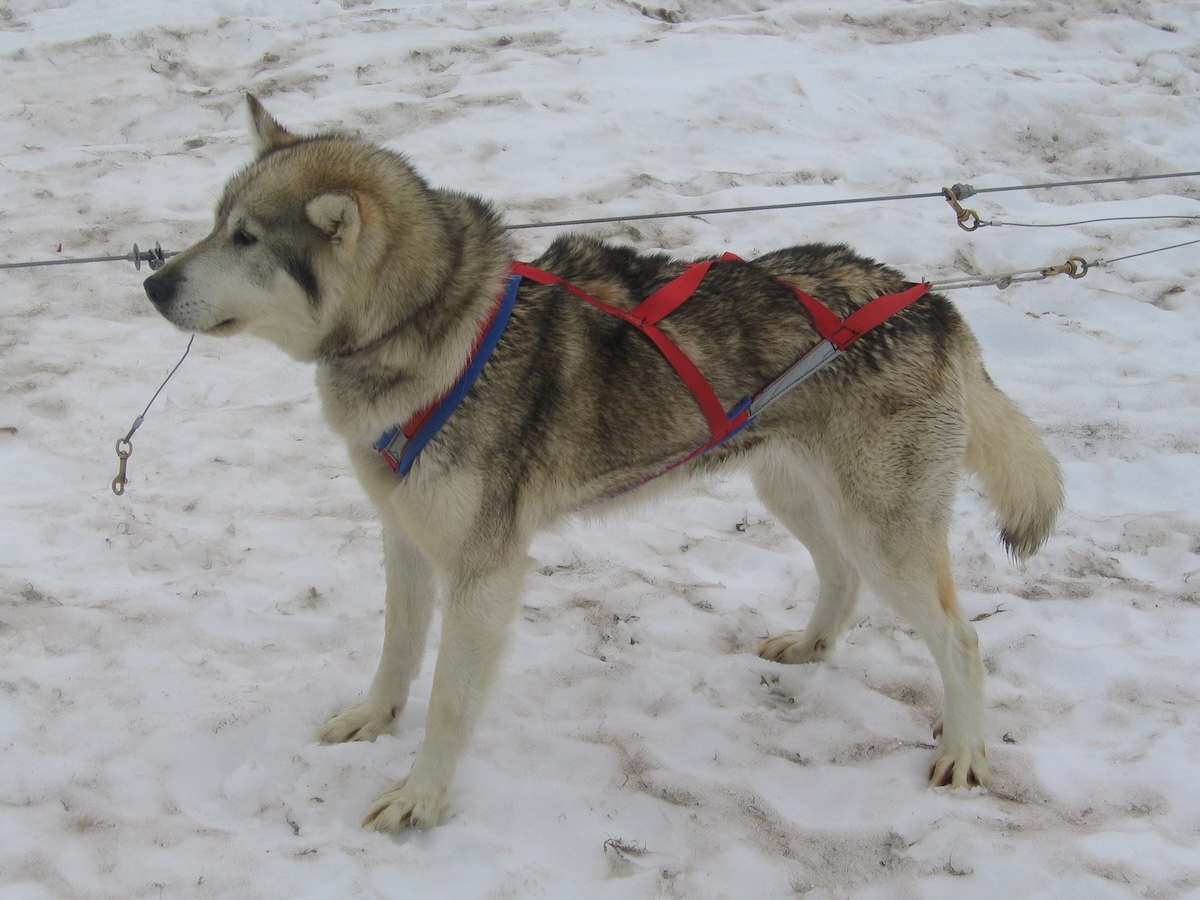 Photo Credit: zhukovsky on Deposit Photos
In the heart of the Arctic wilderness, the Alaskan Husky, scientifically known as Canis lupus familiaris, races across the snow-covered landscape, a blur of energy and determination. With its strikingly athletic build, this breed is a master of endurance, designed to thrive in the harshest of conditions. Its thick double coat, which can come in a variety of colors, not only keeps it warm but also adds to its rugged charm. The Alaskan Husky is not just a dog; it is a living testament to the bond between humans and animals, having been shaped by thousands of years of collaboration with Indigenous peoples who relied on these incredible dogs for transportation and companionship.
What makes the Alaskan Husky particularly captivating to scientists and nature enthusiasts alike is its unique blend of traits. These dogs are known for their remarkable stamina and intelligence, qualities that have made them indispensable in sled dog racing and other demanding tasks. Their friendly disposition and strong pack mentality allow them to work harmoniously with both humans and other dogs, creating a dynamic that is both fascinating and heartwarming. As we delve deeper into the world of the Alaskan Husky, we will explore its history, behavior, and the vital role it plays in the ecosystems of the Arctic, revealing why this breed continues to capture the hearts of many.
The Alaskan Husky is a captivating member of the animal kingdom, nestled within the vast tree of life. This breed is not just a dog; it represents a blend of various dog breeds, primarily developed for their incredible endurance and strength in harsh Arctic conditions. Unlike many purebred dogs, Alaskan Huskies are often mixed-breed, which gives them a unique adaptability and a variety of physical traits. Their classification reveals much about their history as working dogs, bred for sledding and companionship in the icy wilderness of Alaska.
| Taxonomic Rank | Scientific Name | Meaning & Significance |
|---|---|---|
| Kingdom | Animalia | This name signifies that Alaskan Huskies belong to the broad group of multicellular organisms that consume organic material for energy. |
| Phylum | Chordata | Chordata means “having a notochord,” which is a flexible rod that supports the body. This group includes all animals with a backbone, like dogs. |
| Class | Mammalia | Mammalia refers to mammals, animals that have fur or hair and produce milk to feed their young. Alaskan Huskies, like all dogs, are warm-blooded and nurturing. |
| Order | Carnivora | Carnivora means “meat-eaters.” While Alaskan Huskies can eat a variety of foods, their ancestors were primarily hunters, showcasing their strong predatory instincts. |
| Family | Canidae | Canidae is the family that includes dogs, wolves, and foxes. This name highlights their shared characteristics, such as social behavior and pack mentality. |
| Genus | Canis | Canis translates to “dog” in Latin, emphasizing the close relationship between Alaskan Huskies and other dog breeds, as well as their wild relatives. |
Understanding the Alaskan Husky’s taxonomic classification provides a glimpse into its evolutionary journey. As a member of the Canidae family, it shares a lineage with wolves and other canines, showcasing traits that have been honed over thousands of years. This classification not only highlights its physical and behavioral traits but also reflects the deep bond between humans and dogs, particularly in the challenging environments where these remarkable animals thrive. The Alaskan Husky is a testament to adaptability and resilience, embodying the spirit of survival in the wild.
The Alaskan Husky’s evolutionary journey is a tale that stretches back thousands of years, intertwining with the history of human civilization in the Arctic. This breed emerged from a rich tapestry of canine ancestry, primarily shaped by the needs of the indigenous peoples of Alaska. As humans migrated and settled in harsh, cold environments, they began to selectively breed dogs that could assist them in survival, leading to the development of the Alaskan Husky.
The ancestors of the Alaskan Husky can be traced to ancient sled dogs, which were vital for transportation and hunting in icy landscapes. These early canines were likely descendants of wolves, specifically the gray wolf, which adapted to various environments. Over time, as humans recognized the value of these dogs, they began to breed them for specific traits, such as endurance, strength, and a friendly disposition. This selective breeding led to significant evolutionary changes, allowing the Alaskan Husky to thrive in extreme conditions.
These adaptations have been instrumental in the Alaskan Husky’s survival and success in some of the planet’s most challenging environments. Their endurance allows them to cover vast distances, while their thick fur keeps them warm against the biting cold. Strong paws help them navigate snowy terrains, and their social nature fosters teamwork, making them excellent companions for both humans and other dogs. Together, these traits not only highlight the breed’s remarkable evolutionary history but also underscore its vital role in the lives of those who depend on them in the Arctic wilderness.
The Alaskan Husky presents a striking silhouette, embodying strength and agility. With a well-proportioned body, these dogs are built for endurance, showcasing a blend of power and grace. Their sturdy frame is complemented by a thick, double coat that not only adds to their impressive appearance but also serves a vital role in their survival in harsh Arctic conditions. The overall impression is one of a loyal and hardworking companion, ready to tackle the challenges of the wilderness.
| Feature | Description |
|---|---|
| Weight | Approximately 65 lbs, giving them a solid and robust build. |
| Skin Type | Covered in a thick, insulating hair coat that protects against cold temperatures. |
| Color | Varies widely, often seen in shades of black, gray, and red, with striking white markings. |
| Body Structure | Muscular and athletic, designed for speed and endurance. |
| Eyes | Typically almond-shaped, often blue or brown, adding to their expressive appearance. |
These physical features work harmoniously to equip the Alaskan Husky for life in extreme environments. Their thick fur acts as a natural insulator, keeping them warm in freezing temperatures while also shedding moisture. The muscular build allows them to pull sleds over long distances, showcasing their strength and stamina. With their keen eyesight, they can navigate through snowy landscapes, making them exceptional companions for adventurers in the wild. Together, these traits not only define their appearance but also highlight their incredible adaptability and resilience in the face of nature’s challenges.
The Alaskan Husky thrives in the rugged, icy landscapes of the Arctic and sub-Arctic regions. Picture vast expanses of snow-covered terrain, where the ground is often frozen solid, and the air is crisp and invigorating. These dogs are often seen racing across the tundra, their paws gliding effortlessly over the snow, embodying the spirit of the wild. The environment is a mix of breathtaking mountains, dense forests, and open plains, all of which create a stunning backdrop for their adventurous lives.
The climate where Alaskan Huskies call home is characterized by long, harsh winters and short, cool summers. These dogs are well-suited to endure extreme cold, often thriving in temperatures that dip well below freezing. The snow-covered landscapes provide not only a playground but also a natural habitat where they can exercise and work. The crisp air and biting winds are part of their everyday life, and they are built to handle these conditions with ease.
Adaptation is key to the Alaskan Husky’s survival in such challenging environments. Their thick double coat acts as insulation, keeping them warm even in the coldest weather. Additionally, their strong, muscular bodies are designed for endurance, allowing them to run long distances while pulling sleds or exploring their territory. This breed has developed a keen sense of teamwork and communication, essential for working alongside humans and other dogs in the demanding conditions of the Arctic. Through generations of living in these habitats, Alaskan Huskies have become perfectly attuned to their surroundings, showcasing the incredible bond between animals and their environments.
The daily life of an Alaskan Husky is a whirlwind of energy and excitement, filled with activities that keep them both physically fit and mentally stimulated. Each day begins with a burst of enthusiasm as they wake up ready to explore their surroundings. Morning routines often include a brisk run or a playful romp in the snow, where they can stretch their legs and shake off the night’s rest. As the sun rises higher, these dogs engage in various tasks, from pulling sleds across the frozen landscape to participating in training sessions that challenge their intelligence and agility. Their days are punctuated by moments of rest, where they curl up together, conserving energy for the next adventure.
Social behavior is a cornerstone of the Alaskan Husky’s life. These dogs thrive in packs, forming strong bonds with their human companions and fellow canines. Their group dynamics are fascinating; they communicate through a mix of vocalizations, body language, and even facial expressions. Whether it’s a playful bark or a gentle nudge, each interaction helps to reinforce their social structure. In a sled dog team, for instance, the lead dog often takes charge, guiding the others with confidence. This hierarchy is essential for maintaining order and ensuring that everyone works together harmoniously, especially during long treks across challenging terrains.
| Behavior Type | Description |
|---|---|
| Activity Patterns | Alaskan Huskies are highly active, requiring regular exercise through running, pulling sleds, and playing. They thrive in cold environments, where their endurance shines. |
| Social Structure | These dogs live in packs, establishing a hierarchy that includes a lead dog. This structure helps them work together effectively, especially during sledding. |
| Communication Methods | Alaskan Huskies communicate using a variety of sounds, including barks, howls, and whines. They also use body language, such as tail positioning and ear movements, to express their feelings. |
The behaviors of Alaskan Huskies are not just for fun; they play a crucial role in their survival. Their high energy levels and social nature enable them to work together efficiently, whether in a team pulling sleds or navigating the harsh Arctic environment. By communicating effectively and forming strong bonds, they can face challenges as a cohesive unit, ensuring that they thrive in one of the most demanding habitats on Earth. This blend of physical prowess and social intelligence makes the Alaskan Husky a true marvel of the animal world.
The Alaskan Husky has a diverse diet that reflects its adaptability and the demands of its environment. As an omnivore, this breed enjoys a mix of both plant and animal foods. In the wild, they might scavenge for leftovers or hunt small prey, while domesticated Alaskan Huskies often rely on their human companions for meals. Their feeding behavior is influenced by their high energy levels, requiring a diet that supports their active lifestyle, especially during long runs or sledding adventures.
| Dietary Aspect | Details |
|---|---|
| Diet Type | Omnivore |
| Favorite Foods | Meat, fish, vegetables, and grains |
| Prey Items | Small mammals, birds, and fish |
| Hunting/Foraging Strategies | Scavenging, hunting in packs, and foraging |
The diet of the Alaskan Husky plays a crucial role in shaping its ecology and daily routine. With their high energy needs, these dogs are often seen working alongside humans, pulling sleds or participating in races. Their ability to consume a variety of foods allows them to thrive in harsh conditions, making them resilient companions in the Arctic wilderness. This adaptability not only supports their physical health but also strengthens the bond between them and their human partners, as they share in the challenges and rewards of life in the great outdoors.
The mating behavior of Alaskan Huskies is a captivating aspect of their life cycle. Breeding season typically occurs once a year, usually in late winter to early spring. During this time, female Huskies go into heat, a period when they are fertile and can conceive. Males are drawn to females in heat by their scent, leading to a series of courtship rituals. These rituals can include playful interactions and vocalizations, as the dogs establish a bond. Once mating occurs, the female will carry the puppies for several weeks, preparing for the arrival of her new litter.
| Reproductive Aspect | Details |
|---|---|
| Gestation Period | Approximately 63 days |
| Litter Size | Typically 4 to 6 puppies |
| Age of Maturity | About 6 to 12 months |
| Name of Young | Puppies |
Once the puppies are born, the mother takes on the vital role of caregiver. She provides warmth, nourishment, and protection to her young. The puppies are born blind and deaf, relying entirely on their mother for survival in those early days. As they grow, they begin to open their eyes and ears, exploring their surroundings with curiosity. The mother teaches them essential skills, such as how to socialize with their littermates and navigate their environment. By the time they reach maturity, these young Huskies are well-prepared to embrace the challenges of life, embodying the spirit and resilience of their breed.
The Alaskan Husky occupies a fascinating position in the food web, primarily as a domesticated animal that has been bred for specific tasks like sledding and companionship. While they are not wild animals, they still share their environment with various predators and threats that can pose dangers to their well-being. Understanding these risks is essential for anyone who cares for or works with these energetic dogs.
To survive these dangers, Alaskan Huskies have developed several defensive behaviors and strategies. Their strong instincts help them navigate their environment, allowing them to avoid potential threats. For instance, they often work in teams, which provides safety in numbers when facing predators like wolves. Additionally, their thick fur keeps them warm in frigid temperatures, while their agility helps them maneuver through challenging landscapes. With proper care and training, these dogs can thrive despite the risks they encounter in their rugged habitats.
A keystone species is a vital part of an ecosystem, meaning its presence and activities have a significant impact on the environment and other living things. While the Alaskan Husky is primarily a domesticated dog breed, it plays an important role in the lives of the people and wildlife in its habitat. However, it does not fit the traditional definition of a keystone species in the wild, as it is not a wild animal that directly influences the ecosystem’s structure or function.
The Alaskan Husky is often used for sledding and transportation in harsh Arctic conditions, which helps humans navigate and thrive in these challenging environments. By assisting in travel and hunting, these dogs indirectly support the local economy and community. Their ability to work in teams allows them to cover vast distances, which can help in tracking wildlife and monitoring changes in the ecosystem. This interaction with the environment can lead to a better understanding of the health of the ecosystem, as the dogs and their handlers observe shifts in animal populations and plant life.
Moreover, the Alaskan Husky’s omnivorous diet means they can adapt to various food sources, which can help manage local wildlife populations. For instance, when they are fed scraps or leftovers, they can help reduce waste and provide a unique form of pest control. Their presence can also encourage responsible pet ownership and conservation efforts among their human companions, fostering a deeper connection to the natural world.
If the Alaskan Husky were to disappear, the effects would ripple through the communities that rely on them. Transportation in remote areas would become more challenging, making it harder for people to access resources. The loss of these dogs could also lead to a decline in awareness about the local ecosystem, as fewer people would engage with nature through activities like sledding and wildlife observation. Ultimately, while the Alaskan Husky may not be a keystone species in the traditional sense, its absence would still create a noticeable gap in the lives of those who depend on them.
The Alaskan Husky plays a fascinating role in its ecosystem, particularly in the Arctic and sub-Arctic regions where it thrives. As a domesticated breed, it has been shaped by human interaction and has adapted to serve various purposes, including transportation and companionship. This unique relationship with humans allows the Alaskan Husky to influence its environment in ways that extend beyond its immediate needs. By participating in activities like sledding, these dogs help maintain trails and pathways through the snow, which can benefit other wildlife and human activities alike.
| Ecosystem Service | Impact |
|---|---|
| Trail Maintenance | Helps create and maintain paths in snowy environments, facilitating movement for other animals and humans. |
| Companionship | Strengthens human connections to nature, promoting conservation efforts and outdoor activities. |
| Waste Recycling | Contributes to nutrient cycling through waste, enriching the soil in their habitats. |
| Predator Control | Can help manage populations of smaller mammals by competing for resources. |
The influence of the Alaskan Husky can be seen in specific examples throughout its habitat. For instance, when these dogs are used for sledding, they create well-trodden paths that not only assist in human travel but also provide routes for other animals, such as foxes and hares, to navigate through the snow. Additionally, their presence encourages outdoor activities, fostering a deeper appreciation for the natural world among people. This connection can lead to increased conservation efforts, as communities recognize the importance of preserving the landscapes that both they and their canine companions rely on.
The broader ecological importance of the Alaskan Husky extends beyond its immediate interactions. As a domesticated breed, it serves as a bridge between humans and the wild, reminding us of our responsibility to protect the ecosystems we share. By engaging in activities that promote environmental stewardship, the Alaskan Husky helps cultivate a sense of wonder and respect for nature. This unique role highlights how even domesticated animals can have a significant impact on their surroundings, shaping the delicate balance of life in their ecosystems.
In the intricate web of life, symbiosis refers to the close interactions between different species, which can take many forms. These relationships can be mutualistic, where both species benefit, parasitic, where one benefits at the other’s expense, or commensal, where one benefits while the other is neither helped nor harmed. The Alaskan Husky, a breed known for its strength and endurance, engages in various ecological relationships that highlight the interconnectedness of life in its environment.
| Species/Type | Relationship Type | Description |
|---|---|---|
| Humans | Mutualistic | Alaskan Huskies assist humans in transportation and hunting, while humans provide food, shelter, and care. |
| Other sled dogs | Mutualistic | Huskies work alongside other sled dog breeds, sharing the workload and enhancing team efficiency during sledding. |
| Wild animals (e.g., Arctic foxes) | Commensal | Huskies may scavenge leftovers from prey caught by Arctic foxes, benefiting from the foxes’ hunting without affecting them. |
The evolution of these relationships has been shaped by the needs and behaviors of both the Alaskan Husky and the species it interacts with. Over time, these partnerships have developed to enhance survival and efficiency in the harsh Arctic environment. By working together with humans and other animals, Alaskan Huskies have not only thrived but have also become integral to the cultural and ecological fabric of their surroundings. These connections remind us that in nature, cooperation often leads to greater success for all involved.
The Alaskan Husky is more than just a sled dog; it’s a fascinating blend of history, adaptability, and unique traits that make it a true marvel of the animal world. Here are some surprising facts that will surely captivate nature enthusiasts of all ages.
The Alaskan Husky has a rich history intertwined with human culture, particularly among Indigenous peoples of the Arctic. For thousands of years, these remarkable dogs have been essential companions, helping humans navigate the harsh, icy landscapes. They were bred for their strength and endurance, becoming invaluable for transportation and hunting. In many Indigenous cultures, the Alaskan Husky is not just a working animal; it holds a place of honor, symbolizing resilience and partnership in the face of nature’s challenges. This deep-rooted connection has shaped both the breed and the communities that rely on them.
Today, the relationship between Alaskan Huskies and humans continues to evolve. These dogs are still used in traditional roles, such as sledding and racing, but they also serve as beloved family pets. However, this bond is not without its challenges. As urbanization spreads, conflicts can arise when these energetic dogs are kept in environments that do not meet their needs for exercise and mental stimulation. Conservation efforts are underway to ensure that the Alaskan Husky’s working heritage is preserved while also promoting responsible ownership. This balance is crucial for maintaining the breed’s health and happiness in a rapidly changing world.
As we look to the future, the relationship between Alaskan Huskies and humanity holds great promise. With increased awareness of their needs and the importance of their historical roles, more people are embracing responsible ownership and training practices. This not only benefits the dogs but also enriches the lives of their human companions. By fostering a deeper understanding of these incredible animals, we can ensure that the bond between Alaskan Huskies and humans remains strong, vibrant, and mutually beneficial for generations to come.
The Alaskan Husky currently holds a conservation status of “Not Listed,” which means it is not considered endangered or threatened by any major conservation organizations, including the International Union for Conservation of Nature (IUCN). This breed has a stable population, primarily due to its role as a working dog in sledding and other activities. While exact population estimates are challenging to determine, the Alaskan Husky remains a popular choice among dog enthusiasts and mushers, ensuring its continued presence in both rural and urban settings.
| Conservation Factor | Status/Details |
|---|---|
| IUCN Status | Not Listed |
| Population Estimates | Stable, exact numbers unknown |
| Trend Direction | Stable |
The main threats to the Alaskan Husky are not as pronounced as those faced by many wild species. However, challenges do exist. These dogs can be affected by changes in human activity, such as urbanization and the decline of traditional sledding practices. Additionally, health issues related to breeding practices can pose risks, as some breeders may prioritize appearance over health, leading to genetic problems. Ensuring that these dogs are bred responsibly is crucial for their long-term well-being.
Conservation efforts for the Alaskan Husky focus primarily on responsible breeding and maintaining the breed’s working capabilities. Organizations and enthusiasts are dedicated to preserving the unique traits of this breed while promoting its role in sledding and other activities. As long as there is a community that values the Alaskan Husky for its skills and companionship, the outlook for this breed remains positive. With continued support and awareness, these remarkable dogs will likely thrive for generations to come.
| Question | Answer |
|---|---|
| What is the habitat of Alaskan Huskies? | Alaskan Huskies are primarily bred for working in cold environments, especially in Alaska. They thrive in snowy conditions and are often found in homes where they can be active and engaged in outdoor activities. |
| What do Alaskan Huskies eat? | Alaskan Huskies are omnivores, which means they eat both plants and animals. Their diet typically includes high-quality dog food, meat, and sometimes vegetables, providing them with the energy they need for their active lifestyle. |
| What is the behavior of Alaskan Huskies? | Alaskan Huskies are known for their friendly and energetic nature. They are social dogs that enjoy being part of a pack, whether that’s with other dogs or their human families, and they require plenty of exercise to stay happy. |
| How do Alaskan Huskies reproduce? | Like all dogs, Alaskan Huskies reproduce through mating between a male and a female. The female typically goes into heat twice a year, and after a gestation period of about 63 days, she gives birth to a litter of puppies, usually ranging from four to six pups. |
| What threats do Alaskan Huskies face? | While Alaskan Huskies are not currently listed as endangered, they can face threats from overbreeding and poor breeding practices. Additionally, like all dogs, they can be at risk from diseases and injuries if not properly cared for. |
| What are some interesting characteristics of Alaskan Huskies? | Alaskan Huskies are known for their incredible stamina and strength, making them excellent sled dogs. They have a unique appearance, often with striking blue or multicolored eyes, and they are highly intelligent, which can sometimes lead to a bit of mischief! |
| How do Alaskan Huskies adapt to cold weather? | Alaskan Huskies have a thick double coat that keeps them warm in freezing temperatures. Their bodies are also built for endurance, allowing them to run long distances in harsh conditions, which is essential for their work as sled dogs. |