Taxonomy & Classification
- Kingdom
- Animalia
- Phylum
- Chordata
- Class
- Mammalia
- Order
- Carnivora
- Family
- Canidae
- Genus
- Canis
- Species
- Canis lupus

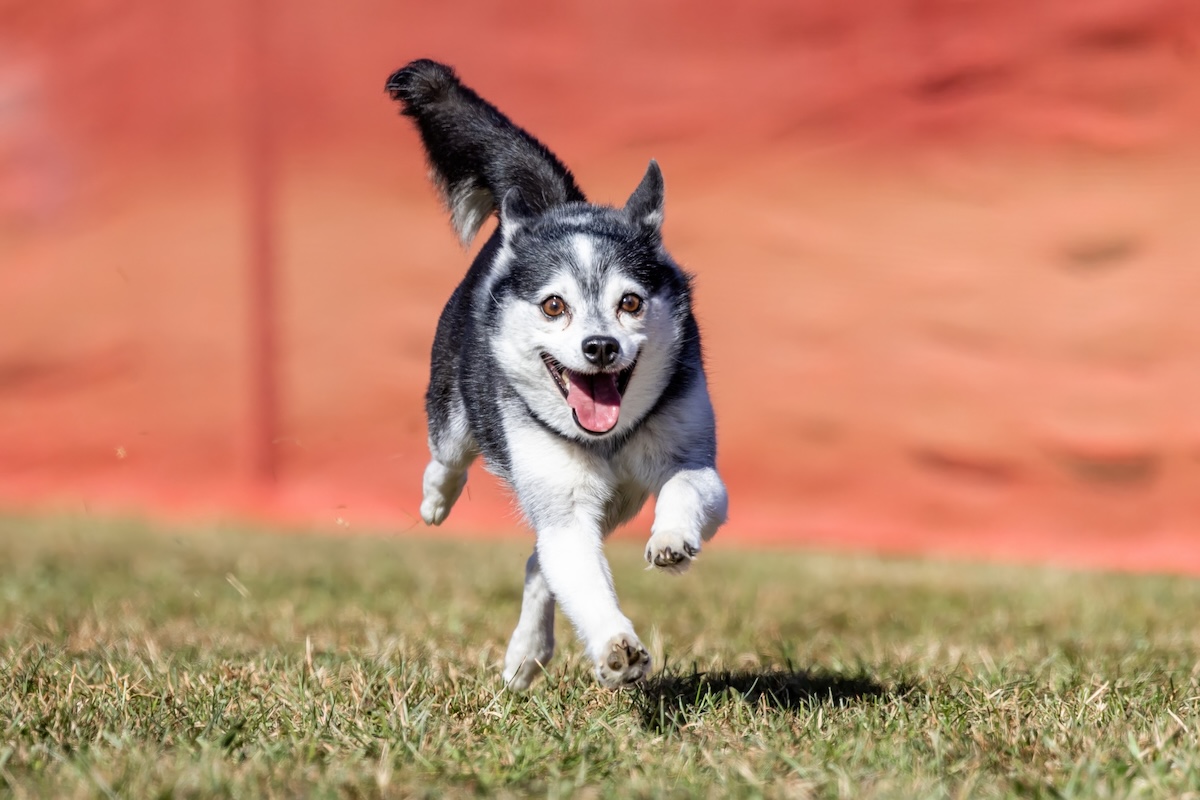 Photo Credit: Cavan on Deposit Photos
In the heart of Alaska, where the air is crisp and the landscape is a breathtaking blend of snow-capped mountains and shimmering lakes, lives the Alaskan Klee Kai, scientifically known as Canis lupus familiaris. This enchanting breed, often described as a miniature version of the Siberian Husky, captures the imagination with its striking fox-like features and spirited personality. With a height ranging from 13 to 17 inches, the Klee Kai boasts a thick double coat that comes in a variety of colors, from striking black and white to warm red and cream. Its bright, expressive eyes and perky ears add to its charm, making it a favorite among dog lovers and nature enthusiasts alike.
What makes the Alaskan Klee Kai particularly intriguing is not just its appearance but also its lively and engaging nature. These dogs are known for their intelligence and agility, traits that reflect their heritage as companions to the indigenous people of Alaska. Originally bred in the 1970s, the Klee Kai was designed to be a smaller, more manageable version of the larger sled dogs, yet it retains the same adventurous spirit. As they frolic in the vast, open spaces of their homeland, these dogs embody the wild beauty of Alaska, inviting us to explore the delicate balance between domestication and the untamed wilderness. Join us as we delve deeper into the world of the Alaskan Klee Kai, uncovering its history, behavior, and the unique role it plays in our lives and ecosystems.
The Alaskan Klee Kai is a captivating breed that sits within the vast tree of life, specifically classified under the kingdom Animalia. This breed is a member of the Canidae family, which includes wolves, foxes, and domestic dogs. What makes the Alaskan Klee Kai particularly interesting is its striking resemblance to the Siberian Husky, yet it is a smaller, more compact version. This breed was developed in the 1970s in Alaska, primarily for companionship, and it showcases a blend of intelligence, agility, and a playful spirit, making it a delightful addition to many families.
| Taxonomic Rank | Scientific Name | Meaning & Significance |
|---|---|---|
| Kingdom | Animalia | This term comes from the Latin word “animalis,” meaning “having breath” or “living.” It signifies all living organisms that are not plants, fungi, or bacteria. |
| Phylum | Chordata | Derived from the Greek word “chordē,” meaning “string,” this classification includes animals with a backbone, highlighting the Klee Kai’s complex structure and advanced nervous system. |
| Class | Mammalia | This name comes from the Latin “mamma,” meaning “breast,” referring to the characteristic of mammals to nurse their young with milk. The Klee Kai, like all mammals, is warm-blooded and has fur. |
| Order | Carnivora | From the Latin “carnivorus,” meaning “meat-eating,” this order includes animals that primarily consume meat, showcasing the Klee Kai’s ancestral traits linked to hunting and foraging. |
| Family | Canidae | This term comes from the Latin “canis,” meaning “dog.” It encompasses all dog-like mammals, emphasizing the Klee Kai’s close relationship with domestic dogs and wild canids. |
| Genus | Canis | Also derived from the Latin word for “dog,” this genus includes various species of dogs and wolves, indicating the Klee Kai’s lineage and shared characteristics with these animals. |
Understanding the Alaskan Klee Kai’s classification reveals much about its evolutionary history. As a member of the Canidae family, it shares a common ancestor with wolves and other canids, which explains its keen instincts and social behaviors. The Klee Kai’s development as a companion animal reflects a fascinating journey of domestication, where traits were selectively bred to create a smaller, more affectionate version of the Husky. This lineage not only highlights the breed’s physical attributes but also its adaptability and connection to the wild, making it a remarkable example of how nature and nurture intertwine in the animal kingdom.
The Alaskan Klee Kai has a fascinating evolutionary story that traces back to the Arctic regions, where its ancestors roamed alongside the majestic Siberian Huskies and Alaskan Malamutes. This breed emerged in the late 20th century, specifically in the 1970s, when a woman named Linda Spurlin sought to create a smaller version of the Siberian Husky. By selectively breeding these larger dogs with smaller breeds, she aimed to capture the beauty and spirit of the Arctic while making them more suitable for family life.
The journey of the Alaskan Klee Kai began with its ancestors, the Siberian Huskies and Alaskan Malamutes, both of which were bred for their strength and endurance in harsh climates. These dogs were essential for transportation and hunting, showcasing traits that allowed them to thrive in extreme conditions. Over time, as humans began to favor smaller companions, the Klee Kai was developed through careful selection, incorporating traits from other small breeds to create a dog that was not only adorable but also retained the resilience of its larger relatives.
The adaptations of the Alaskan Klee Kai have played a crucial role in its survival and popularity. Their compact size allows them to fit comfortably in homes while still being active and playful. The thick double coat not only protects them from the cold but also gives them a striking appearance. Their intelligence and alertness make them quick learners, which is essential for training and socialization. Finally, their strong pack mentality ensures they bond well with humans and other animals, making them cherished companions. Through these adaptations, the Alaskan Klee Kai has successfully carved out a niche for itself in the hearts of dog lovers everywhere.
The Alaskan Klee Kai is a small but striking dog that captures attention with its fox-like appearance and spirited demeanor. Standing at a height of about 13 to 17 inches, this breed is compact yet agile, boasting a well-proportioned body that reflects both strength and grace. Its thick, double coat, designed to withstand cold climates, adds to its fluffy charm, while its expressive eyes and distinctive facial markings give it a playful, intelligent look.
| Feature | Description |
|---|---|
| Weight | 10 to 15 pounds (4.5 to 6.8 kilograms) |
| Skin Type | Hair |
| Most Distinctive Feature | Contrasting colored facial mask with a well-defined nose bar down the center of the muzzle, and goggles around the eyes |
These physical traits are not just for show; they serve important purposes in the Klee Kai’s life. The double coat provides insulation against frigid temperatures, allowing this breed to thrive in chilly environments. The facial mask and eye markings not only enhance its adorable appearance but also help to reduce glare from the sun, improving visibility in bright conditions. Together, these features create a breed that is not only visually captivating but also well-adapted to its surroundings, making the Alaskan Klee Kai a true marvel of nature.
The Alaskan Klee Kai thrives in a habitat that mirrors the rugged beauty of Alaska itself. Picture vast, open spaces filled with snow-capped mountains, dense forests, and shimmering lakes. This breed is well-suited to environments that offer both adventure and tranquility, where they can explore the great outdoors. The landscape is often dotted with wildflowers in the summer and blanketed in snow during the winter, creating a picturesque setting for these energetic dogs.
The climate in these regions can be quite extreme, with long, cold winters and short, mild summers. Alaskan Klee Kais are well-adapted to withstand chilly temperatures, as they have a thick double coat that provides insulation. They enjoy the crisp air and the snow, which allows them to engage in their playful, energetic behavior. However, they also appreciate the warmer months when they can bask in the sun and explore their surroundings.
These dogs have evolved to thrive in their specific habitats, showcasing remarkable adaptations. Their thick fur not only keeps them warm but also protects them from harsh weather conditions. Additionally, their agile bodies and strong legs allow them to navigate through snow and rough terrain with ease. This combination of physical traits and a spirited personality makes the Alaskan Klee Kai a perfect companion for those who love the great outdoors and the beauty of nature.
The Alaskan Klee Kai leads a lively and engaging daily life, filled with activities that reflect its energetic spirit. Mornings often begin with a burst of enthusiasm as these dogs eagerly greet the day. They thrive on routine, enjoying walks that allow them to explore their surroundings, sniffing out new scents and sights. Playtime is essential, whether it’s chasing after a favorite toy or engaging in spirited games with their human companions. As the day unfolds, they may take short naps to recharge, but their playful nature ensures they are always ready for the next adventure.
Social behavior is a key aspect of the Alaskan Klee Kai’s life. These dogs are known for their strong bonds with their families, often forming close relationships with both humans and other pets. They are naturally curious and enjoy being part of the action, whether it’s a family gathering or a quiet evening at home. Their communication is quite expressive, using a mix of barks, howls, and body language to convey their feelings. This breed thrives in a social environment, where they can interact and play, reinforcing their pack mentality and ensuring they feel secure and loved.
| Behavior Type | Description |
|---|---|
| Activity Patterns | Alaskan Klee Kais are active and playful, requiring regular exercise through walks, playtime, and mental stimulation to stay happy and healthy. |
| Social Structure | These dogs are pack-oriented, forming strong bonds with their families and other pets, which helps them feel secure and connected. |
| Communication Methods | They express themselves through a variety of vocalizations, including barks and howls, as well as body language, to convey their emotions and needs. |
The behaviors of the Alaskan Klee Kai are not just for fun; they play a crucial role in their survival and well-being. By staying active and social, these dogs maintain their physical health and mental sharpness. Their ability to communicate effectively with their families helps strengthen bonds, ensuring they receive the love and attention they need. In a world that can sometimes feel overwhelming, the Alaskan Klee Kai’s lively spirit and social nature remind us of the joy found in companionship and adventure.
The Alaskan Klee Kai has a diverse diet that reflects its omnivorous nature, meaning it enjoys both plant and animal foods. This breed is known for its adaptability, which allows it to thrive in various environments. In the wild, Klee Kais would forage for fruits, vegetables, and small animals, showcasing their resourcefulness. They are also known to enjoy meals provided by their human companions, which often include high-quality dog food that meets their nutritional needs.
| Dietary Aspect | Details |
|---|---|
| Diet Type | Omnivore |
| Favorite Foods | Fruits, vegetables, and high-quality dog food |
| Prey Items | Small mammals and birds |
| Hunting/Foraging Strategies | Foraging in the wild and scavenging |
The diet of the Alaskan Klee Kai plays a crucial role in shaping its ecology and daily routine. By being omnivorous, these dogs can adapt to different food sources, which is especially important in varying climates and habitats. Their foraging behavior not only keeps them active but also helps them maintain a healthy weight and energy level, allowing them to engage in their playful and spirited lifestyle. This adaptability ensures that they can thrive alongside their human families, making them both loving companions and resilient survivors.
The Alaskan Klee Kai has a special way of bringing new life into the world, with a breeding season that typically occurs in the late winter to early spring. During this time, males and females engage in playful courtship behaviors, which can include chasing and gentle nipping. This bonding period is crucial, as it helps establish a strong connection between the pair before they mate. Once the female is ready, she will attract the male with her scent, leading to a successful mating that sets the stage for the arrival of their puppies.
| Reproductive Aspect | Details |
|---|---|
| Gestation Period | Approximately 63 days |
| Litter Size | 1 to 5 puppies |
| Age of Maturity | About 1 year |
| Name of Young | Puppy |
After the puppies are born, the mother takes on the important role of caregiver. She provides warmth, nourishment, and protection to her young, ensuring they grow strong and healthy. The puppies are born blind and deaf, relying entirely on their mother for survival in those early days. As they develop, they begin to open their eyes and ears, exploring their surroundings with curiosity. By the time they reach maturity at around one year old, they are ready to embrace the world, carrying with them the spirited traits of their breed. The bond formed during this nurturing phase lays the foundation for their future relationships with humans and other animals.
The Alaskan Klee Kai, a spirited and agile breed, occupies a unique position in the food web. While they are primarily domesticated pets, their ancestors once roamed the wilds of Alaska, where they faced various natural threats. In the wild, they would have been part of a complex ecosystem, where they played a role as both prey and, in some cases, competitors for food. Understanding their place in this web helps us appreciate the challenges they face today.
To survive these dangers, the Alaskan Klee Kai has developed several defensive behaviors. Their keen senses allow them to detect potential threats from a distance, and their agility helps them escape quickly if needed. Additionally, their thick double coat provides insulation against the cold, while their playful and social nature often leads them to stay close to their human companions, who offer protection. By relying on their instincts and the support of their families, these spirited dogs navigate the challenges of their environment with resilience and charm.
A keystone species is a vital part of its ecosystem, playing a crucial role in maintaining the structure and balance of its environment. If removed, the entire ecosystem could change dramatically. While the Alaskan Klee Kai is a delightful and energetic breed, it does not qualify as a keystone species. This breed is primarily domesticated and does not have a significant impact on its natural ecosystem in the way that true keystone species do, such as wolves or sea otters.
The Alaskan Klee Kai, with its playful nature and adaptability, interacts with its environment mainly through its role as a companion animal. These dogs thrive in homes and communities, often engaging in activities that promote social bonds among humans. Their presence can encourage outdoor activities, which can lead to a greater appreciation for nature and wildlife. However, their impact on the ecosystem is limited compared to wild species that directly influence food webs or habitat structures.
In urban and suburban settings, Alaskan Klee Kais can help control small rodent populations, as they may chase or deter these animals. This behavior can indirectly benefit gardens and local flora by reducing the number of pests that might damage plants. Additionally, their playful energy can inspire families to spend more time outdoors, fostering a connection to nature that can lead to conservation efforts.
If the Alaskan Klee Kai were to disappear, the immediate effects would be felt more in human communities than in the broader ecosystem. Families would lose a beloved companion, and the social dynamics of neighborhoods might shift. However, the overall ecosystem would likely remain stable, as the Klee Kai does not play a critical role in ecological processes. The absence of this breed might lead to a slight increase in small rodent populations, but this change would be minimal compared to the impact of true keystone species.
The Alaskan Klee Kai occupies a fascinating ecological niche as a domesticated breed that has roots in the wild. While primarily known as a companion animal, this breed influences its environment in various ways. Its omnivorous diet allows it to adapt to different food sources, which can help control local populations of small animals and plants. By interacting with its surroundings, the Alaskan Klee Kai contributes to the balance of its ecosystem, even in urban settings where it often resides.
| Ecosystem Service | Impact |
|---|---|
| Predator Control | Helps manage populations of small mammals and birds. |
| Seed Dispersal | May aid in spreading seeds through its foraging behavior. |
| Soil Aeration | Contributes to soil health by digging and moving through the ground. |
| Companionship | Enhances human well-being, promoting a connection to nature. |
The Alaskan Klee Kai’s playful nature and energetic lifestyle can lead to significant interactions with its environment. For instance, while exploring parks or backyards, these dogs may dig in the soil, which aerates it and allows for better water absorption. Their foraging habits can also help control the populations of small rodents and birds, ensuring that no single species dominates the area. Additionally, as they move through their habitats, they may inadvertently assist in seed dispersal, promoting plant diversity.
The broader ecological importance of the Alaskan Klee Kai extends beyond its immediate surroundings. By fostering a bond between humans and nature, these dogs encourage outdoor activities and environmental stewardship. Their presence in urban and rural settings can inspire communities to appreciate and protect local ecosystems. In this way, the Alaskan Klee Kai not only enriches the lives of those around it but also plays a subtle yet vital role in maintaining the health and balance of its environment.
In the intricate web of life, symbiosis plays a vital role in shaping the relationships between different species. Symbiosis refers to the close interactions between organisms, which can be beneficial, harmful, or neutral. These relationships can be classified into three main types: mutualism, where both species benefit; parasitism, where one species benefits at the expense of another; and commensalism, where one species benefits while the other is neither helped nor harmed. Understanding these connections helps us appreciate the delicate balance of ecosystems and the roles that various species, including the Alaskan Klee Kai, play within them.
| Species/Type | Relationship Type | Description |
|---|---|---|
| Humans | Mutualistic | Alaskan Klee Kai often serve as companions for humans, providing emotional support and security, while humans offer food, shelter, and care. |
| Other Dogs | Commensal | When socialized, Alaskan Klee Kai can coexist with other dog breeds, benefiting from companionship while the other dogs are unaffected. |
| Parasites (e.g., fleas) | Parasitic | Fleas and ticks can latch onto Alaskan Klee Kai, feeding on their blood and potentially causing health issues, which is harmful to the dogs. |
These relationships have evolved over time, shaped by the needs and behaviors of the species involved. The bond between Alaskan Klee Kai and humans, for instance, has deepened as these dogs have been bred for companionship, enhancing their social skills and adaptability. Meanwhile, the presence of parasites highlights the challenges that come with living in close quarters with other species. Understanding these interactions not only sheds light on the life of the Alaskan Klee Kai but also emphasizes the importance of maintaining healthy ecosystems where all species can thrive together.
The Alaskan Klee Kai is a captivating breed that not only enchants dog lovers but also holds a treasure trove of surprising facts that even seasoned nature enthusiasts might not know. This small but spirited dog has a rich history and unique traits that make it truly special.
The Alaskan Klee Kai, a breed that embodies the spirit of the Arctic, has a rich history intertwined with human culture. Originally developed in the 1970s by Linda Spurlin, this breed was created to be a smaller version of the Siberian Husky, reflecting the beauty and resilience of the Alaskan wilderness. The Klee Kai’s striking appearance and lively personality have made it a beloved companion for many, symbolizing the bond between humans and dogs. In various Alaskan communities, these dogs have been celebrated not just as pets but as part of the cultural fabric, representing the endurance and adaptability of life in harsh climates.
Today, the relationship between the Alaskan Klee Kai and humanity continues to evolve. As more people discover this breed, they often seek to understand its needs and behaviors, leading to a greater emphasis on responsible ownership. However, challenges remain, such as the potential for conflicts when these spirited dogs are not properly socialized or trained. Domestication has brought the Klee Kai into homes across the globe, where they thrive as energetic companions. Their playful nature and intelligence make them excellent family pets, but they also require mental and physical stimulation to stay happy and healthy.
As we look to the future, the relationship between the Alaskan Klee Kai and humanity holds great promise. With increased awareness of their needs and characteristics, more people are likely to embrace this breed as a cherished family member. Education about responsible pet ownership will be crucial in ensuring that these spirited dogs continue to thrive in our homes and communities. By fostering a deeper understanding of their unique traits, we can ensure that the Alaskan Klee Kai remains a vibrant part of our lives, enriching our experiences with their loyalty and joy.
The Alaskan Klee Kai currently holds a conservation status of “Not Listed,” which means it is not recognized as endangered or threatened by major conservation organizations like the IUCN (International Union for Conservation of Nature). This breed has been steadily growing in popularity since its development in the 1970s, and while there are no specific population estimates available, the breed is generally considered to be stable. As a relatively new breed, the Alaskan Klee Kai has not faced the same level of population decline that many older breeds have experienced.
| Conservation Factor | Status/Details |
|---|---|
| IUCN Status | Not Listed |
| Population Estimates | Not specifically estimated |
| Trend Direction | Stable |
The main threats to the Alaskan Klee Kai are not as pronounced as those faced by many wild species, but they do exist. As a breed that is primarily domesticated, they can be vulnerable to issues like irresponsible breeding practices, which can lead to health problems. Additionally, as their popularity increases, there is a risk of overbreeding, which can dilute the breed’s unique characteristics. Furthermore, like many pets, they can be affected by changes in human lifestyles, such as increased urbanization, which may limit their living conditions and socialization opportunities.
Conservation efforts for the Alaskan Klee Kai focus on responsible breeding and education about the breed’s needs. Organizations dedicated to the breed work to ensure that breeders adhere to ethical practices, promoting the health and well-being of the dogs. As awareness of the breed continues to grow, the outlook remains positive. With proper care and attention, the Alaskan Klee Kai is likely to thrive as a beloved companion, maintaining its place in the hearts of dog lovers around the world.
| Question | Answer |
|---|---|
| What is the habitat of the Alaskan Klee Kai? | The Alaskan Klee Kai is a breed that thrives in a variety of environments, but they are particularly suited to colder climates. Originally bred in Alaska, they enjoy outdoor activities and need space to run and play, making them great companions for active families. |
| What do Alaskan Klee Kai eat? | Alaskan Klee Kai are omnivores, which means they eat both plants and animals. A balanced diet typically includes high-quality dog food, supplemented with fruits and vegetables, ensuring they get the nutrients they need to stay healthy and energetic. |
| What is the behavior of Alaskan Klee Kai? | These dogs are known for their playful and intelligent nature. They are social animals that enjoy being around people and other pets, but they can also be a bit independent, which means they might not always follow commands right away. |
| How do Alaskan Klee Kai reproduce? | Like most dogs, Alaskan Klee Kai reproduce through mating between a male and a female. The female typically goes into heat twice a year, and after a gestation period of about 63 days, she gives birth to a litter of puppies, usually ranging from two to six pups. |
| What threats do Alaskan Klee Kai face? | While the Alaskan Klee Kai is not currently listed as endangered, they can face threats from overbreeding and health issues common in small dog breeds. Responsible breeding practices and regular veterinary care are essential to ensure their well-being. |
| What are some interesting characteristics of the Alaskan Klee Kai? | One of the most distinctive features of the Alaskan Klee Kai is their striking facial mask, which has a well-defined nose bar and goggles around the eyes. They are also known for their energetic and curious personalities, making them delightful companions. |
| How much exercise do Alaskan Klee Kai need? | Alaskan Klee Kai are active dogs that require regular exercise to stay healthy and happy. Daily walks, playtime, and mental stimulation are important to keep them engaged and prevent boredom, which can lead to destructive behavior. |