Taxonomy & Classification
- Kingdom
- Animalia
- Phylum
- Chordata
- Class
- Reptilia
- Order
- Crocodilia
- Family
- Gavialidae
- Genus
- Gavialis
- Species
- Gavialis gangeticus

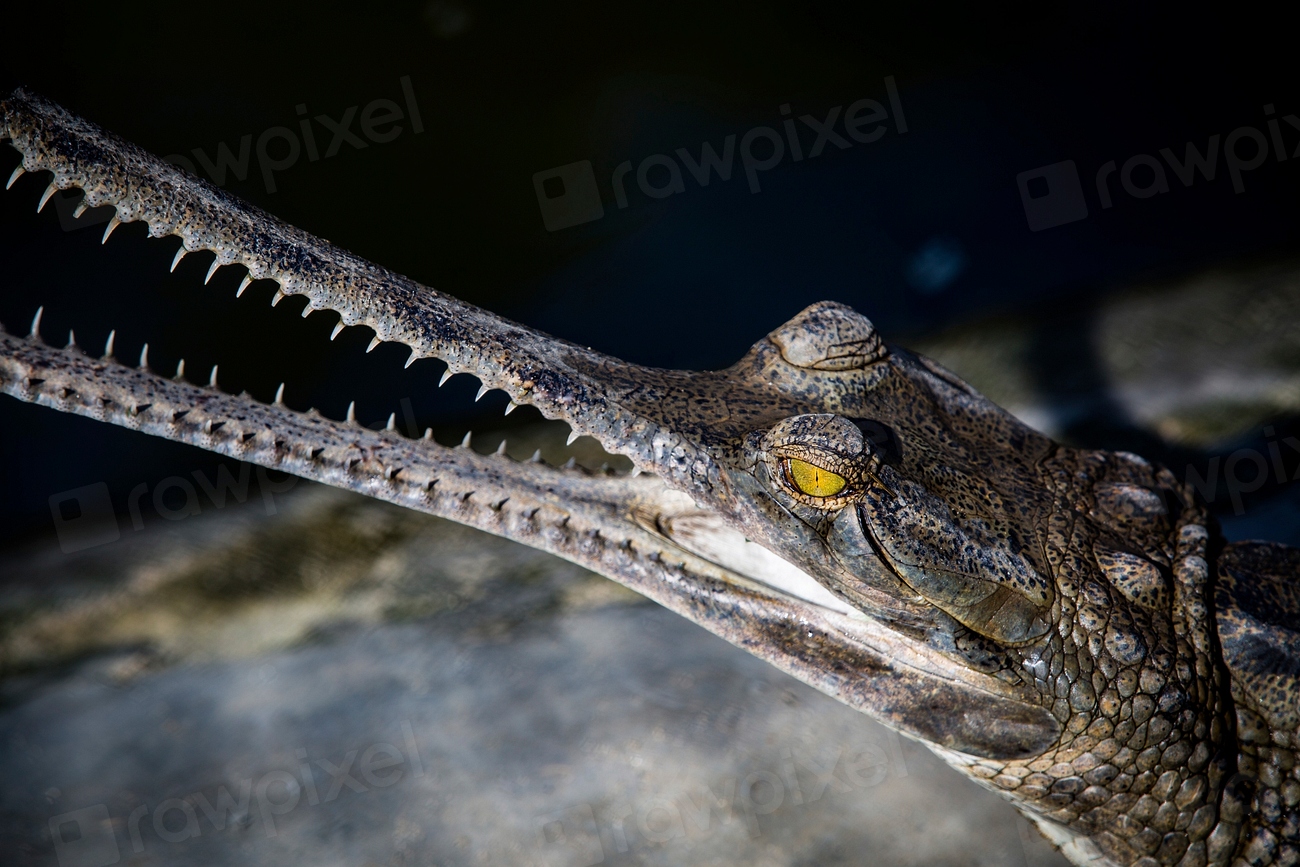 Photo Credit: U.S. Agency for International Development / Rawpixel
In the shimmering waters of the Indian subcontinent, the gharial, scientifically known as Gavialis gangeticus, glides with an elegance that captivates all who encounter it. With its long, narrow snout resembling a sleek arrow, this remarkable reptile is perfectly adapted for its primary diet of fish. As it swims silently through the gentle currents, its unique appearance and specialized hunting techniques have intrigued scientists and nature lovers alike, making it a true marvel of the aquatic world.
Imagine standing on the banks of a wide, tranquil river, where the lush greenery meets the water’s edge. Here, the gharial basks in the sun, its slender body basking on a sandy bank, while its eyes peek just above the surface, ever watchful for a passing fish. This fascinating creature is not just a beautiful sight; it plays a crucial role in its ecosystem, helping to maintain the balance of life in its river habitat. As we dive deeper into the world of the gharial, we will explore its evolutionary history, unique behaviors, and the challenges it faces in a rapidly changing environment. Join us on this adventure to uncover the secrets of one of nature’s most extraordinary reptiles.
The gharial, a striking reptile found primarily in the rivers of the Indian subcontinent, holds a special place in the tree of life. Taxonomically, it belongs to the kingdom Animalia, phylum Chordata, class Reptilia, order Crocodilia, family Gavialidae, and genus Gavialis. What sets the gharial apart from its crocodilian relatives is its long, slender snout, which is perfectly adapted for catching fish. This unique feature not only distinguishes it visually but also highlights its specialized diet, making it a fascinating example of evolutionary adaptation in the animal kingdom.
| Taxonomic Rank | Scientific Name | Meaning & Significance |
|---|---|---|
| Kingdom | Animalia | This name signifies that gharials are part of the vast group of multicellular organisms known as animals. |
| Phylum | Chordata | Chordata means “having a notochord,” a flexible rod that supports the body, which all vertebrates, including gharials, possess at some stage of development. |
| Class | Reptilia | Reptilia refers to reptiles, a class of cold-blooded vertebrates that typically lay eggs and have scaly skin, like the gharial. |
| Order | Crocodilia | Crocodilia includes all crocodiles, alligators, and their relatives, highlighting the gharial’s close ties to these formidable reptiles. |
| Family | Gavialidae | This family name is derived from “gavial,” which refers to the gharial’s distinctive long snout, emphasizing its unique feeding habits. |
| Genus | Gavialis | The genus name Gavialis is rooted in the word “gavial,” which is a nod to the gharial’s specialized morphology, particularly its elongated jaws designed for catching fish. |
The gharial’s classification reveals much about its evolutionary history. As a member of the Crocodilia order, it shares a common ancestor with other crocodilians, but its distinct adaptations showcase a unique evolutionary path. The gharial’s specialized feeding mechanism and habitat preferences indicate a long history of adaptation to aquatic environments, particularly rivers. This evolutionary journey not only highlights the gharial’s role in its ecosystem but also underscores the incredible diversity found within the reptilian lineage.
The gharial’s evolutionary journey stretches back millions of years, tracing its roots to the late Cretaceous period, around 80 million years ago. This ancient lineage has seen the gharial adapt and thrive in the ever-changing landscapes of its riverine habitat. As a member of the family Gavialidae, the gharial is closely related to other crocodilians, but its distinct features set it apart in the grand tapestry of evolution.
The ancestors of the gharial were more generalized in their feeding habits, resembling the early crocodilians that roamed the Earth. Over time, these reptiles underwent significant changes, particularly in their skull structure and body shape. The gharial’s long, narrow snout evolved to specialize in catching fish, allowing it to become an expert hunter in the waters of South Asia. This adaptation is a prime example of evolutionary specialization, where a species develops unique traits to exploit specific ecological niches.
The adaptations of the gharial have been crucial for its survival in a competitive ecosystem. Its specialized feeding mechanism allows it to thrive on a diet primarily composed of fish, reducing competition with other larger crocodilians that may hunt different prey. The gharial’s sleek body and unique hunting techniques enable it to navigate swiftly through rivers, making it a formidable predator. As environmental conditions change, these evolutionary traits continue to play a vital role in the gharial’s ability to endure and flourish in its aquatic world.
The gharial is a mesmerizing sight, gliding gracefully through the waters of its riverine habitat. With its long and slender snout, it looks like a living arrow, perfectly designed for catching fish. This crocodilian can grow quite large, reaching impressive lengths that can make it seem almost otherworldly. Its body is streamlined, allowing it to navigate swiftly through the water, while its plate-like scales provide a tough armor against the elements. The gharial’s overall appearance is both elegant and formidable, a true testament to the wonders of evolution.
| Feature | Description |
|---|---|
| Weight | 150-250 kg (330.7-551 lbs) |
| Skin Type | Plate-like scales |
| Most Distinctive Feature | Long and slender snout |
The gharial’s features are not just for show; they play crucial roles in its survival. The long snout is perfectly adapted for catching fish, allowing it to snap up its slippery prey with precision. Its lightweight body and streamlined shape enable it to move quickly through the water, making it an efficient hunter. The plate-like scales not only protect it from predators but also help reduce drag as it swims. Together, these characteristics create a highly specialized predator, finely tuned to thrive in its aquatic environment.
The gharial thrives in the serene embrace of wide, calm rivers, where the water flows gently and the banks are often lined with lush vegetation. These rivers create a perfect playground for this long-snouted reptile, allowing it to hunt for fish while basking in the sun on sandy shores. The tranquil waters provide a safe haven, where the gharial can navigate with ease, using its streamlined body to glide effortlessly beneath the surface.
This remarkable reptile prefers a specific climate that is warm and tropical, typically found in regions where the temperatures are mild to hot. The gharial thrives in areas with plenty of sunlight, which helps maintain the water temperature at a comfortable level for swimming and hunting. The rivers it inhabits are often slow-moving, providing a stable environment where it can find ample food and bask in the sun without the threat of strong currents.
Over time, the gharial has developed several adaptations that make it perfectly suited for its riverine home. Its long, narrow snout is not just for show; it allows the gharial to catch fish with incredible precision. This specialized mouth is filled with sharp teeth that help grip slippery prey. Additionally, its body is streamlined, reducing drag as it swims, while its webbed feet assist in maneuvering through the water. These features enable the gharial to thrive in its specific habitat, showcasing the wonders of evolution in action.
As the sun sets over the tranquil rivers of the Indian subcontinent, the gharial begins its daily activities. This fascinating reptile is primarily nocturnal, meaning it comes alive at night. During the cooler hours, it ventures out to hunt for its favorite meal: fish. With its long, slender snout, the gharial is perfectly adapted for catching slippery prey. It glides silently through the water, using its keen eyesight to spot fish swimming nearby. Once it identifies a target, it strikes with remarkable speed, snapping its jaws shut in a flash.
While gharials are often seen alone, they do have interesting social behaviors. They are generally solitary creatures, preferring to hunt and bask on their own. However, during the breeding season, they gather in groups to mate. These gatherings can be quite lively, as males display their impressive physical features to attract females. Communication among gharials is subtle; they use body language and vocalizations, like low grunts, to signal their presence to one another. This social dynamic is crucial during the breeding season, as it helps ensure the continuation of their species.
| Behavior Type | Description |
|---|---|
| Hunting | Nocturnal activity focused on catching fish using their specialized snouts. |
| Solitary | Generally prefers to live and hunt alone, except during breeding season. |
| Breeding Gatherings | During mating season, males and females come together to find partners. |
| Communication | Uses body language and low vocalizations to interact with others. |
The gharial’s behaviors are finely tuned to its environment, ensuring its survival in the wild. By being nocturnal, it avoids the heat of the day, conserving energy for hunting. Its solitary nature allows it to be stealthy and efficient while hunting, while the brief social interactions during breeding season help maintain genetic diversity. Each aspect of its daily life is a testament to the gharial’s adaptability and resilience in the ever-changing river ecosystems it calls home.
The gharial is a carnivore, which means it primarily eats meat. Its diet mainly consists of fish, but it also enjoys a variety of other aquatic creatures. With its long, narrow snout, the gharial is perfectly equipped for catching slippery fish as they swim by. Unlike many other crocodilians, gharials are not aggressive hunters; instead, they use a stealthy approach, often lying in wait for their prey to come close before snapping their jaws shut with lightning speed.
| Dietary Aspect | Details |
|---|---|
| Diet Type | Carnivore |
| Favorite Foods | Fish, crustaceans, waterfowl, frogs |
| Prey Items | Various species of fish, small crustaceans, and occasionally frogs and birds |
| Hunting/Foraging Strategies | Stealthy ambush, lying in wait for fish to swim close |
This specialized diet plays a crucial role in the gharial’s ecology. By primarily feeding on fish, gharials help maintain the balance of aquatic ecosystems. Their hunting habits also influence the populations of their prey, ensuring that no single species becomes too dominant. As they glide through their river habitats, gharials not only fulfill their own dietary needs but also contribute to the health of their environment, showcasing the interconnectedness of life in these vibrant ecosystems.
As the warm sun rises over the rivers of the Indian subcontinent, gharials engage in a captivating courtship dance. During the breeding season, which typically occurs from December to March, males display their impressive physical features to attract females. They often perform elaborate head-bobbing and vocalizations, creating a symphony of sounds that echo across the water. Once a pair has formed, they will mate, and the female will prepare to lay her eggs in the sandy banks of the river.
| Reproductive Aspect | Details |
|---|---|
| Gestation Period | Approximately 60 days |
| Litter Size | 20 to 50 eggs |
| Age of Maturity | 10 years |
| Name of Young | Hatchling |
After the eggs are laid, the female gharial takes on a protective role, guarding her nest from potential threats. Once the hatchlings emerge, they are tiny but full of life, ready to face the world. The young gharials are independent from the moment they hatch, but they still benefit from the safety of their mother’s presence. As they grow, these hatchlings develop their skills in hunting and swimming, gradually transforming into the magnificent adults they are destined to become. With time, patience, and the right environment, these young gharials will reach sexual maturity at around ten years old, continuing the cycle of life in their riverine home.
The gharial occupies a crucial role in its aquatic food web, primarily preying on fish and helping to maintain the balance of its river ecosystem. As a specialized carnivore, it has adapted to be an efficient hunter, using its long, narrow snout to catch slippery fish with precision. However, this fascinating reptile faces significant dangers that threaten its survival.
To defend itself against these threats, the gharial employs several survival strategies. While it is not particularly aggressive, it relies on its excellent swimming skills to evade predators and human hunters. When threatened, it can quickly submerge itself underwater, using its long body to blend in with the riverbed. Additionally, gharials often bask on riverbanks, where they can spot potential dangers from a distance, allowing them to slip back into the water if needed. These behaviors help them navigate the challenges of their environment, but the ongoing threats they face make their future uncertain.
A keystone species is an organism that plays a critical role in maintaining the structure of its ecosystem. Its presence and activities significantly influence the environment and the other species that inhabit it. The gharial, with its specialized diet and unique adaptations, qualifies as a keystone species in its riverine habitat. By controlling fish populations and influencing the dynamics of aquatic life, the gharial helps maintain the balance of its ecosystem.
The gharial’s primary diet consists of fish, which it captures with its long, slender snout. This specialized feeding behavior allows it to target specific fish species, helping to regulate their populations. By keeping fish numbers in check, gharials prevent overpopulation, which can lead to the depletion of aquatic vegetation and other species that rely on a balanced ecosystem. Additionally, as gharials hunt, they inadvertently create opportunities for other predators and scavengers, ensuring a diverse food web.
Moreover, gharials contribute to nutrient cycling in their habitats. When they consume fish, they excrete waste that enriches the water with nutrients. This process supports the growth of aquatic plants, which are vital for oxygen production and serve as habitats for various organisms. The presence of gharials can also indicate the health of their river ecosystems, as they are sensitive to changes in water quality and habitat degradation.
If gharials were to disappear from their ecosystems, the consequences could be severe. Fish populations might explode, leading to overgrazing of aquatic plants and a decline in water quality. This imbalance could ripple through the food web, affecting not only other species but also the overall health of the river ecosystem. Without gharials, the intricate relationships that sustain life in these waterways would be disrupted, highlighting just how vital this remarkable reptile is to its environment.
The gharial occupies a vital ecological niche in the rivers of the Indian subcontinent. As a specialized carnivore, it primarily feeds on fish, which makes it an important player in maintaining the balance of aquatic life. By controlling fish populations, the gharial helps ensure that no single species dominates the ecosystem, allowing for a diverse range of aquatic organisms to thrive. This unique role not only supports the health of the river but also influences the entire food web, showcasing the interconnectedness of life in these freshwater habitats.
| Ecosystem Service | Impact |
|---|---|
| Fish Population Control | Maintains balance among fish species, preventing overpopulation. |
| Nutrient Cycling | Contributes to the breakdown of organic matter, enriching the river ecosystem. |
| Habitat Creation | Influences the structure of riverbanks and aquatic vegetation through its presence. |
| Indicator of Ecosystem Health | Reflects the overall health of river ecosystems, signaling changes in water quality. |
The gharial’s influence extends beyond just its diet. For instance, as it hunts for fish, it helps to regulate the populations of various aquatic species, ensuring that the ecosystem remains balanced. Additionally, the gharial’s nesting habits can impact riverbank vegetation. When it digs nests in sandy banks, it can create spaces for other species to thrive, promoting biodiversity. This interaction highlights how the gharial is not just a predator but also a facilitator of life in its environment.
The broader ecological importance of the gharial cannot be overstated. As a keystone species, its presence is crucial for the health of river ecosystems. When gharials thrive, it often indicates a well-balanced environment, rich in biodiversity. Conversely, their decline can signal problems within the ecosystem, such as pollution or habitat destruction. By protecting the gharial, we are also safeguarding the intricate web of life that depends on these majestic rivers, ensuring that future generations can enjoy the wonders of nature.
In the intricate web of life, symbiosis refers to the close and often long-term interactions between different species. These relationships can take many forms, including mutualism, where both species benefit, commensalism, where one benefits while the other is neither helped nor harmed, and parasitism, where one species benefits at the expense of the other. The gharial, a fascinating reptile of the Indian subcontinent, engages in various ecological relationships that highlight the interconnectedness of life in its riverine habitat.
| Species/Type | Relationship Type | Description |
|---|---|---|
| Fish (various species) | Mutualistic | Gharials help control fish populations, while fish often feed on parasites found on the gharial’s skin. |
| Birds (such as the Indian River Tern) | Commensal | Birds may perch on gharials to hunt for fish, benefiting from the gharial’s presence without affecting it. |
| Leeches | Parasitic | Leeches attach to gharials to feed on their blood, benefiting at the gharial’s expense. |
These relationships have evolved over time, shaped by the needs and behaviors of the species involved. The mutualistic bond between gharials and fish illustrates how both can thrive together, while the commensal relationship with birds showcases the benefits of shared habitats. On the other hand, parasitic interactions, like those with leeches, remind us that not all relationships are beneficial. Understanding these connections helps us appreciate the delicate balance of ecosystems and the roles each species plays in maintaining the health of their environment.
The gharial is a captivating reptile that stands out in the animal kingdom, not just for its appearance but also for its intriguing behaviors and adaptations. Here are some surprising facts that will surely pique the interest of nature enthusiasts.
The gharial, with its distinctive long snout and elegant form, has captivated human imagination for centuries. Historically, these reptiles have been woven into the cultural fabric of the Indian subcontinent, often appearing in folklore and local legends. Ancient texts and stories depict the gharial as a symbol of strength and resilience, reflecting the reverence people have for this unique creature. As communities have coexisted with gharials along riverbanks, their presence has sparked curiosity and respect, leading to a rich tapestry of interactions that highlight the bond between humans and wildlife.
In modern times, the relationship between gharials and humanity has evolved, marked by both challenges and efforts toward conservation. As human populations expand, gharials face threats from habitat destruction, pollution, and fishing practices that deplete their food sources. However, there is a growing awareness of the need to protect these remarkable reptiles. Conservation programs are being implemented to restore their habitats and educate local communities about the importance of gharials in maintaining healthy river ecosystems. While conflicts can arise, such as when gharials inadvertently become entangled in fishing nets, many people are now working together to find solutions that benefit both species.
As we look to the future, the relationship between gharials and humanity holds promise. With increased awareness and collaborative efforts, there is hope for a harmonious coexistence. By valuing the gharial not just as a fascinating animal but as a vital part of the ecosystem, we can ensure that these ancient reptiles continue to thrive in their natural habitats. Together, we can create a world where both humans and gharials flourish, celebrating the beauty of nature and the connections that bind us all.
The gharial is currently classified as Critically Endangered, a status that highlights the urgent need for conservation efforts. With an estimated population of only 182 individuals remaining in the wild, this ancient reptile faces significant challenges to its survival. The population trend is unfortunately declining, as habitat loss and other threats continue to impact their numbers.
| Conservation Factor | Status/Details |
|---|---|
| IUCN Status | Critically Endangered |
| Estimated Population Size | 182 |
| Population Trend | Declining |
The main threats to the gharial are multifaceted and deeply intertwined with human activities. Habitat destruction due to dam construction, irrigation projects, and pollution has severely impacted their riverine homes. Additionally, overfishing and the depletion of fish stocks reduce their food supply, making survival even more challenging. These factors, combined with the illegal capture of gharials for the pet trade, create a precarious situation for this species.
Conservation efforts are underway to help protect the gharial and its habitat. Organizations are working to restore river ecosystems and establish protected areas where gharials can thrive without human interference. Breeding programs in captivity are also being implemented to boost their numbers. While the outlook remains uncertain, the dedication of conservationists and the growing awareness of the gharial’s plight offer a glimmer of hope for this extraordinary reptile. With continued efforts, there is potential for the gharial to rebound and reclaim its rightful place in the rivers of the Indian subcontinent.
| Question | Answer |
|---|---|
| What is the natural habitat of the Gharial? | The Gharial lives in wide and calm slow-moving rivers. These habitats provide the perfect environment for them to hunt and bask in the sun. |
| What does a Gharial eat? | Gharials are carnivores, meaning they primarily eat meat. Their diet mainly consists of fish, which they catch using their long, slender snouts that are perfectly designed for snapping up slippery prey. |
| How do Gharials behave in the wild? | Gharials are generally solitary creatures, but they can be seen basking in groups on riverbanks. They are known for their calm demeanor and spend much of their time in the water, where they are agile swimmers. |
| How do Gharials reproduce? | During the breeding season, male Gharials attract females by making deep, resonant sounds. After mating, the female lays eggs in sandy nests along the riverbank, where they incubate until hatching. |
| What are the main threats to Gharials? | Gharials are critically endangered, facing threats from habitat loss, pollution, and fishing practices that reduce their food supply. Additionally, they are often caught in fishing nets, which can lead to injury or death. |
| What is a unique characteristic of the Gharial? | The most distinctive feature of the Gharial is its long and slender snout. This unique shape helps them catch fish more efficiently, making them one of the most specialized crocodilians in the world. |
| How do Gharials communicate? | Gharials communicate through a variety of sounds, especially during the mating season. Males produce deep, booming calls to attract females and establish territory. |