Taxonomy & Classification
- Kingdom
- Animalia
- Phylum
- Chordata
- Class
- Mammalia
- Order
- Carnivora
- Family
- Ursidae
- Genus
- Ailuropoda
- Species
- Ailuropoda melanoleuca

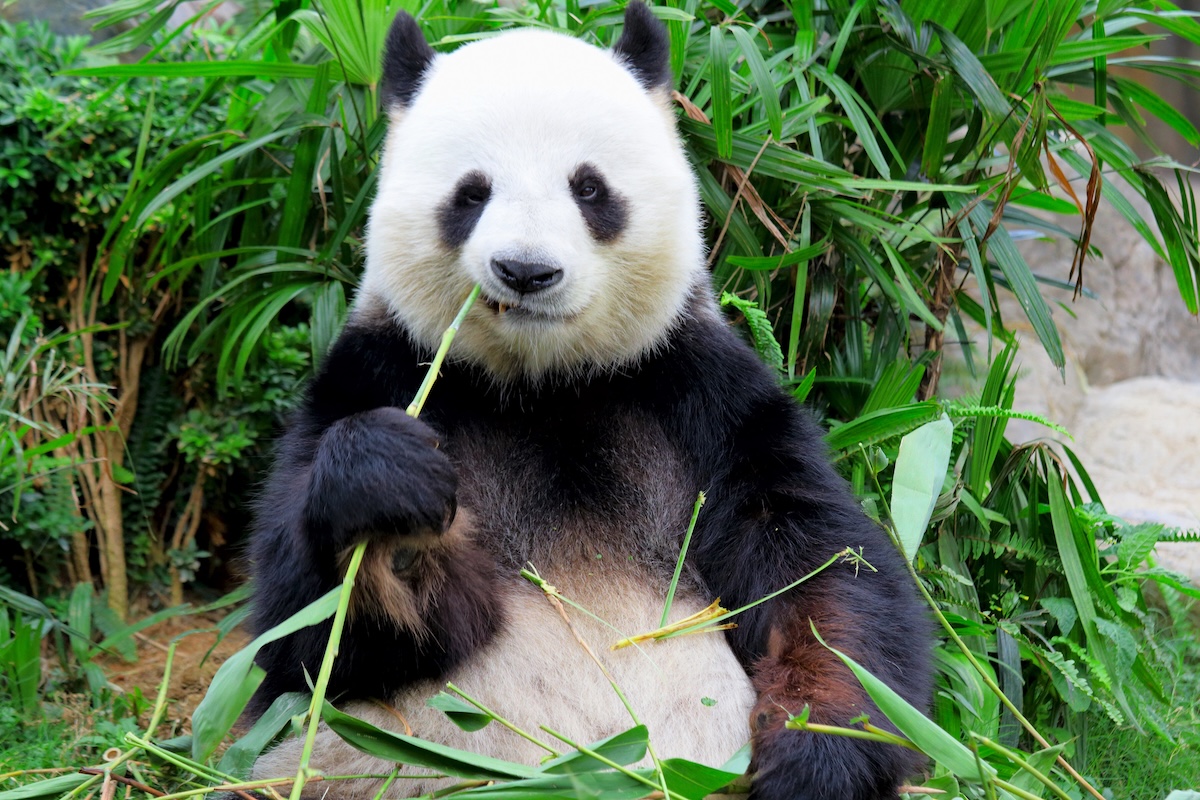 Photo Credit: leungchopan at Deposit Photos
In the misty bamboo forests of Central China, the Giant Panda, or Ailuropoda melanoleuca, roams with a gentle grace that captivates all who encounter it. With its striking black and white fur, this bear is not just a visual delight; it embodies the spirit of conservation efforts around the globe. Imagine a serene landscape where towering bamboo stalks sway in the breeze, and there, amidst the lush greenery, you might spot a panda leisurely munching on its favorite snack. These bears, with their round faces and playful demeanor, have a way of stealing hearts and sparking curiosity in both scientists and nature enthusiasts alike.
What makes the Giant Panda so intriguing is not just its adorable appearance but also its unique lifestyle. Spending up to 12 hours a day eating bamboo, which makes up 99% of its diet, the panda has adapted to thrive in an environment where food is abundant yet low in nutrients. This herbivorous diet is a fascinating aspect of its biology, as it belongs to the order Carnivora, which typically includes meat-eating animals. However, the panda has evolved to be a specialized feeder, showcasing nature’s incredible ability to adapt. As we explore the world of the Giant Panda, we will uncover its evolutionary history, its vital role in the ecosystem, and the ongoing efforts to protect this beloved species.
The Giant Panda, known scientifically as Ailuropoda melanoleuca, holds a special place in the animal kingdom. This cuddly bear is not just a symbol of conservation efforts worldwide; it also occupies a unique taxonomic position. Classified within the order Carnivora, which typically includes meat-eating animals, the Giant Panda is an intriguing exception. While it has the physical traits of a bear, its diet is primarily herbivorous, consisting almost entirely of bamboo. This dietary choice sets it apart from its carnivorous relatives, showcasing the incredible adaptability of life on Earth.
| Taxonomic Rank | Scientific Name | Meaning & Significance |
|---|---|---|
| Kingdom | Animalia | This name means “animals” in Latin, highlighting that pandas are part of the vast group of multicellular organisms that are typically mobile and consume organic material. |
| Phylum | Chordata | Chordata refers to animals with a backbone. This classification indicates that pandas, like all mammals, have a spinal column that supports their body structure. |
| Class | Mammalia | Mammalia means “mammals,” which are warm-blooded animals that have fur or hair and usually give live birth. Pandas are warm-blooded and nurse their young with milk. |
| Order | Carnivora | Carnivora means “meat-eaters,” but pandas have adapted to a plant-based diet, showcasing their unique evolutionary path within this group. |
| Family | Ursidae | Ursidae is the family of bears. This name comes from the Latin word “ursus,” meaning bear, indicating that pandas share common ancestry with other bear species. |
| Genus | Ailuropoda | Ailuropoda translates to “cat foot,” a nod to the panda’s paw structure, which is adapted for grasping bamboo, much like a cat’s paw is designed for hunting. |
| Species | melanoleuca | This name means “black and white,” describing the panda’s distinctive coloration, which helps it blend into its forest habitat. |
Understanding the Giant Panda’s classification reveals much about its evolutionary history. As a member of the Ursidae family, it shares a common ancestor with other bears, yet its unique adaptations, such as a specialized diet and physical traits, illustrate how species can diverge and evolve in response to their environments. The panda’s journey from a carnivorous ancestor to a bamboo-loving herbivore is a testament to the dynamic nature of evolution, showcasing the incredible ways life can adapt and thrive in diverse habitats.
The evolutionary journey of the Giant Panda spans millions of years, tracing back to its ancestors that roamed the Earth long before the first humans appeared. This captivating story begins around 8 million years ago, when the ancestors of modern bears began to diverge from other carnivorous mammals. Over time, these early bears adapted to their environments, leading to the emergence of the Giant Panda as we know it today.
The Giant Panda’s lineage can be traced back to the family Ursidae, which includes all bears. Early ancestors were more carnivorous, but as the climate changed and bamboo forests flourished in China, these bears began to adapt to a new diet. This shift marked a significant transition in their evolution, as they developed specialized features to help them thrive on a bamboo-based diet. Over time, the Giant Panda evolved a unique set of adaptations that allowed it to become a master of its environment, even as it faced challenges from habitat loss and climate change.
The adaptations of the Giant Panda have been essential for its survival in a world that is constantly changing. By evolving to efficiently process bamboo, they have carved out a niche that few other animals can fill. Their strong molars and powerful jaws allow them to thrive on a diet that is not only challenging to digest but also abundant in their mountainous habitats. As they continue to face threats from habitat loss and climate change, these remarkable adaptations remain vital for their survival, showcasing the resilience of nature’s designs.
The Giant Panda is a striking figure in the animal kingdom, instantly recognizable with its bold black and white coloring. Standing between 4.9 and 6 feet tall when on all fours, this bear has a sturdy, robust body that is built for both strength and agility. Its round face, adorned with large, expressive eyes, gives it an endearing appearance that captures the hearts of many. The panda’s limbs are thick and powerful, allowing it to navigate its mountainous forest habitat with ease, while its distinctive features, like the extension of its wrist bone that acts like a thumb, make it a master at climbing and grasping bamboo.
| Feature | Description |
|---|---|
| Height | 1.5m – 1.8m (4.9ft – 6ft) |
| Weight | 150-280 lbs |
| Skin Type | Fur |
| Most Distinctive Feature | Extension of wrist bone acts as a thumb |
These physical characteristics are not just for show; they play vital roles in the panda’s survival. The thick fur keeps them warm in their cool, mountainous habitats, while their powerful limbs and unique thumb-like wrist bone allow them to efficiently grasp and strip bamboo, their primary food source. This combination of strength and dexterity is essential for foraging, as pandas spend a significant portion of their day eating. With their striking appearance and specialized adaptations, Giant Pandas are perfectly equipped to thrive in their natural environment, making them a true wonder of the animal world.
The Giant Panda calls the misty, high-altitude bamboo forests of Central China its home. Imagine a lush, green landscape where towering bamboo stalks sway gently in the breeze, creating a serene atmosphere. These forests are often shrouded in fog, giving them a magical quality. The soft rustle of leaves and the occasional call of birds fill the air, while the ground is carpeted with fallen leaves and rich, dark soil. This enchanting habitat provides the perfect backdrop for the Giant Panda’s leisurely lifestyle.
The climate in these regions is cool and moist, which is ideal for the growth of bamboo, the panda’s primary food source. Temperatures can vary, but they generally stay between 50 to 70 degrees Fahrenheit. The area receives plenty of rainfall, which helps keep the bamboo lush and nutritious. This environment is crucial for the Giant Panda, as it relies on the abundant bamboo forests to thrive.
Over time, the Giant Panda has developed special adaptations to live in this unique habitat. Its strong jaws and teeth are perfect for crushing tough bamboo, allowing it to consume large quantities each day. With a diet that consists of up to 40 pounds of bamboo daily, these bears have evolved to be efficient foragers. Their thick fur keeps them warm in cooler temperatures, while their excellent climbing skills help them navigate the steep, rugged terrain of their mountainous home. These adaptations ensure that the Giant Panda can not only survive but flourish in its enchanting bamboo forest habitat.
The daily life of a Giant Panda is a blend of leisurely munching and solitary exploration. These bears are primarily diurnal, meaning they are most active during the day. A typical panda spends about 10 to 16 hours eating, primarily feasting on bamboo, which makes up 99% of their diet. They have a unique way of foraging, using their strong jaws and specialized wrist bones that act like opposable thumbs to grasp and strip the bamboo stalks. After a hearty meal, they often take long naps, resting in the shade of trees or nestled among the bamboo.
While Giant Pandas are mostly solitary animals, they do have interesting social behaviors, especially during the breeding season. Males and females will communicate through vocalizations and scent markings to attract each other. Outside of mating, pandas prefer their own company, wandering through their territory alone. This solitary lifestyle helps them avoid competition for food, as bamboo can be scarce in their mountainous habitats. However, they are not completely antisocial; they may occasionally cross paths with other pandas, especially mothers with cubs, and engage in brief interactions.
| Behavior Type | Description |
|---|---|
| Activity Patterns | Primarily diurnal, spending 10 to 16 hours a day eating bamboo and resting. |
| Social Structure | Generally solitary, with males and females coming together only during the breeding season. |
| Communication Methods | Use vocalizations and scent markings to communicate, especially during mating. |
The behaviors of Giant Pandas are finely tuned to ensure their survival in the wild. Their solitary nature allows them to efficiently find food without competing with others, while their strong foraging skills enable them to thrive on a bamboo diet. By communicating during the breeding season, they ensure the continuation of their species. Each aspect of their daily life, from eating to resting, plays a crucial role in their ability to adapt and flourish in their natural habitat.
The Giant Panda has a diet that is primarily herbivorous, focusing mainly on bamboo. This unique bear consumes vast amounts of this plant, which makes up about 99% of its diet. Despite being classified as an omnivore, pandas have adapted to a life centered around bamboo, using their strong jaws and specialized teeth to crush the tough stalks. They spend a significant portion of their day foraging for food, using their keen sense of smell to locate the freshest bamboo shoots and leaves.
| Dietary Aspect | Details |
|---|---|
| Diet Type | Omnivore |
| Favorite Foods | Bamboo, fruits |
| Prey Items | Rodents |
| Hunting/Foraging Strategies | Forages primarily for bamboo, using strong jaws and a keen sense of smell |
This bamboo-centric diet significantly influences the Giant Panda’s ecology and daily routine. Since bamboo is low in nutrients, pandas must eat large quantities—up to 40 pounds a day—to meet their energy needs. This constant search for food shapes their solitary lifestyle, as they roam their mountainous habitats in search of the best bamboo patches. By consuming bamboo, pandas play a crucial role in their ecosystem, helping to maintain the health of their forest habitats.
When it comes to mating, Giant Pandas have a rather short and specific breeding season that occurs in the spring, typically from March to May. During this time, female pandas emit a series of vocalizations and scent markings to attract potential mates. Males will compete for the attention of a female, often engaging in playful wrestling and displays of strength. Once a female is ready to mate, she will only be fertile for about 24 to 72 hours, making the timing crucial for successful reproduction.
| Reproductive Aspect | Details |
|---|---|
| Gestation Period | 5 months |
| Average Litter Size | 1 |
| Age of Sexual Maturity | 4 – 8 years |
| Name of Young | Cub |
Once a cub is born, the mother panda takes on the role of a dedicated caregiver. The cub is incredibly small and vulnerable at birth, weighing about as much as a cup of tea. For the first few months, the mother keeps her cub close, nursing it and providing warmth. As the cub grows, it begins to explore its surroundings, learning essential skills like climbing and foraging. By the time they reach about 18 months, the young pandas are ready to venture out on their own, although they may stay with their mother for a little longer. This nurturing process is vital, as it helps the cubs develop into the independent adults they need to be in the wild.
The Giant Panda holds a special position in its ecosystem, primarily as a herbivore that plays a crucial role in maintaining the health of bamboo forests. While it is not a predator, it is part of a complex food web where it interacts with various species. The panda’s diet of bamboo helps control the growth of this plant, ensuring that the forest remains balanced and vibrant. However, despite its size and strength, the Giant Panda faces several dangers that threaten its survival.
To defend itself against these threats, the Giant Panda relies on its size and strength, which can deter potential predators. While they are not aggressive, pandas can be surprisingly fierce when threatened. Their solitary nature also helps them avoid confrontations, as they prefer to stay away from other animals. Additionally, pandas are skilled climbers, often retreating to trees when they sense danger. By using these survival strategies, the Giant Panda continues to navigate the challenges of its environment, showcasing the resilience of this beloved species.
A keystone species is an organism that has a disproportionately large impact on its environment relative to its abundance. In simpler terms, if you remove a keystone species, the entire ecosystem can change dramatically. The Giant Panda, with its unique role in the bamboo forests of Central China, qualifies as a keystone species. By primarily feeding on bamboo, these bears help shape the forest structure and influence the health of their habitat.
The Giant Panda’s diet consists almost entirely of bamboo, which makes up about 99% of what they eat. This heavy reliance on bamboo means that pandas play a crucial role in controlling bamboo growth. As they munch on these tall, green stalks, they help prevent any one species of bamboo from dominating the landscape. This grazing behavior encourages a diverse range of plant life to flourish, which in turn supports various other species in the ecosystem.
Moreover, pandas contribute to nutrient cycling in their habitat. When they consume bamboo, they also produce waste that enriches the soil. This natural fertilizer helps promote the growth of new plants, creating a healthier environment for other animals and plants. Additionally, the presence of pandas can attract tourists and researchers, which can lead to increased conservation efforts in their habitats, benefiting the entire ecosystem.
If the Giant Panda were to disappear, the consequences would ripple through its ecosystem. Without pandas to manage bamboo growth, certain species of bamboo could overtake the forest, leading to a decline in plant diversity. This shift would affect other animals that rely on a variety of plants for food and shelter. Furthermore, the loss of pandas would diminish conservation efforts in the region, potentially leading to habitat degradation and the decline of other species. The delicate balance of the bamboo forest would be disrupted, illustrating just how vital the Giant Panda is to its environment.
The Giant Panda plays a vital role in its ecosystem, primarily through its interactions with the bamboo forests of Central China. As a keystone species, the panda’s presence helps maintain the balance of its habitat. By consuming large quantities of bamboo, these bears influence the growth and health of this plant, which is crucial for many other species in the forest. The panda’s unique dietary needs and behaviors shape the environment in ways that support a diverse range of life.
| Ecosystem Service | Impact |
|---|---|
| Bamboo management | Promotes healthy growth and regeneration of bamboo forests |
| Seed dispersal | Helps spread seeds of various plants, contributing to forest diversity |
| Habitat creation | Provides shelter and food for other species, enhancing biodiversity |
| Soil health | Through their foraging, pandas help aerate the soil, improving its quality |
The Giant Panda’s influence extends beyond just eating bamboo. As they roam through their forest habitat, they create paths that other animals can use. This movement helps maintain the ecosystem’s structure, allowing smaller creatures to thrive. Additionally, when pandas consume bamboo, they inadvertently promote the growth of new shoots, which benefits not only themselves but also other herbivores that rely on bamboo as a food source. Their foraging habits can even help with soil health, as their digging and movement aerate the ground, making it easier for plants to grow.
The broader ecological importance of the Giant Panda cannot be overstated. By supporting the health of bamboo forests, pandas help sustain a rich habitat that is home to countless other species. Their role as a keystone species means that their presence is essential for maintaining the balance of the ecosystem. Protecting pandas and their habitats ultimately safeguards the entire forest community, ensuring that the intricate web of life continues to thrive. In this way, the Giant Panda is not just a beloved symbol of wildlife conservation; it is a crucial player in the health of its environment.
In the intricate web of life, symbiosis refers to the close interactions between different species, which can take many forms. These relationships can be mutualistic, where both species benefit, parasitic, where one benefits at the expense of the other, or commensal, where one benefits while the other is neither helped nor harmed. The Giant Panda, with its gentle demeanor and bamboo-centric diet, engages in various ecological relationships that highlight the interconnectedness of nature.
| Species/Type | Relationship Type | Description |
|---|---|---|
| Bamboo | Mutualistic | The Giant Panda relies almost entirely on bamboo for food, consuming large quantities daily. In return, pandas help spread bamboo seeds through their droppings, promoting the growth of new plants. |
| Birds (e.g., treecreepers) | Commensal | Some birds follow pandas as they forage, benefiting from the insects and small animals disturbed by the panda’s movements. The pandas are largely unaffected by the presence of these birds. |
| Parasites (e.g., ticks) | Parasitic | Ticks can latch onto pandas, feeding on their blood. This relationship is harmful to the panda, as it can lead to health issues, but it benefits the ticks by providing them with nourishment. |
These relationships have evolved over time, shaped by the needs and behaviors of the species involved. The Giant Panda’s dependence on bamboo has led to a mutualistic bond that supports both its survival and the health of the bamboo forests. Meanwhile, the presence of birds that benefit from the panda’s foraging habits illustrates how different species can coexist and thrive together. However, the parasitic relationships remind us that not all interactions are beneficial, highlighting the complex dynamics of ecosystems. Understanding these connections helps us appreciate the delicate balance of nature and the importance of conserving habitats like those of the Giant Panda.
The Giant Panda is not just a cute face; it’s a fascinating animal with some surprising traits that make it truly special. Let’s dive into some lesser-known facts about this beloved bear that will surely pique your interest.
The relationship between Giant Pandas and humanity is steeped in history and cultural significance. For centuries, these enchanting bears have captured the imagination of people around the world. In ancient China, they were often seen as symbols of peace and friendship, appearing in art and folklore. Their striking black and white fur made them stand out, and they were revered for their gentle nature. As humans began to explore the mountainous regions of China, encounters with these bears became more common, leading to a growing fascination that continues to this day.
In modern times, the interaction between Giant Pandas and humans has evolved significantly, especially in the realm of conservation. With their populations dwindling due to habitat loss and poaching, dedicated efforts have been made to protect these bears and their bamboo forests. Conservation programs, such as breeding initiatives in zoos and wildlife reserves, aim to increase their numbers and educate the public about their plight. However, conflicts can arise as human activities encroach on panda habitats, leading to challenges in balancing development and wildlife preservation. While domestication is not a goal for these wild animals, the bond between humans and pandas has fostered a sense of responsibility to ensure their survival.
The future of the relationship between Giant Pandas and humanity holds both promise and challenges. As awareness of environmental issues grows, more people are becoming advocates for wildlife conservation. The ongoing efforts to protect pandas not only benefit these bears but also help preserve the rich biodiversity of their habitats. By fostering a deeper understanding of the interconnectedness of all living things, we can work together to ensure that Giant Pandas continue to thrive in the wild for generations to come.
The Giant Panda, a beloved symbol of wildlife conservation, is currently classified as Vulnerable. This status reflects ongoing challenges despite some positive trends in their population. Recent estimates suggest that around 2,000 Giant Pandas remain in the wild, a number that has seen a gradual increase thanks to dedicated conservation efforts. However, their survival is still precarious, and continued vigilance is essential to ensure their future.
| Conservation Factor | Status/Details |
|---|---|
| IUCN Status | Vulnerable |
| Estimated Population Size | Approximately 2,000 |
| Population Trend | Increasing |
The main threats to the Giant Panda stem from habitat loss and fragmentation. As human activities expand, bamboo forests—their primary food source—are being cut down or altered. This not only reduces the area where pandas can live but also isolates populations, making it harder for them to find mates. Climate change poses an additional risk, as it can affect the growth and distribution of bamboo, further challenging the survival of these gentle giants.
Conservation efforts for the Giant Panda have made significant strides in recent years. Protected areas and reserves have been established to safeguard their habitats, and breeding programs in zoos have helped boost their numbers. Organizations around the world are working tirelessly to raise awareness and funds for panda conservation. With continued support and commitment, the outlook for the Giant Panda is becoming more hopeful, allowing future generations to enjoy the sight of these magnificent bears in their natural habitat.
| Question | Answer |
|---|---|
| Where do giant pandas live? | Giant pandas are found in high-altitude, moist bamboo forests in China. These forests provide the perfect environment for them, with plenty of bamboo, which is their main food source. |
| What do giant pandas eat? | Giant pandas are omnivores, which means they eat both plants and animals. However, about 99% of their diet consists of bamboo, and they can consume up to 40 pounds of it each day! |
| How do giant pandas behave in the wild? | Giant pandas are generally solitary animals, meaning they prefer to live alone rather than in groups. They are also known for being quite playful, especially when they are young, often climbing trees and rolling around in the grass. |
| How do giant pandas reproduce? | Giant pandas have a very short breeding season, usually only a few days each year. After mating, the female panda has a gestation period of about 95 to 160 days before giving birth, often to one or two cubs. |
| What threats do giant pandas face? | Giant pandas are classified as vulnerable, primarily due to habitat loss and fragmentation. As forests are cleared for agriculture and development, their living space shrinks, making it harder for them to find food and mates. |
| What is a unique characteristic of giant pandas? | One of the most distinctive features of giant pandas is an extension of their wrist bone that acts like a thumb. This unique adaptation helps them grasp bamboo while eating, making it easier to hold onto their favorite food. |
| How long do giant pandas live? | In the wild, giant pandas typically live around 15 to 20 years. However, in captivity, they can live much longer, sometimes reaching up to 30 years due to better care and a controlled environment. |