Taxonomy & Classification
- Kingdom
- Animalia
- Phylum
- Chordata
- Class
- Mammalia
- Order
- Artiodactyla
- Family
- Giraffidae
- Genus
- Giraffa
- Species
- Giraffa camelopardalis

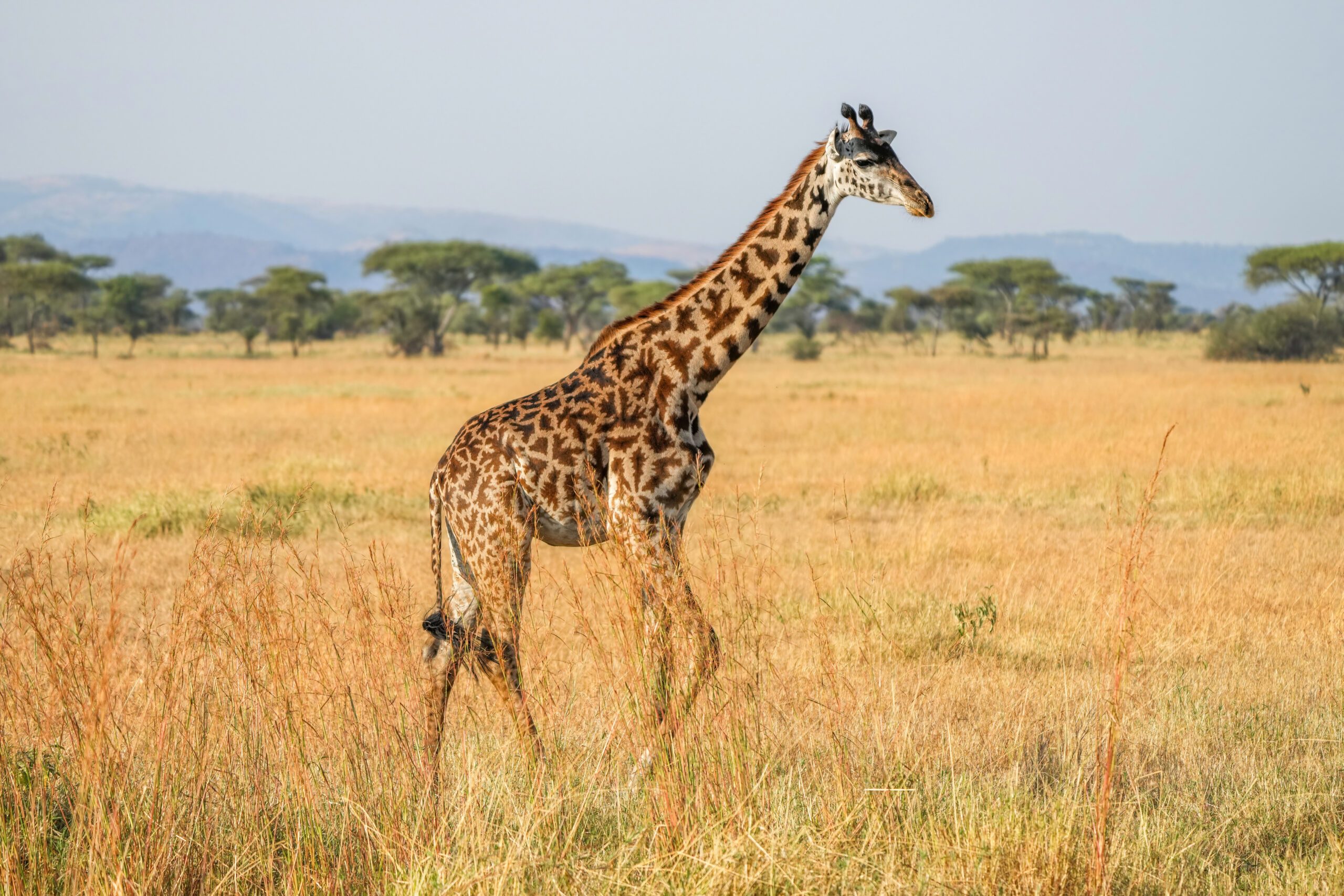 Photo Credit: Giles Laurent / Wikimedia Commons
In the heart of the African savanna, the giraffe, scientifically known as Giraffa camelopardalis, stands as a living testament to nature’s creativity. With its long neck stretching high above the grasslands, this gentle giant gracefully navigates the landscape, nibbling on the tender leaves of acacia trees. Its striking coat, adorned with unique patches of brown and cream, not only provides camouflage among the dappled sunlight but also tells a story of adaptation and survival in a world filled with challenges.
Giraffes are not just the tallest land animals; they are a source of endless fascination for scientists and nature lovers alike. Their remarkable height, which can reach up to 20 feet, allows them to access food that many other herbivores cannot reach, giving them a unique advantage in their ecosystem. As they roam the sun-drenched plains, their long legs and necks create a silhouette that is both elegant and awe-inspiring. Observing a giraffe in its natural habitat is like witnessing a living piece of art, moving with a grace that belies its size. This majestic creature plays a vital role in its environment, shaping the landscape and influencing the lives of countless other species. Join us as we explore the world of the giraffe, uncovering the secrets of its behavior, diet, and the challenges it faces in a rapidly changing world.
The giraffe, a towering symbol of the African savanna, holds a special place in the tree of life. Scientifically classified within the kingdom Animalia, it belongs to the phylum Chordata, which includes all animals with a backbone. Giraffes are part of the class Mammalia, meaning they are warm-blooded and nurse their young with milk. What sets giraffes apart is their extraordinary height, with long necks that allow them to reach leaves high in trees, a unique adaptation for survival. They belong to the family Giraffidae, which they share with their closest relatives, the okapi. This family connection highlights their evolutionary journey and the fascinating adaptations that have shaped their existence.
| Taxonomic Rank | Scientific Name | Meaning & Significance |
|---|---|---|
| Kingdom | Animalia | This name comes from the Latin word for “animal,” highlighting that giraffes are part of the vast group of living organisms that are multicellular and capable of movement. |
| Phylum | Chordata | Derived from the Greek word “chordē,” meaning “string,” this term refers to animals with a notochord, a flexible rod that supports the body, which giraffes possess during their development. |
| Class | Mammalia | This name comes from the Latin “mamma,” meaning “breast,” indicating that giraffes, like all mammals, produce milk to feed their young. |
| Order | Artiodactyla | From the Greek “artios,” meaning “even,” and “daktulos,” meaning “finger,” this order includes animals with an even number of toes, like giraffes, which have two main weight-bearing toes on each foot. |
| Family | Giraffidae | This name is derived from “Giraffa,” the genus name, and the suffix “-idae,” which is used to denote a family. It emphasizes the close relationship between giraffes and their relatives. |
| Genus | Giraffa | The name “Giraffa” is thought to come from the Arabic word “zarāfa,” meaning “to walk swiftly,” reflecting the giraffe’s graceful movement across the plains. |
Understanding the giraffe’s classification reveals much about its evolutionary history. As a member of the Giraffidae family, it shares a common ancestor with the okapi, which diverged millions of years ago. This lineage showcases how giraffes adapted to their environment, developing long necks to access food sources that other herbivores cannot reach. Their unique adaptations not only highlight their survival strategies but also illustrate the intricate web of life that connects all species on our planet. The giraffe’s place in the tree of life is a testament to the wonders of evolution and the diverse forms that life can take.
The evolutionary journey of the giraffe stretches back millions of years, weaving through the tapestry of time to reveal a fascinating story of adaptation and survival. The ancestors of modern giraffes roamed the Earth during the Miocene epoch, around 20 million years ago. This period was marked by significant changes in climate and vegetation, setting the stage for the evolution of these majestic animals.
Early giraffe-like creatures, such as the genus Giraffokeryx, were much shorter than today’s towering giants. These ancestors had long legs but not the elongated necks we associate with giraffes today. Over time, as the environment transformed and open savannas replaced dense forests, natural selection favored those individuals with longer necks. This adaptation allowed them to reach higher foliage, giving them access to food sources that other herbivores could not reach. The competition for resources played a crucial role in shaping the giraffe’s distinctive features.
The adaptations of the giraffe have been vital for its survival in the wild. The long neck not only provides access to food but also plays a role in social interactions and mating displays. The giraffe’s impressive height allows it to spot predators from afar, while its long legs enable swift escapes. With their unique coat patterns, they can blend into their surroundings, reducing the risk of being seen. Each of these features has helped giraffes thrive in the diverse ecosystems of Africa, showcasing the incredible power of evolution in shaping life on our planet.
The giraffe stands as a living marvel of nature, towering over the African landscape with an impressive height that can reach up to 20 feet. Its long, slender legs support a body that is both graceful and powerful, allowing it to navigate the savanna with ease. The most striking feature is undoubtedly its elongated neck, which can measure up to six feet long. This remarkable neck not only gives the giraffe its iconic silhouette but also serves a vital purpose in reaching high branches and leaves that other herbivores cannot access. The giraffe’s body is adorned with a unique patterned coat, a beautiful tapestry of patches that vary in color from light tan to deep brown, helping it blend into the dappled sunlight of its habitat.
| Feature | Description |
|---|---|
| Height | 4m – 6m (13ft – 20ft) |
| Weight | 550kg – 1,930kg (1,200lbs – 4,200lbs) |
| Skin Type | Hair |
| Most Distinctive Feature | Elongated neck and unique patterned coat |
These extraordinary features work together to enhance the giraffe’s survival in the wild. The long neck allows it to browse on treetops, giving it access to a food source that few other animals can reach. This dietary advantage is crucial in the competitive environment of the savanna. Meanwhile, the giraffe’s patterned coat provides camouflage, helping it evade predators by blending into the shadows of the trees and the dappled light of the grasslands. Together, these adaptations make the giraffe not just a stunning sight but a master of its environment, perfectly equipped to thrive in the wild.
The giraffe roams the sun-drenched landscapes of sub-Saharan Africa, where open woodlands and vast savannahs stretch as far as the eye can see. These habitats are a blend of grassy plains dotted with acacia trees, which provide both food and shelter. The giraffe’s long neck allows it to reach the tender leaves high up in the trees, making it a master of foraging in this unique environment. As the sun rises and sets, the golden hues of the savannah create a stunning backdrop for these gentle giants as they gracefully move through their home.
The climate in these regions is typically warm and dry, with distinct wet and dry seasons. Giraffes thrive in areas where temperatures can soar during the day, but they also benefit from the cooler nights. Rainfall is often sparse, which means they have adapted to survive on the limited water sources available. The open spaces of the savannah allow for easy movement and visibility, helping them spot predators from a distance.
Giraffes have developed several remarkable adaptations to thrive in their habitats. Their long necks not only help them reach high foliage but also allow them to see over tall grasses, keeping an eye out for danger. Their unique coat patterns provide excellent camouflage among the dappled light of the trees and grasslands, helping them blend into their surroundings. Additionally, their specialized digestive system allows them to extract maximum nutrients from the tough leaves they consume, making them well-suited for life in the savannah.
Giraffes lead a daily life that is both leisurely and purposeful. As diurnal animals, they are most active during the day, spending their time foraging for food, socializing, and resting. Their long necks allow them to reach high branches, where they munch on leaves, particularly favoring acacia trees. Giraffes can spend up to 20 hours a day eating, but they also take breaks to lounge in the shade, ruminating on their food. This unique feeding strategy helps them maintain their energy levels in the warm African sun.
Socially, giraffes are known for their gentle and peaceful nature. They typically form loose herds, which can vary in size from a few individuals to over a dozen. These herds are not strictly organized; instead, they are fluid, with members coming and going as they please. Giraffes communicate with each other using a variety of sounds, including low grunts and snorts, and they also use body language, such as necking, where they gently swing their necks to establish dominance or bond with one another. This social structure helps them stay alert to potential dangers, as more eyes can spot predators lurking nearby.
| Behavior Type | Description |
|---|---|
| Activity Patterns | Giraffes are diurnal, spending their days foraging for leaves and resting in the shade. |
| Social Structure | They form loose herds that are fluid, allowing for flexible group dynamics. |
| Communication Methods | Giraffes communicate through sounds like grunts and body language, including necking. |
The behaviors of giraffes are finely tuned to ensure their survival in the wild. By foraging during the day, they take advantage of the sunlight to find food while also being vigilant against predators. Their social interactions within herds provide safety in numbers, allowing them to detect threats more effectively. Through their unique communication methods, they maintain bonds and alert each other to danger, showcasing the intricate balance of life in the savanna.
Giraffes are herbivores, which means they primarily eat plants. Their long necks give them a special advantage when it comes to reaching food high up in trees. They are particularly fond of leaves, fruits, and seeds, often munching on the tender foliage of acacia trees, which are a favorite treat. Giraffes use their long, prehensile tongues—about 18 inches long—to grasp and pull leaves from branches, making their feeding behavior both efficient and fascinating.
| Dietary Aspect | Details |
|---|---|
| Diet Type | Herbivore |
| Favorite Foods | Leaves, fruits, seeds |
| Prey Items | None (as herbivores, they do not hunt) |
| Foraging Strategies | Using long necks and tongues to reach high foliage |
This plant-based diet plays a crucial role in shaping the giraffe’s ecology and daily routine. By feeding on the upper branches of trees, giraffes help maintain the health of their habitats, allowing sunlight to reach lower-growing plants. Their foraging habits also influence the distribution of plant species in their environment. As they move through the savanna, they not only satisfy their hunger but also contribute to the balance of the ecosystem, making them vital players in the circle of life.
When it comes to mating, giraffes have a unique and intriguing courtship ritual. During the breeding season, which can occur year-round but peaks in certain months, males engage in a behavior known as “necking.” This involves swinging their long necks and butting heads to establish dominance and attract females. Once a male successfully impresses a female, he will follow her closely, often for several days, until she is ready to mate. This process is not just about reproduction; it also helps strengthen social bonds within the herd.
| Reproductive Aspect | Details |
|---|---|
| Gestation Period | 457 days |
| Average Litter Size | 1 |
| Age of Sexual Maturity | 3.5 – 4.5 years |
| Name of Young | Calf |
After a long gestation period of about 15 months, a single calf is born, usually standing up. This remarkable birth process allows the calf to be on its feet and moving shortly after entering the world, which is crucial for its survival in the wild. Giraffe mothers are attentive and protective, often keeping their young close and teaching them essential skills for life. The calves grow quickly, relying on their mother’s milk for nourishment during the first few months. As they mature, they begin to graze on leaves and other vegetation, gradually transitioning to a diet similar to that of adult giraffes. By the time they reach sexual maturity at around 3.5 to 4.5 years, they are well-equipped to navigate the challenges of their environment, continuing the cycle of life in the savanna.
In the intricate web of life, giraffes occupy a unique position as herbivores, primarily feeding on leaves and tender shoots high in the trees. This diet allows them to thrive in their savanna habitats, but it also places them in the sights of various predators. While adult giraffes are large and formidable, they are not invincible. Their height and long legs may help them spot danger from afar, but they still face threats from the natural world.
To defend themselves against these threats, giraffes have developed several survival strategies. When danger approaches, they can deliver powerful kicks that can deter even the most determined predators. Their keen eyesight allows them to spot threats from a distance, giving them time to escape. Additionally, giraffes often stay in groups, known as towers, which provides safety in numbers. By working together, they can keep a lookout for each other, making it harder for predators to launch a successful attack. These behaviors highlight the giraffe’s resilience and adaptability in the face of challenges in their environment.
A keystone species is a vital part of its ecosystem, meaning its presence and activities have a significant impact on the environment and other living things. Giraffes can be considered a keystone species in their habitats, particularly in the open woodlands and savannahs of sub-Saharan Africa. Their unique feeding habits and social structures help shape the ecosystem in ways that benefit many other species.
Giraffes primarily feed on the leaves and tender shoots of trees, especially acacias. By browsing at such heights, they help control the growth of these trees, allowing sunlight to reach lower vegetation. This creates a diverse habitat for other animals, including smaller herbivores that thrive in the underbrush. Additionally, their foraging behavior can help disperse seeds, as they consume fruits and then excrete the seeds in different locations, promoting plant diversity.
Moreover, giraffes play a crucial role in the food web. Their presence supports predators like lions and hyenas, which rely on herbivores for sustenance. When giraffes are part of the ecosystem, they help maintain a balance between plant and animal populations. Their social behavior, often seen in herds, also provides safety in numbers, which can influence the dynamics of other species in the area.
If giraffes were to disappear from their ecosystems, the consequences would be profound. Without these towering herbivores, tree populations could become overgrown, blocking sunlight from reaching the ground. This would lead to a decline in the variety of plants and, in turn, affect the many animals that depend on those plants for food and shelter. The balance of the ecosystem would be disrupted, potentially leading to a decline in predator populations and a ripple effect that could alter the entire landscape of the savanna. The loss of giraffes would not only diminish the beauty of the African wilderness but also threaten the intricate web of life that relies on their presence.
The giraffe plays a crucial role in shaping its ecosystem, particularly in the open woodlands and savannahs of sub-Saharan Africa. As a herbivore, it primarily feeds on leaves and tender shoots from tall trees, which influences the plant community and the overall health of its habitat. By reaching high into the canopy, giraffes help control the growth of certain tree species, allowing sunlight to reach lower vegetation. This creates a diverse environment that supports a variety of other animals and plants, making the giraffe an essential player in its ecological niche.
| Ecosystem Service | Impact |
|---|---|
| Vegetation Management | Controls tree growth and promotes biodiversity by allowing sunlight to reach lower plants. |
| Seed Dispersal | Helps in the spread of seeds through their droppings, contributing to plant diversity. |
| Habitat Creation | Provides shelter and food for various species, including birds and insects. |
| Water Source | Creates water holes by trampling the ground, which can be used by other animals. |
Giraffes influence their environment in several specific ways. For instance, their feeding habits can lead to the growth of new plant species, as they often prefer certain leaves over others. This selective feeding allows less dominant plants to thrive, creating a more balanced ecosystem. Additionally, when giraffes move through their habitat, they trample the ground, which can create small depressions that collect rainwater. These water holes become vital resources for other animals, especially during dry seasons.
The broader ecological importance of giraffes cannot be overstated. As a keystone species, their presence supports a complex web of life, influencing not just the plants they eat but also the animals that rely on those plants for food and shelter. By maintaining the health of their habitat, giraffes help ensure that the savanna remains a vibrant ecosystem, rich in diversity and life. Their towering presence is not just a symbol of the African landscape; it is a vital part of the intricate balance of nature.
In the vibrant tapestry of nature, symbiosis refers to the close relationships between different species that can benefit one or both parties involved. These ecological partnerships can take various forms, including mutualism, where both species gain advantages; commensalism, where one benefits while the other is neither helped nor harmed; and parasitism, where one species benefits at the expense of another. Giraffes, with their towering presence and gentle demeanor, engage in several fascinating relationships with other species in their savanna and woodland habitats.
| Species/Type | Relationship Type | Description |
|---|---|---|
| Oxpecker Birds | Mutualistic | Oxpeckers perch on giraffes, eating ticks and parasites from their skin. In return, the giraffes enjoy a cleaner coat and reduced irritation from pests. |
| Remora Fish | Commensal | While not directly associated with giraffes, remoras attach to larger animals for transportation and feeding. They benefit from the ride and scraps of food without affecting the host. |
| Acacia Trees | Mutualistic | Giraffes feed on the leaves of acacia trees, which have evolved thorns to protect themselves. In return, giraffes help the trees by spreading their seeds through their droppings. |
These relationships have evolved over time, shaped by the needs and behaviors of the species involved. Giraffes, by feeding on acacia trees, not only sustain themselves but also promote the growth of these trees, creating a cycle of life that benefits both. The oxpecker birds, in turn, have adapted to rely on giraffes for food, showcasing how interconnected life can be in the wild. Such partnerships highlight the delicate balance of ecosystems, where each species plays a role in maintaining the health and vitality of their environment.
Giraffes are not just the tallest land animals; they are full of surprises that make them truly captivating. Here are some intriguing facts that showcase their extraordinary nature.
Throughout history, giraffes have captured the imagination of people around the world. Ancient cultures often depicted these majestic animals in art and folklore, symbolizing grace and beauty. In some African traditions, giraffes are seen as messengers between the earth and the heavens, embodying a connection to the divine. Their striking appearance and gentle demeanor have made them a source of fascination, leading to their inclusion in stories, myths, and even royal menageries. As humans have encountered giraffes in the wild, they have come to appreciate not only their physical beauty but also their role in the ecosystems of the African savanna.
Today, the relationship between giraffes and humanity is complex and multifaceted. On one hand, conservation efforts are underway to protect these iconic animals from threats such as habitat loss and poaching. Organizations work tirelessly to raise awareness about the importance of giraffes in their ecosystems, emphasizing their role as keystone species. However, conflicts can arise as human populations expand into giraffe habitats, leading to challenges such as land use disputes and vehicle collisions. While giraffes are not domesticated animals, they often find themselves in close proximity to human activities, which can create both opportunities for education and risks for their survival.
As we look to the future, the relationship between giraffes and humanity holds both promise and challenges. With increased awareness and education, there is hope for a more harmonious coexistence. By prioritizing conservation efforts and fostering a deeper understanding of these magnificent animals, we can ensure that giraffes continue to thrive in their natural habitats. The journey ahead will require collaboration between communities, conservationists, and governments, but together, we can create a world where giraffes roam freely and inspire generations to come.
The conservation status of giraffes is currently classified as Endangered. This designation reflects a concerning trend in their population, which has faced significant challenges in recent years. While the overall population size is estimated to be stable, the distribution of giraffes across Africa is uneven, with some regions experiencing declines. This situation highlights the need for ongoing conservation efforts to ensure their survival in the wild.
| Conservation Factor | Status/Details |
|---|---|
| IUCN Status | Endangered |
| Estimated Population Size | Stable |
| Trend Direction | Uneven distribution; some regions declining |
Giraffes face several significant threats that jeopardize their future. Habitat loss is one of the primary concerns, as expanding agriculture and urban development encroach on their natural environments. Additionally, poaching for their skin and meat poses a serious risk, while conflicts with livestock can lead to further declines. These factors create a challenging landscape for giraffes, making it crucial to address these threats head-on.
Conservation efforts are underway to protect giraffes and their habitats. Organizations are working to establish protected areas and promote sustainable land use practices that benefit both wildlife and local communities. Education and awareness campaigns are also vital, helping people understand the importance of giraffes in their ecosystems. With continued dedication and support, there is hope for a brighter future for these majestic animals, ensuring they remain a part of Africa’s rich biodiversity.
| Question | Answer |
|---|---|
| What is the natural habitat of giraffes? | Giraffes are typically found in open woodlands and savannahs. These areas provide them with plenty of trees and shrubs to eat, as well as space to roam and socialize. |
| What do giraffes eat? | Giraffes are herbivores, which means they only eat plants. Their favorite foods include leaves, fruits, and flowers, especially from acacia trees, which they can reach thanks to their long necks. |
| How do giraffes behave in the wild? | Giraffes are social animals and often live in loose groups called towers. They communicate with each other through a variety of sounds, body language, and even by using their long necks to nuzzle one another. |
| How do giraffes reproduce? | Female giraffes give birth to a single calf after a gestation period of about 15 months. The newborn calf can stand and walk within a few hours, which helps it keep up with the herd and stay safe from predators. |
| What are the main threats to giraffes? | Giraffes face several threats, including habitat loss due to human activities like farming and urban development. They are also hunted for their skin and meat, which has led to a decline in their populations. |
| What is the conservation status of giraffes? | Giraffes are currently listed as endangered. Conservation efforts are underway to protect their habitats and reduce poaching, but they still need our help to survive. |
| What is the most distinctive feature of giraffes? | The most distinctive feature of giraffes is their elongated necks, which can be up to six feet long! This unique adaptation allows them to reach high branches for food and spot predators from a distance. |