Taxonomy & Classification
- Kingdom
- Animalia
- Phylum
- Chordata
- Class
- Actinopterygii
- Order
- Scombriformes
- Family
- Scombridae
- Genus
- Thunnus
- Species
- Thunnus alalunga

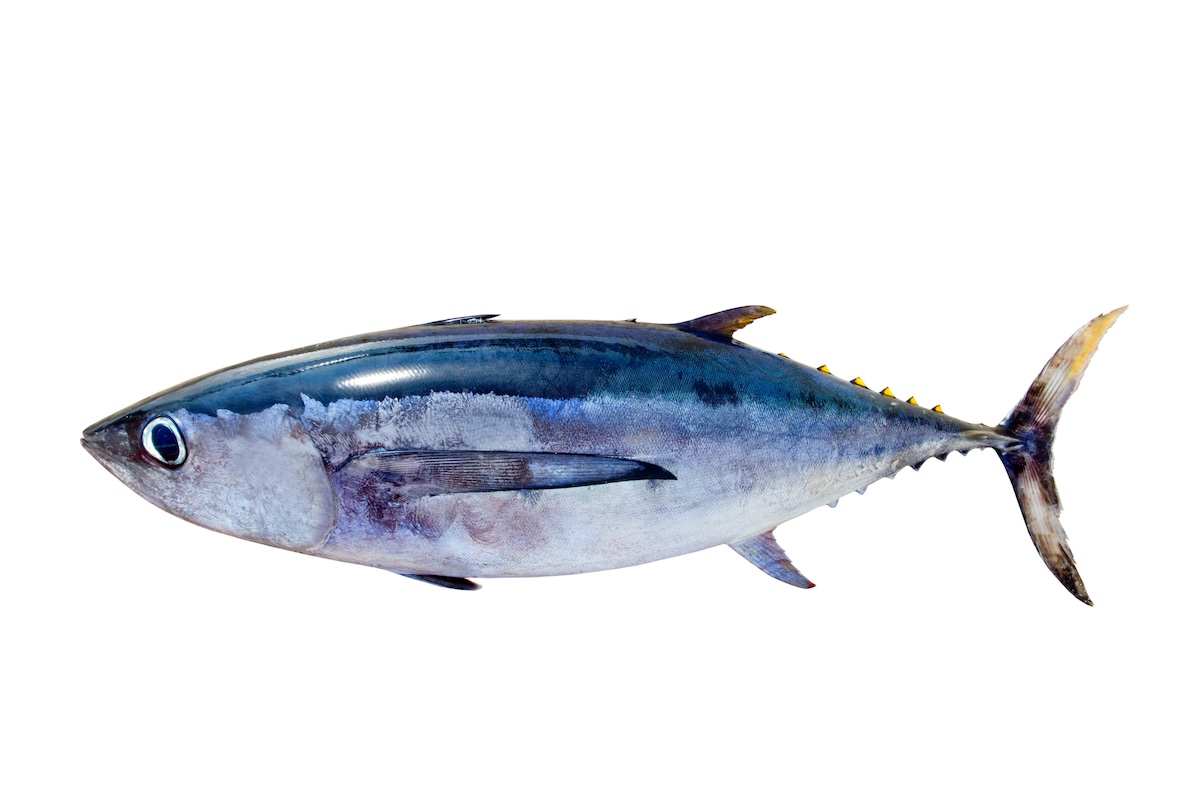 Photo Credit: lunamarina on Deposit Photos
In the shimmering depths of the ocean, the Albacore Tuna, or Thunnus alalunga, glides through the water with an elegance that captivates all who encounter it. With its sleek, torpedo-shaped body and strikingly bright silver sides, this fish is a master of speed, capable of reaching up to 90 miles per hour. Imagine a scene where sunlight filters through the waves, illuminating the vibrant blues and greens of the ocean, while schools of smaller fish dart nervously, aware of the swift predator lurking nearby. The Albacore Tuna is not just a beautiful sight; it plays a crucial role in the marine ecosystem, helping to maintain the balance of life beneath the waves.
Scientists and nature enthusiasts alike are drawn to the Albacore Tuna for its remarkable adaptations and behaviors. These fish are not only agile hunters, preying on a variety of marine life, but they also exhibit fascinating social interactions, often swimming in groups to increase their chances of finding food. Their ability to thrive in the vast, open waters of the world’s oceans makes them a subject of study for researchers eager to understand the complexities of oceanic life. As we dive deeper into the world of the Albacore Tuna, we will explore its evolutionary history, diet, and the vital role it plays in the ocean’s intricate web of life.
Albacore tuna, known scientifically as Thunnus alalunga, occupies a fascinating position in the tree of life. This sleek and powerful fish belongs to the kingdom Animalia, which includes all animals, and is classified under the phylum Chordata, meaning it has a backbone. Albacore tuna are part of the class Actinopterygii, which encompasses ray-finned fishes, characterized by their bony skeletons and fins supported by thin, bony rays. What sets albacore apart is its remarkable ability to swim at high speeds and its unique adaptations for life in the open ocean, making it a true marvel of marine evolution.
| Taxonomic Rank | Scientific Name | Meaning & Significance |
|---|---|---|
| Kingdom | Animalia | This name signifies the broadest category of living organisms, encompassing all animals. |
| Phylum | Chordata | Derived from the Greek word “chordē,” meaning “string,” this refers to animals with a notochord, a flexible rod that supports the body. |
| Class | Actinopterygii | This term means “ray-finned fishes,” highlighting the structure of their fins, which are supported by bony rays. |
| Order | Scombriformes | This order includes fast-swimming fish, emphasizing their streamlined bodies and adaptations for speed. |
| Family | Scombridae | Commonly known as mackerel, this family name reflects the fish’s close relatives, which share similar body shapes and habitats. |
| Genus | Thunnus | This genus name is derived from the Latin word for tuna, indicating the fish’s importance in both ecology and human culture. |
| Species | alalunga | This species name means “long wing,” referring to the albacore’s elongated pectoral fins that aid in its swift swimming. |
The classification of albacore tuna reveals much about its evolutionary journey. As a member of the Scombridae family, it shares a lineage with other fast-swimming fish, showcasing adaptations that have allowed it to thrive in the open ocean. Its streamlined body and powerful muscles are perfect for chasing prey, while its unique fin structure enhances maneuverability. Understanding where albacore tuna fits in the tree of life not only highlights its biological significance but also underscores the intricate connections among marine species, illustrating the wonders of evolution in shaping life beneath the waves.
The evolutionary journey of the Albacore Tuna, or Thunnus alalunga, stretches back millions of years, tracing its lineage through the vast oceans of the world. This species belongs to the family Scombridae, which includes other fast-swimming fish like mackerels and bonitos. The ancestors of modern tunas began to diverge from other fish around 100 million years ago, during the late Cretaceous period. As the oceans changed, so did these fish, adapting to their environments in ways that would allow them to thrive in the open sea.
The early ancestors of the Albacore Tuna were likely smaller and less streamlined than their modern descendants. Over time, they developed a more torpedo-shaped body, which is perfect for fast swimming. This shape reduces drag, allowing them to chase down prey with incredible speed. Another significant transition was the development of a specialized circulatory system that helps maintain their body temperature, making them endothermic, or warm-blooded. This adaptation allows them to swim in colder waters and hunt more effectively than many other fish.
The adaptations of the Albacore Tuna have been crucial for its survival in the competitive marine environment. The streamlined body and powerful muscles allow it to be one of the fastest fish in the ocean, capable of reaching speeds up to 40 miles per hour. Its ability to maintain a higher body temperature enables it to hunt in a wider range of habitats, while its keen eyesight helps it locate prey effectively. Together, these traits have made the Albacore Tuna a successful predator, thriving in the open ocean and playing a vital role in the marine ecosystem.
The Albacore Tuna is a striking sight in the ocean, embodying speed and grace. With its streamlined body, it glides effortlessly through the water, reaching impressive lengths. This fish can grow up to 4 feet long and weigh as much as 80 pounds, making it a formidable presence in its marine habitat. Its sleek form is designed for swift movement, allowing it to chase down prey with remarkable agility.
| Feature | Description |
|---|---|
| Size | Can grow up to 4 feet long and weigh up to 80 pounds |
| Color | Shiny blue on the top with a silver-white underside |
| Skin Type | Smooth, allowing for easy movement through water |
| Distinctive Feature | Long pectoral fin that stretches across the body |
The Albacore Tuna’s features work together like a finely tuned machine. Its smooth skin reduces drag as it swims, while the long pectoral fin aids in steering and stability, allowing for sharp turns and quick bursts of speed. The contrasting colors help it blend into the ocean depths, providing camouflage from predators and prey alike. Together, these adaptations make the Albacore Tuna not just a survivor, but a master of its underwater domain.
The Albacore Tuna thrives in the vast, open waters of the world’s oceans, where it finds both food and freedom. Picture a shimmering expanse of blue, where sunlight dances on the surface and the currents create a dynamic playground. These fish prefer the warmer waters of the temperate and tropical regions, often swimming in the upper layers of the ocean, where they can easily chase after schools of smaller fish.
Albacore Tuna are particularly fond of areas where the water temperature ranges from 60 to 75 degrees Fahrenheit. This temperature range is crucial for their survival, as it supports the abundance of prey they rely on, such as sardines and mackerel. They are also found in regions with strong currents and upwellings, where nutrient-rich waters rise to the surface, creating a feast for hungry fish.
These remarkable fish have adapted beautifully to their oceanic homes. Their streamlined bodies allow them to swim at high speeds, making them efficient hunters. Albacore Tuna are also endothermic, meaning they can regulate their body temperature, which helps them thrive in varying ocean conditions. This ability allows them to venture into cooler waters in search of food, giving them an edge over many other fish species. With their keen senses and powerful muscles, Albacore Tuna are perfectly suited to life in the open sea.
The daily life of an Albacore Tuna is a blend of speed, agility, and social interaction. These fish are known for their active lifestyle, often swimming long distances in search of food. They typically spend their days cruising through the open ocean, where they hunt for smaller fish and squid. Albacore Tuna are endothermic, meaning they can regulate their body temperature, allowing them to thrive in various water temperatures. This ability helps them maintain their energy levels as they dart through the water, making them efficient hunters.
Socially, Albacore Tuna are not solitary creatures. They often form schools, which are groups of fish that swim together. This behavior provides safety in numbers, as being part of a school can help protect them from predators. Within these schools, Albacore Tuna exhibit fascinating group dynamics. They communicate through body language and movements, coordinating their actions to hunt more effectively. This social structure not only enhances their hunting success but also strengthens their bonds with one another.
| Behavior Type | Description |
|---|---|
| Activity Patterns | Albacore Tuna swim actively throughout the day, hunting for prey like smaller fish and squid. |
| Social Structure | They form schools, which provide safety and improve hunting efficiency. |
| Communication Methods | They use body language and synchronized movements to coordinate their actions within the school. |
These behaviors are crucial for the survival of Albacore Tuna. By swimming in schools, they reduce the risk of being targeted by larger predators. Their ability to communicate and work together enhances their hunting success, ensuring they can find enough food to thrive. In the vast ocean, where challenges abound, these social and behavioral strategies are key to their continued existence.
Albacore tuna are carnivores, meaning they primarily eat other animals. Their diet consists of a variety of marine life, including fish, crustaceans, cephalopods, and mollusks. These agile hunters are known for their impressive speed and keen eyesight, which help them locate and catch their prey. Albacore tuna often hunt in schools, using teamwork to corral smaller fish into tight groups, making it easier for them to feast.
| Dietary Aspect | Details |
|---|---|
| Diet Type | Carnivore |
| Favorite Foods | Fish, crustaceans, cephalopods, and mollusks |
| Prey Items | Smaller fish, shrimp, squid, and other marine animals |
| Hunting/Foraging Strategies | Hunts in schools, uses speed and teamwork to catch prey |
This diet plays a crucial role in the Albacore tuna’s ecology and daily routine. By preying on smaller marine animals, they help maintain the balance of ocean ecosystems. Their hunting strategies not only showcase their physical prowess but also influence the behavior of their prey, creating a dynamic interaction in the underwater world. As they swim through the ocean, their search for food drives their movements, making them an integral part of the marine food web.
When it comes to mating, Albacore Tuna are quite the adventurers! They typically breed in warm waters during the summer months, when conditions are just right for their young to thrive. During this time, males and females come together in large groups, engaging in a lively dance of courtship. This behavior helps them find mates and ensures that the next generation of Albacore Tuna will be born into a world full of food and safety.
| Reproductive Aspect | Details |
|---|---|
| Gestation Period | A few days |
| Litter Size | Thousands of eggs |
| Age of Maturity | About 5 years |
| Name of Young | Fry |
Once the eggs are laid, they float freely in the ocean, where they hatch into tiny fry. These young fish are on their own from the moment they emerge, relying on their instincts to survive. As they grow, they develop into strong swimmers, learning to navigate the vast ocean and hunt for food. While Albacore Tuna do not provide parental care after laying their eggs, their rapid growth and adaptability help them thrive in the wild, eventually reaching maturity and continuing the cycle of life in the ocean.
Albacore tuna, or Thunnus alalunga, play a vital role in the ocean’s food web. As agile predators, they help maintain the balance of marine ecosystems by controlling the populations of smaller fish and other sea creatures. However, they are not at the top of the food chain. Various predators and human activities pose significant threats to their survival.
To defend themselves against these dangers, Albacore tuna rely on their incredible speed and agility. They can swim at speeds of up to 40 miles per hour, allowing them to escape from predators. Additionally, their streamlined bodies help them navigate through the water with ease. When faced with threats, they often dive deep into the ocean, where they can find refuge from larger predators. These survival strategies are essential for their continued existence in a world filled with challenges.
A keystone species is a vital part of its ecosystem, meaning its presence has a significant impact on the environment and other species. Albacore tuna, known scientifically as Thunnus alalunga, qualifies as a keystone species due to its role in the marine food web. By influencing the populations of other marine life, Albacore tuna help maintain the balance of their ocean habitats.
Albacore tuna are carnivores, primarily feeding on smaller fish, crustaceans, and cephalopods. This predatory behavior is crucial because it helps regulate the populations of these species. For instance, by keeping the numbers of smaller fish in check, Albacore tuna prevent overgrazing of plankton, which forms the base of the oceanic food web. Without this balance, certain species could become too abundant, leading to a decline in the overall health of the ecosystem.
Moreover, Albacore tuna are known to travel in schools, which not only aids in their hunting efficiency but also influences the behavior of other marine animals. Their presence can attract larger predators, such as sharks and dolphins, creating a dynamic interaction among species. This interconnectedness highlights how the Albacore tuna contributes to the diversity and stability of marine life.
If Albacore tuna were to disappear, the effects would ripple throughout the ocean ecosystem. Without these agile predators, smaller fish populations could explode, leading to overconsumption of plankton. This imbalance could result in a decline in the overall health of the marine environment, affecting not just fish but also the larger predators that rely on them for food. The loss of Albacore tuna would disrupt the intricate web of life in the ocean, demonstrating just how crucial they are to maintaining ecological harmony.
Albacore tuna, or Thunnus alalunga, plays a crucial role in its oceanic ecosystem. As a top predator, it occupies an ecological niche that helps maintain the balance of marine life. By preying on smaller fish and other marine creatures, Albacore tuna regulate populations, ensuring that no single species dominates the environment. This balance is essential for the health of the entire ocean ecosystem, as it supports biodiversity and promotes a stable food web.
| Ecosystem Service | Impact |
|---|---|
| Population Control | Regulates the numbers of smaller fish species, preventing overpopulation. |
| Nutrient Cycling | Contributes to nutrient distribution through its feeding and excretion, enriching the ocean environment. |
| Food Source | Serves as a vital food source for larger marine predators, including sharks and marine mammals. |
| Habitat Structure | Influences the distribution of marine life by creating habitats through its movement and feeding behavior. |
The influence of Albacore tuna extends beyond just their role as predators. For instance, when they hunt, they often chase schools of smaller fish, which can lead to changes in the distribution of these prey species. This hunting behavior not only affects the prey but also the entire community of organisms that rely on those smaller fish for survival. Additionally, as Albacore tuna excrete waste, they release nutrients back into the water, which supports the growth of phytoplankton—tiny plants that form the base of the ocean food web.
The broader ecological importance of Albacore tuna cannot be overstated. As a keystone species, their presence is vital for the health of marine ecosystems. By maintaining the balance of species and contributing to nutrient cycling, Albacore tuna help sustain the rich diversity of life in the oceans. Protecting these magnificent fish is essential not only for their survival but also for the overall health of our planet’s marine environments.
In the vast and interconnected world of the ocean, Albacore Tuna engage in various partnerships with other species, showcasing the intricate web of life that defines marine ecosystems. These relationships can be classified into three main types: mutualism, where both species benefit; commensalism, where one benefits while the other is neither helped nor harmed; and parasitism, where one species benefits at the expense of another. Understanding these interactions helps us appreciate how species like the Albacore Tuna contribute to the health and balance of their environment.
| Species/Type | Relationship Type | Description |
|---|---|---|
| Remoras | Commensalism | Remoras attach themselves to Albacore Tuna, gaining a free ride and access to food scraps without affecting the tuna. |
| Cleaner Fish | Mutualism | Cleaner fish eat parasites off the skin of Albacore Tuna, providing a cleaning service while receiving food in return. |
| Sea Lice | Parasitism | Sea lice attach to Albacore Tuna, feeding on their blood and tissues, which can harm the tuna’s health. |
These relationships have evolved over time, shaped by the needs and behaviors of the species involved. The Albacore Tuna, as a fast and agile predator, benefits from cleaner fish that help keep its skin free of parasites, enhancing its overall health and swimming efficiency. Meanwhile, remoras enjoy a free meal and transportation, while sea lice, though harmful, remind us of the challenges that come with living in such a dynamic environment. Each interaction plays a role in the delicate balance of the ocean, illustrating how interconnected life truly is beneath the waves.
Albacore tuna, known for their sleek bodies and impressive speed, are more than just a popular catch for fishermen. These fascinating fish have some surprising traits that make them stand out in the vast ocean.
The relationship between Albacore Tuna and humanity stretches back thousands of years, woven into the fabric of various cultures around the globe. Ancient civilizations, such as the Greeks and Romans, revered these fish not only for their culinary value but also for their role in maritime lore. Albacore Tuna, known for their rich flavor and firm texture, have been a staple in diets, especially in coastal communities. Today, they symbolize the connection between humans and the ocean, reminding us of our reliance on marine resources and the traditions that have shaped our understanding of the sea.
In modern times, the interaction between Albacore Tuna and humans has become increasingly complex. As demand for this fish has surged, so too have concerns about overfishing and sustainability. Conservation efforts are now at the forefront, with organizations working to ensure that tuna populations remain healthy for future generations. However, conflicts arise as commercial fishing practices often clash with the need to protect marine ecosystems. Some innovative approaches, like aquaculture, aim to domesticate these fish, providing a sustainable alternative to wild-caught tuna while reducing pressure on natural populations.
Looking ahead, the future of the relationship between Albacore Tuna and humanity hinges on our ability to balance consumption with conservation. As we become more aware of the ecological challenges facing our oceans, it is crucial to foster a sense of stewardship. By embracing sustainable practices and respecting the delicate balance of marine ecosystems, we can ensure that Albacore Tuna continue to thrive, enriching our lives and cultures for generations to come.
The Albacore Tuna, scientifically known as Thunnus alalunga, currently holds a conservation status of Near Threatened. This means that while the species is not yet endangered, it faces significant risks that could lead to a decline in its population if not addressed. With an estimated population size of over a million individuals, the Albacore Tuna is still relatively abundant, but trends indicate that their numbers could be affected by various environmental and human factors.
| Conservation Factor | Status/Details |
|---|---|
| IUCN Status | Near Threatened |
| Estimated Population Size | More than a million |
| Population Trend | Potential decline |
One of the main threats to Albacore Tuna comes from overfishing, which occurs when fish are caught at a rate faster than they can reproduce. This is particularly concerning for species like the Albacore, which are highly sought after for their meat. Additionally, habitat degradation and climate change pose risks by altering ocean temperatures and currents, which can affect their breeding and feeding grounds. Pollution in the oceans also impacts their health and the health of their prey, further complicating their survival.
Conservation efforts are underway to protect the Albacore Tuna and ensure its future in our oceans. Organizations and governments are working together to implement sustainable fishing practices, which help maintain healthy populations. By setting catch limits and monitoring fish stocks, they aim to balance human needs with the health of marine ecosystems. With continued awareness and action, there is hope that the Albacore Tuna can thrive, ensuring that future generations can marvel at this incredible species.
| Question | Answer |
|---|---|
| Where do Albacore Tuna live? | Albacore Tuna are found in the open oceans, particularly in warm waters. They prefer areas with a temperature range of 18 to 25 degrees Celsius (64 to 77 degrees Fahrenheit), often swimming in the upper layers of the ocean. |
| What do Albacore Tuna eat? | As carnivores, Albacore Tuna primarily feed on smaller fish, squid, and crustaceans. Their diet is rich in protein, which helps them grow strong and fast in their ocean habitat. |
| How do Albacore Tuna behave? | Albacore Tuna are known for their speed and agility, often swimming at high speeds to catch prey. They are also social fish, often found in schools, which helps them protect themselves from predators. |
| How do Albacore Tuna reproduce? | Albacore Tuna spawn, or reproduce, in warm waters during the summer months. Females can release millions of eggs at once, which are fertilized by males in the water, ensuring a higher chance of survival for the young fish. |
| What threats do Albacore Tuna face? | Albacore Tuna are considered Near Threatened due to overfishing and habitat loss. Commercial fishing practices can significantly reduce their populations, making conservation efforts essential for their survival. |
| What is a distinctive feature of Albacore Tuna? | One of the most distinctive features of Albacore Tuna is their long pectoral fin, which stretches across their body. This fin helps them maintain stability and maneuverability while swimming at high speeds. |
| Are Albacore Tuna important to humans? | Yes, Albacore Tuna are important both ecologically and economically. They are a popular choice for seafood lovers and are often used in sushi and canned products, making them a valuable resource for many fishing communities. |