Taxonomy & Classification
- Kingdom
- Animalia
- Phylum
- Chordata
- Class
- Reptilia
- Order
- Squamata
- Family
- Colubridae
- Genus
- Pantherophis
- Species
- Pantherophis guttatus

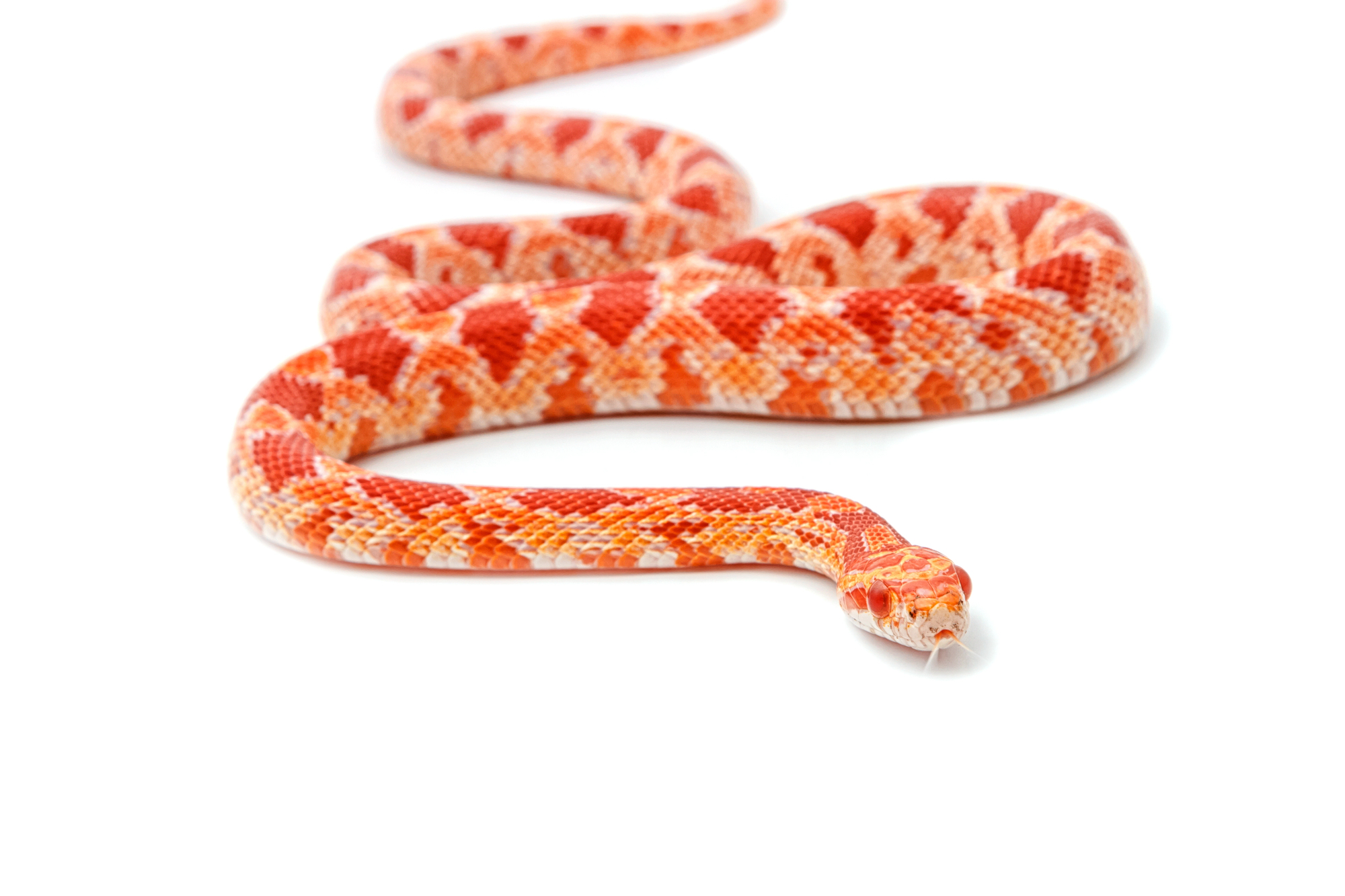 Photo Credit: plepraisaeng on Deposit Photos
In the sun-drenched fields and woodlands of the southeastern United States, the Albino Corn Snake, scientifically known as Pantherophis guttatus, glides gracefully through the underbrush. With its striking, pale yellow and orange hues, this snake stands out against the earthy tones of its habitat, almost glowing in the dappled sunlight. Its smooth, shiny scales reflect light like tiny jewels, making it a captivating sight for anyone lucky enough to spot it. This unique coloration, a result of a genetic mutation that reduces melanin, not only enchants nature lovers but also intrigues scientists who study the wonders of genetic diversity in the animal kingdom.
As the sun sets and the world quiets, the Albino Corn Snake becomes more active, slithering silently in search of small rodents and bird eggs. Its keen sense of smell and excellent vision help it navigate the night, showcasing its role as a skilled predator. This snake is not just a beautiful creature; it plays a vital part in its ecosystem, helping to control populations of its prey. With its fascinating behaviors and striking appearance, the Albino Corn Snake invites us to explore the delicate balance of nature and the incredible adaptations that allow it to thrive in its environment.
The Albino Corn Snake, scientifically known as Pantherophis guttatus, is a captivating member of the animal kingdom that showcases the beauty of genetic variation. This snake is a striking example of amelanism, a condition that results in a lack of dark pigmentation, giving it a bright, creamy-yellow body with vibrant orange and red patterns. This unique coloration not only makes it a favorite among reptile enthusiasts but also highlights the diversity found within the species. Corn snakes, including their albino counterparts, are non-venomous and are known for their docile nature, making them popular pets.
| Taxonomic Rank | Scientific Name | Meaning & Significance |
|---|---|---|
| Kingdom | Animalia | This term means “animals” and includes all multicellular organisms that are heterotrophic, meaning they consume organic material for energy. |
| Phylum | Chordata | Derived from the Latin word “chorda,” meaning “string,” this group includes animals with a notochord, a flexible rod that supports the body during development. |
| Class | Reptilia | This class includes reptiles, which are cold-blooded vertebrates that usually have scaly skin and lay eggs. The name comes from the Latin “reptilis,” meaning “creeping.” |
| Order | Squamata | From the Latin “squamatus,” meaning “scaled,” this order encompasses snakes and lizards, characterized by their scaly skin and ability to shed it. |
| Family | Colubridae | This family includes a wide variety of non-venomous snakes. The name comes from the Latin “coluber,” meaning “snake,” highlighting their diverse forms. |
| Genus | Pantherophis | This genus name combines “panthera,” meaning “panther,” and “ophis,” meaning “snake,” reflecting the snake’s graceful movements and predatory nature. |
| Species | guttatus | This species name comes from the Latin word “guttatus,” meaning “spotted,” which refers to the distinctive patterns found on the snake’s skin. |
The classification of the Albino Corn Snake reveals much about its evolutionary journey. As a member of the Colubridae family, it shares a lineage with many other non-venomous snakes, showcasing adaptations that have allowed it to thrive in various environments. The unique amelanistic trait not only adds to its visual appeal but also serves as a reminder of the genetic diversity that can arise within a species. Understanding its taxonomic position helps us appreciate the intricate web of life and the evolutionary processes that shape the animals we see today.
The evolutionary journey of the Albino Corn Snake, or Pantherophis guttatus, stretches back millions of years, tracing its lineage through the diverse family of Colubridae. This family, which includes many non-venomous snakes, has adapted to various environments across North America. The corn snake itself has evolved from ancestral forms that roamed the earth long before humans, showcasing a fascinating tale of survival and adaptation.
The ancestors of the corn snake were likely small, agile reptiles that thrived in a variety of habitats. Over time, these early snakes developed traits that helped them hunt and evade predators. One major transition was the development of a more elongated body, which allowed for better movement through dense underbrush. As they adapted to their environments, some populations began to exhibit variations in color and pattern, which played a crucial role in camouflage. This ability to blend into their surroundings helped them avoid detection by both prey and predators alike.
The adaptations of the Albino Corn Snake have been crucial for its survival in a changing world. The ability to blend into various environments, coupled with a flexible diet and effective hunting techniques, has allowed this species to thrive in diverse habitats. As they continue to evolve, these snakes remind us of the intricate connections between genetics, environment, and survival in the natural world.
The Albino Corn Snake is a stunning sight to behold, with its sleek, elongated body that can reach lengths of up to six feet. Its smooth scales glisten in the light, creating a mesmerizing effect as it moves gracefully through its environment. The absence of melanin, the pigment that gives color to many animals, results in a strikingly pale, almost creamy white base. This unique coloration is beautifully accented by bright red, orange, and yellow markings that dance along its back and sides, creating a vivid contrast that captures the eye.
| Feature | Description |
|---|---|
| Weight | 1-2 pounds |
| Skin Type | Scales |
| Most Distinctive Feature | Bright red, orange, and yellow markings |
These striking features not only make the Albino Corn Snake a visual marvel but also serve important survival purposes. The bright markings can help it blend into the vibrant colors of its natural habitat, such as the forest floor or grasslands, where it hunts for small rodents and birds. This camouflage is essential for both stalking prey and avoiding predators. Additionally, the smooth scales allow for easy movement through various terrains, enhancing its ability to navigate and thrive in diverse environments. Together, these characteristics create a perfect balance of beauty and functionality in the wild.
The Albino Corn Snake thrives in a variety of habitats that paint a vivid picture of the southeastern United States. Imagine wandering through open fields, where the sun shines brightly, and the grass sways gently in the breeze. These snakes often make their homes in grassy areas, farmlands, and even the edges of forests. They are also found in abandoned buildings and barns, where they can find shelter and hunt for small rodents. This adaptability allows them to blend into their surroundings, making them both fascinating and elusive.
The climate where Albino Corn Snakes live is typically warm and humid, which is perfect for their lifestyle. They prefer temperatures ranging from 75 to 85 degrees Fahrenheit, as this warmth helps them stay active and digest their food. These snakes are often found in areas that experience seasonal changes, including wet and dry periods. The humidity in their environment is crucial, as it helps keep their skin moist and supports their overall health.
To thrive in these specific habitats, Albino Corn Snakes have developed several clever adaptations. Their light coloration helps them blend into the sandy and light-colored environments they often inhabit, providing excellent camouflage against predators. Additionally, their ability to burrow into the ground or hide in tall grass allows them to escape the heat of the day and avoid detection. This combination of physical traits and behavioral strategies makes them well-suited to their warm, diverse habitats, allowing them to flourish in the wild.
As the sun sets and the world quiets down, the Albino Corn Snake begins its daily activities. Being nocturnal, this snake is most active at night, slithering through its habitat in search of food. With its keen sense of smell and heat-sensing abilities, it hunts small rodents and birds, using stealth and patience to catch its prey. During the day, it often finds a cozy spot to hide, blending into its surroundings to avoid predators. This daily rhythm of activity and rest is crucial for its survival in the wild.
While Albino Corn Snakes are primarily solitary creatures, they do come together during mating season. This is a time when males will engage in a fascinating dance of courtship, showcasing their strength and agility. They may also communicate through subtle body movements and scent markings, which help them find potential mates. Outside of this breeding period, these snakes prefer to keep to themselves, each one carving out its own territory. This solitary lifestyle allows them to avoid competition for food and reduces the risk of predation.
| Behavior Type | Description |
|---|---|
| Activity Patterns | Nocturnal foraging for food, resting during the day in hidden spots. |
| Social Structure | Primarily solitary, coming together only during mating season. |
| Communication Methods | Body movements and scent markings used to attract mates and establish territory. |
The behaviors of the Albino Corn Snake are finely tuned to ensure its survival. By being active at night, it avoids many daytime predators while taking advantage of the cover of darkness to hunt. Its solitary nature minimizes competition for resources, allowing it to thrive in its environment. During mating season, the brief social interactions are essential for reproduction, ensuring the continuation of its lineage. Each aspect of its daily life is a testament to the adaptability and resilience of this striking snake.
The Albino Corn Snake has a diet primarily consisting of small rodents, bird eggs, and even amphibians. This snake is a skilled hunter, using its keen sense of smell and excellent vision to locate prey. When it’s time to eat, the corn snake employs a method called constriction, wrapping its body around its catch to subdue it before swallowing it whole. This feeding behavior is not only efficient but also essential for its survival in the wild.
| Dietary Aspect | Details |
|---|---|
| Diet Type | Carnivorous |
| Favorite Foods | Small rodents, bird eggs, amphibians |
| Prey Items | Mice, rats, and the occasional frog or toad |
| Hunting/Foraging Strategies | Uses smell and sight to locate prey; employs constriction to subdue |
This diet plays a crucial role in the ecology of the Albino Corn Snake. By preying on small mammals and other creatures, it helps control their populations, maintaining a balance in its ecosystem. Additionally, the snake’s nocturnal lifestyle allows it to hunt when many of its prey are active, making it an efficient forager. This connection between diet and daily routine highlights the intricate web of life in which the Albino Corn Snake plays a vital part.
As the warm days of spring arrive, Albino Corn Snakes begin their courtship rituals. Males engage in a fascinating dance, often wrestling with one another to establish dominance and attract females. This playful competition is not just for show; it helps the males demonstrate their strength and fitness. Once a female is ready to mate, she will signal her interest, and the pair will engage in a brief but intense mating session. This breeding season typically occurs from late spring to early summer, when temperatures are ideal for the development of their future offspring.
| Reproductive Aspect | Details |
|---|---|
| Gestation Period | Approximately 30 days |
| Litter Size | 10 to 30 eggs |
| Age of Maturity | About 30 inches long |
| Name of Young | Hatchling, snakelet |
After laying her eggs, the female Albino Corn Snake does not provide direct care for her young. Instead, she finds a safe, warm spot to deposit her eggs, often in a hidden location like a rotting log or under a pile of leaves. The eggs incubate for about 30 days, during which the developing hatchlings grow inside their protective shells. Once they are ready to emerge, the tiny snakelets break free and are immediately independent. They are born with the instinct to hunt and survive on their own, starting their journey in the world as miniature versions of their parents. As they grow, they will shed their skin several times, gradually reaching their full size and maturity, ready to continue the cycle of life.
The Albino Corn Snake occupies a unique position in the food web, serving as both predator and prey. This striking snake, with its pale, almost ghostly appearance, is adept at hunting small rodents and birds. However, its bright coloration, while beautiful, makes it more visible to potential predators. In the wild, the balance of life is delicate, and the Albino Corn Snake must navigate a world filled with dangers that threaten its survival.
To defend itself against these threats, the Albino Corn Snake employs several clever survival strategies. When faced with danger, it may freeze in place, blending into its surroundings, or it can quickly retreat to the safety of burrows or dense vegetation. Additionally, this snake is known to mimic the behavior of more dangerous snakes, such as rattlesnakes, by coiling and shaking its tail. These tactics help it evade predators and continue its role in the ecosystem, showcasing the resilience and adaptability of this remarkable species.
A keystone species is an organism that plays a critical role in maintaining the structure of its ecosystem. These species have a disproportionately large impact on their environment relative to their abundance. The Albino Corn Snake, or Pantherophis guttatus, while not a traditional keystone species, does contribute to its ecosystem in meaningful ways, particularly through its role as a predator and prey.
In its natural habitat, the Albino Corn Snake helps control the populations of small rodents and birds. By keeping these populations in check, it prevents overgrazing and the spread of diseases that can occur when prey species become too numerous. For example, a single corn snake can consume several mice in a week, which helps maintain a balance in the ecosystem. This balance is crucial because an overabundance of rodents can lead to crop damage and increased competition for food among other animals.
Additionally, the Albino Corn Snake serves as a food source for larger predators, such as hawks and owls. This relationship highlights the interconnectedness of species within an ecosystem. When corn snakes thrive, they provide sustenance for these birds of prey, which in turn helps regulate their populations. The presence of the Albino Corn Snake thus supports a diverse range of wildlife, contributing to the overall health of its environment.
If the Albino Corn Snake were to disappear from its ecosystem, the effects could be significant. Without this snake to keep rodent populations in check, we might see a rapid increase in these small mammals. This surge could lead to overgrazing, which would harm plant life and disrupt the habitats of other animals. Furthermore, the absence of the corn snake would leave larger predators without a food source, potentially leading to their decline as well. In essence, the loss of the Albino Corn Snake could create a ripple effect, altering the entire ecosystem and diminishing its diversity and resilience.
The Albino Corn Snake, a beautiful variant of Pantherophis guttatus, plays a vital role in its ecosystem, particularly in the southeastern United States. As a nocturnal predator, it helps regulate populations of small mammals and birds, ensuring a balanced food web. By controlling these populations, the Albino Corn Snake indirectly supports plant life, as fewer herbivores mean less grazing pressure on vegetation. This delicate balance showcases the snake’s ecological niche, where it thrives as both a hunter and a contributor to the health of its environment.
| Ecosystem Service | Impact |
|---|---|
| Population Control | Regulates numbers of small rodents and birds, preventing overpopulation. |
| Prey for Larger Animals | Serves as a food source for birds of prey and larger mammals, supporting their survival. |
| Soil Aeration | When hunting and moving through the ground, it helps aerate the soil, promoting healthy plant growth. |
| Seed Dispersal | Through its diet, it contributes to the dispersal of seeds, aiding in plant reproduction. |
The Albino Corn Snake’s influence on its ecosystem is evident in various ways. For instance, by preying on rodents, it helps keep their populations in check, which can prevent crop damage in agricultural areas. This snake’s hunting habits also benefit other species, as it provides a food source for larger predators like hawks and owls. Additionally, as it moves through its habitat, the snake inadvertently aerates the soil, which is essential for healthy plant growth. This interaction highlights the interconnectedness of life in its environment.
The broader ecological importance of the Albino Corn Snake cannot be overstated. As a keystone species, it plays a crucial role in maintaining the balance of its ecosystem. By regulating prey populations and serving as a food source for other animals, it helps sustain the intricate web of life that thrives in its habitat. Understanding the impact of the Albino Corn Snake encourages us to appreciate the delicate relationships that exist in nature and the importance of preserving these remarkable creatures for future generations.
In the intricate web of life, symbiosis refers to the close interactions between different species, which can take on various forms. These relationships can be mutualistic, where both species benefit; parasitic, where one benefits at the expense of the other; or commensal, where one benefits while the other is neither helped nor harmed. Understanding these connections helps us appreciate the delicate balance of ecosystems and the roles that different species play within them.
| Species/Type | Relationship Type | Description |
|---|---|---|
| Birds (e.g., Eastern Bluebird) | Mutualistic | Birds often nest in tree cavities, which can provide a safe environment for their young. In return, these birds help control insect populations, benefiting the surrounding flora. |
| Ticks | Parasitic | Ticks attach to the skin of the Albino Corn Snake, feeding on its blood. This relationship can weaken the snake and make it more susceptible to disease. |
| Small Mammals (e.g., Mice) | Commensal | While hunting small mammals, the Albino Corn Snake may inadvertently disturb the environment, causing insects to flee. The insects benefit from this disturbance, while the snake continues its hunt. |
These relationships have evolved over time, shaped by the needs and behaviors of the species involved. The mutualistic interactions, like those with birds, highlight how cooperation can enhance survival for both parties. In contrast, parasitic relationships, such as those with ticks, illustrate the darker side of nature, where one species thrives at the expense of another. Commensal relationships show that not all interactions are equal, but they still play a role in the ecosystem. By understanding these dynamics, we can better appreciate the complexity of life and the interconnectedness of all living things.
The Albino Corn Snake, a stunning variant of the common corn snake, captivates nature enthusiasts with its striking appearance and fascinating behaviors. This beautiful snake, known for its bright red, orange, and yellow markings, is more than just a pretty face. Here are some surprising facts that showcase the wonders of this remarkable reptile.
The Albino Corn Snake, a striking variant of the common corn snake, has a rich history intertwined with human culture. Historically, these snakes have been admired for their beauty and unique coloration, often symbolizing transformation and renewal in various cultures. Native American tribes, for instance, viewed snakes as powerful spiritual symbols, representing both danger and healing. As humans began to explore the natural world, encounters with these fascinating reptiles sparked curiosity and led to a deeper understanding of their role in the ecosystem. The Albino Corn Snake’s captivating appearance has made it a popular subject in art and folklore, further solidifying its place in human culture.
In modern times, the relationship between Albino Corn Snakes and humans has evolved significantly. These snakes are now commonly kept as pets, thanks to their docile nature and manageable size. This domestication has fostered a greater appreciation for their ecological importance, as they help control rodent populations. However, the popularity of the Albino Corn Snake has also led to challenges, such as habitat loss and illegal wildlife trade. Conservation efforts are underway to protect their natural habitats and ensure that these beautiful snakes continue to thrive in the wild. Education about responsible pet ownership and the importance of biodiversity is crucial in maintaining a healthy balance between humans and these remarkable reptiles.
As we look to the future, the relationship between Albino Corn Snakes and humanity holds both promise and responsibility. With continued efforts in conservation and education, we can ensure that these beautiful snakes are not only cherished as pets but also respected as vital components of their ecosystems. By fostering a deeper understanding of their needs and the challenges they face, we can create a harmonious coexistence that benefits both humans and the natural world. The journey ahead is one of discovery, where curiosity and care can lead to a brighter future for the Albino Corn Snake and its habitats.
The Albino Corn Snake, a captivating variant of the common corn snake, currently holds a conservation status of “Least Concern” according to the International Union for Conservation of Nature (IUCN). This means that, overall, the species is not facing immediate threats to its survival. Population trends indicate that these snakes are relatively stable, thanks to their adaptability and wide distribution across various habitats in the southeastern United States.
| Conservation Factor | Status/Details |
|---|---|
| IUCN Status | Least Concern |
| Population Estimates | Stable |
| Trend Direction | Stable |
Despite their stable status, Albino Corn Snakes face several threats that could impact their populations in the future. Habitat loss due to urban development and agricultural expansion poses a significant risk, as these activities can destroy the open fields and forests where they thrive. Additionally, illegal collection for the pet trade can reduce local populations, especially for the striking albino variant, which is highly sought after by reptile enthusiasts.
Conservation efforts are underway to ensure the continued survival of the Albino Corn Snake and its habitats. Organizations are working to protect natural areas and promote responsible pet ownership to discourage illegal collection. Public education about the importance of these snakes in their ecosystems is also crucial. With ongoing efforts and awareness, the outlook for the Albino Corn Snake remains positive, allowing future generations to appreciate this beautiful reptile.
| Question | Answer |
|---|---|
| What is the natural habitat of Albino Corn Snakes? | Albino Corn Snakes are native to the southeastern United States. They thrive in a variety of habitats, including forests, grasslands, and agricultural areas, often seeking shelter in burrows or under debris. |
| What do Albino Corn Snakes eat? | These snakes are carnivorous, meaning they eat other animals. In the wild, their diet mainly consists of small rodents, such as mice and rats, which they catch using their keen sense of smell and heat-sensing abilities. |
| How do Albino Corn Snakes behave? | Albino Corn Snakes are generally docile and curious creatures. They are known for their calm demeanor, making them popular pets, and they often explore their surroundings with a gentle, inquisitive nature. |
| How do Albino Corn Snakes reproduce? | During the breeding season, which typically occurs in the spring, female Albino Corn Snakes lay eggs. After mating, a female can lay between 10 to 30 eggs, which she will incubate until they hatch about 60 days later. |
| What threats do Albino Corn Snakes face? | While Albino Corn Snakes are currently classified as Least Concern, they face threats from habitat destruction and human activity. Additionally, they can be preyed upon by larger animals, including birds of prey and other snakes. |
| What are some interesting characteristics of Albino Corn Snakes? | One of the most distinctive features of Albino Corn Snakes is their bright red, orange, and yellow markings, which stand out against their pale background. This coloration is due to a genetic mutation that reduces melanin, the pigment that gives color to skin and scales. |
| Can Albino Corn Snakes be kept as pets? | Yes, Albino Corn Snakes are popular pets due to their friendly nature and manageable size. They typically grow to about 3 to 5 feet long and can live for over 20 years with proper care, making them a long-term companion for snake enthusiasts. |