Taxonomy & Classification
- Kingdom
- Animalia
- Phylum
- Arthropoda
- Class
- Arachnida
- Order
- Araneae
- Family
- Agelenidae
- Genus
- Agelenopsis
- Species
- Agelenopsis

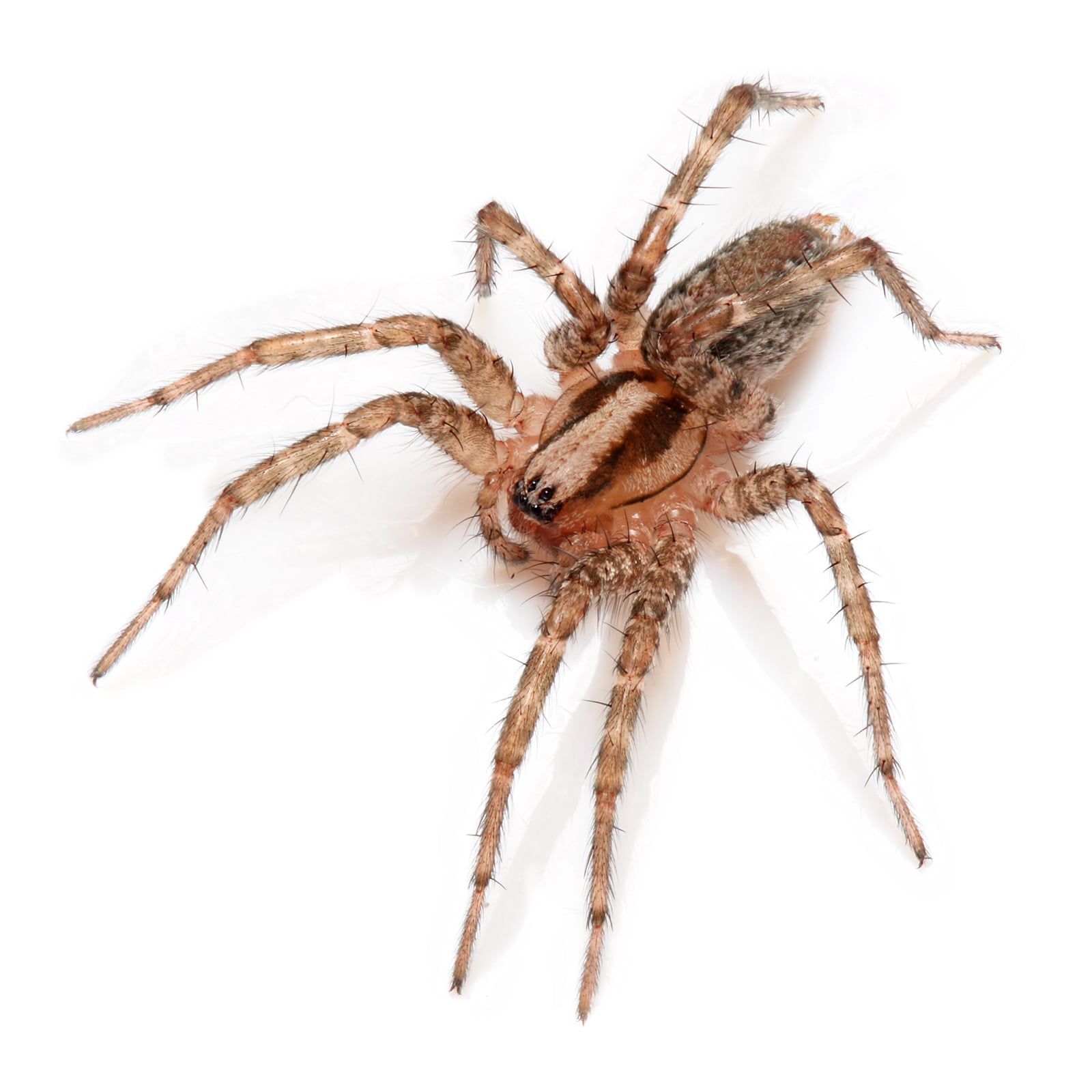 Photo Credit: Mfield / Wikimedia Commons
In the sun-drenched meadows and grassy fields of North America, the grass spider, scientifically known as Agelenopsis, weaves its intricate world. With its slender, agile body and long legs, this arachnid is a master of stealth, darting gracefully through the blades of grass. Its unique funnel-shaped webs, often hidden among the foliage, serve as both a home and a trap for unsuspecting insects. This clever design not only showcases the spider’s engineering skills but also highlights its role as a skilled nocturnal hunter, making it a subject of fascination for scientists and nature enthusiasts alike.
As dusk falls and the world quiets, the grass spider comes alive, ready to embark on its nightly adventures. With keen eyesight and lightning-fast reflexes, it stalks its prey, demonstrating a remarkable hunting technique that sets it apart from other spiders. Instead of relying solely on sticky webs, the grass spider uses its speed and agility to capture insects that wander too close. This behavior not only helps control insect populations but also plays a vital role in maintaining the balance of its ecosystem. The grass spider’s life is a captivating blend of artistry and survival, inviting us to explore the wonders of the natural world right in our own backyards.
The grass spider, a member of the Agelenidae family, occupies a fascinating niche in the tree of life. This arachnid, scientifically known as Agelenopsis, is part of the larger class Arachnida, which includes spiders, scorpions, and ticks. What sets grass spiders apart is their unique funnel-shaped webs, which they skillfully weave in grassy areas. These webs are not just for decoration; they serve as effective traps for unsuspecting prey. With their long, slender bodies and quick movements, grass spiders are well-adapted to their environments, showcasing the incredible diversity of life within the animal kingdom.
| Taxonomic Rank | Scientific Name | Meaning & Significance |
|---|---|---|
| Kingdom | Animalia | This name signifies that grass spiders belong to the broad group of multicellular organisms that are primarily heterotrophic, meaning they consume organic material for energy. |
| Phylum | Arthropoda | Derived from Greek, meaning “jointed legs,” this classification highlights the grass spider’s segmented body and jointed appendages, a characteristic feature of all arthropods. |
| Class | Arachnida | This term comes from the Greek word for spider, emphasizing that grass spiders are part of the group that includes all spiders, scorpions, and ticks, known for having eight legs. |
| Order | Araneae | Simply meaning “spider,” this classification groups grass spiders with other web-spinning and hunting spiders, showcasing their shared traits and behaviors. |
| Family | Agelenidae | This name refers to the funnel weaver family, highlighting the distinctive funnel-shaped webs that grass spiders create to catch their prey. |
| Genus | Agelenopsis | This name combines “Agelenidae” with a suffix that indicates a specific group within the family, pointing to the unique characteristics of these funnel weavers. |
Understanding the taxonomic classification of the grass spider reveals much about its evolutionary journey. As a member of the Agelenidae family, it shares a common ancestry with other funnel weavers, showcasing adaptations that have allowed it to thrive in various habitats. The unique web-building behavior and physical traits of grass spiders reflect millions of years of evolution, illustrating how these remarkable arachnids have developed specialized skills to survive and flourish in their environments. This classification not only helps scientists understand their biology but also highlights the intricate connections between all living organisms on our planet.
The evolutionary journey of the grass spider, belonging to the Agelenidae family, stretches back millions of years. These agile hunters have adapted to their environments through a series of remarkable changes, allowing them to thrive in diverse habitats. Their lineage can be traced to ancient arachnids that roamed the Earth long before the first dinosaurs appeared, showcasing a rich history of survival and adaptation.
The ancestors of grass spiders were likely similar to other early arachnids, which emerged around 400 million years ago. These primitive spiders were simple in structure, with basic web-building abilities. Over time, as the environment changed, so did their hunting strategies. The transition from simple webs to more complex funnel-shaped webs marked a significant evolutionary leap. This adaptation allowed grass spiders to effectively trap unsuspecting prey, enhancing their chances of survival in a competitive ecosystem.
These evolutionary adaptations have played a crucial role in the grass spider’s success. The combination of effective hunting techniques, speed, and the ability to blend into their surroundings has allowed them to thrive in various environments. By mastering the art of ambush and utilizing their silk for multiple purposes, grass spiders continue to be resilient survivors in the ever-changing tapestry of nature.
The grass spider is a captivating sight, with its slender body and agile movements that evoke a sense of grace. This arachnid boasts a long, streamlined form, allowing it to dart quickly across the ground or weave intricate webs. Its legs are long and spindly, giving it an almost delicate appearance, while its exoskeleton glistens subtly in the light. The most striking feature is the chevron patterns that adorn its abdomen, creating a beautiful contrast against its overall coloration.
| Feature | Description |
|---|---|
| Weight | 3 oz |
| Skin Type | Exoskeleton |
| Most Distinctive Feature | Chelon patterns on abdomen |
The combination of these features plays a crucial role in the grass spider’s survival. The lightweight body allows for quick movements, essential for both hunting prey and evading predators. The exoskeleton provides protection while also allowing flexibility, enabling the spider to navigate through its environment with ease. The chevron patterns not only add to its beauty but may also serve as camouflage, helping it blend into the grass and foliage where it resides. Together, these characteristics make the grass spider a master of its domain, perfectly adapted to thrive in its natural habitat.
The grass spider thrives in a variety of habitats that are often found in open, grassy areas. Picture a sun-drenched lawn, where blades of grass sway gently in the breeze. These spiders weave their intricate webs close to the ground, often hidden among the grass or tucked under rocks. This environment provides both shelter and hunting grounds, making it an ideal home for these agile arachnids.
Grass spiders prefer climates that offer a mix of warmth and moisture. They are often found in regions where the temperature is mild, allowing them to remain active throughout the growing season. These spiders thrive in environments that provide plenty of vegetation, as this not only offers them cover from predators but also abundant opportunities to catch their prey. The combination of sunny days and cooler nights creates a perfect balance for their survival.
To adapt to their specific habitats, grass spiders have developed remarkable skills. Their webs are not just for catching food; they are also designed to blend into the grass, making them less visible to both prey and predators. This camouflage is crucial for their hunting strategy, as they rely on speed and stealth to capture insects. By living close to the ground and utilizing the natural features of their environment, grass spiders have become expert hunters in their grassy domains.
As the sun sets and the world begins to dim, the grass spider stirs from its daytime hiding place. This nocturnal hunter is most active at night, when it ventures out to explore its grassy domain. With its keen senses, the grass spider hunts for insects, using its finely tuned web to catch unsuspecting prey. Each night is a new adventure, filled with the thrill of the chase and the satisfaction of a successful catch. The grass spider’s agile movements and quick reflexes make it a skilled predator, perfectly adapted to its environment.
While grass spiders are primarily solitary creatures, they do exhibit interesting behaviors when it comes to their interactions with others of their kind. During mating season, males will seek out females, often engaging in elaborate courtship displays to attract a mate. These interactions are brief and focused, as the male must be cautious; some females may eat their partners after mating. Outside of this reproductive period, grass spiders prefer to keep to themselves, each weaving their own web and claiming their own territory.
| Behavior Type | Description |
|---|---|
| Activity Patterns | Nocturnal hunting, primarily at night, using webs to catch prey. |
| Social Structure | Solitary, with brief interactions during mating season. |
| Communication Methods | Courtship displays and subtle movements to signal readiness to mate. |
The grass spider’s behaviors are finely tuned for survival in its grassy habitat. By being nocturnal, it avoids many daytime predators while taking advantage of the cover of darkness to hunt. Its solitary nature allows it to maintain control over its territory, ensuring that it has access to food without competition. These strategies, combined with its impressive hunting skills, make the grass spider a successful and resilient inhabitant of its ecosystem.
The grass spider primarily feeds on insects, making it an insectivore. These agile hunters are skilled at capturing their prey using a unique method. Instead of spinning a traditional web to ensnare their food, grass spiders create a flat, sheet-like web that lies close to the ground. This web serves as a platform for detecting vibrations caused by unsuspecting insects. When a potential meal wanders too close, the grass spider quickly darts out to seize it, showcasing its impressive speed and agility.
| Dietary Aspect | Details |
|---|---|
| Diet Type | Insectivore |
| Favorite Foods | Various insects |
| Prey Items | Flies, beetles, and other small insects |
| Hunting/Foraging Strategies | Uses a flat web to detect vibrations and quickly ambushes prey |
This diet plays a crucial role in the grass spider’s ecology and daily routine. By preying on insects, these spiders help control insect populations, contributing to a balanced ecosystem. Their hunting strategy, which relies on speed and stealth, allows them to thrive in their grassy habitats. As they hunt at night, they become an essential part of the nocturnal food web, ensuring that both they and their prey maintain a healthy balance in nature.
The grass spider’s mating season is an intriguing time filled with courtship rituals. During the warmer months, male grass spiders actively seek out females, often performing elaborate dances to attract a mate. These displays can include vibrations and movements that signal their readiness to breed. Once a male successfully courts a female, they engage in a brief mating process, after which the female will prepare to lay her eggs.
| Reproductive Aspect | Details |
|---|---|
| Gestation Period | Approximately 2 to 3 weeks |
| Litter Size | 20 to 100 eggs |
| Age of Maturity | About 1 year |
| Name of Young | Spiderling |
After the eggs are laid, the female grass spider carefully constructs a silk sac to protect them. This sac is often hidden among the grass or in other sheltered spots, providing a safe environment for the developing spiderlings. Once the young hatch, they emerge as tiny spiderlings, ready to explore their surroundings. These young spiders will undergo several molts, shedding their exoskeletons as they grow. Over time, they will develop into mature adults, ready to continue the cycle of life in the grassy fields they call home.
The grass spider plays a vital role in the food web, acting as both predator and prey. As an insectivore, it helps control insect populations, keeping ecosystems balanced. However, this agile hunter is not without its challenges. It faces a variety of threats from larger animals that see it as a meal, making its survival a constant struggle in the wild.
To defend itself against these dangers, the grass spider employs several clever strategies. Its ability to blend into grassy environments helps it avoid detection by predators. When threatened, it can quickly retreat into its silk-lined retreat, a cozy hideaway that offers protection. Additionally, its speed and agility allow it to dart away from danger, making it a challenging target for those who might want to feast on it. Through these survival tactics, the grass spider continues to thrive in its grassy domain, showcasing the resilience of nature’s small wonders.
A keystone species is a vital part of an ecosystem, meaning its presence and activities have a significant impact on the environment and other living things. The grass spider, known scientifically as Agelenopsis, plays an important role in its habitat, particularly in grasslands and lawns. While it may not be as famous as larger animals, its influence on the ecosystem is noteworthy, making it a candidate for a keystone role.
Grass spiders are skilled hunters that primarily feed on insects, helping to regulate insect populations. By preying on various insects, they prevent any one species from becoming too dominant, which could lead to imbalances in the ecosystem. For example, if grass spiders were to disappear, the number of insects they typically consume could skyrocket, potentially leading to overgrazing of plants and a decline in plant diversity. This, in turn, would affect other animals that rely on those plants for food and shelter.
Additionally, grass spiders contribute to soil health. As they hunt and move through their grassy habitats, they help aerate the soil, allowing water and nutrients to penetrate more easily. This process supports plant growth, which is essential for maintaining a healthy ecosystem. Furthermore, their presence provides food for larger predators, such as birds and small mammals, creating a balanced food web.
If grass spiders were to vanish from their ecosystems, the consequences could be severe. Insect populations would likely explode, leading to increased competition for resources among plants. This could result in a decline in plant health and diversity, which would ripple through the food web, affecting countless other species. The loss of grass spiders would not only disrupt the balance of their immediate environment but could also lead to broader ecological changes, highlighting just how interconnected life truly is.
The grass spider, a skilled nocturnal hunter, plays a crucial role in shaping its ecosystem. Found in grassy areas and lawns, this agile arachnid thrives in environments where it can weave its funnel-shaped webs. These webs are not just homes; they are strategic traps for unsuspecting insects. By controlling insect populations, grass spiders help maintain a balanced ecosystem, ensuring that no single species overwhelms the environment.
| Ecosystem Service | Impact |
|---|---|
| Insect Population Control | Reduces the number of pests, benefiting plants and other animals. |
| Soil Aeration | Helps improve soil health by creating small tunnels in the ground. |
| Food Source | Serves as prey for birds and other predators, supporting the food web. |
Grass spiders influence their surroundings in several ways. By preying on various insects, they help keep pest populations in check, which is especially important for gardens and crops. For instance, a grass spider might catch a pesky aphid or a moth, preventing these insects from damaging plants. Additionally, as they move through the soil and grass, they create tiny tunnels that allow air and water to reach plant roots more effectively, promoting healthier growth.
The broader ecological importance of grass spiders cannot be overstated. As a keystone species, their presence supports a diverse range of life. By controlling insect populations, they not only protect plants but also provide food for birds and other predators. This interconnectedness highlights the delicate balance of ecosystems, where even the smallest creatures can have a significant impact on the health and stability of their environment. Understanding the role of grass spiders encourages us to appreciate the intricate web of life that surrounds us.
In the intricate web of life, symbiosis refers to the close interactions between different species, which can take many forms. These relationships can be mutualistic, where both species benefit, parasitic, where one benefits at the other’s expense, or commensal, where one benefits while the other is neither helped nor harmed. Grass spiders, with their unique hunting strategies and habitats, engage in various ecological relationships that highlight the interconnectedness of nature.
| Species/Type | Relationship Type | Description |
|---|---|---|
| Ants | Mutualistic | Grass spiders may benefit from the presence of ants, which help control pest populations. In return, the spiders provide a food source for ants when they capture insects. |
| Small Birds | Parasitic | Some small birds may prey on grass spiders, taking advantage of their presence in grassy areas. This relationship benefits the birds but can be detrimental to the spiders. |
| Fungi | Commensal | Grass spiders may share their habitat with fungi, which decompose organic matter. The fungi benefit from the nutrients in the soil, while the spiders are unaffected. |
These relationships have evolved over time, shaped by the needs and behaviors of the species involved. The grass spider’s role as both predator and prey creates a dynamic balance in its ecosystem. By interacting with ants, birds, and fungi, grass spiders contribute to a web of life that supports biodiversity. Each relationship, whether beneficial, harmful, or neutral, plays a part in the larger story of survival and adaptation in the natural world.
The grass spider, known for its swift movements and unique hunting techniques, is a captivating member of the arachnid family. Here are some surprising facts that showcase the intriguing life of this remarkable spider.
Throughout history, grass spiders have woven their way into human culture and folklore, often symbolizing both fear and fascination. In many societies, spiders have been viewed as omens or messengers, with grass spiders sometimes representing the delicate balance of nature. Their presence in gardens and fields has sparked curiosity, leading to stories and myths that highlight their role in the ecosystem. As humans have encountered these agile arachnids, they have often been met with a mix of intrigue and apprehension, reflecting our complex relationship with the natural world.
In modern times, interactions between grass spiders and humans have evolved significantly. While many people still harbor a fear of spiders, awareness of their ecological importance has grown. Grass spiders help control insect populations, making them valuable allies in gardens and agricultural settings. However, conflicts can arise when these spiders invade homes or outdoor spaces, leading to efforts to manage their presence. Conservation initiatives also recognize the need to protect grass spider habitats, ensuring that these creatures continue to thrive in their natural environments.
As we look to the future, the relationship between grass spiders and humanity holds promise for greater understanding and coexistence. By fostering a sense of appreciation for these remarkable arachnids, we can learn to respect their role in our ecosystems. Education and awareness can help dispel myths and fears, paving the way for a more harmonious relationship. As we continue to explore the natural world, the grass spider may just become a symbol of the intricate connections that bind us all together.
The grass spider, known scientifically as Agelenopsis, currently holds a conservation status of “Not Listed” by the International Union for Conservation of Nature (IUCN). This means that there is not enough information to determine if their populations are declining or stable. While they are commonly found in various habitats, ongoing studies are essential to monitor their numbers and understand any potential changes in their population trends.
| Conservation Factor | Status/Details |
|---|---|
| IUCN Status | Not Listed |
| Population Estimates | Not quantified |
| Trend Direction | Unknown |
Despite their current status, grass spiders face several threats that could impact their populations in the future. Habitat loss is a significant concern, as urban development and agricultural practices can destroy the grassy areas where they thrive. Additionally, the use of pesticides can reduce their food sources and directly harm these arachnids. Climate change may also alter their habitats, affecting their survival and reproduction.
Conservation efforts for grass spiders are still in the early stages, primarily because they are not currently recognized as endangered. However, raising awareness about the importance of maintaining healthy ecosystems can help protect their habitats. Encouraging practices like organic gardening and reducing pesticide use can create a safer environment for these fascinating spiders. As we learn more about their role in the ecosystem, we can better understand how to support their populations and ensure they continue to thrive in the wild.
| Question | Answer |
|---|---|
| Where do Grass Spiders live? | Grass Spiders are commonly found in grassy areas, lawns, and even under rocks. They prefer habitats that provide plenty of cover and places to hide from predators. |
| What do Grass Spiders eat? | Grass Spiders are insectivores, meaning they primarily eat insects. They catch their prey using a unique type of web that is not sticky but rather a funnel shape, allowing them to ambush unsuspecting insects. |
| How do Grass Spiders behave? | Grass Spiders are known for their quick movements and agility. They often hide in their funnel-shaped webs, waiting patiently for prey to come close before darting out to catch it. |
| How do Grass Spiders reproduce? | During mating season, male Grass Spiders will seek out females and perform a courtship dance to attract them. After mating, the female lays her eggs in a silk sac, which she may guard until they hatch. |
| What threats do Grass Spiders face? | Grass Spiders face threats from various predators, including birds and larger insects. Additionally, habitat destruction and pesticide use can impact their populations. |
| What is a unique characteristic of Grass Spiders? | One of the most distinctive features of Grass Spiders is the chevron patterns on their abdomens. These patterns not only help with camouflage but also make them easily recognizable among other spider species. |
| Are Grass Spiders dangerous to humans? | No, Grass Spiders are not considered dangerous to humans. While they can bite if threatened, their venom is not harmful, and they are more likely to flee than attack. |