Taxonomy & Classification
- Kingdom
- Animalia
- Phylum
- Chordata
- Class
- Reptilia
- Order
- Testudines
- Family
- Testudinidae
- Genus
- Geochelone
- Species
- Geochelone gigantea

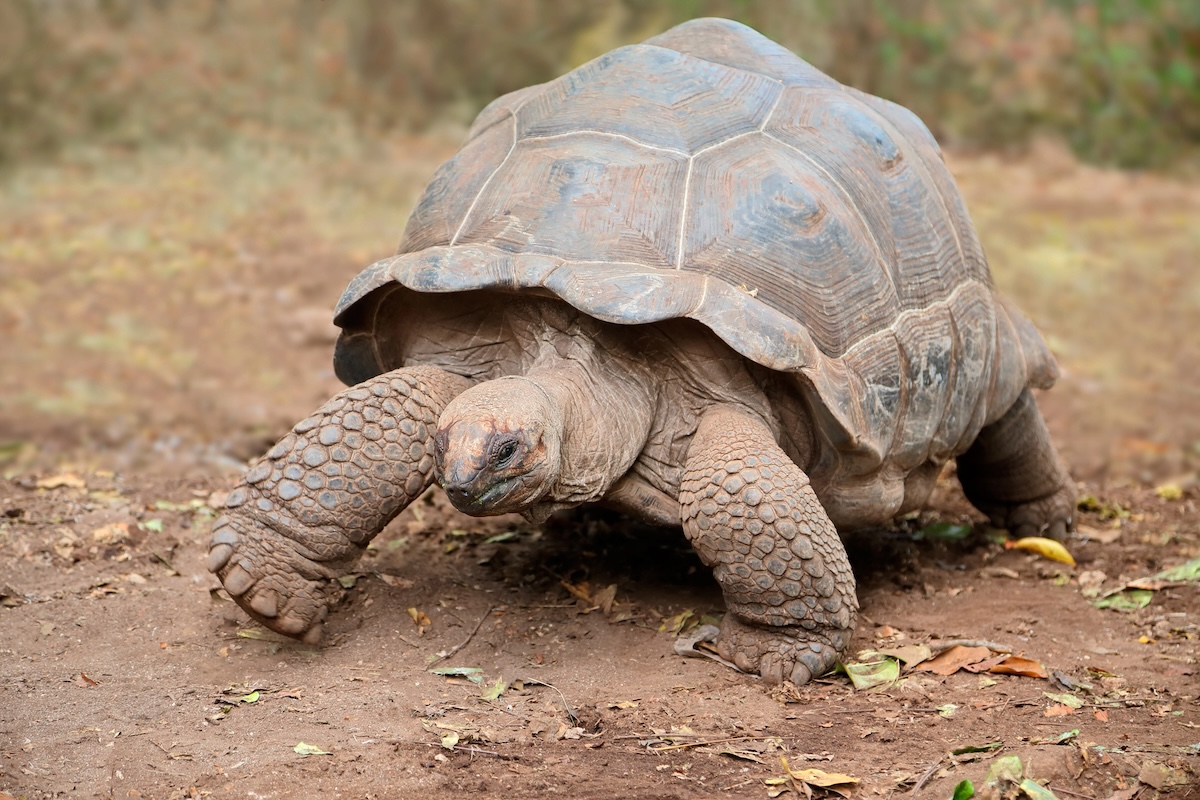 Photo Credit: EcoPic on Deposit Photos
In the sun-drenched archipelago of the Seychelles, the Aldabra Giant Tortoise, known scientifically as Aldabrachelys gigantea, roams the lush grasslands and tranquil swamps. With its massive, high-domed shell that can reach up to four feet in length, this gentle giant is a living relic of a time when dinosaurs walked the Earth. Its rugged, wrinkled skin and slow, deliberate movements create a striking contrast against the vibrant greens of its habitat, where the air is filled with the sounds of chirping birds and rustling leaves.
What makes the Aldabra Giant Tortoise so captivating to scientists and nature lovers alike is not just its impressive size but also its role in the ecosystem. As a dedicated herbivore, it spends its days munching on grasses and leaves, helping to maintain the balance of plant life in its environment. This tortoise is more than just a slow-moving creature; it is a keystone species, meaning its presence is crucial for the health of its habitat. With a history that stretches back millions of years, the Aldabra Giant Tortoise continues to inspire curiosity and admiration, reminding us of the wonders of evolution and the delicate balance of nature.
The Aldabra Giant Tortoise holds a special place in the tree of life, showcasing the incredible diversity of the animal kingdom. This magnificent reptile belongs to the class Reptilia, which includes all reptiles, and is part of the order Testudines, known for their hard shells. What sets the Aldabra Giant Tortoise apart is not just its impressive size—these tortoises can weigh over 500 pounds—but also their long lifespan, often exceeding 100 years. They are a living testament to the wonders of evolution, having adapted to their unique island habitat in the Aldabra Atoll of the Seychelles.
| Taxonomic Rank | Scientific Name | Meaning & Significance |
|---|---|---|
| Kingdom | Animalia | This name signifies that the Aldabra Giant Tortoise is part of the animal kingdom, which includes all multicellular organisms that are not plants, fungi, or bacteria. |
| Phylum | Chordata | Chordata means “having a notochord,” a flexible rod that supports the body. This feature is present in all vertebrates, including the Aldabra Giant Tortoise. |
| Class | Reptilia | Reptilia refers to reptiles, which are cold-blooded animals with scales. The Aldabra Giant Tortoise’s scaly shell is a key characteristic of this class. |
| Order | Testudines | Testudines comes from the Latin word for tortoise. This order is defined by the presence of a bony shell that protects the tortoise’s body. |
| Family | Testudinidae | This family includes tortoises, which are characterized by their dome-shaped shells and terrestrial lifestyles. The Aldabra Giant Tortoise is a prime example of these traits. |
| Genus | Geochelone | Geochelone means “earth tortoise,” highlighting the tortoise’s terrestrial habitat and its adaptation to life on land. |
The classification of the Aldabra Giant Tortoise reveals a rich evolutionary history that stretches back millions of years. As a member of the Testudinidae family, it shares a common ancestor with other tortoises, showcasing how these remarkable animals have adapted to their environments over time. The unique features of the Aldabra Giant Tortoise, from its massive size to its long lifespan, reflect the evolutionary pressures of island life, where resources are limited and survival requires special adaptations. This tortoise is not just a fascinating animal; it is a living link to the past, helping us understand the intricate web of life on Earth.
The Aldabra Giant Tortoise, a living testament to the wonders of evolution, has a history that stretches back millions of years. This magnificent creature is part of the family Testudinidae and belongs to the genus Geochelone. Its ancestors roamed the Earth during the late Cretaceous period, around 100 million years ago, when dinosaurs still dominated the landscape. Over time, these tortoises adapted to their environments, leading to the incredible forms we see today.
The evolutionary journey of the Aldabra Giant Tortoise began with smaller, land-dwelling reptiles that gradually adapted to their surroundings. As they spread across various islands in the Indian Ocean, including Aldabra Atoll, they faced unique challenges and opportunities. This isolation allowed them to evolve distinct traits, such as their impressive size and long lifespans. The Aldabra Giant Tortoise is a prime example of island gigantism, a phenomenon where species grow larger than their mainland relatives due to the absence of predators and competition for resources.
The adaptations of the Aldabra Giant Tortoise have been crucial for its survival in a challenging environment. Their large size and unique shell shape not only protect them from predators but also enable them to access food sources that smaller animals cannot reach. With a slow metabolism and a long lifespan, these tortoises can endure periods of drought and scarcity, ensuring their continued existence on the islands they call home. Through millions of years of evolution, the Aldabra Giant Tortoise has become a symbol of resilience and adaptability in the natural world.
The Aldabra Giant Tortoise is a stunning sight to behold, embodying the essence of ancient reptiles. With its massive, high-domed shell, this tortoise presents an impressive silhouette that can reach up to four feet in length. Its sturdy legs support a hefty body, which can weigh between 150 to 250 kilograms, or about 330 to 550 pounds. The tortoise’s skin is covered in tough, protective scales, giving it a rugged appearance that speaks to its resilience in the wild.
| Feature | Description |
|---|---|
| Size | Up to 4 feet in length |
| Weight | 150kg – 250kg (330lbs – 550lbs) |
| Skin Type | Scales |
| Most Distinctive Feature | Large, high-domed shell |
The combination of these features not only makes the Aldabra Giant Tortoise a remarkable sight but also serves vital purposes for its survival. The high-domed shell acts as a fortress, protecting the tortoise from predators and harsh environmental conditions. Its substantial weight and sturdy legs allow it to navigate the rugged terrain of its island home with ease, while the tough scales provide a barrier against the sun and potential injuries. Together, these characteristics create a well-adapted survivor in the wild, showcasing the beauty of nature’s design.
The Aldabra Giant Tortoise thrives in a captivating habitat that combines lush grasslands and serene swamps. Picture a sun-drenched landscape dotted with vibrant green grasses, where the gentle sounds of nature fill the air. These tortoises roam freely across the islands, basking in the warm sun and munching on the abundant vegetation. The swamps provide a refreshing retreat, offering cool, moist areas where they can hydrate and find shelter from the heat.
The climate of the Aldabra Atoll is warm and tropical, with plenty of sunshine and occasional rain. This environment is perfect for the tortoises, as they require a balance of dry and wet conditions to thrive. The warm temperatures help them maintain their body heat, while the swamps provide essential moisture. The tortoises are well-adapted to this climate, allowing them to survive in a place where the sun shines brightly and the rains come and go.
Over time, the Aldabra Giant Tortoise has developed remarkable adaptations to its habitat. Its sturdy shell not only protects it from predators but also helps it retain moisture during dry spells. The tortoise’s diet consists mainly of grasses and leaves, which are plentiful in its grassy home. Additionally, its slow metabolism allows it to go for long periods without food or water, making it perfectly suited for life in this unique environment. These adaptations ensure that the Aldabra Giant Tortoise continues to thrive in its enchanting island home.
The Aldabra Giant Tortoise leads a life that is both leisurely and purposeful. As a diurnal animal, it is most active during the day, basking in the warm sun and foraging for food. These tortoises spend a significant portion of their day munching on grasses, leaves, and fruits, which are abundant in their lush island habitat. They move slowly but steadily, often covering several miles in search of their next meal. When they’re not eating, you might find them resting in the shade or soaking in shallow water, enjoying the gentle breeze that sweeps across their home.
Socially, Aldabra Giant Tortoises are known to be quite communal. They often gather in herds, which can range from a few individuals to dozens. This group behavior provides safety in numbers, as there is strength in unity. Within these herds, tortoises communicate through a variety of sounds and body movements. They may grunt or hiss to express discomfort or assert dominance, while gentle nudges can signal friendship or curiosity. Observing their interactions reveals a complex social structure, where older tortoises often take on leadership roles, guiding younger ones to food sources and safe resting spots.
| Behavior Type | Description |
|---|---|
| Activity Patterns | Active during the day, foraging for food and basking in the sun. |
| Social Structure | Live in herds, providing safety and companionship. |
| Communication Methods | Use sounds like grunts and hisses, along with body movements to interact. |
The behaviors of the Aldabra Giant Tortoise are not just fascinating; they are essential for survival. By foraging in groups, they can locate food more efficiently and protect each other from potential threats. Their social interactions help them build bonds that can last a lifetime, ensuring that knowledge about food sources and safe areas is passed down through generations. In this way, the Aldabra Giant Tortoise exemplifies how cooperation and communication are vital for thriving in the wild.
The Aldabra Giant Tortoise is a dedicated herbivore, meaning it primarily eats plants. This gentle giant spends much of its day foraging for a variety of vegetation. Its diet mainly consists of grasses, leaves, and flowers, which it finds in its lush island habitat. With its strong, beak-like jaws, the tortoise can easily munch through tough plant material, making the most of the abundant greenery around it.
| Dietary Aspect | Details |
|---|---|
| Diet Type | Herbivore |
| Favorite Foods | Grasses, leaves, and flowers |
| Prey Items | None, as it does not eat meat |
| Hunting/Foraging Strategies | Slowly grazes and browses on available vegetation |
This plant-based diet plays a crucial role in the ecology of the Aldabra Giant Tortoise. By consuming large amounts of vegetation, these tortoises help maintain the health of their ecosystem. Their grazing habits promote new plant growth and create open spaces that benefit other species. Additionally, their slow and steady foraging routine allows them to enjoy the sun and stay active throughout the day, making them an integral part of their island home.
The Aldabra Giant Tortoise has a fascinating mating ritual that takes place during the breeding season, which typically occurs from late spring to early summer. Males engage in a series of courtship displays, including vocalizations and physical posturing, to attract females. These displays can be quite dramatic, with males sometimes engaging in head-bobbing and even pushing against one another to establish dominance. Once a female is receptive, mating can last several hours, and she may mate with multiple males during the season.
| Reproductive Aspect | Details |
|---|---|
| Gestation Period | About 100 to 120 days |
| Litter Size | Typically 5 to 15 eggs |
| Age of Maturity | 20 to 30 years |
| Name of Young | Hatchling |
After the eggs are laid in a nest dug into the sandy soil, the female leaves them to incubate on their own. The hatchlings emerge after several months, ready to face the world. These tiny tortoises are vulnerable and must fend for themselves from the moment they hatch. They rely on their instincts to find food and shelter, gradually growing and developing into the majestic adults they will become. Parental care is minimal, but the young tortoises benefit from the protection of their environment, learning to navigate their surroundings as they grow into the impressive giants of the Aldabra Atoll.
The Aldabra Giant Tortoise plays a crucial role in its ecosystem, primarily as a herbivore that helps maintain the balance of plant life in its habitat. By grazing on grasses and other vegetation, these tortoises promote healthy growth and contribute to the overall health of their environment. However, despite their impressive size and strength, they face several dangers that threaten their survival.
To defend themselves against these threats, Aldabra Giant Tortoises have developed several survival strategies. Their massive shells provide a formidable barrier against predators, allowing them to retreat into their protective armor when danger approaches. Additionally, their slow and steady lifestyle helps them conserve energy, making them well-suited to endure periods of food scarcity. By adapting to their environment and using their natural defenses, these tortoises continue to thrive in the face of challenges.
A keystone species is an organism that has a disproportionately large impact on its environment relative to its abundance. In simpler terms, if you remove a keystone species, the entire ecosystem can change dramatically. The Aldabra Giant Tortoise qualifies as a keystone species due to its significant role in shaping the grasslands and swamps of its habitat. This tortoise not only influences the plant life around it but also affects other animals and the overall health of its ecosystem.
The Aldabra Giant Tortoise plays a vital role in maintaining the balance of its environment. As a herbivore, it grazes on a variety of grasses and plants, which helps control their growth. By munching on these plants, the tortoise prevents any single species from dominating the landscape. This grazing behavior promotes biodiversity, allowing different types of plants to thrive. Additionally, the tortoise’s movement through its habitat creates pathways that other animals can use, enhancing the overall connectivity of the ecosystem.
Moreover, the Aldabra Giant Tortoise contributes to soil health. As it forages, it helps aerate the soil, allowing water and nutrients to penetrate more easily. This process supports the growth of various plant species, which in turn provides food and shelter for other wildlife. The tortoise also plays a role in seed dispersal. When it eats fruits and plants, the seeds pass through its digestive system and are deposited elsewhere, helping new plants to grow in different areas.
If the Aldabra Giant Tortoise were to disappear, the consequences would be profound. Without this gentle giant, the grasslands could become overgrown with certain plant species, leading to a decline in biodiversity. Other animals that rely on the tortoise’s pathways for movement might struggle to navigate their habitat. Additionally, the soil health could deteriorate, affecting the entire plant community and, consequently, the animals that depend on those plants for food and shelter. The loss of the Aldabra Giant Tortoise would not just mean the disappearance of a single species; it would ripple through the ecosystem, altering the delicate balance of life in its home.
The Aldabra Giant Tortoise occupies a vital ecological niche in its habitat, which consists of lush grasslands and tranquil swamps. As a large herbivore, it plays a significant role in shaping the environment around it. By grazing on various types of vegetation, this tortoise helps maintain the balance of plant life, ensuring that no single species dominates the landscape. This grazing behavior not only influences the types of plants that thrive but also creates open spaces that benefit other species in the ecosystem.
| Ecosystem Service | Impact |
|---|---|
| Grazing | Controls plant growth and promotes biodiversity |
| Seed Dispersal | Helps spread plant seeds through its droppings |
| Soil Aeration | Improves soil health by breaking up the ground |
| Habitat Creation | Creates open areas that support various wildlife |
The Aldabra Giant Tortoise influences its ecosystem in several specific ways. For instance, as it grazes on grasses and other plants, it prevents overgrowth, allowing a diverse range of flora to flourish. This, in turn, attracts various insects and birds, creating a vibrant community of life. Additionally, when the tortoise moves through its habitat, it inadvertently aerates the soil, which enhances its quality and promotes healthy plant growth. The tortoise also contributes to seed dispersal; when it consumes fruits and leaves, the seeds pass through its digestive system and are deposited elsewhere, helping new plants to grow in different locations.
The broader ecological importance of the Aldabra Giant Tortoise cannot be overstated. As a keystone species, its presence is crucial for maintaining the health of its ecosystem. Without these tortoises, the balance of plant life would be disrupted, leading to a decline in biodiversity. This gentle giant not only supports its own survival but also fosters a thriving community of plants and animals, showcasing the interconnectedness of life in the natural world. By understanding the role of the Aldabra Giant Tortoise, we gain insight into the delicate web of relationships that sustain our planet’s ecosystems.
In the intricate web of life, symbiosis refers to the close relationships between different species that can benefit one or both parties involved. These ecological partnerships can take various forms, including mutualism, where both species gain advantages; commensalism, where one benefits while the other is neither helped nor harmed; and parasitism, where one species benefits at the expense of the other. The Aldabra Giant Tortoise, with its gentle demeanor and significant role in its ecosystem, engages in several fascinating relationships with other species that highlight the interconnectedness of life.
| Species/Type | Relationship Type | Description |
|---|---|---|
| Birds (e.g., Seychelles Warbler) | Mutualistic | These birds often perch on the tortoise’s shell, helping to remove parasites while gaining a safe resting spot. |
| Plants (e.g., grasses) | Commensal | The tortoise grazes on grasses, which helps maintain their growth, while the plants are unaffected by the tortoise’s presence. |
| Insects (e.g., beetles) | Parasitic | Some insects may live on the tortoise’s shell, feeding on its skin or organic debris, which can irritate the tortoise. |
Through the ages, these relationships have evolved, showcasing the dynamic nature of ecosystems. The Aldabra Giant Tortoise’s interactions with birds and plants illustrate a beautiful balance where both parties thrive. Meanwhile, the presence of parasitic insects serves as a reminder that not all relationships are beneficial. Understanding these connections helps us appreciate the delicate balance of nature and the vital roles each species plays in maintaining the health of their environment.
The Aldabra Giant Tortoise is not just a remarkable reptile; it is a living piece of history that continues to surprise and inspire those who study it. Here are some intriguing facts that showcase the extraordinary nature of this gentle giant.
The Aldabra Giant Tortoise has long captivated the imagination of humans, weaving its way into the cultural fabric of the Seychelles, where it resides. Historically, these tortoises were encountered by sailors and explorers who marveled at their size and longevity. In many cultures, they symbolize wisdom and endurance, often appearing in folklore and art. Their majestic presence has inspired stories and legends, making them a significant part of the region’s identity. As a species that has survived for millions of years, the Aldabra Giant Tortoise represents resilience, reminding us of the delicate balance between nature and humanity.
Today, the relationship between the Aldabra Giant Tortoise and humans is a complex tapestry of conservation efforts and challenges. As their natural habitat faces threats from climate change and human activity, conservationists are working tirelessly to protect these gentle giants. Initiatives include habitat restoration and breeding programs aimed at increasing their population. However, conflicts can arise, particularly when human development encroaches on their territory. While some communities have embraced the tortoises as a source of ecotourism, others may see them as competition for land and resources. This ongoing interaction highlights the need for sustainable practices that benefit both the tortoises and the people who share their environment.
As we look to the future, the relationship between the Aldabra Giant Tortoise and humanity holds both promise and responsibility. With continued efforts in conservation and education, there is hope for a harmonious coexistence. By recognizing the value of these ancient reptiles, we can ensure that they thrive alongside us for generations to come. The journey ahead will require collaboration, understanding, and a commitment to preserving the natural world, reminding us that we are all part of this intricate web of life.
The Aldabra Giant Tortoise is currently classified as Vulnerable, which means it faces a high risk of extinction in the wild. With an estimated population of around 200,000 individuals, this species has shown some stability in numbers, but it remains under threat from various environmental pressures. Conservation efforts are crucial to ensure that this ancient reptile continues to thrive in its natural habitat.
| Conservation Factor | Status/Details |
|---|---|
| IUCN Status | Vulnerable |
| Estimated Population Size | 200,000 |
| Population Trend | Stable |
Despite its stable population, the Aldabra Giant Tortoise faces several threats that could impact its future. One of the main challenges is habitat loss, often caused by human activities such as agriculture and development. Additionally, climate change poses a significant risk, as rising sea levels and changing weather patterns can alter the delicate ecosystems where these tortoises live. Invasive species, such as rats and goats, can also threaten their survival by competing for food or preying on their eggs.
Conservation efforts are actively underway to protect the Aldabra Giant Tortoise and its habitat. Organizations and local governments are working together to monitor populations and manage the ecosystems of the Aldabra Atoll, where these tortoises reside. By creating protected areas and raising awareness about the importance of this species, conservationists hope to ensure a bright future for the Aldabra Giant Tortoise. With continued support and dedication, there is optimism that this magnificent tortoise will continue to roam the sunlit grasslands of its home for generations to come.
| Question | Answer |
|---|---|
| Where do Aldabra Giant Tortoises live? | Aldabra Giant Tortoises are native to the Aldabra Atoll in the Seychelles, a group of islands in the Indian Ocean. They thrive in grasslands and swamps, where they can find plenty of food and shelter. |
| What do Aldabra Giant Tortoises eat? | These tortoises are herbivores, meaning they primarily eat plants. Their diet consists of grasses, leaves, and fruits, which provide them with the nutrients they need to grow and stay healthy. |
| How do Aldabra Giant Tortoises behave? | Aldabra Giant Tortoises are generally slow-moving and spend a lot of their time grazing. They are social creatures and can often be seen interacting with one another, especially during mating season. |
| How do Aldabra Giant Tortoises reproduce? | During the breeding season, male tortoises will compete for the attention of females. After mating, the female lays eggs in a nest dug into the ground, and the eggs incubate for about 100 days before hatching. |
| What threats do Aldabra Giant Tortoises face? | While Aldabra Giant Tortoises are currently classified as vulnerable, they face threats from habitat loss and climate change. Invasive species can also pose a risk by competing for food and nesting sites. |
| What is a unique characteristic of Aldabra Giant Tortoises? | One of the most distinctive features of the Aldabra Giant Tortoise is its large, high-domed shell. This shell not only protects them from predators but also helps them retain moisture in their bodies. |
| How long do Aldabra Giant Tortoises live? | Aldabra Giant Tortoises are known for their impressive longevity, often living over 100 years. Some individuals have been recorded to live even longer, making them one of the longest-living species on Earth. |