Taxonomy & Classification
- Kingdom
- Animalia
- Phylum
- Chordata
- Class
- Mammalia
- Order
- Carnivora
- Family
- Canidae
- Genus
- Canis
- Species
- Canis lupus

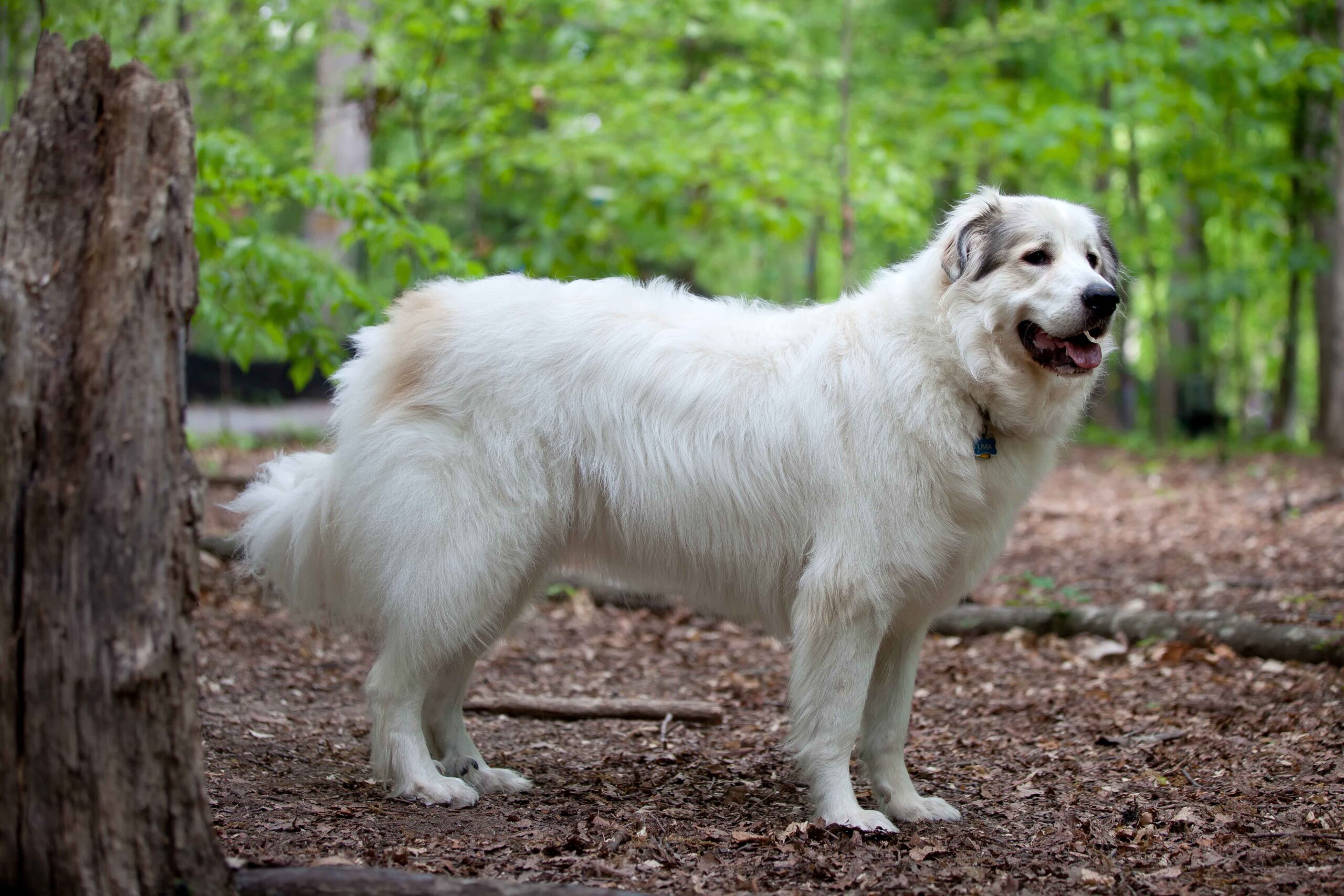 Photo Credit: HeartSpoon / Wikimedia Commons
In the serene heights of the Pyrenees Mountains, where the air is crisp and the landscape is dotted with wildflowers, roams the Great Pyrenees, scientifically known as Canis lupus familiaris. This magnificent breed, often referred to as the “Pyrenean Mountain Dog,” is a sight to behold with its thick, fluffy white coat that glistens in the sunlight. With a stature that commands attention, these gentle giants are not just beautiful; they are also deeply rooted in history, having served as loyal guardians of livestock for centuries. Their calm demeanor and watchful eyes make them both a beloved companion and a formidable protector.
What truly captivates scientists and nature enthusiasts alike is the Great Pyrenees’ unique role in the ecosystem. As a livestock guardian, this breed has developed a remarkable ability to coexist with both domesticated animals and the wild creatures that share their mountainous home. Their instinctual behaviors, such as patrolling their territory and forming strong bonds with the animals they protect, showcase their intelligence and adaptability. This blend of beauty, strength, and nurturing spirit makes the Great Pyrenees a fascinating subject of study, revealing insights into the intricate relationships between humans, animals, and the environment. As we explore the world of the Great Pyrenees, we will uncover the secrets of their behavior, their impact on ecosystems, and the deep connection they share with the people who cherish them.
The Great Pyrenees, a majestic breed known for its fluffy white coat and gentle demeanor, holds a special place in the animal kingdom. Taxonomically, it belongs to the Kingdom Animalia, which includes all animals, and is classified under the Phylum Chordata, meaning it has a backbone. As a member of the Class Mammalia, it shares traits with all mammals, such as being warm-blooded and having fur. The Great Pyrenees is part of the Order Carnivora, which includes meat-eating animals, although this breed is often more of a guardian than a hunter. Within the Family Canidae, it is closely related to wolves, foxes, and domestic dogs. This classification highlights not only its physical characteristics but also its role as a protector of livestock, showcasing the unique bond between humans and animals.
| Taxonomic Rank | Scientific Name | Meaning & Significance |
|---|---|---|
| Kingdom | Animalia | This name comes from the Latin word “animalis,” meaning “having breath” or “living.” It signifies all living creatures that breathe and move. |
| Phylum | Chordata | Derived from the Greek word “chordē,” meaning “string,” this term refers to animals with a notochord, a flexible rod that supports the body, which in vertebrates becomes the backbone. |
| Class | Mammalia | This name comes from the Latin “mamma,” meaning “breast,” highlighting the defining feature of mammals: females possess mammary glands to nurse their young. |
| Order | Carnivora | From the Latin “carnivorus,” meaning “meat-eating,” this order includes animals that primarily consume meat, although many, like the Great Pyrenees, also have a varied diet. |
| Family | Canidae | This term comes from the Latin “canis,” meaning “dog.” It encompasses all dog-like mammals, emphasizing their shared ancestry and characteristics. |
| Genus | Canis | Also derived from the Latin word for “dog,” this genus includes domestic dogs, wolves, and other closely related species, highlighting their evolutionary connections. |
The classification of the Great Pyrenees reveals much about its evolutionary history. As a member of the Canidae family, it shares a common ancestor with wolves, which explains its protective instincts and social behavior. This breed was developed in the mountainous regions of France to guard sheep from predators, showcasing how its lineage has adapted to specific roles in human society. Understanding its taxonomic position not only helps us appreciate the Great Pyrenees as a breed but also connects us to the broader story of life on Earth, where every species plays a vital role in the intricate web of nature.
The Great Pyrenees, a breed that has captured the hearts of many, has a rich evolutionary history that stretches back thousands of years. This timeline begins with the domestication of wolves, which occurred around 20,000 to 40,000 years ago. As humans began to settle and form communities, they sought companionship and assistance from these early canines. Over time, selective breeding led to the development of various dog breeds, including the Great Pyrenees, which emerged as a distinct breed in the mountainous regions of France and Spain.
The ancestors of the Great Pyrenees were likely large, powerful dogs used by shepherds to guard livestock against predators. These early canines were closely related to the ancient Molossians, a group of dogs known for their strength and protective instincts. As humans migrated and settled in different environments, these dogs adapted to their surroundings, leading to significant evolutionary changes. The Great Pyrenees, in particular, developed a thick, insulating coat to withstand the harsh, cold climates of the Pyrenees mountains. This adaptation was crucial for survival, allowing them to thrive in snowy conditions while protecting livestock from threats.
The adaptations of the Great Pyrenees have played a vital role in their survival and success as a breed. Their thick coat not only provides warmth but also serves as a barrier against the elements, while their size and strength help them fend off potential threats. The gentle temperament allows them to bond with both humans and animals, making them trusted guardians of livestock. These traits have ensured that the Great Pyrenees remains a beloved and functional breed, capable of thriving in both rural and family settings.
The Great Pyrenees is a stunning sight to behold, exuding an aura of strength and grace. This breed boasts a large, sturdy body that is both powerful and agile, designed for the rugged terrains of the Pyrenees Mountains. With a broad head and a strong neck, the Great Pyrenees stands tall and proud, often reaching heights of 25 to 32 inches at the shoulder. Its thick, double coat, which is predominantly white, adds to its impressive stature, making it look like a fluffy cloud wandering through the meadows.
| Feature | Description |
|---|---|
| Size | Large, typically 25 to 32 inches tall at the shoulder |
| Weight | Usually between 85 to 115 pounds |
| Color | Mainly white, with possible markings of gray, tan, or badger |
| Skin Type | Hair, featuring a thick double coat for insulation |
| Body Structure | Strong and muscular, with a broad head and powerful neck |
These physical features are not just for show; they serve important purposes in the Great Pyrenees’ life. The thick double coat provides insulation against harsh weather, keeping them warm in cold climates while also protecting their skin from the sun. Their large size and muscular build enable them to guard livestock effectively, a role they have fulfilled for centuries. With their keen senses and strong presence, Great Pyrenees are not only beautiful but also perfectly equipped for their duties as protectors of the flocks.
The Great Pyrenees thrives in the breathtaking landscapes of mountainous regions, where rolling hills and rugged terrains create a picturesque backdrop. These gentle giants are often found roaming the vast expanses of the Pyrenees Mountains, which straddle the border between France and Spain. Here, they are surrounded by lush meadows, rocky outcrops, and the occasional snow-capped peak, making it a perfect home for a breed that has been bred for guarding livestock in such challenging environments.
The climate in these regions can be quite diverse, ranging from warm summers to cold, snowy winters. Great Pyrenees are well-suited to handle these fluctuations, as they require a climate that allows for both outdoor activity and a cool resting place. They thrive in environments where they can experience the crisp mountain air and the gentle warmth of the sun, making them perfectly adapted to the seasonal changes of their habitats.
Over time, the Great Pyrenees has developed several adaptations that help it flourish in these specific environments. Their thick, double-layered coat not only provides insulation against the cold but also protects them from the sun’s rays during warmer months. This breed is also known for its strong instincts and protective nature, allowing it to guard livestock effectively against predators in the wild. With their keen senses and sturdy build, Great Pyrenees are truly at home in the rugged beauty of their mountainous habitats.
The daily life of a Great Pyrenees is a blend of vigilance, playfulness, and nurturing. These gentle giants typically rise with the sun, ready to greet the day. Their mornings often begin with a leisurely stroll around their territory, a routine that allows them to check for any changes in their environment. As natural guardians, they take their role seriously, patrolling their space with a watchful eye. Throughout the day, they engage in various activities, from playful romps in the yard to moments of quiet reflection under a shady tree. Their strong instincts drive them to be alert, ensuring that they are always ready to protect their family and home.
Social behavior is a key aspect of the Great Pyrenees’ life. They are known for their loyalty and affection towards their human companions, forming deep bonds that can last a lifetime. In a family setting, they often take on a protective role, watching over children and other pets with a gentle yet watchful demeanor. When interacting with other dogs, they can be both playful and assertive, establishing their place in the social hierarchy. Communication is vital for these dogs; they use a combination of barks, body language, and even facial expressions to convey their feelings and intentions. This social structure helps them navigate their relationships, ensuring harmony within their pack.
| Behavior Type | Description |
|---|---|
| Activity Patterns | Great Pyrenees engage in regular patrols of their territory, combining play with vigilance. They enjoy outdoor activities and require daily exercise to stay healthy and happy. |
| Social Structure | These dogs thrive in family settings, forming strong bonds with humans and other pets. They often take on a protective role, ensuring the safety of their loved ones. |
| Communication Methods | Great Pyrenees communicate through a mix of barks, body language, and facial expressions. Their vocalizations can indicate alertness, playfulness, or a need for attention. |
The behaviors of the Great Pyrenees are not just charming quirks; they are essential for their survival. Their protective instincts ensure that they can guard their flock or family from potential threats, while their social skills help them maintain strong relationships within their pack. By balancing vigilance with affection, these dogs create a harmonious environment that benefits both themselves and their human companions. In the wild or at home, their daily activities and social interactions are vital for thriving in a world that requires both strength and gentleness.
The Great Pyrenees is an omnivore, which means it enjoys a varied diet that includes both plant and animal matter. This breed is known for its role as a livestock guardian, often found in rural areas where it helps protect sheep and other animals. While they primarily eat commercial dog food, they can also enjoy fruits, vegetables, and the occasional meat treat. Their feeding behavior is influenced by their environment, as they often forage for food while patrolling their territory, ensuring they stay healthy and strong.
| Dietary Aspect | Details |
|---|---|
| Diet Type | Omnivore |
| Favorite Foods | Commercial dog food, fruits, vegetables, and occasional meat |
| Prey Items | Small animals like rodents, and sometimes livestock if necessary |
| Hunting/Foraging Strategies | Patrolling territory, foraging while guarding livestock |
The diet of the Great Pyrenees plays a crucial role in its ecology and daily routine. By consuming a mix of foods, these dogs maintain their energy levels and health, which is essential for their protective duties. Their foraging habits not only help them find food but also keep them active and engaged in their environment. This connection to their diet and lifestyle allows them to thrive in the rugged landscapes they call home, ensuring they remain vigilant guardians of the flocks they protect.
The mating behavior of Great Pyrenees is as gentle and thoughtful as the breed itself. These dogs typically enter their breeding season, known as estrus, twice a year. During this time, females attract males with their scent, signaling their readiness to mate. Males, in turn, display their interest through playful behavior and vocalizations. This courtship can be a charming dance of affection, where both dogs engage in mutual grooming and playful interactions, strengthening their bond before the arrival of new life.
| Reproductive Aspect | Details |
|---|---|
| Gestation Period | Approximately 63 days |
| Litter Size | Typically 6 to 8 puppies |
| Age of Maturity | About 6 to 12 months |
| Name of Young | Puppies |
Once the puppies are born, the Great Pyrenees mother takes on the role of a devoted caregiver. She provides warmth, nourishment, and protection to her young, ensuring they thrive in their early weeks. The puppies are born blind and deaf, relying entirely on their mother for survival. As they grow, they begin to explore their surroundings, developing their senses and social skills. By the time they reach maturity, these puppies have transformed into strong, independent dogs, ready to embrace the world with the same gentle spirit as their parents. The nurturing bond between mother and pups is a beautiful testament to the love and care that defines this breed.
The Great Pyrenees occupies a fascinating position in the food web as a livestock guardian. While they are not typically preyed upon by larger predators, they still face threats from various animals and environmental factors. Their role is crucial in protecting sheep and other livestock from potential dangers, showcasing their importance in agricultural ecosystems.
To defend against these threats, Great Pyrenees have developed impressive survival strategies. Their size and strength act as a deterrent to many predators, while their keen senses allow them to detect danger from afar. When faced with a threat, they often bark loudly to alert their human companions and can even confront intruders if necessary. Their natural instinct to protect their territory and the animals they guard makes them formidable defenders, ensuring their survival in the wild and on farms alike.
A keystone species is an organism that plays a critical role in maintaining the structure of an ecosystem. Its presence or absence can significantly impact the environment and the other species that inhabit it. The Great Pyrenees, primarily known as a livestock guardian dog, does not fit the traditional definition of a keystone species like wolves or sea otters. However, it does have an important role in its ecosystem, particularly in agricultural settings where it helps protect livestock from predators.
In its role as a guardian, the Great Pyrenees helps maintain the balance between prey and predator populations. By protecting sheep and other livestock from threats like coyotes and wolves, these dogs ensure that farmers can sustain their herds. This not only supports local agriculture but also helps keep the predator populations in check, preventing overpopulation that could lead to ecosystem imbalances.
Moreover, the presence of Great Pyrenees can influence the behavior of other animals in the area. For instance, the scent of a Great Pyrenees can deter potential predators from approaching livestock, allowing herbivores to graze more freely. This dynamic can lead to healthier grasslands, as the grazing patterns of herbivores are less disrupted.
The Great Pyrenees also contributes to the biodiversity of its environment. By enabling farmers to raise livestock more effectively, these dogs support a variety of species that depend on agricultural landscapes, from insects to birds that thrive in these habitats.
If the Great Pyrenees were to disappear from its role as a livestock guardian, the consequences could be significant. Farmers might struggle to protect their herds, leading to increased losses from predation. This could result in a decline in livestock populations, which would not only affect local economies but also disrupt the balance of the ecosystem. Without these dogs, predator populations could grow unchecked, potentially leading to overgrazing and habitat degradation. In essence, the absence of the Great Pyrenees could ripple through the ecosystem, affecting many species and the health of the environment itself.
The Great Pyrenees is more than just a fluffy companion; it plays a vital role in shaping its ecosystem. As a livestock guardian, this breed helps maintain the balance between wildlife and domesticated animals. By protecting sheep and other livestock from predators, the Great Pyrenees ensures that farmers can raise their animals safely. This not only supports agricultural practices but also contributes to the overall health of the ecosystem by allowing various species to thrive in harmony.
| Ecosystem Service | Impact |
|---|---|
| Predator Control | Reduces the number of wild predators that threaten livestock, helping to maintain a balanced ecosystem. |
| Soil Health | By roaming and interacting with the land, they help aerate the soil and promote plant growth. |
| Habitat Maintenance | Encourages biodiversity by protecting livestock, which in turn supports various plant and animal species. |
| Human-Wildlife Interaction | Facilitates coexistence between farmers and wildlife, reducing conflicts and promoting conservation. |
The influence of the Great Pyrenees extends beyond just guarding livestock. For instance, their presence can deter larger predators like wolves and coyotes, which helps maintain a stable population of these animals. This balance is crucial because too many predators can lead to a decline in prey species, disrupting the food web. Additionally, as they patrol their territory, Great Pyrenees contribute to soil health by naturally aerating it, which promotes the growth of grasses and other plants that are essential for the ecosystem.
The broader ecological importance of the Great Pyrenees cannot be overstated. As a keystone species, their role in protecting livestock and maintaining balance in the ecosystem supports not only agricultural practices but also the health of the environment. By fostering a harmonious relationship between humans and wildlife, the Great Pyrenees helps ensure that diverse species can coexist, creating a vibrant and resilient ecosystem. Their gentle nature and protective instincts make them invaluable allies in the quest for ecological balance.
In the intricate web of life, symbiosis refers to the close interactions between different species, which can take many forms. These relationships can be mutualistic, where both species benefit, parasitic, where one benefits at the other’s expense, or commensal, where one benefits while the other is neither helped nor harmed. The Great Pyrenees, known for its gentle nature and protective instincts, engages in various ecological partnerships that highlight the beauty of these interactions.
| Species/Type | Relationship Type | Description |
|---|---|---|
| Livestock (sheep, goats) | Mutualistic | The Great Pyrenees protects livestock from predators, ensuring their safety while receiving food and companionship in return. |
| Small mammals (rabbits, rodents) | Commensal | While the Great Pyrenees may not directly benefit from small mammals, their presence can help control their populations, which can be beneficial for the ecosystem. |
| Birds (various species) | Commensal | Birds may perch on the Great Pyrenees or forage for insects disturbed by its movement, gaining food and a vantage point without affecting the dog. |
These relationships have evolved over time, shaped by the needs and behaviors of the species involved. The Great Pyrenees has developed a strong bond with livestock, acting as a guardian that not only protects but also fosters a sense of security within the herd. This partnership benefits the livestock by reducing stress from potential threats, while the Great Pyrenees gains sustenance and companionship. Similarly, the interactions with small mammals and birds illustrate how the Great Pyrenees contributes to the ecosystem, promoting balance and harmony in its environment. Through these connections, the Great Pyrenees exemplifies the interconnectedness of life, showcasing how species can thrive together in a shared habitat.
The Great Pyrenees is not just a beautiful dog; it’s a fascinating breed with a rich history and unique traits that make it stand out in the animal kingdom. Here are some surprising facts that will surely captivate nature enthusiasts of all ages.
The Great Pyrenees has a long and storied relationship with humanity that dates back thousands of years. Originating in the mountainous regions of France and Spain, these dogs were bred to protect livestock from predators like wolves and bears. Their impressive size and gentle nature made them ideal guardians, earning them a revered place in the hearts of shepherds and farmers. Over time, the Great Pyrenees became more than just working dogs; they became symbols of loyalty and protection, often featured in art and folklore. Their cultural significance is woven into the fabric of rural life, where they are celebrated for their steadfastness and nurturing spirit.
Today, the interactions between Great Pyrenees and humans continue to evolve. While they still serve as livestock guardians, their roles have expanded into family pets and therapy animals. In conservation efforts, these dogs are increasingly used to protect endangered species by deterring predators without harming them. However, conflicts can arise when their protective instincts clash with wildlife or when they roam too far from their homes. As more people embrace the Great Pyrenees as companions, understanding their needs and behaviors becomes essential for harmonious living. This breed’s gentle disposition and intelligence make them well-suited for various roles, but they thrive best when their natural instincts are respected.
Looking ahead, the future of the Great Pyrenees and humanity appears bright. As awareness of their unique abilities grows, more people are likely to appreciate their role in both agriculture and companionship. With proper training and socialization, these dogs can continue to thrive alongside humans, fostering a relationship built on mutual respect and understanding. As we navigate the challenges of modern life, the Great Pyrenees stands as a reminder of the deep bond we share with animals, one that enriches our lives and helps us protect the natural world.
The Great Pyrenees, a breed cherished for its gentle nature and protective instincts, currently holds a conservation status of “Not Listed.” This means that there are no significant concerns regarding their population numbers at this time. While specific population estimates are not readily available, the breed remains popular among dog lovers and is often found in homes across various regions. As a result, their numbers appear stable, with no alarming trends indicating a decline.
| Conservation Factor | Status/Details |
|---|---|
| IUCN Status | Not Listed |
| Population Estimates | Not specifically available |
| Trend Direction | Stable |
Despite their stable status, the Great Pyrenees faces some challenges. One of the main threats to this breed is the potential for overbreeding, which can lead to health issues and genetic problems. Additionally, as more people opt for smaller dog breeds, the Great Pyrenees may find itself less in demand, which could impact its population in the long run. Furthermore, the breed’s role as a livestock guardian means they can sometimes be at risk from conflicts with farmers or ranchers who may not understand their protective nature.
Conservation efforts for the Great Pyrenees focus on responsible breeding practices and education about the breed’s unique needs. Organizations dedicated to the breed work to promote awareness and ensure that these dogs are placed in suitable environments where they can thrive. The outlook for the Great Pyrenees remains positive, as long as enthusiasts continue to advocate for their well-being and educate others about the importance of this noble breed in both rural and urban settings.
| Question | Answer |
|---|---|
| What is the habitat of the Great Pyrenees? | The Great Pyrenees originally comes from the mountainous regions of France and Spain. They thrive in open spaces, often found in pastures and fields where they can roam and protect livestock. |
| What do Great Pyrenees eat? | Great Pyrenees are omnivores, which means they eat both plants and animals. Their diet typically includes high-quality dog food, meat, vegetables, and grains to keep them healthy and strong. |
| What is the behavior of Great Pyrenees? | These dogs are known for their gentle and calm demeanor. They are protective and loyal, often forming strong bonds with their families and being very watchful over their surroundings. |
| How do Great Pyrenees reproduce? | Great Pyrenees typically reach sexual maturity around six months of age. The female will go into heat about twice a year, and after mating, she will carry her puppies for about 63 days before giving birth to a litter of 4 to 8 puppies. |
| What threats do Great Pyrenees face? | While Great Pyrenees are not currently listed as endangered, they can face threats from habitat loss and irresponsible breeding practices. Additionally, they may be at risk from predators if they are not properly cared for in their roles as livestock guardians. |
| What are some interesting characteristics of Great Pyrenees? | Great Pyrenees are known for their thick, fluffy white coats that help them withstand cold weather. They also have a unique ability to blend into their surroundings, making them excellent guardians for livestock. |
| Are Great Pyrenees good family pets? | Yes, Great Pyrenees can be wonderful family pets. They are gentle with children and can be very affectionate, making them great companions in a family setting. |