Taxonomy & Classification
- Kingdom
- Animalia
- Phylum
- Chordata
- Class
- Reptilia
- Order
- Squamata
- Family
- Dactyloidae
- Genus
- Anolis
- Species
- Anolis carolinensis

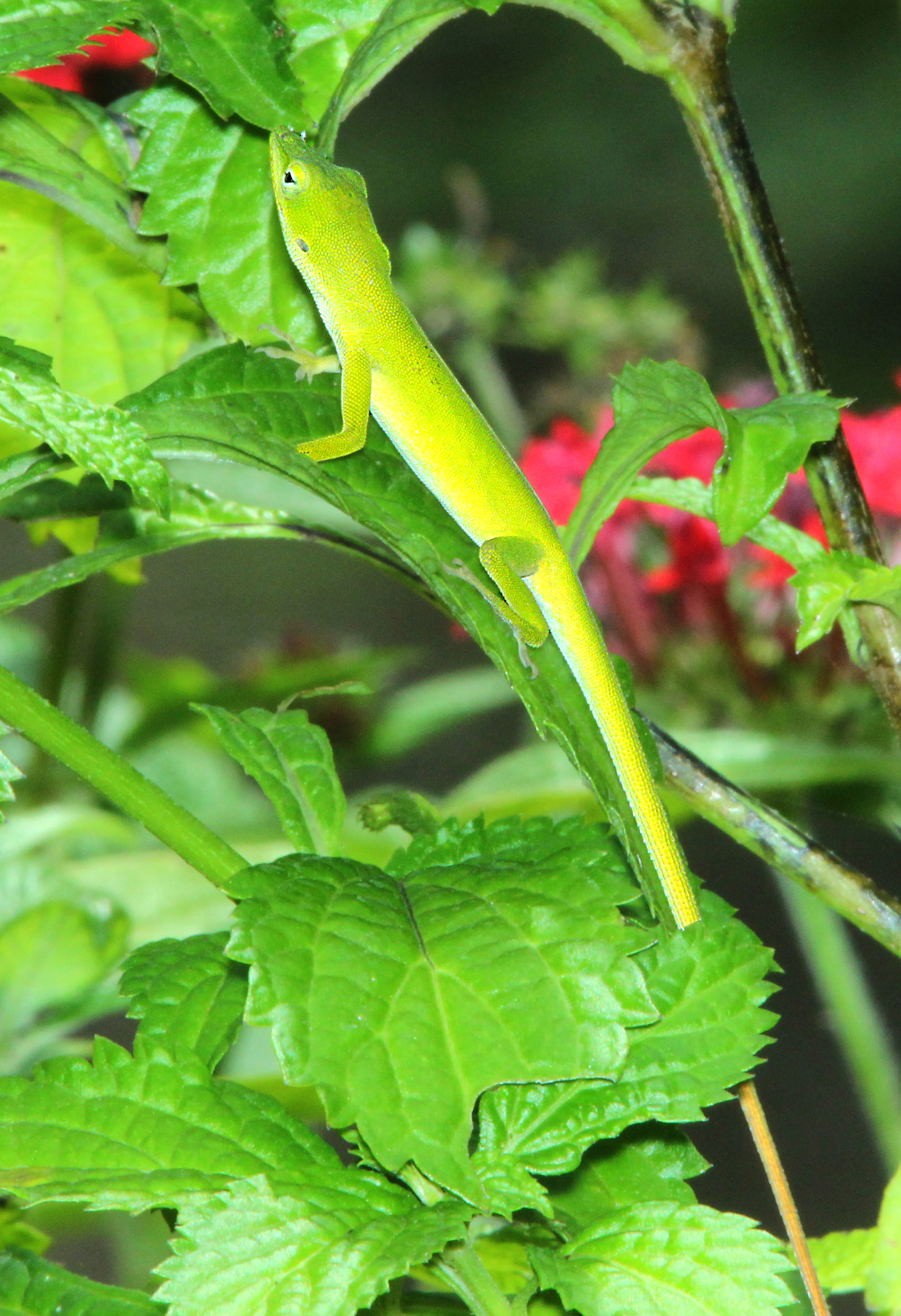 Photo Credit: Fæ / Wikimedia Commons
In the sun-drenched gardens and lush forests of the southeastern United States and the Caribbean, the Green Anole, scientifically known as Anolis carolinensis, dances through the foliage with a grace that captivates all who observe it. This small lizard, often measuring just 5 to 8 inches long, boasts a vibrant green hue that allows it to blend seamlessly into its leafy surroundings. With its slender body and long tail, the Green Anole is perfectly adapted for life among the branches, where it can often be seen basking in the warm sunlight or darting after a tasty insect.
What makes the Green Anole particularly intriguing to scientists and nature lovers alike is not just its striking appearance but also its remarkable ability to change color. This fascinating skill helps it communicate with other anoles and adapt to its environment, shifting from bright green to a more muted brown when it feels threatened or needs to camouflage itself. As you explore the world of the Green Anole, you’ll discover how this little lizard plays a vital role in its ecosystem, controlling insect populations while also serving as a meal for larger predators. Join us on this adventure to learn more about the life, habits, and importance of the Green Anole in the vibrant tapestry of nature.
The Green Anole, a small lizard native to the southeastern United States and the Caribbean, holds a special place in the animal kingdom. Taxonomically, it belongs to the Kingdom Animalia, which includes all animals, and is classified under the Phylum Chordata, meaning it has a backbone. This little reptile is part of the Class Reptilia, which encompasses all reptiles, and the Order Squamata, known for its scaly skin and ability to shed it. What makes the Green Anole particularly interesting is its ability to change color, a trait that helps it communicate and adapt to its environment. This lizard is not just a vibrant splash of green; it is a living example of evolution in action.
| Taxonomic Rank | Scientific Name | Meaning & Significance |
|---|---|---|
| Kingdom | Animalia | This name comes from the Latin word “animalis,” meaning “having breath,” which reflects the living nature of all animals. |
| Phylum | Chordata | Derived from the Greek word “chordē,” meaning “string,” this refers to the notochord, a flexible rod that is a key feature of all chordates during some stage of their development. |
| Class | Reptilia | This term comes from the Latin “reptilis,” meaning “to creep,” highlighting the crawling nature of reptiles. |
| Order | Squamata | From the Latin “squamatus,” meaning “scaled,” this name emphasizes the scaly skin that characterizes lizards and snakes. |
| Family | Dactyloidae | This name is derived from the Greek “dactylos,” meaning “finger,” which refers to the lizards’ specialized toe pads that help them grip surfaces. |
| Genus | Anolis | From the Taino word for lizard, this name reflects the cultural connection to the regions where these lizards are commonly found. |
Understanding the Green Anole’s classification reveals much about its evolutionary journey. As a member of the Dactyloidae family, it showcases adaptations that have allowed it to thrive in diverse habitats, from lush forests to urban gardens. Its ability to change color not only aids in camouflage but also plays a role in social interactions, demonstrating the intricate balance between survival and communication in the animal world. This lizard’s place in the tree of life is a testament to the wonders of evolution, showcasing how species adapt and evolve over time to meet the challenges of their environments.
The evolutionary journey of the Green Anole, a small lizard found primarily in the southeastern United States and the Caribbean, stretches back millions of years. This vibrant reptile belongs to the family Dactyloidae and the genus Anolis, which has a rich history that showcases the incredible adaptability of life. Anoles first appeared during the late Eocene epoch, around 34 to 56 million years ago, and have since evolved into a diverse group of lizards, with the Green Anole being one of the most well-known species.
The ancestors of the Green Anole were likely small, tree-dwelling reptiles that thrived in lush, tropical environments. Over time, these lizards underwent significant changes to adapt to their surroundings. One major transition was the development of specialized toe pads, which allowed them to cling to smooth surfaces like tree bark and leaves. This adaptation was crucial for escaping predators and hunting insects. Another important evolutionary step was the ability to change color, which helps them regulate their body temperature and communicate with other anoles. This color-changing ability is not just for show; it plays a vital role in their survival.
The adaptations of the Green Anole have been essential for its survival in a variety of environments. The specialized toe pads enable it to escape from predators and hunt effectively, while the ability to change color provides both protection and social advantages. By being flexible in its diet and exhibiting territorial behaviors, the Green Anole has carved out a niche in its ecosystem, showcasing the power of evolution in shaping life on Earth.
The Green Anole is a small yet striking lizard that captures the eye with its vibrant green hue. Its slender body, typically measuring around 5 to 8 inches long, is perfectly designed for life among the branches and leaves of its forest home. With a long tail that can be as long as its body, this agile reptile is a master of climbing and leaping. Its most distinctive feature, the dewlap, is a colorful flap of skin under its throat that can be extended to communicate with other anoles. This lizard’s overall appearance is not just for show; it plays a vital role in its survival.
| Feature | Description |
|---|---|
| Weight | 2-6 grams |
| Skin Type | Scales |
| Most Distinctive Feature | Dewlap |
The combination of its lightweight body and specialized skin allows the Green Anole to thrive in its environment. The scales provide protection while also helping the lizard blend into its leafy surroundings, making it less visible to predators. The dewlap serves multiple purposes, from attracting mates to establishing territory, showcasing the lizard’s vibrant colors. Together, these features create a perfect balance of beauty and functionality, allowing the Green Anole to navigate its world with grace and agility.
The Green Anole thrives in lush environments where trees and shrubs create a vibrant tapestry of green. Picture a sun-dappled forest or a backyard garden filled with leafy plants. These lizards are often seen basking on branches or darting among the foliage, blending seamlessly into their surroundings. Their habitat is a lively mix of sunlight and shade, providing the perfect stage for their daily activities.
This lively lizard prefers warm climates, typically found in areas where temperatures are mild to hot. The Green Anole enjoys humidity, which helps keep its skin moist and supports its active lifestyle. These conditions are essential for their survival, as they rely on the warmth of the sun to regulate their body temperature. In cooler weather, they may become less active, seeking shelter in the nooks and crannies of their leafy homes.
Adaptation is key for the Green Anole, allowing it to thrive in its chosen habitats. Its ability to change color from bright green to brown helps it camouflage against predators and blend in with the leaves and bark. This clever trick not only aids in avoiding danger but also plays a role in temperature regulation. By adjusting its color, the Green Anole can absorb more sunlight when it’s cold or reflect it when it’s too hot. This remarkable adaptability ensures that it remains a vibrant part of its ecosystem, whether perched on a branch or scurrying through the underbrush.
As the sun rises, the Green Anole begins its day in the warm embrace of its leafy habitat. These lively lizards are most active during the day, basking in the sunlight to warm their bodies. They spend their mornings hunting for small insects, darting from branch to branch with agility. Their keen eyesight helps them spot potential meals, like crickets and flies, which they catch with a quick flick of their sticky tongues. Throughout the day, they also engage in a variety of behaviors, from climbing to sunbathing, ensuring they stay healthy and energized.
Socially, Green Anoles are quite interesting. They are territorial creatures, meaning they establish and defend their own space from others. Males are particularly known for their vibrant displays, puffing out their colorful throat sacs to attract females and ward off rivals. This behavior is not just for show; it plays a crucial role in their mating rituals and social interactions. While they may not form large groups, their interactions can be quite dynamic, with males often engaging in head-bobbing displays to communicate their presence and assert dominance.
| Behavior Type | Description |
|---|---|
| Hunting | Green Anoles actively hunt insects during the day, using their sharp eyesight and quick reflexes to catch prey. |
| Territorial Displays | Males puff out their colorful throat sacs and perform head-bobbing to establish dominance and attract mates. |
| Sunbathing | These lizards bask in the sun to regulate their body temperature, which is essential for their activity levels. |
| Climbing | Green Anoles are excellent climbers, using their long toes and sharp claws to navigate trees and shrubs. |
The behaviors of the Green Anole are finely tuned to ensure their survival in the wild. By establishing territories, they reduce competition for food and mates, which is vital for their reproductive success. Their ability to communicate through visual displays helps them avoid conflicts and maintain social order. Each day, as they hunt, bask, and interact, these lizards demonstrate the intricate balance of life in their vibrant ecosystems, showcasing the wonders of nature in action.
The Green Anole is a carnivore, which means it primarily eats meat, specifically small insects. This little lizard has a keen eye for spotting its favorite foods, which include crickets, flies, and other tiny bugs that flit about in its leafy surroundings. With its quick reflexes and agile body, the Green Anole employs a fascinating hunting strategy. It often waits patiently on a branch or leaf, blending in with its environment, before darting out to catch its prey with a flick of its long, sticky tongue.
| Dietary Aspect | Details |
|---|---|
| Diet Type | Carnivore |
| Favorite Foods | Small insects like crickets and flies |
| Prey Items | Various tiny bugs that are abundant in its habitat |
| Hunting/Foraging Strategies | Stays still to blend in, then quickly darts out to catch prey with its tongue |
This diet plays a crucial role in the Green Anole’s ecology and daily routine. By feeding on insects, these lizards help control pest populations, making them important players in their ecosystems. Their active hunting style not only keeps them agile but also ensures they are well-fed and ready to face the challenges of their environment. As they navigate their leafy homes, the Green Anole’s diet shapes their interactions with other species and influences the balance of life in their vibrant habitats.
When it comes to reproduction, the Green Anole has some intriguing behaviors. Mating typically occurs in the spring and summer months, when temperatures rise and food becomes plentiful. During this time, males engage in a colorful display to attract females. They puff out their bright dewlaps—flaps of skin under their throats—while performing push-ups to show off their strength and vitality. This courtship ritual is not just for show; it helps females choose the healthiest mates to ensure strong offspring.
| Reproductive Aspect | Details |
|---|---|
| Gestation Period | 5-7 weeks |
| Litter Size | Typically 1-5 eggs |
| Age of Sexual Maturity | 8-9 months |
| Name of Young | Young, young anole, younger anole |
After mating, the female lays her eggs in a safe, hidden spot, often in moist soil or under leaf litter. The young anoles hatch after about 5 to 7 weeks, emerging as miniature versions of their parents. These little lizards are independent right from the start, needing no parental care. They quickly learn to hunt for small insects and find shelter among the foliage. As they grow, they will shed their skin several times, a process called molting, which helps them develop into vibrant adults. With their bright colors and agile movements, young anoles are a delightful sight as they explore their surroundings, ready to take on the world.
The Green Anole plays a vital role in its ecosystem, serving as both predator and prey. Positioned in the food web, it helps control insect populations while also being a meal for various larger animals. This delicate balance is crucial for maintaining the health of its habitat, but it also places the Green Anole in the crosshairs of several dangers.
To survive these threats, the Green Anole has developed some clever defensive behaviors. When faced with danger, it can quickly change color, blending into its surroundings to avoid detection. This camouflage is a powerful tool, allowing it to hide from predators. Additionally, if caught, the Green Anole can shed its tail, a process known as autotomy. This not only distracts the predator but also gives the lizard a chance to escape. With these strategies, the Green Anole continues to thrive in its vibrant, yet perilous, world.
A keystone species is an organism that has a disproportionately large impact on its environment relative to its abundance. In simpler terms, if you remove a keystone species, the entire ecosystem can change dramatically. The Green Anole, a small lizard found in the southeastern United States and the Caribbean, qualifies as a keystone species due to its significant role in maintaining the balance of its habitat.
The Green Anole plays a crucial role in controlling insect populations. As a carnivore, it primarily feeds on small insects like crickets and flies. By keeping these populations in check, the Green Anole helps prevent outbreaks that could lead to overgrazing of plants and other ecological imbalances. Additionally, its presence provides food for various predators, including birds and larger reptiles, creating a vital link in the food web. This connection ensures that energy flows through the ecosystem, supporting a diverse range of life.
Moreover, the Green Anole contributes to the health of its habitat by influencing plant growth. When insect populations are controlled, plants can thrive without being overbrowsed. This, in turn, creates a more robust environment for other species, including pollinators and herbivores. The lizard’s territorial behavior also helps maintain a balance among competing species, ensuring that no single species dominates the area.
If the Green Anole were to disappear, the consequences could be severe. Without this lizard, insect populations could explode, leading to significant damage to vegetation. This would not only affect the plants but also the animals that rely on them for food and shelter. The loss of the Green Anole would ripple through the ecosystem, potentially leading to a decline in biodiversity and altering the landscape of its habitat. In essence, the disappearance of this small lizard could create a chain reaction, disrupting the delicate balance of life in its environment.
The Green Anole occupies a crucial ecological niche in its habitat, primarily found in trees and shrubs across the southeastern United States and the Caribbean. This small lizard plays a significant role in maintaining the balance of its ecosystem. By controlling insect populations and serving as prey for larger animals, the Green Anole helps to sustain the intricate web of life that thrives in its leafy surroundings. Its vibrant green color not only aids in camouflage but also reflects its adaptability to various environments, making it a key player in the natural world.
| Ecosystem Service | Impact |
|---|---|
| Insect Control | Reduces populations of pests like crickets and flies, helping to maintain plant health. |
| Prey for Predators | Serves as a food source for birds, snakes, and other larger animals, supporting the food web. |
| Seed Dispersal | May contribute to the spread of plant seeds through its movement and feeding habits. |
| Habitat Indicator | Reflects the health of its environment, as its presence indicates a balanced ecosystem. |
The Green Anole’s influence is evident in various ways. For instance, by preying on insects, it helps keep their populations in check, which is vital for the health of plants in its habitat. A garden overrun with pests can quickly become unhealthy, but the Green Anole steps in to help manage this issue. Additionally, as a food source for birds and snakes, it plays a pivotal role in the survival of these predators. Without the Green Anole, these larger animals might struggle to find enough food, leading to a ripple effect throughout the ecosystem.
The broader ecological importance of the Green Anole cannot be overstated. As a keystone species, its presence supports a diverse range of life forms, from the tiniest insects to the largest birds. By maintaining the balance of insect populations and serving as a vital link in the food chain, the Green Anole helps ensure that its ecosystem remains vibrant and healthy. This small lizard, with its lively behavior and striking appearance, is a testament to the interconnectedness of life and the importance of every species in the natural world.
In the intricate web of life, symbiosis refers to the close and often long-term interactions between different species. These relationships can take many forms, including mutualism, where both species benefit, parasitism, where one benefits at the expense of the other, and commensalism, where one benefits while the other is neither helped nor harmed. The Green Anole, a small lizard found in the southeastern United States and the Caribbean, engages in various ecological partnerships that highlight the complexity of nature and the interconnectedness of living organisms.
| Species/Type | Relationship Type | Description |
|---|---|---|
| Ants | Mutualistic | Green Anoles may benefit from the presence of ants, which help keep insect populations in check, reducing competition for food. |
| Birds | Commensal | Some birds may perch near Green Anoles, benefiting from the lizards’ presence as they hunt insects disturbed by the lizards without affecting the anoles. |
| Ticks | Parasitic | Ticks attach to Green Anoles, feeding on their blood, which can weaken the lizards and affect their health. |
The evolution of these relationships showcases the adaptability and resilience of the Green Anole. Over time, these interactions have shaped the behaviors and survival strategies of both the lizard and its partners. For instance, the mutualistic relationship with ants not only aids in pest control but also enhances the lizard’s chances of thriving in its environment. Understanding these connections helps us appreciate the delicate balance of ecosystems and the roles each species plays in maintaining that balance.
The Green Anole is a captivating little lizard that brings a splash of color to gardens and forests in the southeastern United States and the Caribbean. With its vibrant green skin and unique behaviors, this lizard is full of surprises that even seasoned nature enthusiasts might not know.
The Green Anole has a long history of interaction with humans, dating back to when early settlers first encountered these vibrant lizards in the southeastern United States and the Caribbean. Often admired for their striking green color and agile movements, Green Anoles have found their way into folklore and cultural stories. In many regions, they symbolize adaptability and resilience, reflecting the lizard’s ability to thrive in various environments. Their presence in gardens and homes has made them familiar companions, sparking curiosity and wonder among people of all ages.
Today, the relationship between Green Anoles and humans is multifaceted. While many people appreciate these lizards for their beauty and role in controlling insect populations, there are challenges as well. Urban development and habitat loss threaten their natural environments, leading to conflicts as humans encroach on their habitats. Conservation efforts are underway to protect these lizards and their ecosystems, emphasizing the importance of maintaining biodiversity. Some people even keep Green Anoles as pets, providing a glimpse into their fascinating behaviors and needs, which can foster a deeper understanding of wildlife.
As we look to the future, the relationship between Green Anoles and humanity will likely continue to evolve. With increasing awareness of environmental issues, more people are recognizing the importance of protecting these lizards and their habitats. Education and conservation initiatives can help bridge the gap between humans and wildlife, fostering a sense of stewardship for the natural world. By understanding and respecting the role of Green Anoles in our ecosystems, we can ensure that these vibrant lizards remain a cherished part of our shared environment for generations to come.
The Green Anole is currently classified as “Least Concern” by the International Union for Conservation of Nature (IUCN). This means that, at present, the species is not facing an immediate threat of extinction. While specific population estimates are unknown, the Green Anole is generally considered to be stable across its range in the southeastern United States and the Caribbean. This vibrant lizard continues to thrive in its natural habitats, although ongoing monitoring is essential to ensure its long-term survival.
| Conservation Factor | Status/Details |
|---|---|
| IUCN Status | Least Concern |
| Estimated Population Size | Unknown |
| Population Trend | Stable |
Despite its current stable status, the Green Anole faces several threats that could impact its future. Habitat loss is a significant concern, primarily due to urban development and agricultural expansion. As forests and gardens are replaced with buildings and roads, these lizards lose their homes and the rich biodiversity they rely on. Additionally, climate change poses a risk, as shifting temperatures and weather patterns can alter their habitats and food sources. Invasive species, such as non-native predators, can also threaten their populations by disrupting the delicate balance of their ecosystems.
Conservation efforts for the Green Anole focus on habitat preservation and public awareness. By protecting natural areas and promoting sustainable land use, we can help ensure that these lizards continue to flourish in their environments. Educational programs that highlight the importance of biodiversity and the role of species like the Green Anole can inspire communities to take action. With continued efforts, the outlook for this charming lizard remains positive, allowing future generations to enjoy its vibrant presence in nature.
| Question | Answer |
|---|---|
| What is the natural habitat of the Green Anole? | The Green Anole is commonly found in trees and shrubs. They prefer warm, humid environments, often residing in gardens, forests, and wetlands where they can easily blend in with the foliage. |
| What do Green Anoles eat? | Green Anoles are carnivores, meaning they primarily eat other small creatures. Their diet consists mainly of insects like crickets, flies, and moths, which they catch with their quick reflexes. |
| How do Green Anoles behave? | These lizards are known for their active and curious nature. They often bask in the sun to regulate their body temperature and can be seen climbing and jumping between branches in search of food or mates. |
| How do Green Anoles reproduce? | During the breeding season, male Green Anoles display their colorful dewlaps, which are flap-like skin under their throats, to attract females. After mating, females lay one to two eggs in moist soil or leaf litter, which hatch in about six to eight weeks. |
| What threats do Green Anoles face? | While Green Anoles are currently classified as Least Concern, they face threats from habitat loss due to urban development and climate change. Additionally, they can be preyed upon by birds, snakes, and other predators. |
| What is a distinctive feature of the Green Anole? | The most distinctive feature of the Green Anole is its dewlap. This colorful flap of skin is used in communication, especially during mating displays, and can change color based on the lizard's mood or environment. |
| Can Green Anoles change color? | Yes, Green Anoles can change color, although not as dramatically as some other lizards. They typically shift from bright green to brown, which helps them camouflage with their surroundings and regulate their body temperature. |