Taxonomy & Classification
- Kingdom
- Animalia
- Phylum
- Chordata
- Class
- Mammalia
- Order
- Carnivora
- Family
- Canidae
- Genus
- Canis
- Species
- Canis lupus

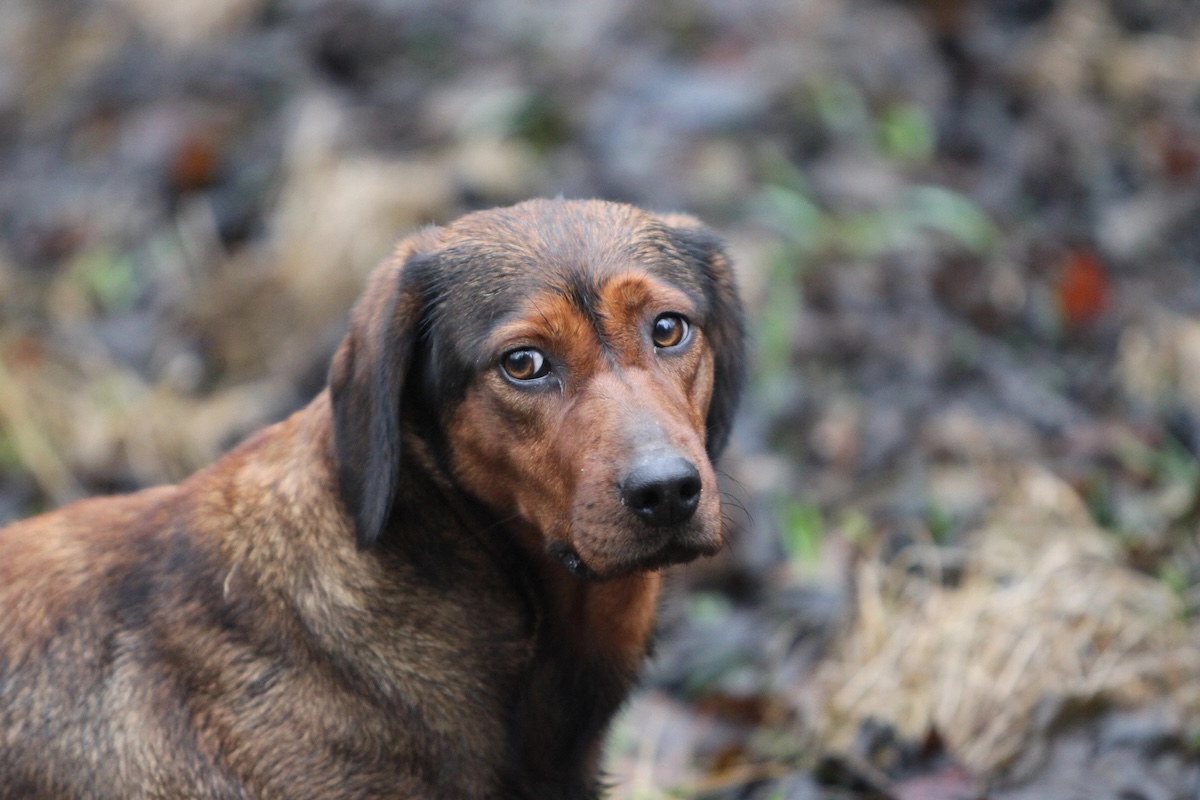 Photo Credit: e- riha.martin13 for Deposit Photos
In the heart of the majestic Alps, where the air is crisp and the mountains rise like ancient giants, lives the Alpine Dachsbracke, scientifically known as Canis lupus familiaris. This spirited breed, with its compact and muscular frame, is a true embodiment of the rugged landscape it calls home. With a keen sense of smell and boundless energy, the Alpine Dachsbracke is not just a companion but a skilled hunter, often seen darting through lush meadows and dense forests in pursuit of small game. Its short, dense coat, typically adorned in shades of brown and black, allows it to blend seamlessly into the earthy tones of its environment, making it a fascinating subject for both scientists and nature enthusiasts alike.
What sets the Alpine Dachsbracke apart is not just its striking appearance but also its rich history and adaptability. Bred for hunting in the challenging Alpine terrain, this breed showcases remarkable agility and endurance, traits that have captivated dog lovers for generations. As they navigate the rocky slopes and vibrant wildflower fields, these dogs embody the spirit of adventure, reminding us of the intricate connections between animals and their habitats. Join us as we explore the life of the Alpine Dachsbracke, uncovering its role in the ecosystem, its relationship with humans, and the unique characteristics that make it a beloved breed in the Alpine regions.
The Alpine Dachsbracke is a captivating breed nestled within the vast tree of life. This dog belongs to the Kingdom Animalia, which includes all animals, and is classified under the Phylum Chordata, meaning it has a backbone. As a member of the Class Mammalia, it shares traits with all mammals, such as being warm-blooded and having fur. The Alpine Dachsbracke is part of the Order Carnivora, which includes meat-eating animals like wolves and bears. Within the Family Canidae, it is closely related to domestic dogs, foxes, and other canines. What sets the Alpine Dachsbracke apart is its unique combination of traits, including its keen sense of smell and strong hunting instincts, making it an exceptional tracker in the mountainous terrains of its native Austria.
| Taxonomic Rank | Scientific Name | Meaning & Significance |
|---|---|---|
| Kingdom | Animalia | This name signifies the broad category of all animals, highlighting the Alpine Dachsbracke’s place among living organisms that share certain biological characteristics. |
| Phylum | Chordata | Derived from the Latin word for “cord,” this term indicates that members of this group possess a notochord, or backbone, which is a key feature of vertebrates. |
| Class | Mammalia | This classification means “mammals,” referring to animals that nurse their young with milk and typically have fur or hair, traits that the Alpine Dachsbracke embodies. |
| Order | Carnivora | This term means “meat-eaters,” reflecting the dietary habits of the Alpine Dachsbracke, which is known for its hunting prowess. |
| Family | Canidae | Commonly known as the dog family, this name connects the Alpine Dachsbracke to its relatives, including wolves and domestic dogs, emphasizing its social and pack-oriented behavior. |
| Genus | Canis | This Latin word means “dog,” and it groups the Alpine Dachsbracke with other dog species, highlighting its shared ancestry and characteristics. |
The classification of the Alpine Dachsbracke reveals much about its evolutionary journey. As a member of the Canidae family, it shares a common ancestor with wolves and domestic dogs, showcasing the adaptability and diversity of canines. Its unique traits, such as a strong sense of smell and a sturdy build, have evolved to suit the rugged Alpine environment, where it has been used for hunting and tracking. Understanding its taxonomic position not only highlights its biological connections but also sheds light on the fascinating ways in which animals adapt to their surroundings over time.
The Alpine Dachsbracke, a breed of dog with a rich history, traces its evolutionary roots back thousands of years. This breed is part of the Canidae family, which includes wolves, foxes, and domestic dogs. The story of the Alpine Dachsbracke begins in the rugged landscapes of the Alps, where early humans relied on dogs for hunting and companionship. Over time, selective breeding shaped the Alpine Dachsbracke into a skilled tracker and loyal friend, adapting to the unique challenges of its mountainous environment.
The ancestors of the Alpine Dachsbracke were likely medium-sized hunting dogs that roamed the European highlands. These early canines were bred for their keen sense of smell and agility, traits that were essential for tracking game in the dense forests and rocky terrains. As humans began to settle in the Alps, they recognized the value of these dogs, leading to a focused breeding program that emphasized traits like endurance and a strong work ethic. This process marked a significant evolutionary transition, as the Alpine Dachsbracke developed a unique combination of physical and behavioral characteristics suited for hunting in challenging conditions.
These adaptations have played a vital role in the survival of the Alpine Dachsbracke. Their short legs and strong sense of smell allow them to excel in the rugged Alpine environment, where agility and tracking skills are paramount. The breed’s endurance ensures that they can keep up with hunters throughout long days in the field. Additionally, their friendly disposition not only makes them beloved family pets but also strengthens their bond with humans, enhancing their effectiveness as hunting companions. Through the ages, the Alpine Dachsbracke has thrived, showcasing the remarkable interplay between evolution and human influence.
The Alpine Dachsbracke is a striking dog that captures attention with its sturdy build and lively demeanor. This breed boasts a compact, muscular body that is both agile and powerful, making it well-suited for the rugged terrains of the Alps. With a slightly elongated shape, the Alpine Dachsbracke has a strong back and a deep chest, giving it a robust appearance. Its expressive face, adorned with long, drooping ears, adds to its charm, while its keen eyes reflect intelligence and curiosity.
| Feature | Description |
|---|---|
| Weight | 40 lbs |
| Skin Type | Hair |
| Body Structure | Compact and muscular with a slightly elongated shape |
| Ears | Long and drooping, enhancing its expressive face |
| Eyes | Keen and intelligent, reflecting curiosity |
These physical features work together to create a breed that is not only visually appealing but also highly functional. The Alpine Dachsbracke’s muscular build allows it to navigate steep and rocky landscapes with ease, while its deep chest provides ample lung capacity for stamina during long hunts. The long ears help to pick up sounds from afar, making it an excellent tracker. Together, these traits ensure that the Alpine Dachsbracke is well-equipped for survival in its mountainous homeland, showcasing the perfect blend of beauty and utility in the animal kingdom.
The Alpine Dachsbracke thrives in the picturesque landscapes of the Alps, where rolling hills meet rugged mountains. This breed is often found in lush meadows dotted with wildflowers, dense forests filled with towering pines, and rocky terrains that challenge even the most adventurous spirits. The crisp mountain air and the sound of babbling brooks create a serene backdrop for this energetic dog, making it a perfect companion for those who love the great outdoors.
The Alpine Dachsbracke is well-suited to a climate that features cool to cold temperatures, typical of mountainous regions. These dogs enjoy a mix of sunny days and chilly nights, which helps them stay active and healthy. The environment is often characterized by seasonal changes, with snow blanketing the ground in winter and vibrant greenery emerging in spring and summer. This breed thrives in areas where they can explore and hunt, benefiting from the diverse ecosystems found in their alpine homes.
Adapted to their mountainous habitat, the Alpine Dachsbracke has developed a keen sense of smell and a strong hunting instinct, making them excellent trackers. Their sturdy build allows them to navigate rocky paths and steep slopes with ease. Additionally, their thick coat provides insulation against the cold, ensuring they remain warm during harsh weather. This combination of physical traits and instincts enables the Alpine Dachsbracke to flourish in the challenging yet beautiful environments they call home.
The Alpine Dachsbracke leads a vibrant daily life filled with activity and exploration. These dogs are known for their keen sense of smell and boundless energy, which they channel into various pursuits. Mornings often begin with a brisk walk through their mountainous habitat, where they eagerly sniff out scents left by other animals. As the day unfolds, they engage in playful romps, chasing after anything that moves, and practicing their agility on the rocky terrain. Their natural instincts drive them to dig and explore, making every moment an adventure.
Socially, the Alpine Dachsbracke thrives in a pack environment, whether with other dogs or their human companions. They are friendly and affectionate, often forming strong bonds with their families. This breed communicates through a variety of vocalizations, including barks and howls, which serve to express excitement or alert others to potential dangers. Their playful nature encourages interaction, and they enjoy games that involve teamwork, showcasing their ability to work well with others.
| Behavior Type | Description |
|---|---|
| Activity Patterns | Alpine Dachsbrackes are highly active, engaging in daily walks, playtime, and exploration of their surroundings. They require regular exercise to stay healthy and happy. |
| Social Structure | This breed thrives in social settings, forming strong bonds with both humans and other dogs. They enjoy being part of a pack and often display loyalty and affection. |
| Communication Methods | Alpine Dachsbrackes use a range of vocalizations, including barks and howls, to communicate their feelings and alert their pack to changes in their environment. |
The behaviors of the Alpine Dachsbracke are not just for fun; they play a crucial role in their survival. Their strong social bonds help them work together when hunting or protecting their territory. Their keen sense of smell and active nature allow them to track scents and navigate their rugged environment effectively. By engaging in these daily activities, they not only stay fit and healthy but also strengthen their connections with their pack, ensuring they thrive in the wild and in family settings alike.
The Alpine Dachsbracke has a diverse diet that reflects its adaptability and energetic lifestyle. As an omnivore, this breed enjoys a mix of both plant and animal foods. They are known to forage for fruits, vegetables, and grains, while also hunting small game like rabbits and birds. Their keen sense of smell plays a crucial role in locating food, allowing them to thrive in their mountainous habitats.
| Dietary Aspect | Details |
|---|---|
| Diet Type | Omnivore |
| Favorite Foods | Fruits, vegetables, grains, small mammals, and birds |
| Prey Items | Rabbits, birds, and other small game |
| Hunting/Foraging Strategies | Utilizes keen sense of smell to locate food; often forages in groups |
This varied diet not only sustains the Alpine Dachsbracke but also shapes its role in the ecosystem. By hunting small animals, they help control populations of these species, while their foraging habits contribute to seed dispersal and plant growth. Their daily routine is filled with exploration and activity, ensuring they remain healthy and engaged in their beautiful alpine environment.
The Alpine Dachsbracke has a fascinating mating behavior that typically occurs once a year during the breeding season, which usually falls in late winter to early spring. During this time, males become particularly attentive and may engage in playful displays to attract females. The female, when in heat, will signal her readiness to mate, and the pair will often form a strong bond during this period. This connection is essential, as it helps ensure the successful raising of their young.
| Reproductive Aspect | Details |
|---|---|
| Gestation Period | Approximately 63 days |
| Litter Size | Average of 8 puppies |
| Age of Maturity | About 12 to 18 months |
| Name of Young | Puppies |
Once the puppies are born, the parental care provided by the Alpine Dachsbracke is both attentive and nurturing. The mother is primarily responsible for the care of her young, ensuring they are fed and kept warm. As the puppies grow, they begin to explore their surroundings, learning essential skills through play and interaction with their mother and siblings. By the time they reach maturity, around 12 to 18 months, they are well-prepared to take on the world, equipped with the instincts and social skills necessary for a fulfilling life.
The Alpine Dachsbracke occupies a special place in the food web of its mountainous habitat. As a skilled hunter, this breed primarily preys on small game, such as rabbits and deer. However, it is not at the top of the food chain. Various predators and environmental threats can pose significant dangers to the Alpine Dachsbracke, making its survival a constant challenge in the wild.
To defend itself against these threats, the Alpine Dachsbracke relies on its agility and keen senses. With a strong sense of smell and hearing, it can detect danger from afar, allowing it to escape before being spotted. Additionally, its compact and muscular build enables it to navigate through dense underbrush quickly, making it harder for predators to catch. This breed also exhibits a strong instinct to stay close to its human companions, who provide safety and protection, further enhancing its chances of survival in a world filled with challenges.
A keystone species is a vital part of its ecosystem, meaning its presence and activities have a significant impact on the environment and other living things. The Alpine Dachsbracke, a breed of dog known for its hunting skills and adaptability, does not fit the traditional definition of a keystone species. However, it plays an important role in its alpine habitat, influencing the balance of the ecosystem in various ways.
As a skilled hunter, the Alpine Dachsbracke helps control populations of small game, such as rabbits and deer. By keeping these populations in check, it prevents overgrazing and allows vegetation to thrive. This, in turn, supports a diverse range of plant and animal life. The breed’s omnivorous diet also means it forages for fruits and plants, contributing to seed dispersal. When the Dachsbracke eats berries or other fruits, it helps spread seeds throughout its territory, promoting plant growth and diversity.
Moreover, the Alpine Dachsbracke’s energetic nature encourages movement and activity in its environment. As it explores the rugged terrain, it creates pathways that other animals may use. This can enhance the habitat for various species, from insects to larger mammals, by providing easier access to food and shelter. The breed’s presence can also attract other predators, which can further influence the dynamics of the ecosystem.
If the Alpine Dachsbracke were to disappear, the balance of its ecosystem could be disrupted. Without this breed to manage small game populations, there could be an overabundance of these animals, leading to overgrazing and a decline in plant life. This would not only affect the vegetation but also the many species that rely on those plants for food and shelter. The ripple effects could lead to a less diverse and less resilient ecosystem, highlighting the interconnectedness of all living things in the alpine environment.
The Alpine Dachsbracke plays a crucial role in its mountainous ecosystem, acting as both a hunter and a forager. This breed, with its keen sense of smell and energetic nature, helps maintain the balance of wildlife populations in the Alps. By preying on small game like rabbits and deer, the Alpine Dachsbracke helps control these populations, preventing overgrazing and promoting healthy vegetation growth. Its omnivorous diet also allows it to interact with various plant species, contributing to seed dispersal and the overall health of its habitat.
| Ecosystem Service | Impact |
|---|---|
| Population Control | Regulates small game populations, preventing overgrazing. |
| Seed Dispersal | Helps in spreading seeds through its foraging activities. |
| Soil Aeration | Contributes to soil health by digging and moving through the ground. |
| Food Source | Serves as prey for larger predators, maintaining the food web. |
The Alpine Dachsbracke’s influence extends beyond just hunting. As it forages for food, it interacts with various plants, helping to disperse seeds and promote new growth. This behavior is essential for maintaining the diversity of plant life in its habitat. Additionally, by digging and moving through the soil, these dogs help aerate it, which improves water absorption and nutrient availability for plants. Their presence in the ecosystem supports a vibrant community of flora and fauna, showcasing the interconnectedness of life in the Alps.
In a broader ecological context, the Alpine Dachsbracke exemplifies the importance of biodiversity. As a keystone species, its activities significantly impact the health of its environment. By regulating prey populations and supporting plant growth, this breed helps sustain the delicate balance of its ecosystem. The Alpine Dachsbracke reminds us that every species, no matter how small, plays a vital role in the intricate web of life, highlighting the need for conservation and respect for all living things.
In the intricate web of life, symbiosis refers to the close interactions between different species, which can take many forms. These relationships can be mutualistic, where both species benefit, parasitic, where one benefits at the other’s expense, or commensal, where one benefits while the other is neither helped nor harmed. The Alpine Dachsbracke, a lively breed of dog, engages in various ecological relationships that highlight the interconnectedness of life in its alpine habitat. Understanding these partnerships not only reveals the complexity of ecosystems but also showcases how species adapt and thrive together.
| Species/Type | Relationship Type | Description |
|---|---|---|
| Small mammals (e.g., rabbits) | Mutualistic | The Alpine Dachsbracke helps control the population of small mammals, which can lead to healthier ecosystems. In return, these mammals provide a food source for the dogs. |
| Birds (e.g., ground-nesting species) | Commensal | As the Alpine Dachsbracke moves through its habitat, it may inadvertently disturb insects and small creatures, making them easier for birds to catch. The birds benefit without affecting the dog. |
| Ticks and fleas | Parasitic | These parasites can latch onto the Alpine Dachsbracke, feeding on its blood. This relationship is harmful to the dog, as it can lead to health issues if not managed properly. |
These relationships have evolved over time, shaped by the needs and behaviors of the species involved. The Alpine Dachsbracke’s role as a hunter and forager has fostered a balance in its ecosystem, allowing it to thrive while also supporting other species. By understanding these connections, we can appreciate the delicate dance of life in the Alps, where every interaction plays a part in the grand story of survival and adaptation.
The Alpine Dachsbracke is a fascinating breed of dog that has captured the hearts of many with its unique traits and history. Originating from the stunning Alpine regions, this breed is not just a companion but also a skilled hunter and a part of the rich tapestry of mountain life.
The Alpine Dachsbracke has a long and storied relationship with humanity, deeply rooted in the cultural tapestry of the Alpine regions. Historically, these dogs were bred for their exceptional hunting skills, particularly in tracking game through the rugged terrain of the mountains. Their loyalty and keen senses made them invaluable companions to hunters, who relied on them to locate and retrieve prey. Over time, the Alpine Dachsbracke became more than just a working dog; it became a symbol of the rich heritage and traditions of the Alpine communities, celebrated in folklore and local festivals.
In contemporary times, the interactions between the Alpine Dachsbracke and humans have evolved, reflecting changes in society and the environment. While these dogs still serve as skilled hunters, they are increasingly cherished as family pets. This shift has led to a greater emphasis on responsible breeding and care, ensuring that the breed remains healthy and well-adapted to modern life. However, challenges persist, such as habitat loss and conflicts with wildlife, which can affect both the dogs and the ecosystems they inhabit. Conservation efforts are underway to protect their natural habitats and promote awareness of their role in maintaining ecological balance.
As we look to the future, the relationship between the Alpine Dachsbracke and humanity holds promise. With increased awareness of animal welfare and environmental conservation, there is hope for a harmonious coexistence. By valuing these dogs not only for their hunting abilities but also for their companionship, we can ensure that the Alpine Dachsbracke continues to thrive alongside us. Together, we can celebrate the unique bond that has developed over centuries, fostering a deeper understanding of the natural world and our place within it.
The Alpine Dachsbracke currently holds a conservation status of “Not Listed,” which means it is not considered endangered or threatened at this time. However, this does not imply that the breed is free from challenges. Population trends are difficult to assess due to limited data, but the breed remains relatively stable in its native regions. Awareness and interest in the Alpine Dachsbracke are growing, which may help maintain its numbers in the future.
| Conservation Factor | Status/Details |
|---|---|
| IUCN Status | Not Listed |
| Population Estimates | Not specifically quantified |
| Trend Direction | Stable |
Despite its stable status, the Alpine Dachsbracke faces several threats that could impact its future. Habitat loss is a significant concern, as urban development and agricultural expansion encroach on the natural landscapes where these dogs thrive. Additionally, the breed’s popularity can lead to irresponsible breeding practices, which may dilute its genetic diversity. This can make the breed more susceptible to health issues and reduce its overall vitality.
Conservation efforts for the Alpine Dachsbracke are primarily focused on promoting responsible breeding and raising awareness about the breed’s unique qualities. Organizations dedicated to preserving dog breeds are working to ensure that the Alpine Dachsbracke remains a cherished part of the Alpine culture. With continued support and education, the outlook for this breed appears promising, allowing it to flourish in its mountainous home while maintaining its rich heritage.
| Question | Answer |
|---|---|
| What is the habitat of the Alpine Dachsbracke? | The Alpine Dachsbracke is primarily found in mountainous regions, particularly in the Alps. They thrive in areas with plenty of open spaces and forests, which provide them with the environment they need for hunting and exploring. |
| What does the Alpine Dachsbracke eat? | This breed is an omnivore, meaning it eats both plants and animals. Their diet can include small game, fruits, and vegetables, making them adaptable to different food sources in their environment. |
| What is the behavior of the Alpine Dachsbracke? | Alpine Dachsbrackes are known for their friendly and energetic nature. They are social dogs that enjoy being around people and other animals, making them great companions for families and active individuals. |
| How do Alpine Dachsbrackes reproduce? | Like most dogs, Alpine Dachsbrackes reproduce through mating between a male and a female. The female typically has a litter of 4 to 6 puppies after a gestation period of about 63 days, and the puppies are born blind and deaf, relying on their mother for care. |
| What threats do Alpine Dachsbrackes face? | While the Alpine Dachsbracke is not currently listed as endangered, they can face threats from habitat loss and overpopulation of other species. Additionally, like many breeds, they can be susceptible to health issues if not properly cared for. |
| What are some interesting characteristics of the Alpine Dachsbracke? | One fascinating trait of the Alpine Dachsbracke is their exceptional sense of smell, which makes them excellent tracking dogs. They are also known for their distinctive long bodies and short legs, which help them navigate through dense underbrush while hunting. |
| Are Alpine Dachsbrackes good family pets? | Yes, Alpine Dachsbrackes are known to be affectionate and loyal, making them great family pets. They are playful and enjoy being active, so they thrive in homes where they can get plenty of exercise and attention. |