Taxonomy & Classification
- Kingdom
- Animalia
- Phylum
- Arthropoda
- Class
- Insecta
- Order
- Lepidoptera
- Family
- Erebidae
- Genus
- Lymantria
- Species
- Lymantria dispar

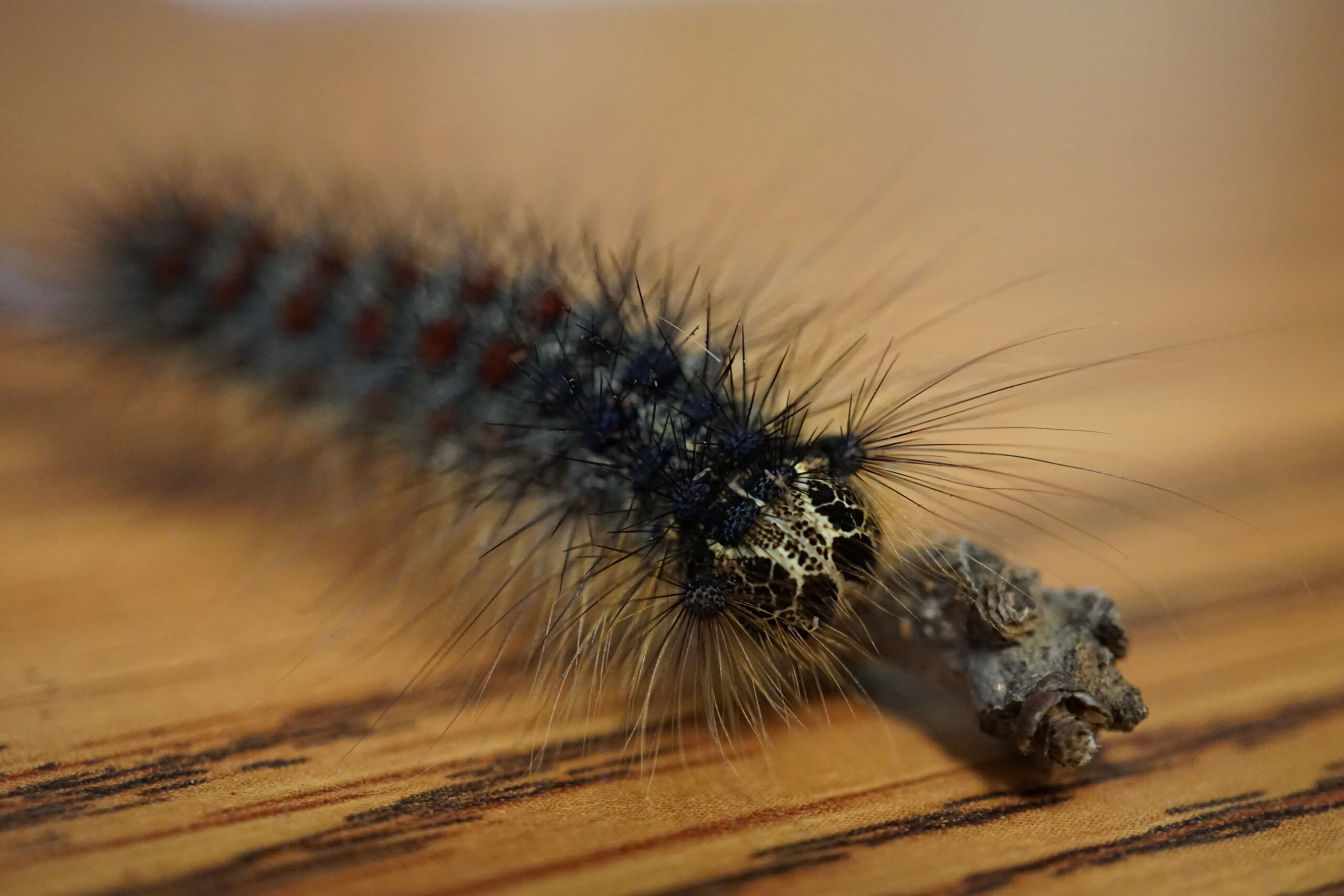 Photo Credit: OptimusPrimeBot / Wikimedia Commons
In the heart of a sun-dappled forest, the Gypsy Moth Caterpillar, or Lymantria dispar, makes its home among the lush green leaves of oak and birch trees. With its striking, fuzzy body that can grow up to three inches long, this caterpillar is a vibrant splash of color against the backdrop of nature. Its distinctive blue and red spots, along with long, hair-like bristles, not only make it visually captivating but also serve as a warning to potential predators. These features are part of what makes the Gypsy Moth Caterpillar a subject of fascination for scientists and nature enthusiasts alike.
As it munches on leaves, the Gypsy Moth Caterpillar plays a vital role in its ecosystem, acting as both a herbivore and a food source for various birds and mammals. Its life cycle is a remarkable journey, transforming from a tiny egg to a striking moth, and it showcases the intricate connections within the natural world. This caterpillar’s adaptability and resilience in different habitats, from dense forests to urban gardens, highlight its importance in maintaining ecological balance. Join us as we explore the captivating life of the Gypsy Moth Caterpillar, uncovering its behaviors, diet, and the impact it has on the environment around it.
The Gypsy Moth Caterpillar, scientifically known as Lymantria dispar, occupies a distinctive position in the tree of life. It belongs to the kingdom Animalia, which includes all animals, and is part of the phylum Arthropoda, known for its jointed limbs and exoskeletons. This caterpillar is a member of the class Insecta, which encompasses all insects, and the order Lepidoptera, famous for its winged adults like butterflies and moths. What sets the Gypsy Moth apart is its ability to cause significant defoliation in forests, leading to ecological changes. Its life cycle, which includes a striking transformation from a voracious caterpillar to a delicate moth, showcases the wonders of metamorphosis, a process that many insects undergo.
| Taxonomic Rank | Scientific Name | Meaning & Significance |
|---|---|---|
| Kingdom | Animalia | This name means “animals” in Latin, highlighting the caterpillar’s status as a living organism that moves and feeds. |
| Phylum | Arthropoda | Derived from Greek, meaning “jointed feet,” this name refers to the caterpillar’s segmented body and jointed legs. |
| Class | Insecta | This term comes from the Latin word for “cut,” indicating the segmented body structure typical of insects. |
| Order | Lepidoptera | From Greek, meaning “scale wings,” this name describes the tiny scales that cover the wings of adult moths and butterflies. |
| Family | Erebidae | This name is derived from “Erebus,” a figure in Greek mythology, reflecting the family’s nocturnal habits. |
| Genus | Lymantria | Named after the entomologist John Lyman, this genus includes moths known for their destructive caterpillars. |
| Species | dispar | This Latin word means “different,” possibly referring to the caterpillar’s varied coloration and patterns. |
The classification of the Gypsy Moth Caterpillar reveals much about its evolutionary journey. As a member of the Lepidoptera order, it shares a lineage with other insects that have adapted to diverse environments, showcasing the incredible adaptability of life. Its position within the Erebidae family highlights its nocturnal nature and the ecological roles it plays, from pollination to being a food source for various predators. Understanding its taxonomic placement not only helps us appreciate its biological traits but also emphasizes the interconnectedness of all living organisms in the grand tapestry of life.
The evolutionary journey of the Gypsy Moth Caterpillar, or Lymantria dispar, stretches back millions of years, tracing its lineage through the complex tapestry of life on Earth. This species belongs to the family Erebidae, a group of moths that has adapted to various environments and ecological niches. As we explore its ancestry, we uncover a story of transformation and survival that has unfolded over countless generations.
The ancestors of the Gypsy Moth Caterpillar were likely similar to other primitive moths, which emerged during the late Triassic period, around 200 million years ago. These early moths were small and nocturnal, feeding on a variety of plants. Over time, as the world changed, so did these insects. The evolution of flowering plants during the Cretaceous period provided new food sources, allowing moths to diversify and adapt. The Gypsy Moth, in particular, developed a unique relationship with deciduous trees, which became its primary habitat and food source.
The adaptations of the Gypsy Moth Caterpillar have played a crucial role in its survival. By blending into their environment, they avoid detection by hungry birds and other predators. Their high reproductive rate ensures that even if many caterpillars are lost, enough will survive to continue the species. The ability to consume large amounts of food allows them to grow rapidly, while their defensive hairs provide an extra layer of protection. Together, these traits have enabled the Gypsy Moth Caterpillar to thrive in diverse habitats, making it a resilient player in the ecosystem.
The Gypsy Moth Caterpillar is a striking sight, with a body that captures attention and curiosity. Its elongated form can reach up to three inches in length, making it a noticeable presence among the leaves it calls home. The caterpillar’s skin is covered in a tough exoskeleton, which provides protection as it navigates its environment. This outer layer is not just for show; it plays a crucial role in the caterpillar’s survival, allowing it to withstand various challenges in its habitat.
| Feature | Description |
|---|---|
| Weight | 0.018 – 0.105 ounces |
| Skin Type | Exoskeleton |
| Most Distinctive Feature | Appetite |
The combination of its lightweight body and sturdy exoskeleton allows the Gypsy Moth Caterpillar to thrive in its leafy surroundings. This caterpillar is known for its voracious appetite, which helps it grow quickly and prepare for its transformation into a moth. By munching on leaves, it not only fuels its own growth but also plays a role in the ecosystem, influencing plant life and providing food for other animals. Each feature of the Gypsy Moth Caterpillar works together, showcasing the intricate balance of nature and the survival strategies that have evolved over time.
The Gypsy Moth Caterpillar thrives in a variety of habitats, painting a picture of adaptability and resilience. These caterpillars are often found in lush forests, where towering trees provide both food and shelter. They also make their homes in urban and suburban gardens, where they can munch on the leaves of ornamental plants. Imagine a vibrant green landscape filled with the sounds of rustling leaves and chirping birds, where these caterpillars can blend in with their surroundings as they grow and develop.
To flourish, Gypsy Moth Caterpillars prefer climates that offer a mix of warmth and moisture. They thrive in areas with temperate conditions, which means they enjoy moderate temperatures and seasonal changes. These caterpillars are particularly active during the spring and summer months when the weather is just right for feeding and growing. The presence of healthy trees and shrubs is crucial, as these plants provide the essential leaves that caterpillars need to munch on for energy and growth.
Over time, Gypsy Moth Caterpillars have developed impressive adaptations to their environments. Their ability to camouflage against tree bark and leaves helps them avoid predators, making them less visible to hungry birds and other animals. Additionally, they can consume a wide range of tree species, allowing them to thrive in various habitats. This flexibility in diet and appearance enables them to survive in both natural forests and human-altered landscapes, showcasing their remarkable ability to adapt to changing conditions.
The daily life of a Gypsy Moth Caterpillar is a blend of activity and rest, filled with the simple yet essential tasks of survival. As a diurnal creature, it comes to life with the sun, spending its days munching on leaves and soaking up the warmth. These caterpillars are often seen climbing trees, where they feast on the tender foliage. Their primary goal is to eat as much as possible, which helps them grow and prepare for their transformation into moths. When they’re not busy eating, they may take a break to bask in the sunlight, allowing their bodies to absorb heat and energy.
While Gypsy Moth Caterpillars are mostly solitary, they can sometimes be found in small groups, especially when food is plentiful. This group behavior can be beneficial, as it allows them to share resources and find safety in numbers. However, they are not social creatures in the way some animals are; they do not form strong bonds or communicate extensively with one another. Instead, they rely on their instincts and the environment around them to guide their actions. When they do come together, it’s often a temporary arrangement driven by the search for food rather than a lasting social structure.
| Behavior Type | Description |
|---|---|
| Activity Patterns | Active during the day, primarily feeding on leaves and basking in the sun. |
| Social Structure | Generally solitary but can form small groups when food is abundant. |
| Communication Methods | Minimal communication; relies on instinct and environmental cues. |
The behaviors of Gypsy Moth Caterpillars are finely tuned to ensure their survival in a world filled with predators and challenges. By being active during the day, they maximize their feeding opportunities while also taking advantage of the warmth from the sun. Their occasional grouping allows them to exploit food sources more effectively, even if only for a short time. These strategies, combined with their ability to adapt to various environments, help them thrive in the wild, ensuring that they can grow and eventually transform into the next stage of their life cycle.
The Gypsy Moth Caterpillar is a dedicated herbivore, meaning it primarily feeds on plant material. Its favorite food is the leaves of various trees, particularly those from oak, birch, and maple. These caterpillars have strong jaws that allow them to munch through tough foliage, making them quite effective foragers. As they crawl along branches, they use their keen sense of smell to locate fresh, tender leaves, which are essential for their growth and development.
| Dietary Aspect | Details |
|---|---|
| Diet Type | Herbivore |
| Favorite Foods | Leaves of oak, birch, and maple trees |
| Prey Items | Tree leaves |
| Hunting/Foraging Strategies | Using strong jaws to chew through leaves and a keen sense of smell to find food |
This diet plays a crucial role in the ecology of the Gypsy Moth Caterpillar. By consuming large amounts of leaves, they can significantly impact the trees they feed on, sometimes leading to defoliation, which is when trees lose their leaves. This feeding behavior not only affects the caterpillars’ growth but also influences the surrounding ecosystem, as it can alter habitats for other species. Their daily routine revolves around finding food, growing, and preparing for their transformation into moths, making their diet a central part of their life cycle.
The mating behavior of the Gypsy Moth Caterpillar is a captivating part of its life cycle. During the warm months, typically from late spring to early summer, male moths take to the skies in search of females. The males are attracted to the females by pheromones, which are chemical signals that females release to announce their readiness to mate. Once a male finds a female, they engage in a courtship dance before mating. This breeding season is crucial, as it sets the stage for the next generation of caterpillars.
| Reproductive Aspect | Details |
|---|---|
| Gestation Period | Approximately 10 days |
| Litter Size | Up to 1,000 eggs |
| Age of Maturity | About 2 months |
| Name of Young | Caterpillars |
After mating, the female lays her eggs in masses that can contain hundreds to over a thousand eggs, often on the bark of trees or other surfaces. Once the eggs hatch, the tiny caterpillars emerge and begin their journey of growth. Interestingly, these young caterpillars do not receive any parental care; they are on their own from the moment they hatch. As they feed on leaves and grow, they will molt several times, shedding their skin to accommodate their increasing size. This transformation continues until they reach maturity, eventually becoming the adult moths that will start the cycle anew.
The Gypsy Moth Caterpillar plays a crucial role in the food web, serving as a tasty snack for various predators. As it munches on leaves, it becomes a vital source of nutrition for birds, mammals, and even some insects. This caterpillar’s presence helps maintain the balance of its ecosystem, but it also means that it faces numerous dangers from those looking for a meal.
To defend themselves against these threats, Gypsy Moth Caterpillars have developed several survival strategies. They often blend in with their surroundings, using camouflage to avoid detection by hungry predators. Some caterpillars even have tiny hairs on their bodies that can irritate the skin of animals that try to eat them. Additionally, when threatened, they may drop to the ground or wiggle vigorously to escape. These clever tactics help them navigate the dangers of their environment and continue their journey toward becoming beautiful moths.
A keystone species is an organism that has a disproportionately large impact on its environment relative to its abundance. This means that if it were removed, the ecosystem would change dramatically. The Gypsy Moth Caterpillar, known scientifically as Lymantria dispar, does not fit the classic definition of a keystone species. While it plays an important role in its habitat, its effects are more about population dynamics than the foundational structure of the ecosystem.
The ecological impact of the Gypsy Moth Caterpillar is significant, particularly in forested areas. As a herbivore, it primarily feeds on the leaves of trees like oak, birch, and maple. This feeding behavior can lead to defoliation, which is when trees lose their leaves. While this might sound harmful, it can actually create opportunities for other plants to thrive. For instance, when a tree loses its leaves, sunlight reaches the forest floor, allowing smaller plants to grow and flourish.
Moreover, the Gypsy Moth Caterpillar serves as a crucial food source for various predators, including birds and small mammals. During its feeding frenzy, it becomes a vital link in the food web, supporting a range of wildlife. The caterpillar’s presence can help maintain the balance of species in its ecosystem, as predators rely on it for nutrition.
In addition, the caterpillar’s life cycle contributes to nutrient cycling in the forest. When it eventually transforms into a moth and lays eggs, the decaying bodies of both caterpillars and moths enrich the soil, providing essential nutrients for plants. This process helps sustain the health of the forest ecosystem.
If the Gypsy Moth Caterpillar were to disappear, the effects would ripple through the ecosystem. Predators that rely on it for food would struggle to find alternative sources, potentially leading to declines in their populations. Additionally, the loss of this caterpillar could result in increased tree growth, which might seem beneficial at first. However, without the natural balance that the caterpillar helps maintain, certain plant species could dominate, reducing biodiversity. This shift could ultimately alter the entire forest ecosystem, demonstrating how even the smallest creatures can play a role in the grand tapestry of life.
The Gypsy Moth Caterpillar, known scientifically as Lymantria dispar, plays a significant role in its ecosystem, particularly in forested areas and urban gardens. As a herbivore, it primarily feeds on the leaves of various trees, including oaks, birches, and maples. This feeding behavior not only shapes the plant community but also influences the overall health of the forest. By consuming large quantities of foliage, these caterpillars can impact tree growth and regeneration, creating a dynamic balance within their habitats.
| Ecosystem Service | Impact |
|---|---|
| Leaf Consumption | Reduces tree canopy density, allowing more sunlight to reach the forest floor. |
| Food Source | Provides nutrition for various predators, including birds and small mammals. |
| Soil Enrichment | Contributes to nutrient cycling as fallen leaves decompose, enriching the soil. |
| Habitat Modification | Creates open spaces in forests that can be colonized by other plant species. |
The influence of the Gypsy Moth Caterpillar can be seen in specific examples throughout its habitat. For instance, when these caterpillars feed on tree leaves, they can significantly reduce the canopy cover. This change allows sunlight to penetrate deeper into the forest, promoting the growth of understory plants and altering the habitat for other species. Additionally, as they become a food source for birds and small mammals, they help sustain local wildlife populations. Their presence can even lead to a shift in the types of plants that thrive in an area, as some species may be more resilient to the caterpillars’ feeding habits than others.
The broader ecological importance of the Gypsy Moth Caterpillar extends beyond its immediate effects. As a keystone species, its role in the food web is crucial; without it, many predators would struggle to find enough food. Furthermore, the caterpillar’s feeding habits can influence forest dynamics, affecting everything from tree health to the diversity of plant life. By shaping their environment, Gypsy Moth Caterpillars contribute to the intricate web of life that sustains ecosystems, reminding us of the interconnectedness of all living things.
In the intricate web of life, symbiosis refers to the close and often long-term interactions between different species. These relationships can take many forms, including mutualism, where both species benefit, parasitism, where one benefits at the expense of the other, and commensalism, where one benefits while the other is neither helped nor harmed. The Gypsy Moth Caterpillar, known scientifically as Lymantria dispar, engages in various ecological partnerships that illustrate the complexity of these interactions in nature.
| Species/Type | Relationship Type | Description |
|---|---|---|
| Birds (e.g., chickadees) | Predation | Birds feed on Gypsy Moth Caterpillars, benefiting from a nutritious food source while the caterpillars face a threat to their survival. |
| Fungi (e.g., entomopathogenic fungi) | Parasitism | These fungi infect and kill Gypsy Moth Caterpillars, using them as a host to reproduce, which can significantly reduce caterpillar populations. |
| Plants (e.g., oak trees) | Commensalism | While Gypsy Moth Caterpillars feed on oak leaves, the trees are not directly harmed in the short term, although heavy feeding can lead to stress. |
The evolution of these relationships has shaped the survival strategies of the Gypsy Moth Caterpillar and its partners. Over time, the caterpillars have developed adaptations to cope with predation and parasitism, such as camouflage and rapid reproduction. Meanwhile, their feeding habits can influence plant health and forest dynamics, showcasing how interconnected life truly is. Understanding these relationships helps us appreciate the delicate balance of ecosystems and the roles each species plays within them.
The Gypsy Moth Caterpillar, known scientifically as Lymantria dispar, is a captivating creature that has intrigued scientists and nature lovers alike. With its striking appearance and fascinating behaviors, this caterpillar offers a glimpse into the wonders of the natural world.
The Gypsy Moth Caterpillar, or Lymantria dispar, has a long and storied relationship with humanity that dates back to its introduction in the United States in the late 19th century. Originally brought over from Europe in an attempt to breed a silk-producing moth, these caterpillars quickly became known for their voracious appetite and ability to defoliate trees. This led to a cultural significance as they transformed landscapes and sparked debates about pest control and environmental management. Over the years, they have inspired folklore and cautionary tales, reminding us of the delicate balance between nature and human intervention.
Today, interactions between Gypsy Moth Caterpillars and people are complex and often contentious. As these caterpillars can cause significant damage to forests and urban greenery, they are often viewed as pests. This has led to various conservation efforts aimed at controlling their populations through biological means, such as introducing natural predators or using pheromones to disrupt their mating patterns. However, these efforts can sometimes conflict with the desire to maintain healthy ecosystems, as the caterpillars also serve as food for many birds and other wildlife. The challenge lies in finding a balance that protects both human interests and the natural world.
As we look to the future, the relationship between Gypsy Moth Caterpillars and humanity will likely continue to evolve. With climate change altering habitats and ecosystems, these caterpillars may adapt in ways that challenge our current management strategies. Ongoing research and community engagement will be essential in navigating this dynamic relationship. By fostering a deeper understanding of the Gypsy Moth’s role in our environment, we can work towards solutions that benefit both people and nature, ensuring a harmonious coexistence for generations to come.
The conservation status of the Gypsy Moth Caterpillar, or Lymantria dispar, is a topic of ongoing interest and concern. Currently, this species is not listed as endangered or threatened by the International Union for Conservation of Nature (IUCN). However, its population trends are complex and can vary significantly based on environmental conditions and human activities. While specific population estimates are undetermined, the Gypsy Moth has shown fluctuations in numbers, often influenced by factors such as climate and the presence of natural predators.
| Conservation Factor | Status/Details |
|---|---|
| IUCN Status | Not listed |
| Population Estimates | Undetermined |
| Trend Direction | Fluctuating |
The main threats to the Gypsy Moth Caterpillar stem from both natural and human-induced factors. One significant challenge is the introduction of invasive species, which can disrupt the balance of local ecosystems. Additionally, habitat loss due to urban development and deforestation reduces the availability of food sources, such as oak and birch trees. Climate change also plays a role, as shifting weather patterns can affect the caterpillar’s life cycle and survival rates. These threats can lead to population declines, making it crucial to monitor their status closely.
Conservation efforts for the Gypsy Moth Caterpillar focus on managing its populations and protecting its habitats. Integrated pest management strategies are employed to control outbreaks while minimizing harm to the environment. Public awareness campaigns educate communities about the importance of maintaining healthy ecosystems. The outlook for the Gypsy Moth Caterpillar remains cautiously optimistic, as ongoing research and conservation initiatives aim to balance its role in nature with the challenges it faces. By understanding and addressing these issues, we can help ensure that this fascinating species continues to thrive in our forests.
| Question | Answer |
|---|---|
| What is the habitat of the Gypsy Moth Caterpillar? | Gypsy Moth Caterpillars thrive in forests, as well as urban and suburban gardens. They prefer areas with plenty of trees, especially oak, birch, and maple, where they can find food and shelter. |
| What do Gypsy Moth Caterpillars eat? | These caterpillars are herbivores, meaning they primarily eat plants. Their favorite foods include the leaves of various trees, particularly oaks, which they can consume in large quantities. |
| How do Gypsy Moth Caterpillars behave? | Gypsy Moth Caterpillars are known for their voracious appetite, often feeding in groups. This behavior can lead to significant defoliation of trees, which can harm the forest ecosystem. |
| How do Gypsy Moth Caterpillars reproduce? | After undergoing several molts, Gypsy Moth Caterpillars eventually pupate and transform into moths. The adult female moths lay hundreds of eggs, which hatch into caterpillars the following spring. |
| What threats do Gypsy Moth Caterpillars face? | These caterpillars face threats from natural predators like birds and parasitic wasps. Additionally, environmental factors such as extreme weather can impact their populations. |
| What is an interesting characteristic of Gypsy Moth Caterpillars? | One of the most distinctive features of Gypsy Moth Caterpillars is their incredible appetite. They can consume an astonishing amount of foliage, sometimes stripping entire trees bare! |
| How do Gypsy Moth Caterpillars affect their environment? | While they are a natural part of the ecosystem, large populations of Gypsy Moth Caterpillars can lead to deforestation. This can disrupt habitats for other wildlife and affect the overall health of the forest. |