Taxonomy & Classification
- Kingdom
- Animalia
- Phylum
- Arthropoda
- Class
- Malacostraca
- Order
- Decapoda
- Family
- Atyidae
- Genus
- Caridina
- Species
- Caridina multidentata

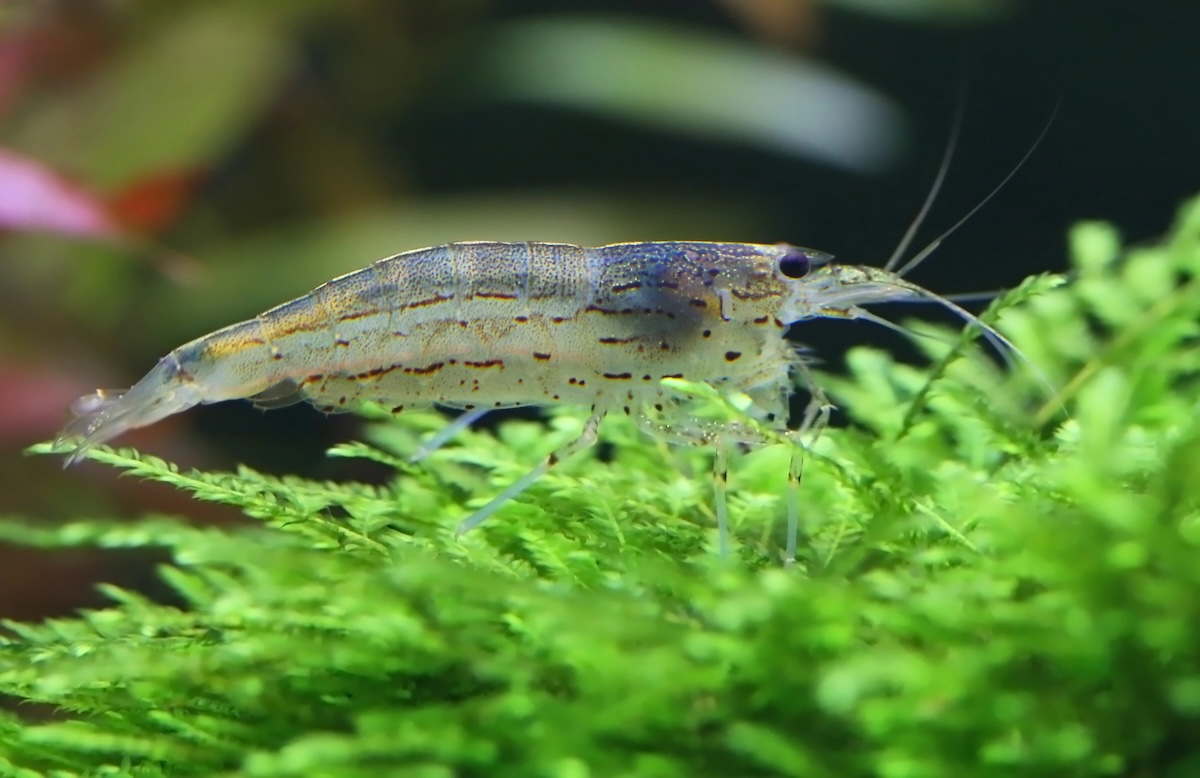 Photo Credit: bdspn74 on Deposit Photos
In the tranquil waters of East Asia, the Amano shrimp, or Caridina multidentata, dances gracefully among the lush greenery and gentle currents. This tiny marvel, often called the Japanese shrimp or algae shrimp, is a vibrant splash of color in its freshwater habitat. With its delicate, translucent body adorned with striking patterns, the Amano shrimp captures the attention of both curious onlookers and dedicated scientists alike. Its unique ability to thrive in both freshwater and brackish environments makes it a fascinating subject for study, revealing secrets about aquatic ecosystems and the delicate balance of life within them.
As the sun filters through the water, illuminating the Amano shrimp’s lively movements, it becomes clear why this little creature is so beloved. Not only does it play a crucial role in its ecosystem by scavenging for algae and organic debris, but it also serves as a vital food source for larger animals. This makes the Amano shrimp a keystone species, meaning its presence is essential for maintaining the health of its environment. With its engaging behavior and important ecological role, the Amano shrimp invites us to explore the wonders of the natural world, reminding us that even the smallest creatures can have a big impact.
The Amano shrimp, scientifically known as Caridina multidentata, holds a special place in the animal kingdom due to its intriguing adaptations and ecological role. This small, freshwater shrimp is a member of the Atyidae family, which is known for its diverse and colorful species. What sets the Amano shrimp apart is not just its striking appearance, often featuring a translucent body with delicate patterns, but also its remarkable ability to thrive in various aquatic environments. These shrimp are celebrated for their algae-eating habits, making them popular in aquariums for maintaining a clean habitat. Their unique behaviors and physical traits provide a glimpse into the complex web of life in freshwater ecosystems.
| Taxonomic Rank | Scientific Name | Meaning & Significance |
|---|---|---|
| Kingdom | Animalia | This name signifies that Amano shrimp belong to the broad group of multicellular organisms that are typically motile and consume organic material. |
| Phylum | Arthropoda | Meaning “jointed legs,” this classification highlights the shrimp’s segmented body and jointed appendages, which are key features of this diverse group. |
| Class | Malacostraca | This term translates to “soft shell,” referring to the shrimp’s flexible exoskeleton, which allows for growth and movement in aquatic environments. |
| Order | Decapoda | Meaning “ten-footed,” this name reflects the shrimp’s ten limbs, which are adapted for swimming and feeding. |
| Family | Atyidae | This family name is derived from the genus Atya, which includes similar shrimp, emphasizing their shared characteristics and ecological roles. |
| Genus | Caridina | This name is rooted in the Latin word for “shrimp,” indicating the small size and specific traits of these aquatic animals. |
| Species | multidentata | This scientific name means “many teeth,” referring to the distinct tooth-like structures on the shrimp’s mouthparts, which help it graze on algae. |
The classification of the Amano shrimp reveals a fascinating evolutionary history that connects it to a vast array of life forms. As a member of the Arthropoda phylum, it shares common ancestry with insects, spiders, and other crustaceans, showcasing the incredible diversity of adaptations that have evolved over millions of years. The unique features of the Amano shrimp, from its jointed limbs to its specialized feeding structures, illustrate how this tiny creature has carved out a niche in freshwater habitats. Understanding its taxonomic position not only highlights its biological significance but also emphasizes the interconnectedness of all life on Earth.
The evolutionary journey of the Amano shrimp, or Caridina multidentata, stretches back millions of years, tracing its roots to the ancient waters of East Asia. This small but vibrant shrimp belongs to the family Atyidae, a group that has adapted to various freshwater environments. Over time, these shrimp have evolved unique traits that not only enhance their survival but also allow them to thrive in diverse habitats.
The ancestors of Amano shrimp were likely similar to other small crustaceans, living in freshwater streams and rivers. As they evolved, they developed specialized adaptations to cope with changing environments. One significant transition was the shift from a more generalist diet to a specialized one, allowing them to feed on algae and detritus, which are organic materials that accumulate in their habitats. This dietary shift helped them exploit a niche that many other species could not, giving them a competitive edge.
The adaptations of the Amano shrimp have been crucial for their survival in the ever-changing aquatic ecosystems. Their ability to blend into their environment, coupled with their efficient feeding habits and social behaviors, allows them to thrive despite the challenges posed by predators and competition. As they continue to evolve, these traits ensure that Amano shrimp remain a vital part of their freshwater habitats, contributing to the balance of their ecosystems.
The Amano shrimp is a tiny marvel of nature, captivating anyone who takes a moment to observe its delicate form. With a body that measures just a few centimeters in length, this shrimp is a master of camouflage and elegance. Its slender, elongated shape allows it to navigate through aquatic plants and rocks with ease, while its transparent shell glimmers under the light, revealing a world of colors and patterns. The most striking feature is a row of dark spots that run along its sides, creating a beautiful contrast against its otherwise clear body.
| Feature | Description |
|---|---|
| Size | Typically around 2 inches (5 cm) long |
| Weight | Less than 0.001 pounds (less than 1 gram) |
| Skin Type | Shell, which is transparent and allows for light to pass through |
| Most Distinctive Feature | A row of dark spots along the sides of its body |
These physical characteristics are not just for show; they play vital roles in the shrimp’s survival. The transparent shell helps it blend into its surroundings, making it harder for predators to spot. The dark spots can confuse potential threats, breaking up the outline of its body against the backdrop of the underwater world. This clever design allows the Amano shrimp to thrive in its habitat, where it plays an essential role in maintaining the health of freshwater ecosystems. By keeping algae in check, it contributes to a balanced environment, showcasing how beauty and function can work hand in hand in the natural world.
The Amano shrimp thrives in the serene waters of freshwater and brackish environments, where it finds a perfect blend of tranquility and nourishment. Picture a lush, green landscape dotted with clear streams and rivers, where sunlight dances on the surface of the water. These habitats are often rich with aquatic plants, providing both shelter and food for the shrimp. The gentle currents and the soft substrate at the bottom create an ideal setting for these tiny creatures to flourish.
To thrive, Amano shrimp prefer warm waters, typically ranging from 20 to 26 degrees Celsius (68 to 79 degrees Fahrenheit). They are often found in areas with stable water conditions, where the pH levels are slightly acidic to neutral. These shrimp enjoy environments that are well-oxygenated, which means they need clean, flowing water to stay healthy. The presence of plants and algae is also crucial, as they provide food and hiding spots from potential predators.
Adapted to their specific habitats, Amano shrimp have developed several traits that help them survive and thrive. Their transparent bodies allow them to blend seamlessly with their surroundings, making it harder for predators to spot them. Additionally, their ability to graze on algae and detritus—tiny bits of organic matter—ensures they have a steady food supply. This adaptability not only helps them survive but also plays a vital role in maintaining the health of their aquatic ecosystems.
The Amano shrimp leads a lively and active life, primarily during the day, as it is a diurnal creature. Each morning, it emerges from its hiding spots among plants and rocks, ready to explore its watery world. With its keen sense of sight, the shrimp scours the substrate for algae and detritus, tiny bits of organic matter that make up its diet. This scavenging behavior is essential, as it helps keep the aquatic environment clean while providing the shrimp with the nutrients it needs to thrive. Throughout the day, the Amano shrimp can be seen darting around, climbing over surfaces, and occasionally pausing to groom itself, ensuring its exoskeleton remains free of debris.
While Amano shrimp are primarily solitary, they do exhibit interesting social behaviors when they encounter others of their kind. These shrimp are not aggressive and often coexist peacefully, allowing for a fascinating glimpse into their interactions. When they come together, they may engage in subtle communication through body language, such as posturing or changing their color slightly. This non-verbal communication helps them establish their presence and avoid potential conflicts. Although they prefer to forage alone, their occasional gatherings can create a vibrant scene in the aquarium or natural habitat, showcasing their gentle nature.
| Behavior Type | Description |
|---|---|
| Activity Patterns | Amano shrimp are diurnal, meaning they are most active during the day, foraging for food and exploring their environment. |
| Social Structure | These shrimp are generally solitary but can be found in small groups, where they coexist peacefully without aggression. |
| Communication Methods | They communicate through body language, using postures and color changes to convey their presence and intentions. |
The behaviors of the Amano shrimp are finely tuned to ensure their survival in the wild. By being active during the day, they can take advantage of the sunlight to find food and avoid predators that may be more active at night. Their solitary nature allows them to minimize competition for resources, while their peaceful interactions with others help maintain a balanced ecosystem. This combination of behaviors not only supports their individual needs but also contributes to the health of their aquatic environment, showcasing the interconnectedness of life beneath the water’s surface.
The Amano shrimp, known for its vibrant colors and lively behavior, has a diverse diet that makes it an omnivore. This means it enjoys a mix of both plant and animal matter. In its natural habitat, the Amano shrimp forages for food by scavenging among the substrate and aquatic plants. It uses its tiny pincers to pick at algae, detritus, and even small insects, ensuring it gets a balanced diet. This feeding behavior not only helps the shrimp thrive but also plays a crucial role in maintaining the health of its ecosystem.
| Dietary Aspect | Details |
|---|---|
| Diet Type | Omnivore |
| Favorite Foods | Algae, detritus, and small insects |
| Prey Items | Insects and organic matter |
| Hunting/Foraging Strategies | Scavenging and grazing on surfaces |
The diet of the Amano shrimp significantly influences its role in the aquatic ecosystem. By consuming algae and organic debris, it helps keep the water clean and balanced, which benefits other aquatic life. Its daily routine revolves around foraging, allowing it to interact with its environment and contribute to the health of its habitat. This not only sustains the shrimp but also supports a vibrant community of plants and animals in the freshwater ecosystems it inhabits.
When it comes to reproduction, Amano shrimp have a fascinating courtship ritual. During the breeding season, which typically occurs in warmer months, males display their vibrant colors to attract females. This colorful display is not just for show; it signals their health and vitality. Once a female is ready to mate, she will release pheromones, chemical signals that help the male find her. After a successful mating, the female will carry fertilized eggs until they are ready to hatch.
| Reproductive Aspect | Details |
|---|---|
| Gestation Period | About 3 to 4 weeks |
| Litter Size | Up to 30 to 40 eggs |
| Age of Maturity | Approximately 4 to 6 months |
| Name of Young | Larvae |
After the eggs hatch, the young Amano shrimp, known as larvae, are released into the water. These tiny larvae are quite different from their adult counterparts. They drift in the water column, feeding on microscopic algae and other small particles. This stage is crucial for their growth and development. As they mature, they will undergo several molts, shedding their exoskeletons to grow larger. Eventually, they will settle to the bottom of their habitat, transforming into the familiar adult shrimp we admire in aquariums. While Amano shrimp do not provide direct parental care, their early life stage is a remarkable journey of survival and adaptation in the aquatic world.
The Amano shrimp, or Caridina multidentata, plays a vital role in its aquatic ecosystem, serving as both a scavenger and a food source for various predators. Positioned in the food web, these small shrimp help maintain water quality by consuming algae and detritus, while also providing nourishment for larger animals. This delicate balance highlights their importance in freshwater habitats, where they contribute to the health of their environment.
To survive these dangers, Amano shrimp have developed several clever defensive behaviors. They often hide among plants and rocks, using their natural coloration to blend in with their surroundings, a tactic known as camouflage. When threatened, they can quickly dart away, showcasing their agility. Additionally, their small size allows them to slip into tight spaces where larger predators cannot follow. By employing these strategies, Amano shrimp can navigate the challenges of their environment and continue to thrive in the wild.
A keystone species is an organism that has a disproportionately large impact on its environment relative to its abundance. These species help maintain the structure of an ecosystem, influencing the types and numbers of other species present. The Amano shrimp, or Caridina multidentata, qualifies as a keystone species in its habitat, particularly in freshwater and brackish ecosystems. Its role as a scavenger and its interactions with other aquatic life make it essential for maintaining ecological balance.
Amano shrimp contribute significantly to their ecosystems by consuming detritus, which is decomposing organic matter. This scavenging behavior helps keep the water clean and clear, promoting a healthy environment for other aquatic organisms. By breaking down waste and leftover food, they recycle nutrients back into the ecosystem, making them available for plants and microorganisms. This process supports the growth of algae and aquatic plants, which are vital for oxygen production and serve as food for various fish and invertebrates.
Additionally, Amano shrimp serve as a food source for larger predators, including fish and amphibians. Their presence in the food web supports the survival of these species, which rely on them for nutrition. The shrimp’s activity also helps aerate the substrate, or the bottom layer of their habitat, allowing for better water flow and oxygenation. This is crucial for the health of the entire aquatic community, as it encourages the growth of beneficial bacteria and other microorganisms.
If Amano shrimp were to disappear from their ecosystems, the consequences could be severe. Without these tiny scavengers, organic waste would accumulate, leading to murky waters and unhealthy environments for other aquatic life. The decline in water quality would affect plant growth, which in turn would impact the entire food web. Larger predators that rely on Amano shrimp for sustenance would struggle to find food, potentially leading to their decline as well. The loss of this keystone species would disrupt the delicate balance of the ecosystem, highlighting just how interconnected all life forms truly are.
The Amano shrimp, scientifically known as Caridina multidentata, occupies a vital ecological niche in freshwater and brackish environments. As a small but industrious omnivore, it plays a significant role in maintaining the health of its aquatic habitat. By feeding on algae, detritus, and decaying plant matter, the Amano shrimp helps keep the water clean and clear, which is essential for the survival of many other aquatic organisms. Its presence contributes to a balanced ecosystem, where various species can thrive together.
| Ecosystem Service | Impact |
|---|---|
| Algae Control | Reduces excess algae growth, promoting clearer water. |
| Detritus Breakdown | Helps decompose organic matter, recycling nutrients back into the ecosystem. |
| Food Source | Serves as a meal for fish and other aquatic predators, supporting the food web. |
| Habitat Structure | Creates microhabitats by interacting with plants and substrate, enhancing biodiversity. |
The influence of Amano shrimp extends beyond their immediate feeding habits. For instance, by consuming algae, they prevent overgrowth that can suffocate aquatic plants and disrupt the balance of the ecosystem. Their scavenging behavior also aids in breaking down organic debris, which recycles nutrients and supports the growth of other organisms. In turn, this nutrient cycling is crucial for maintaining the health of the water body, ensuring that fish and other aquatic life have the resources they need to flourish.
The broader ecological importance of Amano shrimp cannot be overstated. As a keystone species, their activities help shape the structure of their environment, influencing the types and numbers of other organisms that can live there. By maintaining water quality and supporting the food web, Amano shrimp contribute to the overall resilience of their ecosystems. Their presence is a reminder of how even the smallest creatures can have a profound impact on the natural world, highlighting the interconnectedness of life in our planet’s diverse habitats.
In the intricate web of life, symbiosis plays a crucial role in shaping ecosystems. This term refers to the close interactions between different species, which can be beneficial, harmful, or neutral. These relationships can take many forms, such as mutualism, where both species gain advantages, parasitism, where one benefits at the expense of the other, and commensalism, where one species benefits while the other is neither helped nor harmed. The Amano shrimp, known scientifically as Caridina multidentata, engages in various partnerships that highlight the beauty and complexity of these ecological connections.
| Species/Type | Relationship Type | Description |
|---|---|---|
| Fish (e.g., Tetras) | Mutualistic | Amano shrimp help keep the tank clean by eating algae, while fish benefit from a cleaner environment, reducing stress and promoting health. |
| Plants (e.g., Java Moss) | Commensal | The shrimp inhabit and feed on algae growing on plants, benefiting from the shelter and food without harming the plants. |
| Snails | Commensal | Amano shrimp often share habitats with snails, feeding on algae and detritus around them, gaining food while snails remain unaffected. |
The evolution of these relationships showcases the adaptability of the Amano shrimp and its companions. Over time, these species have developed ways to coexist, enhancing their survival and thriving in their environments. The mutualistic relationships, in particular, highlight how cooperation can lead to healthier ecosystems, where each species plays a part in maintaining balance. As we explore these connections, we gain a deeper appreciation for the delicate dance of life that unfolds in our natural world.
Amano shrimp, known scientifically as Caridina multidentata, are not just colorful additions to aquariums; they are fascinating creatures with surprising traits that intrigue nature lovers of all ages. Here are some captivating facts about these tiny aquatic wonders.
The relationship between Amano shrimp and humanity has evolved over time, marked by both admiration and utility. Historically, these small, vibrant shrimp have been appreciated for their role in aquaculture and as a natural cleaning agent in freshwater tanks. In many cultures, they symbolize the beauty of aquatic life, often featured in art and literature. Their striking appearance and lively behavior have made them popular among aquarium enthusiasts, who value them not just for their aesthetic appeal but also for their ecological contributions.
In contemporary times, Amano shrimp are increasingly recognized for their importance in maintaining healthy aquarium ecosystems. They help control algae growth, making them valuable allies for fish keepers. However, this relationship is not without challenges. As demand for these shrimp has grown, concerns about overharvesting and habitat destruction have emerged. Conservation efforts are underway to ensure sustainable practices in their collection and breeding. Additionally, some aquarists are working to domesticate Amano shrimp, creating new color variations and enhancing their appeal while ensuring their well-being.
As we look to the future, the relationship between Amano shrimp and humanity holds promise. With increased awareness of environmental issues, more people are advocating for sustainable practices in aquaculture. This shift could lead to healthier populations of Amano shrimp in the wild and in our homes. By fostering a deeper understanding of their ecological role, we can ensure that these charming little shrimp continue to thrive alongside us, enriching our lives and ecosystems for generations to come.
The conservation status of the Amano shrimp, scientifically known as Caridina multidentata, is currently classified as Least Concern by the International Union for Conservation of Nature (IUCN). This means that, at present, the species is not facing an immediate threat of extinction. Population estimates indicate that Amano shrimp are relatively stable, and their numbers are not declining significantly. However, ongoing monitoring is essential to ensure that this status remains positive as environmental conditions change.
| Conservation Factor | Status/Details |
|---|---|
| IUCN Status | Least Concern |
| Population Estimates | Stable |
| Trend Direction | Stable |
Despite their current stable status, Amano shrimp face several threats that could impact their populations in the future. Habitat loss is a significant concern, primarily due to pollution and the destruction of freshwater ecosystems. As urban areas expand and agricultural practices intensify, the delicate balance of their habitats can be disrupted. Additionally, the introduction of invasive species can lead to competition for resources, further challenging the survival of Amano shrimp in their natural environments.
Conservation efforts are underway to protect the habitats of Amano shrimp and ensure their continued existence. Organizations and researchers are working to raise awareness about the importance of preserving freshwater ecosystems. By promoting sustainable practices and responsible aquarium keeping, they aim to minimize the impact of human activities on these vibrant shrimp. With ongoing efforts and a commitment to environmental stewardship, the outlook for Amano shrimp remains hopeful, allowing future generations to appreciate their beauty and ecological role.
| Question | Answer |
|---|---|
| What is the natural habitat of Amano Shrimp? | Amano Shrimp are typically found in freshwater and brackish water environments. They thrive in areas with plenty of plants and hiding spots, which help them feel safe from predators. |
| What do Amano Shrimp eat? | These little creatures are omnivores, meaning they eat both plants and animals. Their diet includes algae, detritus (tiny bits of organic matter), and even leftover fish food, making them great for keeping aquariums clean. |
| How do Amano Shrimp behave in their environment? | Amano Shrimp are known for their curious and active nature. They often scuttle around their habitat, exploring and foraging for food, and they can be quite social, sometimes seen interacting with other shrimp and fish. |
| How do Amano Shrimp reproduce? | When it comes to reproduction, female Amano Shrimp carry fertilized eggs under their tails until they hatch. The baby shrimp, called larvae, are released into the water and will eventually settle to the bottom as they grow. |
| What threats do Amano Shrimp face? | While Amano Shrimp are currently classified as Least Concern, they can face threats from habitat destruction and pollution. Invasive species and overfishing can also impact their populations in the wild. |
| What is a distinctive feature of Amano Shrimp? | One of the most distinctive features of Amano Shrimp is the row of dark spots along their sides. This unique pattern not only makes them visually interesting but also helps them blend into their natural surroundings. |
| Can Amano Shrimp live with other fish? | Yes, Amano Shrimp can coexist peacefully with many types of fish, especially smaller, non-aggressive species. However, it's important to avoid larger fish that might see them as a snack! |