Taxonomy & Classification
- Kingdom
- Animalia
- Phylum
- Arthropoda
- Class
- Insecta
- Order
- Coleoptera
- Family
- Scarabaeidae
- Genus
- Dynastes
- Species
- Dynastes hercules

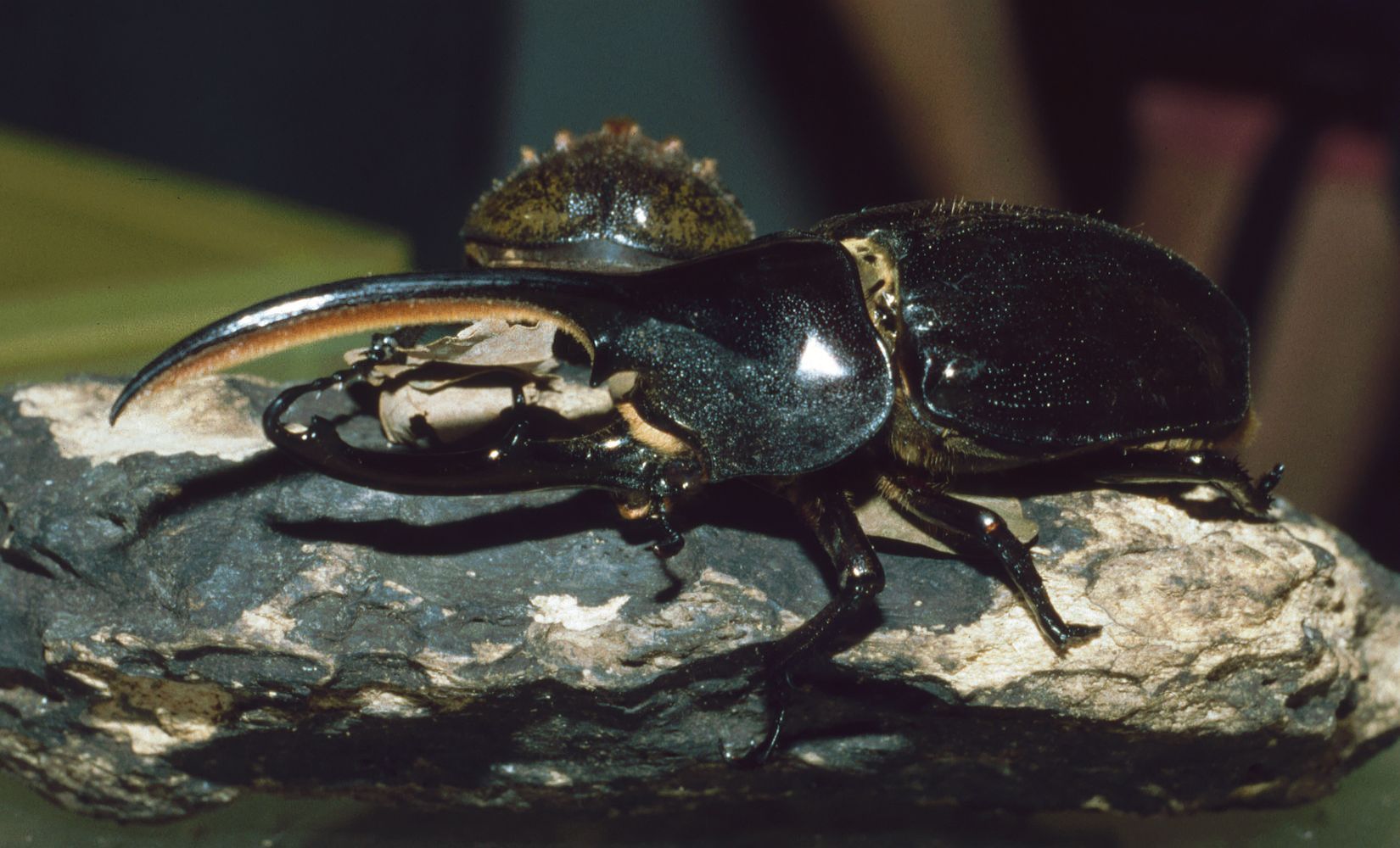 Photo Credit: Franz Xaver / Wikimedia Commons
In the heart of the lush rainforests of Central and South America, the Hercules beetle, or Dynastes hercules, reigns supreme as one of the largest and most striking insects on the planet. Picture a vibrant world where the air is thick with humidity, and the sounds of chirping cicadas fill the air. Amidst the towering trees and tangled vines, this remarkable beetle emerges, showcasing its impressive size that can reach up to 7 inches long. With its glossy black exoskeleton and distinctive horns that curl like a warrior’s helmet, the Hercules beetle is not just a sight to behold; it is a living testament to the wonders of evolution.
Scientists and nature enthusiasts alike are captivated by the Hercules beetle’s extraordinary strength and unique adaptations. These beetles are known for their ability to lift objects many times their own weight, making them true champions of the insect world. Their diet primarily consists of decaying wood and rotting fruit, which they help break down, playing a vital role in their ecosystem. As we delve deeper into the life of Dynastes hercules, we will explore its fascinating behaviors, mating rituals, and the critical role it plays in maintaining the delicate balance of its rainforest home. Join us on this adventure to uncover the secrets of the Hercules beetle and the vibrant world it inhabits.
The Hercules beetle, known scientifically as Dynastes hercules, holds a prominent place in the animal kingdom due to its impressive size and strength. This remarkable insect belongs to the phylum Arthropoda, which includes all invertebrates with jointed legs, such as spiders and crabs. Within this phylum, it is classified under the class Insecta, the largest group of animals on Earth. The Hercules beetle is particularly famous for its striking horns, which can grow longer than its body, making it one of the most visually stunning members of the Scarabaeidae family, commonly known as scarab beetles. These features not only make it a subject of fascination but also play a crucial role in its mating rituals and territorial battles.
| Taxonomic Rank | Scientific Name | Meaning & Significance |
|---|---|---|
| Kingdom | Animalia | This name signifies that the Hercules beetle is part of the animal kingdom, which includes all multicellular organisms that are not plants, fungi, or bacteria. |
| Phylum | Arthropoda | Derived from Greek, meaning “jointed feet,” this name highlights the beetle’s characteristic jointed legs and exoskeleton, a common feature among insects and their relatives. |
| Class | Insecta | This term comes from the Latin word for “cut,” referring to the segmented body structure of insects, which is a defining trait of this class. |
| Order | Coleoptera | Meaning “sheath-wing,” this name describes the hard outer wings that protect the delicate flying wings underneath, a unique feature of beetles. |
| Family | Scarabaeidae | This name comes from the Latin word for “scarab,” a type of beetle that was revered in ancient Egypt, symbolizing transformation and protection. |
| Genus | Dynastes | From the Greek word for “lord” or “ruler,” this name reflects the beetle’s impressive size and dominance in its habitat. |
| Species | Dynastes hercules | Named after the mythical hero Hercules, this species is recognized for its extraordinary strength and size, embodying the legendary attributes of its namesake. |
The classification of the Hercules beetle reveals much about its evolutionary journey. As a member of the Scarabaeidae family, it shares a lineage with other beetles that have adapted to various ecological niches over millions of years. Its impressive horns and size are not just for show; they are adaptations that have evolved to enhance its survival and reproductive success. By understanding its taxonomic position, we gain insight into the intricate web of life and the evolutionary processes that shape the diverse forms of life we see today. The Hercules beetle stands as a testament to nature’s creativity and the wonders of evolution.
The evolutionary journey of the Hercules beetle, scientifically known as Dynastes hercules, stretches back millions of years, tracing its roots to the ancient ancestors of modern beetles. These ancestors emerged during the late Permian period, around 250 million years ago, when the Earth was a very different place. Over time, as the planet underwent dramatic changes, beetles evolved into a diverse group, adapting to various environments and niches.
The Hercules beetle’s lineage is part of the Scarabaeidae family, which includes many other beetles. Early forms of these beetles were likely smaller and less specialized than their modern descendants. As they evolved, they developed unique traits that helped them thrive in their habitats. One major transition was the development of their impressive size, which not only makes them stand out but also aids in mating displays and competition for resources. Another significant change was the evolution of their strong horns, which are used by males to battle for dominance and attract females. These adaptations have been crucial in the survival and reproduction of the species.
These evolutionary adaptations have been essential for the Hercules beetle’s survival in the wild. Their size and strength allow them to compete effectively for mates, while their impressive horns serve as both weapons and displays of fitness. The vibrant colors and robust exoskeleton provide protection and help them navigate their lush environments. Together, these traits have enabled the Hercules beetle to flourish in the diverse ecosystems of Central and South America, showcasing the wonders of evolution in action.
The Hercules beetle is a true marvel of nature, captivating anyone who lays eyes on it. With its impressive size, this beetle can grow up to 7 inches long, making it one of the largest insects on the planet. Its body is robust and sturdy, showcasing a striking combination of colors that range from deep black to vibrant green and gold. The most eye-catching feature is the male’s long, curved horn that extends from its head, resembling a miniature battle helmet. This horn, along with its powerful exoskeleton, gives the Hercules beetle an imposing presence, making it a standout in the lush rainforests of Central and South America.
| Feature | Description |
|---|---|
| Size | Up to 7 inches long |
| Weight | 1.2 ounces for males, 0.57 ounces for females |
| Color | Deep black, vibrant green, and gold |
| Skin Type | Exoskeleton, providing protection and support |
| Horn | Long, curved, and used for fighting and mating displays |
The Hercules beetle’s impressive features are not just for show; they serve vital purposes in its survival. The exoskeleton acts as a protective armor, shielding it from predators and environmental hazards. The size and weight of the beetle, particularly in males, help establish dominance during mating rituals, where the horn plays a crucial role in battles with rivals. This combination of strength, color, and form not only makes the Hercules beetle a fascinating subject of study but also a remarkable example of how evolution shapes the physical traits of animals for survival in their habitats.
The Hercules beetle thrives in lush, vibrant rainforests, where the air is thick with humidity and the canopy is alive with the sounds of nature. These habitats are often found in both mountainous regions and lowland areas, creating a rich tapestry of life. Sunlight filters through the leaves, casting dappled shadows on the forest floor, where decaying wood and leaf litter provide the perfect environment for these magnificent beetles to thrive.
The climate in these regions is typically warm and humid, with temperatures often ranging from 70 to 90 degrees Fahrenheit. Rainfall is abundant, providing the moisture that supports the diverse plant life and decomposing materials that the Hercules beetle relies on for food and shelter. These conditions create a thriving ecosystem, where the beetle can find everything it needs to grow and reproduce.
Adapted to this specific environment, the Hercules beetle has developed several traits that help it survive. Its strong exoskeleton protects it from predators and harsh weather, while its impressive size allows it to navigate through dense foliage. The beetle’s ability to feed on decaying wood and plant matter means it plays a vital role in recycling nutrients back into the ecosystem. This remarkable adaptation not only ensures its survival but also contributes to the health of its rainforest home.
The daily life of a Hercules beetle is a blend of solitary exploration and occasional encounters with others of its kind. As the sun rises, these magnificent insects emerge from their hiding spots in the leaf litter of the rainforest floor. Their primary activities include foraging for food, which consists mainly of decaying wood and fruit. With their powerful mandibles, they can break down tough materials, allowing them to access the nutrients they need to thrive. Throughout the day, they may climb trees or navigate through dense foliage, always on the lookout for the next meal or a safe place to rest.
While Hercules beetles are primarily solitary, they do exhibit interesting social behaviors during certain times of the year, especially during mating season. Males often engage in displays of strength, using their impressive horns to compete for the attention of females. These contests can involve pushing and shoving, showcasing their physical prowess. When they do come together, it’s usually for reproduction, and after mating, the female will lay her eggs in decaying wood, providing a safe environment for the larvae to develop.
| Behavior Type | Description |
|---|---|
| Foraging | Hercules beetles search for decaying wood and fruit, using their strong mandibles to break down tough materials. |
| Solitary Living | Most of the time, these beetles prefer to live alone, exploring their environment without the need for social interaction. |
| Mating Displays | During mating season, males compete for females by showcasing their strength through physical contests. |
| Egg Laying | Females lay eggs in decaying wood, providing a nutrient-rich environment for the larvae once they hatch. |
The behaviors of Hercules beetles are finely tuned to ensure their survival in the wild. By foraging for food and choosing safe nesting sites for their young, they maximize their chances of thriving in the competitive rainforest ecosystem. Their solitary nature allows them to avoid unnecessary conflicts, while their impressive displays during mating season help ensure the continuation of their species. Each action they take is a vital part of their life cycle, contributing to the rich tapestry of life in their vibrant habitat.
The Hercules beetle primarily follows a herbivorous diet, meaning it feeds on plant material. These impressive insects are particularly fond of decaying wood and rotting fruit, which provide them with essential nutrients. As they munch on this organic matter, they play a vital role in their ecosystem by helping to break down and recycle nutrients back into the soil. This feeding behavior not only sustains the beetle but also supports the health of the forest floor.
| Dietary Aspect | Details |
|---|---|
| Diet Type | Herbivore |
| Favorite Foods | Decaying wood, rotting fruit |
| Prey Items | N/A (not a predator) |
| Hunting/Foraging Strategies | Forages on the forest floor, using strong mandibles to break down food |
The diet of the Hercules beetle significantly influences its role in the ecosystem. By consuming decaying plant matter, these beetles help decompose organic materials, enriching the soil and promoting new plant growth. Their daily routine revolves around foraging for food, which not only sustains them but also contributes to the overall health of their rainforest habitat. In this way, the Hercules beetle is not just a fascinating insect; it is a crucial player in the intricate web of life that thrives in its lush environment.
When it comes to the mating rituals of the Hercules beetle, the process is as grand as the beetle itself. During the breeding season, which typically occurs in the warm, humid months, males engage in a spectacular display of strength and size to attract females. They often engage in battles with other males, using their impressive horns to push and shove each other. The victor earns the right to mate with a female, who is usually nearby, waiting to choose her partner. This competitive behavior ensures that only the strongest genes are passed on to the next generation.
| Reproductive Aspect | Details |
|---|---|
| Gestation Period | 30 days |
| Average Litter Size | 100 |
| Age of Sexual Maturity | 15 to 22 months |
| Name of Young | Larva or grub |
After mating, the female lays her eggs in decaying wood or soil, providing a nutritious environment for the young. Once the eggs hatch, the larvae, often referred to as grubs, begin their life cycle. These grubs are voracious eaters, consuming organic matter to grow and develop. Interestingly, the Hercules beetle does not provide direct parental care after laying the eggs, but the choice of laying them in rich, decomposing material ensures that the young have everything they need to thrive. Over the course of 15 to 22 months, the grubs will mature into adult beetles, ready to embark on their own adventures in the lush rainforests they call home.
The Hercules beetle, a giant among insects, plays a vital role in its ecosystem. As a herbivore, it helps break down decaying plant material, contributing to nutrient cycling in the rainforest. However, this impressive beetle is not at the top of the food chain. It faces various predators and threats that can impact its survival.
To defend itself against these dangers, the Hercules beetle has developed several survival strategies. Its large size and formidable horns can intimidate potential predators, making them think twice before attacking. Additionally, when threatened, it can play dead, a tactic that may confuse or deter predators. By blending into its environment and using these clever defenses, the Hercules beetle continues to thrive in its lush rainforest home, despite the challenges it faces.
A keystone species is an organism that has a disproportionately large impact on its environment relative to its abundance. These species play critical roles in maintaining the structure of an ecological community. The Hercules beetle, known scientifically as Dynastes hercules, does not fit the traditional definition of a keystone species, but it certainly contributes significantly to its rainforest habitat.
The Hercules beetle primarily feeds on decaying wood and rotting fruit, which makes it an important player in the process of decomposition. By breaking down this organic material, it helps recycle nutrients back into the soil, promoting plant growth. This nutrient cycling is essential in rainforests, where the rich biodiversity relies on healthy soil to thrive. Additionally, the beetle serves as a food source for various predators, including birds and mammals, thus supporting the food web.
Moreover, the Hercules beetle’s presence can influence the population dynamics of other species. For instance, by feeding on decaying plant matter, it can help control the growth of fungi and bacteria that might otherwise dominate the ecosystem. This balance is crucial for maintaining the health of the rainforest, where every organism plays a role in the intricate web of life.
If the Hercules beetle were to disappear, the effects could ripple through its ecosystem. Without this beetle, the decomposition of organic matter would slow down, leading to nutrient depletion in the soil. This could hinder plant growth, affecting the entire food web that relies on those plants. Additionally, the loss of a food source for predators could lead to declines in their populations, further destabilizing the ecosystem. In essence, while the Hercules beetle may not be a classic keystone species, its role in the rainforest is vital for maintaining the health and balance of its environment.
The Hercules beetle, known scientifically as Dynastes hercules, occupies a vital ecological niche in the rainforests of both mountainous and lowland regions. As a herbivore, it primarily feeds on decaying wood and rotting fruit, playing a crucial role in breaking down organic matter. This process not only helps recycle nutrients back into the soil but also supports the growth of new plants, making the Hercules beetle an essential player in its ecosystem.
| Ecosystem Service | Impact |
|---|---|
| Nutrient Cycling | Breaks down decaying plant material, enriching the soil. |
| Habitat Creation | Creates spaces for other organisms by decomposing wood. |
| Food Source | Serves as prey for various predators, supporting the food web. |
| Pollination | May assist in pollinating certain plants while feeding. |
The influence of the Hercules beetle extends beyond its immediate feeding habits. By decomposing wood and fruit, it helps maintain the health of the forest floor, allowing other plants to thrive. This activity not only enriches the soil but also creates habitats for smaller organisms, such as fungi and bacteria, which are essential for a balanced ecosystem. Additionally, the Hercules beetle itself becomes a food source for various predators, including birds and reptiles, thus supporting the intricate web of life in the rainforest.
The broader ecological importance of the Hercules beetle cannot be overstated. As a keystone species, it plays a critical role in maintaining the structure and health of its environment. By facilitating nutrient cycling and supporting biodiversity, the Hercules beetle helps ensure that the rainforest remains a vibrant and thriving ecosystem. Its presence is a reminder of how interconnected all life forms are, and how even the smallest creatures can have a significant impact on the world around us.
In the intricate web of life, symbiosis plays a crucial role in shaping the relationships between different species. Symbiosis refers to the close interactions between organisms, which can be beneficial, harmful, or neutral. These relationships can take many forms, such as mutualism, where both species gain advantages, parasitism, where one benefits at the expense of the other, and commensalism, where one species benefits while the other is neither helped nor harmed. The Hercules beetle, known for its impressive size and strength, engages in various ecological partnerships that highlight the complexity of nature.
| Species/Type | Relationship Type | Description |
|---|---|---|
| Fungi | Mutualistic | The Hercules beetle feeds on decaying wood, which is often rich in fungi. The fungi break down the wood, making it easier for the beetle to digest, while the beetle helps spread the fungal spores through its movement. |
| Ants | Commensal | Some species of ants may protect the larvae of Hercules beetles from predators. In return, the beetles do not harm the ants, allowing them to coexist without direct benefits to either party. |
| Parasitic Wasps | Parasitic | Parasitic wasps may lay their eggs inside the larvae of Hercules beetles. The wasp larvae consume the beetle larvae, which can be detrimental to the beetle population. |
These relationships have evolved over time, shaped by the needs and behaviors of the species involved. Mutualistic partnerships, like that with fungi, enhance the survival of both the beetle and the fungi, creating a thriving ecosystem. Commensal relationships with ants provide protection for the beetle’s young, while parasitic interactions, though harmful, are a natural part of the cycle of life. Understanding these connections helps us appreciate the delicate balance of ecosystems and the roles that each species plays in maintaining it. The Hercules beetle, with its fascinating partnerships, is a testament to the wonders of nature’s interconnectedness.
The Hercules beetle is not just a giant among insects; it’s a true marvel of nature with some surprising traits that will leave you in awe. Let’s dive into some intriguing facts about this incredible beetle that will captivate both young explorers and seasoned nature enthusiasts alike.
The Hercules beetle, known scientifically as Dynastes hercules, has long captured the imagination of humans across cultures. In ancient civilizations, these impressive insects were often seen as symbols of strength and resilience. The indigenous peoples of South America, where the beetle is commonly found, revered it for its size and power, sometimes incorporating its image into art and mythology. Historical encounters with the Hercules beetle have led to a rich tapestry of stories and beliefs, showcasing how this remarkable insect has woven itself into the cultural fabric of humanity.
Today, our interactions with the Hercules beetle are multifaceted, ranging from conservation efforts to occasional conflicts. As rainforests face threats from deforestation and climate change, conservationists are working hard to protect the habitats of these beetles, recognizing their role in the ecosystem as decomposers. However, in some regions, the beetles are also collected for the exotic pet trade, which raises concerns about their populations. Interestingly, some people have even attempted to domesticate them, keeping them as pets due to their striking appearance and fascinating behaviors. This blend of admiration and exploitation highlights the complex relationship we share with these incredible insects.
As we look to the future, the relationship between humans and Hercules beetles will likely continue to evolve. With growing awareness of environmental issues, there is hope that more people will appreciate the ecological significance of these beetles and advocate for their protection. By fostering a deeper understanding of their role in nature, we can ensure that future generations will not only admire the Hercules beetle’s grandeur but also work to preserve the delicate ecosystems they inhabit. Together, we can create a world where both humans and Hercules beetles thrive in harmony.
The Hercules beetle, known scientifically as Dynastes hercules, currently holds a conservation status of Near Threatened. This means that while it is not yet in immediate danger of extinction, its populations are declining in certain areas. The exact number of Hercules beetles is difficult to determine, as they are not extensively studied, but their habitats are increasingly threatened by human activities.
| Conservation Factor | Status/Details |
|---|---|
| IUCN Status | Near Threatened |
| Population Estimates | Unknown |
| Trend Direction | Declining in some areas |
The main threats to the Hercules beetle stem from habitat loss and degradation. As rainforests are cleared for agriculture, logging, and urban development, these magnificent insects lose their homes. Additionally, pollution and climate change can further disrupt their delicate ecosystems. The loss of decaying wood and rotting fruit, which are essential for their diet, poses a significant challenge to their survival.
Conservation efforts are underway to protect the habitats of the Hercules beetle and other rainforest species. Organizations are working to promote sustainable land use practices and raise awareness about the importance of these ecosystems. By preserving their natural environments, we can help ensure that the Hercules beetle continues to thrive. The outlook for this species depends on our collective actions to safeguard the rich biodiversity of our planet’s rainforests.
| Question | Answer |
|---|---|
| Where do Hercules Beetles live? | Hercules Beetles are found in the rainforests of Central and South America. They thrive in both mountainous and lowland areas, where the warm, humid environment provides plenty of food and shelter. |
| What do Hercules Beetles eat? | These beetles are herbivores, meaning they primarily eat plant material. Their diet consists of decaying wood, fruits, and leaves, which provide the nutrients they need to grow and thrive. |
| How do Hercules Beetles behave? | Hercules Beetles are known for their impressive strength and size, with some males capable of lifting objects up to 850 times their own weight! They are also quite territorial, especially during mating season, and will use their large horns to fend off rivals. |
| How do Hercules Beetles reproduce? | During mating, male Hercules Beetles use their horns to compete for females. After mating, the female lays her eggs in decaying wood, which provides a safe environment for the larvae to develop and feed. |
| What threats do Hercules Beetles face? | Hercules Beetles are currently classified as Near Threatened due to habitat loss from deforestation and climate change. As their rainforest homes disappear, their populations are declining, making conservation efforts crucial. |
| What are some interesting characteristics of Hercules Beetles? | One of the most fascinating features of Hercules Beetles is their size; they can grow up to 7 inches long! Additionally, males have impressive horns that can be used for fighting and attracting mates, making them one of the most striking insects in the world. |
| How long do Hercules Beetles live? | Hercules Beetles typically live for about 3 to 6 months as adults. However, their life cycle begins as eggs, which hatch into larvae that can take several months to a year to mature before they become adults. |