Taxonomy & Classification
- Kingdom
- Animalia
- Phylum
- Arthropoda
- Class
- Malacostraca
- Order
- Decapoda
- Family
- Paguroidea
- Genus
- Pagurus

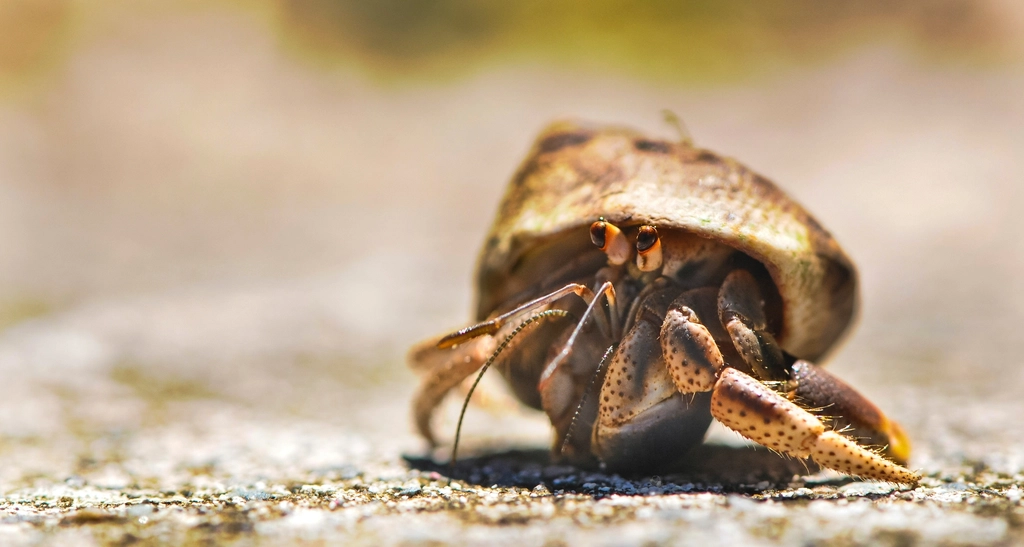 Photo Credit: Rawpixel
Meet the hermit crab, or Coenobita, a charming little crustacean that has captured the hearts of beachgoers and scientists alike. Picture a sunlit shore where the gentle waves kiss the sand, and there, among the tide pools, these curious creatures scuttle about, each one carrying a unique shell that serves as both home and armor. With their soft bodies tucked safely inside these borrowed shells, hermit crabs create a striking image of vulnerability and resourcefulness. Their ability to adapt and thrive in coastal environments makes them a fascinating subject of study for those who seek to understand the delicate balance of marine ecosystems.
As the sun sets and the tide begins to rise, hermit crabs emerge from their sandy hideaways, embarking on nightly adventures in search of food and companionship. These little scavengers are omnivores, meaning they enjoy a varied diet that includes both plant and animal matter, showcasing their role as recyclers in their habitat. Scientists are particularly intrigued by their social behaviors and the way they interact with one another, often engaging in a lively game of shell swapping. This unique characteristic not only highlights their adaptability but also emphasizes their importance in maintaining the health of coastal ecosystems. Join us as we dive deeper into the world of hermit crabs, exploring their remarkable lives, behaviors, and the vital roles they play in our oceans.
Hermit crabs are intriguing members of the animal kingdom, nestled within the vast and diverse tree of life. They belong to the phylum Arthropoda, which includes all animals with jointed legs and exoskeletons, like insects and spiders. What sets hermit crabs apart is their unique lifestyle; unlike many crabs that have hard shells, hermit crabs use empty shells from other sea creatures, such as snails, to protect their soft abdomens. This behavior not only showcases their resourcefulness but also highlights their role in the ecosystem, as they help recycle shells and provide homes for other marine life.
| Taxonomic Rank | Scientific Name | Meaning & Significance |
|---|---|---|
| Kingdom | Animalia | The name “Animalia” comes from the Latin word “animalis,” meaning “having breath” or “living.” This classification includes all multicellular organisms that are capable of movement and responsive to their environment. |
| Phylum | Arthropoda | “Arthropoda” means “jointed feet” in Greek, referring to the jointed limbs that characterize this group, which includes insects, arachnids, and crustaceans like hermit crabs. |
| Class | Malacostraca | The term “Malacostraca” is derived from Greek, meaning “soft shell.” This class includes crabs, lobsters, and shrimp, all of which have a hard exoskeleton but are classified based on their soft-bodied features. |
| Order | Decapoda | “Decapoda” translates to “ten-footed” in Greek, highlighting the ten limbs that most members of this order possess, including the pincers and walking legs of hermit crabs. |
| Family | Paguroidea | The name “Paguroidea” comes from the Greek word “paguros,” meaning “hermit.” This family includes all hermit crabs, emphasizing their unique behavior of living in borrowed shells. |
| Genus | Pagurus | Similar to the family name, “Pagurus” also means “hermit” in Greek, reinforcing the idea that these crabs are known for their shell-dwelling habits. |
The classification of hermit crabs reveals a fascinating evolutionary history that connects them to a wide array of other arthropods. Their unique adaptations, such as their reliance on external shells for protection, illustrate how they have evolved to thrive in their environments. By understanding their taxonomic position, we gain insight into the complex relationships within the animal kingdom and the diverse strategies life has developed to survive and flourish in various habitats.
The evolutionary journey of hermit crabs stretches back over 200 million years, placing them in the midst of a rich tapestry of life on Earth. These fascinating animals belong to the family Paguroidea and the genus Pagurus, showcasing a lineage that has adapted and thrived through various environmental changes. As they evolved, hermit crabs developed unique traits that allowed them to occupy a niche that few other creatures could fill.
The ancestors of modern hermit crabs were likely similar to other crustaceans, with hard exoskeletons and a lifestyle that revolved around the ocean floor. Over time, as they faced competition and predation, these early crabs began to seek refuge in empty shells, a significant shift that marked their evolutionary transition. This behavior not only provided protection but also allowed them to exploit new habitats. As they adapted to their shell-dwelling lifestyle, hermit crabs developed specialized appendages to help them carry and manipulate their chosen shells, leading to a remarkable evolutionary success story.
These adaptations have been crucial for hermit crabs, enabling them to navigate the challenges of their environments. By utilizing shells for protection, forming social bonds, and regenerating lost limbs, they have carved out a successful niche in the marine ecosystem. Their ability to adapt their diet and blend into their surroundings further enhances their survival, showcasing the incredible resilience of life in the face of change. As we explore the world of hermit crabs, we uncover not just their story, but a testament to the power of evolution itself.
Hermit crabs are captivating little animals that seem to carry their homes on their backs. With a soft, vulnerable body tucked inside a hard shell, they present a striking contrast between strength and fragility. Their bodies are segmented, with a soft abdomen that curls into the shell for protection. This unique adaptation allows them to thrive in various environments, from sandy beaches to rocky shorelines. Their small size, typically weighing between 200 to 500 grams, makes them agile and quick, perfect for darting into their shells at the first sign of danger.
| Feature | Description |
|---|---|
| Weight | 200-500g (7-18oz) |
| Skin Type | Shell |
The combination of a lightweight body and a sturdy shell serves a vital purpose in the hermit crab’s survival. The shell not only provides a safe haven from predators but also helps retain moisture, which is crucial for their well-being. As they grow, hermit crabs must find larger shells to accommodate their expanding bodies, showcasing their resourcefulness. This constant search for new homes adds an adventurous twist to their lives, making them not just survivors but also explorers of their coastal habitats.
Hermit crabs thrive in coastal waters, where the land meets the sea in a beautiful dance of waves and sand. Picture a sun-drenched beach, with gentle surf lapping at the shore and tide pools glistening under the sun. These lively little crustaceans can often be spotted scuttling across the sand or nestled among rocks and coral, always on the lookout for their next shell to call home. Their habitats are rich with life, providing plenty of food and shelter, making them a common sight in these vibrant ecosystems.
Hermit crabs prefer warm, tropical climates, where the water temperature is just right for their survival. They thrive in environments that are not only warm but also humid, as they need moisture to keep their gills functioning properly. These gills, which help them breathe underwater, can dry out quickly in arid conditions. The sandy and rocky shores provide the perfect mix of shelter and food sources, such as algae and detritus, which are essential for their diet.
To adapt to their coastal homes, hermit crabs have developed some clever strategies. Their ability to switch shells allows them to find a new home as they grow, ensuring they always have a protective covering. This behavior also helps them avoid predators and harsh environmental conditions. Additionally, their social nature means they often gather in groups, which can provide safety in numbers. By being resourceful and flexible, hermit crabs have carved out a niche in the bustling world of coastal ecosystems, showcasing their resilience and adaptability.
As the sun rises over the sandy shores, hermit crabs begin their daily activities, scuttling about in search of food and adventure. These little crustaceans are primarily nocturnal, meaning they are most active at night. During the day, they often retreat into their shells, which serve as both protection and a cozy home. When the sun sets, they emerge to forage for a variety of tasty treats, including algae, detritus, and even the occasional fruit. Their keen sense of smell helps them locate food, and they use their pincers to dig and explore their surroundings.
Hermit crabs are social animals that thrive in groups, often forming colonies. Within these communities, they engage in fascinating interactions, such as shell exchanges and grooming rituals. When a hermit crab finds a shell that suits it better, it may signal to others in the group, leading to a chain reaction of shell swapping. This behavior not only helps them find better homes but also strengthens social bonds within the colony. Communication is key; they use body language and chemical signals to convey their intentions and feelings to one another.
| Behavior Type | Description |
|---|---|
| Foraging | Hermit crabs search for food at night, using their sense of smell to locate algae and detritus. |
| Shell Exchange | When a hermit crab finds a better shell, it may signal others, leading to a series of swaps within the group. |
| Grooming | Crabs groom each other to maintain hygiene and strengthen social bonds. |
| Communication | They use body language and chemical signals to express needs and intentions to fellow crabs. |
These behaviors are not just interesting; they are vital for survival. By foraging in groups, hermit crabs can find food more efficiently and protect each other from predators. The social structure they create allows them to thrive in their coastal habitats, ensuring that they can adapt to changes in their environment. Through cooperation and communication, hermit crabs demonstrate the importance of community in the animal kingdom, showcasing how even the smallest creatures can work together to navigate the challenges of life.
Hermit crabs are omnivores, which means they enjoy a varied diet that includes both plant and animal matter. These resourceful little scavengers are always on the lookout for their next meal, often foraging along the sandy shores and in tide pools. Their feeding behavior is quite fascinating; they use their pincers to dig through the sand and sift through debris, searching for tasty morsels. This adaptability allows them to thrive in their coastal habitats, where food sources can change with the tides.
| Dietary Aspect | Details |
|---|---|
| Diet Type | Omnivore |
| Favorite Foods | Fish, worms, and plankton |
| Prey Items | Small fish and various marine invertebrates |
| Hunting/Foraging Strategies | Scavenging and sifting through sand and debris |
The diet of hermit crabs plays a crucial role in their ecology and daily routine. By consuming a mix of plant and animal materials, they help recycle nutrients back into their environment, supporting the health of coastal ecosystems. Their scavenging habits also mean they are constantly on the move, which keeps them active and engaged in their surroundings. This not only aids their survival but also contributes to the vibrant life found along the shores they inhabit.
When it comes to reproduction, hermit crabs have some interesting behaviors that make their mating rituals quite special. During the breeding season, which typically occurs in warmer months, males will engage in a series of courtship displays to attract females. This can include waving their claws and performing little dances. Once a female is ready to mate, she will often choose a male based on his display. After mating, the female will carry the fertilized eggs until they are ready to hatch, which is a crucial part of their life cycle.
| Reproductive Aspect | Details |
|---|---|
| Gestation Period | About 2 to 3 weeks |
| Litter Size | Average of 200 eggs |
| Age of Maturity | 6 months to 1 year |
| Name of Young | Zoea |
After the eggs hatch, the young hermit crabs, known as zoea, enter a fascinating phase of development. These tiny larvae are planktonic, meaning they drift in the ocean currents, feeding on microscopic organisms. This stage can last several weeks, during which they undergo multiple molts, gradually transforming into juvenile hermit crabs. Once they are ready, they will settle on the ocean floor and begin their search for a suitable shell to call home. While hermit crabs do not provide direct parental care, the early stages of their life are filled with adventure and discovery, setting the stage for their growth into the charming little scavengers we see on the beach.
Hermit crabs play a vital role in their coastal ecosystems, serving as both scavengers and prey. Positioned in the food web, they help recycle nutrients by consuming decaying organic matter, which in turn supports the health of their habitats. However, their soft bodies and reliance on shells for protection make them vulnerable to a variety of threats.
To survive these dangers, hermit crabs have developed clever defensive behaviors. When threatened, they can quickly retreat into their shells, using their strong pincers to hold on tightly. Some species even change shells when they feel unsafe, seeking out a more secure home. Additionally, their ability to blend into their surroundings helps them avoid detection by predators. These strategies showcase the resilience of hermit crabs as they navigate the challenges of their coastal world.
A keystone species is an organism that has a disproportionately large impact on its environment relative to its abundance. This means that if a keystone species were to disappear, the entire ecosystem could change dramatically. Hermit crabs, while not the largest or most glamorous animals in coastal waters, do play a significant role in their ecosystems, making them worthy of consideration as a keystone species.
Hermit crabs are essential scavengers in their habitats, feeding on decaying organic matter. By consuming dead plants and animals, they help recycle nutrients back into the ecosystem, promoting healthy soil and water quality. This process supports the growth of various marine plants, which in turn provide food and shelter for other creatures. Additionally, hermit crabs are a food source for many predators, including birds, fish, and even some mammals. Their presence helps maintain the balance of the food web, ensuring that these predators have a reliable source of nutrition.
Moreover, hermit crabs contribute to the physical environment by aerating the sand as they burrow and scuttle about. This activity helps improve water drainage and oxygen levels in the substrate, benefiting other organisms that live in or on the sand. Their unique behavior of switching shells also creates opportunities for other small animals to inhabit the discarded shells, further enhancing biodiversity in their coastal ecosystems.
If hermit crabs were to vanish from their coastal environments, the consequences could be severe. Without these scavengers, the decomposition of organic matter would slow down, leading to nutrient depletion in the ecosystem. This could result in fewer plants and a decline in the overall health of the marine environment. Additionally, predators that rely on hermit crabs for food would struggle to find alternative sources, potentially leading to a ripple effect that disrupts the entire food web. The loss of hermit crabs would not only affect their immediate surroundings but could also lead to broader ecological imbalances, highlighting their importance in maintaining the health of coastal ecosystems.
Hermit crabs occupy a fascinating ecological niche in coastal waters, where they play a vital role in maintaining the health of their environment. These small crustaceans are not just scavengers; they are essential contributors to the ecosystem. By foraging for food and recycling nutrients, hermit crabs help keep their habitats clean and balanced. Their unique lifestyle, which involves living in borrowed shells, also influences the dynamics of the communities they inhabit.
| Ecosystem Service | Impact |
|---|---|
| Nutrient Recycling | By consuming decaying organic matter, hermit crabs help break down waste, returning nutrients to the soil and water. |
| Habitat Modification | As they burrow and scavenge, hermit crabs aerate the sand, promoting healthy plant growth and improving water drainage. |
| Food Source | They serve as an important food source for various predators, including birds and fish, supporting the food web. |
| Shell Recycling | By using and discarding shells, hermit crabs create opportunities for other animals to find homes, enhancing biodiversity. |
Hermit crabs influence their ecosystems in several specific ways. For instance, when they scavenge for food, they consume leftover plant material and dead animals, which helps decompose organic matter. This process not only cleans up the environment but also enriches the soil, making it more fertile for plants. Additionally, as hermit crabs move through the sand, they create small burrows that allow air and water to penetrate deeper into the substrate. This aeration is crucial for the health of coastal vegetation, which relies on well-oxygenated soil to thrive.
The broader ecological importance of hermit crabs cannot be overstated. As keystone species, their presence supports a diverse array of life in coastal ecosystems. If hermit crabs were to disappear, the balance of their habitats would be disrupted, leading to a decline in plant growth and a ripple effect throughout the food web. By understanding the role of hermit crabs, we can appreciate the intricate connections that sustain life in our oceans and shorelines, reminding us of the delicate balance that exists in nature.
Symbiosis is a captivating concept in nature, where different species interact in ways that can benefit one or both parties. These ecological relationships can take many forms, including mutualism, where both species gain advantages, parasitism, where one benefits at the other’s expense, and commensalism, where one species benefits while the other is neither helped nor harmed. Hermit crabs, with their unique lifestyles, engage in various partnerships that showcase the beauty and complexity of these interactions.
| Species/Type | Relationship Type | Description |
|---|---|---|
| Sea Anemones | Mutualistic | Hermit crabs often carry sea anemones on their shells. The anemones gain mobility and access to food, while the crabs benefit from the anemones’ stinging tentacles, which help deter predators. |
| Algae | Commensal | Some hermit crabs host algae on their shells. The algae get a place to grow, while the crabs are not affected. However, the algae can provide some camouflage, helping the crabs avoid predators. |
| Worms | Parasitic | Certain types of parasitic worms can inhabit hermit crabs, feeding on their tissues. This relationship can weaken the crab and make it more vulnerable to predators. |
These relationships have evolved over time, shaped by the needs and survival strategies of the species involved. Mutualistic partnerships, like those with sea anemones, highlight how cooperation can enhance survival for both parties. Meanwhile, commensal relationships with algae show how some species can thrive without directly impacting their hosts. On the other hand, parasitic relationships remind us that not all interactions are beneficial. Understanding these connections helps us appreciate the intricate web of life in coastal ecosystems, where every species plays a role in maintaining balance and health.
Hermit crabs are more than just quirky little creatures that carry their homes on their backs; they are full of surprises that reveal the wonders of nature. Here are some intriguing facts that showcase their unique adaptations and behaviors.
Throughout history, hermit crabs have captured the imagination of people around the world. These small, intriguing animals have been featured in folklore and art, often symbolizing adaptability and resourcefulness. In many coastal cultures, hermit crabs are seen as a connection to the sea, embodying the spirit of the ocean’s mysteries. Children have long been fascinated by their unique habit of using discarded shells as homes, leading to countless beachcombing adventures. This relationship has fostered a sense of wonder and curiosity about marine life, encouraging people to explore and appreciate the natural world.
In modern times, our interactions with hermit crabs have evolved significantly. While many people still enjoy keeping hermit crabs as pets, there are growing concerns about their welfare and conservation. Overharvesting from the wild for the pet trade can threaten local populations, leading to calls for responsible sourcing and habitat protection. Additionally, hermit crabs face challenges from pollution and habitat loss, which can disrupt their delicate ecosystems. As awareness of these issues grows, conservation efforts are being implemented to ensure that hermit crabs can thrive in their natural environments while still being enjoyed by humans.
As we look to the future, the relationship between hermit crabs and humanity holds both promise and responsibility. By fostering a deeper understanding of these remarkable creatures, we can ensure that they continue to thrive in their natural habitats. Encouraging sustainable practices and promoting awareness about their ecological importance will help protect hermit crabs for generations to come. Together, we can celebrate the wonders of the natural world while safeguarding the delicate balance of life in our oceans.
The conservation status of hermit crabs is currently classified as Near Threatened. This means that while they are not yet endangered, their populations are facing pressures that could lead to a decline if not addressed. The exact population estimates can be tricky to pin down due to their wide distribution and varying habitats, but trends suggest that some species are experiencing a decrease in numbers, particularly in areas heavily impacted by human activity.
| Conservation Factor | Status/Details |
|---|---|
| IUCN Status | Near Threatened |
| Population Estimates | Varies by species; some populations declining |
| Trend Direction | Decreasing in certain regions |
One of the main threats to hermit crabs comes from habitat destruction, particularly in coastal areas where development and pollution are rampant. As beaches are altered for tourism or urban expansion, the natural environments that hermit crabs rely on for food and shelter are compromised. Additionally, the collection of hermit crabs for the pet trade can significantly impact local populations, as many are taken from their natural habitats without consideration for their survival.
Conservation efforts are underway to help protect hermit crabs and their habitats. Organizations are working to raise awareness about the importance of these creatures in coastal ecosystems and advocating for sustainable practices that minimize human impact. By promoting responsible pet ownership and habitat preservation, there is hope that hermit crab populations can stabilize and thrive in the wild. With continued efforts, we can ensure that these fascinating little crustaceans remain a vibrant part of our coastal environments for generations to come.
| Question | Answer |
|---|---|
| Where do hermit crabs live? | Hermit crabs are commonly found in coastal waters, especially in sandy or rocky areas. They often make their homes in tide pools and can be seen scuttling along the beach during low tide. |
| What do hermit crabs eat? | Hermit crabs are omnivores, which means they eat both plants and animals. Their diet includes algae, dead fish, and even fruits, making them important recyclers in their ecosystem. |
| How do hermit crabs behave? | Hermit crabs are social creatures that often live in groups. They communicate with each other through body language and sounds, and they can be quite curious, exploring their surroundings and interacting with other crabs. |
| How do hermit crabs reproduce? | Hermit crabs reproduce by laying eggs in the ocean, where the larvae hatch and drift in the water. After several weeks, the young crabs settle on the ocean floor and begin their journey to find a shell. |
| What threats do hermit crabs face? | Hermit crabs are considered near threatened due to habitat loss and pollution. They are also at risk from over-collection for the pet trade and competition with invasive species. |
| What is an interesting fact about hermit crabs? | One fascinating characteristic of hermit crabs is their ability to change shells. As they grow, they search for larger shells to move into, which helps protect their soft bodies from predators. |
| Can hermit crabs live on land? | Yes, some species of hermit crabs can live on land, but they still need access to moisture. They often burrow into the sand to keep their gills moist, which is essential for breathing. |