Taxonomy & Classification
- Kingdom
- Animalia
- Phylum
- Arthropoda
- Class
- Malacostraca
- Order
- Xiphosurida
- Family
- Limulidae
- Genus
- Limulus

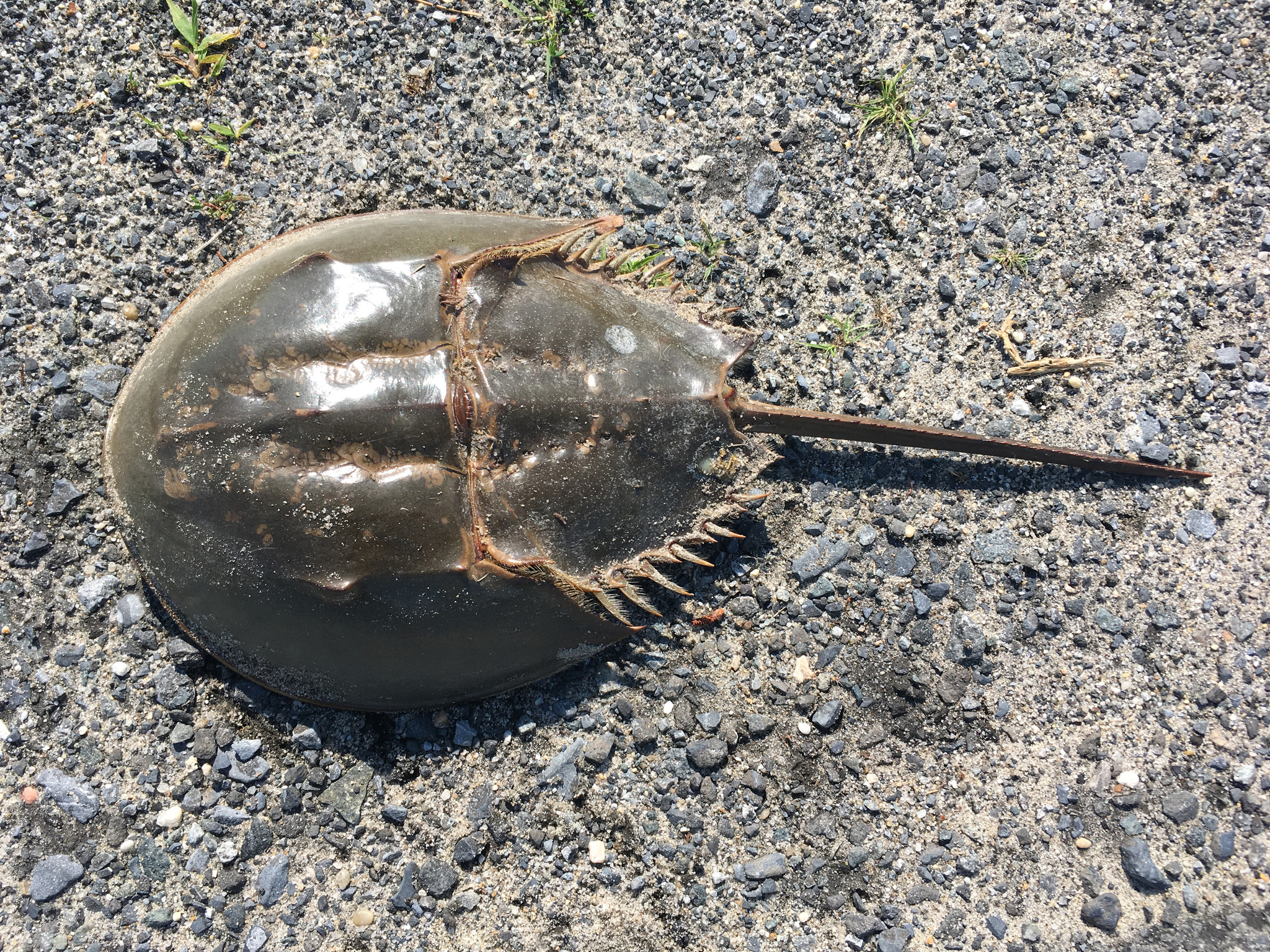 Photo Credit: Kaldari / Wikimedia Commons
In the shallow, sun-dappled waters along the Atlantic coast, the horseshoe crab, scientifically known as Limulus polyphemus, glides gracefully across the sandy seabed. With its distinctive horseshoe-shaped shell and long, spiky tail, this ancient marine animal looks like something straight out of a prehistoric world. Its hard exoskeleton, a protective armor that has evolved over millions of years, glimmers in the sunlight, revealing a fascinating blend of colors that can range from olive green to brown. As it scuttles along, it leaves behind a trail of tiny bubbles, a reminder of its presence in this vibrant ecosystem.
What makes the horseshoe crab particularly intriguing to scientists and nature lovers alike is not just its striking appearance, but its remarkable history. These creatures have been roaming the Earth for over 450 million years, surviving mass extinctions and adapting to changing environments. They play a crucial role in coastal ecosystems, serving as both predator and prey, and their unique blood contains a substance that is vital for medical research. This blood helps detect harmful bacteria, making horseshoe crabs unsung heroes in the world of medicine. As we dive deeper into the life of the horseshoe crab, we uncover the secrets of its behavior, diet, and the vital role it plays in our oceans, inviting us to appreciate the wonders of nature that have stood the test of time.
The horseshoe crab is a captivating member of the animal kingdom, sitting at a unique crossroads in the tree of life. Belonging to the phylum Arthropoda, which includes insects and crustaceans, this ancient marine animal has been around for more than 450 million years, making it a living fossil. Its distinctive hard shell and long, spiky tail give it a prehistoric appearance, but it is not a true crab. Instead, it is more closely related to spiders and scorpions, showcasing the incredible diversity of life forms that have evolved over millions of years.
| Taxonomic Rank | Scientific Name | Meaning & Significance |
|---|---|---|
| Kingdom | Animalia | This name means “animals” in Latin, highlighting that horseshoe crabs are multicellular organisms that consume organic material and are capable of movement. |
| Phylum | Arthropoda | Derived from Greek, meaning “jointed legs,” this classification emphasizes the horseshoe crab’s segmented body and jointed appendages, which are key features of this group. |
| Class | Malacostraca | This term comes from Greek, meaning “soft shell,” referring to the flexible exoskeleton that protects the horseshoe crab while allowing for growth and movement. |
| Order | Xiphosurida | From Greek, meaning “sword tail,” this name describes the horseshoe crab’s long, pointed tail spine, which resembles a sword and plays a role in its swimming and defense. |
| Family | Limulidae | This name is derived from the Latin word “limulus,” meaning “little edge,” which refers to the horseshoe crab’s curved, shell-like body that resembles a horseshoe. |
| Genus | Limulus | Also from Latin, meaning “little edge,” this name highlights the horseshoe crab’s distinctive shape and its evolutionary adaptations for life in shallow marine environments. |
The classification of the horseshoe crab reveals a fascinating evolutionary history that connects it to both ancient and modern species. Its position within the arthropods shows how life has adapted over time, with features that have allowed it to thrive in various environments. As a living fossil, the horseshoe crab not only provides insight into the past but also serves as a reminder of the intricate web of life that continues to evolve around us. Its unique lineage highlights the importance of preserving such ancient species, as they hold keys to understanding the history of life on Earth.
The evolutionary journey of the horseshoe crab stretches back over 450 million years, making it one of the oldest living species on Earth. These ancient marine animals have witnessed dramatic changes in the planet’s ecosystems, surviving five mass extinctions and adapting to a variety of environmental shifts. Their lineage is a testament to resilience, showcasing how life can endure through time.
Horseshoe crabs belong to a group called Chelicerata, which also includes spiders and scorpions. Their ancestors were among the first arthropods to venture into the oceans, evolving from primitive creatures that roamed the sea floor. Over millions of years, horseshoe crabs developed a hard exoskeleton, a protective outer shell that shields them from predators and environmental hazards. This adaptation was crucial as it allowed them to thrive in diverse habitats, from shallow coastal waters to deeper oceanic environments.
The horseshoe crab’s body plan has remained remarkably consistent, with only minor changes over eons. Their unique, flattened shape and long tail spine, known as a telson, help them navigate the ocean floor and burrow into the sand for protection. Additionally, their specialized gills allow them to extract oxygen from water, enabling them to survive in low-oxygen environments.
These evolutionary adaptations have been vital for the horseshoe crab’s survival. Their sturdy exoskeleton not only protects them but also allows them to inhabit a range of environments, from sandy shores to muddy bottoms. The telson aids in movement and defense, while their efficient gills ensure they can thrive even in challenging conditions. Together, these features have helped horseshoe crabs endure through the ages, making them a living link to our planet’s distant past.
The horseshoe crab is a striking sight, with its distinctive horseshoe-shaped shell that gives it both its name and a unique silhouette. This ancient marine animal has a hard, protective exoskeleton that covers its body, resembling a helmet or a shield. Its overall form is flat and oval, tapering towards the back, which allows it to glide smoothly along the ocean floor. With a weight ranging from 2 to 11 pounds, these creatures can vary in size, but they all share a sturdy, robust appearance that speaks to their resilience in the ever-changing marine environment.
| Feature | Description |
|---|---|
| Size | Typically weighs between 2 to 11 pounds |
| Color | Often a mix of brown, green, and gray, helping them blend into their surroundings |
| Skin Type | Covered by a hard shell, which is a type of exoskeleton that protects their body |
| Most Distinctive Feature | The horseshoe-shaped shell, which is both protective and gives them their name |
The combination of these features plays a crucial role in the horseshoe crab’s survival. Their hard shell not only shields them from predators but also helps them withstand the pressures of their ocean habitat. The colors of their shell provide excellent camouflage against the sandy and rocky ocean floor, making it harder for hungry eyes to spot them. This blend of physical traits has allowed horseshoe crabs to thrive for millions of years, showcasing the incredible adaptability of life in our oceans.
The horseshoe crab thrives in a world where land meets sea, often found in shallow waters along coastlines and sandy beaches. Picture a serene beach at low tide, where the gentle waves lap against the shore, revealing patches of soft sand and rocky outcrops. Here, the horseshoe crab scuttles along the ocean floor, blending into its surroundings with its hard shell. This habitat is not just a home; it’s a bustling ecosystem teeming with life, where these ancient creatures play a vital role in the marine food web.
Horseshoe crabs prefer warm, shallow waters, typically found in areas where the temperature is mild and the salinity, or saltiness, of the water is just right. They thrive in environments that are rich in nutrients, which support a variety of other marine life. These conditions are essential for their survival, as they rely on the abundance of small organisms to feed on, such as worms and mollusks. The sandy and muddy bottoms of their habitats provide perfect spots for them to bury themselves, offering protection from predators.
Over millions of years, horseshoe crabs have developed remarkable adaptations to their coastal homes. Their hard exoskeleton not only shields them from potential threats but also helps them withstand the changing tides and currents of their environment. Their ability to burrow into the sand allows them to escape harsh weather and predators alike. Additionally, their unique gills enable them to extract oxygen from the water, making them well-suited for life in shallow marine habitats. These adaptations have helped them survive through ages, proving that they are truly masters of their coastal domain.
As the sun rises over the shoreline, horseshoe crabs begin their day in the shallow waters where they feel most at home. These ancient mariners are primarily nocturnal, meaning they are most active during the night. As dusk falls, they emerge from their sandy hiding spots to forage for food. Their diet mainly consists of small clams, worms, and other tiny creatures that they find buried in the sand. With their specialized mouthparts, they sift through the sediment, searching for a tasty meal.
While horseshoe crabs are largely solitary, they do come together during specific times, especially during mating season. Males and females gather in shallow waters, where the males use their specialized claws to grasp onto the females. This behavior ensures that they can successfully mate and produce the next generation. Communication among horseshoe crabs is subtle; they rely on chemical signals in the water to convey their readiness to mate or to establish territory.
| Behavior Type | Description |
|---|---|
| Foraging | Horseshoe crabs search for food at night, using their mouthparts to sift through sand for clams and worms. |
| Mating | During mating season, males grasp females in shallow waters to ensure successful reproduction. |
| Solitary Nature | Outside of mating, horseshoe crabs prefer to be alone, often hiding in the sand during the day. |
| Communication | They use chemical signals in the water to communicate readiness to mate and establish territory. |
The behaviors of horseshoe crabs are finely tuned to their environment, ensuring their survival in a world that has changed dramatically over millions of years. By foraging at night, they avoid many predators that hunt during the day. Their solitary nature allows them to conserve energy and reduce competition for food. When it comes time to mate, their unique communication methods help them find partners, ensuring the continuation of their ancient lineage. In this way, horseshoe crabs have thrived, adapting their daily lives to the rhythms of the ocean and the cycles of nature.
Horseshoe crabs are omnivores, which means they enjoy a varied diet that includes both plant and animal matter. These ancient creatures primarily feed on worms, algae, small invertebrates, and detritus, which is organic material that has broken down. They use their specialized mouthparts, located on the underside of their bodies, to scavenge and sift through the sandy ocean floor, searching for tasty morsels. This feeding behavior is crucial for their survival, as it allows them to thrive in their coastal habitats.
| Dietary Aspect | Details |
|---|---|
| Diet Type | Omnivore |
| Favorite Foods | Worms, algae, small invertebrates, detritus |
| Prey Items | Worms, algae, and various small marine organisms |
| Hunting/Foraging Strategies | Using specialized mouthparts to sift through sand and mud |
The diet of horseshoe crabs plays a vital role in their ecology and daily routine. By consuming detritus and small invertebrates, they help recycle nutrients back into the ecosystem, supporting the health of their marine environment. Their foraging activities also influence the distribution of other organisms in the sand, making them important players in their coastal habitats. As they scuttle along the ocean floor, they not only sustain themselves but also contribute to the intricate web of life that thrives in these dynamic ecosystems.
As the warm waters of spring approach, horseshoe crabs embark on a remarkable journey of reproduction. During their breeding season, which typically occurs from May to June, males and females gather in shallow coastal waters. Males, identifiable by their smaller size and specialized claws, use their pincers to grasp onto the females. This mating ritual can last for several hours, and it’s not uncommon to see multiple males vying for the attention of a single female. Once the pair is ready, the female lays thousands of eggs in the sand, ensuring that the next generation has a fighting chance in the wild.
| Reproductive Aspect | Details |
|---|---|
| Gestation Period | Two weeks |
| Litter Size | Up to 100,000 eggs |
| Age of Maturity | 9 to 12 years |
| Name of Young | Larvae |
After the eggs are laid, the young horseshoe crabs, known as larvae, begin their journey into the world. These tiny creatures hatch from the eggs and are left to fend for themselves, as horseshoe crabs do not provide parental care. The larvae are initially planktonic, meaning they drift in the water column, feeding on microscopic organisms. As they grow, they settle on the ocean floor, gradually developing into juvenile horseshoe crabs. Over the years, they will undergo several molts, shedding their exoskeletons to accommodate their growing bodies. Eventually, after about 9 to 12 years, they will reach maturity, continuing the cycle of life for these ancient mariners.
Horseshoe crabs play a vital role in the marine food web, serving as both prey and a source of nutrients for various animals. Their presence supports a diverse array of species, from birds to fish, making them an essential part of coastal ecosystems. However, despite their importance, these ancient creatures face numerous dangers that threaten their survival.
To defend themselves against these threats, horseshoe crabs have developed several survival strategies. Their hard exoskeleton provides a tough barrier against predators, while their ability to burrow into the sand helps them hide from hungry eyes. Additionally, they can often be found in large groups during breeding season, which can confuse predators and increase their chances of survival. By using these clever tactics, horseshoe crabs continue to navigate the challenges of their environment, showcasing their resilience in the face of adversity.
A keystone species is an organism that has a disproportionately large impact on its environment relative to its abundance. In simpler terms, if you remove a keystone species from an ecosystem, it can cause significant changes or even collapse. The horseshoe crab qualifies as a keystone species due to its crucial role in coastal ecosystems, influencing both the marine food web and the health of the environment.
Horseshoe crabs are vital for many species that rely on them for food. For instance, migratory birds, such as the red knot, depend on the eggs of horseshoe crabs as a primary food source during their long journeys. When these birds arrive at the beaches to feed, they find the horseshoe crab eggs laid in the sand, which provide essential nutrients for their survival. This relationship highlights how the presence of horseshoe crabs supports not just their own population but also the health of bird species that rely on them.
Moreover, horseshoe crabs contribute to the marine ecosystem by helping to maintain the balance of species. Their feeding habits, which include consuming small invertebrates and detritus, help control the populations of these organisms. By doing so, they prevent any one species from becoming too dominant, which can lead to a healthier and more diverse ecosystem. Additionally, their shells and bodies, when they die, provide nutrients to the ocean floor, enriching the habitat for other marine life.
If horseshoe crabs were to disappear, the effects would ripple through the ecosystem. The migratory birds that rely on their eggs would struggle to find enough food, leading to declines in their populations. This, in turn, could affect other species that depend on these birds for various ecological functions. Additionally, the balance of the marine food web could be disrupted, resulting in overpopulation of certain invertebrates and a decline in biodiversity. The loss of horseshoe crabs would not only impact the species that directly depend on them but could also lead to a less resilient coastal ecosystem overall.
The horseshoe crab occupies a vital ecological niche in coastal ecosystems, acting as both a predator and prey. This ancient marine animal plays a crucial role in maintaining the balance of its environment. By feeding on a variety of organisms, including worms and algae, it helps regulate populations of these species. In turn, horseshoe crabs themselves are a food source for many animals, including birds and fish, making them an essential part of the food web.
| Ecosystem Service | Impact |
|---|---|
| Nutrient Cycling | Horseshoe crabs contribute to the breakdown of organic matter, enriching the sediment and promoting healthy ecosystems. |
| Food Source | They provide essential nutrients for various predators, including migratory birds and larger fish. |
| Habitat Formation | Their nesting activities help create and maintain sandy beach habitats that support other species. |
| Biomedical Research | Their blue blood is used in medical testing, highlighting their importance beyond the ecosystem. |
Horseshoe crabs influence their environment in several specific ways. For instance, during their breeding season, they lay thousands of eggs on sandy beaches. These eggs are a critical food source for migratory shorebirds, such as the red knot, which rely on them for energy during long migrations. Additionally, the crabs’ feeding habits help aerate the ocean floor, promoting healthier habitats for other marine life. Their presence in shallow waters also supports a diverse community of organisms, from tiny invertebrates to larger fish species.
The broader ecological importance of horseshoe crabs cannot be overstated. As a keystone species, their role extends far beyond their immediate surroundings. By supporting various life forms and contributing to nutrient cycling, they help maintain the health of coastal ecosystems. Furthermore, their unique blue blood has significant biomedical applications, underscoring their value to human health. Protecting horseshoe crabs is essential not only for the balance of marine life but also for the well-being of our planet.
Symbiosis is a fascinating concept in nature that describes how different species interact and depend on one another. These relationships can take many forms, including mutualism, where both species benefit, parasitism, where one benefits at the other’s expense, and commensalism, where one benefits while the other is neither helped nor harmed. Horseshoe crabs, with their ancient lineage and unique ecological role, engage in various partnerships with other species, showcasing the intricate web of life in coastal ecosystems.
| Species/Type | Relationship Type | Description |
|---|---|---|
| Green algae | Mutualistic | Horseshoe crabs often host green algae on their shells. The algae benefit from the sunlight and water, while the crabs gain camouflage and protection from predators. |
| Epizoic barnacles | Commensal | Barnacles attach themselves to the shells of horseshoe crabs. They benefit by gaining a free ride to feeding areas, while the crabs are generally unaffected. |
| Parasitic worms | Parasitic | Some worms can attach to horseshoe crabs and feed on their blood or tissues. This relationship can harm the crabs, as the worms draw nutrients from them. |
These relationships have evolved over millions of years, shaped by the needs and adaptations of each species involved. The mutualistic partnerships, like those with green algae, highlight how cooperation can enhance survival for both parties. Meanwhile, the parasitic interactions remind us that not all relationships in nature are beneficial. Understanding these connections helps us appreciate the delicate balance of ecosystems and the roles that horseshoe crabs play in supporting a diverse array of marine life.
Horseshoe crabs are truly remarkable animals that have been around for hundreds of millions of years. Their unique adaptations and roles in the ecosystem make them a subject of fascination for nature enthusiasts of all ages.
The horseshoe crab has a long and storied relationship with humanity, dating back thousands of years. Indigenous peoples along the Atlantic coast of North America have used these ancient creatures for food and bait, recognizing their value in the ecosystem. In many cultures, horseshoe crabs have also held symbolic significance, often representing resilience and longevity due to their ancient lineage. Their unique appearance and fascinating life cycle have inspired stories and traditions, making them a part of human history.
Today, the interaction between horseshoe crabs and humans is multifaceted, involving conservation efforts, scientific research, and even conflict. As their populations face threats from habitat loss and overharvesting, many organizations are working to protect these vital animals. Horseshoe crabs are harvested for their blue blood, which contains a substance called Limulus Amebocyte Lysate (LAL). This substance is crucial for testing the safety of medical equipment and vaccines, highlighting the importance of horseshoe crabs in modern medicine. However, this demand has raised concerns about their sustainability and the need for responsible management practices.
As we look to the future, the relationship between horseshoe crabs and humanity will likely evolve. With increasing awareness of their ecological importance and the threats they face, there is hope for a more sustainable coexistence. By balancing our needs with the health of marine ecosystems, we can ensure that these ancient mariners continue to thrive for generations to come. The story of the horseshoe crab is not just about survival; it is a testament to the interconnectedness of all life on Earth.
The conservation status of the horseshoe crab is currently classified as “Least Concern” by the International Union for Conservation of Nature (IUCN). This means that, overall, they are not considered at immediate risk of extinction. Population estimates suggest that there are between 2.3 to 4.5 million horseshoe crabs along the Atlantic coast alone. While their numbers are relatively stable, ongoing monitoring is essential to ensure that they remain healthy and abundant.
| Conservation Factor | Status/Details |
|---|---|
| IUCN Status | Least Concern |
| Estimated Population Size | 2.3 to 4.5 million (Atlantic coast) |
| Population Trend | Stable |
Despite their current stable status, horseshoe crabs face several threats that could impact their populations in the future. One of the main challenges is habitat loss, often caused by coastal development and pollution. Additionally, they are harvested for their blood, which is used in the medical industry to test for bacterial contamination. This practice, while crucial for human health, can lead to declines in local populations if not managed sustainably. Climate change also poses a risk, as rising sea levels and changing temperatures can alter their habitats and breeding patterns.
Conservation efforts are underway to protect horseshoe crabs and their habitats. Organizations are working to promote sustainable harvesting practices and restore coastal ecosystems. Public awareness campaigns aim to educate people about the importance of these ancient animals in marine ecosystems. With continued efforts, the outlook for horseshoe crabs remains hopeful, as they play a vital role in the health of coastal environments and the broader marine food web. By safeguarding their future, we ensure that these remarkable creatures continue to thrive for generations to come.
| Question | Answer |
|---|---|
| Where do horseshoe crabs live? | Horseshoe crabs are typically found in shallow waters along the coast, especially in sandy or muddy areas. They often come ashore on beaches during the breeding season, making them easier to spot. |
| What do horseshoe crabs eat? | Horseshoe crabs are omnivores, which means they eat both plants and animals. Their diet mainly consists of small mollusks, worms, and algae, which they find on the ocean floor. |
| How do horseshoe crabs behave? | Horseshoe crabs are generally solitary creatures, but they can be seen gathering in groups during mating season. They are known for their unique way of moving, using their legs to walk along the seafloor and their tails to help steer. |
| How do horseshoe crabs reproduce? | During the breeding season, male horseshoe crabs use their claws to hold onto females as they come ashore to lay eggs. The female can lay thousands of eggs in a single night, which are then fertilized by the male. |
| What threats do horseshoe crabs face? | While horseshoe crabs are currently listed as Least Concern, they face threats from habitat loss and overharvesting for bait and medical research. Their populations can be affected by pollution and changes in coastal environments. |
| What is a unique characteristic of horseshoe crabs? | One of the most distinctive features of horseshoe crabs is their horseshoe-shaped shell, which protects their body. They also have blue blood, which is used in medical applications to test for bacterial contamination. |
| How long do horseshoe crabs live? | Horseshoe crabs can live for a surprisingly long time, often reaching ages of 20 years or more. Their longevity is one reason they have been around for over 450 million years, making them one of the oldest living species on Earth. |