Taxonomy & Classification
- Kingdom
- Animalia
- Phylum
- Chordata
- Class
- Aves
- Order
- Apodiformes
- Family
- Trochilidae
- Genus
- Trochilinae

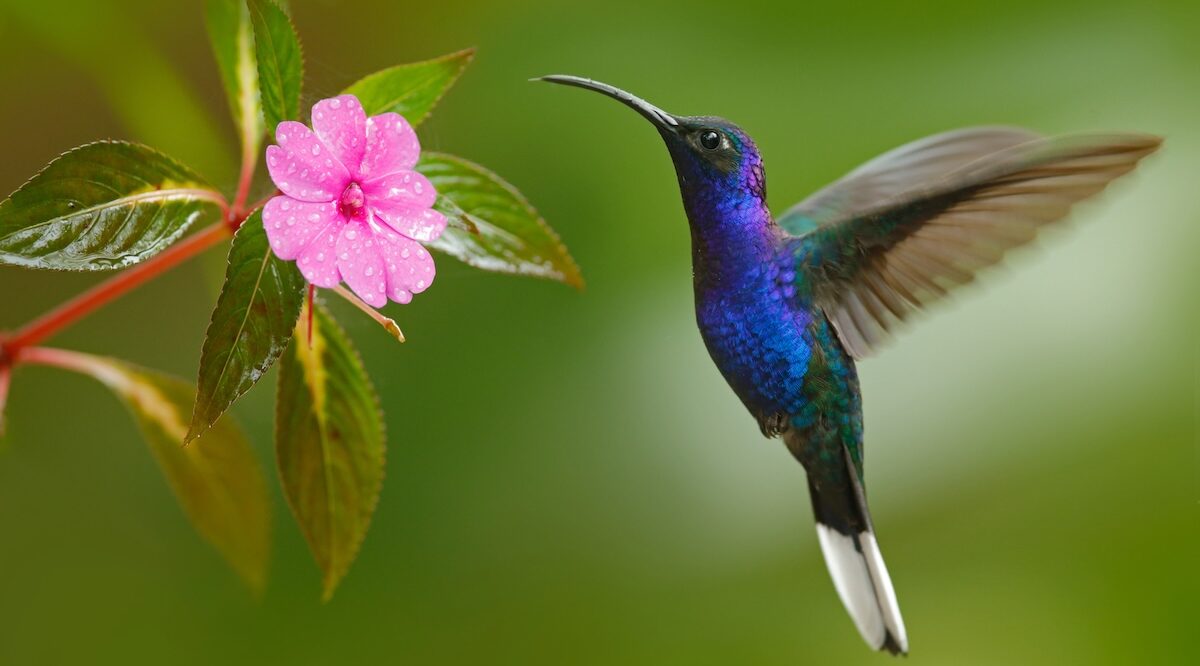 Photo Credit: OndrejProsicky at Deposit Photos
In the heart of a vibrant rainforest, the Ruby-throated Hummingbird, known scientifically as Archilochus colubris, flits gracefully among the blossoms. With its iridescent feathers shimmering in the dappled sunlight, this tiny avian marvel captivates all who catch a glimpse. Measuring just a few inches long, the Ruby-throated Hummingbird is a living jewel, its brilliant emerald and ruby plumage contrasting beautifully with the lush greens and vivid colors of its tropical home. As it hovers in mid-air, wings beating at an astonishing rate of up to 80 times per second, it draws nectar from flowers, playing a crucial role in pollination and the health of its ecosystem.
Scientists and nature enthusiasts alike are drawn to the Ruby-throated Hummingbird not only for its stunning appearance but also for its remarkable behaviors. These birds are known for their incredible agility and speed, capable of flying backward and even upside down. Their unique adaptations, such as a specialized tongue that can extend to reach deep into flowers, make them fascinating subjects of study. As they dart from bloom to bloom, they embody the delicate balance of nature, reminding us of the intricate connections that sustain life in the wild. Join us as we explore the enchanting world of hummingbirds, uncovering their secrets and the vital roles they play in our ecosystems.
Hummingbirds are truly extraordinary members of the animal kingdom, sitting within the class Aves, which encompasses all birds. They belong to the family Trochilidae, a group known for their dazzling colors and remarkable flying abilities. What sets hummingbirds apart is their unique ability to hover in mid-air, thanks to their rapid wing beats that can reach up to 80 times per second! This incredible skill allows them to feed on nectar from flowers while remaining perfectly still, a behavior that not only aids in their survival but also plays a vital role in pollination.
| Taxonomic Rank | Scientific Name | Meaning & Significance |
|---|---|---|
| Kingdom | Animalia | This name comes from the Latin word “animalis,” meaning “having breath.” It signifies all living organisms that are not plants or fungi, highlighting the diverse life forms on Earth. |
| Phylum | Chordata | Derived from the Greek word “chordē,” meaning “string,” this classification includes animals with a notochord, a flexible rod that supports the body. Hummingbirds, like all chordates, have a backbone, which is essential for their complex movements. |
| Class | Aves | This term comes from the Latin word for “bird.” It encompasses all feathered creatures, emphasizing the unique adaptations that allow birds to fly, sing, and thrive in various environments. |
| Order | Apodiformes | From the Greek “apous,” meaning “without feet,” this order includes birds that are known for their aerial lifestyles. Hummingbirds are part of this group due to their exceptional flying abilities and minimal reliance on perching. |
| Family | Trochilidae | This name is derived from the Greek word “trochilos,” which refers to a small bird. It highlights the tiny size of hummingbirds, which are among the smallest birds in the world. |
| Genus | Trochilinae | This classification emphasizes the subfamily of hummingbirds, showcasing their unique characteristics and adaptations that distinguish them from other bird families. |
Understanding the taxonomic position of hummingbirds reveals much about their evolutionary journey. As members of the order Apodiformes, they share a lineage with swiftlets and swifts, both of which are also adapted for life in the air. This classification indicates that hummingbirds have evolved specialized traits that allow them to thrive in their ecological niche, such as their unique feeding habits and incredible flight capabilities. Their vibrant colors and agility not only make them a joy to observe but also highlight the intricate connections between species and their environments throughout the history of life on Earth.
The evolutionary journey of hummingbirds is a captivating tale that stretches back millions of years. These tiny, vibrant birds first appeared during the late Eocene epoch, around 34 to 56 million years ago. As they evolved, they adapted to a variety of environments, particularly in the Americas, where they became specialized nectar feeders. This adaptation not only shaped their physical characteristics but also influenced the ecosystems they inhabit.
Hummingbirds are believed to have descended from a group of small, insect-eating birds. Over time, they transitioned from these ancestral forms to develop unique traits that set them apart. One of the most significant changes was the evolution of their specialized beaks, which became longer and more slender to access nectar deep within flowers. This adaptation allowed them to exploit a food source that many other birds could not reach. Additionally, their wings evolved to enable rapid, agile flight, allowing them to hover in place while feeding. This remarkable ability is a result of their unique shoulder joint, which allows for a full range of motion.
The adaptations of hummingbirds have been crucial for their survival in diverse habitats. Their specialized beaks and agile flight allow them to access food sources that many other birds cannot, giving them a competitive edge. The high metabolism ensures they can sustain their energetic lifestyle, while their colorful plumage helps them attract mates and blend into their surroundings. Together, these traits have made hummingbirds not just survivors, but also essential players in the ecosystems they inhabit, pollinating flowers and contributing to the health of their environments.
Hummingbirds are a breathtaking sight, often described as living jewels flitting through gardens and forests. Their small bodies, ranging from just 5 to 20 centimeters in height, are perfectly designed for agility and speed. With their iridescent feathers shimmering in the sunlight, these birds can appear in a dazzling array of colors, from vibrant greens to deep blues and fiery reds. Their slender, elongated bills are specialized for sipping nectar from flowers, while their wings beat rapidly, allowing them to hover in place with remarkable precision.
| Feature | Description |
|---|---|
| Height | 5cm – 20cm (2in – 8in) |
| Weight | 2.2g – 20g (0.07oz – 0.7oz) |
| Skin Type | Feathers |
The combination of their lightweight bodies and powerful wings allows hummingbirds to perform incredible aerial maneuvers, such as flying backward and even upside down. Their feathers not only provide insulation but also play a crucial role in their dazzling displays, helping them attract mates and communicate with one another. This blend of physical features not only enhances their beauty but also serves vital survival functions, enabling them to thrive in diverse environments while feeding on nectar and evading predators.
Hummingbirds thrive in lush, vibrant environments that are as colorful as they are. Picture a tropical rainforest, where sunlight filters through a dense canopy of leaves, creating a mosaic of light and shadow. These birds flit among the flowers, their iridescent feathers shimmering like jewels against the backdrop of green. They prefer areas rich in nectar-producing plants, where they can easily access their primary food source while also finding shelter among the branches and foliage.
Hummingbirds are particularly fond of warm climates, which is why they are often found in regions that experience mild to hot temperatures. They thrive in areas with high humidity, as this helps support the flowering plants they depend on for food. These birds are also sensitive to changes in their environment, so they prefer habitats that provide plenty of cover from predators and harsh weather. The combination of warmth and moisture creates the perfect setting for their survival.
To flourish in these specific habitats, hummingbirds have developed remarkable adaptations. Their specialized wings allow for incredible maneuverability, enabling them to hover in front of flowers while they feed. Their long, slender bills are perfectly designed to reach deep into blossoms for nectar. Additionally, their high metabolism requires them to consume large amounts of food, which is why they are often found in areas abundant with flowering plants. These adaptations not only help them survive but also make them essential pollinators in their ecosystems.
Hummingbirds lead a lively and energetic daily life, filled with rapid movements and vibrant interactions. As dawn breaks, these tiny aviators awaken, ready to embark on their quest for nectar. Their day is a whirlwind of activity, as they dart from flower to flower, using their specialized long bills to sip sweet nectar. This high-energy lifestyle requires them to consume large amounts of food, often visiting hundreds of flowers in a single day. Their remarkable ability to hover in mid-air allows them to access nectar from even the most challenging blooms, making them essential pollinators in their ecosystems.
While hummingbirds are primarily solitary creatures, they do exhibit interesting social behaviors, especially during feeding times. When multiple hummingbirds gather around a rich source of nectar, they engage in aerial displays to establish dominance and secure their feeding rights. These displays can include rapid dives and intricate maneuvers, showcasing their agility and speed. Despite their competitive nature, these birds also communicate through a series of chirps and whistles, signaling their presence and intentions to others nearby. This blend of competition and communication helps them navigate their environment effectively.
| Behavior Type | Description |
|---|---|
| Feeding Patterns | Hummingbirds feed frequently throughout the day, visiting numerous flowers to consume nectar, which provides them with the energy needed for their high metabolism. |
| Social Structure | Though mostly solitary, they can gather in groups at abundant food sources, where they establish a pecking order through displays of agility and speed. |
| Communication Methods | They use a variety of chirps and whistles to communicate with each other, signaling their presence and intentions, especially during feeding times. |
The behaviors of hummingbirds are finely tuned to ensure their survival in a competitive world. Their solitary nature allows them to be agile and quick, while their social interactions during feeding times help them secure vital resources. By mastering the art of communication and aerial displays, they navigate their environment with grace and efficiency. This combination of individual skill and social awareness not only sustains them but also plays a crucial role in the health of their ecosystems, as they pollinate flowers and contribute to the growth of plants.
Hummingbirds have a diverse diet that primarily consists of nectar, but they are also omnivores, meaning they eat both plant and animal matter. These tiny birds are particularly fond of sweet nectar found in flowers, which provides them with the energy they need to sustain their rapid wing beats and energetic lifestyle. To obtain this nectar, hummingbirds use their specialized long, slender bills and extendable tongues, which can reach deep into flowers. In addition to nectar, they consume tree sap, insects, and spiders, which supply essential proteins and nutrients.
| Dietary Aspect | Details |
|---|---|
| Diet Type | Omnivore |
| Favorite Foods | Nectar, tree sap |
| Prey Items | Insects, spiders |
| Hunting/Foraging Strategies | Hovering in front of flowers, using long bills to access nectar, and catching insects mid-air or from surfaces |
This varied diet plays a crucial role in the ecology of hummingbirds. By feeding on nectar, they become important pollinators, helping plants reproduce as they move from flower to flower. Their need for high-energy food sources shapes their daily routine, as they must visit hundreds of flowers each day to meet their energy demands. This constant search for food not only fuels their incredible flying abilities but also supports the health of the ecosystems they inhabit.
As spring arrives, hummingbirds engage in a dazzling courtship display that captivates both mates and onlookers. Males perform aerial acrobatics, darting and hovering in mid-air, showcasing their vibrant plumage to attract females. This breeding season is a time of excitement and competition, as males defend their territories and perform intricate dances to impress potential partners. Once a female selects her mate, the pair will come together to begin the process of reproduction.
| Reproductive Aspect | Details |
|---|---|
| Gestation Period | Hummingbirds do not have a gestation period like mammals, but the female typically takes about 14 to 23 days to lay eggs after mating. |
| Litter Size | Most hummingbirds lay 1 to 3 eggs per clutch. |
| Age of Maturity | Young hummingbirds usually reach maturity in about 1 year. |
| Name of Young | The young are called chicks. |
After the eggs are laid, the female takes on the role of a dedicated parent. She carefully builds a small nest, often using plant fibers, spider silk, and even feathers to create a cozy home for her chicks. Once the eggs hatch, the mother tirelessly feeds her young by regurgitating nectar and tiny insects, providing them with the nutrients they need to grow strong. As the chicks develop, they begin to flap their wings and explore their surroundings, preparing for the day they will take their first flight. This nurturing process is vital, as it helps the young hummingbirds learn essential skills for survival in the wild.
Hummingbirds occupy a vital role in the food web, acting as both pollinators and prey. Their dazzling colors and rapid movements make them a delight to observe, but they are not without their challenges. These tiny birds, while agile and quick, face various predators and threats that can impact their survival.
To defend themselves against these threats, hummingbirds have developed several clever strategies. Their incredible speed and agility allow them to dart away from danger in the blink of an eye. They can also hover in mid-air, making it difficult for predators to predict their next move. Additionally, hummingbirds often choose nesting sites that are well-hidden among leaves and branches, providing a layer of protection for their young. By staying alert and using their remarkable flying skills, these vibrant birds continue to thrive in a world filled with challenges.
A keystone species is a vital part of its ecosystem, meaning its presence has a significant impact on the environment and other living things. Hummingbirds can indeed be considered a keystone species due to their crucial role in pollination and their influence on plant diversity. By transferring pollen from one flower to another while feeding on nectar, these tiny birds help many plants reproduce, which in turn supports a wide range of other species.
Hummingbirds are exceptional pollinators, especially in rainforest and tropical jungle habitats. As they flit from flower to flower, their long, specialized bills allow them to reach deep into blossoms, accessing nectar that many other animals cannot. This not only benefits the hummingbirds, providing them with energy-rich food, but also ensures that the plants they visit can produce seeds and grow new plants. For example, many species of orchids and other tropical flowers rely heavily on hummingbirds for their reproduction. Without these birds, the plants would struggle to survive, leading to a decline in plant diversity.
Moreover, hummingbirds contribute to the food web in their ecosystems. They are not just pollinators; they also serve as prey for larger birds and other predators. Their presence helps maintain the balance of the ecosystem, as their population supports those that rely on them for food. Additionally, by promoting plant growth, hummingbirds indirectly support a variety of other species, from insects to mammals, that depend on those plants for shelter and sustenance.
If hummingbirds were to disappear, the effects would ripple through their ecosystems. Many plants that rely on them for pollination would struggle to reproduce, leading to fewer flowers and, ultimately, fewer fruits and seeds. This decline would not only affect the plants but also the countless species that depend on those plants for food and shelter. The vibrant tapestry of life in rainforests and tropical jungles would be significantly altered, demonstrating just how essential these tiny birds are to the health of their environment.
Hummingbirds play a crucial role in their ecosystems, particularly in rainforest and tropical jungle habitats. These vibrant birds are not just beautiful to watch; they are essential for the health and balance of their environments. By feeding on nectar from flowers, they help with pollination, which is the process of transferring pollen from one flower to another, allowing plants to reproduce. This makes hummingbirds key players in maintaining plant diversity and supporting the overall ecosystem.
| Ecosystem Service | Impact |
|---|---|
| Pollination | Facilitates plant reproduction, leading to diverse plant life. |
| Seed Dispersal | Helps spread seeds, promoting plant growth in new areas. |
| Food Source | Serves as prey for various predators, contributing to the food web. |
| Habitat Maintenance | Supports the growth of flowering plants that provide shelter for other species. |
Hummingbirds influence their ecosystems in several specific ways. For instance, as they hover and sip nectar, they inadvertently transfer pollen between flowers, which is vital for many plants to produce fruits and seeds. This not only helps the plants thrive but also supports other wildlife that depends on those plants for food and shelter. Additionally, by dispersing seeds through their droppings, hummingbirds contribute to the growth of new plants in different areas, further enhancing biodiversity.
The broader ecological importance of hummingbirds cannot be overstated. As keystone species, their presence significantly impacts the health of their ecosystems. Without hummingbirds, many plants would struggle to reproduce, leading to a decline in plant diversity. This, in turn, would affect countless other species that rely on those plants for survival. By understanding and appreciating the role of hummingbirds, we can better protect these remarkable birds and the vibrant ecosystems they help sustain.
In the intricate web of life, symbiosis plays a vital role, connecting different species in various ways. Symbiosis refers to the close and often long-term interactions between two different biological species. These relationships can be mutualistic, where both species benefit; parasitic, where one benefits at the expense of the other; or commensal, where one benefits while the other is neither helped nor harmed. Hummingbirds, with their dazzling colors and energetic flight, engage in several fascinating partnerships that highlight the beauty of these ecological relationships.
| Species/Type | Relationship Type | Description |
|---|---|---|
| Flowering Plants | Mutualistic | Hummingbirds feed on nectar from flowers, while helping to pollinate them. As they move from flower to flower, they transfer pollen, enabling plants to reproduce. |
| Insects (like aphids) | Parasitic | Some hummingbirds may feed on insects that are harmful to plants, but they can also consume nectar from flowers that are infested with these pests, indirectly benefiting from the situation. |
| Other Birds | Commensal | Hummingbirds often share habitats with other bird species. While they may not directly benefit from each other, their presence can create a vibrant ecosystem that supports various life forms. |
These relationships have evolved over time, shaped by the needs and behaviors of the species involved. Hummingbirds have developed specialized adaptations, such as long, slender bills that allow them to access nectar deep within flowers. In return, the plants have evolved to attract these tiny pollinators with bright colors and sweet scents. This mutualistic relationship not only benefits the hummingbirds by providing them with food but also ensures the survival of the plants, creating a thriving ecosystem. Understanding these connections helps us appreciate the delicate balance of nature and the importance of every species in maintaining it.
Hummingbirds are not just beautiful; they are also full of surprises that can leave anyone in awe. These tiny birds have some remarkable traits and behaviors that make them stand out in the avian world.
Hummingbirds have long captivated human imagination, weaving their way into the fabric of various cultures throughout history. Ancient civilizations, such as the Aztecs and Mayans, revered these tiny birds, often associating them with the sun and the divine. In many Native American cultures, hummingbirds symbolize love, joy, and beauty, embodying the spirit of resilience and determination. Their vibrant colors and remarkable flying abilities have inspired countless stories, art, and even folklore, making them a cherished part of human heritage.
Today, our interactions with hummingbirds are multifaceted, ranging from conservation efforts to the challenges of urbanization. As habitats shrink due to human activity, many organizations are working tirelessly to protect these delicate creatures and their environments. Backyard birdwatching has become a popular pastime, with people setting up feeders filled with sugar water to attract hummingbirds. However, this relationship is not without conflict; as cities expand, the natural spaces hummingbirds rely on are threatened. While some people have embraced the joy of sharing their gardens with these birds, others may inadvertently harm them through pesticide use or habitat destruction.
As we look to the future, the relationship between hummingbirds and humanity holds both promise and responsibility. By fostering a deeper understanding of these remarkable birds and their ecological roles, we can create a world where they thrive alongside us. Through conservation efforts and mindful practices, we can ensure that future generations will continue to marvel at the beauty and grace of hummingbirds, celebrating their presence in our lives and ecosystems. Together, we can nurture this enchanting bond, allowing it to flourish for years to come.
Hummingbirds, with their dazzling colors and incredible agility, are facing significant challenges in the wild. Currently classified as endangered, these remarkable birds are experiencing population declines due to various environmental pressures. As habitats are lost and altered, the future of hummingbirds hangs in the balance, prompting urgent conservation efforts to protect them and their ecosystems.
| Conservation Factor | Status/Details |
|---|---|
| IUCN Status | Endangered |
| Population Estimates | Varies by species, but many are declining |
| Trend Direction | Decreasing |
The main threats to hummingbirds stem from habitat destruction, climate change, and pesticide use. As forests are cleared for agriculture and urban development, these birds lose their natural homes and the flowers they rely on for food. Climate change alters weather patterns, affecting the blooming cycles of plants that provide nectar. Additionally, pesticides can harm hummingbirds directly or reduce the availability of insects, which are also a crucial part of their diet.
Conservation efforts are underway to help protect hummingbirds and their habitats. Organizations are working to restore native plants in gardens and parks, creating safe spaces for these birds to thrive. Education programs aim to raise awareness about the importance of preserving natural habitats and reducing pesticide use. With continued dedication and support, there is hope that hummingbird populations can stabilize and even recover, allowing future generations to marvel at their beauty and ecological significance.
| Question | Answer |
|---|---|
| What is the natural habitat of hummingbirds? | Hummingbirds primarily live in rainforests and tropical jungles. These lush environments provide plenty of flowers, which are essential for their diet and nesting. |
| What do hummingbirds eat? | Hummingbirds are omnivores, meaning they eat both plants and insects. Their diet mainly consists of nectar from flowers, which gives them energy, along with small insects and spiders for protein. |
| How do hummingbirds behave? | Hummingbirds are known for their incredible flying abilities, including hovering in place and flying backward. They are also very territorial, often defending their feeding areas from other birds. |
| How do hummingbirds reproduce? | During mating season, male hummingbirds perform elaborate courtship displays to attract females. After mating, the female builds a small nest, usually in a sheltered location, where she lays two tiny eggs. |
| What threats do hummingbirds face? | Hummingbirds are endangered due to habitat loss, climate change, and pesticide use. These factors reduce the availability of flowers and nesting sites, making survival more challenging. |
| What are some interesting characteristics of hummingbirds? | Hummingbirds have the fastest wing beats of any bird, with some species flapping their wings up to 80 times per second! They also have excellent color vision, allowing them to see a range of colors that humans cannot. |
| How do hummingbirds stay warm? | Hummingbirds are endothermic, meaning they can generate their own body heat. To conserve energy during cold nights, they enter a state called torpor, where their metabolism slows down significantly. |