Taxonomy & Classification
- Kingdom
- Animalia
- Phylum
- Chordata
- Class
- Mammalia
- Order
- Carnivora
- Family
- Canidae
- Genus
- Canis
- Species
- Canis Lupus

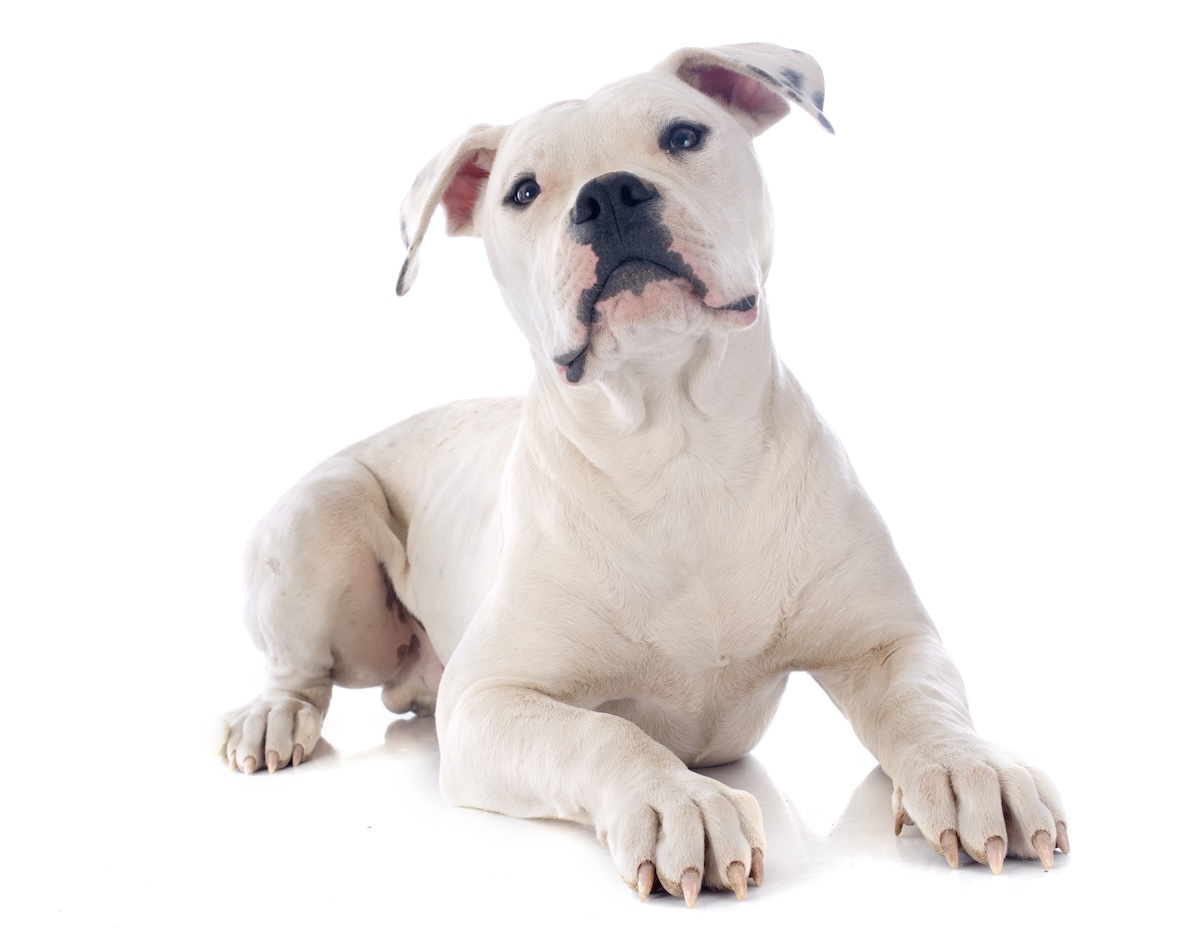 Photo Credit: cynoclub on Deposit Photos
In the heart of America, the American Bulldog, scientifically known as Canis lupus familiaris, stands as a symbol of strength and loyalty. Picture a sunny afternoon on a sprawling farm, where this robust breed bounds across the open fields, its powerful muscles rippling beneath a short, smooth coat. With a broad head and a confident stance, the American Bulldog captures the attention of everyone around. Its expressive eyes, often filled with warmth and intelligence, reveal a deep bond with its human companions, making it a beloved member of many families.
What makes the American Bulldog particularly intriguing to scientists and nature enthusiasts alike is its rich history and adaptability. Originally bred for farm work, these dogs were valued for their ability to assist with livestock and protect property. Today, they thrive in various environments, from suburban neighborhoods to urban settings, showcasing their versatility. Their omnivorous diet, which includes both plant and animal sources, allows them to flourish in diverse habitats. As we explore the world of the American Bulldog, we will uncover the fascinating traits that define this breed, its role in human lives, and the unique relationships it fosters within its ecosystem.
The American Bulldog is a captivating member of the animal kingdom, nestled within the vast tree of life. This breed belongs to the family Canidae, which includes all dogs, wolves, and foxes. What sets the American Bulldog apart is its muscular build and strong, loyal temperament, traits that have made it a beloved companion and working dog. With a history that intertwines with human culture, this breed showcases the incredible diversity found within the animal world, particularly among domesticated species.
| Taxonomic Rank | Scientific Name | Meaning & Significance |
|---|---|---|
| Kingdom | Animalia | This name means “animals” in Latin, highlighting that American Bulldogs are part of the vast group of multicellular organisms that are typically mobile and consume organic material for energy. |
| Phylum | Chordata | Derived from the Greek word “chordē,” meaning “string,” this classification indicates that American Bulldogs, like all chordates, possess a notochord, a flexible rod that supports their bodies during development. |
| Class | Mammalia | This term comes from the Latin “mamma,” meaning “breast,” signifying that American Bulldogs, as mammals, nurse their young with milk produced by mammary glands. |
| Order | Carnivora | From the Latin “carnis” meaning “flesh,” this classification reveals that American Bulldogs are part of a group that primarily eats meat, although they can also thrive on a varied diet. |
| Family | Canidae | This name is derived from the Latin “canis,” meaning “dog.” It encompasses all dog-like mammals, emphasizing the American Bulldog’s close relationship with other domestic dogs and wild canids. |
| Genus | Canis | Also from the Latin word for “dog,” this classification groups the American Bulldog with other species like wolves and foxes, highlighting their shared ancestry and behavioral traits. |
Understanding the American Bulldog’s taxonomic classification offers a glimpse into its evolutionary journey. As a member of the Canidae family, it shares a common ancestor with wolves and other canids, showcasing the adaptability and diversity of life on Earth. This classification not only reflects its physical characteristics but also its role in human society, illustrating how domestication has shaped the American Bulldog into a loyal companion and protector. Through this lens, we can appreciate the intricate connections that bind all living beings in the grand tapestry of life.
The American Bulldog’s evolutionary journey is a tale that stretches back thousands of years, intertwining with the history of humans and their need for companionship and assistance. This breed’s roots can be traced to ancient working dogs, which were bred for various tasks, including herding, guarding, and hunting. Over time, these dogs adapted to the environments and roles humans required, leading to the development of distinct breeds, including the American Bulldog.
The ancestors of the American Bulldog were likely large, powerful dogs that descended from the Molosser type, a group known for their strength and loyalty. These early canines were bred for their ability to assist in farm work and protect livestock. As humans migrated and settled in different regions, these dogs adapted to their new roles, leading to significant changes in their physical and behavioral traits. The American Bulldog, as we know it today, emerged in the United States in the 19th century, evolving from the English Bulldog and other breeds that were brought over by immigrants.
The adaptations of the American Bulldog have played a crucial role in its survival and success as a breed. Their strong build and protective instincts make them excellent guardians, while their intelligence and adaptability allow them to thrive in diverse environments. These traits not only ensure their effectiveness in working roles but also make them beloved family pets. As they continue to evolve alongside humans, the American Bulldog remains a testament to the enduring bond between people and dogs.
The American Bulldog is a striking figure, exuding strength and confidence. With a muscular build and a broad, powerful head, this breed commands attention wherever it goes. Their sturdy frame is complemented by a deep chest and strong legs, giving them an athletic appearance. The American Bulldog’s overall look is one of resilience and vigor, making them not just a companion but also a capable working dog.
| Feature | Description |
|---|---|
| Weight | 60 to 120 pounds (27 to 54 kilograms) |
| Skin Type | Hair |
| Color | Varies, including white, brindle, and combinations of these |
| Body Structure | Muscular and stocky with a broad head and deep chest |
These physical features are not just for show; they serve important purposes in the American Bulldog’s life. Their muscular build allows them to be agile and powerful, making them excellent at tasks that require strength, such as herding or guarding. The broad head and strong jaws are designed for gripping and holding, which was essential for their historical roles in farm work and protection. The variety of colors and patterns in their coat not only adds to their charm but also helps them blend into different environments, whether on a farm or in a suburban setting. Together, these traits create a breed that is not only visually impressive but also highly functional in various roles.
The American Bulldog thrives in a variety of environments, often found in suburban neighborhoods, rural farms, and even urban settings. These dogs are adaptable and can make themselves at home in spaces ranging from cozy backyards to expansive open fields. Their strong, athletic build allows them to enjoy both indoor and outdoor living, making them versatile companions for families and individuals alike.
This breed enjoys a climate that is generally warm, as they are not particularly fond of extreme cold. American Bulldogs thrive in environments where they can engage in physical activities, such as running and playing. They prefer moderate temperatures that allow them to be active without overheating. A well-ventilated space is essential, especially during hot summer months, to keep them comfortable and healthy.
Over time, the American Bulldog has adapted to various habitats by developing a strong, resilient nature. Their short coat helps them stay cool in warmer climates, while their muscular build allows them to navigate different terrains with ease. These dogs are also known for their loyalty and protective instincts, making them excellent companions in diverse living situations. Whether in a bustling city or a quiet countryside, the American Bulldog has found a way to thrive alongside humans, showcasing their remarkable adaptability.
The daily life of an American Bulldog is filled with energy and purpose. These dogs thrive on routine, often starting their day with a burst of excitement as they greet their human companions. Morning walks are a must, allowing them to explore their surroundings and engage their senses. Throughout the day, they enjoy playtime, whether it’s chasing a ball in the yard or wrestling with a favorite toy. Their natural curiosity keeps them active, and they love to investigate new sights and sounds. As the sun sets, they often wind down, curling up next to their family, ready to recharge for another day of adventure.
Social behavior is a key aspect of the American Bulldog’s life. These dogs are known for their loyalty and affection towards their families. They thrive in social settings, often forming strong bonds with both humans and other pets. Their playful nature makes them great companions for children, as they enjoy interactive games and activities. In group dynamics, American Bulldogs can be assertive, displaying a protective instinct towards their loved ones. They communicate through a mix of body language, vocalizations, and playful gestures, ensuring that their needs and feelings are understood by those around them.
| Behavior Type | Description |
|---|---|
| Activity Patterns | American Bulldogs are active and require regular exercise, including walks, playtime, and mental stimulation to stay healthy and happy. |
| Social Structure | These dogs are pack-oriented, forming strong bonds with their human families and other pets, often displaying loyalty and affection. |
| Communication Methods | They use a combination of barks, growls, and body language to express their feelings, needs, and intentions, making them effective communicators. |
The behaviors of American Bulldogs are not just for fun; they play a crucial role in their survival. Their social nature helps them build strong relationships, which can be vital for protection and companionship. By staying active and engaged, they maintain their physical health, which is essential for a long and happy life. Their ability to communicate effectively ensures that they can express their needs and emotions, fostering a harmonious environment with their families. In essence, these behaviors are key to thriving in both domestic and social settings, allowing American Bulldogs to flourish alongside their human companions.
The American Bulldog is an omnivore, which means it enjoys a varied diet that includes both plant and animal sources. This breed typically thrives on high-quality dog food that combines meat, grains, and vegetables. Their feeding behavior is influenced by their history as working dogs, which means they often have a hearty appetite and require a balanced diet to maintain their energy levels. American Bulldogs are known to be food-driven, making them eager to explore different flavors and textures in their meals.
| Dietary Aspect | Details |
|---|---|
| Diet Type | Omnivore |
| Favorite Foods | Meat, grains, vegetables, and fruits |
| Prey Items | Small mammals and birds (in a natural setting) |
| Hunting/Foraging Strategies | Scavenging and exploring their environment for food |
This diverse diet not only supports the American Bulldog’s robust physique but also shapes its daily routine. With their strong sense of smell and curiosity, these dogs often engage in foraging behaviors, sniffing out food and treats during walks or playtime. Their omnivorous diet allows them to adapt to various environments, making them versatile companions for families and individuals alike. By understanding their dietary needs, owners can ensure their American Bulldogs remain healthy, happy, and full of energy for all their adventures.
When it comes to mating, American Bulldogs exhibit interesting behaviors that help ensure successful reproduction. The breeding season for these dogs typically occurs twice a year, usually in the spring and fall. During this time, females go into heat, a period when they are fertile and can conceive. Males are drawn to females in heat by their scent and will often display playful and assertive behaviors to attract their attention. This courtship can involve playful interactions, vocalizations, and even some light wrestling, all part of their natural instincts to find a mate.
| Reproductive Aspect | Details |
|---|---|
| Gestation Period | Approximately 63 days |
| Litter Size | Average of 8 puppies |
| Age of Maturity | About 1 to 2 years |
| Name of Young | Puppies |
Once the puppies are born, the American Bulldog parents take their roles seriously. The mother is particularly attentive, providing warmth, nourishment, and protection to her young. For the first few weeks, the puppies rely entirely on their mother’s milk, which is rich in nutrients essential for their growth. As they grow, they begin to explore their surroundings, developing their social skills and learning from their mother and siblings. By the time they reach maturity, usually around one to two years of age, these puppies have transformed into strong, confident adults, ready to take on the world alongside their human companions. The bond formed during this early stage is crucial, as it lays the foundation for a loving and loyal relationship.
The American Bulldog occupies a significant position in the food web, primarily as a top predator in its environment. While they are domesticated animals, their instincts and physical prowess allow them to hunt small animals and protect their territory. This breed’s strong build and keen senses make them formidable in their role, but they also face various dangers that can threaten their well-being.
To defend themselves against these threats, American Bulldogs rely on a combination of physical strength and keen instincts. They are known for their loyalty and protective nature, often standing their ground when faced with danger. Additionally, their intelligence allows them to learn and adapt to their surroundings, helping them navigate potential risks. With proper training and socialization, these dogs can develop the skills needed to thrive in a variety of situations, ensuring their survival in a world filled with challenges.
A keystone species is a vital part of its ecosystem, playing a crucial role in maintaining the structure and balance of its environment. If removed, the entire ecosystem could change dramatically. While the American Bulldog is a beloved companion animal, it does not qualify as a keystone species. This breed, primarily domesticated and bred for companionship and work, does not exert the same ecological influence as true keystone species like wolves or sea otters, which directly affect the populations of other species and the health of their habitats.
However, American Bulldogs can still impact their surroundings in various ways. As omnivores, they contribute to the control of certain animal populations, such as rodents, by hunting or scaring them away. Their presence can also influence the behavior of other animals, as many species may alter their habits when they sense a dog nearby. Additionally, American Bulldogs often interact with humans, which can lead to changes in land use and local biodiversity. For example, their need for exercise and play can encourage the creation of parks and green spaces, benefiting other wildlife.
If American Bulldogs were to disappear from their environments, the effects would be subtle but noticeable. The absence of these dogs could lead to an increase in rodent populations, which might affect local crops and gardens. Additionally, the loss of their companionship could impact human lifestyles, as many people rely on dogs for emotional support and companionship. While the ecosystem would not collapse without them, the ripple effects of their absence would still be felt, highlighting the interconnectedness of all species, even those that are domesticated.
The American Bulldog plays a significant role in shaping its ecosystem, acting as both a companion and a contributor to the environment around it. As an omnivore, this breed has a varied diet that allows it to adapt to different habitats, from suburban neighborhoods to rural farms. By interacting with its surroundings, the American Bulldog influences local wildlife and plant life, creating a dynamic balance in its ecosystem.
| Ecosystem Service | Impact |
|---|---|
| Predation | Controls populations of small mammals and pests, helping to maintain ecological balance. |
| Soil Aeration | As they dig and play, they help aerate the soil, promoting healthier plant growth. |
| Seed Dispersal | By carrying seeds in their fur or through their droppings, they assist in plant propagation. |
| Companionship | Enhances human well-being, leading to more green spaces and community gardens. |
The American Bulldog’s influence can be seen in various ways. For instance, when they roam through gardens or parks, their playful digging can aerate the soil, allowing nutrients and water to reach plant roots more effectively. This natural process encourages healthier vegetation, which in turn supports local insects and birds. Additionally, as they interact with their environment, they may inadvertently help disperse seeds, promoting the growth of new plants in their area. Their presence can also deter smaller pests, keeping populations in check and allowing other wildlife to thrive.
The broader ecological importance of the American Bulldog extends beyond its immediate surroundings. By fostering a healthy ecosystem, they contribute to biodiversity, which is essential for a resilient environment. Their interactions with humans also promote a greater appreciation for nature, encouraging communities to create green spaces that benefit both people and wildlife. In this way, the American Bulldog is not just a beloved pet but a vital player in the intricate web of life that sustains our planet.
In the intricate web of life, symbiosis refers to the close interactions between different species, which can take many forms. These relationships can be mutualistic, where both species benefit, parasitic, where one benefits at the other’s expense, or commensal, where one benefits while the other is neither helped nor harmed. The American Bulldog, with its strong presence and adaptable nature, engages in various ecological relationships that highlight the interconnectedness of life on Earth.
| Species/Type | Relationship Type | Description |
|---|---|---|
| Humans | Mutualistic | American Bulldogs often form strong bonds with humans, providing companionship and protection while receiving care and love in return. |
| Other Pets (e.g., cats) | Commensal | In households, American Bulldogs may coexist with other pets like cats, where the bulldog’s presence can provide a sense of security for the cat without affecting the bulldog. |
| Fleas | Parasitic | Fleas can infest American Bulldogs, feeding on their blood and causing discomfort, which is detrimental to the dog’s health. |
These relationships have evolved over time, shaped by the needs and behaviors of the species involved. The bond between American Bulldogs and humans is particularly strong, as these dogs have been bred for companionship and utility. This mutualistic relationship not only enhances the lives of both parties but also fosters a deeper understanding of the natural world. Meanwhile, the presence of parasites like fleas serves as a reminder of the challenges that can arise in nature, highlighting the importance of care and attention in maintaining the health of our beloved pets. Through these interactions, we see how interconnected life truly is, with each species playing a role in the grand tapestry of the ecosystem.
The American Bulldog is a breed that combines strength, loyalty, and a rich history, making it a fascinating subject for nature enthusiasts. Here are some surprising facts that showcase the unique traits and background of this remarkable dog.
The American Bulldog has a long and storied relationship with humanity that dates back to the early days of colonization in America. Originally bred for farm work, these dogs were valued for their strength and loyalty. They helped with tasks like herding livestock and guarding property. Over time, they became symbols of strength and resilience, often appearing in popular culture as loyal companions. Their presence in American history reflects the bond between humans and dogs, showcasing how these animals have been woven into the fabric of our lives.
Today, the American Bulldog continues to play a significant role in our lives, both as a beloved pet and as a working dog. Many families cherish them for their affectionate nature and protective instincts. However, this breed also faces challenges, including misconceptions about their temperament. Some people view them as aggressive due to their muscular build, which can lead to conflicts in communities. Responsible ownership and training are essential to ensure that these dogs thrive in a domestic setting. As we learn more about their needs and behaviors, we can foster a positive relationship that benefits both humans and dogs.
Looking ahead, the future of the American Bulldog’s relationship with humanity is promising. As awareness grows about their true nature and capabilities, more people are likely to embrace them as family pets. Education about responsible ownership and training will be crucial in dispelling myths and ensuring that these dogs are well-integrated into society. With continued love and understanding, the American Bulldog can remain a cherished companion, enriching the lives of those who welcome them into their homes.
The American Bulldog currently holds a conservation status of “Not Listed,” which means it is not considered endangered or threatened by any major conservation organizations. This breed has a stable population, primarily due to its popularity as a companion animal and working dog. While specific population estimates are hard to come by, the American Bulldog is generally well-represented in homes across the United States and beyond.
| Conservation Factor | Status/Details |
|---|---|
| IUCN Status | Not Listed |
| Population Estimates | Stable, specific numbers not available |
| Trend Direction | Stable |
Despite its stable status, the American Bulldog faces several challenges that could impact its future. One of the main threats is irresponsible breeding practices, which can lead to health issues and genetic problems. Additionally, some regions have breed-specific legislation that restricts or bans ownership of certain dog breeds, including the American Bulldog. This can lead to a decrease in their population in those areas. Furthermore, the stigma surrounding certain breeds can result in fewer adoptions from shelters, making it harder for these dogs to find loving homes.
Conservation efforts for the American Bulldog focus on responsible breeding and public education. Organizations and breeders are working to promote best practices that prioritize the health and well-being of the breed. Additionally, advocates are striving to change negative perceptions and encourage adoption from shelters. With these efforts in place, the outlook for the American Bulldog remains positive, as long as the community continues to support responsible ownership and breeding practices.
| Question | Answer |
|---|---|
| What is the habitat of an American Bulldog? | American Bulldogs are versatile and can adapt to various living environments. They thrive in homes with yards where they can play and exercise, but they can also live in apartments if given enough daily activity. |
| What do American Bulldogs eat? | American Bulldogs are omnivores, which means they eat both plants and animals. A balanced diet typically includes high-quality dog food, meats, vegetables, and grains to keep them healthy and energetic. |
| What is the behavior of American Bulldogs like? | American Bulldogs are known for their friendly and loyal nature. They are protective of their families and can be quite playful, making them great companions for both kids and adults. |
| How do American Bulldogs reproduce? | Like most dogs, American Bulldogs reproduce through mating between a male and a female. After a gestation period of about 63 days, the female gives birth to a litter of puppies, usually ranging from 4 to 10 pups. |
| What threats do American Bulldogs face? | While American Bulldogs are not listed as endangered, they can face threats from irresponsible breeding and neglect. Additionally, they may be at risk of certain health issues, such as hip dysplasia and skin allergies, if not properly cared for. |
| What are some interesting characteristics of American Bulldogs? | American Bulldogs are known for their strong build and muscular appearance. They have a unique ability to bond closely with their families, often displaying a gentle demeanor despite their tough look. |
| How much exercise do American Bulldogs need? | American Bulldogs require regular exercise to stay healthy and happy. Daily walks, playtime, and mental stimulation are essential to prevent boredom and maintain their physical fitness. |