Taxonomy & Classification
- Kingdom
- Animalia
- Phylum
- Chordata
- Class
- Mammalia
- Order
- Perissodactyla
- Family
- Rhinocerotidae
- Genus
- Rhinoceros
- Species
- Rhinoceros Unicornis

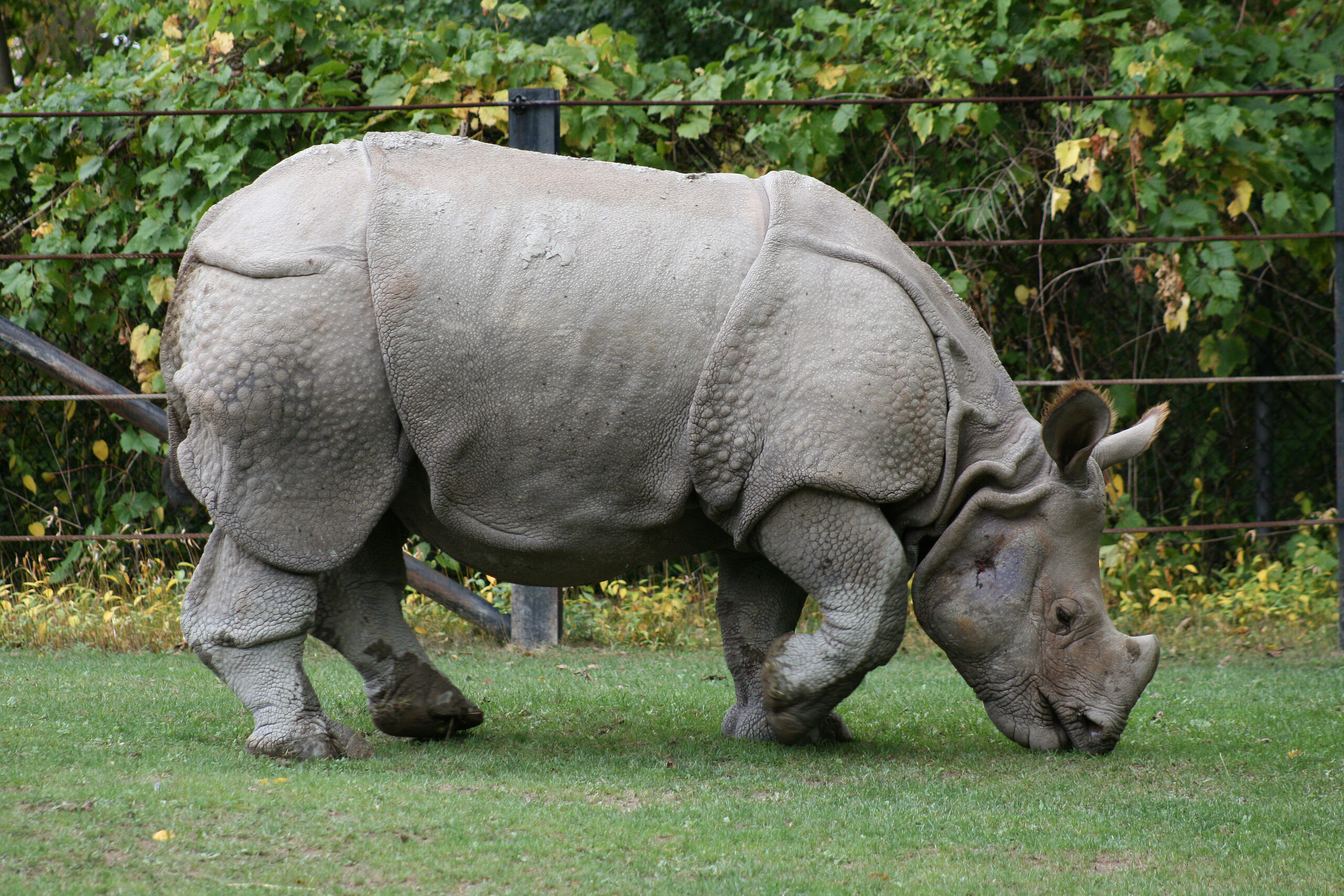 Photo Credit: Relic38 / Wikimedia Commons
In the lush grasslands and dense forests of the Indian subcontinent roams the Indian rhinoceros, known scientifically as Rhinoceros unicornis. This magnificent creature, with its thick, wrinkled skin and a single horn that can grow up to two feet long, is a true marvel of nature. Imagine standing in a vibrant landscape where the sun filters through the trees, casting dappled shadows on the ground, as this colossal herbivore grazes peacefully on the tall grasses. Its massive body, which can weigh between 2,200 and 3,000 kilograms, moves with surprising grace, embodying both strength and serenity.
What makes the Indian rhinoceros particularly captivating to scientists and nature lovers alike is not just its impressive size, but also its role in the ecosystem. As a keystone species, the Indian rhino helps shape its environment, creating habitats for other animals and plants through its feeding habits. With a keen sense of smell and a keen eye for spotting danger, this solitary giant navigates its world with a mix of caution and curiosity. As we delve deeper into the life of Rhinoceros unicornis, we will explore its fascinating behaviors, the challenges it faces in the wild, and the vital importance of conservation efforts to protect this extraordinary animal and its habitat.
The Indian rhinoceros, known scientifically as Rhinoceros unicornis, holds a special place in the animal kingdom. This magnificent mammal is part of the family Rhinocerotidae, which includes all rhinoceros species. What sets the Indian rhino apart is its distinctive single horn, a feature that not only makes it visually striking but also plays a crucial role in its behavior and ecology. As a member of the order Perissodactyla, which includes odd-toed ungulates like horses and zebras, the Indian rhino showcases the incredible diversity of life on Earth, reminding us of the intricate connections that bind all living beings.
| Taxonomic Rank | Scientific Name | Meaning & Significance |
|---|---|---|
| Kingdom | Animalia | This name signifies that the Indian rhinoceros is part of the vast group of multicellular organisms that are primarily heterotrophic, meaning they consume other organisms for energy. |
| Phylum | Chordata | Chordata refers to animals that have a notochord, a flexible rod that supports the body. In the case of the Indian rhino, this structure is present during its early development. |
| Class | Mammalia | Mammalia indicates that the Indian rhino is a mammal, characterized by having hair and mammary glands that produce milk for their young. |
| Order | Perissodactyla | This order includes animals with an odd number of toes on their feet. The Indian rhino has three toes on each foot, which helps it navigate its forest and grassland habitats. |
| Family | Rhinocerotidae | The name Rhinocerotidae comes from the Greek words for “nose” and “horn,” highlighting the most notable feature of these animals—their impressive horns. |
| Genus | Rhinoceros | The genus name Rhinoceros also derives from Greek, meaning “nose horn,” which directly refers to the Indian rhino’s single prominent horn. |
| Species | Rhinoceros unicornis | The species name unicornis means “one horn,” a clear reference to the Indian rhino’s most distinctive characteristic, setting it apart from other rhino species. |
The classification of the Indian rhinoceros reveals much about its evolutionary journey. As a member of the Perissodactyla order, it shares a common ancestor with other hoofed mammals, tracing back millions of years. This lineage highlights the adaptations that have allowed the Indian rhino to thrive in its specific habitats, from the dense forests of India to the grasslands of Nepal. Understanding its taxonomic position not only enriches our knowledge of this incredible animal but also emphasizes the importance of conservation efforts to protect its unique place in the web of life.
The Indian rhinoceros, or Rhinoceros unicornis, has a rich evolutionary history that stretches back millions of years. This incredible journey began during the late Eocene epoch, around 40 million years ago, when the ancestors of modern rhinos roamed the Earth. These early relatives were quite different from the rhinos we know today, showcasing a variety of forms and adaptations that would eventually lead to the species we see in the grasslands and forests of India and Nepal.
The evolutionary path of the Indian rhinoceros is marked by significant transitions. Its ancestors were part of a diverse group of large herbivores known as perissodactyls, which means “odd-toed ungulates.” Over time, these early rhinos adapted to changing environments, leading to the emergence of the genus Rhinoceros. The Indian rhino, specifically, evolved to thrive in the dense jungles and open grasslands of the Indian subcontinent. One of the most notable changes was the development of its thick, protective skin, which is not only a barrier against predators but also helps regulate body temperature in varying climates.
The adaptations of the Indian rhinoceros have played a crucial role in its survival. Its thick skin not only protects it from physical threats but also helps it withstand the harsh conditions of its habitat. The single horn serves as a powerful tool for defense and social interactions, while its large size acts as a deterrent to many predators. By being able to consume a wide range of vegetation, the Indian rhino can thrive in various environments, ensuring its place in the ecosystem. Together, these traits have allowed the Indian rhinoceros to endure through the ages, making it a symbol of resilience in the natural world.
The Indian rhinoceros is an awe-inspiring sight, with its massive body and distinctive features that make it stand out in the wild. This impressive animal can weigh between 2,200 and 3,000 kilograms, which is about as heavy as a small car! Its thick, leathery skin is a grayish-brown color, often appearing wrinkled and textured, giving it a prehistoric look. The Indian rhino’s body is large and barrel-shaped, supported by sturdy legs that help it navigate through its grassland and forest habitats.
| Feature | Description |
|---|---|
| Weight | 2,200 kg – 3,000 kg (4,900 lbs – 6,600 lbs) |
| Skin Type | Leather, thick and wrinkled |
| Color | Grayish-brown |
These physical characteristics are not just for show; they play vital roles in the Indian rhinoceros’s survival. The thick, leathery skin acts as armor, protecting it from sharp thorns and the harsh sun. Its large size helps deter potential predators, while its powerful legs allow it to run surprisingly fast when needed. Together, these features create a formidable presence in the wild, ensuring that the Indian rhinoceros can thrive in its natural habitat.
The Indian rhinoceros thrives in a vibrant tapestry of tropical bushland, grasslands, and savannas. Picture vast stretches of lush greenery, dotted with tall grasses and scattered trees, where the sun filters through the leaves, creating a warm and inviting atmosphere. These habitats are often interspersed with rivers and wetlands, providing the rhinos with ample water sources. The Indian rhino’s home is a lively ecosystem, bustling with a variety of plants and animals, making it a perfect place for this magnificent creature to roam.
The climate in these regions is typically warm and humid, with a monsoon season that brings heavy rainfall. Indian rhinos prefer areas where the temperature remains mild, usually between 20 to 30 degrees Celsius (68 to 86 degrees Fahrenheit). The wet season is crucial for their habitat, as it supports the growth of lush vegetation, which is essential for their diet. These conditions create a rich environment where the rhinos can find plenty of food and water, allowing them to thrive.
Adapted to their specific habitats, Indian rhinos have developed several traits that help them survive. Their thick, protective skin acts like armor against the elements and potential predators. They are also excellent swimmers, using rivers and wetlands to cool off during the hot days. Their keen sense of smell helps them navigate through dense vegetation, while their large mouths are perfectly designed to graze on the grasses and leaves that make up their diet. These adaptations ensure that Indian rhinos can flourish in their tropical homes, even as their environment changes.
The Indian rhinoceros leads a life that is both solitary and purposeful. Each day begins with the rising sun, as these magnificent animals emerge from their resting spots in the tall grasses and dense forests of their habitat. They spend a significant portion of their day foraging for food, munching on a variety of grasses, leaves, and fruits. With their keen sense of smell, they navigate their surroundings, using their large mouths to graze and browse. As the sun climbs higher, they often take breaks to wallow in mud or water, which helps keep their skin cool and protects them from pesky insects.
While Indian rhinos are primarily solitary creatures, they do exhibit interesting social behaviors, especially during mating season or when mothers are raising their young. Adult males tend to be more territorial, marking their domains with scent markings and vocalizations. Females, on the other hand, may be seen with their calves, teaching them essential survival skills. These interactions are crucial for the young rhinos, as they learn how to navigate their environment and understand the social cues of their species. Communication among rhinos can include a range of sounds, from grunts to snorts, which help them express their feelings and establish their presence.
| Behavior Type | Description |
|---|---|
| Activity Patterns | Indian rhinos are primarily active during the day, spending time foraging for food and wallowing in mud or water to regulate their body temperature. |
| Social Structure | These rhinos are mostly solitary, with males being territorial and females often accompanied by their calves. |
| Communication Methods | They communicate through a variety of sounds, including grunts and snorts, which help convey emotions and establish territory. |
The behaviors of the Indian rhinoceros are finely tuned to ensure their survival in the wild. By foraging effectively and maintaining their territories, they secure the resources necessary for their well-being. Their solitary nature allows them to avoid competition for food, while their social interactions during critical times, like raising young, foster the next generation. Each aspect of their daily life is a testament to their adaptability and resilience in the face of challenges in their environment.
The Indian rhinoceros is a dedicated herbivore, meaning it primarily eats plants. This impressive animal has a particular fondness for grasses, but it also enjoys a variety of other plant materials, including fruits, berries, and leaves. With its large, strong mouth, the Indian rhino can easily graze on the abundant vegetation found in its habitat. It uses its keen sense of smell to locate food, often foraging in the early morning or late afternoon when temperatures are cooler.
| Dietary Aspect | Details |
|---|---|
| Diet Type | Herbivore |
| Favorite Foods | Grass, fruits, berries, and leaves |
| Prey Items | None, as it is not a predator |
| Hunting/Foraging Strategies | Uses keen sense of smell to locate food, forages mainly in the early morning and late afternoon |
The diet of the Indian rhinoceros plays a crucial role in shaping its ecology and daily routine. By consuming large amounts of grass and other vegetation, these rhinos help maintain the health of their grassland habitats. Their grazing habits can promote new plant growth, which benefits other animals in the ecosystem. Additionally, the Indian rhino’s foraging behavior influences its movement patterns, as it seeks out the best feeding grounds, ensuring it remains a vital part of its environment.
The mating behavior of the Indian rhinoceros is as intriguing as the animal itself. During the breeding season, which typically occurs from December to March, males engage in a series of displays to attract females. These displays can include vocalizations, scent marking, and even mock fights with other males. Once a female is receptive, she will mate with a male, and this union is often brief but intense. After mating, the female will carry her young for a significant period, ensuring that the next generation has the best chance of survival.
| Reproductive Aspect | Details |
|---|---|
| Gestation Period | Approximately 15-16 months |
| Litter Size | 1 |
| Age of Maturity | 3-4 years |
| Name of Young | Calf |
Once the calf is born, it is a time of great care and nurturing. The mother is highly protective, often keeping her young close and teaching them essential survival skills. The calf will stay with its mother for up to three years, learning how to forage for food and navigate their environment. As they grow, these young rhinos develop their own personalities and begin to explore their surroundings more independently. Eventually, they will reach maturity and start the cycle anew, contributing to the future of their species in the wild.
The Indian rhinoceros occupies a vital role in its ecosystem, often referred to as a keystone species. This means that its presence significantly influences the structure of the environment around it. By grazing on grasses and other vegetation, the Indian rhino helps maintain the balance of plant life, which in turn supports a variety of other animals and plants. However, despite its size and strength, the Indian rhinoceros faces numerous dangers that threaten its survival.
To defend itself against these threats, the Indian rhinoceros has developed several survival strategies. While it may seem slow and cumbersome, this powerful animal can run surprisingly fast when needed. Its thick skin acts as armor, protecting it from many predators. Additionally, the Indian rhino is known for its keen sense of hearing and smell, which helps it detect danger early. When threatened, it may charge at intruders, using its impressive size and strength to ward off potential threats. These adaptations, combined with its solitary nature, help the Indian rhinoceros navigate the challenges of its environment and continue to thrive in the wild.
A keystone species is an organism that plays a crucial role in maintaining the structure of its ecosystem. The Indian rhinoceros, or Rhinoceros unicornis, certainly qualifies as a keystone species. Its presence and activities significantly shape the environment, influencing the lives of many other species and the overall health of its habitat.
The Indian rhinoceros has a profound ecological impact, particularly in the grasslands and tropical bushlands it inhabits. As a large herbivore, it feeds primarily on grasses, but it also consumes shrubs and other vegetation. By grazing, the rhino helps to control plant growth, preventing any single species from dominating the landscape. This grazing behavior creates a diverse habitat that supports various other animals and plants. For instance, the open areas created by their feeding allow sunlight to reach the ground, promoting the growth of a variety of plant species that provide food and shelter for smaller animals.
Moreover, the Indian rhinoceros contributes to the nutrient cycle in its ecosystem. When it defecates, it spreads seeds from the plants it has eaten, helping to propagate those species across the landscape. This not only aids in plant diversity but also supports the animals that rely on those plants for food. Additionally, the wallows that rhinos create in muddy areas serve as vital water sources for other wildlife, especially during dry seasons.
If the Indian rhinoceros were to disappear, the consequences would ripple through its ecosystem. Without this magnificent herbivore, plant overgrowth could occur, leading to a decline in plant diversity. This, in turn, would affect the many species that depend on those plants for food and shelter. The loss of wallows would also mean fewer water sources for other animals, potentially leading to a decline in their populations. The Indian rhinoceros is not just a majestic creature; it is a vital player in the intricate web of life that sustains its ecosystem.
The Indian rhinoceros, or Rhinoceros unicornis, plays a vital role in its ecosystem, acting as a keystone species. This means that its presence and activities significantly shape the environment around it. By grazing on grasses and other vegetation, the Indian rhino helps maintain the balance of plant life in its habitat. This not only supports a diverse range of other species but also influences the overall health of the ecosystem.
| Ecosystem Service | Impact |
|---|---|
| Grazing | Controls plant growth, promoting biodiversity |
| Seed dispersal | Helps in the spread of various plant species |
| Soil aeration | Improves soil quality through movement and foraging |
| Water retention | Enhances water availability in the ecosystem |
The Indian rhinoceros influences its environment in several specific ways. For instance, as it grazes, it keeps grasslands open and prevents the overgrowth of shrubs and trees. This creates a habitat that supports many other animals, from small insects to larger herbivores. Additionally, when rhinos move through their territory, they disturb the soil, which can help with water retention and create new growth opportunities for plants. Their dung also acts as a natural fertilizer, enriching the soil and promoting a healthy ecosystem.
The broader ecological importance of the Indian rhinoceros cannot be overstated. By maintaining the structure of its habitat, this magnificent animal supports a complex web of life. The presence of the Indian rhino ensures that various species can thrive, from the smallest plants to larger mammals. Protecting this keystone species is essential not only for the rhinos themselves but for the entire ecosystem that relies on their unique contributions. In this way, the Indian rhinoceros is not just a remarkable animal; it is a crucial player in the health and balance of its environment.
In the intricate web of life, symbiosis refers to the close and often long-term interactions between different species. These relationships can take many forms, including mutualism, where both species benefit, commensalism, where one benefits while the other is neither helped nor harmed, and parasitism, where one species benefits at the expense of the other. The Indian rhinoceros, with its massive presence in the grasslands and savannas of South Asia, engages in various ecological partnerships that highlight the interconnectedness of life in its habitat.
| Species/Type | Relationship Type | Description |
|---|---|---|
| Birds (e.g., oxpeckers) | Mutualistic | These birds perch on the rhino’s back, eating ticks and parasites, which helps keep the rhino healthy while providing the birds with food. |
| Small mammals (e.g., rodents) | Commensal | Rodents may take shelter in the grass and bushes disturbed by the rhino, benefiting from the protection without affecting the rhino. |
| Insects (e.g., dung beetles) | Mutualistic | Dung beetles feed on the rhino’s droppings, breaking it down and recycling nutrients back into the soil, which benefits the ecosystem. |
The evolution of these relationships showcases the adaptability and resilience of species in the wild. Over time, the Indian rhinoceros and its partners have developed these interactions to enhance their survival. The mutualistic relationships, like those with oxpeckers and dung beetles, not only help the rhino maintain its health but also support the broader ecosystem by promoting biodiversity. Understanding these connections deepens our appreciation for the delicate balance of nature and the vital roles each species plays in sustaining life on Earth.
The Indian rhinoceros, with its impressive size and unique features, is a captivating animal that holds many surprises. Here are some intriguing facts that showcase the extraordinary life of this magnificent creature.
The Indian rhinoceros, or Rhinoceros unicornis, has long been intertwined with human history and culture. In ancient times, these majestic animals roamed the plains of the Indian subcontinent, captivating the imaginations of local communities. They appear in various cultural narratives, from ancient texts to folklore, symbolizing strength and resilience. The rhino’s impressive horn has also made it a target for poaching, leading to a complex relationship marked by both reverence and exploitation. This duality reflects humanity’s ongoing struggle to balance admiration for nature with the desire for its resources.
Today, the interactions between Indian rhinos and humans are shaped by conservation efforts and ongoing conflicts. As their habitats shrink due to agriculture and urban development, these magnificent creatures often find themselves in direct competition with people for space and resources. Conservationists are working tirelessly to protect the remaining populations, establishing national parks and wildlife reserves. However, human-wildlife conflict can arise when rhinos venture into agricultural areas, leading to crop damage and sometimes dangerous encounters. While domestication is not a viable option for these wild animals, efforts to educate communities about coexistence are crucial for their survival.
Looking ahead, the future of the Indian rhinoceros and its relationship with humanity hinges on our ability to foster understanding and respect for these incredible animals. As we learn more about their ecological importance and the challenges they face, we can work together to create a sustainable coexistence. By prioritizing conservation and community engagement, we can ensure that future generations will not only witness the grandeur of the Indian rhinoceros but also appreciate its vital role in the ecosystem. The journey ahead may be challenging, but with commitment and compassion, we can pave the way for a harmonious future.
The Indian rhinoceros, or Rhinoceros unicornis, is currently classified as Endangered on the IUCN Red List. This status reflects the ongoing challenges the species faces in the wild. As of recent estimates, there are about 3,700 individuals remaining, primarily found in India and Nepal. While conservation efforts have led to a gradual increase in their population over the past few decades, the overall trend remains precarious, with habitat loss and poaching still posing significant threats.
| Conservation Factor | Status/Details |
|---|---|
| IUCN Status | Endangered |
| Population Estimates | Approximately 3,700 individuals |
| Trend Direction | Slowly increasing, but still at risk |
The main threats to the Indian rhinoceros are habitat loss and poaching. As human populations grow, more land is converted for agriculture and urban development, shrinking the rhinos’ natural habitats. Poaching, driven by the demand for rhino horn in traditional medicine and as a status symbol, remains a critical issue. Despite the fact that rhino horn is made of keratin—the same material as human hair and nails—its high market value makes these magnificent animals targets for illegal hunting.
Conservation efforts for the Indian rhinoceros have shown promise, with various organizations and governments working tirelessly to protect their habitats and combat poaching. National parks and wildlife reserves, such as Kaziranga National Park in India, have become safe havens for these animals. Community engagement and education are also vital, as local populations are encouraged to participate in conservation initiatives. With continued dedication and support, there is hope that the Indian rhinoceros will thrive once more, ensuring that future generations can marvel at this incredible species.
| Question | Answer |
|---|---|
| What is the habitat of the Indian Rhinoceros? | The Indian Rhinoceros primarily lives in tropical bushland, grasslands, and savannas. These environments provide the open spaces and vegetation they need to thrive. |
| What does the Indian Rhinoceros eat? | As herbivores, Indian Rhinoceroses mainly consume grasses, leaves, and fruits. Their diet is rich in fibrous plants, which helps them maintain their large size and energy levels. |
| How do Indian Rhinoceroses behave in the wild? | Indian Rhinoceroses are generally solitary animals, preferring to live alone or in small groups. They are known for their territorial nature, often marking their territory with urine and dung. |
| How do Indian Rhinoceroses reproduce? | Female Indian Rhinoceroses typically give birth to one calf after a gestation period of about 15 to 16 months. The mother is very protective of her young, and calves stay with their mothers for up to three years. |
| What are the main threats to Indian Rhinoceroses? | Indian Rhinoceroses face significant threats from poaching and habitat loss. Their horns are highly valued in illegal wildlife trade, and as human populations grow, their natural habitats are being destroyed. |
| What are some interesting characteristics of the Indian Rhinoceros? | One fascinating feature of the Indian Rhinoceros is its thick, wrinkled skin, which resembles armor. This skin helps protect them from predators and the elements, and they also have a single horn, unlike other rhino species that have two. |
| How do Indian Rhinoceroses communicate? | Indian Rhinoceroses communicate through a variety of sounds, including grunts, snorts, and bellows. They also use body language and scent marking to convey messages to each other. |