Taxonomy & Classification
- Kingdom
- Animalia
- Phylum
- Chordata
- Class
- Aves
- Order
- Passeriformes
- Family
- Corvidae
- Genus
- Corvus

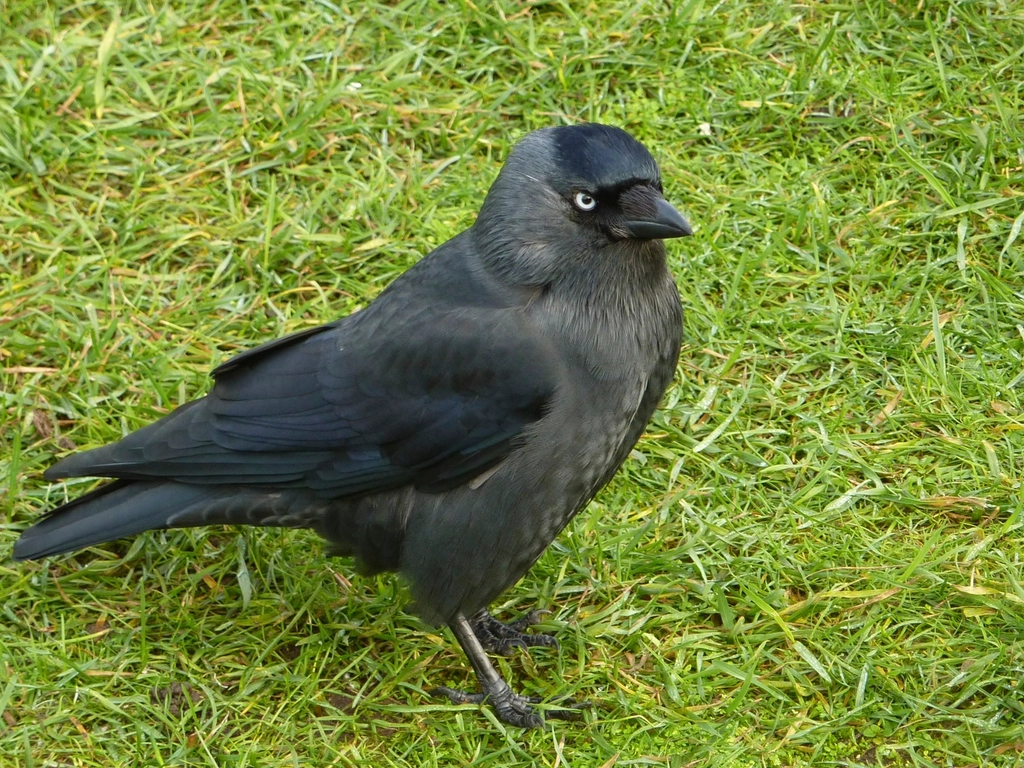 Photo Credit: Rawpixel
In the heart of Europe and parts of Asia, the jackdaw, scientifically known as Corvus monedula, flits about with a lively energy that captivates anyone lucky enough to spot it. With its glossy black feathers shimmering in the sunlight and a distinctive gray neck that sets it apart from its corvid cousins, this clever bird is a true marvel of nature. Jackdaws are not just beautiful; they are also incredibly intelligent, often seen engaging in playful antics and complex social behaviors that intrigue scientists and birdwatchers alike.
Imagine a bustling park or a serene countryside, where jackdaws gather in small, chattering groups, their sharp calls echoing through the air. These birds are known for their adaptability, thriving in a variety of habitats, from urban areas to open fields. As they forage for food, their keen eyes scan the ground for insects, seeds, and even scraps left behind by humans. Their ability to thrive in diverse environments showcases their resourcefulness and intelligence, making them a fascinating subject of study. Whether soaring through the sky or hopping along the ground, the jackdaw invites us to explore the wonders of the natural world and the intricate relationships that exist within it.
The jackdaw, a clever and social bird, holds a special place in the animal kingdom. Taxonomically, it belongs to the Kingdom Animalia, which includes all animals, and is classified under the Phylum Chordata, known for animals with a backbone. As a member of the Class Aves, or birds, the jackdaw is part of the Order Passeriformes, which encompasses perching birds. Its family, Corvidae, includes other intelligent species like crows and ravens. What sets the jackdaw apart is its striking gray and black plumage, its expressive eyes, and its remarkable ability to communicate and solve problems, showcasing a level of intelligence that captivates both scientists and birdwatchers alike.
| Taxonomic Rank | Scientific Name | Meaning & Significance |
|---|---|---|
| Kingdom | Animalia | The name means “animals” in Latin, highlighting the diverse group of living organisms that share certain characteristics, such as being multicellular and capable of movement. |
| Phylum | Chordata | This term comes from the Greek word “chordē,” meaning “string,” referring to the notochord, a flexible rod that supports the body in the early stages of development in these animals. |
| Class | Aves | Derived from the Latin word for “bird,” this classification emphasizes the unique features of birds, such as feathers and beaks, that distinguish them from other animals. |
| Order | Passeriformes | This name means “perching birds” in Latin, reflecting the ability of these birds to rest on branches and their diverse range of songs and calls. |
| Family | Corvidae | Named after the Latin word “corvus,” meaning “raven,” this family is known for its highly intelligent members, which exhibit complex social behaviors and problem-solving skills. |
| Genus | Corvus | This Latin term also means “raven,” and it encompasses various species of birds known for their adaptability and intelligence, including the jackdaw. |
The classification of the jackdaw reveals much about its evolutionary journey. As a member of the Corvidae family, it shares a lineage with some of the most intelligent birds on the planet. This evolutionary background suggests that the jackdaw has developed advanced cognitive abilities, allowing it to thrive in diverse environments. Its social nature and problem-solving skills are not just fascinating traits; they are adaptations that have helped it survive and flourish alongside humans and in the wild. Understanding where the jackdaw fits in the tree of life helps us appreciate the intricate connections between species and the remarkable story of evolution that shapes our natural world.
The evolutionary journey of the jackdaw, a member of the Corvidae family, stretches back millions of years. This intelligent bird, known for its striking black plumage and distinctive gray neck, shares a common ancestor with other corvids, such as crows and ravens. The story of the jackdaw is woven into the broader tapestry of avian evolution, showcasing how adaptability and social behavior have shaped its development.
The ancestors of modern jackdaws were small, crow-like birds that roamed the earth during the late Eocene epoch, around 34 to 56 million years ago. As they evolved, these birds developed traits that would help them thrive in diverse environments. One major transition occurred as they adapted to a more omnivorous diet, allowing them to exploit a variety of food sources, from insects to seeds. This flexibility in diet was crucial for survival, especially as climates changed and habitats shifted. Over time, the jackdaw’s social structures became more complex, leading to the development of cooperative behaviors that enhanced their ability to find food and protect themselves from predators.
The adaptations of the jackdaw have played a vital role in its survival across various landscapes. Their social nature allows them to thrive in groups, making it easier to locate food and defend against threats. Their intelligence and problem-solving skills enable them to navigate challenges in their environment, whether in the wild or in urban settings. By mastering communication and exhibiting flexibility in their habits, jackdaws have carved out a successful niche in the avian world, showcasing the power of evolution in shaping life on Earth.
The jackdaw is a striking bird that captures attention with its sleek, compact body and intelligent demeanor. Standing at about 13 inches tall, it has a sturdy build that allows it to navigate various environments with ease. Its glossy black feathers shimmer in the sunlight, creating a captivating contrast with the silvery white plumage that adorns its neck. This distinctive feature not only enhances its appearance but also adds to its charm, making the jackdaw a memorable sight in both urban and rural landscapes.
| Feature | Description |
|---|---|
| Height | 13 inches |
| Weight | 8 ounces |
| Skin Type | Feathers |
| Most Distinctive Feature | Silvery white plumage around the neck |
The combination of the jackdaw’s size, weight, and striking coloration plays a vital role in its survival. The lightweight body allows for agile flight, essential for evading predators and foraging for food. Its glossy feathers not only provide insulation but also help in camouflage among the shadows of trees and buildings. The silvery neck plumage, while eye-catching, may also serve as a signal to other jackdaws, reinforcing social bonds within their flocks. Together, these features create a bird that is not only beautiful but also well-adapted to thrive in a variety of habitats.
The jackdaw thrives in a variety of habitats, showcasing its adaptability and intelligence. Picture a landscape where farmlands stretch under the sun, dotted with trees and shrubs. These birds are often seen perched on the edges of woodlands, where they can easily spot potential food sources. They also favor rugged cliffs, where they can nest safely away from predators. Surprisingly, jackdaws have made themselves at home in bustling urban environments, where they scavenge for scraps and interact with humans, adding a lively touch to city life.
Jackdaws prefer climates that offer a mix of open spaces and sheltered areas. They thrive in regions with moderate temperatures, as extreme cold or heat can be challenging for them. These birds are often found in areas with a good balance of vegetation and open ground, allowing them to forage for insects, seeds, and other tasty treats. Their ability to adapt to both rural and urban settings means they can handle a range of environmental conditions, from the cool breezes of coastal cliffs to the warmth of city parks.
To survive in these diverse habitats, jackdaws have developed several clever adaptations. Their social nature allows them to work together when foraging, making it easier to find food. They are also skilled at using their environment to their advantage, often nesting in crevices on cliffs or in buildings, which provides safety from predators. Their intelligence shines through in their ability to learn from experiences and solve problems, ensuring they thrive wherever they call home.
As dawn breaks, the jackdaw begins its day with a flurry of activity. These birds are early risers, often seen foraging for food in fields, parks, and urban areas. Their diet is quite varied, including seeds, insects, and even scraps left by humans. Jackdaws are known for their cleverness, using tools and problem-solving skills to access hard-to-reach food. Throughout the day, they engage in playful antics, hopping around and exploring their surroundings, which keeps them physically active and mentally stimulated.
Socially, jackdaws are incredibly interactive and thrive in groups. They often form tight-knit communities, known as flocks, where they communicate through a series of caws and calls. These vocalizations are not just random noises; they serve important purposes, such as alerting others to danger or coordinating group movements. Within these flocks, jackdaws establish a social hierarchy, with dominant individuals leading the way during foraging and roosting. Their social bonds are strong, and they often engage in mutual grooming, which helps reinforce relationships and build trust among members.
| Behavior Type | Description |
|---|---|
| Foraging | Jackdaws search for food in groups, using their intelligence to find and access various food sources. |
| Communication | They use a range of vocalizations to convey messages, from warning calls to social interactions. |
| Social Structure | Jackdaws form flocks with a clear hierarchy, where dominant birds lead and make decisions for the group. |
| Play Behavior | These birds engage in playful activities, which help develop their problem-solving skills and strengthen social bonds. |
The behaviors of jackdaws are not just fascinating; they are essential for their survival. By foraging in groups, they increase their chances of finding food and staying safe from predators. Their communication skills help them alert each other to danger, ensuring that the flock can react quickly. The strong social bonds they form within their communities provide support and protection, making jackdaws not only intelligent but also resilient in the face of challenges. Through their daily activities, these birds exemplify the intricate balance of social life and survival in the wild.
The jackdaw is an omnivorous bird, meaning it enjoys a diverse diet that includes both plant and animal matter. This adaptability allows it to thrive in various environments, from bustling cities to quiet farmlands. Jackdaws are known for their clever foraging techniques, often seen rummaging through leaf litter or pecking at the ground to uncover hidden treasures. Their keen eyesight helps them spot food from a distance, and they are not shy about using their intelligence to outsmart other birds or even humans to get a meal.
| Dietary Aspect | Details |
|---|---|
| Diet Type | Omnivore |
| Favorite Foods | Seeds, fruits, insects, and carrion |
| Prey Items | Spiders, snails, and bird eggs |
| Hunting/Foraging Strategies | Rummaging through leaf litter, pecking at the ground, and using intelligence to find food |
This varied diet not only sustains the jackdaw but also plays a crucial role in its ecological niche. By consuming a wide range of foods, jackdaws help control insect populations and contribute to seed dispersal, which supports plant growth. Their daily routine revolves around foraging, socializing, and sometimes even scavenging, making them an integral part of their ecosystems. Observing these birds in action reveals the intricate connections between their feeding habits and the health of their habitats.
As spring arrives, jackdaws engage in lively courtship displays that are both captivating and essential for their reproduction. Males often perform a series of aerial acrobatics, showcasing their agility and strength to attract a mate. Once a pair forms, they become quite devoted to each other, often mating for life. The breeding season typically begins in March and can last until June, depending on the region. During this time, the couple works together to find a suitable nesting site, which can be in tree cavities, cliffs, or even man-made structures.
| Reproductive Aspect | Details |
|---|---|
| Gestation Period | Approximately 17 to 18 days |
| Litter Size | 3 to 6 eggs |
| Age of Maturity | About 1 year |
| Name of Young | Chicks |
After the eggs hatch, both parents take an active role in caring for their chicks. They feed them a diet rich in insects and other protein sources, which helps the young birds grow strong and healthy. The chicks are born helpless and rely entirely on their parents for warmth and food. As they develop, they begin to grow feathers and learn to flap their wings. By the time they are ready to leave the nest, usually around 4 to 5 weeks after hatching, they have transformed into young jackdaws, equipped with the skills they need to thrive in the world. Parental care continues even after fledging, as the parents teach their young how to find food and navigate their environment, ensuring they are well-prepared for independence.
The jackdaw occupies a fascinating position in the food web, acting as both a predator and prey. As an omnivorous bird, it forages for a variety of foods, including insects, seeds, and scraps from human activities. However, its cleverness and adaptability also make it a target for various predators. Understanding the dangers it faces is crucial for appreciating its role in the ecosystem.
To survive these threats, jackdaws have developed several defensive behaviors. They are known for their strong social bonds, often foraging and roosting in groups. This teamwork helps them keep an eye out for danger. When threatened, jackdaws can be quite vocal, using alarm calls to warn their companions. Additionally, their intelligence allows them to adapt their foraging strategies and find safe nesting sites, ensuring they can thrive despite the challenges they face.
A keystone species is an organism that plays a critical role in maintaining the structure of an ecosystem. Its presence or absence can significantly impact the environment and the other species that live there. The jackdaw, with its intelligence and adaptability, qualifies as a keystone species in many of its habitats. By influencing various ecological processes, this bird helps shape the communities around it.
Jackdaws are known for their foraging behavior, which can have a profound effect on the ecosystems they inhabit. As omnivores, they consume a wide range of foods, including insects, seeds, and even human food scraps. This diverse diet allows them to control insect populations, which can help prevent outbreaks that might otherwise harm plants and crops. In urban areas, their scavenging habits can also contribute to waste management, as they help clean up leftover food.
In addition to their foraging, jackdaws are social birds that often gather in large groups. This behavior can enhance the survival of other species by creating a dynamic environment where various animals benefit from the presence of these birds. For example, their vocalizations and movements can alert other wildlife to potential dangers, such as predators. Furthermore, their nesting habits in cliffs and trees provide shelter for other species, creating a more complex and interconnected ecosystem.
If jackdaws were to disappear from their ecosystems, the effects could be significant. Without their foraging, insect populations might surge, leading to increased plant damage and a decline in crop yields. The absence of these social birds could also disrupt the balance of interactions among various species, potentially leading to a less diverse and resilient ecosystem. In essence, the loss of jackdaws would ripple through the environment, highlighting their vital role in maintaining ecological harmony.
The jackdaw occupies a vital ecological niche, acting as both a forager and a social bird that influences its surroundings in numerous ways. Found in diverse habitats like farmlands, woodlands, cliffs, and even urban areas, these intelligent birds adapt their behavior to thrive in various environments. Their omnivorous diet allows them to consume a wide range of foods, from insects to seeds, which helps them play a significant role in their ecosystems.
| Ecosystem Service | Impact |
|---|---|
| Seed Dispersal | Jackdaws help spread plant seeds, promoting plant diversity and growth. |
| Pest Control | By eating insects, they help control pest populations, benefiting crops and gardens. |
| Scavenging | Jackdaws clean up waste by consuming leftover food, which helps reduce disease spread. |
| Social Learning | They teach younger birds foraging techniques, enhancing survival skills in their community. |
Jackdaws influence their ecosystems in specific and fascinating ways. For instance, when they forage for food, they often disturb the soil, which can help aerate it and promote healthy plant growth. Their habit of caching, or hiding food for later, not only ensures their survival but also leads to the accidental planting of seeds, contributing to the growth of new plants. In urban settings, their scavenging behavior helps keep the environment clean by consuming food scraps, which can otherwise attract pests and lead to health issues.
The broader ecological importance of jackdaws cannot be overstated. As a keystone species, their presence supports a balanced ecosystem, influencing both plant and animal communities. By controlling pest populations and aiding in seed dispersal, jackdaws help maintain biodiversity, which is essential for resilient ecosystems. Their social structures and learning behaviors also foster a sense of community among birds, showcasing the intricate connections that exist in nature. In essence, jackdaws are not just birds; they are vital players in the grand tapestry of life on Earth.
In the intricate web of life, many species form partnerships that enhance their survival and well-being. These relationships, known as symbiosis, can take various forms, including mutualism, where both species benefit, parasitism, where one benefits at the other’s expense, and commensalism, where one benefits while the other is neither helped nor harmed. The jackdaw, a clever and social bird, engages in several of these relationships, showcasing the dynamic interactions that shape ecosystems.
| Species/Type | Relationship Type | Description |
|---|---|---|
| Sheep | Mutualistic | Jackdaws often follow sheep to feed on insects disturbed by their grazing, while the sheep benefit from the removal of pests. |
| Humans | Commensal | In urban areas, jackdaws scavenge for food scraps left by humans, benefiting from easy meals without affecting people. |
| Other birds | Mutualistic | Jackdaws sometimes join flocks with other birds, providing safety in numbers while also benefiting from shared foraging opportunities. |
These relationships have evolved over time, shaped by the needs and behaviors of the species involved. The jackdaw’s ability to adapt to various environments, from rural farmlands to bustling cities, has allowed it to forge beneficial connections with other animals and humans alike. By working together, these species enhance their chances of survival, demonstrating the beauty of cooperation in nature.
The jackdaw is a captivating bird that often surprises those who take the time to learn about it. With its striking appearance and clever behavior, this member of the corvid family has much more to offer than meets the eye.
Throughout history, the jackdaw has woven itself into the fabric of human culture and folklore. These intelligent birds, known for their striking black feathers and gray necks, have been observed alongside humans for centuries. In many cultures, jackdaws symbolize curiosity and cleverness, often appearing in stories and myths. Their ability to mimic sounds and their social nature have made them subjects of fascination, leading to various interpretations in art and literature. From ancient times, people have noted their presence in urban settings, where they thrive and interact with human life.
In modern times, the relationship between jackdaws and humans has evolved, marked by both cooperation and conflict. As urban environments expand, jackdaws have adapted remarkably well, often scavenging for food in parks and streets. This adaptability can lead to challenges, such as when they raid crops or nest in inconvenient places. However, conservation efforts are also underway to protect their habitats and ensure their populations remain stable. Some people even find joy in observing these birds, appreciating their intelligence and social behaviors, which can foster a deeper connection between species.
As we look to the future, the relationship between jackdaws and humanity is likely to continue evolving. With urbanization on the rise, these birds will need to navigate the challenges of living alongside people. By fostering understanding and respect for their role in the ecosystem, we can create a harmonious coexistence. As we learn more about their behaviors and needs, we can appreciate the jackdaw not just as a clever bird, but as a vital part of our shared environment. Together, we can ensure that this fascinating species thrives for generations to come.
The jackdaw, a member of the intelligent corvid family, currently holds a conservation status of “Least Concern.” This means that, as of now, the species is not facing immediate threats of extinction. With an estimated population size of around 100 million individuals, jackdaws are thriving in various environments across Europe and parts of Asia. Their adaptability and social nature contribute to their stable population trends, allowing them to flourish in both rural and urban settings.
| Conservation Factor | Status/Details |
|---|---|
| IUCN Status | Least Concern |
| Estimated Population Size | Around 100 million |
| Population Trend | Stable |
Despite their current stability, jackdaws face several threats that could impact their future. Habitat loss due to urbanization and agricultural expansion can reduce their nesting sites and food sources. Additionally, climate change poses a risk by altering their habitats and food availability. Predation from larger birds and human-related hazards, such as collisions with vehicles, also contribute to the challenges they encounter in the wild.
Conservation efforts for jackdaws focus on habitat preservation and public awareness. By protecting their natural environments and promoting coexistence with humans, organizations aim to ensure that these clever birds continue to thrive. With their robust population and adaptability, the outlook for jackdaws remains positive, but ongoing vigilance is essential to safeguard their future in a rapidly changing world.
| Question | Answer |
|---|---|
| What is the habitat of a Jackdaw? | Jackdaws are quite adaptable and can be found in a variety of habitats. They thrive in farmlands, woodlands, cliffs, and even urban environments, making them a common sight in many areas. |
| What do Jackdaws eat? | Jackdaws are omnivores, which means they eat both plants and animals. Their diet includes seeds, fruits, insects, and small animals, allowing them to find food in diverse environments. |
| How do Jackdaws behave? | Jackdaws are known for their social behavior, often seen in groups. They are intelligent birds, capable of using tools and solving problems, which makes them fascinating to observe. |
| How do Jackdaws reproduce? | During the breeding season, Jackdaws build nests in tree cavities or cliffs. They typically lay 4 to 6 eggs, which both parents help to incubate until they hatch. |
| What threats do Jackdaws face? | While Jackdaws are currently classified as Least Concern, they can face threats from habitat loss and changes in agricultural practices. Predators like hawks and larger birds can also pose a risk to their young. |
| What is a distinctive feature of Jackdaws? | One of the most distinctive features of Jackdaws is the silvery white plumage around their necks. This unique coloration helps them stand out among other birds and is a key identification marker. |
| Are Jackdaws intelligent? | Yes, Jackdaws are considered highly intelligent birds. They can recognize human faces, use tools, and even engage in playful behavior, showcasing their problem-solving skills and social intelligence. |