Taxonomy & Classification
- Kingdom
- Animalia
- Phylum
- Chordata
- Class
- Actinopterygii
- Order
- Anguilliformes
- Family
- Anguillidae
- Genus
- Anguilla
- Species
- Anguilla rostrata

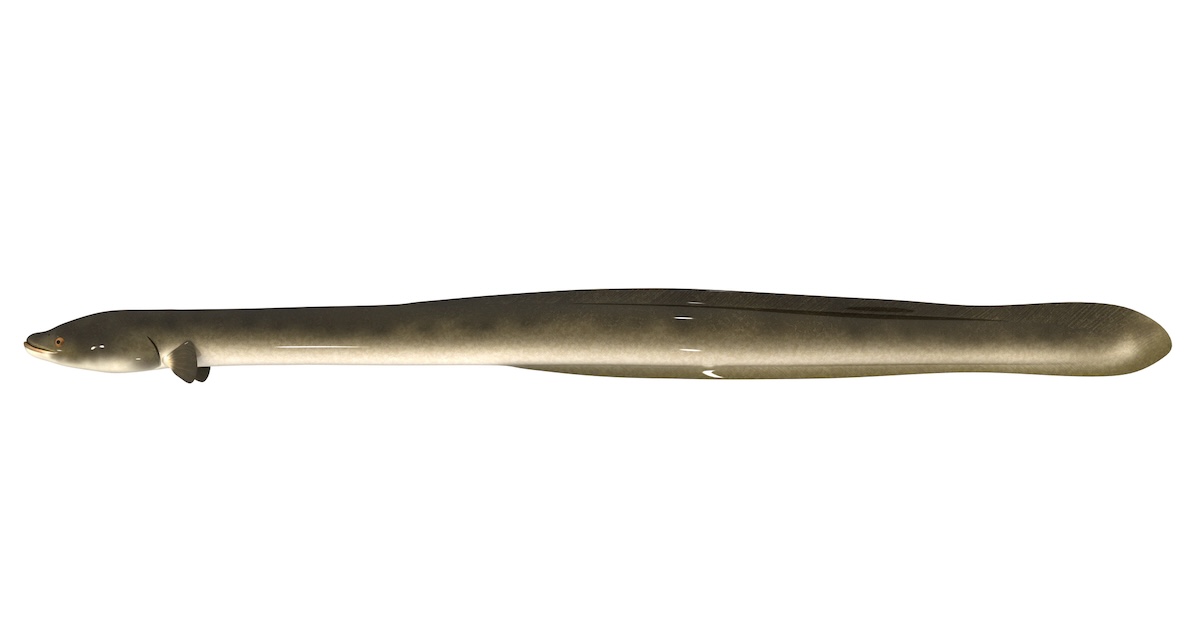 Photo Credit: sciencepics on Deposit Photos
In the shimmering waters of North America, the American eel, or Anguilla rostrata, weaves its way through a world of mystery and wonder. With its long, snakelike body gliding effortlessly through both freshwater rivers and brackish estuaries, this fascinating fish captivates the imagination of scientists and nature enthusiasts alike. Its smooth, slippery skin, often a deep olive or brown, allows it to blend seamlessly into the murky depths, making it a master of disguise in its aquatic realm.
As night falls, the American eel comes alive, emerging from its hiding spots among rocks and mud to hunt for food. This nocturnal lifestyle adds to its allure, as it prowls the waters in search of a diverse diet that includes everything from tiny crustaceans to small fish. But what truly sets the American eel apart is its incredible life cycle, which takes it on a remarkable journey from the Sargasso Sea, where it breeds, to the rivers and lakes of North America, where it spends most of its life. This unique migration, combined with its role as both predator and prey, makes Anguilla rostrata a keystone species, essential for maintaining the balance of its ecosystem. Join us as we dive deeper into the world of the American eel, exploring its behaviors, habitats, and the challenges it faces in a changing environment.
The American eel, scientifically known as Anguilla rostrata, occupies a fascinating niche in the tree of life. This slippery, elongated fish is part of the kingdom Animalia, which includes all animals, and it belongs to the phylum Chordata, meaning it has a backbone. What sets the American eel apart is its unique life cycle, which involves a remarkable journey from freshwater rivers to the depths of the Sargasso Sea for spawning. This incredible migration showcases its adaptability and resilience, making it a captivating subject for both scientists and nature enthusiasts alike.
| Taxonomic Rank | Scientific Name | Meaning & Significance |
|---|---|---|
| Kingdom | Animalia | The name “Animalia” comes from the Latin word “animalis,” meaning “having breath” or “living.” This reflects the vital, breathing nature of all animals. |
| Phylum | Chordata | “Chordata” is derived from the Latin word “chorda,” meaning “string” or “cord,” referring to the notochord, a flexible rod that supports the body in the early stages of development. |
| Class | Actinopterygii | This class name means “ray-finned fishes,” highlighting the structure of their fins, which are supported by bony rays, allowing for agile swimming. |
| Order | Anguilliformes | From the Latin “anguilla,” meaning “eel,” this order includes elongated fish that resemble snakes, emphasizing their unique body shape. |
| Family | Anguillidae | The family name “Anguillidae” also comes from “anguilla,” indicating a close relationship among eels, which share similar characteristics and habitats. |
| Genus | Anguilla | This genus name reinforces the eel’s identity, as it encompasses various species of eels known for their elongated bodies and aquatic lifestyles. |
The classification of the American eel reveals much about its evolutionary history. As a member of the Chordata phylum, it shares a common ancestry with all vertebrates, including mammals, birds, and reptiles. Its position within the Actinopterygii class highlights its adaptation to aquatic life, while the Anguilliformes order showcases its unique morphology. The American eel’s life cycle, which includes both freshwater and marine environments, illustrates its evolutionary journey and the remarkable adaptations that have allowed it to thrive in diverse habitats. This blend of characteristics not only makes the American eel a vital part of its ecosystem but also a living testament to the wonders of evolution.
The evolutionary journey of the American eel, or Anguilla rostrata, stretches back millions of years, weaving through a complex tapestry of environmental changes and adaptations. This species is part of a lineage that has thrived since the late Cretaceous period, around 100 million years ago. As the world transformed, so did the eels, adapting to survive in both freshwater and saltwater environments.
Ancestral forms of eels were quite different from the American eel we know today. Early ancestors were more similar to their relatives, the bonefish, and lived in shallow marine waters. Over time, these fish underwent significant changes, developing elongated bodies and a unique life cycle that includes a remarkable migration from the Sargasso Sea to rivers and lakes across North America. This journey is not just a simple swim; it involves navigating through various habitats, showcasing the eel’s adaptability and resilience.
The adaptations of the American eel have been crucial for its survival in a changing world. Its streamlined body allows for swift movement through water, while its unique life cycle ensures that it can reproduce successfully in the vast ocean. The ability to breathe air gives it an edge in environments where oxygen levels fluctuate, and its flexible diet means it can take advantage of whatever food sources are available. Together, these traits have enabled the American eel to persist through time, navigating the challenges of both freshwater and marine ecosystems.
The American eel is a captivating sight, with its long, snakelike body gliding gracefully through both freshwater and saltwater environments. This fish can grow quite large, reaching weights of up to 17 pounds, making it a formidable presence in its aquatic habitat. Its body is sleek and streamlined, allowing it to navigate through tight spaces and rocky crevices with ease. The eel’s skin is covered in smooth scales, which help reduce friction as it swims, giving it an almost fluid-like movement.
| Feature | Description |
|---|---|
| Size | Can weigh up to 17 pounds and grow several feet long |
| Color | Typically dark brown or greenish, with a lighter underside |
| Skin Type | Covered in smooth, overlapping scales |
| Body Shape | Long and snakelike, allowing for agile movement |
The combination of these features plays a crucial role in the American eel’s survival. Its elongated body not only aids in swift swimming but also allows it to hide from predators among rocks and vegetation. The dark coloration helps it blend into murky waters, providing excellent camouflage. Meanwhile, the smooth scales reduce drag, enabling the eel to dart quickly when it needs to escape danger or catch prey. Together, these adaptations make the American eel a master of its aquatic domain, perfectly suited to thrive in a variety of environments.
The American eel thrives in a variety of watery homes, from the gentle currents of freshwater rivers to the brackish waters of estuaries. Picture a winding river, its banks lined with lush vegetation, where the eel can hide among rocks and roots. As it journeys downstream, it may enter the vast Atlantic Ocean, where it swims through the waves, eventually making its way to the mysterious Sargasso Sea, a region known for its deep blue waters and floating seaweed. This adaptability allows the American eel to navigate different environments throughout its life cycle.
The American eel prefers habitats that offer a mix of calm and flowing waters, as well as places to hide from predators. It thrives in temperatures ranging from 60 to 75 degrees Fahrenheit, which is comfortable for its cold-blooded body. This fish is also sensitive to pollution and changes in water quality, so it often seeks out clean, healthy environments. The presence of vegetation and structures in the water, like fallen trees or rocks, provides essential cover and breeding grounds.
Over time, the American eel has developed remarkable adaptations to its diverse habitats. Its elongated, flexible body allows it to navigate through narrow spaces and rocky crevices with ease. The eel’s ability to breathe through its skin, in addition to its gills, helps it survive in low-oxygen environments. This versatility not only aids in finding food but also in escaping from predators. As it migrates between freshwater and saltwater, the American eel showcases its incredible resilience and adaptability, making it a true survivor in the ever-changing aquatic world.
The American eel leads a life that is both intriguing and adaptable. As a nocturnal creature, it spends much of its day hidden in the mud or among rocks, resting and conserving energy. When night falls, the eel becomes active, swimming through rivers, lakes, and even coastal waters in search of food. Its diet is varied, including small fish, crustaceans, and even insects. This feeding frenzy often takes place in the cover of darkness, allowing the eel to hunt effectively while avoiding larger predators.
While American eels are primarily solitary animals, they do exhibit some interesting behaviors when it comes to their interactions with others of their kind. During the breeding season, they migrate thousands of miles to the Sargasso Sea, where they gather in large numbers to spawn. This journey is not just a physical challenge; it also involves a complex set of behaviors that ensure successful reproduction. Outside of breeding, however, eels prefer to keep to themselves, using their keen senses to navigate their environment and find food.
| Behavior Type | Description |
|---|---|
| Activity Patterns | Nocturnal foraging, resting during the day, and migrating for breeding. |
| Social Structure | Primarily solitary, with gatherings only during the breeding season. |
| Communication Methods | Limited communication; relies on sensory perception to navigate and hunt. |
The behaviors of the American eel are finely tuned to ensure its survival in a variety of environments. By being active at night, it reduces the risk of predation while maximizing its chances of finding food. The solitary nature of the eel allows it to avoid competition for resources, while the instinct to migrate for breeding ensures the continuation of its species. Each aspect of its daily life is a testament to the eel’s ability to thrive in the wild, making it a true survivor of the aquatic world.
The American eel has a diverse diet that reflects its adaptability and opportunistic feeding behavior. As an omnivore, it enjoys a wide range of foods, which allows it to thrive in various aquatic environments. This slippery fish is known to hunt at night, using its keen sense of smell to locate prey in the murky waters where it often resides. With a diet that includes everything from small fish to insect larvae, the American eel is a true culinary adventurer of the underwater world.
| Dietary Aspect | Details |
|---|---|
| Diet Type | Omnivore |
| Favorite Foods | Insect larvae, fish, mollusks, bivalves, crustaceans |
| Prey Items | Worms, frogs, plants |
| Hunting/Foraging Strategies | Nocturnal hunting, using smell to locate food |
This varied diet plays a crucial role in the American eel’s ecology and daily routine. By consuming a wide array of organisms, it helps maintain the balance of its ecosystem, controlling populations of smaller creatures and contributing to nutrient cycling. Its nocturnal foraging habits also allow it to avoid competition with other fish species that may be active during the day. In this way, the American eel not only survives but thrives, showcasing the intricate connections within its watery world.
The American eel has a captivating mating ritual that takes place in the warm waters of the Sargasso Sea, a region in the North Atlantic Ocean. During the breeding season, which typically occurs in the spring, adult eels migrate thousands of miles from their freshwater or brackish habitats to spawn. This journey is not just a simple swim; it’s a remarkable trek that showcases their incredible navigational skills. Once they reach the Sargasso Sea, the eels engage in a mysterious spawning process, after which they die, completing their life cycle.
| Reproductive Aspect | Details |
|---|---|
| Gestation Period | Unknown |
| Litter Size | Thousands of eggs |
| Age of Sexual Maturity | 1-4 years |
| Name of Young | Leptocephalus, glass eel, elver, yellow eel |
After the eggs hatch, the young eels, known as leptocephali, drift with ocean currents for several months. As they travel, they undergo a transformation, becoming glass eels, which are transparent and resemble tiny eels. Eventually, they migrate into estuaries and rivers, where they continue to grow and develop into elvers and then yellow eels. Interestingly, the American eel does not provide parental care after spawning; instead, the young eels must fend for themselves, navigating their way through various habitats as they mature into adults. This journey is filled with challenges, but it is also a testament to their resilience and adaptability in the wild.
The American eel plays a vital role in its ecosystem, serving as both predator and prey. This fascinating fish is part of a complex food web, where it helps control populations of smaller fish and invertebrates while also being a target for larger animals. Its unique life cycle, which includes a long migration to the Sargasso Sea for breeding, makes it an important species in both freshwater and marine environments.
To survive against these threats, the American eel has developed several clever strategies. Its slippery body allows it to escape predators by wriggling into tight spaces among rocks or mud. Additionally, eels can be quite elusive, often hiding during the day and becoming active at night when they are less likely to be seen. This nocturnal behavior, combined with their ability to adapt to various environments, helps them navigate the challenges posed by both natural predators and human impacts.
A keystone species is an organism that has a disproportionately large impact on its environment relative to its abundance. In simpler terms, if you remove a keystone species from an ecosystem, it can cause significant changes or even collapse. The American eel, known scientifically as Anguilla rostrata, qualifies as a keystone species due to its crucial role in both freshwater and marine ecosystems. This fascinating fish influences the health and balance of its habitat in many ways.
American eels are omnivores, meaning they eat a variety of foods, including smaller fish, crustaceans, and even plant matter. This diverse diet allows them to help control populations of various aquatic organisms. For instance, by preying on smaller fish, they help maintain a balance in the food web, preventing any one species from becoming too dominant. Additionally, their feeding habits contribute to nutrient cycling in the ecosystem. As they consume and digest food, they release nutrients back into the water, which supports the growth of plants and microorganisms.
Moreover, American eels serve as an important food source for larger predators, such as birds and mammals. Their presence in the food web supports a variety of other species, making them integral to the survival of many animals. When eels migrate from freshwater to the Sargasso Sea to spawn, they also connect different aquatic environments, linking ecosystems and promoting genetic diversity among fish populations.
If American eels were to disappear, the effects would ripple through their ecosystems. Without them, populations of smaller fish could explode, leading to overgrazing of aquatic plants and a decline in water quality. Larger predators that rely on eels for food would struggle to find enough to eat, potentially leading to their decline as well. The intricate balance of life in both freshwater and marine environments would be disrupted, showcasing just how vital the American eel is to the health of its ecosystem.
The American eel, known scientifically as Anguilla rostrata, plays a vital role in shaping its ecosystem. This fascinating fish is found in a variety of habitats, including freshwater rivers, estuaries, and the Atlantic Ocean. As an omnivore, it feeds on a diverse diet, which allows it to thrive in different environments. By occupying this ecological niche, the American eel contributes to the balance of aquatic ecosystems, influencing both the populations of its prey and the health of the habitats it inhabits.
| Ecosystem Service | Impact |
|---|---|
| Prey for larger animals | Supports the food web by providing a food source for birds, mammals, and larger fish. |
| Predator of smaller fish | Helps control populations of smaller fish and invertebrates, maintaining ecological balance. |
| Nutrient cycling | Contributes to nutrient cycling by breaking down organic matter in aquatic environments. |
| Habitat modification | Creates burrows and disturbances in sediment, which can benefit other aquatic organisms. |
The American eel’s influence is evident in various ways. For instance, as it hunts for food, it preys on smaller fish and invertebrates, helping to keep their populations in check. This predatory behavior is crucial for maintaining a balanced ecosystem, as overpopulation of certain species can lead to habitat degradation. Additionally, when eels burrow into the sediment, they create spaces that can be utilized by other organisms, promoting biodiversity. Their presence in both freshwater and saltwater environments also aids in nutrient cycling, as they break down organic matter and contribute to the overall health of the ecosystem.
The broader ecological importance of the American eel cannot be overstated. As a keystone species, its removal would have significant ripple effects throughout its habitat. The balance of the food web would be disrupted, potentially leading to overpopulation of certain species and a decline in others. Furthermore, the American eel’s migratory patterns, traveling from freshwater to the Sargasso Sea to spawn, connect different aquatic ecosystems, highlighting the interconnectedness of our planet’s waterways. By understanding and protecting this remarkable fish, we can help ensure the health and stability of the ecosystems it supports.
In the intricate web of life, symbiosis refers to the close and often long-term interactions between different species. These relationships can take many forms, including mutualism, where both species benefit, parasitism, where one benefits at the expense of the other, and commensalism, where one species benefits while the other is neither helped nor harmed. The American eel, or Anguilla rostrata, engages in various ecological partnerships that highlight the complexity of its interactions within aquatic ecosystems.
| Species/Type | Relationship Type | Description |
|---|---|---|
| Cleaner fish (e.g., wrasses) | Mutualistic | American eels may visit cleaner fish to have parasites and dead skin removed, benefiting from improved health while the cleaner fish get a meal. |
| Leeches | Parasitic | Leeches attach to American eels to feed on their blood, which can weaken the eels but provides nourishment for the leeches. |
| Small fish (e.g., minnows) | Commensal | Small fish may follow American eels, benefiting from the protection the eel provides while feeding on leftover food scraps without affecting the eel. |
The evolution of these relationships showcases the adaptability of the American eel and its ability to thrive in diverse environments. Over time, these interactions have developed as species learned to exploit available resources and navigate their ecosystems. The benefits gained from these partnerships not only enhance the survival of the American eel but also contribute to the overall health of the aquatic habitats they inhabit. By understanding these connections, we gain insight into the delicate balance of nature and the importance of every species within it.
The American eel is a captivating creature that has intrigued scientists and nature lovers alike for centuries. With its long, snakelike body and mysterious life cycle, this fish is full of surprises that reveal the wonders of the natural world.
The American eel, or Anguilla rostrata, has a rich history intertwined with human culture and tradition. Indigenous peoples of North America have long recognized the eel as a vital food source, often catching them during their migrations. In many cultures, eels symbolize resilience and adaptability, reflecting their remarkable journey from freshwater rivers to the Sargasso Sea for breeding. This connection has inspired folklore and culinary practices, making the American eel a significant part of regional identities, especially in areas like the Atlantic coast.
Today, the relationship between humans and American eels is complex and evolving. As populations of these eels have declined due to overfishing, habitat loss, and barriers like dams, conservation efforts have become crucial. Organizations and researchers are working to restore eel habitats and promote sustainable fishing practices. However, conflicts arise as eels are still sought after for their culinary value, leading to debates over fishing regulations. Some innovative approaches, like aquaculture, aim to domesticate eels, providing a sustainable alternative to wild catches while ensuring that this species continues to thrive.
Looking ahead, the future of the American eel and its relationship with humanity hinges on our ability to balance cultural traditions with conservation needs. As awareness grows about the ecological role of eels, there is hope for more sustainable practices that honor both the species and the communities that rely on them. By fostering a deeper understanding of this remarkable fish, we can ensure that future generations will continue to appreciate and protect the American eel, celebrating its legacy in our shared natural world.
The American eel, known scientifically as Anguilla rostrata, is currently classified as endangered. This status reflects a significant decline in its population, which is estimated to be around 700,000 individuals. Over the years, the numbers of American eels have been decreasing, raising concerns among conservationists and scientists alike. The decline is attributed to various factors, including habitat loss and changes in environmental conditions.
| Conservation Factor | Status/Details |
|---|---|
| IUCN Status | Endangered |
| Estimated Population Size | 700,000 |
| Population Trend | Decreasing |
One of the main threats to the American eel is habitat loss, particularly due to dam construction and water pollution. Dams can block the eels’ migratory routes, preventing them from reaching their breeding grounds in the Sargasso Sea. Additionally, pollution from agricultural runoff and industrial waste can degrade the quality of their freshwater habitats, making it harder for them to thrive. Overfishing also poses a significant risk, as eels have been harvested for food and bait, further straining their populations.
Conservation efforts are underway to help protect the American eel and its habitats. Organizations are working to restore river ecosystems and improve fish passage around dams, allowing eels to migrate freely. Public awareness campaigns aim to educate communities about the importance of this species and the challenges it faces. While the outlook remains cautious, these efforts provide hope for the future of the American eel, as scientists and conservationists strive to ensure that this remarkable fish continues to swim in our waters for generations to come.
| Question | Answer |
|---|---|
| Where do American eels live? | American eels are found in a variety of habitats, including freshwater rivers and lakes, estuaries, and the Atlantic Ocean. They are known to migrate thousands of miles to spawn in the Sargasso Sea, a region in the North Atlantic Ocean. |
| What do American eels eat? | American eels are omnivores, which means they eat both plants and animals. Their diet includes insects, crustaceans, fish, and even algae, making them adaptable to different environments and food sources. |
| How do American eels behave? | American eels are mostly nocturnal, meaning they are active at night. They are known for their secretive nature, often hiding in mud or under rocks during the day to avoid predators. |
| How do American eels reproduce? | American eels have a fascinating reproductive cycle. They travel to the Sargasso Sea to spawn, where females lay thousands of eggs. After hatching, the young eels, called leptocephali, drift back to freshwater habitats to grow. |
| What threats do American eels face? | American eels are currently listed as endangered due to habitat loss, pollution, and overfishing. Dams and other barriers also disrupt their migration routes, making it harder for them to reach their spawning grounds. |
| What is a distinctive feature of American eels? | One of the most distinctive features of American eels is their long, snakelike body. This unique shape helps them navigate through tight spaces in their aquatic habitats, making them excellent swimmers. |
| Can American eels live in saltwater? | Yes, American eels can live in both freshwater and saltwater. They are catadromous, which means they spend most of their lives in freshwater but return to the ocean to spawn, showcasing their adaptability to different environments. |