Taxonomy & Classification
- Kingdom
- Animalia
- Phylum
- Chordata
- Class
- Mammalia
- Order
- Primates
- Family
- Cercopithecidae
- Genus
- Macaca
- Species
- Macaca fuscata

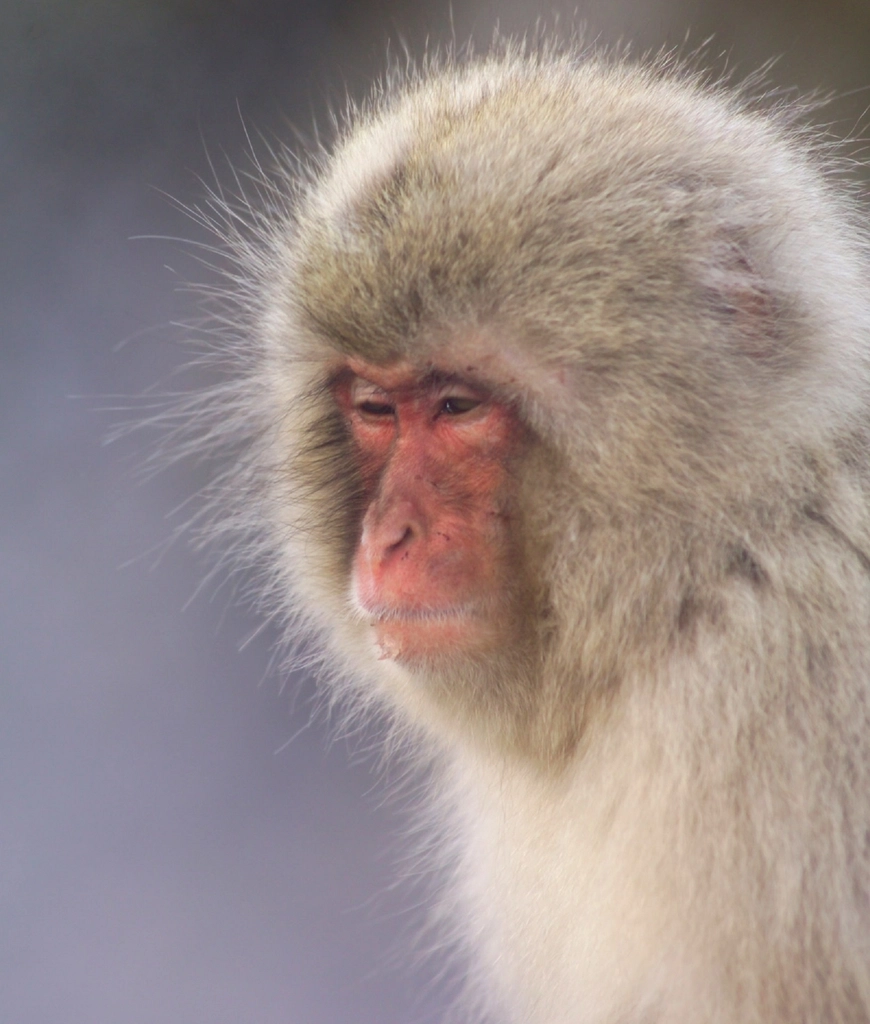 Photo Credit: Rawpixel
In the serene mountains of Japan, the Japanese macaque, scientifically known as Macaca fuscata, thrives in a world that seems to blend the beauty of nature with the charm of its inhabitants. Often referred to as the snow monkey, this remarkable primate is easily recognized by its thick fur, which ranges from gray to brown, and its expressive face adorned with a bright red patch on the rear. These features not only make the Japanese macaque visually striking but also serve as a fascinating subject for scientists and nature enthusiasts alike, who are captivated by their complex social structures and behaviors.
Imagine a troop of these monkeys nestled among the snow-dusted trees, their playful antics echoing through the crisp mountain air. As they groom one another, a vital social activity that strengthens bonds, you can see the intelligence and curiosity that define their species. Japanese macaques are known for their adaptability, thriving in diverse habitats from lush forests to rugged terrains. Their ability to forage for food, socialize, and even bathe in hot springs during the cold winter months showcases their resourcefulness and resilience. This unique blend of characteristics not only highlights their role in the ecosystem but also invites us to explore the intricate relationships they maintain with their environment and each other.
The Japanese macaque, scientifically known as Macaca fuscata, holds a special place in the animal kingdom. As a member of the primate order, this intelligent and social monkey showcases behaviors that are both complex and captivating. Known for their adaptability, Japanese macaques thrive in a variety of environments, from snowy mountains to lush forests. They are particularly famous for their unique habit of bathing in hot springs during cold winters, a behavior that highlights their remarkable ability to cope with harsh climates. This combination of social structure, intelligence, and adaptability makes them a standout species among primates.
| Taxonomic Rank | Scientific Name | Meaning & Significance |
|---|---|---|
| Kingdom | Animalia | This name signifies that Japanese macaques belong to the broad group of multicellular organisms that are heterotrophic, meaning they consume organic material for energy. |
| Phylum | Chordata | Chordata refers to animals that have a notochord, a flexible rod that supports the body. In mammals like the Japanese macaque, this structure is replaced by the backbone during development. |
| Class | Mammalia | Mammalia indicates that these animals are warm-blooded and have fur or hair, along with mammary glands that produce milk for their young. |
| Order | Primates | The order Primates includes animals with highly developed brains and complex social behaviors, which is evident in the Japanese macaque’s intricate social structures. |
| Family | Cercopithecidae | This family name means “long-tailed monkeys,” highlighting the physical characteristics of many of its members, including the Japanese macaque, which has a short tail compared to others. |
| Genus | Macaca | The genus name Macaca is derived from a local term for these monkeys, emphasizing their widespread presence in Asia and their adaptability to various habitats. |
| Species | Macaca fuscata | The species name fuscata means “dark” or “brown,” referring to the macaque’s thick, shaggy fur that helps it survive in colder climates. |
Understanding the Japanese macaque’s classification reveals much about its evolutionary journey. As a member of the primate family, it shares a common ancestor with humans and other primates, showcasing traits that have evolved over millions of years. Their adaptability to different environments and social structures reflects the evolutionary pressures they have faced, allowing them to thrive in diverse habitats. This classification not only highlights their biological connections but also emphasizes the importance of studying these remarkable animals to understand the broader narrative of life on Earth.
The evolutionary journey of the Japanese macaque, or Macaca fuscata, stretches back millions of years, tracing its roots to the early primates that roamed the Earth. These ancestors emerged during the Eocene epoch, around 55 million years ago, when the world was a very different place. Over time, as climates shifted and landscapes transformed, these primates adapted to their environments, leading to the diverse species we see today, including the resilient Japanese macaque.
The story of the Japanese macaque begins with its ancestors, who were small, tree-dwelling creatures. As they evolved, they transitioned from life in the trees to a more terrestrial existence, which allowed them to explore new habitats. This shift was crucial, as it opened up opportunities for foraging on the ground. Over time, these primates developed social structures and complex behaviors, which helped them thrive in various environments, including the snowy mountains of Japan. Their ability to adapt to colder climates is particularly noteworthy, as it set them apart from many other primate species.
The adaptations of the Japanese macaque have been vital for their survival in the diverse and often challenging landscapes of Japan. Their thick fur protects them from the cold, while their social structures provide safety in numbers. The ability to forage for a wide variety of foods ensures they can find nourishment in different seasons. Their famous hot spring baths not only keep them warm but also serve as a social activity that strengthens troop bonds. Together, these traits illustrate how evolution has shaped the Japanese macaque into a resilient and adaptable species, capable of thriving in a range of environments.
The Japanese macaque, often called the snow monkey, presents a striking image with its robust body and expressive features. Standing between 80 to 95 centimeters tall, these primates have a sturdy build that allows them to navigate their mountainous habitats with agility. Their fur, a mix of gray and brown, provides warmth in the chilly climates they often inhabit. However, it’s their most distinctive feature—a bright red, almost human-like face—that truly captures attention. This unique facial structure, combined with their expressive eyes, gives them a personality that is both endearing and intriguing.
| Feature | Description |
|---|---|
| Height | 80cm – 95cm (31.5in – 37.5in) |
| Weight | 5kg – 14kg (11lbs – 31lbs) |
| Skin Type | Fur |
| Most Distinctive Feature | Red and human-like, naked face |
The combination of their sturdy physique and striking facial features serves important survival purposes. The thick fur keeps them warm in cold environments, while their naked faces help regulate body temperature, especially during the hot springs they often frequent. Their expressive faces not only communicate emotions but also play a crucial role in social interactions within their troops. Together, these characteristics make the Japanese macaque a fascinating example of adaptation and social complexity in the animal kingdom.
The Japanese macaque, also known as the snow monkey, thrives in a variety of habitats across Japan, from lush tropical forests to rugged mountain ranges. Picture a landscape where dense trees provide shelter and food, while steep slopes offer a playground for these agile primates. In winter, some regions are blanketed in snow, creating a stunning contrast against the macaques’ warm fur. These monkeys are often seen soaking in hot springs, a delightful sight that showcases their adaptability to the cold.
The climate where Japanese macaques live varies significantly. They are found in areas that experience both warm summers and cold winters, with temperatures sometimes dropping below freezing. This adaptability to different climates is crucial for their survival. The forests provide ample food sources, including fruits, nuts, and leaves, while the mountainous terrain offers protection from predators and harsh weather conditions.
Japanese macaques have developed several fascinating adaptations to thrive in these environments. Their thick fur keeps them warm during chilly winters, while their social structures help them find food and stay safe. They are known for their intelligence, using tools and learning from one another, which enhances their ability to navigate the challenges of their habitats. Whether lounging in a hot spring or foraging for food, these monkeys demonstrate a remarkable ability to make the most of their surroundings.
The daily life of the Japanese macaque, or Macaca fuscata, is a blend of social interaction, foraging, and relaxation. These diurnal monkeys are most active during the day, starting their mornings with grooming sessions that help strengthen bonds within their troops. As the sun rises, they venture out to search for food, which includes fruits, seeds, and even insects. Their afternoons are often filled with playful antics, as young macaques chase each other and engage in spirited games. As the day winds down, they gather in groups to rest and groom one another, reinforcing their social ties and preparing for another day of adventure.
Social behavior is at the heart of the Japanese macaque’s life. Living in troops, these monkeys form complex social structures that can include dozens of individuals. Each troop has a hierarchy, with dominant males and females leading the group. Communication is key in these social dynamics, and macaques use a variety of vocalizations, facial expressions, and body language to convey their feelings and intentions. Grooming is not just about cleanliness; it’s a vital social activity that helps maintain peace and cooperation among troop members. This intricate web of relationships ensures that every member of the troop plays a role in its success.
| Behavior Type | Description |
|---|---|
| Activity Patterns | Active during the day, Japanese macaques forage for food, groom each other, and engage in play. |
| Social Structure | Live in troops with a clear hierarchy, including dominant males and females. |
| Communication Methods | Use vocalizations, facial expressions, and grooming to communicate and strengthen social bonds. |
The behaviors of Japanese macaques are not just fascinating; they are essential for survival. By living in troops, these monkeys benefit from protection against predators and can share information about food sources. Grooming helps reduce stress and fosters cooperation, which is crucial in their often harsh environments. Through their social interactions and daily routines, Japanese macaques demonstrate the importance of community, ensuring that they thrive in the diverse landscapes of Japan.
The Japanese macaque, or Macaca fuscata, is an omnivore, meaning it enjoys a varied diet that includes both plant and animal matter. These clever monkeys are skilled foragers, using their intelligence and dexterity to find food in their natural habitats. They primarily feast on fruits, young leaves, and seeds, but they are also known to nibble on insects and small invertebrates when the opportunity arises. This adaptability in their diet allows them to thrive in diverse environments, from snowy mountains to lush forests.
| Dietary Aspect | Details |
|---|---|
| Diet Type | Omnivore |
| Favorite Foods | Fruits, young leaves, seeds |
| Prey Items | Insects, small invertebrates |
| Hunting/Foraging Strategies | Foraging in trees and on the ground, using dexterous hands to grasp food |
The diet of the Japanese macaque plays a crucial role in shaping its ecology and daily routine. By consuming a wide range of foods, these monkeys help disperse seeds throughout their environment, promoting plant growth and maintaining the health of their ecosystems. Their foraging habits also influence their social structures, as they often gather in groups to search for food, strengthening bonds within their communities. This dynamic relationship with their surroundings highlights the importance of diet in the life of the Japanese macaque, making it a key player in the intricate web of life in Japan.
The mating behavior of Japanese macaques is as intriguing as their social structures. Breeding season typically occurs in the winter months, peaking from December to March. During this time, males engage in displays of dominance, showcasing their strength and agility to attract females. The females, in turn, exhibit signs of receptivity, which can include vocalizations and specific body postures. This courtship ritual is not just about reproduction; it also reinforces social bonds within the troop.
| Reproductive Aspect | Details |
|---|---|
| Gestation Period | 5 – 6 months |
| Average Litter Size | 1 |
| Age of Sexual Maturity | 4 – 5 years |
| Name of Young | Infant |
Once the infant is born, the mother takes on the vital role of caregiver. Japanese macaque mothers are attentive and nurturing, often carrying their young close to their bodies for warmth and security. As the infants grow, they begin to explore their surroundings, learning essential skills through play and interaction with other troop members. This early socialization is crucial, as it helps them develop the behaviors they will need as adults. By the time they reach sexual maturity at around four to five years, they are well-integrated into the complex social fabric of their troop, ready to contribute to the next generation.
The Japanese macaque, or Macaca fuscata, occupies a vital role in its ecosystem, often found at the mid-level of the food web. As an omnivore, it forages for a variety of foods, which helps maintain the balance of plant and animal populations in its habitat. However, despite its adaptability and intelligence, the Japanese macaque faces several dangers that threaten its survival.
To defend against these threats, Japanese macaques have developed a range of survival strategies. They often live in large social groups, which provides safety in numbers. When faced with predators, they can quickly alert each other with alarm calls, allowing them to escape to the safety of trees. Additionally, their intelligence helps them adapt to changing environments, finding new food sources and avoiding danger. By working together and using their wits, these remarkable primates continue to thrive in a world full of challenges.
A keystone species is an organism that plays a crucial role in maintaining the structure of its ecosystem. Its presence and activities significantly influence the environment and the other species living there. The Japanese macaque, or Macaca fuscata, qualifies as a keystone species due to its diverse interactions within its habitat, which ranges from tropical forests to mountainous regions in Japan.
Japanese macaques have a profound ecological impact, particularly through their foraging habits. As omnivores, they consume a wide variety of foods, including fruits, seeds, and small animals. This foraging behavior helps to disperse seeds throughout their environment, promoting plant growth and diversity. When they eat fruits, they often leave behind seeds in their droppings, which can sprout into new plants, contributing to the health of their forest ecosystem.
Additionally, these monkeys play a role in controlling insect populations. By feeding on insects, they help maintain a balance in the ecosystem, preventing any one species from becoming too dominant. This natural pest control is vital for the health of the plants they rely on for food, creating a cycle of interdependence among species.
Moreover, the social structure of Japanese macaques, which live in troops, fosters a dynamic community that influences the behavior of other animals. Their presence can affect the distribution of other species, as many animals may avoid areas where these monkeys are active. This can lead to a more balanced ecosystem, as various species find their niches without excessive competition.
If Japanese macaques were to disappear from their ecosystem, the consequences could be significant. Without these monkeys, seed dispersal would decline, leading to reduced plant diversity and health. This could create a ripple effect, impacting other species that rely on those plants for food and shelter. Additionally, the absence of natural pest control could result in overpopulation of certain insects, which might harm crops and other vegetation. Ultimately, the loss of Japanese macaques would disrupt the delicate balance of their ecosystem, highlighting their vital role in sustaining life in their habitats.
The Japanese macaque, or Macaca fuscata, plays a vital role in shaping its ecosystem, particularly in the forests and mountains of Japan. As an omnivore, this adaptable primate forages for a wide variety of foods, including fruits, seeds, and small animals. By doing so, it helps control plant populations and influences the distribution of various species. The macaque’s social behavior and foraging habits create a dynamic interaction with its environment, making it a key player in the ecological community.
| Ecosystem Service | Impact |
|---|---|
| Seed Dispersal | Helps in the growth of new plants by spreading seeds through their droppings. |
| Soil Aeration | Digging for food loosens the soil, improving its quality and promoting plant growth. |
| Food Source for Predators | Serves as prey for larger animals, contributing to the food web. |
| Behavioral Influence | Social interactions can affect the behavior of other species in the area. |
The Japanese macaque’s influence on its environment is evident in several ways. For instance, as they forage for fruits and nuts, they inadvertently help in seed dispersal. When they eat fruits, the seeds often pass through their digestive systems and are deposited elsewhere, allowing new plants to grow in different locations. This not only supports plant diversity but also creates habitats for other animals. Additionally, their digging behavior while searching for roots and insects aerates the soil, enhancing its quality and promoting the growth of vegetation.
The broader ecological importance of the Japanese macaque cannot be overstated. As a keystone species, their activities help maintain the balance of their ecosystem. By influencing plant growth and serving as a food source for predators, they contribute to the overall health of their environment. The interactions between the Japanese macaque and other species create a complex web of life, showcasing the interconnectedness of nature. Understanding their role helps us appreciate the delicate balance that sustains ecosystems around the world.
In the intricate web of nature, symbiosis refers to the close and often long-term interactions between different species. These relationships can take many forms, including mutualism, where both species benefit, parasitism, where one benefits at the expense of the other, and commensalism, where one benefits while the other is neither helped nor harmed. The Japanese macaque, or Macaca fuscata, engages in various ecological partnerships that highlight the complexity of life in its habitats, from tropical forests to mountainous regions.
| Species/Type | Relationship Type | Description |
|---|---|---|
| Birds (e.g., Japanese tit) | Mutualistic | Japanese macaques often disturb insects while foraging, which attracts birds that feed on these insects. In return, the birds may alert the macaques to potential predators. |
| Ticks | Parasitic | Ticks can latch onto the skin of Japanese macaques, feeding on their blood. This relationship harms the macaques, as it can lead to irritation and disease. |
| Fungi | Commensal | Fungi growing on the forest floor benefit from the nutrients provided by the macaques’ droppings, while the macaques are unaffected by the fungi. |
These relationships have evolved over time, shaped by the needs and behaviors of the species involved. The mutualistic interactions, like those with birds, enhance the survival of both parties, creating a balance in the ecosystem. Meanwhile, parasitic relationships, such as those with ticks, remind us of the challenges that come with living in close quarters with other organisms. Understanding these connections not only highlights the adaptability of the Japanese macaque but also emphasizes the importance of biodiversity in maintaining healthy ecosystems. Each species plays a role, contributing to the rich tapestry of life that surrounds us.
The Japanese macaque, also known as the snow monkey, is a captivating primate that showcases a variety of surprising traits and behaviors. These intelligent creatures have adapted to their environment in remarkable ways, making them a subject of fascination for nature enthusiasts.
The Japanese macaque, or Macaca fuscata, has a long and storied relationship with humanity that dates back centuries. These monkeys are often depicted in Japanese art and folklore, symbolizing both wisdom and mischief. In ancient times, they were revered as sacred animals, believed to bring good fortune. Temples and shrines dedicated to these primates can still be found across Japan, showcasing their cultural significance. Their presence in human history is not just a matter of reverence; it also reflects the deep connection between people and nature, as these monkeys have adapted to life in close proximity to human settlements.
Today, the interactions between Japanese macaques and humans are complex and multifaceted. While conservation efforts aim to protect their habitats and ensure their survival, conflicts often arise due to the monkeys’ foraging behaviors. As urban areas expand, macaques sometimes venture into towns in search of food, leading to clashes with residents. This has sparked discussions about how to manage these encounters, balancing the needs of both the monkeys and the people. Interestingly, some communities have even explored the idea of domestication, though this remains a contentious topic. The challenge lies in finding ways to coexist peacefully while respecting the natural behaviors of these intelligent primates.
Looking ahead, the future of the relationship between Japanese macaques and humanity will depend on our ability to adapt and find common ground. As climate change and urbanization continue to impact their habitats, it is crucial to foster a sense of stewardship among communities. By promoting conservation efforts and encouraging respectful coexistence, we can ensure that these fascinating primates thrive alongside us. The journey forward will require understanding, compassion, and a commitment to preserving the delicate balance of our shared environment.
The Japanese macaque, or Macaca fuscata, currently holds a conservation status of Near Threatened according to the International Union for Conservation of Nature (IUCN). With an estimated population of around 50,000 individuals, these fascinating primates are facing challenges that could impact their future. While their numbers are still relatively stable, ongoing threats could lead to a decline if not addressed.
| Conservation Factor | Status/Details |
|---|---|
| IUCN Status | Near Threatened |
| Estimated Population Size | 50,000 |
| Population Trend | Stable, but facing threats |
One of the main threats to the Japanese macaque is habitat loss, primarily due to human activities such as agriculture and urban development. As forests are cleared for farming or construction, these monkeys lose their natural homes and food sources. Additionally, climate change poses a risk, altering the environments where they thrive. Human-wildlife conflict can also arise, especially when macaques venture into agricultural areas in search of food, leading to negative interactions with farmers.
Conservation efforts are underway to protect the Japanese macaque and its habitat. Various organizations are working to raise awareness about the importance of preserving these primates and their ecosystems. Protected areas and national parks in Japan provide safe havens for the macaques, allowing them to thrive away from human encroachment. With continued efforts and community involvement, there is hope that the Japanese macaque will maintain its population and continue to play its vital role in the ecosystem.
| Question | Answer |
|---|---|
| What is the habitat of the Japanese Macaque? | Japanese Macaques, also known as snow monkeys, live in tropical forests and mountainous regions of Japan. They are unique because they can thrive in colder climates, even in areas that experience heavy snowfall. |
| What do Japanese Macaques eat? | These monkeys are omnivores, meaning they eat both plants and animals. Their diet includes fruits, seeds, leaves, insects, and even small animals, which helps them adapt to different environments. |
| How do Japanese Macaques behave in groups? | Japanese Macaques are highly social animals that live in troops, which can consist of up to 100 individuals. They have complex social structures and communicate through vocalizations, facial expressions, and grooming behaviors. |
| How do Japanese Macaques reproduce? | Breeding typically occurs in the winter months, and females give birth to a single baby after a gestation period of about six months. The young macaques are cared for by their mothers and often stay with them for several years. |
| What threats do Japanese Macaques face? | Japanese Macaques are classified as Near Threatened due to habitat loss and human encroachment. They also face threats from climate change, which can affect their food sources and living conditions. |
| What is a distinctive feature of the Japanese Macaque? | One of the most distinctive features of the Japanese Macaque is its red, human-like, naked face. This unique characteristic helps them express emotions and communicate with each other. |
| Are Japanese Macaques known for any interesting behaviors? | Yes! Japanese Macaques are famous for their habit of bathing in hot springs during the winter. This behavior not only keeps them warm but also helps them relax and socialize with other members of their troop. |