Taxonomy & Classification
- Kingdom
- Animalia
- Phylum
- Chordata
- Class
- Mammalia
- Order
- Carnivora
- Family
- Canidae
- Genus
- Canis
- Species
- Canis lupus

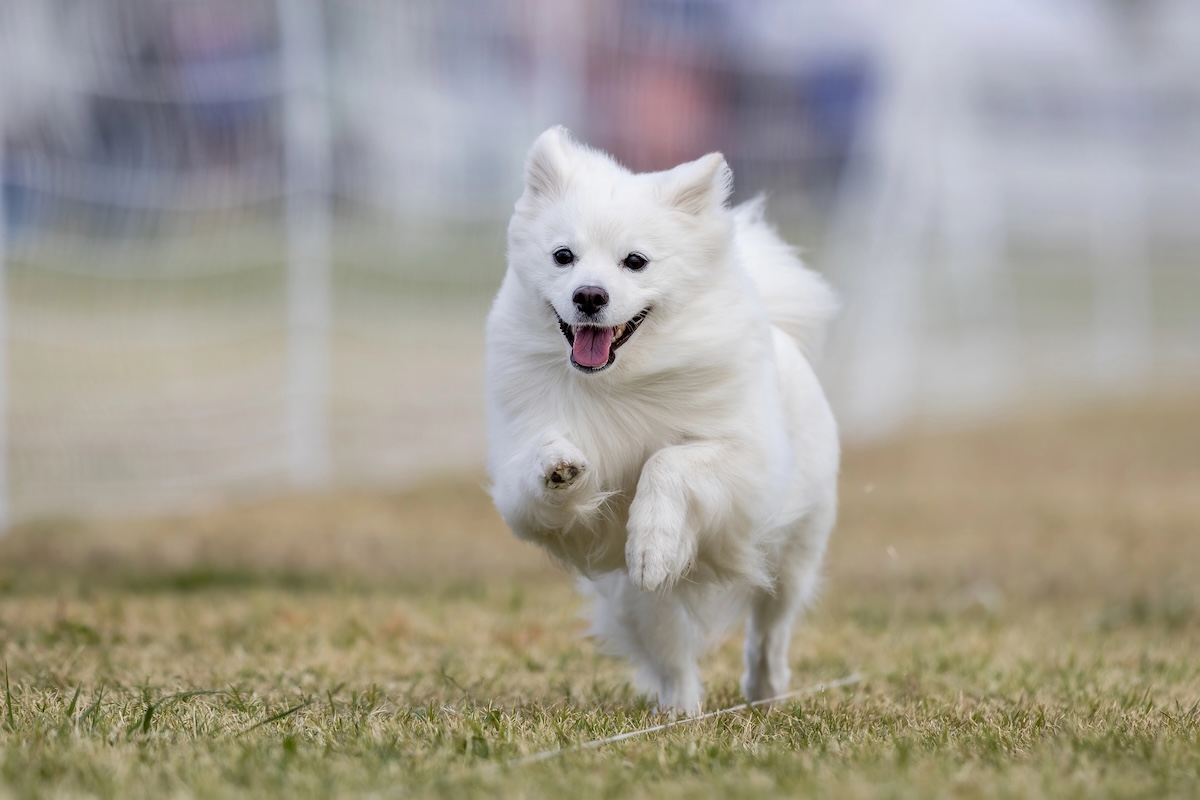 Photo Credit: Cavan on Deposit Photos
In the frosty embrace of winter, the American Eskimo Dog, scientifically known as Canis lupus familiaris, dances joyfully across a snowy landscape. With its thick, fluffy coat glistening in the sunlight, this breed captivates the hearts of all who encounter it. The Eskie, as it is affectionately called, is not just a pretty face; its lively spirit and intelligence make it a beloved companion and a fascinating subject for scientists and dog lovers alike.
These dogs come in three sizes—toy, miniature, and standard—each showcasing a sturdy build and a playful demeanor that invites curiosity. Their bright, expressive eyes and perky ears add to their charm, making them look like fluffy little clouds bounding through the snow. But what truly sets the American Eskimo Dog apart is its rich history and adaptability. Originally bred by German immigrants in the United States, these dogs were valued for their herding abilities and companionship. Today, they thrive in various environments, especially in colder climates, where their thick fur keeps them warm and ready for adventure. As we explore the world of the American Eskimo Dog, we will uncover its unique traits, behaviors, and the special bond it shares with humans.
The American Eskimo Dog, often affectionately called the “Eskie,” holds a special place in the animal kingdom. Taxonomically, it belongs to the Kingdom Animalia, which includes all animals, and it is classified under the Phylum Chordata, meaning it has a backbone. This breed is part of the Class Mammalia, indicating it is a mammal that nurses its young. Within the Order Carnivora, which includes meat-eating animals, the Eskie is a member of the Family Canidae, the group that encompasses dogs, wolves, and foxes. Its Genus, Canis, includes all modern dog breeds. What makes the American Eskimo Dog particularly interesting is its striking appearance, characterized by a fluffy white coat and a lively personality, which has endeared it to families across the United States.
| Taxonomic Rank | Scientific Name | Meaning & Significance |
|---|---|---|
| Kingdom | Animalia | The name comes from the Latin word “animalis,” meaning “having breath” or “living being,” highlighting the essence of all living creatures. |
| Phylum | Chordata | This term is derived from the Latin “chorda,” meaning “string” or “cord,” referring to the notochord, a flexible rod that supports the body in the early stages of development. |
| Class | Mammalia | From the Latin “mamma,” meaning “breast,” this classification emphasizes the defining feature of mammals: the ability to nurse their young with milk. |
| Order | Carnivora | Derived from the Latin “carnivorus,” meaning “meat-eating,” this order includes animals that primarily consume meat, showcasing their predatory adaptations. |
| Family | Canidae | This name comes from the Latin “canis,” meaning “dog,” which reflects the family’s members, including domestic dogs, wolves, and foxes. |
| Genus | Canis | Also from the Latin “canis,” this genus encompasses all dog species, highlighting their shared ancestry and characteristics. |
Understanding the American Eskimo Dog’s classification reveals much about its evolutionary journey. As a member of the Canidae family, it shares a common ancestor with wolves and other canines, showcasing traits that have been honed over thousands of years. The Eskie’s playful nature and intelligence are not just charming; they are adaptations that have helped it thrive alongside humans. This classification not only connects the Eskie to its wild relatives but also highlights the deep bond between dogs and people, a relationship that has evolved through time, shaped by companionship and utility.
The American Eskimo Dog, a charming and intelligent breed, has a rich evolutionary history that stretches back thousands of years. This breed is part of the Canidae family, which includes wolves, foxes, and domestic dogs. The story of the Eskie begins with its ancestors, who roamed the icy landscapes of the Arctic and sub-Arctic regions, adapting to the harsh conditions of their environment. Over time, these early canines evolved into the dogs we recognize today, shaped by both natural selection and human influence.
The ancestors of the American Eskimo Dog are believed to have descended from ancient Arctic dogs, which were bred by indigenous peoples for various purposes, including companionship, herding, and guarding. These early dogs were well-suited to cold climates, developing thick fur coats and a sturdy build to withstand freezing temperatures. As humans migrated and settled in different regions, they selectively bred these dogs for specific traits, leading to the emergence of distinct breeds. The American Eskimo Dog, with its fluffy white coat and playful demeanor, is a direct descendant of these hardy Arctic canines.
The adaptations of the American Eskimo Dog have played a crucial role in its survival and success as a breed. The thick double coat not only protects against the cold but also contributes to its striking appearance, making it a beloved companion. Its agility and strength allow it to perform various tasks, from herding to guarding, while its intelligence ensures it can learn and adapt to different environments. The social nature of the Eskie fosters strong relationships with humans, making it a cherished member of many families. Together, these traits highlight the breed’s remarkable journey through time, showcasing how evolution and human interaction have shaped the American Eskimo Dog into the delightful companion it is today.
The American Eskimo Dog is a strikingly beautiful breed that captures attention with its fluffy coat and lively demeanor. With a compact yet sturdy body, these dogs come in three sizes: toy, miniature, and standard. Their well-proportioned frames are complemented by a bushy tail that curls over their back, giving them an air of elegance. The Eskie’s bright, expressive eyes and perky ears add to their charming appearance, making them look both alert and friendly.
| Feature | Description |
|---|---|
| Weight | 6 – 35 lbs |
| Skin Type | Hair |
| Coat Color | White, cream, or gray |
| Body Structure | Compact and sturdy |
| Tail | Bushy and curled over the back |
| Ears | Perky and triangular |
| Eyes | Bright and expressive |
These physical features are not just for show; they serve important purposes in the life of an American Eskimo Dog. Their thick, fluffy coat provides insulation against cold weather, making them well-suited for chilly climates. The compact body structure allows for agility and endurance, essential traits for a breed that was historically used for herding and guarding. Their bright eyes and perky ears help them stay alert to their surroundings, ensuring they can respond quickly to any changes in their environment. Together, these characteristics create a breed that is not only visually stunning but also well-adapted to thrive in various conditions.
The American Eskimo Dog thrives in a variety of environments, but it is particularly fond of colder climates. Picture a snowy landscape where these fluffy companions frolic in the crisp air, their thick double coats keeping them warm against the chill. They are often found in suburban neighborhoods, where they can enjoy both the comforts of home and the excitement of outdoor adventures. Whether it’s a backyard blanketed in snow or a park with frosty grass, the Eskie feels right at home in these wintry settings.
The American Eskimo Dog is well-suited to environments that experience cold weather. These dogs thrive in climates where temperatures can drop significantly, as their thick fur provides insulation. They enjoy playing in the snow and are often seen bounding through drifts with joy. While they can adapt to warmer weather, they prefer the refreshing chill of winter, which allows them to be active and playful without overheating.
Over time, the American Eskimo Dog has developed several adaptations that help it flourish in its preferred habitats. Its dense, fluffy coat not only keeps it warm but also protects it from moisture and wind. Additionally, their energetic nature and playful spirit make them excellent companions for outdoor activities, whether it’s a brisk walk in the snow or a game of fetch in the park. This breed’s ability to thrive in colder climates is a testament to its resilience and adaptability, making it a beloved pet for families in various regions.
The daily life of an American Eskimo Dog is filled with energy and curiosity. These lively dogs typically start their day with a burst of enthusiasm, eager to explore their surroundings. Morning walks are a favorite, where they can sniff out new scents and enjoy the fresh air. After their exercise, they often engage in playful activities, whether it’s chasing a ball or frolicking in the yard. Throughout the day, they alternate between periods of play and relaxation, often curling up in a cozy spot to recharge before the next adventure.
Social behavior is a key aspect of the American Eskimo Dog’s life. These dogs are known for their friendly and affectionate nature, making them excellent companions for families and individuals alike. They thrive on social interaction, not just with humans but also with other dogs. Their pack mentality means they enjoy being part of a group, whether it’s playing with their canine friends or participating in family activities. Communication is vital for them; they use a variety of barks, whines, and body language to express their feelings and needs, ensuring they stay connected with their loved ones.
| Behavior Type | Description |
|---|---|
| Activity Patterns | American Eskimo Dogs are active and playful, requiring regular exercise and mental stimulation. They enjoy walks, playtime, and engaging games that challenge their intelligence. |
| Social Structure | These dogs are social animals that thrive in groups. They bond closely with their human families and often get along well with other pets, enjoying the company of both dogs and people. |
| Communication Methods | American Eskimo Dogs communicate through a mix of vocalizations, such as barking and whining, as well as body language, like wagging their tails or playful postures, to express their emotions. |
The behaviors of the American Eskimo Dog are not just for fun; they play a crucial role in their survival and well-being. Their active lifestyle helps keep them physically fit, which is essential for a long and healthy life. Social interactions strengthen their bonds with humans and other animals, creating a supportive environment that enhances their emotional health. By communicating effectively, they ensure their needs are met, whether it’s for play, food, or affection. In this way, the American Eskimo Dog exemplifies how behavior and survival are intricately linked in the animal kingdom.
The American Eskimo Dog is an omnivore, which means it enjoys a varied diet that includes both plant and animal foods. This breed has a hearty appetite and thrives on a balanced mix of proteins, carbohydrates, and fats. In a domestic setting, they often eat high-quality dog food that provides all the essential nutrients. However, they also love to snack on fruits and vegetables, making their diet quite diverse. Their feeding behavior is influenced by their playful and energetic nature, as they require plenty of fuel to keep up with their active lifestyle.
| Dietary Aspect | Details |
|---|---|
| Diet Type | Omnivore |
| Favorite Foods | High-quality dog food, fruits like apples and blueberries, vegetables such as carrots and peas |
| Prey Items | Small mammals and birds (in a wild setting) |
| Hunting/Foraging Strategies | In a natural environment, they would use their keen senses and agility to chase and catch small animals. |
This varied diet not only supports the American Eskimo Dog’s health but also shapes its daily routine. With their energetic disposition, these dogs require regular meals to maintain their stamina for play and exercise. Their omnivorous diet allows them to adapt to different food sources, whether they are enjoying a home-cooked meal or scavenging for tasty treats during outdoor adventures. This adaptability is key to their survival and happiness, making them delightful companions for families and individuals alike.
When it comes to reproduction, American Eskimo Dogs exhibit interesting mating behaviors. The breeding season typically occurs once a year, usually in the spring. During this time, female Eskies go into heat, a period when they are fertile and can conceive. Males are drawn to the scent of a female in heat, and they may engage in playful courtship rituals, which can include playful barking and gentle nipping. This lively interaction helps strengthen their bond and prepares them for the next step in their reproductive journey.
| Reproductive Aspect | Details |
|---|---|
| Gestation Period | Approximately 63 days |
| Litter Size | Average of 5 puppies |
| Age of Maturity | About 6 to 12 months |
| Name of Young | Puppies |
Once the puppies are born, the parental care provided by the mother is crucial for their development. The mother American Eskimo Dog is attentive and nurturing, ensuring her young are warm, fed, and safe. She will nurse them for several weeks, providing essential nutrients through her milk. As the puppies grow, they begin to explore their surroundings, play with each other, and learn important social skills. By the time they reach maturity, usually around 6 to 12 months, they are well-prepared to join the world as lively and affectionate companions, carrying on the spirited legacy of their breed.
The American Eskimo Dog, often seen as a fluffy companion, occupies a unique position in the food web. While these dogs are domesticated and primarily live alongside humans, they still face dangers from the wild. In their natural instincts, they may encounter various predators and threats that remind us of their ancestral roots. Understanding these dangers helps us appreciate the resilience and adaptability of this breed.
Despite these threats, American Eskimo Dogs have developed several defensive behaviors and survival strategies. Their keen senses allow them to detect danger early, and their natural instinct to bark serves as an alert system for their human companions. Additionally, their agility and speed help them escape from potential predators. When faced with a threat, they may also use their intelligence to find safe hiding spots or seek the protection of their owners. This combination of instincts and learned behaviors ensures that these fluffy guardians can navigate the challenges of their environment.
A keystone species is an organism that plays a crucial role in maintaining the structure of its ecosystem. This means that its presence or absence can significantly impact the environment and other species within it. While the American Eskimo Dog is a beloved companion animal, it does not qualify as a keystone species. Instead, it is primarily a domesticated breed that relies on humans for care and does not have a direct ecological role in the wild.
Despite not being a keystone species, the American Eskimo Dog can still influence its surroundings in various ways. For instance, these dogs are known for their playful and energetic nature, which can encourage outdoor activities and exercise for their owners. This interaction promotes a healthier lifestyle for humans, which indirectly benefits the local environment by fostering a greater appreciation for nature. Additionally, their presence can help control small animal populations, such as rodents, in suburban areas, as they may chase or deter these animals.
Moreover, American Eskimo Dogs are social animals that thrive in packs, which can lead to community bonding among dog owners. This sense of community can inspire collective efforts to protect local parks and natural habitats, creating a ripple effect that benefits the ecosystem. Their playful behavior also attracts attention, raising awareness about responsible pet ownership and the importance of spaying and neutering pets to prevent overpopulation.
If the American Eskimo Dog were to disappear, the immediate impact would be felt primarily by their human companions. Families would lose a loyal and loving pet, and communities might miss the social interactions that come from dog ownership. However, the broader ecosystem would likely remain unaffected, as this breed does not play a critical role in ecological balance. The absence of these dogs might lead to a slight increase in small animal populations, but overall, the ecosystem would continue to function without significant disruption.
The American Eskimo Dog, often known for its fluffy coat and playful personality, plays a significant role in its ecosystem. As a domesticated breed, it primarily interacts with human environments, yet its presence can influence local wildlife and plant life. These dogs are not just companions; they can help shape their surroundings through their behaviors and interactions. Their playful nature encourages outdoor activities, which can lead to increased human engagement with nature, fostering a greater appreciation for the environment.
| Ecosystem Service | Impact |
|---|---|
| Companion Animal | Encourages outdoor activities and exploration, promoting biodiversity awareness. |
| Predator Control | Helps manage small rodent populations, which can affect plant health. |
| Soil Aeration | Digging behaviors can improve soil health and promote plant growth. |
| Seed Dispersal | May inadvertently help in spreading seeds through their fur or feces. |
In specific examples, American Eskimo Dogs can influence their environment in various ways. When they play and dig, they aerate the soil, which can enhance its quality and promote healthier plant growth. Their natural curiosity often leads them to explore gardens and parks, where they may help control small rodent populations. This is important because too many rodents can damage plants and disrupt local ecosystems. Additionally, as these dogs romp through fields, they may inadvertently assist in seed dispersal, helping new plants to grow in different areas.
The broader ecological importance of the American Eskimo Dog extends beyond its immediate interactions. By encouraging human companionship with nature, these dogs foster a sense of responsibility towards the environment. Their playful antics can inspire families to spend more time outdoors, leading to a greater understanding of local ecosystems. In this way, the American Eskimo Dog not only enriches human lives but also contributes to the health and vitality of the ecosystems they inhabit.
In the intricate web of life, symbiosis refers to the close and often long-term interactions between different species. These relationships can take many forms, including mutualism, where both species benefit, commensalism, where one benefits while the other is neither helped nor harmed, and parasitism, where one species benefits at the expense of the other. The American Eskimo Dog, with its friendly and adaptable nature, engages in various ecological relationships that highlight the interconnectedness of life.
| Species/Type | Relationship Type | Description |
|---|---|---|
| Humans | Mutualistic | American Eskimo Dogs provide companionship and protection to humans, while receiving food, shelter, and care in return. |
| Other Pets (like cats) | Commensal | While the presence of an American Eskimo Dog may not significantly affect cats, they often coexist peacefully, sharing living spaces without direct interaction. |
| Wildlife (like squirrels) | Parasitic | In some cases, American Eskimo Dogs may chase or disturb local wildlife, which can stress these animals, although this is not a direct benefit to the dog. |
These relationships have evolved over time, shaped by the needs and behaviors of the American Eskimo Dog and the species it interacts with. As a domesticated breed, the Eskie has developed a strong bond with humans, leading to a mutually beneficial partnership that enhances both their lives. Meanwhile, their interactions with other animals, whether through playful encounters or the occasional chase, illustrate the dynamic nature of ecosystems. Understanding these connections helps us appreciate the role of the American Eskimo Dog in the broader tapestry of life.
The American Eskimo Dog, often known for its fluffy coat and playful spirit, is a breed that holds many surprises. These dogs are not just adorable companions; they have fascinating traits and a rich history that make them truly special.
The American Eskimo Dog has a long and storied relationship with humanity that dates back centuries. Originally bred by the German immigrants in the United States, these dogs were valued for their intelligence and versatility. They served as working dogs, helping with tasks like herding and guarding livestock. Their fluffy coats and friendly demeanor made them beloved companions, and they quickly became a part of family life. In many cultures, these dogs symbolize loyalty and protection, often appearing in folklore and stories that highlight their close bond with humans.
Today, the American Eskimo Dog continues to thrive in human society, adapting to various roles that reflect our changing lifestyles. They are often seen as family pets, therapy animals, and even competitors in dog sports. While their playful nature brings joy to many, there are challenges as well. Some Eskies may face issues like overbreeding or abandonment, leading to a need for responsible ownership and adoption efforts. As we learn more about their needs, we can foster a healthier relationship that benefits both the dogs and their human companions.
As we look to the future, the relationship between the American Eskimo Dog and humanity holds great promise. With increased awareness of animal welfare and responsible pet ownership, we can ensure that these dogs receive the love and care they deserve. By fostering a deeper understanding of their needs and capabilities, we can create a world where American Eskimo Dogs not only thrive but also continue to enrich our lives with their playful spirit and unwavering loyalty. Together, we can build a future where both humans and these delightful dogs flourish side by side.
The American Eskimo Dog, often cherished for its fluffy appearance and friendly demeanor, currently holds a conservation status of “Not Listed.” This means that it is not considered endangered or threatened at this time. Population estimates for this breed are not precisely documented, but they are generally regarded as stable, thanks to their popularity as family pets and show dogs. While there are no significant declines in their numbers, ongoing awareness and responsible breeding practices are essential to ensure their continued well-being.
| Conservation Factor | Status/Details |
|---|---|
| IUCN Status | Not Listed |
| Population Estimates | Stable, but not precisely documented |
| Trend Direction | Stable |
The main threats to the American Eskimo Dog are not as pronounced as those faced by many wild species, but they do exist. These dogs can be vulnerable to issues such as overbreeding, which can lead to health problems. Additionally, irresponsible ownership can result in neglect or abandonment, impacting their overall welfare. As a breed that thrives on companionship and activity, a lack of socialization and exercise can also pose challenges to their happiness and health.
Conservation efforts for the American Eskimo Dog focus primarily on responsible breeding and education. Organizations dedicated to the breed work to promote best practices among breeders and owners, ensuring that these dogs are raised in healthy environments. The outlook for the American Eskimo Dog remains positive, as their popularity continues to grow. With ongoing commitment to their care and well-being, this delightful breed is likely to remain a beloved companion for many families for years to come.
| Question | Answer |
|---|---|
| What is the habitat of the American Eskimo Dog? | The American Eskimo Dog is a versatile breed that thrives in various environments. Originally bred in the Arctic regions, they adapt well to both urban and rural settings, as long as they have enough space to play and exercise. |
| What do American Eskimo Dogs eat? | American Eskimo Dogs are omnivores, which means they eat both plants and animals. A balanced diet typically includes high-quality dog food, fresh fruits, and vegetables, ensuring they get the nutrients they need to stay healthy and energetic. |
| What is the behavior of American Eskimo Dogs? | This breed is known for its friendly and playful nature. They are intelligent and eager to please, making them great companions for families and individuals alike. However, they can be a bit reserved around strangers. |
| How do American Eskimo Dogs reproduce? | Like most dogs, American Eskimo Dogs reproduce through mating between a male and a female. The female typically goes into heat twice a year, and after a gestation period of about 63 days, she gives birth to a litter of puppies, usually ranging from three to seven. |
| What threats do American Eskimo Dogs face? | While American Eskimo Dogs are not currently listed as endangered, they can face threats from neglect, poor breeding practices, and health issues. Regular veterinary care and responsible ownership are essential to ensure their well-being. |
| What are some interesting characteristics of American Eskimo Dogs? | One fascinating trait of the American Eskimo Dog is its thick, fluffy coat, which helps keep it warm in cold weather. They are also known for their agility and intelligence, often excelling in dog sports and training activities. |
| How much exercise do American Eskimo Dogs need? | American Eskimo Dogs are active and energetic, requiring regular exercise to stay healthy and happy. Daily walks, playtime, and mental stimulation through training or games are essential to keep them engaged and prevent boredom. |