Taxonomy & Classification
- Kingdom
- Animalia
- Phylum
- Arthropoda
- Class
- Insecta
- Order
- Orthoptera
- Family
- Tettigoniidae
- Genus
- Tettigonia
- Species
- Tettigoniidae

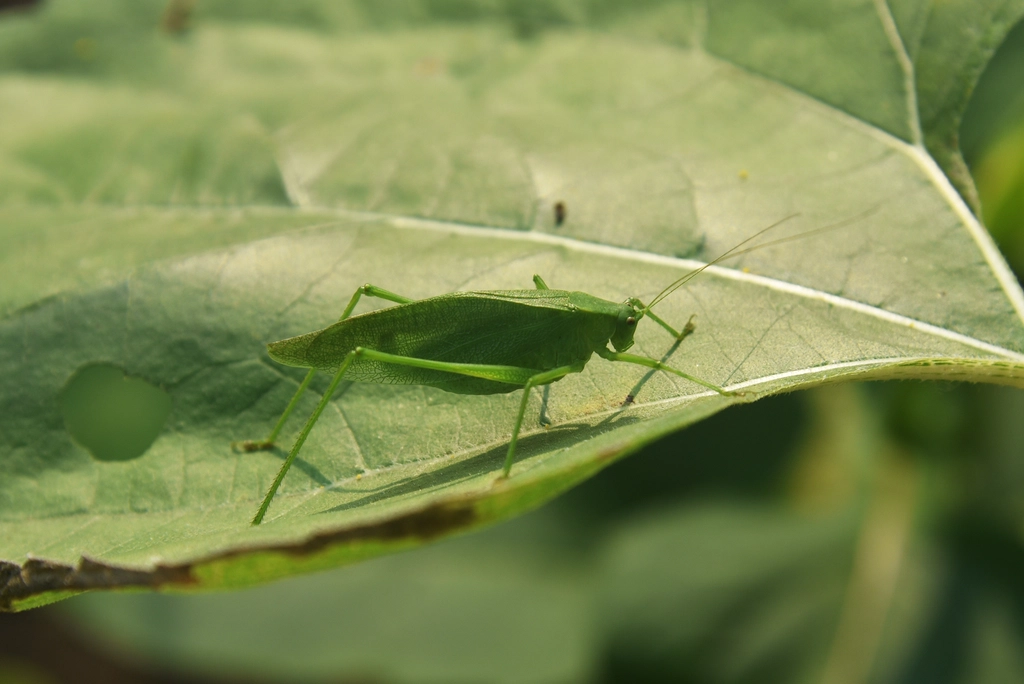 Photo Credit: U.S. Fish and Wildlife Service / Rawpixel
In the heart of a lush, green forest, the katydid, scientifically known as Pterophylla camellifolia, makes its presence known with a symphony of chirps and trills. These enchanting insects, often mistaken for leaves due to their remarkable camouflage, boast long, slender bodies that can stretch up to four inches in length. Their vibrant green hues and intricate wing patterns not only help them blend seamlessly into their surroundings but also captivate the eyes of curious onlookers. As the sun dips below the horizon, the katydid emerges from its leafy hideaway, ready to serenade the night with its melodious calls, a behavior that has fascinated scientists and nature enthusiasts alike.
Katydids are more than just pretty faces; they play a crucial role in their ecosystems. As herbivores, they munch on leaves and flowers, helping to maintain the health of their habitats. But they are also a vital food source for many predators, creating a delicate balance in the food web. Their unique courtship rituals, where males produce rhythmic sounds to attract females, add another layer of intrigue to their lives. With a history that stretches back millions of years, katydids are not just insects; they are a living testament to the wonders of evolution and the intricate connections that bind all life together. Join us as we explore the fascinating world of katydids, uncovering their behaviors, habitats, and the vital roles they play in nature.
Katydids are intriguing insects that belong to the vast kingdom of Animalia, which encompasses all animals. Within this kingdom, they find their place in the phylum Arthropoda, known for its joint-legged invertebrates, including insects, arachnids, and crustaceans. Katydids are part of the class Insecta, which is home to the most diverse group of animals on Earth. What sets katydids apart is their extraordinary ability to mimic the sounds of their environment, often imitating leaves or twigs. This talent not only helps them communicate but also serves as a clever defense mechanism against predators.
| Taxonomic Rank | Scientific Name | Meaning & Significance |
|---|---|---|
| Kingdom | Animalia | The name “Animalia” comes from the Latin word “animalis,” meaning “having breath” or “living.” This reflects the vital, breathing nature of all animals. |
| Phylum | Arthropoda | “Arthropoda” means “jointed feet” in Greek, highlighting the characteristic jointed limbs that allow for movement and adaptability in various environments. |
| Class | Insecta | The term “Insecta” is derived from the Latin word “insectum,” meaning “cut into sections.” This refers to the segmented body structure of insects, which is a key feature of their anatomy. |
| Order | Orthoptera | “Orthoptera” translates to “straight wings” in Greek, a nod to the straight, elongated wings of many insects in this order, including katydids and grasshoppers. |
| Family | Tettigoniidae | The name “Tettigoniidae” comes from the Greek word “tettigon,” which refers to a type of grasshopper. This family is known for its long antennae and leaf-like appearance. |
| Genus | Tettigonia | “Tettigonia” is derived from the same Greek root as Tettigoniidae, emphasizing the connection to grasshoppers and the distinctive features that define this genus. |
Understanding the taxonomic classification of katydids reveals much about their evolutionary journey. As members of the Orthoptera order, they share a common ancestor with grasshoppers and crickets, showcasing the diverse adaptations that have emerged over millions of years. Their ability to blend into their surroundings and produce sounds that mimic nature speaks to their survival strategies, honed through natural selection. This classification not only highlights their biological relationships but also underscores the intricate web of life that connects all organisms on our planet.
The evolutionary journey of katydids stretches back millions of years, intertwining with the history of the Earth itself. These fascinating insects belong to the family Tettigoniidae and have been around since the late Jurassic period, roughly 150 million years ago. As they evolved, katydids adapted to their environments, developing traits that helped them thrive in diverse habitats, from lush forests to arid grasslands.
The ancestors of modern katydids were likely similar to other early insects, with simple body structures and basic survival strategies. Over time, they underwent significant changes, including the development of long, slender bodies and powerful hind legs, which allowed them to leap away from predators. Their ability to produce sound, known as stridulation, emerged as a crucial adaptation for communication, especially during mating rituals. This ability to create a symphony of chirps and calls helped them attract mates and establish territory.
These adaptations have played a vital role in the survival of katydids throughout the ages. Their ability to camouflage themselves has kept them safe from hungry predators, while their sound production skills have ensured successful mating and communication. With their keen senses and powerful legs, katydids can navigate their environments effectively, making them resilient in the face of changing habitats. As they continue to evolve, these remarkable insects remind us of the intricate connections between survival and adaptation in the natural world.
Katydids are enchanting insects that capture the imagination with their striking appearance and melodious songs. With long, slender bodies that can reach up to 4 inches in length, they often resemble leaves or twigs, making them masters of disguise in their natural habitats. Their elongated antennae can be several times longer than their bodies, giving them an almost whimsical look. This combination of features not only makes them visually captivating but also serves a vital role in their survival.
| Feature | Description |
|---|---|
| Size | Up to 4 inches long |
| Color | Green, brown, or even vibrant shades that mimic foliage |
| Skin Type | Shell-like exoskeleton that provides protection |
| Most Distinctive Feature | Trilling songs used for communication and attracting mates |
The katydid’s ability to blend seamlessly into its surroundings is a clever survival tactic, allowing it to evade predators. Its shell-like exoskeleton not only offers protection but also helps in camouflage, making it difficult for birds and other hunters to spot them. Meanwhile, their enchanting trilling songs serve a dual purpose: they attract potential mates and establish territory. Together, these features create a perfect balance of beauty and practicality, showcasing the katydid’s remarkable adaptation to its environment.
Katydids thrive in a variety of habitats that paint a vibrant picture of nature’s diversity. These enchanting insects can be found in lush forests, grassy meadows, and even in gardens, where they blend seamlessly with their surroundings. Their green bodies often mimic leaves, allowing them to hide from predators while they sing their melodious calls. The rustling of leaves and the gentle hum of the environment create a symphony that is both soothing and alive, making these areas perfect homes for katydids.
Katydids prefer warm climates, often found in regions where temperatures are mild to hot. They thrive in areas with high humidity, which helps keep their bodies hydrated. These insects are most active during the warmer months, taking advantage of the longer days and abundant food sources. The combination of sunlight filtering through the trees and the gentle breeze creates an ideal environment for them to sing and mate.
To survive in their diverse habitats, katydids have developed remarkable adaptations. Their green coloration not only helps them blend in with leaves but also provides camouflage against predators. Additionally, their long antennae allow them to sense their surroundings, helping them navigate through dense vegetation. These adaptations ensure that katydids can thrive in various environments, from the depths of tropical rainforests to the edges of suburban gardens.
As the sun sets and darkness blankets the landscape, katydids come to life. These nocturnal insects are most active at night, engaging in a variety of activities that keep them busy until dawn. They spend their evenings foraging for food, primarily munching on leaves and tender plant parts. With their excellent camouflage, they blend seamlessly into their surroundings, making it easier to avoid predators while they search for a midnight snack. As the night deepens, the air fills with their enchanting songs, a symphony of chirps and trills that echo through the night.
While katydids are generally solitary creatures, they do have interesting social behaviors when it comes to communication. Their songs serve multiple purposes, from attracting mates to establishing territory. Each species has its own unique call, which helps them find partners during the breeding season. Although they prefer to live alone, these insects can sometimes be found in small groups, especially in areas rich in food. This occasional gathering allows them to share information about food sources and potential threats, enhancing their chances of survival.
| Behavior Type | Description |
|---|---|
| Activity Patterns | Katydids are nocturnal, meaning they are most active at night, foraging for food and singing. |
| Social Structure | Primarily solitary, but may gather in small groups in food-rich areas. |
| Communication Methods | Use songs to attract mates and establish territory, with each species having a distinct call. |
The behaviors of katydids are finely tuned to ensure their survival in the wild. By being active at night, they avoid many daytime predators, while their ability to blend into their environment provides an extra layer of protection. Their songs not only help them find mates but also allow them to communicate vital information about their surroundings. This combination of strategies makes katydids well-adapted to thrive in their habitats, showcasing the intricate balance of life in the natural world.
Katydids are omnivores, which means they enjoy a varied diet that includes both plant and animal matter. These fascinating insects primarily feed on leaves, flowers, and fruits, but they also hunt smaller creatures. Their feeding behavior is quite interesting; they use their long, slender mouthparts to nibble on vegetation and can even catch small insects, snails, and sometimes small vertebrates. This adaptability in diet allows katydids to thrive in diverse environments, making them versatile feeders in their ecosystems.
| Dietary Aspect | Details |
|---|---|
| Diet Type | Omnivore |
| Favorite Foods | Leaves, flowers, fruits |
| Prey Items | Insects, snails, small vertebrates |
| Hunting/Foraging Strategies | Using long mouthparts to nibble on plants and catch small prey |
This diverse diet not only supports the katydid’s growth and reproduction but also plays a crucial role in its ecological niche. By feeding on various plants, they help control vegetation and contribute to the health of their habitats. Their role as both herbivores and predators means they are integral to the food web, providing sustenance for larger animals while also keeping insect populations in check. This balance shapes their daily routine, as they must constantly forage for food while avoiding predators, making their lives a fascinating dance of survival in the wild.
When it comes to mating, katydids have a captivating courtship ritual. During the breeding season, which typically occurs in late spring to early summer, males produce a series of rhythmic sounds by rubbing their wings together. This process, known as stridulation, is not just a way to attract females; it also helps establish territory. The females listen closely, choosing mates based on the quality of their songs. Once a female selects a male, they mate, and the female lays her eggs in the soil or on plant stems, ensuring that the next generation has a safe place to develop.
| Reproductive Aspect | Details |
|---|---|
| Gestation Period | Approximately 2 to 3 weeks |
| Litter Size | 20 to 200 eggs |
| Age of Maturity | About 6 to 8 weeks |
| Name of Young | Nymphs |
After the eggs hatch, the young katydids emerge as nymphs, which are miniature versions of adults but without wings. These nymphs go through several molts, shedding their exoskeletons as they grow. This process allows them to increase in size and develop their wings over time. Parental care is minimal, as katydids do not tend to their young after laying eggs. Instead, the nymphs must fend for themselves, feeding on leaves and other plant materials. As they mature, they will eventually develop into adult katydids, ready to sing their own songs and continue the cycle of life.
Katydids play a vital role in the food web, serving as both herbivores and prey. As they munch on leaves and flowers, they help maintain the health of their ecosystems. However, their position also makes them a target for various predators. These insects are an essential food source for many animals, contributing to the balance of nature.
To survive against these threats, katydids have developed several clever defensive strategies. Their green bodies often mimic the leaves they inhabit, making them hard to spot. Some species can even change color to blend in better with their surroundings. Additionally, when threatened, katydids may produce a loud, startling noise or drop to the ground, hoping to escape detection. These adaptations help them navigate the dangers of their environment, ensuring they can continue to thrive in the wild.
A keystone species is an organism that has a disproportionately large impact on its environment relative to its abundance. This means that if it were removed, the ecosystem would change dramatically. Katydids, with their unique role in various habitats around the world, can indeed be considered a keystone species. Their presence influences the balance of their ecosystems, making them essential players in the natural world.
Katydids contribute to their ecosystems in several important ways. As omnivores, they feed on a variety of plant materials, including leaves, flowers, and fruits. This feeding behavior helps control plant populations, ensuring that no single species dominates the landscape. By munching on these plants, katydids also promote new growth, allowing for a diverse array of flora to thrive. Additionally, they serve as a food source for many predators, including birds and small mammals, thus supporting the food web.
Moreover, katydids are known for their melodious songs, which play a role in attracting mates and establishing territory. These sounds can also influence the behavior of other species in the area, creating a dynamic auditory environment that affects how animals interact with one another. Their presence can even impact the timing of other species’ activities, such as when certain birds choose to forage or nest.
If katydids were to disappear from their ecosystems, the consequences could be significant. Without these insects, plant populations could become unbalanced, leading to overgrowth of certain species and a decline in overall biodiversity. This shift would not only affect the plants but also the animals that rely on them for food and shelter. The absence of katydids would ripple through the food web, potentially leading to declines in predator populations and altering the entire ecosystem’s structure. In essence, the loss of katydids would create a cascade of changes, highlighting their vital role in maintaining ecological harmony.
Katydids occupy a vital ecological niche, acting as both herbivores and prey within their environments. These nocturnal insects are found on every continent except Antarctica, thriving in diverse habitats like forests, meadows, and gardens. By feeding on leaves, flowers, and fruits, katydids help shape plant communities and influence the growth patterns of vegetation. Their presence is essential for maintaining the balance of their ecosystems, as they contribute to the intricate web of life that supports countless other species.
| Ecosystem Service | Impact |
|---|---|
| Herbivory | Regulates plant growth and diversity by consuming leaves and flowers. |
| Prey for predators | Serves as a food source for birds, bats, and other animals, supporting higher trophic levels. |
| Soil health | Contributes to nutrient cycling through their waste, enriching the soil. |
| Pollination | While feeding, they may inadvertently assist in pollinating plants. |
Katydids influence their ecosystems in several specific ways. As they munch on various plant materials, they help control the growth of certain species, preventing any one plant from dominating the landscape. This herbivory promotes biodiversity, allowing a variety of plants to flourish. Additionally, katydids are a crucial food source for many predators, including birds and bats. Their presence supports these higher-level consumers, creating a balanced food web. Furthermore, their waste products enrich the soil, enhancing its fertility and promoting healthy plant growth.
The broader ecological importance of katydids cannot be overstated. As keystone species, their role in the ecosystem is disproportionately large compared to their numbers. If katydids were to disappear, the effects would ripple through the food web, leading to changes in plant communities and the decline of species that rely on them for food. By maintaining plant diversity and supporting predator populations, katydids help sustain the health of their ecosystems, showcasing the interconnectedness of life on our planet.
Symbiosis is a captivating concept in nature that describes the various ways different species interact with one another. These relationships can be beneficial, harmful, or neutral, and they play a crucial role in shaping ecosystems. For katydids, these interactions can range from mutualistic partnerships, where both species gain advantages, to parasitic relationships, where one benefits at the expense of the other. Understanding these connections helps us appreciate the intricate web of life that surrounds us.
| Species/Type | Relationship Type | Description |
|---|---|---|
| Ants | Mutualistic | Some katydids have a relationship with ants, where they provide food in the form of sugary secretions. In return, ants protect katydids from predators. |
| Fungi | Commensal | Katydids can sometimes be found living on or near fungi. The fungi benefit from the katydids’ presence, as they help spread spores, while the katydids gain shelter without harming the fungi. |
| Parasitic Wasps | Parasitic | Some wasps lay their eggs inside katydids. The wasp larvae feed on the katydid from the inside, ultimately harming it. |
These relationships have evolved over time, shaped by the needs and survival strategies of each species involved. Mutualistic partnerships, like those with ants, highlight how cooperation can enhance survival for both parties. Meanwhile, parasitic interactions remind us of the harsh realities of nature, where one species can thrive at the expense of another. By studying these connections, we gain insight into the delicate balance of ecosystems and the importance of every organism, no matter how small.
Katydids are enchanting insects that often go unnoticed in the world of nature, but they have some truly surprising traits that make them stand out. Here are a few intriguing facts that will surely captivate nature enthusiasts of all ages.
Throughout history, katydids have danced through the pages of human culture, often celebrated for their enchanting songs and vibrant presence. Ancient civilizations revered these insects, associating their calls with the arrival of summer and the beauty of nature. In many cultures, katydids symbolize good fortune and harmony, inspiring art, poetry, and folklore. Their melodious chirps, produced by the males to attract mates, have captivated listeners for generations, creating a bond between humans and these remarkable insects that transcends time.
In modern times, our interactions with katydids have evolved, reflecting both admiration and conflict. As urbanization expands, these insects face habitat loss, which threatens their populations. Conservation efforts are underway to protect their natural environments, emphasizing the importance of biodiversity. However, katydids can also be seen as pests in agricultural settings, where they may munch on crops, leading to conflicts with farmers. Interestingly, some people have even considered keeping katydids as pets, drawn to their unique appearance and soothing sounds, showcasing a growing interest in insect domestication.
Looking ahead, the relationship between katydids and humanity holds promise for both sides. As awareness of environmental issues grows, more people are likely to appreciate the role of these insects in maintaining healthy ecosystems. By fostering a deeper understanding of their importance, we can work together to protect their habitats and ensure that future generations can enjoy the soothing serenades of katydids. With a little effort, we can create a world where humans and katydids thrive side by side, celebrating the wonders of nature together.
The conservation status of katydids is currently classified as “Least Concern” by the International Union for Conservation of Nature (IUCN). This means that, overall, they are not facing immediate threats that could lead to their extinction. With an estimated population size in the billions, katydids are thriving in various habitats around the world. However, while their numbers are robust, local populations may experience fluctuations due to environmental changes.
| Conservation Factor | Status/Details |
|---|---|
| IUCN Status | Least Concern |
| Estimated Population Size | Billions |
| Population Trend | Stable |
Despite their overall stable status, katydids face several threats that can impact specific populations. Habitat loss is a significant concern, as urban development and agricultural expansion reduce the lush environments where these insects thrive. Additionally, pesticide use can harm katydids directly or disrupt their food sources, leading to declines in local populations. Climate change also poses a risk, altering the delicate balance of ecosystems and potentially affecting the availability of food and suitable habitats.
Conservation efforts for katydids focus on habitat preservation and sustainable agricultural practices. By protecting natural areas and promoting biodiversity, we can help ensure that these enchanting insects continue to flourish. The outlook for katydids remains positive, as their vast numbers and adaptability allow them to thrive in many environments. With continued awareness and action, we can support their populations and the ecosystems they inhabit.
| Question | Answer |
|---|---|
| Where do Katydids live? | Katydids can be found on every continent except Antarctica. They thrive in warm, humid environments, often residing in forests, grasslands, and gardens where they can easily blend in with the foliage. |
| What do Katydids eat? | Katydids are omnivores, which means they eat both plants and other small creatures. Their diet mainly consists of leaves, flowers, and fruits, but they may also munch on insects when the opportunity arises. |
| How do Katydids behave? | Katydids are known for their unique trilling songs, which they use to communicate, especially during mating season. They are mostly nocturnal, meaning they are active at night, and they often stay still during the day to avoid predators. |
| How do Katydids reproduce? | During mating, male Katydids produce their distinctive songs to attract females. After mating, females lay their eggs in the soil or on plants, where they will hatch into nymphs, resembling tiny adults. |
| What threats do Katydids face? | While Katydids are currently classified as Least Concern, they still face threats from habitat loss and pesticides. These factors can reduce their populations and disrupt their natural habitats. |
| What is a unique characteristic of Katydids? | One of the most distinctive features of Katydids is their ability to produce trilling songs. These sounds are not only beautiful but also serve important purposes in communication and attracting mates. |
| Can Katydids camouflage? | Yes, Katydids are masters of camouflage! Their green bodies and leaf-like shapes help them blend into their surroundings, making it difficult for predators to spot them. |