Taxonomy & Classification
- Kingdom
- Animalia
- Phylum
- Chordata
- Class
- Mammalia
- Order
- Carnivora
- Family
- Canidae
- Genus
- Canis
- Species
- Canis lupus

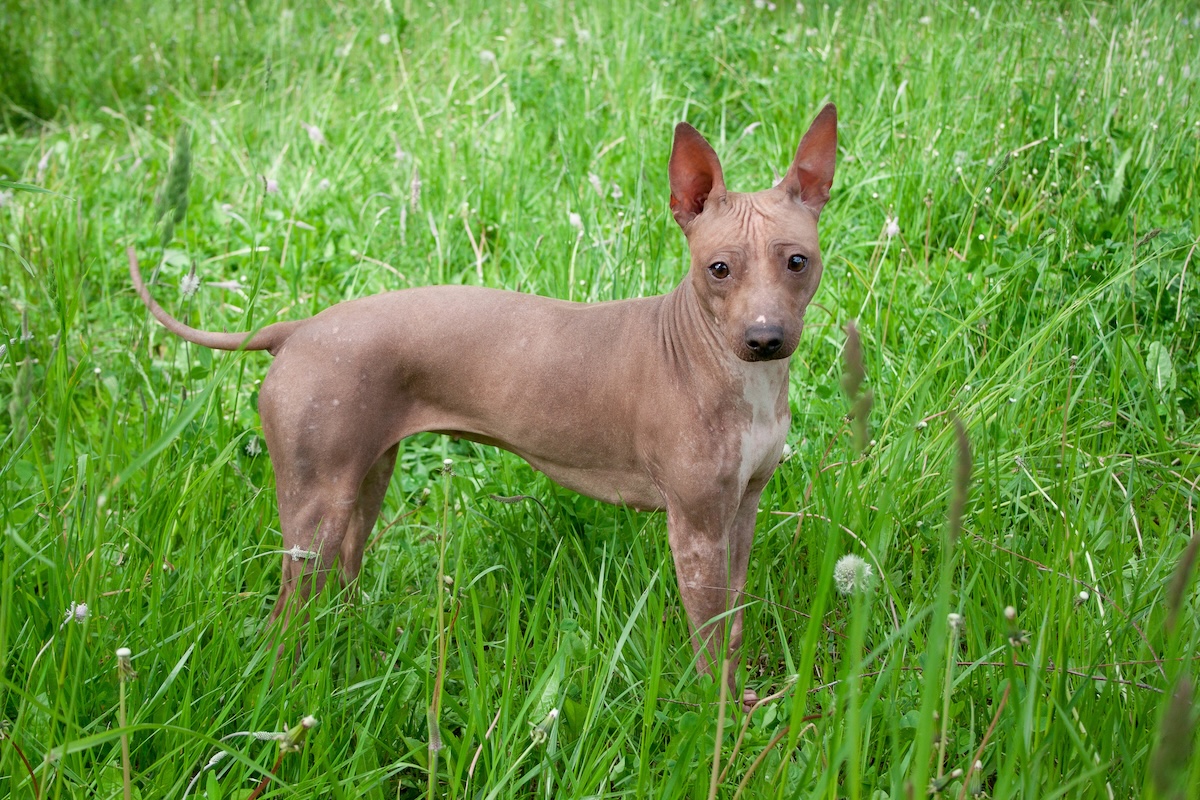 Photo Credit: SergeyTikhomirov on Deposit Photos
In the sun-drenched backyards and cozy homes of America, the American Hairless Terrier, scientifically known as Canis lupus familiaris, captures the hearts of dog lovers everywhere. With its sleek, hairless body and lively spirit, this breed stands out in a world filled with furry companions. Imagine a small, energetic dog bounding across the grass, its smooth skin glistening in the sunlight, showcasing its unique appearance. This remarkable breed not only charms with its looks but also intrigues scientists and nature enthusiasts alike, as it represents a fascinating case of natural mutation and adaptation.
The American Hairless Terrier is a product of a spontaneous genetic change in the Rat Terrier, which occurred in the 1970s in Louisiana. This breed’s lack of fur is not just a quirky trait; it has practical implications for its lifestyle and care. Without a thick coat, these dogs require special attention to protect their sensitive skin from the sun and cold. Their playful nature and intelligence make them excellent companions, always ready for an adventure or a game of fetch. As we explore the world of the American Hairless Terrier, we will uncover its history, behavior, and the special bond it shares with humans, revealing why this breed is so much more than just a pretty face.
The American Hairless Terrier is a captivating member of the animal kingdom, sitting comfortably within the family of Canidae, which includes dogs, wolves, and foxes. This breed is particularly special because it is one of the few hairless dog breeds, a trait that sets it apart from its furry relatives. Its unique appearance and friendly disposition make it a beloved companion for many families. The American Hairless Terrier is not just a pet; it represents a fascinating chapter in the story of domesticated animals, showcasing how selective breeding can lead to distinct physical traits.
| Taxonomic Rank | Scientific Name | Meaning & Significance |
|---|---|---|
| Kingdom | Animalia | This term comes from the Latin word “animalis,” meaning “having breath.” It signifies all living organisms that are not plants or fungi, highlighting the diverse life forms on Earth. |
| Phylum | Chordata | Derived from the Latin “chorda,” meaning “string,” this classification includes animals with a backbone, showcasing the structural complexity that allows for greater mobility and adaptability. |
| Class | Mammalia | This name comes from the Latin “mamma,” meaning “breast.” It refers to animals that nurse their young with milk, a key characteristic of this class that emphasizes parental care. |
| Order | Carnivora | From the Latin “carnivorus,” meaning “meat-eating,” this order includes animals that primarily consume meat, highlighting their role as predators in the ecosystem. |
| Family | Canidae | This term is derived from the Latin “canis,” meaning “dog.” It encompasses all dog-like mammals, emphasizing their shared ancestry and behavioral traits. |
| Genus | Canis | Also from the Latin “canis,” this genus includes domestic dogs, wolves, and other closely related species, showcasing their evolutionary connections. |
Understanding the American Hairless Terrier’s classification reveals much about its evolutionary journey. As a member of the Canidae family, it shares a common ancestor with wolves and other canines, which hints at its instinctual behaviors and social nature. The hairless trait, while unique, is a result of selective breeding, showcasing how humans have influenced the evolution of this breed. This fascinating lineage not only highlights the adaptability of dogs but also reflects the deep bond between humans and their four-legged friends throughout history.
The American Hairless Terrier has a rich evolutionary history that traces back thousands of years. This breed emerged from the lineage of terriers, which are known for their energetic and tenacious nature. The timeline of their development is intertwined with the domestication of dogs, which began around 15,000 years ago. As humans and dogs formed a partnership, various breeds evolved to meet specific needs, leading to the creation of the American Hairless Terrier in the 20th century.
The ancestors of the American Hairless Terrier were likely small, ratting terriers that were bred for their ability to hunt vermin. These early dogs were valued for their agility and intelligence. Over time, a genetic mutation led to the hairless trait, which was first observed in a litter of Rat Terriers in Louisiana. Breeders recognized the potential of this unique characteristic and began selectively breeding these hairless pups. This transition marked a significant shift, as the breed began to develop its own identity, distinct from its furry relatives.
The adaptations of the American Hairless Terrier have played a crucial role in its survival and popularity. Their hairlessness not only aids in temperature regulation but also reduces the risk of skin issues that can affect furry breeds. Their agility and intelligence make them versatile companions, capable of thriving in various environments. Additionally, their sociable nature allows them to integrate seamlessly into family life, ensuring they remain cherished pets. Through these evolutionary traits, the American Hairless Terrier has carved out a special place in the hearts of dog lovers everywhere.
The American Hairless Terrier presents a striking silhouette that captures attention with its sleek, athletic build. This breed is small yet sturdy, typically weighing between 12 to 16 pounds. Its body is well-proportioned, with a graceful neck leading to a broad head. The absence of fur reveals smooth skin that glistens in the sunlight, showcasing a variety of colors and patterns. This hairless feature not only gives the breed its name but also contributes to its unique charm and character.
| Feature | Description |
|---|---|
| Size | Small, typically weighing between 12 to 16 pounds (5.4 to 7.3 kilograms) |
| Color | Varies widely, including shades of black, brown, and white, often with spots or patches |
| Skin Type | Hairless, with smooth, soft skin that can be sensitive to temperature |
| Body Structure | Compact and muscular, with a well-defined neck and a straight back |
The combination of these features not only makes the American Hairless Terrier visually appealing but also serves practical purposes. Their hairless skin allows for better heat regulation, which is essential for an active breed that enjoys play and exercise. Additionally, the variety of skin colors can help them blend into different environments, providing a subtle advantage in their surroundings. This breed’s physical traits are a perfect blend of form and function, showcasing how evolution shapes animals to thrive in their habitats.
The American Hairless Terrier thrives in a variety of environments, but it is most commonly found in warm, temperate regions. Picture a sunny backyard, where this lively dog can run and play freely. These terriers enjoy spaces that allow them to dig, explore, and interact with their human companions. Their playful nature makes them perfect for homes with plenty of outdoor space, where they can bask in the sun and enjoy the fresh air.
The American Hairless Terrier prefers a climate that is warm and mild. They are not fans of extreme cold, as their lack of fur makes them sensitive to chilly temperatures. Ideally, they thrive in areas where the sun shines brightly, and the weather is generally pleasant. This breed enjoys moderate humidity, which helps keep their skin hydrated and healthy.
To adapt to their specific habitats, American Hairless Terriers have developed a few clever strategies. Their hairless coat, while unique, serves a purpose beyond just being different; it helps them stay cool in warm weather. They also require regular skin care to protect against sunburn, so their owners often apply sunscreen when they spend time outdoors. This breed’s playful and energetic nature means they are always ready for an adventure, making them well-suited for active families who can provide the love and attention they crave.
The American Hairless Terrier leads a lively and engaging daily life, filled with activities that showcase its playful and energetic nature. Mornings often begin with a burst of excitement as these dogs eagerly greet their owners, ready for a day of adventure. They thrive on routine, enjoying regular walks, playtime in the yard, and interactive games that stimulate both their bodies and minds. Their keen intelligence means they are quick learners, making training sessions a fun part of their day. Whether chasing after a ball or exploring new scents, these terriers are always on the move, embodying a spirit of curiosity and enthusiasm.
Socially, the American Hairless Terrier is known for its friendly demeanor and strong bonds with humans and other pets. They are naturally affectionate, often seeking out companionship and attention from their families. In group settings, these dogs display a playful hierarchy, where they establish roles through friendly interactions. They communicate with a variety of sounds, from playful barks to soft whines, expressing their needs and emotions clearly. Their social nature makes them excellent companions, as they thrive on interaction and enjoy being part of family activities.
| Behavior Type | Description |
|---|---|
| Activity Patterns | American Hairless Terriers are highly active, requiring daily exercise through walks, play, and mental stimulation to stay healthy and happy. |
| Social Structure | These dogs form strong bonds with their families and can get along well with other pets, often establishing a playful hierarchy during interactions. |
| Communication Methods | They use a range of vocalizations, including barks and whines, along with body language to express their feelings and needs. |
The behaviors of the American Hairless Terrier are not just for fun; they play a crucial role in their survival and well-being. Their active lifestyle helps maintain their physical health, while their social skills ensure they can navigate relationships with both humans and other animals. By staying engaged and connected, these dogs not only enrich their own lives but also bring joy and companionship to those around them. Their playful spirit and affectionate nature make them not just pets, but beloved family members.
The American Hairless Terrier has a diverse diet that reflects its omnivorous nature, meaning it enjoys both plant and animal foods. This breed typically thrives on a balanced diet that includes high-quality dog food, which can be supplemented with fresh fruits and vegetables. Their feeding behavior is influenced by their playful and energetic lifestyle, as they require plenty of nutrients to fuel their activities. While they may not hunt in the wild like some of their canine relatives, they are always on the lookout for tasty treats and snacks, often scavenging for food during their adventures.
| Dietary Aspect | Details |
|---|---|
| Diet Type | Omnivore |
| Favorite Foods | High-quality dog food, fruits like apples and blueberries, and vegetables such as carrots |
| Prey Items | Small insects and rodents, if they were to hunt |
| Hunting/Foraging Strategies | Scavenging and exploring their environment for food |
This varied diet not only supports the American Hairless Terrier’s health but also shapes its daily routine. With a mix of energy from proteins and the vitamins found in fruits and vegetables, these dogs are always ready for playtime or a brisk walk. Their foraging behavior encourages curiosity and exploration, making every meal an adventure. By understanding their dietary needs, owners can ensure their furry friends remain happy, healthy, and full of life.
The American Hairless Terrier has a fascinating approach to mating and reproduction. Breeding typically occurs in the spring, a time when the days grow longer and warmer. During this season, males become particularly energetic and may display playful behaviors to attract females. The female, once in heat, will signal her readiness to mate through specific body language and scents. This courtship can be quite lively, with the pair engaging in playful interactions before the actual mating takes place.
| Reproductive Aspect | Details |
|---|---|
| Gestation Period | Approximately 63 days |
| Litter Size | Usually 3 to 5 puppies |
| Age of Maturity | About 6 to 12 months |
| Name of Young | Puppies |
Once the puppies are born, the American Hairless Terrier parents take their roles seriously. The mother is especially attentive, nursing her young and keeping them warm and safe. As the puppies grow, they begin to explore their surroundings, learning important social skills from their mother and siblings. This nurturing environment helps them develop into well-adjusted adults. By the time they reach maturity, usually around six to twelve months, they are ready to embrace the world with the same playful spirit that defines their breed.
The American Hairless Terrier occupies a unique niche in the food web, primarily as a companion animal rather than a wild creature. While it is not a natural prey for many predators, it can still face dangers from larger animals and environmental threats. This breed’s small size and playful demeanor make it vulnerable, especially when it ventures outside its safe home environment.
To defend itself against these threats, the American Hairless Terrier relies on its agility and keen senses. This breed is quick on its feet, allowing it to dart away from danger. Additionally, its alertness helps it detect potential threats before they get too close. When faced with larger animals, it may use barking as a warning signal, alerting its owners and scaring off intruders. By staying close to its human companions and using its natural instincts, this spirited dog can navigate the challenges of its environment and thrive.
A keystone species is an organism that plays a critical role in maintaining the structure of an ecosystem. Its presence or absence can significantly impact the environment and the other species that inhabit it. The American Hairless Terrier, while a beloved companion animal, does not qualify as a keystone species. This breed primarily exists in human-dominated environments and does not have a significant ecological role in the wild.
Despite its lack of a keystone status, the American Hairless Terrier does influence its surroundings in various ways. As an omnivore, it contributes to the local ecosystem by helping control populations of small pests, such as rodents and insects. By keeping these populations in check, the terrier indirectly supports the health of plants and crops, which can benefit from reduced herbivory. Additionally, its playful nature encourages outdoor activity among its human companions, fostering a connection to nature and promoting conservation awareness.
The American Hairless Terrier also interacts with other species, both domestic and wild. For instance, its presence can encourage biodiversity in urban areas by attracting various birds and insects that thrive in environments where dogs play. Furthermore, as a social animal, it can help strengthen community bonds, leading to more collective efforts in caring for local wildlife and habitats.
If the American Hairless Terrier were to disappear, the immediate effects might not be drastic, given its role as a companion animal rather than a wild species. However, the absence of this breed could lead to a decline in outdoor activities among its owners, potentially reducing community engagement with nature. Over time, this could diminish awareness and efforts toward local conservation, impacting the overall health of urban ecosystems. While it may not be a keystone species, the American Hairless Terrier still plays a part in the intricate web of life that connects humans and the natural world.
The American Hairless Terrier occupies a fascinating ecological niche as a companion animal that interacts closely with humans and the environment. This breed, known for its playful and energetic demeanor, contributes to its ecosystem in various ways. By being a part of human households, these dogs help shape the dynamics of urban and suburban environments, influencing both the flora and fauna around them. Their presence encourages outdoor activities, which can lead to increased biodiversity in local parks and gardens.
| Ecosystem Service | Impact |
|---|---|
| Soil Aeration | As they dig and play, they help aerate the soil, promoting healthier plant growth. |
| Seed Dispersal | By carrying seeds on their fur or in their droppings, they assist in plant propagation. |
| Pest Control | Their hunting instincts can help manage small rodent populations in urban areas. |
| Companionship | They enhance human well-being, encouraging outdoor activities that benefit local ecosystems. |
The American Hairless Terrier’s playful nature leads to specific examples of its influence on the environment. For instance, when these dogs romp through gardens or parks, they inadvertently aerate the soil, allowing water and nutrients to reach plant roots more effectively. Their natural curiosity often leads them to explore and dig, which can help break up compacted earth. Additionally, as they play outside, they may carry seeds from one area to another, aiding in the growth of new plants. This seed dispersal is crucial for maintaining diverse plant life, which in turn supports various animal species.
The broader ecological importance of the American Hairless Terrier extends beyond individual gardens or parks. By fostering a connection between humans and nature, these dogs encourage people to engage with their environment. This interaction can lead to increased awareness of local ecosystems and the importance of biodiversity. As companion animals, they remind us of our role in nurturing the world around us, highlighting how even small creatures can have a significant impact on the health and balance of their ecosystems.
In the intricate web of life, symbiosis plays a vital role in shaping the relationships between different species. Symbiosis refers to the close interactions between organisms, which can be beneficial, harmful, or neutral. These relationships can be mutualistic, where both species gain advantages; parasitic, where one benefits at the expense of the other; or commensal, where one species benefits while the other is neither helped nor harmed. The American Hairless Terrier, with its unique characteristics and social nature, engages in various ecological relationships that highlight the interconnectedness of life.
| Species/Type | Relationship Type | Description |
|---|---|---|
| Humans | Mutualistic | The American Hairless Terrier provides companionship and emotional support to humans, while receiving care, food, and shelter in return. |
| Fleas | Parasitic | Fleas can infest the American Hairless Terrier, feeding on its blood and causing discomfort, which is harmful to the dog. |
| Birds | Commensal | Birds may follow the American Hairless Terrier in search of insects disturbed by its movement, benefiting from an easy meal while the dog remains unaffected. |
These relationships have evolved over time, shaped by the needs and behaviors of the species involved. The bond between the American Hairless Terrier and humans is particularly strong, as both have adapted to rely on one another for companionship and support. Meanwhile, the presence of parasites like fleas highlights the challenges that can arise in nature, reminding us that not all interactions are beneficial. Commensal relationships, such as those with birds, showcase the fascinating ways in which species can coexist, each finding their niche in the environment. Understanding these connections enriches our appreciation for the complexity of life on Earth.
The American Hairless Terrier is a truly intriguing breed that stands out not just for its lack of fur, but also for its unique characteristics and history. This breed has captured the hearts of many, and here are some surprising facts that showcase its remarkable nature.
The American Hairless Terrier has a fascinating history intertwined with humanity, emerging in the early 1970s in Louisiana. This breed is a result of a natural mutation in the Rat Terrier, which led to the development of a hairless variety. The absence of fur not only makes this breed visually distinct but also culturally significant, as it has become a beloved companion for many families. The American Hairless Terrier has been celebrated for its playful nature and loyalty, often appearing in various media and dog shows, symbolizing the bond between humans and their pets.
Today, the relationship between the American Hairless Terrier and people continues to evolve. These dogs are not just pets; they serve as therapy animals, providing comfort and companionship to those in need. Their hairless trait makes them particularly appealing to allergy sufferers, allowing more families to enjoy the joys of dog ownership. However, like many domesticated animals, they can face challenges, such as health issues related to their unique skin. This breed thrives in a nurturing environment, where they can engage in activities that stimulate their minds and bodies, reinforcing the importance of responsible pet ownership.
Looking ahead, the future of the American Hairless Terrier and humanity appears bright. As awareness of this breed grows, more people will likely embrace them as loving companions. Continued education about their care and health will be essential to ensure their well-being. With ongoing research into their unique traits, we can better understand how to support their needs. This evolving relationship promises to deepen the bond between humans and these charming dogs, enriching lives on both sides.
The American Hairless Terrier is currently not listed as endangered or threatened, which is a positive sign for this lively breed. While specific population estimates are hard to come by, the breed has gained popularity in recent years, leading to a stable population trend. This breed’s unique characteristics, such as its hairless coat, have attracted many dog lovers, contributing to its growing presence in homes across the United States.
| Conservation Factor | Status/Details |
|---|---|
| IUCN Status | Not Evaluated |
| Population Estimates | Stable, specific numbers not available |
| Trend Direction | Stable to increasing |
Despite its positive status, the American Hairless Terrier faces some challenges. One of the main threats is the potential for genetic health issues due to its limited gene pool. As a breed that emerged from a specific lineage, it can be susceptible to certain inherited conditions. Additionally, the popularity of this breed can lead to irresponsible breeding practices, which may compromise the health and well-being of future generations.
Conservation efforts for the American Hairless Terrier focus on responsible breeding and education. Organizations dedicated to the breed work to promote best practices among breeders, ensuring that health screenings are conducted to minimize genetic issues. As awareness grows and more people embrace this charming breed, the outlook remains optimistic. With continued efforts, the American Hairless Terrier is likely to thrive as a beloved companion for many families.
| Question | Answer |
|---|---|
| What is the habitat of the American Hairless Terrier? | The American Hairless Terrier is a breed that thrives in a variety of environments, including homes and apartments. They are adaptable dogs that enjoy being indoors with their families but also love outdoor activities like walks and playtime in the yard. |
| What do American Hairless Terriers eat? | As omnivores, American Hairless Terriers can eat a balanced diet that includes both animal and plant-based foods. High-quality dog food, whether dry or wet, along with occasional fruits and vegetables, can keep them healthy and happy. |
| What is the behavior of American Hairless Terriers like? | These dogs are known for their friendly and energetic nature. They are playful, intelligent, and often form strong bonds with their families, making them great companions for both kids and adults. |
| How do American Hairless Terriers reproduce? | Like all dogs, American Hairless Terriers reproduce through mating between a male and a female. The female typically goes into heat twice a year, and after a gestation period of about 63 days, she gives birth to a litter of puppies. |
| What threats do American Hairless Terriers face? | While American Hairless Terriers are generally healthy, they can be prone to certain skin issues due to their lack of fur. Additionally, they may be at risk for dental problems and need regular veterinary check-ups to ensure their overall health. |
| What are some interesting characteristics of American Hairless Terriers? | One of the most unique features of this breed is their hairlessness, which makes them stand out among other terriers. They also have a playful and curious personality, often displaying a love for learning new tricks and engaging in interactive play. |
| Are American Hairless Terriers good with children? | Yes, American Hairless Terriers are known to be excellent companions for children. Their playful and affectionate nature makes them great playmates, and they are generally patient and tolerant, which is important in a family setting. |