Taxonomy & Classification
- Kingdom
- Animalia
- Phylum
- Chordata
- Class
- Mammalia
- Order
- Carnivora
- Family
- Canidae
- Genus
- Canis
- Species
- Canis lupus

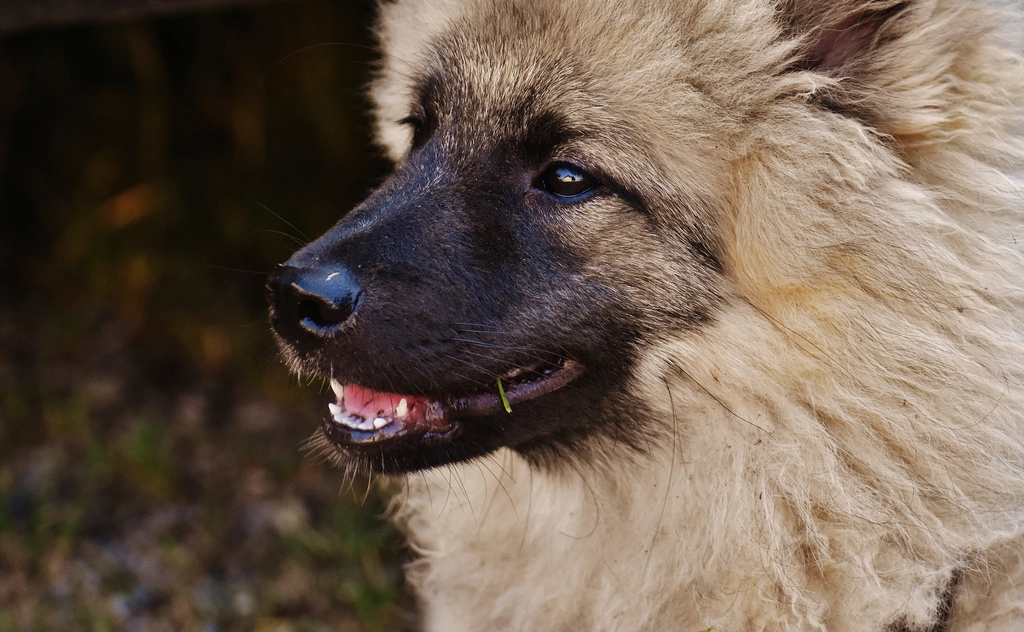 Photo Credit: Rawpixel
In the heart of the Netherlands, where the air is crisp and the landscapes are dotted with charming windmills, lives the Keeshond, scientifically known as Canis lupus familiaris. This delightful breed, with its striking fluffy coat and lively personality, has captured the hearts of dog lovers around the world. With a distinctive mask of black fur framing its expressive face and a plume-like tail that curls over its back, the Keeshond is not just a pretty face; it’s a breed steeped in history and charm. Its friendly demeanor and keen intelligence make it a favorite among families and a subject of interest for scientists studying canine behavior and genetics.
Imagine a Keeshond bounding through a sunlit meadow, its thick fur shimmering in the light as it playfully chases butterflies. This breed thrives in cooler climates, where its double coat—made up of a soft underlayer and a longer outer layer—keeps it warm and cozy. Keeshonds are known for their spirited nature, often seen wagging their tails and greeting everyone with enthusiasm. Their role as companion animals has deep roots, dating back to their time as watchdogs for Dutch barges. Today, they continue to be cherished pets, bringing joy and companionship to homes around the globe. As we explore the world of the Keeshond, we’ll uncover its fascinating traits, behaviors, and the special bond it shares with humans.
The Keeshond, a charming and spirited dog breed, holds a special place in the animal kingdom. Taxonomically, it belongs to the Kingdom Animalia, which includes all animals, and is classified under the Phylum Chordata, meaning it has a backbone. This breed is part of the Class Mammalia, indicating it is a mammal that nurses its young. Within the Order Carnivora, which encompasses meat-eating animals, the Keeshond is a member of the Family Canidae, the group that includes dogs, wolves, and foxes. Its Genus, Canis, is where it shares its lineage with domestic dogs and their wild relatives. What makes the Keeshond particularly interesting is its history as a companion dog, often associated with Dutch bargemen, and its striking appearance, characterized by a thick double coat and distinctive facial markings.
| Taxonomic Rank | Scientific Name | Meaning & Significance |
|---|---|---|
| Kingdom | Animalia | This name comes from the Latin word for “animal,” highlighting that Keeshonds are part of the vast world of living creatures. |
| Phylum | Chordata | Derived from the Greek word “chordē,” meaning “string,” this term refers to animals with a notochord, a flexible rod that supports the body, which Keeshonds possess as vertebrates. |
| Class | Mammalia | This classification comes from the Latin “mamma,” meaning “breast,” indicating that Keeshonds, like all mammals, nurse their young with milk. |
| Order | Carnivora | From the Latin “carnivorus,” meaning “meat-eater,” this term reflects the Keeshond’s ancestry linked to hunting and scavenging behaviors. |
| Family | Canidae | This name is derived from the Latin “canis,” meaning “dog,” which connects Keeshonds to their close relatives, including wolves and foxes. |
| Genus | Canis | Also from the Latin word for “dog,” this classification emphasizes the Keeshond’s role as a domesticated animal within the broader dog family. |
Understanding the Keeshond’s classification reveals much about its evolutionary journey. As a member of the Canidae family, it shares a common ancestor with wolves and other canines, showcasing traits that have been honed over thousands of years. The Keeshond’s unique characteristics, such as its friendly demeanor and protective instincts, reflect adaptations that have made it a beloved companion throughout history. This lineage not only highlights its physical traits but also its role in human society, illustrating how domestication has shaped the Keeshond into the loyal and affectionate dog we know today.
The Keeshond, a breed known for its fluffy coat and friendly demeanor, has a rich evolutionary history that stretches back thousands of years. This breed is part of the Canidae family, which includes wolves, foxes, and domestic dogs. The story of the Keeshond begins in the Arctic regions of Europe, where its ancestors adapted to harsh climates and developed traits that would help them thrive in challenging environments.
The Keeshond’s ancestors can be traced back to the spitz-type dogs, which are characterized by their thick fur, pointed ears, and bushy tails. These early dogs were bred by the Dutch for their ability to guard homes and livestock, as well as to serve as companions. Over time, selective breeding emphasized traits such as loyalty, intelligence, and a strong work ethic. This led to the Keeshond becoming not just a protector but also a beloved family pet, known for its playful and affectionate nature.
The adaptations of the Keeshond have played a vital role in its survival and popularity. The thick double coat not only protects against the cold but also gives the breed its distinctive appearance. Pointed ears enhance their ability to hear potential threats, making them effective watchdogs. Their friendly nature and social instincts have endeared them to families, ensuring their place in homes around the world. Overall, these traits have allowed the Keeshond to thrive as both a working dog and a cherished companion.
The Keeshond is a striking dog that captures attention with its fluffy coat and lively personality. This breed has a sturdy, well-proportioned body that stands about 17 to 18 inches tall at the shoulder. With a strong, muscular build, the Keeshond exudes both strength and agility. Its fox-like face, complete with a distinctive mask and expressive eyes, adds to its charm. The Keeshond’s plume-like tail curls over its back, giving it a regal appearance that is hard to ignore.
| Feature | Description |
|---|---|
| Weight | 34-45 lbs |
| Height | 17-18 inches at the shoulder |
| Skin Type | Hair |
| Color | Gray, black, and cream |
| Face | Fox-like with a distinctive mask |
| Tail | Curls over the back like a plume |
The Keeshond’s physical features are not just for show; they serve important purposes in its life. The thick, double coat helps insulate the dog against cold weather, making it well-suited for outdoor adventures. Its keen eyesight and alert expression allow it to be an excellent watchdog, always ready to alert its family to any unusual happenings. The strong, muscular build supports agility and endurance, enabling the Keeshond to play and explore with boundless energy. Together, these characteristics create a breed that is not only beautiful but also well-adapted to its environment and role as a loyal companion.
The Keeshond is a breed that thrives in a variety of environments, but it is particularly fond of cooler climates. Picture a cozy home nestled in a quaint village or a lively family farm, where the air is crisp and the ground is often blanketed in a soft layer of snow. These dogs are known for their thick, double coats that not only keep them warm but also make them look like fluffy little clouds. Whether they are playing in the backyard or accompanying their humans on a brisk walk, Keeshonds are perfectly at home in settings that embrace the beauty of the outdoors.
Keeshonds prefer climates that are not too hot, as their thick fur can make them uncomfortable in sweltering heat. They flourish in environments where the temperature is moderate to cool, allowing them to enjoy outdoor activities without overheating. These dogs are also well-suited to areas with distinct seasons, where they can experience the joys of snow in winter and the fresh blooms of spring. Their ideal habitat often includes open spaces where they can run and play, as well as cozy indoor spots to curl up with their families.
To thrive in these specific habitats, Keeshonds have developed several adaptations. Their dense fur not only provides insulation against the cold but also protects them from harsh weather conditions. This breed is known for its energetic and playful nature, which helps them stay active and engaged, even in cooler temperatures. Additionally, their friendly disposition makes them excellent companions for families, allowing them to bond closely with humans while enjoying the great outdoors. With their playful spirit and adaptability, Keeshonds truly embody the joy of living in harmony with their environment.
The daily life of a Keeshond is filled with energy and joy. These dogs thrive on routine, often starting their day with a cheerful greeting to their human companions. After a hearty breakfast, they enjoy a brisk walk, where their curiosity leads them to explore every nook and cranny of their surroundings. Keeshonds are known for their playful antics, whether it’s chasing after a ball or engaging in a spirited game of tug-of-war. Throughout the day, they alternate between bursts of activity and cozy naps, always ready to join in on family activities or simply lounge by their owner’s side.
Social behavior is a cornerstone of the Keeshond’s personality. These dogs are incredibly friendly and thrive in social settings, often forming strong bonds with their families. They are known to be excellent watchdogs, alerting their owners to any unusual sounds while remaining gentle and affectionate. Keeshonds enjoy the company of other dogs and pets, often engaging in playful interactions. Their social structure is built on a foundation of loyalty and companionship, making them not just pets but beloved family members.
| Behavior Type | Description |
|---|---|
| Activity Patterns | Keeshonds are active and playful, enjoying regular walks, playtime, and mental stimulation through games and training. |
| Social Structure | These dogs thrive in family environments, forming strong bonds with humans and other pets, and often displaying a protective nature. |
| Communication Methods | Keeshonds communicate through barks, howls, and body language, using their expressive faces and tails to convey emotions. |
The behaviors of Keeshonds are not just for fun; they play a vital role in their survival and well-being. Their social nature helps them bond with their families, ensuring they receive love and care. By being alert and protective, they can safeguard their home and loved ones. Their playful demeanor keeps them active and healthy, which is essential for a long, happy life. In essence, the Keeshond’s daily activities and social interactions are key to their happiness and vitality, making them cherished companions in many households.
The Keeshond is an omnivore, which means it enjoys a varied diet that includes both plant and animal foods. This breed is known for its adaptability when it comes to meals, often relishing a mix of kibble, meats, vegetables, and even some fruits. Keeshonds are not picky eaters; they are enthusiastic about food and will happily consume whatever is offered, making them quite the culinary adventurers in the dog world.
| Dietary Aspect | Details |
|---|---|
| Diet Type | Omnivore |
| Favorite Foods | Meat, vegetables, and fruits |
| Prey Items | Small animals and insects |
| Hunting/Foraging Strategies | Scavenging and exploring |
The Keeshond’s diverse diet plays a significant role in its ecology and daily routine. By being an omnivore, it can thrive in various environments and adapt to the food available around it. This flexibility not only supports its health but also influences its playful and energetic lifestyle. Whether it’s scavenging for tasty morsels during a walk or enjoying a meal at home, the Keeshond’s eating habits are a delightful part of its vibrant personality.
When it comes to mating, Keeshonds are known for their affectionate and playful courtship rituals. The breeding season typically occurs once a year, usually in the spring. During this time, males will often display their interest by engaging in playful behaviors, such as bounding around and showing off their fluffy coats. Females, on the other hand, will signal their readiness to mate through specific behaviors, including increased affection and a change in scent. This lively interaction sets the stage for a successful pairing.
| Reproductive Aspect | Details |
|---|---|
| Gestation Period | Approximately 63 days |
| Litter Size | Typically 4 to 7 puppies |
| Age of Maturity | About 6 to 12 months |
| Name of Young | Puppies |
Once the puppies are born, Keeshond mothers are incredibly attentive and nurturing. They instinctively know how to care for their young, keeping them warm and safe in a cozy den. The puppies are born blind and deaf, relying entirely on their mother for warmth and nourishment. As they grow, they begin to open their eyes and ears, exploring their surroundings with curiosity. The mother plays a crucial role in teaching them social skills and proper behavior, preparing them for life as playful and friendly companions. By the time they reach maturity, these puppies are well-equipped to join the world, full of energy and charm, just like their parents.
The Keeshond, a lively and affectionate breed, occupies a unique position in the human-dominated food web. While they are beloved companions, they can also face dangers from various predators and environmental threats. In the wild, their instincts and alertness help them navigate potential risks, but in a domestic setting, they rely on their human families for protection.
To defend themselves against these threats, Keeshonds exhibit several clever survival strategies. Their keen senses allow them to detect danger early, and their vocal nature makes them excellent watchdogs, alerting their families to any intruders. Additionally, their fluffy coats provide some insulation against the elements, helping them stay warm in cooler climates. With their playful spirit and strong bond with humans, Keeshonds thrive best when they are part of a loving family that keeps them safe from harm.
A keystone species is an organism that plays a critical role in maintaining the structure of an ecosystem. Its presence or absence can significantly impact the environment and the other species that inhabit it. While the Keeshond is a beloved companion dog known for its friendly nature and fluffy coat, it does not qualify as a keystone species. This breed primarily exists in human environments and does not have a direct ecological role in the wild.
However, Keeshonds can influence their surroundings in more subtle ways, especially in the context of human communities. As omnivores, they can help control small rodent populations by being alert and active, which may deter these animals from overpopulating. Their playful and social nature encourages outdoor activities, promoting a connection between people and nature. This interaction can lead to increased awareness of local wildlife and conservation efforts.
Keeshonds also contribute to the emotional well-being of their owners, which can indirectly affect the ecosystem. When people feel happier and more connected to their environment, they are more likely to engage in activities that support local wildlife and habitats. For instance, families with Keeshonds might be more inclined to visit parks, plant gardens, or participate in community clean-up events.
If Keeshonds were to disappear from their human environments, the immediate impact would be felt in the homes and hearts of their families. While they may not be keystone species in the ecological sense, their absence could lead to a decrease in community engagement with nature. This could result in less awareness of local wildlife and a decline in conservation efforts. In essence, while Keeshonds may not shape ecosystems in the wild, they play a vital role in enriching human lives and fostering a love for the natural world.
The Keeshond, with its friendly disposition and lively spirit, occupies a fascinating ecological niche as a companion animal. While primarily known for its role as a beloved pet, this breed also influences its environment in various ways. Keeshonds are omnivores, meaning they eat both plants and animals, which allows them to interact with their ecosystem in a unique manner. Their presence in human households can lead to changes in local wildlife behavior and even contribute to the health of gardens and parks.
| Ecosystem Service | Impact |
|---|---|
| Seed Dispersal | Keeshonds can help spread seeds through their fur and droppings, promoting plant growth in their surroundings. |
| Pest Control | By hunting small rodents and insects, Keeshonds can help keep pest populations in check. |
| Soil Aeration | Their playful digging can aerate the soil, improving its quality and promoting healthy plant growth. |
| Companionship | As social animals, Keeshonds foster connections between humans and nature, encouraging outdoor activities. |
Keeshonds influence their ecosystems in specific and tangible ways. For instance, when they roam through gardens or parks, they may inadvertently carry seeds on their fur, helping to spread various plant species. This seed dispersal can lead to a more diverse plant community, which is essential for a balanced ecosystem. Additionally, their natural instincts drive them to chase after small animals, such as rodents, which can help control pest populations. This behavior not only protects gardens but also supports the overall health of the local environment.
The broader ecological importance of Keeshonds extends beyond their immediate surroundings. By promoting biodiversity through seed dispersal and pest control, they contribute to the stability of their ecosystems. Their role as companions also encourages humans to engage more with nature, fostering a deeper appreciation for the environment. In this way, Keeshonds are not just pets; they are active participants in the intricate web of life, reminding us of the interconnectedness of all living things.
In the intricate web of life, symbiosis refers to the close interactions between different species, which can take on various forms. These relationships can be mutualistic, where both species benefit, parasitic, where one benefits at the other’s expense, or commensal, where one benefits while the other is neither helped nor harmed. Understanding these connections helps us appreciate the balance of ecosystems and the roles different animals play within them.
| Species/Type | Relationship Type | Description |
|---|---|---|
| Humans | Mutualistic | Keeshonds are often kept as pets, providing companionship and loyalty to their human families while receiving care, food, and shelter in return. |
| Other Dogs | Commensal | Keeshonds may interact with other dog breeds in social settings, enjoying playtime and companionship without significantly affecting each other’s well-being. |
| Fleas | Parasitic | Fleas can infest Keeshonds, feeding on their blood and causing discomfort, which is detrimental to the dog’s health. |
These relationships have evolved over time, shaped by the needs and behaviors of the species involved. The bond between Keeshonds and humans is a prime example of mutualism, where both parties gain from their interaction. As Keeshonds have been bred for companionship, they have adapted to thrive in human environments, while humans benefit from their loyalty and playful nature. Meanwhile, the presence of parasites like fleas highlights the challenges that can arise in nature, reminding us that not all relationships are beneficial. Understanding these dynamics enriches our knowledge of the natural world and emphasizes the importance of caring for our furry friends.
The Keeshond is not just a fluffy companion; it has a rich history and some surprising traits that make it truly special. This breed, with its charming personality and striking appearance, has captivated dog lovers for centuries. Here are some intriguing facts about the Keeshond that might just surprise you.
The Keeshond, with its fluffy coat and bright personality, has a long-standing relationship with humanity that dates back centuries. Originating in the Netherlands, this breed was once a companion to the Dutch bargemen, serving as a watchdog and a loyal friend. The Keeshond’s striking appearance and friendly demeanor made it a symbol of the Dutch Patriot Party in the 18th century, representing the spirit of the people. This cultural significance has woven the Keeshond into the fabric of human history, showcasing how animals can become not just pets, but also symbols of national pride and companionship.
Today, Keeshonds continue to play an important role in our lives, primarily as beloved family pets. Their friendly nature makes them excellent companions, and they thrive in homes where they can be part of the family dynamic. However, the relationship is not without its challenges. As with many domesticated animals, Keeshonds can face issues related to overbreeding and health problems. Additionally, their playful and energetic behavior requires responsible ownership, including proper training and socialization. This breed’s adaptability allows it to fit into various lifestyles, but it also means that humans must be mindful of their needs to ensure a happy and healthy life together.
Looking ahead, the future of the Keeshond and humanity’s relationship appears bright. As awareness of animal welfare grows, more people are becoming educated about the responsibilities of pet ownership. This breed’s friendly disposition and adaptability will continue to endear it to families around the world. With proper care and attention, Keeshonds will not only remain cherished companions but also contribute positively to the communities they inhabit. As we move forward, fostering a deeper understanding of their needs will ensure that this delightful breed continues to thrive alongside us.
The Keeshond, a delightful breed known for its fluffy coat and friendly demeanor, currently holds a conservation status of “Not Listed.” This means that the Keeshond is not considered endangered or threatened at this time. Population trends for this breed appear stable, as they are popular pets in many households around the world. Their friendly nature and adaptability have helped maintain their presence in various environments, ensuring that they continue to thrive alongside humans.
| Conservation Factor | Status/Details |
|---|---|
| IUCN Status | Not Listed |
| Population Estimates | Stable |
| Trend Direction | Stable |
Despite their stable status, Keeshonds face some challenges that could impact their well-being. One of the main threats to this breed is the risk of overbreeding, which can lead to health issues. Additionally, as with many dog breeds, they can be susceptible to certain genetic conditions, such as hip dysplasia and heart problems. Ensuring that Keeshonds are bred responsibly and cared for properly is essential to maintaining their health and happiness.
Conservation efforts for the Keeshond primarily focus on responsible breeding practices and education for potential owners. Organizations dedicated to dog welfare work to promote the importance of adopting pets from shelters and ensuring that breeders adhere to ethical standards. With continued awareness and care, the outlook for the Keeshond remains positive, allowing this charming breed to continue bringing joy to families for generations to come.
| Question | Answer |
|---|---|
| What is the habitat of a Keeshond? | Keeshonds are versatile dogs that can adapt to various living environments. They thrive in homes with families, whether in urban apartments or rural settings, as long as they receive enough exercise and social interaction. |
| What do Keeshonds eat? | Keeshonds are omnivores, which means they eat both plant and animal-based foods. A balanced diet for a Keeshond typically includes high-quality dog food, fresh vegetables, and occasional treats like fruits or meats. |
| What is the behavior of Keeshonds like? | Keeshonds are known for their friendly and outgoing nature. They are social dogs that enjoy being around people and other pets, making them great companions for families. |
| How do Keeshonds reproduce? | Keeshonds reproduce like most dogs, with a female going into heat approximately twice a year. After mating, the gestation period lasts about 63 days, after which the female gives birth to a litter of puppies, usually ranging from 4 to 7 pups. |
| What threats do Keeshonds face? | While Keeshonds are not currently listed as endangered, they can face threats from common dog health issues like hip dysplasia and heart problems. Responsible breeding and regular veterinary care can help mitigate these risks. |
| What are some interesting characteristics of Keeshonds? | Keeshonds are easily recognizable by their fluffy double coat and distinctive "spectacles"—the markings around their eyes that give them a unique expression. They are also known for their intelligence and can be trained to perform various tricks and tasks. |
| How much exercise do Keeshonds need? | Keeshonds require regular exercise to stay healthy and happy. Daily walks, playtime, and mental stimulation through training or puzzle toys are essential to keep them active and engaged. |