Taxonomy & Classification
- Kingdom
- Animalia
- Phylum
- Chordata
- Class
- Aves
- Order
- Falconiformes
- Family
- Falconidae
- Genus
- Falco
- Species
- Falco sparverius

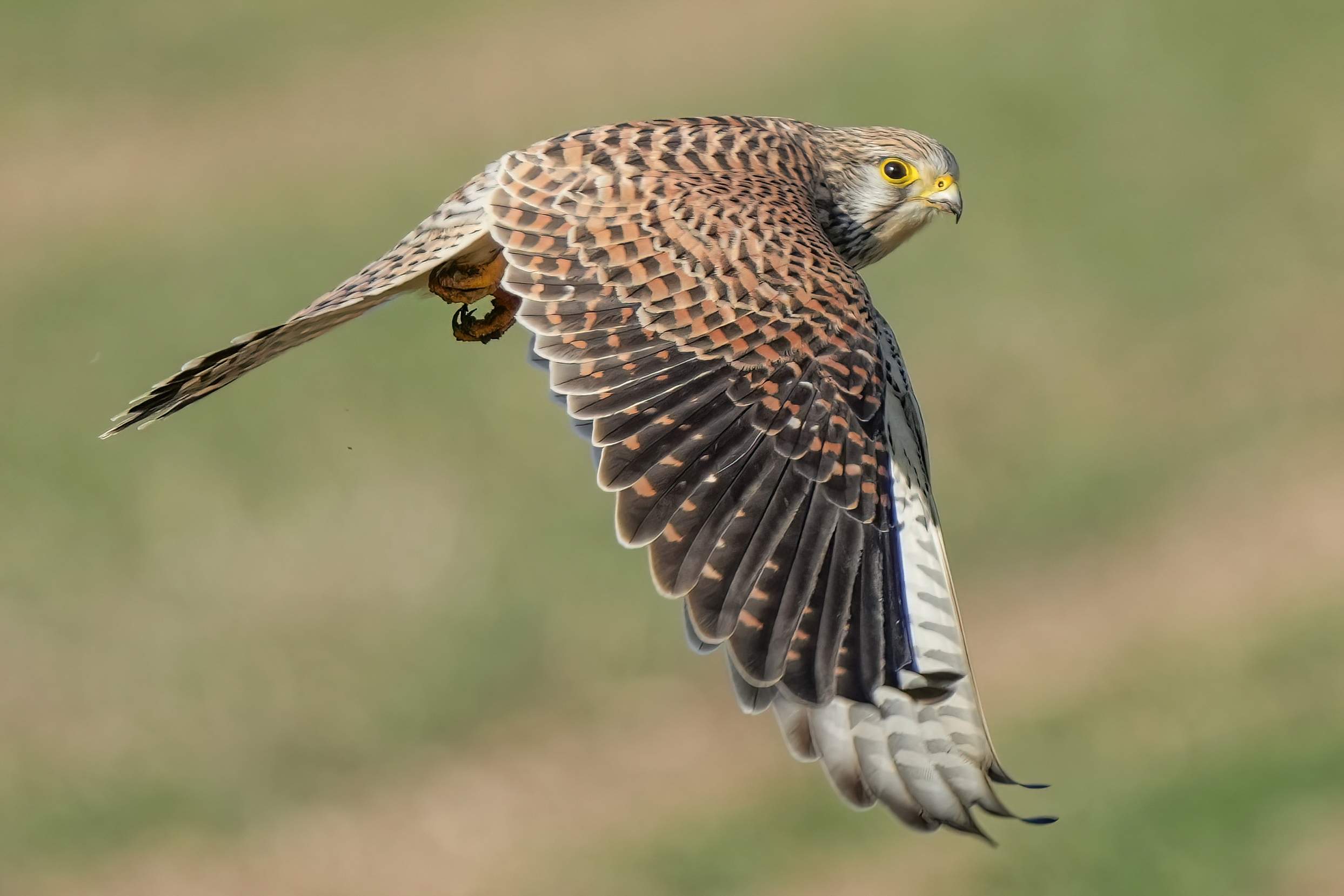 Photo Credit: Giles Laurent / Wikimedia Commons
In the heart of open fields and sunlit meadows, the kestrel, scientifically known as Falco tinnunculus, dances gracefully through the air. This small bird of prey, often seen hovering like a tiny kite, captivates onlookers with its vibrant plumage and keen hunting skills. With a wingspan that can reach up to 24 inches, the kestrel is a master of the skies, its chestnut and slate-blue feathers shimmering in the sunlight. As it scans the ground below, its sharp eyes are always on the lookout for a quick snack, whether it be a mouse scurrying through the grass or a grasshopper leaping in the breeze.
What makes the kestrel particularly fascinating to scientists and nature lovers alike is its unique hunting technique known as “kiting.” This remarkable behavior allows the bird to remain suspended in the air, wings flapping rapidly while it focuses intently on its prey. The kestrel’s ability to adapt to various environments and its role as a predator in the ecosystem highlight its importance in nature. As we explore the life of the kestrel, we will uncover its behaviors, diet, and the challenges it faces in a changing world, revealing why this small raptor holds a special place in the hearts of those who cherish the wonders of wildlife.
The kestrel, a small but striking bird of prey, occupies a special place in the tree of life. It belongs to the class Aves, which includes all birds, and is part of the order Falconiformes, known for its swift and agile hunters. Kestrels are particularly interesting because they exhibit a unique hunting technique called “hovering,” where they can remain suspended in the air while scanning the ground for prey. This ability, combined with their keen eyesight, makes them exceptional hunters in open habitats.
| Taxonomic Rank | Scientific Name | Meaning & Significance |
|---|---|---|
| Kingdom | Animalia | This name signifies that kestrels are part of the vast group of multicellular organisms that are primarily heterotrophic, meaning they consume other organisms for energy. |
| Phylum | Chordata | Chordata refers to animals that have a notochord, a flexible rod that supports the body. In birds, this structure is replaced by a backbone, which is crucial for their flight capabilities. |
| Class | Aves | Aves is the class that encompasses all birds, characterized by feathers, beaks, and the ability to lay eggs. Kestrels, like all birds, are warm-blooded and have adaptations for flight. |
| Order | Falconiformes | This order includes birds of prey, known for their sharp talons and beaks. The name reflects their predatory nature and adaptations for hunting. |
| Family | Falconidae | Falconidae is the family of falcons, which are known for their speed and agility in the air. The name highlights their shared traits of powerful flight and keen hunting skills. |
| Genus | Falco | Falco, the genus name, is derived from the Latin word for “sickle,” referring to the shape of a falcon’s wings, which are long and pointed, aiding in their swift flight. |
Understanding the kestrel’s classification reveals much about its evolutionary journey. As a member of the Falconidae family, kestrels share a common ancestry with other falcons, which have evolved specialized traits for hunting and survival. Their unique adaptations, such as the ability to hover and their exceptional vision, highlight the evolutionary pressures that have shaped their existence in diverse environments. This classification not only connects them to their relatives but also illustrates the intricate web of life that has developed over millions of years.
The evolutionary journey of the kestrel stretches back millions of years, weaving through the tapestry of time to reveal a lineage that has adapted to various environments and challenges. These small raptors, belonging to the genus Falco, have evolved from ancient ancestors that soared the skies long before modern birds took flight. Their story is one of survival, adaptation, and the relentless pursuit of prey.
The earliest ancestors of kestrels can be traced to the late Eocene epoch, around 50 million years ago. During this time, the world was a very different place, with lush forests and diverse ecosystems. These early birds were likely similar to modern-day raptors but lacked some of the specialized features we see today. As the climate changed and habitats evolved, so did the kestrel’s ancestors. They developed sharper talons and more powerful beaks, allowing them to hunt effectively. Over time, the lineage branched out, leading to the diverse species of kestrels we recognize today, each adapted to its specific environment.
The adaptations that kestrels have developed over time have been vital for their survival. Their keen eyesight and hovering ability allow them to hunt effectively, while their varied diet ensures they can find food in different environments. The colorful plumage not only enhances their beauty but also plays a role in attracting mates, ensuring the continuation of their species. By being adaptable in their nesting habits, kestrels have successfully integrated into both natural and urban landscapes, showcasing their resilience in a changing world.
The kestrel is a small yet captivating bird that commands attention with its agile form and striking colors. With a wingspan that can stretch impressively wide, this raptor is built for both grace and precision. Its slender body is designed for quick movements, allowing it to hover in mid-air as it scans the ground for prey. The kestrel’s sharp, hooked beak and keen eyesight are perfectly suited for its role as a hunter, making it a master of the skies.
| Feature | Description |
|---|---|
| Weight | 2.8-6.5 ounces |
| Coloration | Rich browns and grays with striking reddish-brown wings |
| Distinctive Feature | Hunting behavior of hovering and diving |
The combination of the kestrel’s lightweight body and vibrant plumage not only enhances its beauty but also plays a crucial role in its survival. The ability to hover allows it to spot small mammals and insects from high above, while its agile flight helps it dive swiftly to catch its prey. This blend of physical traits makes the kestrel a skilled predator, perfectly adapted to thrive in a variety of environments.
The kestrel thrives in open countryside, where vast fields and meadows stretch under the sky. This bird of prey is often seen perched on fence posts or hovering in mid-air, scanning the ground for its next meal. Its habitat is characterized by a mix of grasslands, agricultural areas, and even urban parks, where it can find plenty of small mammals and insects to feast upon. The wide-open spaces provide the kestrel with the perfect vantage point to spot potential prey, making it a master of its domain.
Kestrels prefer climates that offer a balance of warmth and coolness, thriving in areas that experience a range of temperatures throughout the year. They are often found in regions with moderate rainfall, which supports the growth of grasses and crops that attract their prey. These birds are adaptable and can be seen in both temperate and subtropical zones, as long as there are open spaces for hunting and nesting.
To survive in these diverse habitats, kestrels have developed several clever adaptations. Their keen eyesight allows them to spot movement from great distances, while their ability to hover in place helps them pinpoint the exact location of their next meal. Additionally, their varied diet enables them to thrive in different environments, whether they are hunting in a bustling city park or a quiet rural field. This versatility is key to their success as they navigate the challenges of their surroundings.
The daily life of a kestrel is a blend of keen observation and agile movement. As dawn breaks, these small raptors begin their day, often seen hovering in the air, a behavior known as “kiting.” This unique technique allows them to spot potential prey, such as small rodents or insects, from high above. Throughout the day, kestrels alternate between hunting, resting, and preening their feathers to keep them in top condition. Their sharp eyesight and quick reflexes make them efficient hunters, while their ability to adapt to various environments helps them thrive in different habitats.
Kestrels are generally solitary birds, but they can also be found in loose groups, especially during migration or in areas with abundant food. When they gather, they engage in fascinating social behaviors. They communicate through a series of calls and body language, signaling their presence to one another. Males often perform aerial displays to attract females, showcasing their agility and strength. These interactions are crucial for establishing territories and finding mates, ensuring that each bird has a place to hunt and raise its young.
| Behavior Type | Description |
|---|---|
| Hunting | Kestrels use their keen eyesight to spot prey from the air, often hovering in place to scan the ground. |
| Social Structure | While mostly solitary, kestrels may gather in small groups during migration or when food is plentiful. |
| Communication | They communicate through various calls and displays, especially during mating season to attract partners. |
| Territorial Behavior | Males establish territories through aerial displays and vocalizations, ensuring they have access to hunting grounds. |
The behaviors of kestrels are finely tuned to enhance their survival. Their hunting techniques, social interactions, and communication methods all play vital roles in finding food and mates. By mastering these skills, kestrels not only thrive in their environments but also contribute to the balance of their ecosystems, showcasing the intricate connections that exist in nature.
The kestrel is a carnivore, meaning it primarily eats meat. This agile bird of prey has a varied diet that includes small rodents, lizards, insects, and even other birds and their eggs. Kestrels are skilled hunters, using their sharp eyesight to spot potential meals from high perches or while hovering in the air. Their hunting technique, known as “kiting,” allows them to remain almost motionless in the sky, scanning the ground below for movement. Once they spot their target, they swoop down with precision to catch their meal.
| Dietary Aspect | Details |
|---|---|
| Diet Type | Carnivore |
| Favorite Foods | Small rodents, lizards, insects, birds, and eggs |
| Prey Items | Field mice, voles, grasshoppers, and sparrows |
| Hunting/Foraging Strategies | Kiting, perching, and swooping |
This diverse diet plays a crucial role in the kestrel’s ecology and daily routine. By preying on various small animals, kestrels help control populations of rodents and insects, maintaining a balance in their ecosystem. Their hunting habits also dictate their movements throughout the day, as they must constantly search for food to sustain their energy. This connection between diet and behavior highlights the kestrel’s role as both a predator and a vital part of its environment.
During the breeding season, kestrels engage in a captivating courtship display that includes aerial acrobatics and vocalizations. Males often perform impressive dives and swoops to attract females, showcasing their agility and strength. This season typically occurs in spring, when the days grow longer and warmer, providing ideal conditions for raising young. Once a pair has formed, they will select a nesting site, often in tree cavities, cliffs, or even man-made structures, where they can safely raise their chicks.
| Reproductive Aspect | Details |
|---|---|
| Gestation Period | Approximately 28-32 days |
| Litter Size | 3-7 chicks |
| Age of Maturity | About 10 months |
| Name of Young | Chicks or nestlings |
After the eggs hatch, both parents take on the important role of caring for their young. The chicks are born blind and helpless, relying entirely on their parents for food and protection. As they grow, they develop feathers and begin to explore their surroundings. The parents work tirelessly, bringing food to the nest and teaching their young essential survival skills. By the time the chicks are ready to fledge, or leave the nest, they have learned to fly and hunt, preparing them for a life of independence in the wild. This nurturing process is crucial, as it ensures that the next generation of kestrels is equipped to thrive in their environment.
The kestrel plays a vital role in the food web as a small but skilled predator. Positioned near the top of its ecological niche, it helps control populations of small mammals and insects. However, this agile bird faces numerous dangers that threaten its survival, from natural predators to environmental challenges.
To defend itself against these threats, the kestrel employs a variety of survival strategies. Its keen eyesight allows it to spot predators from a distance, while its ability to hover in place helps it evade attacks. When threatened, kestrels can quickly take flight, using their speed and agility to escape. Additionally, they often nest in high, inaccessible locations, making it harder for predators to reach their young. These clever adaptations help ensure that kestrels can continue to thrive in their environments despite the dangers they face.
A keystone species is a vital part of its ecosystem, one that has a disproportionately large impact on its environment relative to its abundance. The kestrel, a small bird of prey, qualifies as a keystone species due to its role in controlling populations of small mammals and insects. By maintaining the balance of these populations, kestrels help ensure the health of their habitats, making them essential players in the ecological drama of open countryside environments.
Kestrels are skilled hunters, primarily feeding on small rodents, lizards, and insects. This predatory behavior is crucial for keeping the populations of these animals in check. For instance, when kestrel numbers are healthy, they help prevent overpopulation of rodents, which can lead to crop damage and the spread of disease. Additionally, by preying on insects, kestrels contribute to the control of pest populations, benefiting both the ecosystem and agricultural practices. Their presence can also influence the behavior of other species, as smaller birds and mammals may alter their activities to avoid becoming prey.
The impact of kestrels extends beyond their immediate hunting. They serve as indicators of environmental health. A thriving kestrel population often signals a balanced ecosystem, while a decline may suggest underlying issues, such as habitat loss or pesticide use. Furthermore, kestrels are part of a larger food web, providing sustenance for larger predators, such as hawks and owls, which rely on them as a food source. This interconnectedness highlights their importance in maintaining the overall structure of their ecosystem.
If kestrels were to disappear from their habitats, the consequences could be significant. Without these birds of prey, rodent populations could surge, leading to increased crop damage and potential health risks from disease. Insects might also proliferate unchecked, disrupting the balance of plant life and affecting other species that rely on those plants for food and shelter. The absence of kestrels would ripple through the ecosystem, demonstrating just how crucial these small raptors are to the health and stability of their environment.
The kestrel plays a crucial role in shaping its ecosystem, particularly in open countryside environments. As a small bird of prey, it occupies an ecological niche that allows it to influence the populations of various small animals. By hunting and feeding on rodents, insects, and other small creatures, the kestrel helps maintain a balance in the ecosystem. This balance is essential for the health of the environment, as it prevents any one species from becoming too dominant and ensures a diverse range of life.
| Ecosystem Service | Impact |
|---|---|
| Population Control | Kestrels regulate the numbers of small mammals and insects, preventing overpopulation. |
| Food Source | They serve as prey for larger birds and mammals, contributing to the food web. |
| Seed Dispersal | By consuming insects that feed on plants, kestrels indirectly support plant health and growth. |
| Indicator Species | Their presence indicates a healthy ecosystem, as they require a balanced environment to thrive. |
Kestrels influence their surroundings in several specific ways. For instance, by preying on voles and other small rodents, they help control these populations, which can otherwise explode and lead to significant damage to crops and vegetation. Additionally, their hunting habits can affect the distribution of insects, which in turn impacts plant health. When kestrels are present, they signal a balanced ecosystem, as they thrive in environments rich in biodiversity. Their hunting also creates opportunities for other species, as the remains of their meals can provide nourishment for scavengers.
The broader ecological importance of the kestrel cannot be overstated. As a keystone species, its presence is vital for maintaining the health of the open countryside. By controlling prey populations and serving as an indicator of environmental quality, kestrels contribute to a dynamic and balanced ecosystem. Their role highlights the interconnectedness of life, reminding us that even the smallest creatures can have a significant impact on the world around us. Understanding and protecting kestrels is essential for preserving the intricate web of life in which they play such a pivotal part.
In the intricate web of life, symbiosis refers to the close interactions between different species, which can take many forms. These relationships can be mutualistic, where both species benefit; parasitic, where one benefits at the expense of the other; or commensal, where one benefits while the other is neither helped nor harmed. Kestrels, with their keen hunting skills and adaptability, engage in various ecological relationships that highlight the interconnectedness of nature.
| Species/Type | Relationship Type | Description |
|---|---|---|
| Small rodents | Mutualistic | Kestrels help control rodent populations, which can benefit the ecosystem by preventing overgrazing and promoting plant diversity. |
| Insects | Mutualistic | By preying on insects, kestrels help maintain a balance in the ecosystem, reducing pest populations that could harm crops. |
| Tree cavities | Commensal | Kestrels often nest in abandoned tree cavities created by woodpeckers, benefiting from the shelter without affecting the woodpeckers. |
These relationships have evolved over time, shaped by the needs and behaviors of the species involved. Kestrels have adapted to their environments in ways that not only enhance their survival but also support the health of their ecosystems. By controlling populations of small mammals and insects, they play a crucial role in maintaining balance. Meanwhile, their use of tree cavities for nesting demonstrates how species can coexist and utilize resources without direct competition. This delicate dance of interdependence showcases the beauty of nature’s design, where every species, including the kestrel, contributes to the larger story of life on Earth.
Kestrels are not just any birds; they are fascinating raptors that showcase incredible adaptations and behaviors. Here are some surprising facts that will surely captivate nature enthusiasts of all ages.
Throughout history, kestrels have captured the imagination of humans, often symbolizing freedom and keen observation. Ancient cultures revered these small raptors, associating them with various deities and using their images in art and literature. In medieval times, they were popular among falconers, who trained them for hunting. This bond between kestrels and humans has deep roots, reflecting a shared appreciation for the beauty and skill of these agile birds. Their presence in folklore and stories highlights their significance in our cultural landscape, reminding us of the interconnectedness of all living beings.
In modern times, the relationship between kestrels and humanity has evolved, marked by both cooperation and conflict. As urban areas expand, kestrels often find themselves adapting to new environments, sometimes nesting in buildings or hunting in parks. Conservation efforts have emerged to protect their habitats, especially as agricultural practices change and natural spaces diminish. However, conflicts can arise when kestrels prey on small pets or compete with other birds for food. Understanding these dynamics is crucial for fostering a harmonious coexistence, as both humans and kestrels navigate the challenges of a rapidly changing world.
As we look to the future, the relationship between kestrels and humanity holds promise. With increased awareness of environmental issues, more people are advocating for the protection of these birds and their habitats. By fostering a deeper understanding of kestrels and their role in ecosystems, we can work together to ensure that these remarkable raptors continue to thrive alongside us. The journey ahead invites curiosity and collaboration, reminding us that the health of our planet is intertwined with the well-being of all its inhabitants.
The kestrel, a small yet striking bird of prey, currently holds a conservation status of “Least Concern” according to the International Union for Conservation of Nature (IUCN). This means that, overall, kestrels are not facing immediate threats to their survival. With an estimated population size of around 9.2 million individuals, these agile raptors are relatively abundant in their habitats. However, while their numbers are stable, ongoing monitoring is essential to ensure they remain safe in the face of changing environmental conditions.
| Conservation Factor | Status/Details |
|---|---|
| IUCN Status | Least Concern |
| Estimated Population Size | 9.2 million |
| Population Trend | Stable |
Despite their current stable status, kestrels face several threats that could impact their populations in the future. Habitat loss is a significant concern, as agricultural expansion and urban development reduce the open spaces they rely on for hunting and nesting. Additionally, pesticide use can diminish their food sources, as these chemicals can harm the small mammals and insects that make up their diet. Climate change also poses a risk, altering the ecosystems where kestrels thrive and potentially affecting their breeding patterns.
Conservation efforts are underway to protect kestrels and their habitats. Organizations are working to promote sustainable farming practices that minimize pesticide use and preserve open landscapes. Public awareness campaigns help educate communities about the importance of kestrels in the ecosystem, encouraging people to support local conservation initiatives. With continued efforts and a commitment to safeguarding their environments, the outlook for kestrels remains positive, allowing these remarkable birds to soar through the skies for generations to come.
| Question | Answer |
|---|---|
| What is the habitat of a Kestrel? | Kestrels thrive in open countryside, which includes fields, grasslands, and even urban areas. They prefer places where they can easily spot their prey from a height, often perching on fences or telephone wires. |
| What do Kestrels eat? | Kestrels are carnivores, meaning they primarily eat meat. Their diet mainly consists of small mammals, insects, and sometimes birds, which they skillfully hunt using their keen eyesight. |
| How do Kestrels behave when hunting? | One of the most distinctive behaviors of Kestrels is their ability to hover in the air while searching for food. This unique hunting technique allows them to spot prey from above before diving down to catch it. |
| How do Kestrels reproduce? | Kestrels typically mate in the spring, and the female lays a clutch of 3 to 7 eggs. After about 30 days of incubation, the chicks hatch and are cared for by both parents until they are ready to fledge, or leave the nest. |
| What threats do Kestrels face? | While Kestrels are currently classified as Least Concern, they still face threats from habitat loss and pesticide use. These factors can reduce their food supply and nesting sites, making it harder for them to thrive. |
| What is an interesting characteristic of Kestrels? | One fascinating feature of Kestrels is their exceptional vision. They can see ultraviolet light, which helps them detect urine trails left by small mammals, making it easier to find food. |
| Are Kestrels social birds? | Kestrels are generally solitary, especially when hunting. However, during the breeding season, they may be seen in pairs or small family groups as they care for their young. |