Taxonomy & Classification
- Kingdom
- Animalia
- Phylum
- Chordata
- Class
- Mammalia
- Order
- Artiodactyla
- Family
- Cervidae
- Genus
- Odocoileus
- Species
- Odocoileus virginianus

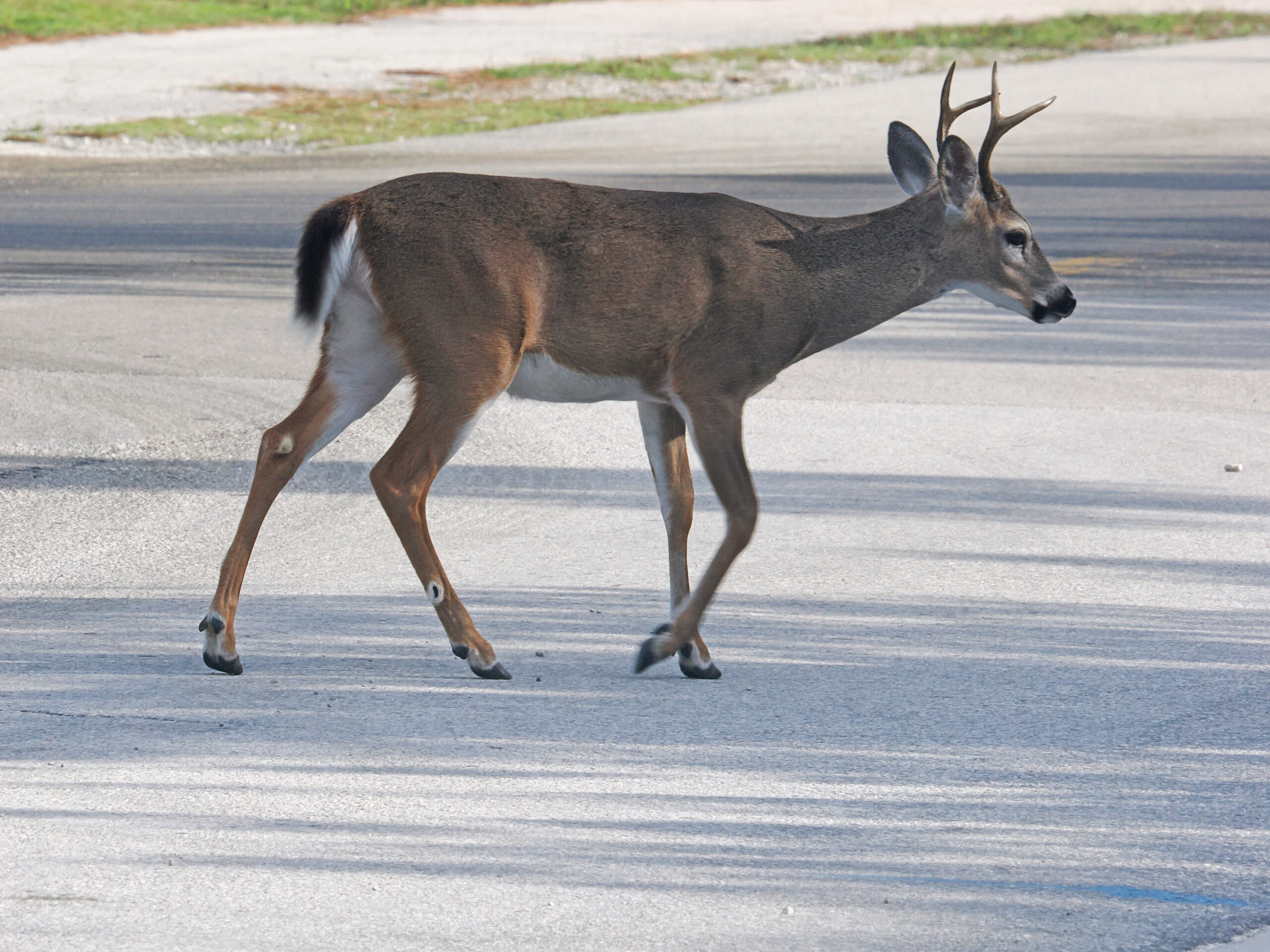 Photo Credit: Jarble / Wikimedia Commons
In the sun-drenched landscapes of the Florida Keys, the Key Deer, scientifically known as Odocoileus virginianus clavium, roams gracefully among the lush greenery and shimmering waters. These pint-sized deer, often affectionately called “toy deer” due to their diminutive size, stand only 24 to 32 inches tall at the shoulder and weigh between 44 to 85 pounds. With their delicate features, large dark eyes, and soft brown coats, they embody a charm that captivates both scientists and nature lovers alike. Their small stature and unique adaptations make them a fascinating subject of study, revealing insights into the delicate balance of their island ecosystem.
As the sun begins to set, casting a golden hue over the landscape, the Key Deer emerge from their hiding spots in the dense underbrush. They are most active during the cooler hours of dawn and dusk, a behavior known as being crepuscular. This lifestyle allows them to forage for tender grasses and leaves while avoiding the heat of the day. Their presence is not just a delight for those lucky enough to spot them; it plays a crucial role in maintaining the health of their habitat. By grazing on vegetation, they help shape the environment, making way for new growth and supporting a diverse array of plant and animal life. As we delve deeper into the world of the Key Deer, we will explore their unique behaviors, the challenges they face, and the vital role they play in the ecosystem of the Florida Keys.
The Key Deer, a small and enchanting subspecies of white-tailed deer, holds a special place in the animal kingdom. Scientifically classified within the family Cervidae, which includes all deer species, the Key Deer is unique not only for its size—standing at just about 30 inches tall at the shoulder—but also for its adaptation to the subtropical environment of the Florida Keys. This tiny deer is a prime example of how species can evolve in isolation, leading to distinct physical and behavioral traits that set them apart from their mainland relatives.
| Taxonomic Rank | Scientific Name | Meaning & Significance |
|---|---|---|
| Kingdom | Animalia | This term refers to all animals, highlighting the Key Deer’s status as a living organism that moves, eats, and reproduces. |
| Phylum | Chordata | Chordata means “having a notochord,” which is a flexible rod that supports the body. This feature is a key characteristic of all vertebrates, including the Key Deer. |
| Class | Mammalia | Mammalia signifies that Key Deer are mammals, meaning they have fur and nurse their young with milk, a trait that connects them to all warm-blooded animals. |
| Order | Artiodactyla | This order includes even-toed ungulates, or hoofed animals, which means the Key Deer has an even number of toes on each foot, a trait that aids in their agility and movement. |
| Family | Cervidae | Cervidae refers to the deer family, which is known for its antlered males and social behaviors. The Key Deer shares this family with other deer species, showcasing their evolutionary connections. |
| Genus | Odocoileus | Odocoileus translates to “pain in the neck,” a nod to the way deer can be difficult to hunt due to their agility and alertness. This genus includes several species of deer, emphasizing their shared traits. |
Understanding the Key Deer’s classification reveals much about its evolutionary journey. As a subspecies of the white-tailed deer, it has adapted to the unique challenges of its island habitat, leading to its smaller size and specialized behaviors. This evolutionary path illustrates how isolation can shape a species, allowing it to thrive in a specific environment while also highlighting the delicate balance of ecosystems. The Key Deer serves as a reminder of the importance of conservation, as its survival is closely tied to the health of the Florida Keys, where it continues to roam.
The evolutionary journey of the Key Deer is a captivating tale that stretches back thousands of years. This small subspecies of white-tailed deer, known scientifically as Odocoileus virginianus clavium, has adapted to the unique environment of the Florida Keys. Over time, these deer have undergone significant changes that have allowed them to thrive in their island habitat, a process shaped by both natural selection and the challenges of their surroundings.
Key Deer are descendants of larger ancestors that roamed North America. As the climate changed and sea levels rose, some deer populations became isolated on the islands of the Florida Keys. This isolation led to a fascinating evolutionary transition, where the deer adapted to their new environment. Over generations, they became smaller in size, a phenomenon known as insular dwarfism. This adaptation helped them survive on limited resources, as smaller animals require less food and water.
These adaptations have been crucial for the survival of the Key Deer in their unique environment. By becoming smaller, they can efficiently use the limited resources available on the islands. Their varied diet and social behavior enhance their chances of finding food and staying safe from threats. As a result, the Key Deer not only exemplify the wonders of evolution but also highlight the importance of adaptability in the face of environmental challenges.
The Key Deer is a charming and diminutive member of the deer family, standing at just 24 to 32 inches tall at the shoulder. With a weight ranging from 44 to 85 pounds, these little deer have a delicate yet sturdy build. Their bodies are compact, allowing them to navigate the dense underbrush of their island habitat with ease. The Key Deer’s large, expressive eyes and gentle demeanor add to their endearing appearance, making them a delightful sight in the wild.
| Feature | Description |
|---|---|
| Height | 24-32 inches at the shoulder |
| Weight | 44-85 pounds |
| Skin Type | Soft, dense fur |
| Most Distinctive Feature | Small size compared to other deer |
The Key Deer’s small size is not just a charming trait; it plays a crucial role in its survival. This compact form allows them to move swiftly through the thick vegetation of the Florida Keys, where they find food and evade predators. Their soft, dense fur provides insulation against the warm, humid climate, while also helping them blend into their surroundings. Together, these features create a perfect adaptation to their unique environment, showcasing the beauty of nature’s design.
The Key Deer thrives in a picturesque habitat that captures the essence of the Florida Keys. Imagine a landscape where lush pine rocklands meet tranquil wetlands, creating a mosaic of greenery and water. These small deer wander through dense woodlands, where the air is filled with the sounds of chirping birds and rustling leaves. The gentle breeze carries the scent of saltwater, reminding us that this enchanting environment is surrounded by the sparkling ocean.
The climate in this region is warm and tropical, with plenty of sunshine and occasional rain. Key Deer prefer areas that are not too dry, as they rely on the wetlands for drinking water and food. The average temperature hovers around 75 to 85 degrees Fahrenheit, making it a comfortable home for these small mammals. The unique combination of sandy soils and diverse plant life provides the perfect setting for their survival.
Over time, Key Deer have developed special adaptations to thrive in their specific habitats. Their smaller size helps them navigate through dense vegetation, while their keen sense of smell allows them to find food and detect predators. They are also excellent swimmers, which is handy in the watery landscapes of the Keys. These adaptations not only help them survive but also allow them to flourish in a delicate ecosystem that is both beautiful and challenging.
The Key Deer leads a life that is both tranquil and active, primarily during the cooler hours of dawn and dusk. These small deer are crepuscular, meaning they are most active during these twilight periods. As the sun rises or sets, you might spot them foraging for food, nibbling on tender grasses, leaves, and fruits. During the heat of the day, they often seek shade to rest, conserving energy for their evening activities. This daily rhythm helps them avoid the sweltering sun of the Florida Keys, where they call home.
Socially, Key Deer tend to be solitary creatures. Unlike some deer species that form large herds, these little deer prefer to roam alone or in small family groups. This behavior allows them to be more agile and less conspicuous to predators. However, they do communicate with one another through a variety of sounds and body language. When they feel threatened, they may stomp their hooves or snort to alert others nearby. This subtle communication is vital for their survival, as it helps them stay aware of potential dangers in their environment.
| Behavior Type | Description |
|---|---|
| Activity Patterns | Key Deer are crepuscular, being most active during dawn and dusk, foraging for food and resting during the heat of the day. |
| Social Structure | They are primarily solitary, preferring to roam alone or in small family groups rather than large herds. |
| Communication Methods | Key Deer use sounds like snorts and body language, such as hoof stomping, to communicate with each other, especially when sensing danger. |
The behaviors of Key Deer are finely tuned to their environment, ensuring their survival in the unique ecosystem of the Florida Keys. By being active during cooler times and maintaining a solitary lifestyle, they reduce their chances of encountering predators. Their ability to communicate effectively, even in small groups, enhances their awareness of threats, allowing them to thrive in a habitat that is both beautiful and challenging. Each day is a delicate balance of foraging, resting, and staying alert, all crucial for their continued existence in this vibrant landscape.
The Key Deer is a herbivore, which means it primarily eats plants. These small deer have a diet that consists mainly of grasses, leaves, and tender shoots. They are particularly fond of the lush vegetation found in their unique habitat of the Florida Keys. To obtain their food, Key Deer use their keen sense of smell and sight to locate tasty plants. They often graze in the early morning or late afternoon when the temperatures are cooler, making it easier for them to find food without overheating.
| Dietary Aspect | Details |
|---|---|
| Diet Type | Herbivore |
| Favorite Foods | Grasses, leaves, and tender shoots |
| Prey Items | None |
| Hunting/Foraging Strategies | Grazing during cooler hours, using keen senses to locate food |
The diet of the Key Deer plays a crucial role in shaping its ecology and daily routine. By feeding on a variety of plants, these deer help maintain the health of their habitat, promoting new growth and supporting the ecosystem. Their foraging habits also influence the distribution of plant species in the area. As they graze, they create open spaces that allow sunlight to reach the ground, encouraging a diverse range of flora to thrive. This delicate balance between the Key Deer and their environment highlights the importance of their dietary choices in sustaining the vibrant ecosystem of the Florida Keys.
During the breeding season, which typically occurs from late summer to early fall, Key Deer engage in a variety of courtship behaviors. Males, known as bucks, will often display their strength and fitness by sparring with other males, using their antlers to push and shove. This competition helps females, or does, choose the strongest mate. The sounds of rustling leaves and the sight of bucks chasing each other create a lively atmosphere in the Florida Keys, where these charming deer reside.
| Reproductive Aspect | Details |
|---|---|
| Gestation Period | 7 months |
| Litter Size | 1 fawn |
| Age of Sexual Maturity | 6 months to 1.5 years |
| Name of Young | Fawn |
After a gestation period of about seven months, a doe typically gives birth to a single fawn. This fawn is born with a beautiful spotted coat that helps it blend into the dappled light of its surroundings, providing camouflage from predators. The mother is very attentive, keeping her fawn hidden in dense vegetation for the first few weeks of life. As the fawn grows, it begins to explore its environment, learning to graze on the same plants that nourish its mother. With time, the fawn matures into a young deer, ready to join the herd and eventually participate in the cycle of life itself.
The Key Deer occupies a delicate position in the food web of the Florida Keys. As a herbivore, it primarily feeds on a variety of plants, which places it at the base of the food chain. However, this small deer is not without its challenges. While it has few natural predators, human activities and environmental changes pose significant threats to its survival.
To defend itself against these dangers, the Key Deer has developed several survival strategies. Its small size allows it to navigate through dense vegetation, making it harder for predators to spot. Additionally, these deer are most active during dawn and dusk, times when they can avoid many threats. Their cautious nature and ability to blend into their surroundings help them evade danger, but the greatest challenge remains the ever-increasing risk from human activities.
A keystone species is an organism that plays a critical role in maintaining the structure of its ecosystem. Its presence or absence can significantly impact the environment and other species within it. The Key Deer, a small subspecies of white-tailed deer found in the Florida Keys, qualifies as a keystone species due to its unique interactions with the habitat and other wildlife.
Key Deer contribute to their ecosystem in several important ways. As herbivores, they help control plant growth by feeding on grasses, leaves, and tender shoots. This grazing behavior prevents certain plant species from dominating the landscape, allowing a diverse range of flora to thrive. In turn, this diversity supports various other species, from insects to birds, creating a balanced ecosystem. Additionally, their foraging habits can help disperse seeds, promoting plant regeneration and contributing to the overall health of their habitat.
Moreover, Key Deer serve as prey for larger predators, such as alligators and coyotes, which rely on them for food. This relationship helps maintain the predator-prey balance in the ecosystem. When Key Deer are present, they provide a food source that supports these predators, ensuring that the natural cycle of life continues. Their presence also attracts other wildlife, creating a vibrant community of animals that depend on one another for survival.
If Key Deer were to disappear from their environment, the consequences could be severe. Without these small deer, certain plant species might overgrow, leading to a decline in plant diversity. This change would ripple through the ecosystem, affecting not only the plants but also the animals that rely on them for food and shelter. Predators that depend on Key Deer for sustenance would struggle to find enough food, potentially leading to their decline as well. The delicate balance of the Florida Keys ecosystem would be disrupted, highlighting just how vital the Key Deer is to its home.
The Key Deer occupies a vital ecological niche in the Florida Keys, where it plays a significant role in shaping its environment. As a herbivore, this small deer primarily feeds on grasses, leaves, and tender shoots, which helps maintain the health of the plant communities in its habitat. By grazing on various vegetation, the Key Deer promotes new growth and supports the overall biodiversity of the pine rocklands, woodlands, and wetlands it calls home. This delicate balance is essential for the ecosystem’s resilience and stability.
| Ecosystem Service | Impact |
|---|---|
| Vegetation Management | Controls plant growth and promotes biodiversity |
| Seed Dispersal | Helps in spreading seeds through its droppings |
| Food Source | Serves as prey for larger predators, supporting the food web |
| Soil Health | Contributes to nutrient cycling through grazing |
The Key Deer’s influence on its ecosystem is evident in several ways. For instance, by feeding on certain plant species, it prevents any one type of plant from dominating the landscape. This grazing behavior encourages a diverse array of plants to thrive, which in turn attracts various insects, birds, and other wildlife. Additionally, as the Key Deer moves through its habitat, it inadvertently helps with seed dispersal. The seeds pass through its digestive system and are deposited in new locations, allowing for the growth of new plants in different areas. This natural process fosters a rich and varied ecosystem.
The broader ecological importance of the Key Deer cannot be overstated. As a keystone species, its presence is crucial for maintaining the balance of the Florida Keys’ ecosystems. Without the Key Deer, the plant communities could become overgrown, leading to a decline in biodiversity and affecting other species that rely on these habitats. By supporting a healthy ecosystem, the Key Deer not only enriches its own environment but also contributes to the overall health of the Florida Keys, making it a vital player in the intricate web of life.
In the intricate web of life, symbiosis refers to the close and often long-term interactions between different species. These relationships can take many forms, including mutualism, where both species benefit, parasitism, where one benefits at the expense of the other, and commensalism, where one benefits while the other is neither helped nor harmed. The Key Deer, a small subspecies of white-tailed deer, engages in various ecological partnerships that highlight the interconnectedness of nature. These relationships not only enhance the survival of the Key Deer but also contribute to the health of their unique habitat in the Florida Keys.
| Species/Type | Relationship Type | Description |
|---|---|---|
| Epiphytic plants (like orchids) | Commensalism | These plants grow on the trees in the Key Deer’s habitat, benefiting from the height and sunlight without harming the trees. |
| Ticks | Parasitism | Ticks attach to Key Deer to feed on their blood, which can weaken the deer and transmit diseases. |
| Small mammals (like rabbits) | Mutualism | Small mammals help keep the underbrush clear, allowing Key Deer easier access to food while benefiting from the same habitat. |
The evolution of these relationships is a testament to the adaptability of species in the face of environmental challenges. Over time, the Key Deer and its partners have developed these interactions to enhance their survival. For instance, while the Key Deer may suffer from ticks, the presence of small mammals helps maintain a balanced ecosystem, ensuring that food sources remain plentiful. Each relationship, whether beneficial or detrimental, plays a role in shaping the delicate balance of life in the Florida Keys, illustrating how interconnected all living things truly are.
The Key Deer, a charming subspecies of white-tailed deer, is not just small in size but also rich in surprising traits and behaviors that make it a captivating subject for nature enthusiasts. Here are some intriguing facts that showcase the wonders of this delightful creature.
The Key Deer, a small subspecies of white-tailed deer, has a long history of interaction with humans that dates back to the early days of settlement in the Florida Keys. These gentle creatures have captured the hearts of locals and visitors alike, becoming a symbol of the unique wildlife that inhabits this tropical paradise. Historically, Key Deer were often seen as a resource for food and materials, but they also held cultural significance for the indigenous peoples of the region. Their presence in local folklore and art reflects a deep connection between the deer and the communities that share their habitat.
Today, the relationship between Key Deer and humanity is a complex tapestry woven with threads of conservation, conflict, and coexistence. As urban development encroaches on their natural habitat, these deer face numerous challenges, including vehicle collisions and habitat loss. Conservation efforts have ramped up in recent years, with organizations working tirelessly to protect these delicate animals and their environment. However, conflicts can arise when deer venture into residential areas in search of food, leading to tensions between wildlife and human interests. Understanding and managing these interactions is crucial for the survival of the Key Deer.
Looking ahead, the future of the Key Deer and their relationship with humanity hinges on our ability to balance development with conservation. As more people discover the beauty of the Florida Keys, it is essential to foster a sense of stewardship for these enchanting animals. By promoting coexistence and understanding, we can ensure that the Key Deer continue to thrive in their natural habitat, enriching the lives of both the deer and the people who cherish them. Together, we can create a harmonious future where wildlife and humanity flourish side by side.
The Key Deer, a delightful subspecies of white-tailed deer, is currently classified as endangered. With an estimated population of only 700 to 800 individuals, these small deer face significant challenges in their natural habitat. While conservation efforts have helped stabilize their numbers in recent years, the overall trend remains precarious, highlighting the need for ongoing protection and awareness.
| Conservation Factor | Status/Details |
|---|---|
| IUCN Status | Endangered |
| Estimated Population Size | 700-800 |
| Population Trend | Stable but precarious |
The main threats to the Key Deer stem from habitat loss and human activities. As development in the Florida Keys continues, the natural landscapes that these deer rely on for food and shelter are shrinking. Additionally, vehicle collisions pose a significant risk, as these deer often wander onto roads. Climate change also threatens their habitat, leading to rising sea levels and altered ecosystems that can disrupt their delicate balance.
Despite these challenges, conservation efforts are underway to protect the Key Deer and their habitat. Organizations and local governments are working together to create safe zones and promote awareness among residents and visitors. These initiatives aim to reduce vehicle speeds in key areas and restore natural habitats. With continued dedication and support, there is hope that the Key Deer will not only survive but thrive in the enchanting landscapes of the Florida Keys.
| Question | Answer |
|---|---|
| What is the habitat of Key Deer? | Key Deer primarily live in the unique ecosystems of the Florida Keys. They thrive in pine rocklands, woodlands, and wetlands, which provide them with the food and shelter they need to survive. |
| What do Key Deer eat? | Key Deer are herbivores, meaning they eat plants. Their diet mainly consists of grasses, leaves, and fruits, which they find in their natural habitat. |
| How do Key Deer behave? | Key Deer are generally social animals and can often be seen in small groups. They are most active during the early morning and late afternoon, which is when they search for food. |
| How do Key Deer reproduce? | Key Deer typically breed in the summer months. After a gestation period of about seven months, females give birth to one fawn, which they care for until it is old enough to join the herd. |
| What are the main threats to Key Deer? | Key Deer are classified as endangered, facing threats from habitat loss, vehicle collisions, and climate change. Their limited range makes them particularly vulnerable to these dangers. |
| What is a distinctive feature of Key Deer? | The most distinctive feature of Key Deer is their small size. They are the smallest subspecies of white-tailed deer, with adults standing only about 30 inches tall at the shoulder. |
| Are Key Deer good swimmers? | Yes, Key Deer are surprisingly good swimmers! They often swim between the islands in the Florida Keys, which helps them find new food sources and escape predators. |