Taxonomy & Classification
- Kingdom
- Animalia
- Phylum
- Chordata
- Class
- Aves
- Order
- Charadriiformes
- Family
- Charadriidae
- Genus
- Charadrius
- Species
- Charadrius vociferus

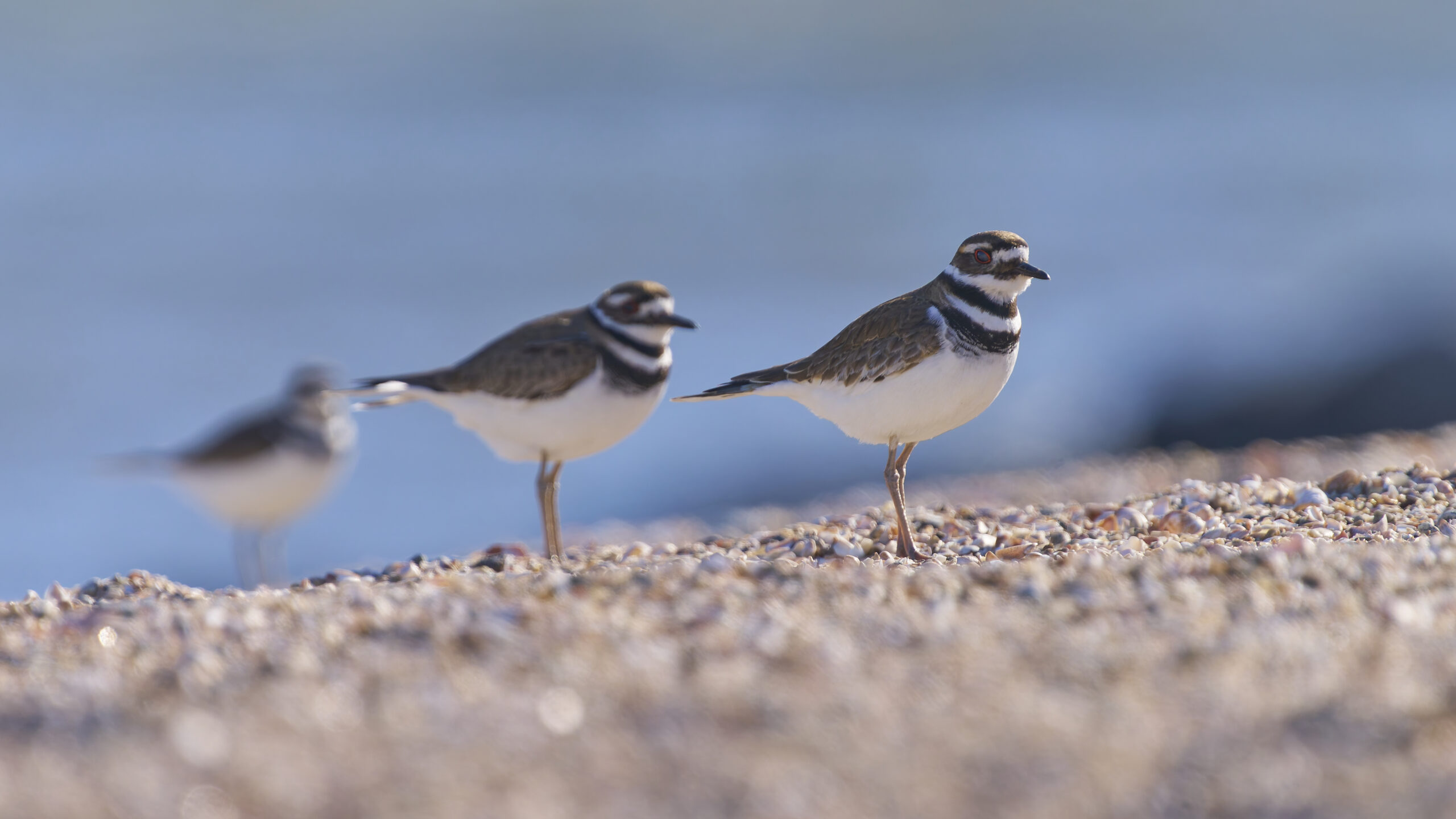 Photo Credit: Pdanese / Wikimedia Commons
Meet the Killdeer, or Charadrius vociferus, a lively shorebird that enchants anyone lucky enough to spot it in its natural habitat. Picture a sun-drenched field or the sandy edge of a lake, where this bird scuttles gracefully across the ground. With its slender body, long legs, and striking double black bands across its chest, the Killdeer is hard to miss. Its bold appearance is matched only by its distinctive call, a series of sharp, ringing notes that echo across open spaces, making it a favorite among birdwatchers and nature lovers alike.
What truly captivates scientists and enthusiasts about the Killdeer is not just its looks, but its remarkable behavior. This clever bird has a unique way of protecting its nest, often pretending to be injured to lure predators away from its eggs. This fascinating tactic showcases its intelligence and adaptability, traits that have allowed the Killdeer to thrive in a variety of environments, from grassy fields to urban areas. As we explore the world of the Killdeer, we will uncover its diet, reproductive habits, and the vital role it plays in the ecosystem, revealing just how interconnected life can be in the great outdoors.
The Killdeer, a charming shorebird known for its distinctive call and striking appearance, occupies a special place in the tree of life. Taxonomically, it belongs to the Kingdom Animalia, which includes all animals, and is classified under the Phylum Chordata, meaning it has a backbone. As a member of the Class Aves, it is part of the diverse world of birds. The Killdeer is particularly interesting because it belongs to the Order Charadriiformes, which encompasses a variety of wading birds, including plovers and sandpipers. Its family, Charadriidae, is known for its plovers, and the genus Charadrius includes several species of plovers. This classification highlights not only its physical traits but also its behaviors, such as its unique nesting habits and vocalizations.
| Taxonomic Rank | Scientific Name | Meaning & Significance |
|---|---|---|
| Kingdom | Animalia | This name signifies all animals, highlighting the Killdeer’s place among living organisms that share certain biological characteristics. |
| Phylum | Chordata | Meaning “having a cord,” this term refers to animals with a backbone, emphasizing the Killdeer’s structural support and mobility. |
| Class | Aves | Simply meaning “birds,” this classification connects the Killdeer to the vast avian world, known for feathers and flight. |
| Order | Charadriiformes | This name comes from the Greek word for “shore,” indicating the group’s affinity for coastal and wetland habitats. |
| Family | Charadriidae | Derived from the Greek word for “plover,” this name reflects the family’s members, which are often characterized by their round bodies and long legs. |
| Genus | Charadrius | This name also means “plover” in Greek, reinforcing the Killdeer’s close relationship with other plovers in its genus. |
The classification of the Killdeer reveals much about its evolutionary history and adaptations. As a member of the Charadriidae family, it shares common traits with other plovers, such as a preference for open habitats and a unique method of distraction during nesting. This evolutionary lineage showcases how the Killdeer has adapted to thrive in various environments, from fields to shorelines, while maintaining its distinctive behaviors and physical characteristics. Understanding its place in the animal kingdom not only enriches our knowledge of this bird but also highlights the intricate connections among all living things.
The evolutionary journey of the Killdeer, a member of the Charadriidae family, stretches back millions of years. This shorebird, known for its distinctive double black bands across its chest and its melodious call, has adapted to a variety of environments. Its ancestors roamed the Earth during the late Cretaceous period, around 70 million years ago, when the first modern birds began to emerge. Over time, these early birds evolved into the diverse species we see today, including the Killdeer.
The lineage of the Killdeer can be traced to small, ground-nesting birds that thrived in open habitats. These ancestral forms were likely similar to today’s plovers, which are known for their agility and speed. As the climate changed and habitats evolved, these birds adapted to new challenges. One major transition was the development of their long legs, which allowed them to run swiftly across open fields and sandy shores. This adaptation was crucial for escaping predators and foraging for food.
These adaptations have played a vital role in the survival of the Killdeer. Their ability to camouflage helps them avoid detection by predators, while their vocalizations can confuse threats, giving them precious seconds to flee. Ground-nesting allows them to thrive in various environments, from fields to beaches, while their strong parental instincts ensure that their young have the best chance of survival. Through these evolutionary changes, the Killdeer has become a resilient and adaptable bird, perfectly suited to its ever-changing world.
The Killdeer is a delightful sight, with its slender body and long legs that make it look both elegant and agile. This shorebird stands out with its striking coloration and distinctive markings. Its overall shape is streamlined, allowing it to dart across open fields and sandy shores with ease. The combination of its long wings and tail gives it a graceful silhouette as it takes flight, often accompanied by its characteristic, plaintive call.
| Feature | Description |
|---|---|
| Size | About 9 to 11 inches long, with a wingspan of 20 to 22 inches. |
| Weight | Ranges from 2.6 to 4.5 ounces. |
| Color | Brownish-tan upperparts with a white belly and distinctive black markings. |
| Skin Type | Feathers that provide insulation and waterproofing. |
| Distinctive Feature | Two bold black bands across the neck and chest, which are its most recognizable traits. |
These physical features are not just for show; they play vital roles in the Killdeer’s survival. The black bands around its neck and breast serve as a warning signal to potential predators, while its earthy tones help it blend into its surroundings, making it less visible when it is resting or nesting. The lightweight body and long legs allow for quick movements, whether it’s running to escape danger or foraging for food. Together, these characteristics create a perfect balance of beauty and functionality, enabling the Killdeer to thrive in its natural habitat.
The Killdeer thrives in a variety of habitats that paint a picture of open spaces and wetland edges. Imagine wide, grassy fields dotted with patches of bare ground, or the sandy shores of lakes and rivers. These birds are often seen strutting along gravel roads, playing fields, and even parking lots, where they can easily spot potential food sources. Their preference for open areas allows them to forage for insects and small invertebrates, making these environments their perfect playground.
The climate where Killdeer make their homes can vary widely, but they generally prefer areas with moderate temperatures. They are often found in regions that experience both wet and dry conditions, as these fluctuations create the ideal environment for their food sources. During the breeding season, they thrive in warmer weather, while in winter, they can migrate to milder climates, showcasing their adaptability to changing environmental conditions.
Killdeer have developed several clever adaptations to thrive in their chosen habitats. Their camouflage plumage helps them blend into the ground, making it harder for predators to spot them. When threatened, they often perform a distraction display, pretending to be injured to lure predators away from their nests. This behavior, combined with their ability to thrive in diverse environments, allows them to successfully raise their young in a variety of settings, from urban areas to rural landscapes.
The Killdeer leads a lively daily life filled with activities that showcase its adaptability and resourcefulness. As dawn breaks, these shorebirds begin their day by foraging for food, scuttling across open fields and shorelines in search of insects, worms, and small crustaceans. Their keen eyesight helps them spot potential meals, while their agile movements allow them to dart quickly away from any threats. Throughout the day, Killdeers engage in various behaviors, including preening their feathers to keep them clean and waterproof, and performing their iconic broken-wing display to distract predators from their nests.
Socially, Killdeers are often seen in small groups, especially during the breeding season. They communicate with each other through a series of distinct calls, which can range from soft whistles to loud, piercing cries. These vocalizations help maintain group cohesion and alert others to potential dangers. While they are generally territorial during nesting, Killdeers can also be quite social, engaging in playful interactions and even forming loose flocks outside of the breeding season. This blend of solitary and social behavior allows them to thrive in various environments.
| Behavior Type | Description |
|---|---|
| Foraging | Killdeers search for food by running and stopping, using their sharp eyesight to spot insects and small invertebrates. |
| Preening | They clean their feathers regularly to maintain insulation and waterproofing, which is essential for their survival. |
| Territorial Displays | During nesting, males perform elaborate displays to defend their territory, including calling and chasing intruders. |
| Communication | Killdeers use a variety of calls to communicate with each other, signaling danger or coordinating movements within the group. |
| Social Interactions | Outside of breeding, they often gather in small flocks, engaging in playful behaviors and socializing with one another. |
The behaviors of the Killdeer are finely tuned to ensure their survival in the wild. By foraging effectively and maintaining their plumage, they stay healthy and ready to evade predators. Their social structures and communication methods foster a sense of community, allowing them to alert one another to dangers and share information about food sources. This combination of individual skill and social cooperation makes the Killdeer a resilient and adaptable species, thriving in diverse habitats across the landscape.
The Killdeer has a diverse diet that reflects its adaptability to various environments. This shorebird primarily feeds on a mix of invertebrates and plant material, showcasing its opportunistic feeding behavior. With its keen eyesight, the Killdeer scours the ground for food, often running swiftly to catch its prey. It uses a combination of foraging techniques, including pecking and probing, to uncover hidden snacks in the soil or among vegetation.
| Dietary Aspect | Details |
|---|---|
| Diet Type | Omnivorous |
| Favorite Foods | Insects, spiders, worms, seeds |
| Prey Items | Crayfish, centipedes, snails |
| Hunting/Foraging Strategies | Scurrying, pecking, probing |
The Killdeer’s varied diet plays a crucial role in its ecological niche, allowing it to thrive in different habitats. By consuming a wide range of prey, it helps control insect populations and contributes to the health of its environment. This adaptability not only shapes its daily routine but also ensures that the Killdeer can find food in changing conditions, making it a resilient and resourceful bird in the wild.
As spring arrives, the Killdeer begins its courtship rituals, which are as lively as they are captivating. Males perform a series of displays, including calling loudly and performing aerial acrobatics to attract a mate. Once a pair forms, they work together to establish a nesting site, often choosing open areas like gravelly fields or sandy shores. The breeding season typically peaks from March to July, when the weather is warm and food is plentiful, providing the perfect backdrop for raising their young.
| Reproductive Aspect | Details |
|---|---|
| Gestation Period | About 24 to 28 days |
| Litter Size | 4 eggs |
| Age of Maturity | About 1 year |
| Name of Young | Chicks |
Once the eggs hatch, the Killdeer parents are incredibly attentive. The chicks, known for their downy feathers and quick movements, are precocial, meaning they can walk and forage for food shortly after hatching. This independence is crucial, as the young must learn to navigate their environment quickly. The parents remain vigilant, using distraction tactics to lead potential threats away from their nest. As the chicks grow, they develop the skills needed to thrive in the wild, eventually maturing into the striking adults that grace our fields and shores.
The Killdeer plays an important role in the food web, serving as both predator and prey. As a forager, it helps control insect populations while also being a target for various predators. This delicate balance is crucial for maintaining healthy ecosystems, where each species contributes to the overall harmony of nature.
To survive these threats, the Killdeer has developed some clever defensive behaviors. One of its most fascinating strategies is the “broken wing display.” When a predator approaches, a Killdeer may pretend to be injured, flapping its wings and dragging itself away from its nest. This clever ruse distracts the predator, allowing its eggs or chicks to remain safe. Additionally, their camouflaged eggs blend seamlessly into their surroundings, making them hard to spot. These survival tactics showcase the Killdeer’s resilience in the face of danger, ensuring its place in the natural world.
A keystone species is an organism that has a disproportionately large impact on its environment relative to its abundance. These species help maintain the structure of an ecosystem, influencing the types and numbers of other species present. The Killdeer, with its unique behaviors and ecological interactions, can indeed be considered a keystone species in its habitat.
Killdeer play a vital role in their ecosystems, particularly in controlling insect populations. By foraging for a variety of invertebrates, such as beetles and grasshoppers, they help keep these populations in check. This not only benefits the plants that might otherwise be overgrazed by insects but also supports other wildlife that relies on a balanced food web. Additionally, their nesting behavior, which often involves laying eggs in open areas, can create microhabitats that benefit other ground-nesting birds and small mammals.
Moreover, Killdeer are known for their distinctive broken-wing display, a clever tactic to distract predators from their nests. This behavior not only protects their young but also influences the hunting patterns of predators in the area. By drawing attention away from their nests, they help ensure that more chicks survive to adulthood, contributing to the overall health of the bird population in their ecosystem.
If Killdeer were to disappear from their ecosystems, the effects could be significant. Insect populations might surge unchecked, leading to overgrazing of vegetation and a decline in plant health. This imbalance could ripple through the food web, affecting not only other bird species but also mammals and insects that rely on a stable environment. The loss of Killdeer would disrupt the delicate balance of their habitats, highlighting just how crucial these charming shorebirds are to the ecosystems they inhabit.
The Killdeer is a fascinating bird that plays a vital role in its ecosystem. As a shorebird, it thrives in open habitats like fields, wetlands, and sandy shores. This adaptability allows the Killdeer to occupy various ecological niches, where it forages for food and raises its young. By doing so, it contributes to the balance of its environment, influencing both plant and animal life around it.
| Ecosystem Service | Impact |
|---|---|
| Insect Control | By feeding on insects and other invertebrates, Killdeer help regulate pest populations, promoting healthier plant growth. |
| Soil Aeration | As they forage, Killdeer disturb the soil, which can enhance nutrient cycling and improve soil health. |
| Indicator Species | Killdeer populations can signal the health of their habitats, alerting us to environmental changes. |
| Seed Dispersal | By consuming seeds and excreting them in different locations, they help in the spread of various plant species. |
The influence of the Killdeer extends beyond its immediate actions. For instance, when these birds forage for food, they not only consume insects but also help aerate the soil. This process allows nutrients to circulate more freely, benefiting the plants that grow in the area. Additionally, their presence can indicate the overall health of the ecosystem. If Killdeer populations decline, it may signal underlying issues, such as habitat degradation or pollution, prompting conservation efforts.
The broader ecological importance of the Killdeer cannot be overstated. As a keystone species, it helps maintain the structure of its ecosystem, influencing the types of plants and animals that thrive in its habitat. By controlling insect populations and aiding in seed dispersal, the Killdeer supports biodiversity, which is essential for resilient ecosystems. In this way, the Killdeer is not just a charming bird to observe; it is a crucial player in the intricate web of life that sustains our natural world.
In the intricate web of life, symbiosis refers to the close interactions between different species, which can take on various forms. These relationships can be mutualistic, where both species benefit, parasitic, where one benefits at the expense of the other, or commensal, where one benefits while the other is neither helped nor harmed. The Killdeer, a lively shorebird, engages in several fascinating partnerships with other species, showcasing the diverse ways animals can interact within their ecosystems.
| Species/Type | Relationship Type | Description |
|---|---|---|
| Insects (e.g., beetles, grasshoppers) | Mutualistic | Killdeers help control insect populations, while insects provide a food source for the birds. |
| Small mammals (e.g., voles) | Commensal | Killdeers often forage in areas disturbed by small mammals, benefiting from the exposed ground without affecting the mammals. |
| Predatory birds (e.g., hawks) | Parasitic | While not a direct relationship, Killdeers may fall prey to hawks, illustrating the predator-prey dynamic in their habitat. |
These relationships have evolved over time, shaped by the needs and behaviors of the species involved. The mutualistic interactions, like those with insects, highlight how the Killdeer contributes to its environment while also securing its own food supply. Commensal relationships with small mammals demonstrate the interconnectedness of species, where one benefits without causing harm to the other. Even the parasitic aspects of their interactions remind us of the balance of nature, where every species plays a role in the grand tapestry of life. Understanding these connections helps us appreciate the delicate balance that sustains ecosystems and the importance of each species within it.
The Killdeer is a captivating shorebird that often surprises those who take the time to observe its behavior and adaptations. Here are some intriguing facts that showcase the wonders of this remarkable bird.
The relationship between Killdeer and humanity has deep historical roots, woven into the fabric of various cultures. Native American tribes often regarded these shorebirds as symbols of resilience and adaptability, reflecting their own connection to the land. The Killdeer’s distinctive call, a series of high-pitched notes, has inspired folklore and stories, making it a familiar presence in many communities. As people settled in new areas, they encountered these birds in fields and wetlands, leading to a shared history that highlights the importance of nature in human life.
Today, our interactions with Killdeer are multifaceted, ranging from conservation efforts to occasional conflicts. As urban development expands, these birds often find themselves nesting in unexpected places, such as parking lots and sports fields. This adaptability can lead to challenges, as their nests may be disturbed by human activities. However, many communities have embraced conservation initiatives, creating awareness about the importance of protecting these birds and their habitats. Organizations work tirelessly to educate the public about the Killdeer’s role in the ecosystem, emphasizing the need for coexistence.
As we look to the future, the relationship between Killdeer and humanity holds promise. With increased awareness of environmental issues, more people are recognizing the importance of protecting wildlife. By fostering a spirit of cooperation, we can ensure that these charming shorebirds continue to thrive alongside us. As we learn to appreciate their unique behaviors and contributions to our ecosystems, we can create a world where both humans and Killdeer flourish together.
The Killdeer, a lively shorebird known for its distinctive call and striking appearance, currently holds a conservation status of “Least Concern.” This means that, overall, the species is not facing immediate threats to its survival. With an estimated population size of up to 2.3 million mature individuals, the Killdeer is relatively abundant. However, while the population is stable, ongoing monitoring is essential to ensure that it remains healthy and thriving in its natural habitats.
| Conservation Factor | Status/Details |
|---|---|
| IUCN Status | Least Concern |
| Estimated Population Size | Up to 2.3 million mature individuals |
| Population Trend | Stable |
Despite its stable status, the Killdeer faces several threats that could impact its future. Habitat loss is a significant concern, as urban development and agricultural expansion can reduce the open spaces these birds rely on for nesting and foraging. Additionally, human activities, such as recreational activities near nesting sites, can disturb their breeding success. Predation by domestic animals, like cats and dogs, also poses a risk, particularly to vulnerable chicks.
Conservation efforts are underway to protect the Killdeer and its habitats. Organizations and wildlife agencies are working to raise awareness about the importance of preserving open spaces and wetlands. By promoting responsible land use and encouraging community involvement in conservation, there is hope for the continued success of this charming shorebird. With ongoing efforts, the outlook for the Killdeer remains positive, allowing future generations to enjoy its delightful presence in the natural world.
| Question | Answer |
|---|---|
| What is the habitat of a Killdeer? | Killdeer are commonly found in open areas such as fields, shorelines, and even parking lots. They prefer habitats with short grass or bare ground where they can easily spot predators and find food. |
| What do Killdeer eat? | These birds primarily feed on insects, worms, and small invertebrates. They are known to forage on the ground, using their sharp eyesight to spot tasty treats hidden in the soil. |
| How do Killdeer behave? | Killdeer are known for their distinctive behavior, especially their "broken-wing" display. When a predator approaches, they will pretend to be injured to lure it away from their nest, showcasing their cleverness and bravery. |
| How do Killdeer reproduce? | During the breeding season, Killdeer create shallow nests on the ground, often in gravel or sand. The female typically lays four eggs, which both parents help to incubate until they hatch. |
| What threats do Killdeer face? | While Killdeer are currently classified as Least Concern, they face threats from habitat loss and human activities. Urban development and agricultural practices can destroy their nesting sites, making it harder for them to thrive. |
| What are some interesting characteristics of Killdeer? | One of the most distinctive features of Killdeer is the black markings around their neck and breast, which make them easily recognizable. They are also known for their loud, piercing calls that can be heard from a distance, adding to their charm. |
| Can Killdeer fly? | Yes, Killdeer are strong fliers and can travel long distances. They often fly in a straight line and can reach speeds of up to 30 miles per hour, which helps them escape from predators. |