Taxonomy & Classification
- Kingdom
- Animalia
- Phylum
- Chordata
- Class
- Aves
- Order
- Accipitriformes
- Family
- Cathartidae
- Genus
- Sarcoramphus
- Species
- Sarcoramphus papa

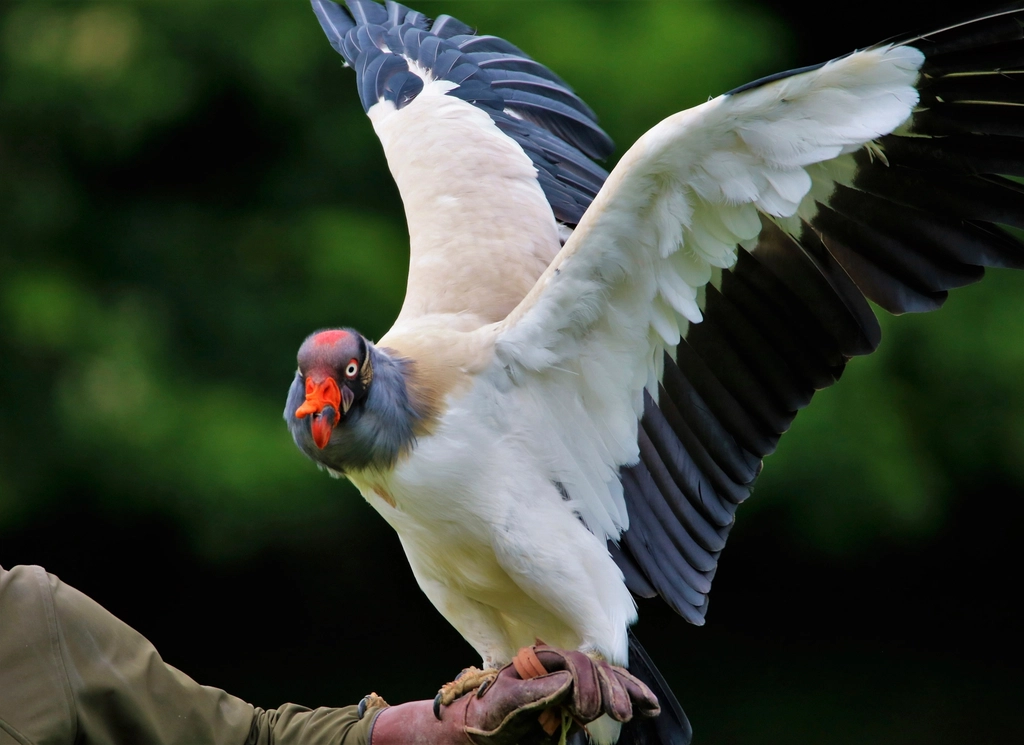 Photo Credit: Rawpixel
In the heart of Central and South America, the King Vulture, scientifically known as Sarcoramphus papa, reigns as a vibrant symbol of the wild. Picture this magnificent bird soaring gracefully above the lush canopies of tropical forests, its impressive wingspan stretching nearly six feet. With a striking combination of white feathers, a bold orange-yellow head, and a distinctive wattle that dangles from its neck, the King Vulture is hard to miss. This colorful avian scavenger is not just a feast for the eyes; it plays a crucial role in its ecosystem, helping to keep the environment clean by feasting on carrion, or dead animals.
As the sun rises, casting golden rays through the dense foliage, the King Vulture begins its day, gliding effortlessly on warm air currents. Its keen eyesight allows it to spot potential meals from great heights, making it a master of its domain. Scientists and nature enthusiasts alike are captivated by this bird, not only for its stunning appearance but also for its fascinating behaviors and adaptations. The King Vulture’s unique role as a scavenger highlights the interconnectedness of life in the wild, reminding us of the importance of every creature in maintaining the balance of nature. Join us as we explore the life of the King Vulture, uncovering the secrets of its habitat, diet, and the vital role it plays in the ecosystem.
The King Vulture, a striking bird known for its vibrant plumage and impressive wingspan, occupies a special place in the tree of life. Taxonomically, it belongs to the Kingdom Animalia, which includes all animals, and is classified under the Phylum Chordata, meaning it has a backbone. As a member of the Class Aves, or birds, the King Vulture showcases the incredible diversity of avian life. It is part of the Order Accipitriformes, which includes birds of prey like eagles and hawks. However, what truly sets the King Vulture apart is its family, Cathartidae, which is home to the New World vultures. These birds are known for their scavenging habits, playing a crucial role in their ecosystems by cleaning up carrion, or dead animals, and preventing the spread of disease.
| Taxonomic Rank | Scientific Name | Meaning & Significance |
|---|---|---|
| Kingdom | Animalia | This name comes from the Latin word “animalis,” meaning “having breath,” highlighting the living nature of these organisms. |
| Phylum | Chordata | Derived from the Greek word “chordē,” meaning “string,” referring to the notochord, a flexible rod that supports the body in all chordates during some stage of development. |
| Class | Aves | From the Latin word for “bird,” this classification emphasizes the unique characteristics of birds, such as feathers and beaks. |
| Order | Accipitriformes | This name combines the Latin “accipiter,” meaning “hawk,” and “forma,” meaning “shape,” indicating the bird’s predatory nature. |
| Family | Cathartidae | From the Greek word “kathartēs,” meaning “cleaner,” this name reflects the scavenging behavior of these vultures, which help keep the environment clean. |
| Genus | Sarcoramphus | Derived from the Greek words “sarkos,” meaning “flesh,” and “ramphos,” meaning “beak,” highlighting the bird’s diet of carrion. |
The classification of the King Vulture reveals much about its evolutionary history and ecological role. As a member of the Cathartidae family, it shares a lineage with other scavengers that have adapted to thrive on a diet of decaying matter. This adaptation not only showcases the bird’s unique feeding habits but also underscores its importance in maintaining the health of its environment. By understanding where the King Vulture fits in the tree of life, we gain insight into the intricate web of relationships that define our planet’s biodiversity.
The King Vulture, a majestic bird soaring through the skies of Central and South America, has a rich evolutionary history that stretches back millions of years. This avian scavenger belongs to the family Cathartidae, which includes other vultures and condors. The story of the King Vulture is one of adaptation and survival, shaped by the changing landscapes and ecosystems it has inhabited over time.
The ancestors of the King Vulture were part of a group of birds that evolved to fill the ecological niche of scavengers. These early birds developed traits that allowed them to thrive on carrion, or dead animals, which provided a reliable food source. Over time, they adapted to their environments, leading to significant changes in their physical characteristics and behaviors. For instance, the evolution of their keen eyesight enabled them to spot food from great heights, while their strong beaks became perfectly suited for tearing into tough hides.
These adaptations have been crucial for the King Vulture’s survival in its natural habitat. The powerful beak allows it to exploit a food source that many other animals cannot access, while its impressive wingspan enables it to cover vast distances in search of carrion. The colorful plumage and social behavior enhance its ability to communicate and thrive within its community. Together, these traits have ensured that the King Vulture remains a vital part of the ecosystem, playing a key role in the cycle of life and death in the wild.
The King Vulture is a breathtaking sight, a true marvel of nature that commands attention with its striking appearance. This large bird boasts a wingspan that can reach up to six feet, allowing it to glide gracefully through the skies. Its body is robust and muscular, designed for soaring high above the treetops in search of carrion, or dead animals, which is its primary food source. The King Vulture’s head is particularly captivating, adorned with a colorful array of skin that contrasts sharply with its dark feathers.
| Feature | Description |
|---|---|
| Size | Wingspan of up to 6 feet; body length around 25-32 inches. |
| Color | Dark feathers with a striking white neck and bright orange-yellow skin on the head. |
| Skin Type | Feathers cover the body, while the head and neck are bare, showcasing vibrant colors. |
| Beak | Large and hooked, perfect for tearing into tough carcasses. |
The combination of these features not only makes the King Vulture visually stunning but also plays a crucial role in its survival. The bright colors of its head and neck serve a dual purpose: they attract mates and signal health, while the bare skin helps keep the bird clean as it feeds on carrion. The powerful beak is perfectly adapted for its scavenging lifestyle, allowing it to access the nutritious meat hidden beneath tough hides. Together, these characteristics create a bird that is not only beautiful but also expertly equipped for its role in the ecosystem.
The King Vulture thrives in a variety of habitats that paint a vivid picture of its life in the wild. Imagine lush forests filled with towering trees, where sunlight filters through the leaves, creating a dappled effect on the forest floor. These birds also soar over expansive savannas and grasslands, where the open space allows them to spot potential meals from high above. Their homes are often rich in biodiversity, teeming with life, and filled with the sounds of rustling leaves and chirping insects.
The climate in these regions is typically warm and humid, which is perfect for the King Vulture. They prefer areas where rainfall is abundant, as this supports the lush vegetation that provides both food and shelter. The temperatures in their habitats can vary, but they generally enjoy a tropical or subtropical climate. This environment not only supports the growth of trees and plants but also attracts a variety of animals, including the carrion they feed on.
Adaptation is key to the King Vulture’s survival in these diverse habitats. With their keen eyesight, they can spot carcasses from great heights, allowing them to find food easily. Their strong wings enable them to glide effortlessly over vast distances, conserving energy as they search for meals. Additionally, their unique digestive system is specially designed to handle decaying matter, making them efficient scavengers. These adaptations ensure that the King Vulture remains a vital part of its ecosystem, helping to keep the environment clean and balanced.
As dawn breaks over the lush forests of Central and South America, the King Vulture begins its day. These magnificent birds are often seen soaring high above the treetops, using their impressive wingspan to glide effortlessly on warm air currents. Their keen eyesight allows them to spot potential meals from great distances. Typically, they feed on the remains of dead animals, a vital role in their ecosystem as scavengers. After a hearty meal, they may spend time preening their colorful feathers or basking in the sun, recharging their energy for the next adventure.
Socially, King Vultures are quite interesting. They often gather in groups, especially when feeding, which helps them locate food more efficiently. Within these groups, a clear hierarchy emerges. Larger, more dominant vultures tend to eat first, while smaller ones wait their turn. Communication is key in these gatherings; they use a variety of vocalizations and body language to express their needs and establish their place in the social order. This social structure not only helps them find food but also fosters a sense of community among these striking birds.
| Behavior Type | Description |
|---|---|
| Feeding | King Vultures primarily feed on carrion, using their sharp beaks to tear into the flesh of dead animals. |
| Social Structure | They often feed in groups, with a clear hierarchy determining who eats first based on size and dominance. |
| Communication | These birds communicate through various calls and body postures, helping to maintain order within the group. |
| Preening | After feeding, they spend time cleaning their feathers, which is essential for maintaining their health and flight ability. |
The behaviors of the King Vulture are not just fascinating; they are essential for survival. By feeding in groups, they maximize their chances of finding food, while their social hierarchy ensures that the strongest individuals get the first pick. Communication helps maintain harmony and efficiency within the group, allowing them to thrive in their environment. Each day, as they soar through the skies, these behaviors weave together a story of adaptation and resilience, showcasing the intricate balance of life in the wild.
The King Vulture is an omnivore, which means it eats both plant and animal matter, but it primarily feeds on carrion, or dead animals. This scavenging bird plays a crucial role in its ecosystem by helping to clean up the environment. With its keen eyesight, the King Vulture can spot carcasses from great heights, often soaring high above the forest canopy. Once it finds a meal, it uses its strong beak to tear through tough hides and access the nutritious flesh inside.
| Dietary Aspect | Details |
|---|---|
| Diet Type | Omnivore |
| Favorite Foods | Carrion, including large mammals like deer and livestock |
| Prey Items | Dead animals, particularly those that are already decomposing |
| Hunting/Foraging Strategies | Soars high to locate carcasses, often following other scavengers like vultures |
The King Vulture’s diet not only shapes its daily routine but also has a significant impact on the health of its habitat. By consuming dead animals, it helps prevent the spread of disease and recycles nutrients back into the ecosystem. This scavenger’s role is vital, as it ensures that the forest remains clean and balanced, allowing other species to thrive. So, the next time you see a King Vulture soaring overhead, remember that it is not just a beautiful bird; it is also a key player in maintaining the health of its environment.
During the breeding season, which typically occurs between January and March, King Vultures engage in elaborate courtship displays. Males perform impressive aerial maneuvers, showcasing their strength and agility to attract potential mates. These displays often include soaring high in the sky and diving dramatically, all while calling out with their distinctive vocalizations. Once a pair forms, they will mate for life, returning to the same nesting site year after year.
| Reproductive Aspect | Details |
|---|---|
| Gestation Period | Approximately 54 to 60 days |
| Litter Size | 1 egg |
| Age of Maturity | 3 to 4 years |
| Name of Young | Chick |
After the egg hatches, both parents share the responsibility of caring for their chick. They take turns incubating the egg and later feeding the young bird regurgitated food, which is essential for its growth. As the chick develops, it begins to explore its surroundings, learning vital skills from its parents. This nurturing environment helps the young King Vulture grow strong and independent, preparing it for the challenges of life in the wild. By the time they reach maturity, these young vultures are ready to take to the skies, continuing the cycle of life in their vibrant ecosystems.
The King Vulture plays a vital role in its ecosystem as a scavenger, helping to clean up the environment by consuming dead animals. This position in the food web is crucial, as it prevents the spread of disease and recycles nutrients back into the soil. However, despite its important role, the King Vulture faces several dangers that threaten its survival.
To defend itself against these threats, the King Vulture has developed several survival strategies. Its impressive wingspan allows it to soar high above the forest, giving it a broad view of the landscape to spot potential dangers. Additionally, these birds often feed in groups, which provides safety in numbers. By relying on their keen eyesight and social behavior, King Vultures can navigate the challenges of their environment while continuing to fulfill their essential role in nature.
A keystone species is an organism that has a disproportionately large impact on its environment relative to its abundance. In the case of the King Vulture, this bird certainly qualifies as a keystone species. By playing a critical role in the ecosystem as a scavenger, it helps maintain the balance of its habitat, ensuring that nutrients are recycled and that disease is kept in check.
The King Vulture primarily feeds on carrion, which is the decaying flesh of dead animals. By consuming these remains, it prevents the buildup of carcasses that could otherwise attract pests and spread disease. For example, in forests, savannas, and grasslands where these vultures thrive, their scavenging habits help to keep the environment clean. Without the King Vulture, the decomposition process would slow down, leading to an accumulation of dead animals that could disrupt the local ecosystem.
Moreover, the King Vulture’s feeding habits benefit other species as well. When it arrives at a carcass, it often attracts other scavengers, such as smaller vultures and mammals. This communal feeding not only helps various species access food but also promotes biodiversity. The presence of the King Vulture can create a ripple effect, supporting a variety of life forms that depend on the resources it uncovers.
If the King Vulture were to disappear, the consequences could be dire. The absence of this scavenger would likely lead to an increase in carrion, which could attract pests and spread diseases among wildlife and even humans. Additionally, other scavengers might struggle to find food, leading to declines in their populations. This disruption could create a domino effect, ultimately harming the entire ecosystem and diminishing its health and diversity. The King Vulture is not just a beautiful bird; it is a vital player in the intricate web of life.
The King Vulture plays a vital role in its ecosystem, acting as a natural cleanup crew in the forests, savannas, and grasslands of Central and South America. This magnificent bird is primarily a scavenger, meaning it feeds on the remains of dead animals. By consuming carrion, the King Vulture helps to recycle nutrients back into the environment, ensuring that ecosystems remain healthy and balanced. Its presence is essential for maintaining the delicate web of life, as it prevents the spread of disease that can occur when dead animals are left to decay.
| Ecosystem Service | Impact |
|---|---|
| Nutrient Recycling | Breaks down dead animals, returning nutrients to the soil. |
| Disease Control | Reduces the risk of disease by consuming carrion. |
| Food Source for Other Species | Provides food for scavengers and decomposers. |
| Habitat Maintenance | Supports healthy ecosystems by promoting biodiversity. |
The King Vulture’s influence can be seen in various ways. For instance, when it feeds on a carcass, it not only cleans up the environment but also creates opportunities for other scavengers, like smaller vultures and mammals, to benefit from the leftovers. This interaction fosters a community of species that rely on one another for survival. Additionally, by breaking down dead animals, the King Vulture helps to enrich the soil, promoting the growth of plants that provide habitat and food for countless other organisms.
The broader ecological importance of the King Vulture cannot be overstated. As a keystone species, its presence is crucial for the health of its ecosystem. Without these magnificent birds, the balance of life would be disrupted, leading to an increase in disease and a decline in biodiversity. By understanding and protecting the King Vulture, we can help ensure that the ecosystems they inhabit continue to thrive, supporting a rich tapestry of life for generations to come.
In the intricate web of life, symbiosis refers to the close relationships between different species, where they interact in various ways. These ecological partnerships can be mutualistic, where both species benefit; commensal, where one benefits while the other is neither helped nor harmed; or parasitic, where one species benefits at the expense of the other. The King Vulture, with its striking appearance and essential role in the ecosystem, engages in several fascinating relationships with other species, showcasing the beauty of nature’s interconnectedness.
>
| Species/Type | Relationship Type | Description |
|---|---|---|
| Other scavengers (e.g., Turkey Vultures) | Mutualistic | King Vultures often feed alongside other scavengers, like Turkey Vultures. They help each other locate carrion, as their keen eyesight allows them to spot food from great distances. |
| Small birds (e.g., oxpeckers) | Commensal | Oxpeckers may perch on King Vultures, feeding on parasites found on their skin. The vultures are not harmed or helped by this relationship, but they provide a resting spot for the small birds. |
| Decomposers (e.g., bacteria and fungi) | Mutualistic | As King Vultures consume carrion, they help break down dead animals, which in turn supports the growth of decomposers. This process enriches the soil and promotes new plant life. |
These relationships have evolved over time, shaped by the needs and behaviors of the species involved. The King Vulture’s role as a scavenger not only aids in its survival but also supports a healthy ecosystem. By feeding on carrion, it helps control disease and recycle nutrients back into the environment. The partnerships it forms with other species highlight the importance of cooperation in nature, where each participant plays a vital role in maintaining the balance of life.
The King Vulture is a captivating bird that not only enchants with its striking appearance but also surprises us with its fascinating behaviors and adaptations. Here are some intriguing facts that showcase the wonders of this remarkable scavenger.
The King Vulture has long captured the imagination of humans, weaving its way into the cultural tapestry of various societies in Central and South America. Historically, these magnificent birds have been revered in many indigenous cultures, often symbolizing death and rebirth. Their striking appearance, with a colorful head and large wingspan, has made them subjects of folklore and art. In some traditions, they are seen as messengers between the living and the spirit world, highlighting the deep connection humans have felt with these scavengers throughout history.
In modern times, the relationship between King Vultures and humanity has evolved, reflecting both challenges and opportunities. As urbanization and deforestation encroach upon their habitats, these birds face threats that can lead to conflict with human activities. However, conservation efforts are underway to protect their populations and habitats. Organizations are working to educate communities about the ecological importance of vultures, emphasizing their role in maintaining a healthy environment by cleaning up carrion. This shift towards conservation highlights a growing recognition of the need to coexist with these remarkable birds rather than viewing them as mere pests.
Looking ahead, the future of the King Vulture and its relationship with humanity holds promise if we continue to prioritize conservation and education. By fostering a deeper understanding of these birds and their ecological significance, we can work towards a harmonious coexistence. As we learn to appreciate the vital role vultures play in our ecosystems, we can ensure that future generations will also have the opportunity to marvel at these majestic birds soaring through the skies. Together, we can create a world where both humans and King Vultures thrive.
The King Vulture, with its striking appearance and vital ecological role, currently holds a conservation status of “Least Concern.” This means that, as of now, the species is not considered at immediate risk of extinction. However, while the population is estimated to be around 10,000 individuals, ongoing monitoring is essential to ensure that this number remains stable.
| Conservation Factor | Status/Details |
|---|---|
| IUCN Status | Least Concern |
| Population Estimates | Approximately 10,000 |
| Trend Direction | Stable |
Despite its current stable status, the King Vulture faces several threats that could impact its future. Habitat loss due to deforestation and land development poses a significant risk, as these birds rely on large areas of forest for foraging and nesting. Additionally, the use of toxic substances in agriculture can poison the carrion they consume, further endangering their health and survival.
Conservation efforts are underway to protect the King Vulture and its habitat. Organizations are working to preserve forest areas and promote sustainable land use practices. Public awareness campaigns also aim to educate communities about the importance of vultures in maintaining healthy ecosystems. With continued efforts, there is hope that the King Vulture will thrive in its natural environment for generations to come.
| Question | Answer |
|---|---|
| What is the habitat of the King Vulture? | King Vultures are found in a variety of habitats, including forests, savannas, and grasslands. They prefer areas where they can easily spot carrion, or dead animals, which is their main food source. |
| What do King Vultures eat? | King Vultures are omnivores, meaning they eat both plants and animals. However, they primarily feed on carrion, which is the decaying flesh of dead animals, making them important scavengers in their ecosystems. |
| How do King Vultures behave in the wild? | These vultures are known for their social behavior, often seen in groups when feeding. They have a unique way of communicating with each other through a series of hisses and grunts, especially when competing for food. |
| How do King Vultures reproduce? | King Vultures typically mate for life and build their nests in tree cavities or on cliff ledges. The female usually lays one egg, which both parents take turns incubating until it hatches. |
| What threats do King Vultures face? | While King Vultures are currently listed as Least Concern, they still face threats from habitat loss and poisoning. As scavengers, they can be affected by toxins in dead animals, which can impact their populations. |
| What are some interesting characteristics of King Vultures? | One fascinating feature of King Vultures is their striking appearance, with bright yellow and orange skin on their heads. This colorful skin helps them regulate their body temperature and is also a sign of their health to potential mates. |
| How do King Vultures contribute to their ecosystem? | King Vultures play a crucial role in their environment by cleaning up dead animals. By consuming carrion, they help prevent the spread of disease and recycle nutrients back into the ecosystem. |