Taxonomy & Classification
- Kingdom
- Animalia
- Phylum
- Chordata
- Class
- Aves
- Order
- Coraciiformes
- Family
- Alcedines
- Genus
- Alcedo

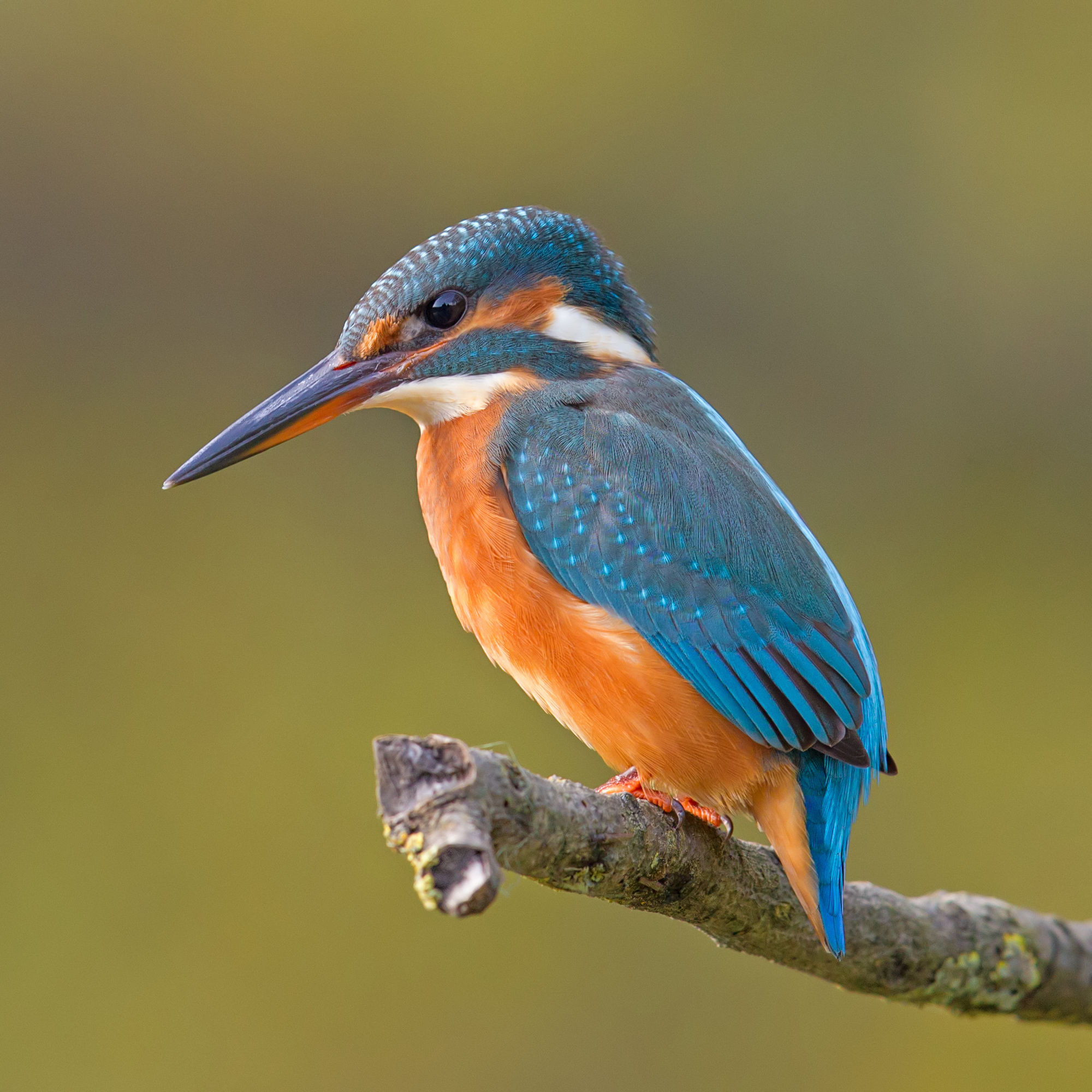 Photo Credit: Biopics / Wikimedia Commons
In the shimmering light of dawn, the kingfisher, known scientifically as Alcedo atthis, flits gracefully along the banks of a tranquil river. With its brilliant blue and orange plumage, this small bird is a living jewel, captivating anyone lucky enough to catch a glimpse. As it perches on a branch, its sharp eyes scan the water below, ready to dive with astonishing speed to catch a fish or a small aquatic creature. This vibrant bird is not just a feast for the eyes; it plays a crucial role in its ecosystem, helping to maintain the balance of life in freshwater habitats.
The kingfisher’s striking appearance and remarkable hunting skills have fascinated scientists and nature lovers alike. Its sleek body, measuring between 10 to 37.5 centimeters, is perfectly designed for agility and precision. With a diet that includes both fish and other small animals, the kingfisher is an omnivore, showcasing its adaptability in various environments. As we explore the life of this enchanting bird, we will uncover its behaviors, breeding habits, and the vital role it plays in the natural world, all while marveling at the beauty that makes the kingfisher a true wonder of nature.
The kingfisher is a dazzling bird that occupies a special place in the tree of life. Belonging to the class Aves, which includes all birds, the kingfisher is part of the order Coraciiformes, a group known for its vibrant colors and unique hunting techniques. What sets kingfishers apart is their incredible ability to dive into water with precision, catching fish with their sharp beaks. Their striking plumage, often adorned with brilliant blues and greens, not only makes them a joy to observe but also plays a role in their mating rituals and territorial displays.
| Taxonomic Rank | Scientific Name | Meaning & Significance |
|---|---|---|
| Kingdom | Animalia | This name signifies that kingfishers are part of the vast group of multicellular organisms that are capable of movement and responsive to their environment. |
| Phylum | Chordata | Chordata means “having a notochord,” which is a flexible rod that supports the body. In kingfishers, this structure is present during their early development, showcasing their vertebrate lineage. |
| Class | Aves | Aves is the Latin word for birds. This classification highlights their feathers, a defining characteristic that allows for flight and insulation. |
| Order | Coraciiformes | This name comes from the Latin word “corax,” meaning raven. It reflects the order’s diverse members, which share similar traits like colorful plumage and a preference for open habitats. |
| Family | Alcedinidae | Alcedinidae is derived from the Latin “alcedo,” referring to a mythical bird believed to calm the seas. This name connects to the kingfisher’s aquatic lifestyle and its association with water. |
| Genus | Alcedo | The genus name Alcedo emphasizes the kingfisher’s striking appearance and its role as a skilled hunter, often seen perched near water bodies. |
Understanding the kingfisher’s classification reveals much about its evolutionary journey. As a member of the Coraciiformes order, kingfishers share a common ancestor with other colorful birds, such as bee-eaters and rollers. This lineage highlights the adaptations that have allowed them to thrive in diverse environments, particularly near water. Their specialized hunting techniques and vibrant colors are not just for show; they are the result of millions of years of evolution, fine-tuning their skills to survive and flourish in their habitats. The kingfisher is not just a beautiful bird; it is a testament to the wonders of nature’s design.
The evolutionary journey of the kingfisher stretches back millions of years, weaving through the tapestry of time to reveal a lineage that has adapted to diverse environments. These vibrant birds belong to the family Alcedinidae and the genus Alcedo, showcasing a rich history that reflects their ability to thrive in various habitats, particularly near water sources. Their ancestors emerged during the late Eocene epoch, around 40 million years ago, marking the beginning of a fascinating evolutionary saga.
The early ancestors of kingfishers were likely small, insect-eating birds that inhabited lush, forested areas. Over time, as the climate changed and water bodies became more prevalent, these birds began to adapt to a life centered around aquatic environments. One major transition was the development of their specialized hunting techniques, which allowed them to dive and catch fish with remarkable precision. This shift not only expanded their diet but also influenced their physical characteristics, such as their sharp, pointed beaks and vibrant plumage, which evolved to attract mates and signal health.
The adaptations of the kingfisher have been crucial for their survival in a competitive ecosystem. Their specialized beaks and keen eyesight make them formidable hunters, while their vibrant colors not only serve a purpose in mating but also help them camouflage among the reeds and foliage. As they continue to thrive in diverse habitats around the world, kingfishers remind us of the incredible power of evolution and the beauty of nature’s design.
The kingfisher is a stunning avian marvel that captures the eye with its vibrant colors and sleek form. With a body that ranges from 10 to 37.5 centimeters in height, this bird is small yet striking. Its compact shape is designed for agility, allowing it to dart through the air and dive into water with remarkable precision. The kingfisher’s long, pointed beak is perfectly adapted for catching fish, while its short legs and broad wings enable swift movements both in the air and on the water’s surface.
| Feature | Description |
|---|---|
| Height | 10cm – 37.5cm (4in – 15in) |
| Weight | 10g – 170g (0.4oz – 6oz) |
| Skin Type | Feathers |
The kingfisher’s features work in harmony to enhance its survival in various habitats. Its vibrant plumage not only dazzles the eye but also serves as camouflage among the colorful reflections of water and foliage. The lightweight body allows for quick, agile flight, while the specialized beak is a perfect tool for snatching up slippery fish. Together, these characteristics make the kingfisher a master of its environment, showcasing the beauty and efficiency of nature’s designs.
The kingfisher thrives in a world of shimmering waters and lush greenery. Picture a tranquil riverbank, where the gentle flow of freshwater meets the vibrant hues of wildflowers and reeds. These birds are often found near lowland freshwater areas, where they can perch on branches or rocks, scanning the water for their next meal. The sound of splashing water and the rustle of leaves create a perfect backdrop for these colorful avians, making their homes in habitats that are as lively as they are beautiful.
Kingfishers prefer climates that are warm and temperate, often found in regions where the sun shines brightly. They thrive in areas with abundant water sources, as these are essential for hunting fish and other small aquatic creatures. The environment is typically rich in vegetation, providing both shelter and nesting sites. These birds are sensitive to pollution and habitat destruction, so they flourish best in clean, healthy ecosystems.
To survive in their watery homes, kingfishers have developed some impressive adaptations. Their sharp eyesight allows them to spot fish from high above, while their streamlined bodies enable them to dive swiftly into the water. Their long, pointed beaks are perfectly designed for catching slippery prey. Additionally, their vibrant plumage not only dazzles the eye but also helps them blend into their surroundings, making them less visible to both predators and prey. In this way, kingfishers have become masters of their aquatic domains, showcasing the beauty and complexity of nature.
As dawn breaks, the kingfisher begins its day with a burst of energy. These birds are known for their solitary lifestyle, often seen perched quietly on a branch, scanning the water below for breakfast. With keen eyesight, they can spot fish darting just beneath the surface. When the moment is right, they dive with incredible speed, using their sharp beaks to catch their prey. After a successful hunt, they may return to their perch to enjoy their meal, often swallowing it whole. Throughout the day, they repeat this cycle of hunting and resting, making the most of their time near water.
While kingfishers are primarily solitary, they do exhibit interesting social behaviors during the breeding season. Males often perform elaborate courtship displays to attract females, showcasing their vibrant plumage and agile flight. These displays can include swooping dives and aerial acrobatics, which not only impress potential mates but also establish territory. Once paired, the male and female work together to find a suitable nesting site, usually near water, where they can raise their young. Communication between mates is vital, with soft calls and body language playing key roles in their interactions.
| Behavior Type | Description |
|---|---|
| Hunting | Kingfishers hunt alone, using their sharp eyesight to spot fish and diving to catch them with precision. |
| Territorial Displays | Males perform aerial displays to attract females and establish territory, showcasing their vibrant colors. |
| Nesting | Pairs work together to find nesting sites, often near water, to raise their young in a safe environment. |
| Communication | Soft calls and body language are used between mates to strengthen their bond and coordinate activities. |
The behaviors of kingfishers are finely tuned to ensure their survival in the wild. Their solitary hunting strategy allows them to be stealthy and efficient, while their courtship displays help them find mates and establish territories. By working together during nesting, they create a safe environment for their young, ensuring the continuation of their lineage. Each action, from the dive into the water to the soft call shared between mates, plays a crucial role in the life of these vibrant birds, allowing them to thrive in their aquatic habitats.
The kingfisher is an omnivorous bird, meaning it enjoys a varied diet that includes both animal and plant matter. However, its primary focus is on catching small aquatic creatures. With its sharp eyesight and quick reflexes, the kingfisher is a master at spotting fish and other prey from a distance. Once it identifies a target, it dives into the water with remarkable precision, using its pointed beak to snatch up its meal. This feeding behavior not only showcases the bird’s agility but also highlights its role as a skilled hunter in its ecosystem.
| Dietary Aspect | Details |
|---|---|
| Diet Type | Omnivore |
| Favorite Foods | Fish, shrimp, insects, tadpoles |
| Prey Items | Small fish, crustaceans, various insects, and amphibians |
| Hunting/Foraging Strategies | Perches quietly to spot prey, then dives swiftly to catch it |
This diverse diet plays a crucial role in the kingfisher’s daily life and the health of its habitat. By feeding on a variety of prey, the kingfisher helps maintain the balance of aquatic ecosystems. Its hunting activities can control insect populations and contribute to the overall food web. As it flits from branch to branch, the kingfisher not only sustains itself but also enriches the environment, making it an essential player in the natural world.
During the breeding season, which typically occurs in spring and early summer, kingfishers engage in captivating courtship displays. Males often perform aerial acrobatics, showcasing their vibrant plumage to attract a mate. Once a pair forms, they work together to find a suitable nesting site, usually near water, where they can easily access food for their future young. The excitement of this season is palpable, as these colorful birds prepare to bring new life into the world.
| Reproductive Aspect | Details |
|---|---|
| Gestation Period | Approximately 3 weeks |
| Litter Size | 3 to 7 eggs |
| Age of Maturity | 1 year |
| Name of Young | Chicks |
After the eggs hatch, both parents take on the important role of caring for their chicks. The young kingfishers are born blind and helpless, relying entirely on their parents for food and protection. As they grow, they develop their striking colors and learn essential skills, like diving and hunting. This nurturing phase lasts several weeks, during which the parents tirelessly feed their chicks small fish and insects. Eventually, the young birds fledge, or leave the nest, ready to explore the world on their own, carrying with them the legacy of their vibrant lineage.
The kingfisher plays a vital role in its ecosystem, acting as both predator and prey. These colorful birds primarily feast on fish and other small aquatic animals, making them important players in the food web. However, their striking appearance also makes them targets for various predators, highlighting the delicate balance of life in their habitats.
To survive against these threats, kingfishers have developed several clever strategies. Their bright colors can help them blend into the vibrant surroundings of their habitats, making it harder for predators to spot them. Additionally, their quick reflexes and agile flight allow them to dart away at a moment’s notice. When threatened, some species may even dive into the water, using their swimming skills to evade danger. These adaptations help ensure that kingfishers continue to thrive in their watery domains.
A keystone species is a vital part of its ecosystem, one that has a disproportionately large impact on its environment relative to its abundance. The kingfisher, with its striking colors and agile hunting skills, qualifies as a keystone species in many freshwater habitats. By controlling fish populations and influencing the health of aquatic ecosystems, these birds play a crucial role in maintaining the balance of their environment.
Kingfishers primarily feed on fish and other small aquatic creatures, making them important predators in their ecosystems. By preying on these species, they help regulate fish populations, preventing any one species from becoming too dominant. This balance is essential for the overall health of the aquatic environment, as it allows for a diverse range of species to thrive. Additionally, kingfishers contribute to nutrient cycling. When they catch fish, they often drop uneaten parts, which decompose and enrich the surrounding water, benefiting plant life and other organisms.
Moreover, kingfishers serve as indicators of environmental health. Their presence often signals a clean and well-balanced ecosystem, as they require clear water to hunt effectively. If kingfishers are thriving, it usually means that the water quality is good, which is beneficial for other wildlife as well. Their vibrant colors and unique behaviors also attract birdwatchers and nature enthusiasts, promoting conservation efforts in their habitats.
If kingfishers were to disappear from their ecosystems, the effects could be profound. Without these birds to keep fish populations in check, certain species might overpopulate, leading to a decline in water quality and the health of aquatic plants. This imbalance could ripple through the food web, affecting not only fish but also other animals that rely on a diverse ecosystem for survival. The loss of kingfishers would not only diminish the beauty of our natural landscapes but also disrupt the delicate balance that sustains life in freshwater habitats.
The kingfisher occupies a crucial ecological niche, primarily found in lowland freshwater areas and river estuaries. This vibrant bird is not just a beautiful sight; it plays a significant role in maintaining the health of its environment. By hunting for fish and other small aquatic creatures, the kingfisher helps regulate fish populations, ensuring that no single species dominates the ecosystem. This balance is essential for the overall health of aquatic habitats, where diverse species can thrive together.
| Ecosystem Service | Impact |
|---|---|
| Predation | Controls fish populations, preventing overpopulation and promoting biodiversity. |
| Food Source | Serves as prey for larger birds and mammals, contributing to the food web. |
| Indicator Species | Reflects the health of freshwater ecosystems, as they are sensitive to pollution. |
| Habitat Creation | Helps maintain the structure of riverbanks, which supports various plant and animal life. |
The kingfisher’s influence extends beyond its immediate hunting grounds. For instance, by feeding on fish, it helps maintain a balanced aquatic ecosystem. If fish populations grow too large, they can deplete resources, leading to a decline in water quality and the health of other species. Additionally, the kingfisher’s presence can indicate the overall health of its habitat. Because these birds are sensitive to changes in water quality, their decline can signal environmental issues, prompting conservation efforts to protect their ecosystems.
In a broader sense, the kingfisher is a keystone species, meaning its role is vital for the stability of its ecosystem. By controlling fish populations and serving as an indicator of environmental health, the kingfisher helps ensure that freshwater habitats remain vibrant and diverse. This interconnectedness highlights the importance of every species, no matter how small, in maintaining the delicate balance of nature. As we learn more about these captivating birds, we also gain insight into the health of our planet’s ecosystems.
In the intricate web of life, symbiosis plays a vital role, connecting different species in various ways. Symbiosis refers to the close and often long-term interactions between two different biological species. These relationships can be mutualistic, where both species benefit; parasitic, where one benefits at the expense of the other; or commensal, where one benefits while the other is neither helped nor harmed. Understanding these relationships helps us appreciate the delicate balance of ecosystems and the roles that each species plays within them.
| Species/Type | Relationship Type | Description |
|---|---|---|
| Fish | Mutualistic | Kingfishers often hunt fish, benefiting from a reliable food source. In return, their hunting helps control fish populations, promoting a balanced aquatic ecosystem. |
| Insects | Commensal | Kingfishers may benefit from insects that are disturbed by their presence while hunting. The insects are not affected by the kingfisher’s activities, allowing both to coexist. |
| Parasites (like mites) | Parasitic | Some kingfishers may host parasites, which feed on their blood or tissues. This relationship can weaken the bird, but the parasite benefits by gaining nutrients. |
These relationships have evolved over time, shaped by the needs and behaviors of the species involved. Mutualistic interactions, like those between kingfishers and fish, enhance the survival of both parties, while parasitic relationships can lead to adaptations that help the host cope with their unwelcome guests. Understanding these connections not only highlights the complexity of nature but also emphasizes the importance of preserving ecosystems where these interactions can thrive. Each species, including the vibrant kingfisher, plays a role in maintaining the balance of life on our planet.
The kingfisher is a dazzling bird that captivates nature enthusiasts with its vibrant colors and remarkable behaviors. These small yet striking birds are not just beautiful; they also possess some surprising traits that make them truly special.
Throughout history, kingfishers have enchanted humans with their vibrant plumage and remarkable hunting skills. In many cultures, these birds symbolize peace, prosperity, and good fortune. Ancient civilizations often depicted kingfishers in art and folklore, believing that their presence could bring blessings. For instance, in some Native American traditions, the kingfisher is seen as a messenger of the spirit world, while in Japanese culture, it represents love and fidelity. These historical encounters have woven the kingfisher into the fabric of human storytelling, making it a beloved figure across various cultures.
In modern times, our interactions with kingfishers have evolved, reflecting both admiration and conflict. As urbanization expands, kingfishers face habitat loss, which threatens their populations. Conservation efforts are underway to protect these stunning birds and their environments. Organizations work to restore wetlands and riverbanks, ensuring that kingfishers have safe places to thrive. However, conflicts can arise when human activities, like fishing or pollution, disrupt their hunting grounds. While domestication of kingfishers is not common, some people keep them in aviaries, appreciating their beauty and unique behaviors. This complex relationship highlights the need for balance between human development and wildlife conservation.
Looking ahead, the future of the relationship between kingfishers and humanity hinges on our ability to coexist harmoniously. As awareness of environmental issues grows, more people are advocating for the protection of natural habitats. By fostering a deeper understanding of these beautiful birds and their ecological roles, we can work together to ensure that kingfishers continue to thrive alongside us. With concerted efforts in conservation and education, we can create a world where both humans and kingfishers flourish, celebrating the beauty of nature together.
The conservation status of the kingfisher is currently classified as Near Threatened. This means that while the species is not yet endangered, it faces certain risks that could lead to a decline in its population if not addressed. Population estimates vary, but many species of kingfishers are experiencing a downward trend due to habitat loss and other environmental pressures.
| Conservation Factor | Status/Details |
|---|---|
| IUCN Status | Near Threatened |
| Population Estimates | Varies by species; some populations are declining |
| Trend Direction | Decreasing |
The main threats to kingfishers stem from habitat destruction, particularly the draining of wetlands and pollution of waterways. As these birds rely heavily on clean, freshwater environments for hunting and nesting, any degradation of their habitats can have serious consequences. Additionally, climate change poses a growing risk, altering the ecosystems that support their food sources and breeding grounds.
Conservation efforts are underway to protect kingfisher populations and their habitats. Organizations are working to restore wetlands and promote sustainable land use practices. Public awareness campaigns also play a crucial role in educating communities about the importance of preserving these vibrant birds. With continued efforts, there is hope that kingfisher populations can stabilize and thrive in the future, ensuring that these colorful avians remain a part of our natural world.
| Question | Answer |
|---|---|
| What is the habitat of Kingfishers? | Kingfishers thrive in lowland freshwater areas and river estuaries. They prefer places with plenty of water, as these environments provide the fish and insects they need for food. |
| What do Kingfishers eat? | Kingfishers are omnivores, which means they eat a variety of foods. Their diet mainly consists of fish, but they also enjoy insects and small crustaceans, making them versatile hunters. |
| How do Kingfishers catch their food? | These birds are expert fishers! They often perch quietly on a branch above the water, then dive swiftly to catch their prey with their sharp beaks. |
| What is the breeding behavior of Kingfishers? | During the breeding season, Kingfishers create nests in burrows along riverbanks. The female lays several eggs, and both parents help care for the chicks once they hatch. |
| What threats do Kingfishers face? | Kingfishers are considered Near Threatened due to habitat loss and pollution. Changes in water quality and availability can significantly impact their food sources and nesting sites. |
| What are some interesting characteristics of Kingfishers? | Kingfishers are known for their vibrant plumage, often featuring bright blues and oranges. They also have excellent eyesight, which helps them spot fish from above the water. |
| Are Kingfishers social birds? | Kingfishers are generally solitary, preferring to hunt and nest alone. However, during the breeding season, they may be seen in pairs as they work together to raise their young. |