Taxonomy & Classification
- Kingdom
- Animalia
- Phylum
- Chordata
- Class
- Mammalia
- Order
- Carnivora
- Family
- Canidae
- Genus
- Canis
- Species
- Canis lupus

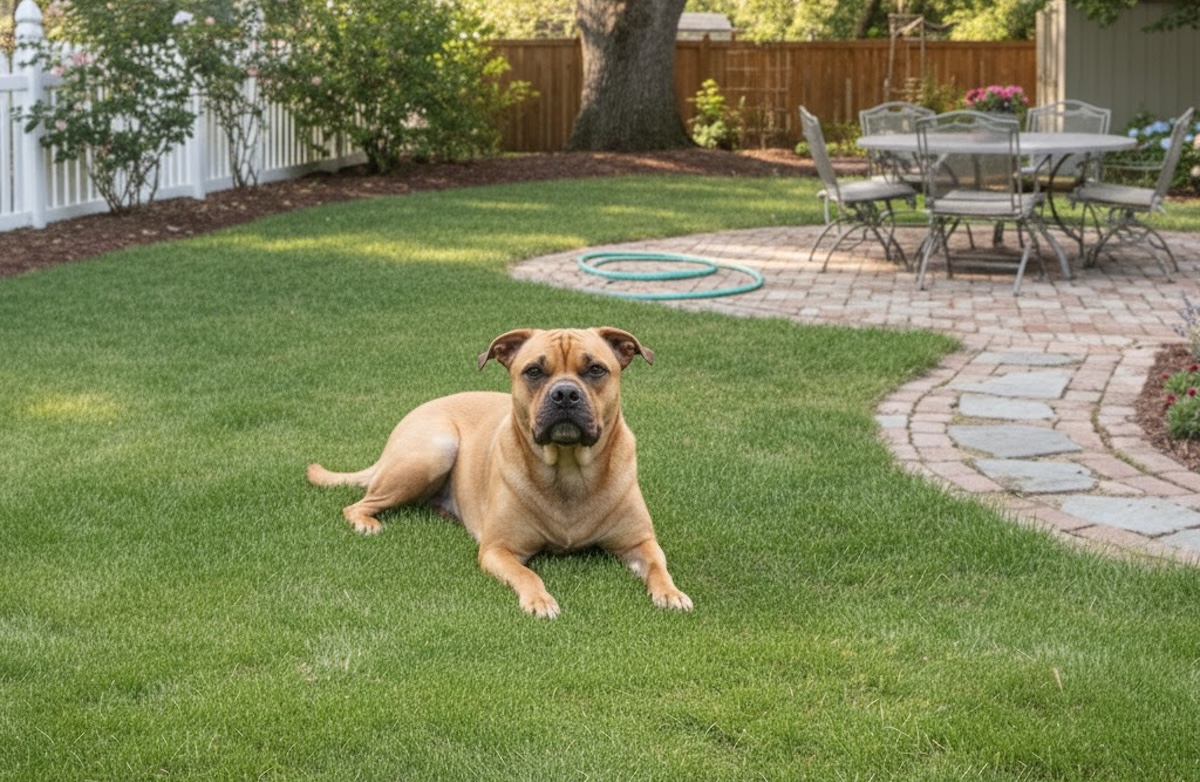 Photo Credit: AnimalsDiscovered
In the heart of suburban neighborhoods across America, the American Pugabull, scientifically known as Canis lupus familiaris, brings joy and laughter to families with its playful spirit and endearing looks. This delightful hybrid, a charming mix of the sturdy American Bulldog and the affectionate Pug, showcases a compact yet muscular build, with a wrinkled face that melts hearts. Its expressive eyes and wagging tail tell a story of loyalty and love, making it a favorite among dog lovers and a subject of interest for scientists studying hybrid vigor and behavior.
Imagine a sunny afternoon where the American Pugabull bounds through a grassy yard, its short coat glistening in the sunlight. With a playful bark, it chases after a ball, showcasing its agility and strength, traits inherited from its bulldog lineage. Yet, it also possesses the quirky charm of the Pug, often stopping mid-chase to tilt its head in curiosity or to engage in a playful romp with children. This unique blend of characteristics not only makes the American Pugabull a captivating companion but also a fascinating subject for those eager to understand the complexities of hybrid animals and their roles in human lives. As we explore the world of the American Pugabull, we will uncover its behaviors, diet, and the special bond it shares with its human family.
The American Pugabull is an intriguing blend of two distinct breeds: the American Bulldog and the Pug. This hybrid sits within the animal kingdom’s vast tree of life, classified under the Kingdom Animalia, Phylum Chordata, Class Mammalia, Order Carnivora, Family Canidae, and Genus Canis. What makes the American Pugabull particularly special is its unique combination of physical traits and temperamental characteristics inherited from its parent breeds. This mix results in a dog that is not only strong and sturdy but also affectionate and playful, making it a beloved companion for many families.
| Taxonomic Rank | Scientific Name | Meaning & Significance |
|---|---|---|
| Kingdom | Animalia | This term comes from the Latin word “animalis,” meaning “having breath” or “living being,” highlighting the vital, breathing nature of all animals. |
| Phylum | Chordata | Derived from the Latin “chorda,” meaning “string,” this name refers to the notochord, a flexible rod that supports the body in all chordates, including the American Pugabull. |
| Class | Mammalia | This classification comes from the Latin “mamma,” meaning “breast,” indicating that members of this class nurse their young with milk, a key feature of mammals. |
| Order | Carnivora | From the Latin “carnivorus,” meaning “meat-eating,” this order includes animals that primarily consume meat, showcasing the Pugabull’s ancestry linked to hunting and foraging. |
| Family | Canidae | This family name comes from the Latin “canis,” meaning “dog,” which encompasses all dog-like mammals, emphasizing the Pugabull’s close relationship with domestic dogs. |
| Genus | Canis | Also derived from the Latin word for “dog,” this genus includes various species of dogs and wolves, highlighting the Pugabull’s lineage and behavioral traits. |
Understanding the American Pugabull’s classification reveals much about its evolutionary history. As a hybrid, it showcases the blending of traits from two distinct lineages, reflecting the adaptability and diversity found within the Canidae family. This classification not only highlights its physical characteristics but also hints at the behavioral tendencies inherited from its ancestors, making the American Pugabull a fascinating example of how evolution shapes the animals we know and love today.
The American Pugabull, a captivating hybrid of the American Bulldog and the Pug, has a rich evolutionary story that reflects the fascinating journey of its parent breeds. This journey began thousands of years ago, as humans domesticated wolves, leading to the diverse family of dogs we know today. The American Bulldog, with its strong build and protective nature, and the Pug, known for its charming personality and compact size, each contributed unique traits to the American Pugabull, creating a blend that showcases the best of both worlds.
The ancestors of the American Pugabull can be traced back to the early domesticated dogs, which were bred for various purposes, including hunting, herding, and companionship. The American Bulldog, a descendant of the English Bulldog, was originally bred for farm work and as a loyal guardian. Meanwhile, the Pug, with its origins in ancient China, was cherished as a companion animal, often found in the laps of emperors. Over time, selective breeding shaped these breeds, enhancing their physical and behavioral traits. The American Pugabull emerged as a result of intentional crossbreeding, combining the strength and loyalty of the Bulldog with the playful and affectionate nature of the Pug.
The adaptations of the American Pugabull have played a crucial role in its survival and popularity. Its strong build allows it to be an active participant in family life, while its compact size makes it adaptable to different living situations, from apartments to larger homes. The affectionate temperament ensures that it bonds closely with its human companions, providing emotional support and companionship. Finally, the protective instincts inherited from the American Bulldog make it a reliable guardian, ensuring that families feel safe and secure. Together, these traits create a well-rounded dog that thrives in a variety of environments, making the American Pugabull a beloved member of many households.
The American Pugabull presents a striking and compact form that captures attention with its muscular build and playful demeanor. This hybrid dog combines the sturdy frame of the American Bulldog with the charming features of the Pug, resulting in a stocky yet agile appearance. With a broad chest and a strong neck, the American Pugabull exudes confidence and strength, while its expressive face, often adorned with a short snout and large, round eyes, adds a touch of endearing charm.
| Feature | Description |
|---|---|
| Weight | 25 to 70 pounds |
| Skin Type | Fur |
| Body Structure | Muscular and stocky |
| Face | Short snout with large, round eyes |
| Color | Varies, often includes fawn, brindle, and white |
These physical features work together to create a dog that is not only visually appealing but also well-suited for various activities. The muscular build allows the American Pugabull to be agile and strong, making it a capable companion for play and exercise. Its short snout, while giving it a distinctive look, also helps with breathing during physical exertion. The variety of colors adds to its charm, making each individual a unique presence. Overall, the American Pugabull’s design is a perfect blend of strength and playfulness, ensuring it thrives in both family settings and active environments.
The American Pugabull thrives in a variety of environments, often found in homes where families seek a loving and playful companion. This hybrid dog enjoys the comforts of suburban neighborhoods, where it can romp in backyards and take leisurely strolls in local parks. With its friendly nature, the American Pugabull fits seamlessly into family life, making it a popular choice for those who appreciate a loyal pet that loves to be around people.
The American Pugabull is adaptable and can thrive in various climates, but it prefers moderate temperatures. This hybrid is sensitive to extreme heat and cold, so it does best in environments that offer a comfortable range of weather. Ideally, it enjoys sunny days for outdoor play but also appreciates a cozy spot indoors when the weather turns chilly.
To cope with its surroundings, the American Pugabull has developed a few clever adaptations. Its short coat helps it stay cool in warmer weather, while its sturdy build allows it to navigate different terrains with ease. This breed is also known for its playful energy, which means it loves to engage in activities that keep it active and entertained, whether that’s chasing a ball in the yard or exploring new trails on a family hike.
The American Pugabull leads a lively and engaging daily life, filled with a mix of play, rest, and social interaction. Mornings often begin with a burst of energy, as these dogs eagerly greet their human companions, ready for a walk or a game of fetch. Their playful nature shines through as they romp around the yard or the living room, showcasing their agility and enthusiasm. Throughout the day, they enjoy a balance of activity and relaxation, often curling up for a nap after a vigorous play session. This blend of energy and calm helps them stay healthy and happy.
Social behavior is a key aspect of the American Pugabull’s life. These dogs thrive on companionship, whether it’s with their human family or other pets. They are known for their friendly disposition, often forming strong bonds with their owners and displaying loyalty that is both heartwarming and protective. In group settings, they communicate through a variety of vocalizations, body language, and playful antics, ensuring that everyone knows their place in the social hierarchy. Their ability to read emotions and respond accordingly makes them excellent companions, capable of providing comfort and joy to those around them.
| Behavior Type | Description |
|---|---|
| Activity Patterns | American Pugabulls enjoy a mix of vigorous play and restful downtime, balancing their energy levels throughout the day. |
| Social Structure | These dogs thrive in family settings, forming strong bonds with humans and other pets, often displaying loyalty and affection. |
| Communication Methods | They use a combination of barks, growls, and body language to express their feelings and needs, making their intentions clear. |
The behaviors of the American Pugabull are not just for fun; they play a crucial role in their survival and well-being. By engaging in social interactions, they strengthen their bonds with humans and other animals, which can lead to a supportive environment. Their playful nature keeps them physically active, promoting good health and preventing obesity. Additionally, their ability to communicate effectively helps them navigate their surroundings and express their needs, ensuring they remain happy and secure in their homes.
The American Pugabull has a diverse diet that reflects its omnivorous nature, meaning it enjoys both plant and animal foods. This hybrid dog is not picky and will happily munch on a variety of items, from kibble to fruits and vegetables. Its feeding behavior is influenced by its playful and curious personality, often leading it to explore different tastes and textures. This adventurous eater is known to enjoy mealtime, making it a delightful experience for both the dog and its human companions.
| Dietary Aspect | Details |
|---|---|
| Diet Type | Omnivore |
| Favorite Foods | High-quality dog food, fruits like apples and bananas, and vegetables such as carrots |
| Prey Items | Small animals, if allowed to roam in safe areas |
| Hunting/Foraging Strategies | Scavenging and exploring, often relying on human guidance for meals |
This varied diet plays a significant role in the American Pugabull’s ecology and daily routine. By consuming a mix of nutrients from both animal and plant sources, it maintains a healthy and energetic lifestyle. This adaptability not only supports its playful nature but also helps it bond with its family during mealtime. The American Pugabull’s love for food can lead to fun interactions, whether it’s sharing a snack or enjoying a homemade treat, making every meal an opportunity for connection and joy.
When it comes to mating, American Pugabulls exhibit playful and affectionate behaviors that help strengthen their bond. The breeding season can vary, but many owners notice increased interest in mating during the warmer months. This is when male Pugabulls may become more vocal and display their charm to attract females. The courtship often involves playful interactions, where both dogs engage in a dance of sorts, showcasing their energy and enthusiasm.
| Reproductive Aspect | Details |
|---|---|
| Gestation Period | Approximately 63 days |
| Litter Size | 2-4 pups |
| Age of Maturity | 6-12 months |
| Name of Young | Puppy |
Once the puppies are born, the American Pugabull parents take their roles seriously. The mother is particularly attentive, nursing her young and keeping them warm and safe. As the puppies grow, they begin to explore their surroundings, learning important social skills from both their mother and siblings. This nurturing environment helps them develop into well-adjusted adults, ready to bring joy and companionship to their future families. The bond between the parents and their puppies is crucial, laying the foundation for a loving and playful nature that characterizes the American Pugabull.
The American Pugabull occupies a unique niche in the food web, primarily as a domesticated companion animal. Unlike wild animals that must constantly evade predators, this hybrid dog relies on its human guardians for safety. However, it is not entirely free from dangers, as it can still face threats from other animals and environmental factors.
To defend itself against these threats, the American Pugabull employs a mix of instinctual behaviors and learned responses. Its strong build and playful nature can deter some potential aggressors, while its loyalty to humans often leads it to seek protection from its owners. Additionally, socialization from a young age helps it navigate interactions with other animals, making it more confident and less likely to provoke a confrontation. With the right care and attention, the American Pugabull can thrive in a safe environment, enjoying life as a beloved family member.
A keystone species is a vital part of its ecosystem, meaning its presence has a significant impact on the environment and other living things. If removed, the entire ecosystem could change dramatically. The American Pugabull, while a beloved companion animal, does not qualify as a keystone species. This hybrid dog, a mix of the American Bulldog and the Pug, primarily exists in human environments and does not play a critical role in natural ecosystems like some other animals do.
Even though the American Pugabull is not a keystone species, it still influences its surroundings in various ways. As an omnivore, it contributes to the local food web by consuming a variety of foods, including both plant and animal matter. This dietary flexibility can help control certain plant populations and even assist in seed dispersal when it eats fruits. Additionally, the playful and energetic nature of the Pugabull encourages social interaction among humans and other pets, fostering a sense of community and companionship.
Moreover, the American Pugabull can impact the behavior of other animals in its vicinity. For instance, its presence may deter smaller pests or rodents, as they might avoid areas where this lively dog roams. This can help maintain a balance in the local ecosystem, even if it is not a direct predator. Furthermore, the bond between the Pugabull and its human family can lead to increased outdoor activities, promoting a healthier lifestyle for both pets and their owners.
If the American Pugabull were to disappear, the immediate effects would be felt mostly within human households rather than the broader ecosystem. Families would lose a loving companion, and the social dynamics of pet ownership might shift. However, the overall ecosystem would likely remain stable, as the Pugabull does not play a critical role in natural food webs or ecological processes. Its absence would primarily affect the joy and companionship it brings to its human family, highlighting the importance of pets in our lives rather than their ecological impact.
The American Pugabull plays a fascinating role in its ecosystem, primarily as a companion animal that influences human environments. This hybrid dog, a mix of the American Bulldog and the Pug, thrives in homes and neighborhoods, where it interacts closely with people and other pets. Its presence can shape social dynamics and even affect local wildlife, as it often engages in playful behaviors that can alter the activities of smaller animals in the area.
| Ecosystem Service | Impact |
|---|---|
| Companionship | Enhances human well-being and social interaction. |
| Waste Management | Contributes to nutrient cycling through its omnivorous diet. |
| Predator Control | May deter small pests and rodents in urban settings. |
| Community Engagement | Encourages outdoor activities and social gatherings. |
The American Pugabull’s playful nature and friendly demeanor can lead to increased outdoor activities for families, promoting a healthier lifestyle. When these dogs are taken for walks or playtime in parks, they not only bond with their owners but also interact with other dogs and people, fostering a sense of community. Additionally, their presence can help control small pest populations, as their playful antics may scare away rodents and other small animals, creating a more balanced environment in urban areas.
In a broader ecological context, the American Pugabull serves as a reminder of the interconnectedness of species within human-dominated landscapes. By enhancing human well-being and encouraging outdoor activities, this hybrid dog contributes to a healthier ecosystem. Its role in nutrient cycling through waste and its ability to deter pests highlight how even domesticated animals can have significant impacts on their surroundings. As we continue to explore the relationships between pets and their environments, the American Pugabull stands out as a charming example of how companionship can shape our world.
In the intricate web of life, many species form partnerships that enhance their survival and well-being. These relationships can be classified into three main types: mutualism, where both species benefit; commensalism, where one species benefits while the other is neither helped nor harmed; and parasitism, where one species benefits at the expense of another. Understanding these connections helps us appreciate the delicate balance of ecosystems and the roles different animals play within them.
| Species/Type | Relationship Type | Description |
|---|---|---|
| Humans | Mutualistic | American Pugabulls provide companionship and emotional support to humans, while receiving care, food, and shelter in return. |
| Fleas | Parasitic | Fleas can infest American Pugabulls, feeding on their blood and causing discomfort, which is harmful to the dog. |
| Birds (like sparrows) | Commensal | Birds may perch on American Pugabulls, benefiting from the dog’s presence without affecting the dog negatively. |
These relationships have evolved over time, shaped by the needs and behaviors of the species involved. The bond between American Pugabulls and humans is a prime example of mutualism, where both parties gain significant benefits. As these dogs have adapted to life alongside people, they have become cherished companions, enhancing human lives with their loyalty and affection. Meanwhile, the presence of parasites like fleas highlights the challenges that can arise in nature, reminding us of the importance of care and attention in maintaining the health of our beloved pets. Understanding these dynamics not only enriches our knowledge of the American Pugabull but also deepens our appreciation for the interconnectedness of all living things.
The American Pugabull is a delightful hybrid that combines the playful spirit of the Pug with the strength of the American Bulldog. This charming mix not only makes for a loving companion but also has some surprising traits that will intrigue any nature enthusiast.
The American Pugabull, a lively blend of the American Bulldog and the Pug, has a history that intertwines closely with humanity. This hybrid dog emerged as people sought companions that could offer both strength and affection. Historically, dogs have been our partners in various roles, from hunting and herding to providing comfort and companionship. The American Pugabull, with its playful nature and loyal disposition, has found a special place in the hearts of families, symbolizing the bond between humans and animals that has evolved over centuries.
In today’s world, the American Pugabull continues to thrive alongside humans, adapting to our lifestyles while also facing challenges. As a domesticated breed, it enjoys the comforts of home life, often becoming a beloved family member. However, this relationship is not without its conflicts. Issues such as overbreeding and health concerns can arise, leading to debates about responsible pet ownership. Many owners are now more aware of the importance of adopting from shelters and ensuring their pets receive proper care, which helps foster a healthier relationship between the breed and its human companions.
As we look to the future, the relationship between the American Pugabull and humanity holds great promise. With a growing emphasis on animal welfare and responsible breeding practices, these dogs can continue to thrive as cherished companions. By fostering understanding and respect for their needs, we can ensure that the American Pugabull remains a joyful part of our lives, enriching our homes and communities for generations to come.
The American Pugabull currently holds a conservation status of “Not Listed,” which means it is not recognized as endangered or threatened by major conservation organizations like the IUCN (International Union for Conservation of Nature). This hybrid breed, a mix of the American Bulldog and the Pug, has a stable population in domestic settings, primarily as a beloved family pet. While specific population estimates are not available, the breed enjoys popularity in various regions, contributing to a generally positive trend in its numbers.
| Conservation Factor | Status/Details |
|---|---|
| IUCN Status | Not Listed |
| Population Estimates | Not specifically available |
| Trend Direction | Stable |
Despite its stable status, the American Pugabull faces several challenges that could impact its well-being. One of the main threats is the potential for health issues inherited from its parent breeds, such as respiratory problems common in Pugs and hip dysplasia seen in Bulldogs. Additionally, irresponsible breeding practices can lead to genetic complications, which may affect the overall health of the population. As with many domesticated animals, the American Pugabull is also vulnerable to changes in human lifestyles, such as increased urbanization and the demand for pets that fit specific living conditions.
Conservation efforts for the American Pugabull primarily focus on responsible breeding and education about the breed’s needs. Organizations and breeders are working to promote best practices that prioritize the health and well-being of these dogs. By raising awareness about the importance of genetic health and proper care, advocates hope to ensure that the American Pugabull continues to thrive as a cherished companion. With ongoing efforts, the outlook for this hybrid breed remains positive, as it continues to capture the hearts of families across the country.
| Question | Answer |
|---|---|
| What is an American Pugabull? | The American Pugabull is a mixed breed dog that comes from crossing a Pug and an American Bulldog. This unique combination results in a friendly and playful companion known for its affectionate nature. |
| What is the habitat of an American Pugabull? | American Pugabulls are domesticated pets, so they thrive in human homes rather than in the wild. They adapt well to various living situations, whether in apartments or houses, as long as they receive enough love and exercise. |
| What do American Pugabulls eat? | As omnivores, American Pugabulls enjoy a varied diet that includes both meat and plant-based foods. A balanced diet of high-quality dog food, along with occasional fruits and vegetables, helps keep them healthy and happy. |
| What is the behavior of an American Pugabull? | American Pugabulls are known for their friendly and social behavior. They are typically good with children and other pets, making them great family dogs. Their playful nature means they love to engage in games and activities with their owners. |
| How do American Pugabulls reproduce? | Like all dogs, American Pugabulls reproduce through mating between a male and a female. After a gestation period of about 63 days, the female gives birth to a litter of puppies, which can vary in size depending on the individual dog. |
| What threats do American Pugabulls face? | While American Pugabulls are not listed as endangered, they can face health issues common to their parent breeds, such as breathing problems due to their short snouts. Additionally, they rely on responsible ownership to ensure they are not abandoned or neglected. |
| What are some interesting characteristics of American Pugabulls? | American Pugabulls often have a unique appearance, combining the stout body of a Bulldog with the expressive face of a Pug. They are known for their loyalty and can be quite protective of their families, making them both loving companions and watchful guardians. |