Taxonomy & Classification
- Kingdom
- Animalia
- Phylum
- Chordata
- Class
- Mammalia
- Order
- Carnivora
- Family
- Ursidae
- Genus
- Ursus
- Species
- Ursus arctos middendorffi

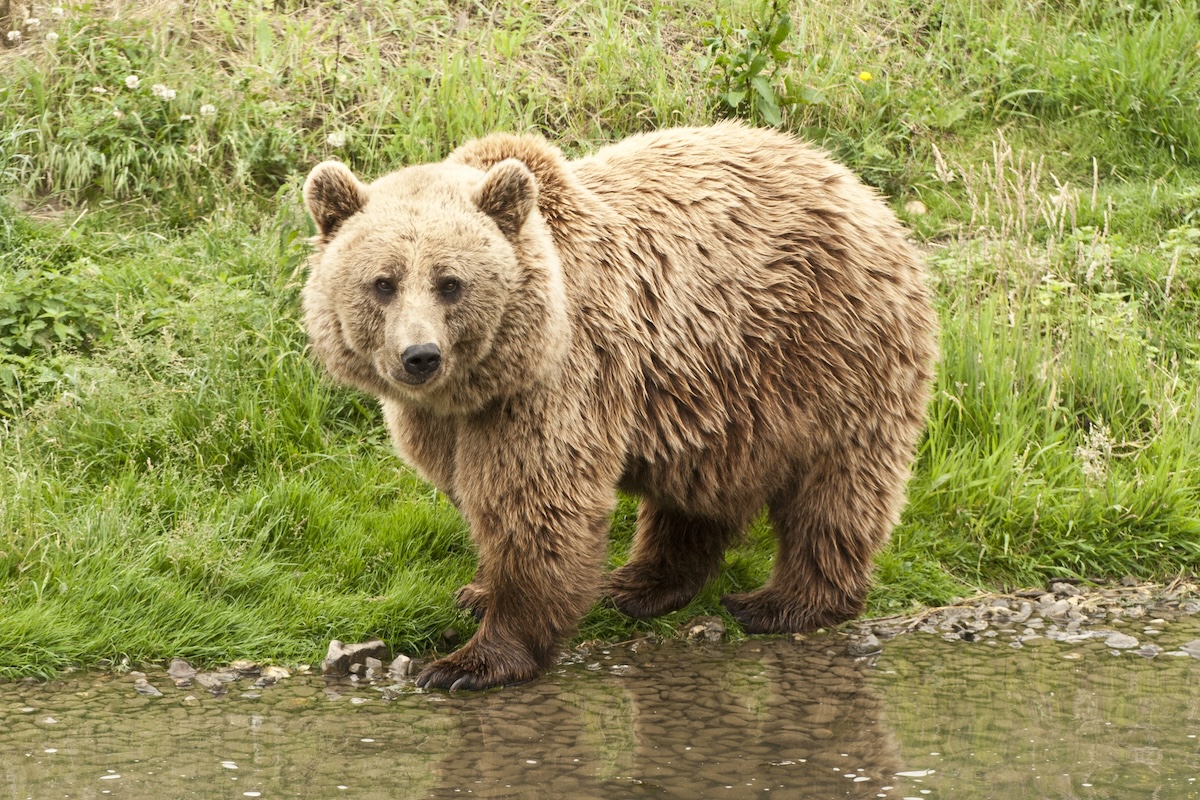 Photo Credit: zizar at Deposit Photos
In the heart of the Kodiak Archipelago, where the rugged coastline meets lush forests, roams the Kodiak bear, scientifically known as Ursus arctos middendorffi. This magnificent creature is the largest of the brown bears, a true titan of the wild, weighing between 600 and 1,400 pounds. With its powerful build, thick fur, and distinctive hump on its shoulders, the Kodiak bear commands attention and respect. Its massive paws, equipped with sharp claws, are perfect for digging and fishing, showcasing its adaptability in a diverse habitat filled with salmon-rich rivers and berry-laden bushes.
Scientists and nature enthusiasts alike are captivated by the Kodiak bear’s impressive size and behavior. These bears are not just formidable predators; they play a crucial role in their ecosystem, acting as a keystone species that helps maintain the balance of life in their environment. Observing a Kodiak bear fishing for salmon or foraging for berries is a breathtaking sight, revealing the intricate connections between species in this vibrant landscape. As we explore the life of the Kodiak bear, we will uncover the secrets of its behavior, diet, and the vital role it plays in the natural world, inviting you to join us on this adventure into the wild.
The Kodiak bear, a magnificent symbol of the wild, holds a special place in the tree of life. Scientifically classified within the kingdom Animalia, this powerful mammal is part of the phylum Chordata, which includes all animals with a backbone. As a member of the class Mammalia, Kodiak bears share traits like warm-bloodedness and fur, making them endothermic, meaning they generate their own body heat. They belong to the order Carnivora, which encompasses meat-eating animals, and the family Ursidae, the bear family. The Kodiak bear’s scientific name, Ursus arctos middendorffi, reflects its lineage and highlights its unique characteristics, setting it apart from other bears.
| Taxonomic Rank | Scientific Name | Meaning & Significance |
|---|---|---|
| Kingdom | Animalia | This name signifies that Kodiak bears are part of the vast group of living organisms known as animals, which are characterized by their ability to move and respond to their environment. |
| Phylum | Chordata | Chordata means “having a notochord,” which is a flexible rod that supports the body. This feature is a key trait of all vertebrates, including the Kodiak bear. |
| Class | Mammalia | Mammalia refers to mammals, animals that nurse their young with milk and typically have fur or hair. Kodiak bears are warm-blooded and have thick fur to keep them insulated in cold climates. |
| Order | Carnivora | Carnivora means “meat-eaters.” While Kodiak bears are omnivorous, they have adaptations for hunting and consuming meat, which is a significant part of their diet. |
| Family | Ursidae | The name Ursidae comes from the Latin word “ursus,” meaning bear. This family includes all bear species, highlighting their shared characteristics and evolutionary traits. |
| Genus | Ursus | Ursus is the genus name for bears, emphasizing their common ancestry and physical traits, such as their large size and powerful limbs. |
| Species | Ursus arctos middendorffi | The species name “arctos” means “bear” in Greek, while “middendorffi” honors the naturalist who studied these bears, linking their identity to both their nature and history. |
The classification of the Kodiak bear reveals much about its evolutionary journey. As a member of the Ursidae family, it shares a common ancestor with other bears, showcasing adaptations that have allowed it to thrive in its specific environment. The Kodiak bear’s size and strength are not just impressive; they are the result of millions of years of evolution, allowing it to dominate its habitat. Understanding its taxonomic position helps us appreciate the intricate web of life and the connections between different species, reminding us of the shared history that binds all living things together.
The Kodiak bear, a giant among bears, has a rich evolutionary history that stretches back millions of years. This impressive animal belongs to the family Ursidae, which includes all bears, and its lineage can be traced to the early ancestors of modern bears that roamed the Earth during the late Miocene epoch, around 10 million years ago. As the climate changed and habitats evolved, these early bears adapted to their surroundings, leading to the diverse species we see today.
The Kodiak bear’s ancestors were smaller and more generalized in their diet and habitat. Over time, as they adapted to the unique environments of the Kodiak Archipelago in Alaska, they underwent significant changes. One major transition was the increase in size, which helped them compete for food and survive in harsh conditions. This size increase is linked to a phenomenon known as “Bergmann’s Rule,” where larger animals tend to be found in colder climates. Additionally, their diet shifted to include more protein-rich foods, such as salmon, which became abundant in their coastal habitat. This dietary change not only supported their growth but also influenced their hunting and foraging behaviors.
The adaptations of the Kodiak bear have been vital for its survival in the rugged landscapes of Alaska. Their impressive size and strength allow them to dominate their environment, while their thick fur and keen sense of smell help them endure the cold and locate food. These evolutionary traits not only enhance their ability to hunt and forage but also enable them to thrive in a challenging ecosystem. As a result, the Kodiak bear stands as a testament to the power of evolution, showcasing how species can adapt and flourish in the face of changing conditions.
The Kodiak bear stands as a colossal figure in the wilderness, embodying strength and majesty. With a robust body that can weigh between 600 and 1,400 pounds, this bear is not just large; it is the largest of all brown bears. Its powerful limbs and broad shoulders give it an imposing presence, while its thick fur coat, which can range in color from light brown to dark chocolate, adds to its striking appearance. The Kodiak bear’s massive head, equipped with a strong jaw and sharp teeth, is perfectly designed for its omnivorous diet, allowing it to consume a variety of foods from berries to fish.
| Feature | Description |
|---|---|
| Weight | 600-1,400 lbs |
| Skin Type | Fur |
| Most Distinctive Feature | Largest of the brown bears |
The Kodiak bear’s impressive size and thick fur serve vital roles in its survival. The substantial weight helps it store energy for the long winters when food is scarce, while the fur provides insulation against the cold Alaskan climate. This combination of features not only makes the Kodiak bear a formidable predator but also a master of its environment, allowing it to thrive in the rugged landscapes it calls home. Each characteristic is a testament to the bear’s adaptation, showcasing nature’s incredible ability to shape life for survival.
The Kodiak bear roams the lush, rugged landscapes of the Kodiak Archipelago, a group of islands off the southern coast of Alaska. This stunning habitat is a blend of dense forests, rolling hills, and coastal areas, where the bears can often be seen foraging along the shorelines or wandering through the thick underbrush. The islands are rich in natural resources, providing a perfect playground for these magnificent animals, who thrive in the wild beauty of their home.
The climate of the Kodiak Archipelago is characterized by cool, wet weather, with mild temperatures that rarely dip below freezing. This environment is essential for the Kodiak bear, as it supports the growth of vegetation and the abundance of salmon in the rivers. The bears rely on these fish during their feeding frenzy in the summer months, when they need to build up fat reserves for the long winter ahead. The combination of temperate rainforests and coastal ecosystems creates a rich tapestry of life that sustains these powerful animals.
Kodiak bears have adapted beautifully to their island home. Their thick fur keeps them warm in the cooler temperatures, while their large size helps them navigate the varied terrain. They are excellent swimmers, which allows them to cross the waters between islands in search of food. Additionally, their keen sense of smell helps them locate salmon and other food sources from miles away. These adaptations not only ensure their survival but also highlight the incredible ways in which wildlife can thrive in specific habitats.
The Kodiak bear leads a life that is both dynamic and adaptable, filled with daily activities that revolve around the search for food, rest, and occasional exploration. These bears are primarily diurnal, meaning they are most active during the day, although they can also be seen roaming at night. Their daily routine often includes foraging for berries, digging for roots, and fishing in the rivers for salmon. As they move through their territory, Kodiak bears exhibit a keen sense of smell, which helps them locate food from miles away.
While Kodiak bears are generally solitary animals, they do have interesting social behaviors, especially during certain times of the year. For instance, during the salmon spawning season, multiple bears may gather at prime fishing spots. This temporary congregation allows them to interact, establish dominance, and communicate through body language and vocalizations. Despite their solitary nature, these bears can show a surprising level of tolerance towards one another when food is abundant, demonstrating a complex understanding of social dynamics.
| Behavior Type | Description |
|---|---|
| Activity Patterns | Kodiak bears are primarily diurnal, engaging in foraging and fishing during daylight hours, but they can also be active at night. |
| Social Structure | Generally solitary, Kodiak bears may gather in groups during salmon runs, allowing for temporary social interactions. |
| Communication Methods | They communicate through body language, vocalizations, and scent marking, which helps establish territory and social hierarchy. |
These behaviors are crucial for the Kodiak bear’s survival in the wild. By being active during the day, they maximize their chances of finding food while avoiding potential threats. Their solitary nature allows them to maintain control over their territory, ensuring they have access to resources without competition. When they do come together, it’s a strategic move that helps them thrive in a challenging environment, showcasing their adaptability and intelligence in the face of nature’s demands.
The Kodiak bear is an omnivore, which means it enjoys a varied diet that includes both plants and animals. These bears are particularly famous for their impressive fishing skills, often seen catching salmon during spawning season. They use their powerful limbs and sharp claws to swipe at fish in rivers and streams, showcasing their agility and strength. In addition to fish, Kodiak bears forage for berries, roots, and other vegetation, making them opportunistic feeders that adapt their diet based on seasonal availability.
| Dietary Aspect | Details |
|---|---|
| Diet Type | Omnivore |
| Favorite Foods | Fish, berries, roots, and vegetation |
| Prey Items | Primarily salmon, but also small mammals and carrion |
| Hunting/Foraging Strategies | Fishing in rivers, foraging in forests, and scavenging |
The Kodiak bear’s diverse diet plays a crucial role in its ecology and daily routine. By consuming a wide range of foods, these bears help maintain the balance of their ecosystem. For instance, their fishing habits not only provide them with essential nutrients but also influence fish populations in their habitat. As they forage for berries and roots, they contribute to seed dispersal, promoting plant growth. This adaptability in diet allows Kodiak bears to thrive in their environment, ensuring they are well-prepared for the challenges of each season.
When it comes to Kodiak bear reproduction, the process is as fascinating as the bears themselves. Mating typically occurs in the spring, from May to July, when the bears are most active. During this time, male Kodiak bears will compete for the attention of females, showcasing their strength and size. After a successful mating, the female bear will enter a unique phase called delayed implantation. This means that while she is technically pregnant, the fertilized egg will not immediately attach to her uterus. Instead, it will wait until the fall, allowing the mother to time the birth of her cubs with the availability of food in the spring.
| Reproductive Aspect | Details |
|---|---|
| Gestation Period | 180–270 days |
| Average Litter Size | 2 |
| Name Of Young | Cub |
| Age Of Maturity | 3–5 years |
Once the cubs are born, usually in January or February, they are tiny and helpless, weighing only about a pound. The mother bear is incredibly attentive, nurturing her young in the safety of a den until spring. During this time, she will provide warmth and milk, ensuring her cubs grow strong. As the cubs emerge from the den, they begin to explore their surroundings, learning essential survival skills from their mother. Over the next few years, they will stay close to her, gradually gaining independence as they learn to forage and fish. By the age of three to five, these young bears will be ready to venture out on their own, continuing the cycle of life in the wild.
The Kodiak bear occupies a vital role in its ecosystem, sitting at the top of the food web as a powerful predator. This majestic animal helps maintain the balance of its environment by controlling populations of other species. However, despite its size and strength, the Kodiak bear faces several dangers that threaten its survival.
To defend itself against these threats, the Kodiak bear employs a variety of survival strategies. Its sheer size and strength act as a deterrent to many potential predators. When faced with danger, Kodiak bears can be surprisingly agile, using their speed to escape or their powerful claws to defend themselves. They also have keen senses, allowing them to detect threats from a distance. By being cautious and aware of their surroundings, these bears navigate their challenging world, ensuring their place in the wild.
A keystone species is an organism that plays a crucial role in maintaining the structure of its ecosystem. The removal of a keystone species can lead to significant changes and even collapse of the ecosystem. The Kodiak bear qualifies as a keystone species due to its impact on the environment and the various organisms that share its habitat.
Kodiak bears are powerful omnivores, meaning they eat both plants and animals. Their diet includes salmon, berries, and even small mammals. By preying on salmon during spawning season, Kodiak bears help regulate fish populations. This not only ensures that the fish do not overpopulate but also allows for a healthy balance in the aquatic ecosystem. When bears catch salmon, they often leave behind remains, which decompose and enrich the soil, providing nutrients for plants. This process supports the growth of vegetation, which in turn benefits other wildlife.
Additionally, Kodiak bears influence the population dynamics of herbivores in their habitat. By hunting smaller mammals and scavenging, they help control the numbers of these animals, preventing overgrazing and allowing plant life to thrive. This balance is essential for maintaining the diverse ecosystems found in the Kodiak Archipelago, where these bears reside.
If Kodiak bears were to disappear, the consequences would ripple through the ecosystem. Salmon populations could surge, leading to overpopulation and depletion of resources. This imbalance would affect not only the fish but also the plants that rely on nutrient cycling from bear remains. Herbivore populations might explode, resulting in overgrazing and a decline in plant diversity. Ultimately, the loss of Kodiak bears would disrupt the delicate balance of life in their habitat, showcasing just how vital they are to the health of their ecosystem.
The Kodiak bear plays a vital role in shaping its ecosystem, acting as a keystone species in the lush landscapes of the Kodiak Archipelago. This means that its presence is crucial for maintaining the balance of the environment. By foraging for food and interacting with other species, Kodiak bears influence the populations of plants and animals around them, creating a dynamic web of life that supports a diverse range of organisms.
| Ecosystem Service | Impact |
|---|---|
| Seed Dispersal | Kodiak bears help spread seeds through their droppings, promoting plant growth and diversity. |
| Population Control | As top predators, they help regulate the populations of herbivores, preventing overgrazing. |
| Nutrient Cycling | By consuming fish and other animals, they return nutrients to the soil, enriching the ecosystem. |
| Habitat Creation | Their foraging activities can create clearings in forests, allowing sunlight to reach new plants. |
Kodiak bears influence their environment in several specific ways. For instance, when they catch salmon during spawning season, they not only feed themselves but also leave behind remains that nourish the soil and other wildlife. This nutrient cycling is essential for the health of the ecosystem. Additionally, as they roam through their habitat, Kodiak bears create paths that other animals use, helping to shape the landscape and facilitate movement for various species.
The broader ecological importance of Kodiak bears cannot be overstated. Their role as a keystone species means that they help maintain the structure and health of their ecosystem. Without them, the balance of plant and animal life could be disrupted, leading to a decline in biodiversity. By understanding and protecting these magnificent bears, we also safeguard the intricate web of life that thrives in the Kodiak Archipelago, ensuring that future generations can appreciate this vibrant ecosystem.
In the intricate web of life, symbiosis refers to the close interactions between different species, which can take many forms. These relationships can be mutualistic, where both species benefit, parasitic, where one benefits at the other’s expense, or commensal, where one benefits while the other is neither helped nor harmed. The Kodiak bear, a magnificent inhabitant of the Kodiak Archipelago, engages in various ecological relationships that highlight the interconnectedness of nature. Understanding these partnerships not only reveals the bear’s role in its ecosystem but also showcases the delicate balance that sustains life in the wild.
| Species/Type | Relationship Type | Description |
|---|---|---|
| Salmon | Mutualistic | Kodiak bears rely on salmon as a primary food source during spawning season. In turn, the bears help control salmon populations, ensuring a healthy ecosystem. |
| Birds (e.g., ravens) | Commensal | Ravens often follow Kodiak bears to scavenge leftover food from their meals. The bears do not benefit or suffer from the presence of the birds. |
| Ticks | Parasitic | Ticks can latch onto Kodiak bears, feeding on their blood. This relationship can harm the bears by causing irritation and potential disease. |
The evolution of these relationships is a testament to nature’s adaptability and resilience. Over time, Kodiak bears have developed behaviors that not only enhance their survival but also influence the lives of other species around them. For instance, their fishing habits not only provide sustenance but also help maintain the health of salmon populations. Meanwhile, the presence of scavengers like ravens highlights the interconnectedness of life, where one species’ actions can create opportunities for another. These partnerships illustrate the dynamic balance of ecosystems, reminding us that every creature, big or small, plays a vital role in the story of life on Earth.
The Kodiak bear, a true giant of the wilderness, is not just the largest of the brown bears; it is a creature filled with surprises that reveal the wonders of nature. Here are some intriguing facts that showcase the extraordinary life of these magnificent animals.
The Kodiak bear has long been a powerful symbol in the cultural tapestry of Alaska and beyond. Historically, these magnificent creatures have been revered by Indigenous peoples, who view them as spiritual beings and important figures in their folklore. Encounters between Kodiak bears and humans have often been dramatic, with stories of hunts and the bears’ impressive strength capturing the imagination of many. This relationship has shaped not only local traditions but also the way people perceive the wilderness and its inhabitants.
In modern times, the interaction between Kodiak bears and humans has evolved significantly. Conservation efforts are underway to protect these bears and their habitats, recognizing their role as a keystone species in the ecosystem. However, conflicts can arise, especially as human development encroaches on bear territory. Encounters can lead to dangerous situations, prompting discussions about coexistence and safety. While Kodiak bears are not domesticated animals, some people have sought to understand their behavior better, leading to educational programs aimed at fostering respect and awareness.
Looking ahead, the future of the relationship between Kodiak bears and humanity hinges on our ability to balance development with conservation. As awareness grows about the importance of these bears in maintaining ecological health, there is hope for a more harmonious coexistence. By fostering respect for wildlife and understanding the needs of both bears and humans, we can ensure that these majestic animals continue to thrive in their natural habitats for generations to come.
The Kodiak bear, a magnificent inhabitant of the Kodiak Archipelago, currently holds a conservation status of “Least Concern.” This means that, at present, the species is not facing an immediate threat of extinction. With an estimated population of around 3,500 individuals, Kodiak bears are relatively stable, although their numbers can fluctuate based on environmental conditions and human activities.
| Conservation Factor | Status/Details |
|---|---|
| IUCN Status | Least Concern |
| Estimated Population Size | Approximately 3,500 |
| Population Trend | Stable |
Despite their current stable status, Kodiak bears face several threats that could impact their future. Habitat loss due to human encroachment, such as development and logging, poses a significant risk. Additionally, climate change affects their food sources, particularly salmon, which are vital for their diet. Increased human-bear interactions can lead to conflicts, often resulting in bears being relocated or, in unfortunate cases, euthanized.
Conservation efforts are underway to ensure the continued survival of Kodiak bears. Local and state agencies work to monitor bear populations and their habitats, implementing regulations to minimize human impact. Education programs aim to raise awareness about the importance of these bears in their ecosystem. With ongoing efforts and a commitment to preserving their natural environment, the outlook for Kodiak bears remains hopeful, allowing future generations to appreciate these majestic animals.
| Question | Answer |
|---|---|
| Where do Kodiak bears live? | Kodiak bears are found exclusively on the islands of the Kodiak Archipelago in Alaska. This remote area provides them with a rich environment filled with food sources and natural habitats. |
| What do Kodiak bears eat? | Kodiak bears are omnivores, meaning they eat both plants and animals. Their diet includes berries, salmon, and even small mammals, which helps them gain the fat reserves they need for hibernation. |
| How do Kodiak bears behave? | Kodiak bears are generally solitary animals, except for mothers with cubs or during mating season. They are known for their intelligence and can be quite curious, often exploring their surroundings for food. |
| How do Kodiak bears reproduce? | Kodiak bears mate in the spring, but the female bear has a unique way of delaying the development of her cubs. After mating, the fertilized egg can remain in a dormant state until the mother is ready to give birth, usually in January or February. |
| What threats do Kodiak bears face? | While Kodiak bears are currently listed as Least Concern, they still face threats from habitat loss and human activities. Climate change can also impact their food sources, making it essential to monitor their populations. |
| What is the most distinctive feature of Kodiak bears? | Kodiak bears are the largest of the brown bears, with some males weighing over 1,500 pounds! Their massive size and powerful build make them one of the most impressive animals in the wild. |
| Are Kodiak bears social animals? | Kodiak bears are not particularly social and prefer to live alone. However, they can be seen in groups during salmon runs when food is abundant, showcasing their adaptability to different situations. |