Taxonomy & Classification
- Kingdom
- Animalia
- Phylum
- Chordata
- Class
- Mammalia
- Order
- Carnivora
- Family
- Canidae
- Genus
- Canis
- Species
- Canis lupus

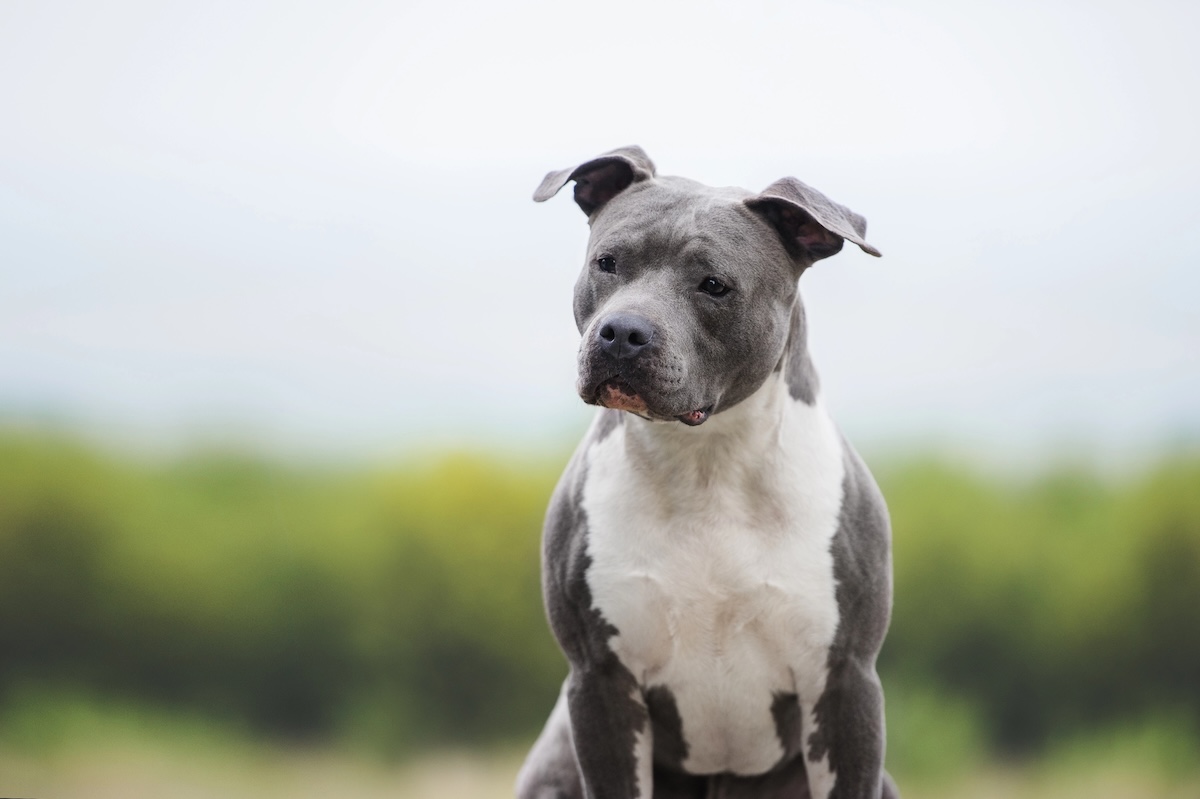 Photo Credit: yurkovska on Deposit Photos
In the heart of bustling neighborhoods and sunlit parks, the American Staffordshire Terrier, or AmStaff, stands out with its powerful build and friendly demeanor. With a coat that can shimmer in shades of blue, fawn, or brindle, this breed captures the attention of everyone who crosses its path. Its strong, muscular frame is not just for show; it reflects a history of strength and resilience that has fascinated both scientists and dog lovers alike. The AmStaff’s keen intelligence and affectionate nature make it a beloved companion, while its origins as a working dog remind us of its impressive lineage.
Imagine a sunny afternoon where children play and laughter fills the air. The AmStaff bounds joyfully alongside them, its tail wagging like a flag of happiness. This breed thrives in urban and suburban settings, where it forms deep bonds with families and individuals. Its playful spirit and loyalty create a unique connection that enriches the lives of those around it. As we explore the world of the American Staffordshire Terrier, we will uncover its evolutionary history, behavior, and the vital role it plays in our lives, revealing why this breed is more than just a pet—it’s a cherished member of the family.
The American Staffordshire Terrier, often affectionately called the AmStaff, holds a special place in the animal kingdom. This breed is a member of the Canidae family, which includes dogs, wolves, and foxes. What sets the AmStaff apart is its strong, muscular build and friendly disposition, making it a beloved companion for many families. With a lineage that traces back to ancient breeds, the American Staffordshire Terrier showcases the fascinating interplay of genetics and domestication, reflecting both its wild ancestry and its role as a loyal pet.
| Taxonomic Rank | Scientific Name | Meaning & Significance |
|---|---|---|
| Kingdom | Animalia | This term means “animals” in Latin, highlighting that the AmStaff is part of the vast group of living organisms that are multicellular and capable of movement. |
| Phylum | Chordata | Chordata refers to animals with a backbone. The AmStaff, like all dogs, has a spinal column that supports its body and protects its nervous system. |
| Class | Mammalia | Mammalia means “mammals,” which are warm-blooded animals that have fur or hair and typically give live birth. The AmStaff is warm-blooded and has a short coat, showcasing its mammalian traits. |
| Order | Carnivora | Carnivora is the order that includes meat-eating mammals. While the AmStaff can enjoy a varied diet, its ancestors were primarily hunters, which is reflected in its strong jaws and keen senses. |
| Family | Canidae | Canidae is the family that encompasses dogs, wolves, and foxes. The AmStaff shares this family with its wild relatives, showcasing traits like loyalty and social behavior. |
| Genus | Canis | Canis is the genus that includes all modern dogs and their closest relatives. The name comes from the Latin word for “dog,” emphasizing the AmStaff’s close ties to its canine cousins. |
Understanding the American Staffordshire Terrier’s classification reveals much about its evolutionary journey. As a member of the Canidae family, it shares a common ancestry with wolves and other wild canines, which explains its strong instincts and social nature. This classification not only highlights the AmStaff’s physical characteristics but also its behavioral traits, such as loyalty and companionship. By tracing its lineage, we can appreciate how this breed has evolved alongside humans, adapting to become the loving and devoted pets we know today.
The American Staffordshire Terrier, or AmStaff, has a rich evolutionary history that traces back thousands of years. This breed is part of the larger family of Canidae, which includes not only domestic dogs but also wolves, foxes, and other wild canines. The journey of the AmStaff begins with its ancestors, who were bred for various purposes, including companionship, work, and protection. Over time, selective breeding shaped the traits we see today, creating a loyal and versatile dog.
The story of the AmStaff starts with ancient dogs that roamed alongside humans. These early canines were likely descendants of wolves, gradually adapting to life with people. As humans began to settle and form communities, they needed dogs for hunting and guarding. This led to the development of breeds that were strong and agile. The AmStaff’s ancestors were bred from a mix of bulldogs and terriers, which contributed to their muscular build and tenacity. This combination made them excellent at both herding and guarding livestock.
The adaptations of the American Staffordshire Terrier have played a crucial role in its survival and success as a breed. Their strong musculature not only aids in physical tasks but also provides a sense of security for families. Intelligence allows them to learn commands quickly, making them reliable companions. Their friendly nature fosters strong bonds with humans, while their high energy levels keep them active and engaged. Together, these traits have helped the AmStaff thrive in diverse environments, from bustling homes to active outdoor settings.
The American Staffordshire Terrier, often known as the AmStaff, presents a striking and muscular appearance that commands attention. With a solid build and a confident stance, this breed exudes strength and agility. Their broad head, combined with a well-defined jaw, gives them a powerful look, while their expressive eyes convey intelligence and loyalty. The AmStaff’s compact body is balanced and athletic, making them not only visually impressive but also capable of impressive physical feats.
| Feature | Description |
|---|---|
| Weight | 50 – 70 lbs |
| Skin Type | Hair |
| Body Structure | Muscular and compact |
| Head | Broad with a strong jaw |
| Eyes | Expressive and intelligent |
These physical features work together to create a breed that is not only visually appealing but also well-suited for various activities. The muscular build allows the American Staffordshire Terrier to excel in agility and strength tasks, while their strong jaws are designed for gripping and holding. Their expressive eyes and confident demeanor make them excellent companions, as they are both alert and affectionate. This combination of traits not only enhances their ability to thrive in diverse environments but also makes them beloved family pets.
The American Staffordshire Terrier, or AmStaff, thrives in a variety of environments, but it often finds its home in urban and suburban settings. Picture a bustling neighborhood where families walk their dogs, children play in parks, and the sun shines brightly. These dogs are adaptable and can also enjoy the comforts of a cozy home, where they can lounge on soft couches or romp in backyards. Their friendly demeanor makes them popular companions, and they love being part of family life.
The American Staffordshire Terrier is quite versatile when it comes to climate. They do well in moderate temperatures, enjoying both warm summers and cool winters. However, extreme weather conditions can be challenging for them. They prefer environments that allow for plenty of outdoor activity, as they are energetic and need space to run and play. A temperate climate with a mix of sunshine and shade is ideal, as it helps keep them comfortable and happy.
Over time, the AmStaff has adapted beautifully to its surroundings. With a short coat, this breed is well-suited for warmer climates, but it can also handle cooler temperatures with proper care. Their strong, muscular build allows them to be active and agile, making them excellent companions for outdoor adventures. Whether it’s a game of fetch in the park or a brisk walk around the neighborhood, the American Staffordshire Terrier is always ready to embrace its environment with enthusiasm and joy.
The daily life of an American Staffordshire Terrier, or AmStaff, is filled with energy and enthusiasm. These dogs thrive on activity, often starting their day with a burst of excitement as they greet their human companions. Morning walks are a favorite, where they can explore their surroundings, sniffing out new scents and meeting other dogs. Throughout the day, they engage in playtime, whether it’s chasing a ball in the yard or tugging on a favorite toy. Their playful nature keeps them active and engaged, making them a joy to have around.
Social behavior is a key aspect of the AmStaff’s life. These dogs are known for their friendly and affectionate demeanor, often forming strong bonds with their families. They enjoy being part of the pack, whether that includes humans or other pets. AmStaffs are generally good with children, displaying a gentle and protective nature. Their communication is rich and varied, using barks, body language, and even facial expressions to convey their feelings. This social structure helps them navigate their environment and build lasting relationships.
| Behavior Type | Description |
|---|---|
| Activity Patterns | AmStaffs require regular exercise, including walks, playtime, and mental stimulation to stay healthy and happy. |
| Social Structure | These dogs thrive in family settings, forming strong bonds with humans and other pets, and often displaying loyalty and affection. |
| Communication Methods | They use a combination of barks, growls, and body language to express their needs and emotions, making them effective communicators. |
The behaviors of the American Staffordshire Terrier are not just for fun; they play a crucial role in their survival. By staying active, they maintain their physical health, which is essential for a long life. Their social nature helps them build strong connections, ensuring they have support and companionship. Effective communication allows them to express their needs and understand their environment, making them adaptable and resilient. In essence, these behaviors are vital for thriving in both family life and the wider world.
The American Staffordshire Terrier, or AmStaff, is an omnivore, which means it enjoys a varied diet that includes both animal and plant-based foods. This breed typically thrives on high-quality dog food that provides the necessary nutrients for its active lifestyle. AmStaffs are known for their hearty appetites and can be quite food-driven, often seeking out tasty treats and meals throughout the day. Their feeding behavior is influenced by their energetic nature, requiring a balanced diet to support their strength and vitality.
| Dietary Aspect | Details |
|---|---|
| Diet Type | Omnivore |
| Favorite Foods | High-quality dog food, meats, vegetables, and fruits |
| Prey Items | Small animals, if allowed to roam |
| Hunting/Foraging Strategies | Scavenging and exploring for food, often motivated by scent |
The diet of the American Staffordshire Terrier plays a crucial role in shaping its ecology and daily routine. With their omnivorous nature, these dogs are adaptable and can thrive in various environments, making them excellent companions for families and individuals alike. Their need for a balanced diet not only supports their physical health but also influences their behavior, as they are often eager to engage in activities that involve food, such as training sessions or playful games. This connection between diet and daily life highlights the importance of proper nutrition in keeping an AmStaff happy and healthy.
The mating behavior of the American Staffordshire Terrier is both instinctual and social. During the breeding season, which can occur at any time of the year, female AmStaffs go into heat, a period when they are fertile and can conceive. Males are drawn to females in heat by their scent and will often display playful and assertive behaviors to attract their attention. This courtship can involve playful interactions, where the male may show off his strength and agility, creating a bond that is essential for successful mating.
| Reproductive Aspect | Details |
|---|---|
| Gestation Period | Approximately 63 days |
| Litter Size | Average of 6 puppies |
| Age of Maturity | About 12 to 18 months |
| Name of Young | Puppies |
Once the puppies are born, the mother takes on the vital role of caregiver. She provides warmth, nourishment, and protection to her young. The puppies are born blind and deaf, relying entirely on their mother for survival in those early days. As they grow, they begin to open their eyes and ears, exploring their surroundings with curiosity. The mother teaches them important social skills through gentle interactions, preparing them for life as confident and well-adjusted adults. By the time they reach maturity, these puppies will have developed strong bonds with their family, showcasing the loving nature of the American Staffordshire Terrier.
The American Staffordshire Terrier, or AmStaff, occupies a unique position in the food web as a domesticated animal. Unlike wild species that must constantly evade predators, the AmStaff primarily faces threats from human activities and environmental factors. While they are not preyed upon by natural predators in the same way as wild animals, they can still encounter dangers that threaten their well-being and safety.
To defend themselves against these threats, American Staffordshire Terriers often rely on their strong instincts and social nature. They are known for their loyalty and protective behaviors, which can help them navigate challenging situations. With proper training and socialization, they can develop confidence and resilience, allowing them to thrive in various environments. Their playful and affectionate demeanor also helps them bond with humans, making them less likely to face neglect or abandonment when cared for properly.
A keystone species is an organism that plays a critical role in maintaining the structure of an ecosystem. Its presence or absence can significantly impact the environment and the other species that inhabit it. While the American Staffordshire Terrier, or AmStaff, is a beloved companion animal, it does not qualify as a keystone species in the traditional ecological sense. This breed is domesticated and primarily lives alongside humans, which means its role in natural ecosystems is limited compared to wild species that directly influence their habitats.
Even though the AmStaff is not a keystone species, it can still have an ecological impact, particularly in urban and suburban environments. For instance, these dogs often help control populations of small mammals, such as rodents, by instinctively chasing them. This behavior can help keep these populations in check, which in turn can prevent overgrazing of plants and maintain a balance in local flora. Additionally, the presence of AmStaffs in neighborhoods can encourage outdoor activities, leading to more green spaces being created and maintained, which benefits local wildlife.
Moreover, the American Staffordshire Terrier can foster a sense of community among pet owners. When people walk their dogs, they often interact with one another, leading to stronger social bonds. This increased community engagement can result in more collective efforts to protect local parks and natural areas, indirectly benefiting various species that rely on these habitats.
If the American Staffordshire Terrier were to disappear, the immediate effects might not be as dramatic as those caused by the loss of a true keystone species. However, communities could feel the absence of these energetic companions, leading to less outdoor activity and fewer social interactions among residents. Additionally, without AmStaffs to help manage small mammal populations, there could be an increase in these animals, potentially leading to more significant ecological imbalances. While the AmStaff may not be a cornerstone of the ecosystem, its presence contributes to the vibrancy and health of the environments where it lives.
The American Staffordshire Terrier, or AmStaff, plays a fascinating role in its ecosystem, particularly in urban and suburban environments. As a domesticated breed, it interacts closely with humans and other animals, influencing social dynamics and contributing to the overall health of its surroundings. By being a companion animal, the AmStaff helps foster community connections, which can lead to increased green spaces and outdoor activities. This breed’s energetic nature encourages families to engage in outdoor play, promoting a healthier lifestyle for both pets and their owners.
| Ecosystem Service | Impact |
|---|---|
| Companionship | Strengthens human-animal bonds, enhancing community well-being. |
| Activity Promotion | Encourages outdoor activities, leading to healthier lifestyles. |
| Waste Management | Contributes to nutrient cycling through waste, enriching soil. |
| Predator Control | Helps manage small animal populations, maintaining balance. |
The American Staffordshire Terrier’s influence extends beyond companionship. For instance, their playful nature often leads to increased outdoor activities, which can help create a sense of community among neighbors. When families take their AmStaffs for walks or to parks, they not only enjoy quality time together but also interact with other pet owners. This socialization can lead to the establishment of dog parks or community events, fostering a sense of belonging and encouraging the preservation of green spaces. Additionally, as omnivores, AmStaffs contribute to nutrient cycling through their waste, which can enrich the soil in local parks and gardens.
The broader ecological importance of the American Staffordshire Terrier cannot be overlooked. As a keystone species in urban settings, their presence can significantly influence the dynamics of both human and animal communities. By promoting outdoor activity and social interaction, they help create healthier environments for all species involved. The AmStaff’s role in managing small animal populations also contributes to ecological balance, ensuring that no single species dominates the area. In this way, the American Staffordshire Terrier is not just a beloved pet but an integral part of the ecosystem, shaping the world around it in meaningful ways.
In the intricate web of life, symbiosis refers to the close interactions between different species, which can take many forms. These relationships can be mutualistic, where both species benefit, parasitic, where one benefits at the other’s expense, or commensal, where one benefits while the other is neither helped nor harmed. The American Staffordshire Terrier, or AmStaff, engages in various ecological relationships that highlight its adaptability and social nature. These interactions not only enrich the lives of the AmStaff but also contribute to the balance of the environments they inhabit.
| Species/Type | Relationship Type | Description |
|---|---|---|
| Humans | Mutualistic | American Staffordshire Terriers provide companionship and protection to humans, while receiving care, food, and love in return. |
| Other Dogs | Commensal | AmStaffs often play and socialize with other dogs, benefiting from companionship, while the other dogs enjoy the interaction without any significant impact. |
| Fleas | Parasitic | Fleas can infest American Staffordshire Terriers, feeding on their blood and causing discomfort, while the AmStaff suffers from irritation and potential health issues. |
These relationships have evolved over time, shaped by the needs and behaviors of the species involved. The bond between American Staffordshire Terriers and humans is particularly strong, as these dogs have been bred for companionship and loyalty. This mutualistic relationship has allowed both species to thrive together, with humans providing a safe environment and the AmStaff offering protection and affection. Meanwhile, interactions with other dogs foster social skills and playfulness, enriching the AmStaff’s life. However, the presence of parasites like fleas serves as a reminder of the challenges that can arise in nature. Understanding these relationships helps us appreciate the complex dynamics that sustain life in our world.
The American Staffordshire Terrier, often called the AmStaff, is a breed that surprises many with its rich history and unique traits. These dogs are not just muscular companions; they have fascinating characteristics that make them stand out in the canine world.
The American Staffordshire Terrier, often known as the AmStaff, has a long and storied relationship with humanity that dates back to the 19th century. Originally bred in England for bull-baiting, a cruel sport where dogs would confront bulls, these dogs were later brought to America, where they became beloved companions. Over time, the AmStaff transitioned from a fighting dog to a family pet, symbolizing loyalty and courage. Their cultural significance is evident in various media, where they are often portrayed as brave protectors, showcasing the deep bond that can form between humans and dogs.
Today, the interactions between American Staffordshire Terriers and people are multifaceted. While many AmStaffs are cherished family members, the breed has also faced challenges due to misconceptions about their temperament. Some people view them as aggressive, leading to breed-specific legislation in certain areas. However, responsible ownership and training can help mitigate these issues. Many AmStaffs are involved in therapy work, assisting individuals with disabilities or emotional challenges, demonstrating their capacity for empathy and connection. This breed’s adaptability and intelligence make them excellent companions in various roles, from service dogs to playful family pets.
Looking ahead, the future of the American Staffordshire Terrier and humanity appears promising. As awareness grows about the breed’s true nature, more people are likely to embrace them as loving companions. Education and advocacy will play crucial roles in reshaping perceptions, allowing these dogs to thrive in homes where they can share their loyalty and affection. With continued efforts to promote responsible ownership and training, the AmStaff can solidify its place as a cherished member of the family, enriching the lives of those who welcome them into their hearts.
The American Staffordshire Terrier, commonly known as the AmStaff, currently holds a conservation status of “Not Listed.” This means that it is not considered endangered or threatened by any major conservation organizations, including the International Union for Conservation of Nature (IUCN). While there are no specific population estimates available, the breed remains popular in many households across the United States and beyond. However, trends in ownership can fluctuate based on public perception and breed-specific legislation, which can impact the breed’s visibility and acceptance.
| Conservation Factor | Status/Details |
|---|---|
| IUCN Status | Not Listed |
| Population Estimates | Not Available |
| Trend Direction | Stable, but subject to change |
Despite its stable status, the American Staffordshire Terrier faces several challenges. One of the main threats to the breed is negative public perception, often fueled by misconceptions about its temperament and behavior. This can lead to breed-specific legislation in some areas, which restricts ownership and can even result in abandonment. Additionally, irresponsible breeding practices can contribute to health issues within the breed, further complicating its future.
Conservation efforts for the American Staffordshire Terrier focus primarily on education and responsible ownership. Organizations dedicated to the breed work tirelessly to promote positive training methods and to dispel myths surrounding AmStaffs. By fostering a better understanding of their true nature, advocates hope to ensure that these dogs continue to thrive in loving homes. The outlook for the American Staffordshire Terrier remains hopeful, as long as communities come together to support responsible pet ownership and celebrate the breed’s many positive qualities.
| Question | Answer |
|---|---|
| What is the habitat of the American Staffordshire Terrier? | The American Staffordshire Terrier is a domesticated breed, so it primarily lives in human homes. They adapt well to various living environments, whether it's a house with a yard or an apartment, as long as they receive enough exercise and attention. |
| What do American Staffordshire Terriers eat? | As omnivores, American Staffordshire Terriers can eat a variety of foods, including high-quality dog food, meat, vegetables, and grains. It's important to provide a balanced diet to keep them healthy and energetic. |
| What is the behavior of American Staffordshire Terriers like? | These dogs are known for their friendly and loyal nature. They are often very affectionate with their families and can be protective, making them great companions. Early socialization and training are key to ensuring they develop good behavior. |
| How do American Staffordshire Terriers reproduce? | Like most dogs, American Staffordshire Terriers reproduce through mating between a male and a female. The female typically goes into heat twice a year, and after a gestation period of about 63 days, she gives birth to a litter of puppies, usually ranging from 4 to 8. |
| What threats do American Staffordshire Terriers face? | While American Staffordshire Terriers are not listed as endangered, they can face threats from irresponsible breeding and negative stereotypes. These factors can lead to breed-specific legislation in some areas, which can restrict their ownership. |
| What are some interesting characteristics of American Staffordshire Terriers? | American Staffordshire Terriers are known for their strength and agility, making them excellent athletes. They also have a unique ability to bond closely with their families, often displaying a playful and goofy side that endears them to many dog lovers. |
| How much exercise do American Staffordshire Terriers need? | These dogs are energetic and require regular exercise to stay healthy and happy. Daily walks, playtime, and mental stimulation are essential to prevent boredom and destructive behavior. |