Taxonomy & Classification
- Kingdom
- Animalia
- Phylum
- Arthropoda
- Class
- Insecta
- Order
- Hemiptera
- Family
- Tingidae
- Genus
- Corythucha

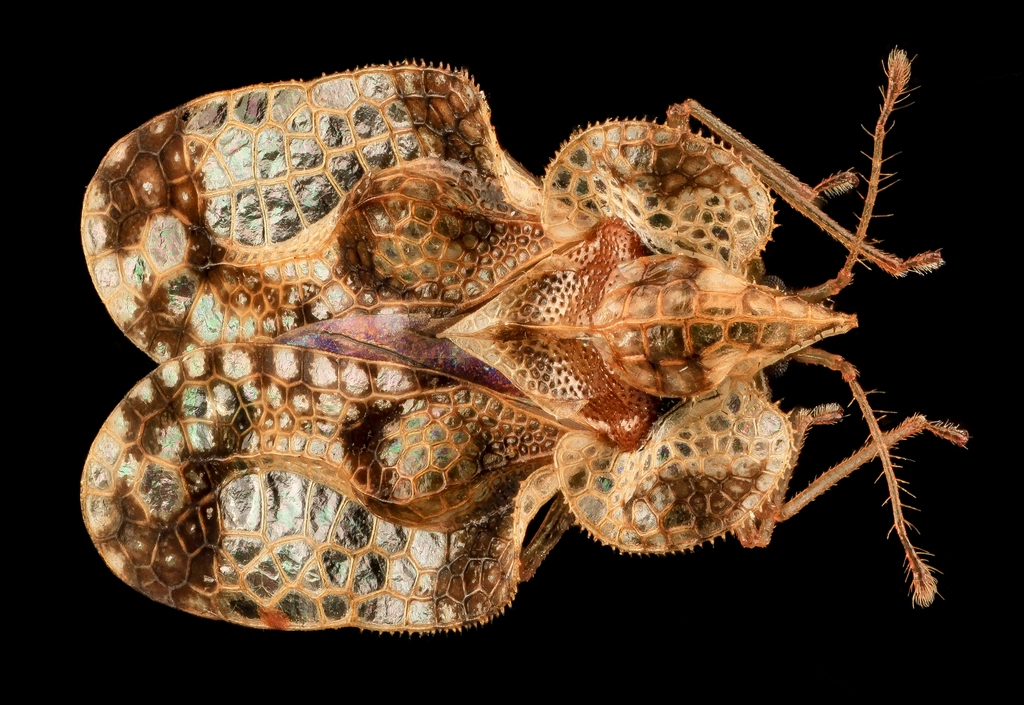 Photo Credit: usgsbee / Rawpixel
In the sunlit corners of parks and meadows, the Lace Bug, scientifically known as Corythucha, flits about, often unnoticed by the casual observer. These tiny insects, measuring just a few millimeters in length, are adorned with intricate, lace-like patterns on their wings that shimmer in the light, making them look like delicate pieces of art. Their unique appearance is not just for show; it serves as a clever form of camouflage, helping them blend into the leaves where they spend most of their time. This fascinating adaptation intrigues scientists and nature enthusiasts alike, as it highlights the incredible ways life has evolved to survive in diverse environments.
Imagine walking through a vibrant woodland, where the gentle rustle of leaves accompanies the soft buzz of life. Here, Lace Bugs thrive, perched on the leaves of various plants, particularly those from the Asteraceae family, which includes daisies and sunflowers. As herbivores, they feed on plant sap, playing a crucial role in their ecosystem. Their presence not only supports the food web but also showcases the delicate balance of nature. With their diurnal habits, Lace Bugs are most active during the day, adding a touch of wonder to the natural world as they dance among the foliage, reminding us of the beauty and complexity of life that often goes unnoticed.
The Lace Bug, belonging to the genus Corythucha, is a captivating member of the animal kingdom that showcases the incredible diversity of life on Earth. These small insects are part of the order Hemiptera, which includes true bugs, and they are known for their delicate, lace-like wings that give them their name. Lace Bugs are not just visually striking; they also play a role in their ecosystems, often feeding on the sap of plants. Their unique adaptations and behaviors make them a fascinating subject of study for entomologists and nature enthusiasts alike.
| Taxonomic Rank | Scientific Name | Meaning & Significance |
|---|---|---|
| Kingdom | Animalia | This name comes from the Latin word “animalis,” meaning “having breath,” which reflects the living, breathing nature of these organisms. |
| Phylum | Arthropoda | Derived from the Greek words “arthron,” meaning “joint,” and “pous,” meaning “foot,” this name highlights the jointed limbs that are a characteristic feature of this diverse group. |
| Class | Insecta | This term comes from the Latin “insectum,” meaning “cut into,” referring to the segmented body structure of insects, which is a defining trait of this class. |
| Order | Hemiptera | From the Greek “hemi,” meaning “half,” and “pteron,” meaning “wing,” this name indicates that members of this order have wings that are partially hardened and partially membranous. |
| Family | Tingidae | This name is derived from the Latin “tingere,” meaning “to wet,” which relates to the water-repellent properties of their wings and their association with plant sap. |
| Genus | Corythucha | From the Greek “korythos,” meaning “helmet,” and “thucha,” meaning “to cover,” this name reflects the protective nature of their wing structure, resembling a helmet over their bodies. |
Understanding the taxonomic position of the Lace Bug reveals much about its evolutionary journey. As part of the vast phylum Arthropoda, Lace Bugs share a common ancestry with a wide array of creatures, from spiders to crabs. Their classification within Hemiptera indicates a long history of adaptation to their environments, particularly in how they interact with plants. The intricate design of their wings and their specialized feeding habits highlight the evolutionary pressures that have shaped them over millions of years, making them a small but significant part of the tapestry of life on our planet.
The evolutionary journey of the Lace Bug, specifically those in the genus Corythucha, stretches back millions of years, intertwining with the rich tapestry of life on Earth. These insects belong to the family Tingidae, which has a history that dates back to the late Cretaceous period, around 100 million years ago. As flowering plants began to flourish, Lace Bugs adapted to thrive in this changing environment, showcasing the dynamic relationship between insects and plants.
Ancestral forms of Lace Bugs were likely more robust and less specialized than their modern descendants. Over time, they underwent significant evolutionary transitions, developing unique features that allowed them to exploit various ecological niches. One of the most notable changes was the evolution of their delicate, lace-like wings, which not only provide camouflage among leaves but also help them evade predators. Additionally, their mouthparts adapted to pierce plant tissues, allowing them to feed on sap, a vital resource for their survival. This specialization in feeding behavior marked a crucial step in their evolution, enabling them to thrive in diverse habitats.
The adaptations of Lace Bugs have been crucial for their survival in a world filled with challenges. Their lace-like wings not only serve as a clever disguise but also allow them to glide gracefully through their habitats. The specialized mouthparts ensure they can access the nutrients they need, while their small size offers a significant advantage in avoiding predators. Together, these traits have enabled Lace Bugs to thrive in diverse environments, showcasing the wonders of evolution and the intricate connections between species and their ecosystems.
The Lace Bug is a tiny marvel of nature, captivating observers with its intricate design and delicate features. Its body is small and compact, typically measuring just a few millimeters in length. The most striking aspect of this insect is its wings, which resemble fine lacework, giving it an ethereal appearance. These wings are not only beautiful but also functional, allowing the Lace Bug to glide gracefully through the air. The overall impression is one of fragility combined with elegance, making it a true gem of the insect world.
| Feature | Description |
|---|---|
| Size | Typically 2-5 millimeters long |
| Color | Often a mix of browns and greens, blending with foliage |
| Skin Type | Covered in tiny scales that add texture |
| Wings | Delicate, lace-like wings that are transparent and intricate |
The Lace Bug’s features work together beautifully to enhance its survival in the wild. The lace-like wings not only provide camouflage against predators but also allow for agile movement among leaves and branches. Its small size helps it remain unnoticed, while the textured scales can reflect light, making it even harder to spot. Together, these adaptations create a perfect blend of beauty and practicality, ensuring that the Lace Bug thrives in its natural habitat.
Lace Bugs thrive in a variety of habitats that are as diverse as their intricate patterns. Picture a sun-dappled park, where the gentle rustle of leaves creates a soothing backdrop. These tiny insects can also be found in vibrant meadows, where wildflowers bloom and grasses sway in the breeze. They make their homes in lush grasslands, dense forests, and serene woodlands, each location offering a unique blend of shelter and food sources.
Lace Bugs prefer environments that provide a mix of sunlight and shade, as they thrive in warm climates. They are often found in areas with moderate humidity, which helps them stay hydrated. These insects enjoy places where their host plants, like various types of trees and shrubs, flourish. The right balance of moisture and warmth is essential for their survival, allowing them to feed and reproduce effectively.
To adapt to their surroundings, Lace Bugs have developed specialized mouthparts that allow them to pierce plant tissues and suck out the sap. This feeding method is crucial for their survival, as it provides the nutrients they need to grow and thrive. Their delicate, lace-like wings not only add to their beauty but also help them blend into their leafy environments, making it easier to evade predators. By perfectly tuning their lifestyle to their habitats, Lace Bugs continue to flourish in diverse ecosystems around the globe.
As the sun rises, Lace Bugs begin their day in the warm embrace of daylight. These tiny insects are diurnal, meaning they are most active during the day. They spend their time perched on the leaves of plants, where they feed on sap. With their specialized mouthparts, they delicately pierce the plant tissue to access the nutrient-rich fluid inside. This feeding process is essential for their energy and growth. Throughout the day, Lace Bugs can be seen moving slowly, exploring their surroundings, and occasionally basking in the sun to warm up.
While Lace Bugs are primarily solitary creatures, they do share their environment with others of their kind. They may be found in small groups on the same plant, especially when food is plentiful. However, they do not form complex social structures like some other insects. Instead, each Lace Bug tends to focus on its own needs, feeding and resting independently. Communication among Lace Bugs is subtle; they rely on chemical signals, known as pheromones, to convey information about food sources or potential threats. This helps them navigate their world while maintaining their solitary lifestyle.
| Behavior Type | Description |
|---|---|
| Feeding | Lace Bugs use their specialized mouthparts to pierce plant tissue and consume sap, which provides essential nutrients. |
| Activity Pattern | Being diurnal, they are most active during the day, exploring and feeding on leaves. |
| Social Structure | Primarily solitary, they may gather in small groups but do not form complex social hierarchies. |
| Communication | They communicate through pheromones, which help them share information about food and threats. |
The behaviors of Lace Bugs are finely tuned to ensure their survival in a world filled with challenges. By feeding during the day, they take advantage of the warmth and light, which helps them thrive. Their solitary nature allows them to avoid competition for resources, while their ability to communicate through chemical signals keeps them informed about their surroundings. Together, these behaviors create a delicate balance that enables Lace Bugs to flourish in their habitats, showcasing the intricate connections between behavior and survival in the natural world.
Lace Bugs are primarily herbivores, which means they feast on plant material. Their favorite foods include the leaves of various plants, particularly those from the family Asteraceae, which includes daisies and sunflowers. Lace Bugs use their specialized mouthparts, called stylets, to pierce the plant tissue and suck out the sap. This feeding behavior not only provides them with essential nutrients but also plays a role in the health of the plants they inhabit.
| Dietary Aspect | Details |
|---|---|
| Diet Type | Herbivore |
| Favorite Foods | Leaves of Asteraceae family plants, such as daisies and sunflowers |
| Prey Items | Not applicable, as they do not consume other animals |
| Hunting/Foraging Strategies | Use specialized mouthparts to pierce and suck sap from plants |
This diet shapes the Lace Bug’s role in its ecosystem. By feeding on plant sap, they can influence plant health and growth, sometimes even causing damage if their populations are high. Their daily routine revolves around finding fresh leaves to feed on, which helps them thrive and reproduce. In turn, Lace Bugs become a food source for other animals, creating a link in the food web that supports a diverse range of life.
When it comes to reproduction, Lace Bugs have a fascinating courtship ritual that sets the stage for their breeding season. Males often engage in a dance-like display to attract females, showcasing their vibrant patterns and movements. This season typically occurs in warmer months when food is abundant, allowing these insects to thrive. Once a female selects a mate, they will mate and the female will begin the process of laying her eggs.
| Reproductive Aspect | Details |
|---|---|
| Gestation Period | Approximately 1-2 weeks |
| Litter Size | 20-30 eggs |
| Age of Maturity | 4-6 weeks |
| Name of Young | Nymph |
After the eggs hatch, the young Lace Bugs, known as nymphs, emerge and begin their journey of growth. These nymphs are miniature versions of adults but lack fully developed wings. They will go through several molts, shedding their exoskeletons as they grow. Interestingly, Lace Bugs do not provide direct parental care after the eggs are laid, but the nymphs benefit from the protection of their chosen habitat. As they feed on plant material, they gradually develop into adults, completing their transformation and continuing the cycle of life.
Lace Bugs play a vital role in their ecosystems, serving as both herbivores and prey. They feed on plant sap, which makes them an important part of the food web. However, their small size and specific diet also place them in the crosshairs of various predators. This delicate balance highlights their significance in maintaining the health of their habitats while also making them vulnerable to a range of threats.
To survive these dangers, Lace Bugs have developed several clever defensive strategies. They often blend in with their surroundings, using their intricate patterns to camouflage themselves against the leaves they inhabit. Additionally, some species can produce a sticky substance that deters predators, making them less appealing as a meal. By staying alert and using these tactics, Lace Bugs can navigate the challenges of their environment and continue to thrive in the wild.
A keystone species is a vital part of an ecosystem, meaning its presence or absence can significantly impact the environment and other living things within it. The Lace Bug, belonging to the genus Corythucha, plays a role in its habitat, but it may not qualify as a true keystone species. While it contributes to the food web and interacts with various plants, its absence would not lead to the collapse of its ecosystem. Instead, it serves as a piece of the larger puzzle, helping to maintain balance among other species.
Lace Bugs primarily feed on the sap of plants, particularly those in the Asteraceae family, which includes daisies and sunflowers. By doing so, they help regulate plant populations, ensuring that no single species dominates the landscape. This feeding behavior can stimulate new growth in plants, as they often respond to being fed upon by producing new leaves. In turn, this creates a more diverse habitat that supports various other organisms, from insects to birds, that rely on these plants for food and shelter.
Additionally, Lace Bugs serve as a food source for predators, including birds and other insects. Their presence in the ecosystem supports these higher trophic levels, or feeding levels, which rely on them for sustenance. This connection illustrates how even small insects can have ripple effects throughout their environment, influencing the survival of larger species.
If Lace Bugs were to disappear, the effects could be felt throughout their ecosystem. Without these insects, certain plants might become overabundant, leading to a decline in plant diversity. This could, in turn, affect the animals that rely on those plants for food and shelter. The absence of Lace Bugs would create a ripple effect, potentially destabilizing the delicate balance of life in their habitats. While the ecosystem would not collapse entirely, it would certainly be less vibrant and diverse, highlighting the interconnectedness of all living things.
The Lace Bug, a small yet significant insect, occupies a unique ecological niche within its environment. These tiny herbivores primarily feed on the sap of various plants, particularly those in the Asteraceae family, which includes daisies and sunflowers. By doing so, they play a crucial role in shaping plant communities and influencing the health of their ecosystems. Their presence can affect plant growth and diversity, making them important players in the intricate web of life.
| Ecosystem Service | Impact |
|---|---|
| Herbivory | Regulates plant growth and diversity |
| Food Source | Serves as prey for various predators |
| Pollination Support | Indirectly aids pollinators by maintaining healthy plant populations |
| Soil Health | Contributes to nutrient cycling through plant interactions |
Lace Bugs influence their surroundings in several fascinating ways. By feeding on plant sap, they can help control the growth of certain plant species, preventing any one type from dominating the landscape. This balance is essential for maintaining biodiversity, as it allows a variety of plants to thrive. Additionally, Lace Bugs serve as a food source for birds and other predators, creating a vital link in the food web. Their interactions with plants can also indirectly support pollinators, as healthy plant populations provide the flowers that attract bees and butterflies.
The broader ecological importance of Lace Bugs cannot be overstated. As a keystone species, their presence helps maintain the balance of their ecosystems. Without them, certain plants might overgrow, leading to a decline in plant diversity and affecting the animals that rely on those plants for food and shelter. By understanding the role of Lace Bugs, we gain insight into the delicate interconnections that sustain life on our planet, reminding us of the importance of even the smallest creatures in the grand tapestry of nature.
Symbiosis is a fascinating concept in nature that describes the various ways different species interact with one another. These relationships can be beneficial, harmful, or neutral, and they play a crucial role in shaping ecosystems. For instance, some species work together to thrive, while others may depend on one another for survival. Understanding these connections helps us appreciate the complexity of life and the delicate balance of our natural world.
| Species/Type | Relationship Type | Description |
|---|---|---|
| Plants (Asteraceae family) | Mutualistic | Lace Bugs feed on the sap of these plants, which helps them grow and reproduce. In return, the plants benefit from the Lace Bugs’ role in pollination, as they move from flower to flower. |
| Predatory insects (like ladybugs) | Parasitic | While Lace Bugs are primarily herbivores, they can become prey for predatory insects. This relationship highlights the food web dynamics, where Lace Bugs serve as a food source for these beneficial predators. |
| Fungi | Commensal | Some Lace Bugs may share their habitat with fungi, which can grow on the plants they inhabit. The fungi benefit from the plant material, while the Lace Bugs are largely unaffected by their presence. |
These relationships have evolved over time, shaped by the needs and behaviors of the species involved. The mutualistic bond between Lace Bugs and certain plants illustrates how interconnected life can be. As Lace Bugs feed on plant sap, they inadvertently assist in pollination, creating a win-win situation. Meanwhile, the predatory insects that target Lace Bugs remind us of the natural checks and balances in ecosystems. Each interaction, whether beneficial or harmful, contributes to the rich tapestry of life, showcasing the intricate dance of survival and adaptation in the natural world.
Lace Bugs are tiny insects that often go unnoticed, but they possess some truly surprising traits that make them stand out in the natural world. Here are a few intriguing facts that will spark your curiosity about these delicate creatures.
The Lace Bug, a small yet intriguing insect, has had a long-standing relationship with humanity that dates back centuries. Historically, these delicate creatures have been both admired and misunderstood. In various cultures, Lace Bugs have been seen as symbols of nature’s intricate beauty, often inspiring artists and poets. However, their presence has also raised concerns among gardeners and farmers, as some species can damage crops by feeding on plant sap. This duality in perception highlights how our interactions with Lace Bugs have evolved over time, reflecting our changing relationship with the natural world.
In contemporary times, the interaction between Lace Bugs and humans has become more complex. While some people view them as pests that threaten gardens and agricultural fields, others recognize their role in the ecosystem. Lace Bugs contribute to the balance of plant life, serving as food for various predators. Conservation efforts are underway to promote awareness about the importance of all insects, including Lace Bugs, in maintaining healthy ecosystems. This shift in perspective encourages a more harmonious coexistence, where humans can appreciate these tiny insects for their ecological contributions rather than merely viewing them as nuisances.
As we look to the future, the relationship between Lace Bugs and humanity holds promise for greater understanding and cooperation. With increasing awareness of the importance of biodiversity, more people are beginning to appreciate the role of even the smallest insects in our world. By fostering a sense of curiosity and respect for Lace Bugs, we can work towards a future where these tiny creatures are celebrated for their contributions to the environment, rather than simply seen as pests. Embracing this perspective can lead to healthier ecosystems and a more sustainable coexistence with all forms of life.
The Lace Bug, a small yet captivating insect, currently holds a conservation status of “Least Concern” according to the International Union for Conservation of Nature (IUCN). This means that, overall, Lace Bugs are not facing immediate threats to their survival. Their populations are stable, and they are found in various habitats across the globe. However, like many species, they are not entirely free from challenges, and monitoring their status is essential to ensure they continue to thrive.
| Conservation Factor | Status/Details |
|---|---|
| IUCN Status | Least Concern |
| Population Estimates | Stable |
| Trend Direction | Stable |
Despite their current stable status, Lace Bugs face several threats that could impact their populations in the future. Habitat loss is a significant concern, as urban development and agricultural expansion can destroy the delicate ecosystems where these insects thrive. Additionally, the use of pesticides in farming can harm Lace Bugs directly or disrupt their food sources, leading to declines in their numbers. Climate change also poses a risk, as shifting weather patterns can alter the habitats and plant life that Lace Bugs depend on for survival.
Conservation efforts for Lace Bugs are crucial to maintaining their populations and the ecosystems they inhabit. While they are not currently endangered, ongoing research and monitoring are essential to ensure that their habitats remain protected. Educating the public about the importance of these tiny insects can foster a greater appreciation for biodiversity. By promoting sustainable practices in agriculture and urban planning, we can help safeguard the future of Lace Bugs and the intricate web of life they support.
| Question | Answer |
|---|---|
| What is the habitat of the Lace Bug? | Lace Bugs are commonly found in parks, meadows, grasslands, forests, and woodlands. They thrive in areas with plenty of plants, as they rely on these environments for food and shelter. |
| What do Lace Bugs eat? | Lace Bugs are herbivores, meaning they primarily feed on plant material. They use their specialized mouthparts to suck the sap from leaves, which provides them with the nutrients they need to grow and reproduce. |
| How do Lace Bugs behave? | Lace Bugs are generally quiet and can often be found resting on the undersides of leaves. They are known for their delicate, lace-like wings, which help them blend into their surroundings and avoid predators. |
| How do Lace Bugs reproduce? | Lace Bugs reproduce by laying eggs on the leaves of plants. The eggs hatch into nymphs, which are immature versions of the adults, and they go through several stages before becoming fully grown Lace Bugs. |
| What threats do Lace Bugs face? | While Lace Bugs are currently classified as Least Concern, they can be threatened by habitat loss and pesticide use. These factors can reduce their food sources and disrupt their natural habitats. |
| What is an interesting characteristic of Lace Bugs? | One of the most distinctive features of Lace Bugs is their delicate, lace-like wings. This unique appearance not only makes them beautiful but also helps them camouflage against predators in their leafy environments. |
| Are Lace Bugs beneficial or harmful to plants? | Lace Bugs can be both beneficial and harmful. While they help in the natural process of plant life by feeding on certain plants, they can also cause damage if their populations grow too large, leading to leaf discoloration and stress on the plants. |