Taxonomy & Classification
- Kingdom
- Animalia
- Phylum
- Chordata
- Class
- Mammalia
- Order
- Carnivora
- Family
- Felidae
- Genus
- Felis
- Species
- Felis catus

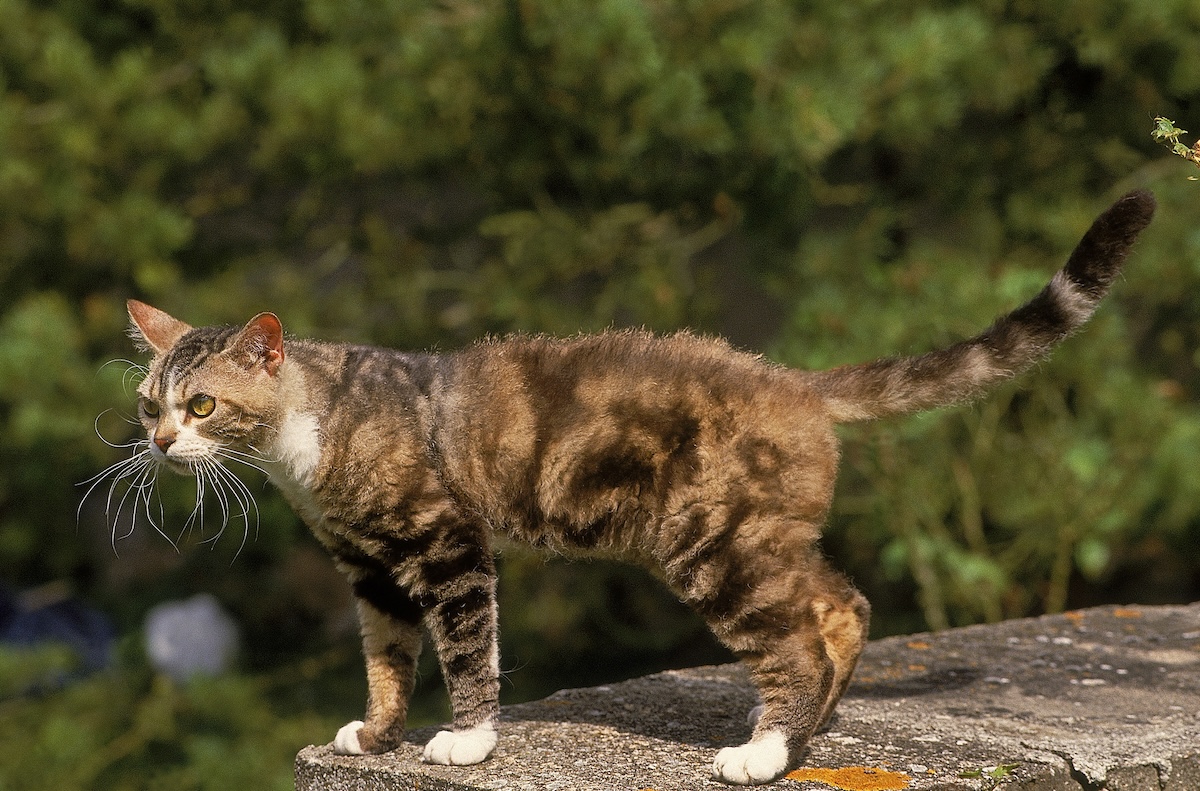 Photo Credit: slowmotiongli on Deposit Photos
In the cozy corners of American homes, the American Wirehair, scientifically known as Felis catus, brings a unique charm to the feline world. Imagine a sunlit living room where this delightful cat lounges, its crimped fur catching the light in a playful dance of shadows. The American Wirehair is not just another domestic cat; it boasts a distinctive coat that feels like a soft, springy brush, a result of a rare genetic mutation that first appeared in the 1960s. This quirky texture, along with its sturdy, muscular build, makes it a captivating subject for both scientists and cat lovers alike.
What truly sets the American Wirehair apart is its engaging personality. Known for being playful and affectionate, these cats thrive on interaction, often chasing after toys or curling up in a warm lap. Their lively nature and curious spirit make them wonderful companions, while their hunting instincts help keep homes free of pesky rodents. As we explore the world of the American Wirehair, we will uncover the fascinating history behind this breed, its role in our lives, and the unique traits that make it a beloved member of the feline family. Join us on this adventure to learn more about this extraordinary cat and the impact it has on our homes and ecosystems.
The American Wirehair is a captivating breed of domestic cat that holds a special place in the tree of life. Taxonomically, it belongs to the Kingdom Animalia, which includes all animals, and is classified under the Phylum Chordata, meaning it has a backbone. This breed is part of the Class Mammalia, indicating it is a warm-blooded animal that nurses its young. Within the Order Carnivora, it shares its lineage with other meat-eating mammals. The American Wirehair is particularly notable for its distinct wiry coat, a unique genetic mutation that sets it apart from other domestic cats. This breed’s classification not only highlights its physical traits but also its evolutionary journey through time.
| Taxonomic Rank | Scientific Name | Meaning & Significance |
|---|---|---|
| Kingdom | Animalia | The name comes from the Latin word “animalis,” meaning “having breath” or “living.” This reflects the vital characteristics of all living creatures. |
| Phylum | Chordata | Derived from the Greek word “chordē,” meaning “string” or “cord,” this name refers to the notochord, a flexible rod that supports the body, found in all members of this group during some stage of development. |
| Class | Mammalia | This term comes from the Latin “mamma,” meaning “breast,” highlighting the defining feature of mammals: the ability to nurse their young with milk. |
| Order | Carnivora | From the Latin “carnivorus,” meaning “meat-eating,” this classification emphasizes the dietary habits of this group, which includes many familiar predators. |
| Family | Felidae | This name is derived from the Latin “felis,” meaning “cat.” It encompasses all species of cats, both big and small, showcasing their shared ancestry. |
| Genus | Felis | Also from Latin, “felis” refers specifically to the domestic cat and its wild relatives, emphasizing their close genetic ties. |
The classification of the American Wirehair reveals much about its evolutionary history. As a member of the Felidae family, it shares a common ancestor with both domestic cats and wild felines, showcasing the adaptability and diversity of the cat lineage. The unique wiry coat of the American Wirehair is a testament to the power of genetic variation, illustrating how a single mutation can lead to a distinct breed within the broader category of domestic cats. This fascinating journey through the tree of life not only highlights the American Wirehair’s unique characteristics but also connects it to the rich tapestry of animal evolution.
The American Wirehair is a fascinating breed that emerged in the mid-20th century, specifically in the 1960s. This breed’s story begins with a spontaneous genetic mutation in a litter of kittens born in upstate New York. Over time, this mutation led to the development of a distinctive coat texture, setting the stage for the breed’s evolution and recognition.
The ancestors of the American Wirehair can be traced back to the domestic cats of North America, which themselves descended from wildcats in Europe and Asia. These early felines adapted to various environments, developing traits that helped them thrive in diverse habitats. The American Wirehair’s unique coat, characterized by its crimped and wiry texture, is a direct result of a natural mutation. This mutation likely provided some advantages, such as increased insulation and protection against harsh weather conditions.
These adaptations have played a crucial role in the American Wirehair’s survival and popularity. The combination of a unique coat and a friendly disposition makes them well-suited for life as companion animals. Their ability to adapt to different living situations, along with their playful nature, ensures that they remain cherished members of many families today. As we explore the evolutionary journey of this breed, we see how nature’s creativity continues to shape the lives of animals in our world.
The American Wirehair is a striking feline that captures attention with its distinctive appearance. This breed boasts a sturdy, muscular body that is both compact and well-proportioned. With a weight ranging from 8 to 15 pounds, they are neither too small nor overly large, making them a perfect companion for families and individuals alike. Their most notable feature is their unique coat, which is not just soft but also has a coarse, crimpy texture that sets them apart from other cats. This intriguing fur gives them a playful, almost whimsical look, enhancing their overall charm.
| Feature | Description |
|---|---|
| Weight | 8 to 15 pounds |
| Skin Type | Hair |
| Most Distinctive Feature | Coarse and crimpy hair |
The combination of their muscular build and unique coat serves several purposes in the wild. The coarse, crimpy hair not only provides insulation against varying temperatures but also helps repel water, keeping them dry during rainy days. This adaptability is crucial for survival, allowing the American Wirehair to thrive in different environments. Their sturdy physique, paired with their playful and curious nature, makes them agile hunters, ready to pounce on any opportunity that comes their way. Together, these features create a well-rounded and resilient breed, perfectly suited for life both indoors and out.
The American Wirehair is a breed that thrives in the cozy corners of homes across the United States. These cats are often found lounging in sunny spots, playing with toys, or curling up on laps. While they can adapt to various living environments, they particularly enjoy spaces that offer warmth and comfort, making them perfect companions for families and individuals alike. Their playful nature and affectionate demeanor make them a beloved addition to many households.
The American Wirehair is quite adaptable when it comes to climate. They do well in temperate regions, where the weather is neither too hot nor too cold. This breed enjoys a stable environment, with moderate temperatures that allow them to play and explore without overheating or getting too chilly. They appreciate a home that provides a mix of indoor comfort and outdoor exploration, especially in safe, enclosed spaces.
Over time, the American Wirehair has developed traits that help it thrive in various habitats. Their short, wiry coat is not just for show; it helps them regulate their body temperature, keeping them comfortable in different climates. This breed is also known for its playful and curious nature, which allows them to adapt to new environments easily. Whether they are chasing after a feather toy in a bustling city apartment or lounging in a sunny spot in the countryside, these cats have a knack for making any place feel like home.
The American Wirehair leads a lively and engaging daily life, filled with a mix of play, exploration, and relaxation. These cats are known for their playful nature, often spending their mornings chasing after toys or pouncing on imaginary prey. As the day unfolds, they might take a break to groom themselves, ensuring their unique wiry coat stays clean and healthy. In the afternoons, you can find them lounging in sunbeams, soaking up warmth, or observing the world from a cozy perch. Their evenings are often filled with bursts of energy, as they engage in playful antics that can entertain the whole family.
Socially, American Wirehairs are friendly and enjoy the company of both humans and other pets. They thrive in group settings, often forming strong bonds with their human companions and fellow animals. These cats are known to be affectionate, often seeking out attention and cuddles. Their playful demeanor makes them great companions for children, as they are usually patient and tolerant. When interacting with each other, they communicate through a variety of vocalizations, body language, and playful gestures, creating a lively atmosphere in their home.
| Behavior Type | Description |
|---|---|
| Activity Patterns | American Wirehairs are active and playful, often engaging in hunting-like behaviors during playtime. They enjoy chasing toys and exploring their environment. |
| Social Structure | These cats are social animals that thrive in groups, forming strong bonds with humans and other pets. They enjoy companionship and often seek out interaction. |
| Communication Methods | American Wirehairs communicate through a mix of meows, purrs, and body language. They use their tails and ears to express their feelings and intentions. |
The behaviors of the American Wirehair are not just for fun; they play a crucial role in their survival. Their playful nature helps them develop essential hunting skills, even in a domestic setting. By forming strong social bonds, they create a supportive environment that enhances their well-being. This combination of playfulness and social interaction ensures that American Wirehairs remain happy, healthy, and well-adapted to life with their human families.
The American Wirehair is an omnivore, which means it enjoys a varied diet that includes both animal and plant-based foods. This breed has a natural instinct for hunting, often displaying playful behaviors that mimic the chase of prey. While they are domesticated and primarily rely on their human companions for meals, their ancestors were skilled hunters, and this instinct remains strong. They are known to enjoy a mix of high-quality cat food, which provides essential nutrients, along with occasional treats like cooked meats or fish.
| Dietary Aspect | Details |
|---|---|
| Diet Type | Omnivore |
| Favorite Foods | High-quality cat food, cooked meats, fish |
| Prey Items | Small rodents, birds, insects |
| Hunting/Foraging Strategies | Stalking and pouncing, playful chasing |
The diet of the American Wirehair not only influences its health but also shapes its daily activities. With a mix of play and hunting instincts, these cats often engage in energetic play sessions that mimic their natural behaviors. This playful approach to food acquisition keeps them active and mentally stimulated, which is essential for their well-being. By maintaining a balanced diet, the American Wirehair thrives in its home environment, blending its wild ancestry with the comforts of domestic life.
When it comes to mating, American Wirehairs are quite social and often form strong bonds with their partners. The breeding season typically occurs in the spring and summer months, when the days are longer and warmer. During this time, female cats, known as queens, may attract males with their vocalizations and playful behavior. Males, or toms, will often engage in a courtship dance, showcasing their agility and strength to impress potential mates. This lively interaction sets the stage for a successful mating process.
| Reproductive Aspect | Details |
|---|---|
| Gestation Period | Approximately 63-65 days |
| Litter Size | Typically 3-5 kittens |
| Age of Maturity | About 5-12 months |
| Name of Young | Kittens |
Once the kittens are born, the mother cat takes on the vital role of caregiver. She provides warmth, nourishment, and protection to her young. Kittens are born blind and deaf, relying entirely on their mother for survival in those early days. As they grow, they begin to open their eyes and ears, exploring their surroundings with curiosity. The mother teaches them essential skills, such as grooming and hunting, preparing them for life as independent adults. By the time they reach maturity, these playful and energetic kittens are ready to embark on their own adventures, carrying the spirit of the American Wirehair with them.
The American Wirehair, like all domestic cats, occupies a unique position in the food web. While they are not apex predators, they are skilled hunters that help control populations of small rodents and insects. This breed, with its playful and curious nature, often finds itself at the center of human households, where it plays a vital role in keeping pests at bay. However, despite their charm and agility, American Wirehairs face various dangers in their environment.
To survive these threats, American Wirehairs have developed several defensive behaviors. They are agile and quick, allowing them to dart away from danger when they sense a predator nearby. Their keen eyesight helps them spot potential threats from a distance, while their instinct to hide or climb can keep them safe from larger animals. Additionally, their strong bond with humans often leads them to stay close to home, where they can enjoy a safer environment. By using these strategies, American Wirehairs navigate the challenges of their world, ensuring they thrive in both wild and domestic settings.
A keystone species is an organism that plays a critical role in maintaining the structure of its ecosystem. These species have a disproportionately large impact on their environment relative to their abundance. While the American Wirehair is a delightful breed of domestic cat, it does not qualify as a keystone species. Instead, it is a beloved companion animal that interacts with its environment in ways that are more subtle and less impactful than those of true keystone species.
The American Wirehair contributes to its ecosystem primarily through its hunting behavior. As an omnivore, this breed has a natural instinct to hunt small animals like mice and birds. By keeping these populations in check, the American Wirehair helps maintain a balance in the local ecosystem. If rodent populations were to explode, they could overconsume vegetation, leading to a decline in plant diversity and health. This, in turn, would affect other animals that rely on those plants for food and shelter.
Additionally, the social nature of the American Wirehair can influence human interactions with the environment. As pets, they encourage responsible pet ownership and awareness of wildlife conservation. When families adopt cats, they often become more engaged in their local ecosystems, learning about the importance of biodiversity and the need to protect habitats. This connection can foster a greater appreciation for nature and inspire actions that benefit the environment.
If the American Wirehair were to disappear, the immediate effects might not be catastrophic, but the ripple effects could be significant over time. Without these cats to help control rodent populations, there could be an increase in small mammals, leading to potential overgrazing of local flora. This could disrupt the balance of the ecosystem, affecting not only plants but also the animals that depend on them. Furthermore, the loss of this breed would diminish the joy and companionship it brings to many families, highlighting the interconnectedness of species and the importance of every creature, no matter how small.
The American Wirehair, a charming breed of domestic cat, plays a significant role in its ecosystem, particularly in urban and suburban environments. As a skilled hunter, this breed helps maintain the balance of local wildlife populations. By preying on small rodents and insects, the American Wirehair contributes to controlling these populations, which can otherwise grow unchecked. This natural pest control is essential for keeping gardens and homes free from unwanted critters, showcasing the cat’s ecological niche as both a companion and a contributor to environmental health.
| Ecosystem Service | Impact |
|---|---|
| Pest Control | Reduces populations of rodents and insects, preventing overpopulation and crop damage. |
| Soil Aeration | While hunting, cats dig and scratch the ground, which can help aerate the soil. |
| Seed Dispersal | By playing with and moving around plant materials, they can inadvertently help spread seeds. |
The American Wirehair’s influence extends beyond just hunting. For instance, when these cats roam their territories, they engage in behaviors like digging and scratching, which can aerate the soil. This process is beneficial for plant growth, as it allows air and water to penetrate the ground more effectively. Additionally, as they play with various natural materials, they may help in the dispersal of seeds, contributing to the growth of new plants in their environment. These actions, while seemingly small, can have a ripple effect on local ecosystems, promoting biodiversity.
In a broader ecological context, the American Wirehair exemplifies the interconnectedness of species within an ecosystem. By controlling pest populations and aiding in soil health, this breed supports not only its immediate environment but also the larger web of life that includes plants, insects, and other animals. Their presence in urban settings highlights the importance of domestic animals in maintaining ecological balance, reminding us that even our beloved pets can have a profound impact on the world around us.
In the intricate web of life, symbiosis refers to the close interactions between different species, which can take many forms. These relationships can be mutualistic, where both species benefit, parasitic, where one benefits at the other’s expense, or commensal, where one benefits while the other is neither helped nor harmed. Understanding these connections helps us appreciate the balance of ecosystems and the roles that various species, including the American Wirehair, play within them.
| Species/Type | Relationship Type | Description |
|---|---|---|
| Rodents | Mutualistic | The American Wirehair helps control rodent populations, benefiting farmers and homeowners by reducing crop damage and disease spread. |
| Fleas | Parasitic | Fleas can infest American Wirehairs, feeding on their blood and causing discomfort, which is harmful to the cat. |
| Humans | Commensal | American Wirehairs often live with humans, providing companionship and pest control without significantly impacting their owners. |
These relationships have evolved over time, shaped by the needs and behaviors of the species involved. The American Wirehair’s role as a hunter of rodents showcases a beneficial partnership that has developed alongside human agriculture. Meanwhile, the presence of parasites like fleas highlights the challenges that come with living in close quarters with other species. Understanding these dynamics not only enriches our knowledge of the American Wirehair but also emphasizes the importance of maintaining healthy ecosystems where all species can thrive together.
The American Wirehair is a captivating breed of domestic cat that stands out not just for its unique appearance but also for its intriguing history and behavior. Here are some surprising facts that will surely pique the interest of nature enthusiasts.
The American Wirehair has woven itself into the fabric of human life since its unexpected emergence in the 1960s. This breed, known for its distinctive crimped fur, originated from a spontaneous genetic mutation in a litter of kittens in upstate New York. As these cats captured the hearts of families, they became symbols of companionship and joy. Their unique appearance and playful nature have made them a beloved choice for pet owners, reflecting a cultural significance that goes beyond mere aesthetics. The American Wirehair represents a connection to the past, reminding us of the serendipitous moments that can lead to lasting relationships.
Today, the interactions between American Wirehairs and humans are multifaceted. These cats are not only cherished pets but also play important roles in our lives as companions and family members. Their playful antics and affectionate behavior foster emotional bonds that can enhance our well-being. However, like all domesticated animals, they face challenges. Issues such as overpopulation in shelters and the need for responsible pet ownership are critical. As we navigate these challenges, the American Wirehair continues to thrive in homes, showcasing the importance of understanding and caring for our furry friends.
Looking ahead, the future of the American Wirehair and humanity appears bright. As awareness of animal welfare grows, more people are likely to embrace the joys of adopting and caring for these delightful cats. Education about responsible pet ownership will help ensure that American Wirehairs are treated with the love and respect they deserve. By nurturing this bond, we can continue to celebrate the unique relationship between humans and their feline companions, enriching our lives and theirs for generations to come.
The American Wirehair, a delightful breed of domestic cat, currently holds a conservation status of “Not Listed.” This means that it is not considered endangered or threatened at this time. The population of American Wirehairs is stable, and they are primarily found in homes across the United States. As a breed, they have not faced significant declines, allowing them to thrive alongside their human companions.
| Conservation Factor | Status/Details |
|---|---|
| IUCN Status | Not Listed |
| Population Estimates | Stable |
| Trend Direction | Stable |
While the American Wirehair enjoys a stable population, it is not without its challenges. The main threats to this breed stem from the broader issues facing domestic cats, such as overpopulation and abandonment. Many cats, including American Wirehairs, can end up in shelters if they are not spayed or neutered, leading to a cycle of homelessness. Additionally, outdoor cats face dangers from traffic, predators, and diseases, which can impact their well-being.
Conservation efforts for the American Wirehair focus on responsible pet ownership and community awareness. Programs that promote spaying and neutering help control the cat population, ensuring that more cats find loving homes. Organizations dedicated to animal welfare work tirelessly to educate the public about the importance of adopting pets from shelters. With these efforts in place, the outlook for the American Wirehair remains positive, as they continue to charm families and individuals alike.
| Question | Answer |
|---|---|
| What is the habitat of the American Wirehair? | The American Wirehair is a breed of domestic cat, which means they can live in a variety of environments, including homes, apartments, and farms. They thrive in human households where they receive love and care. |
| What do American Wirehairs eat? | American Wirehairs are omnivores, meaning they eat both animal and plant-based foods. Their diet typically includes high-quality cat food, which provides the necessary nutrients, along with occasional treats like cooked meat or vegetables. |
| What is the behavior of American Wirehairs? | This breed is known for being friendly, playful, and adaptable. They enjoy interacting with their human companions and can be quite social, making them great pets for families. |
| How do American Wirehairs reproduce? | Like all cats, American Wirehairs reproduce through mating. Female cats can have several litters each year, with an average of three to five kittens per litter, depending on various factors like health and environment. |
| What threats do American Wirehairs face? | American Wirehairs are not considered endangered, but they can face threats like neglect, poor diet, and lack of veterinary care. Ensuring they have a safe and loving home is essential for their well-being. |
| What are some interesting characteristics of American Wirehairs? | The most distinctive feature of the American Wirehair is their coarse and crimpy hair, which is unique among cat breeds. This unusual coat texture is a result of a natural mutation and gives them a charming appearance. |
| Are American Wirehairs good pets for children? | Yes, American Wirehairs are generally good pets for children. Their playful and friendly nature makes them great companions for kids, and they often enjoy interactive playtime. |