Taxonomy & Classification
- Kingdom
- Animalia
- Phylum
- Chordata
- Class
- Aves
- Order
- Coraciiformes
- Family
- Alcedinidae
- Genus
- Dacelo

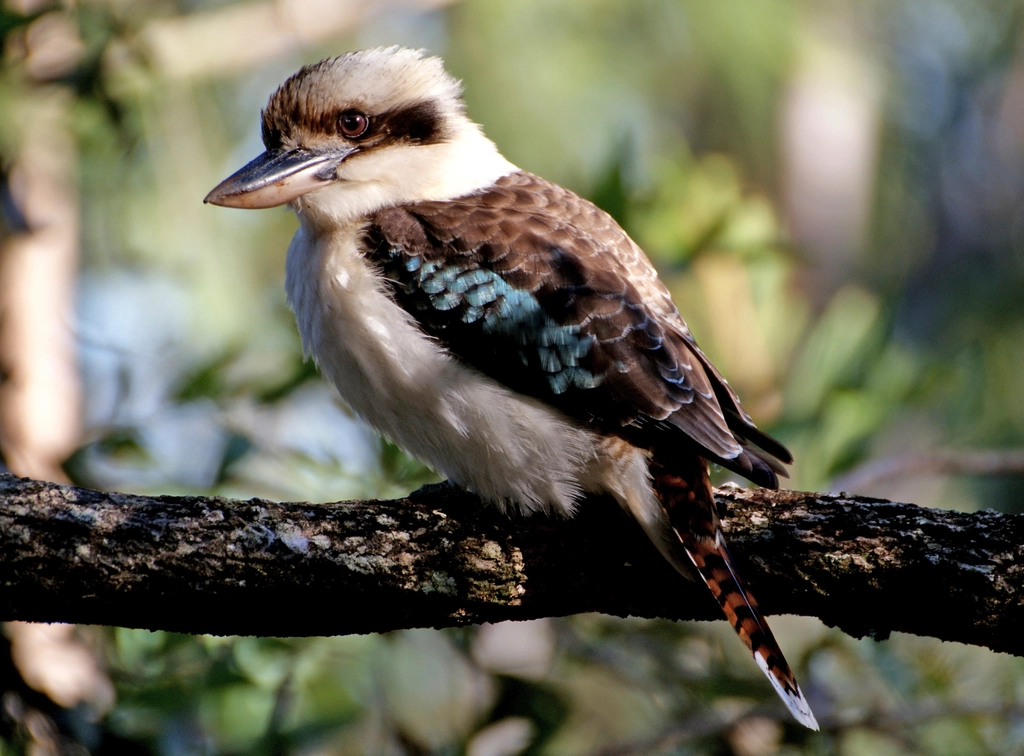 Photo Credit: Rawpixel
In the heart of Australia’s sun-drenched woodlands, the Laughing Kookaburra, known scientifically as Dacelo novaeguineae, reigns as a vibrant symbol of the bush. With its stout body stretching nearly a foot long and its striking plumage of browns and whites, this bird is hard to miss. Its most distinctive feature, however, is its raucous call, which sounds remarkably like laughter, echoing through the trees and bringing life to the serene landscape. This unique vocalization not only captivates the hearts of nature enthusiasts but also intrigues scientists who study animal communication and behavior.
Imagine a kookaburra perched on a branch, its keen eyes scanning the ground below for breakfast. As a carnivore, it feasts on a variety of prey, from insects to small reptiles, playing a crucial role in its ecosystem. The Laughing Kookaburra thrives in diverse habitats, from eucalyptus forests to suburban gardens, showcasing its adaptability. This bird is not just a pretty face; it is a keystone species, meaning its presence significantly influences the environment and the balance of life around it. Join us as we explore the fascinating world of the Laughing Kookaburra, uncovering its behaviors, diet, and the vital role it plays in the Australian bush.
The Laughing Kookaburra, a delightful bird native to Australia, holds a special place in the tree of life. Taxonomically, it belongs to the Kingdom Animalia, which includes all animals, and is classified under the Phylum Chordata, meaning it has a backbone. This bird is part of the Class Aves, which encompasses all birds, and it falls within the Order Coraciiformes, a group known for their vibrant colors and unique calls. The Kookaburra is particularly notable for its distinctive laughter-like call, which echoes through the forests and is often mistaken for the sound of a human laughing. This unique vocalization not only sets it apart from other birds but also plays a crucial role in its social interactions and territorial displays.
| Taxonomic Rank | Scientific Name | Meaning & Significance |
|---|---|---|
| Kingdom | Animalia | This name signifies that the Kookaburra is part of the vast group of multicellular organisms that are heterotrophic, meaning they consume other organisms for energy. |
| Phylum | Chordata | Chordata indicates that Kookaburras have a notochord, a flexible rod that supports their body, which is a characteristic of all vertebrates. |
| Class | Aves | Aves is the class that includes all birds, highlighting the Kookaburra’s feathers, beak, and ability to fly, which are key features of this group. |
| Order | Coraciiformes | This order includes birds like kingfishers and bee-eaters, known for their colorful plumage and unique behaviors, such as the Kookaburra’s distinctive call. |
| Family | Alcedinidae | Alcedinidae refers to the kingfisher family, emphasizing the Kookaburra’s hunting skills and its diet, which includes small animals and insects. |
| Genus | Dacelo | Dacelo is derived from a word meaning “to laugh,” directly linking to the Kookaburra’s famous call that sounds like laughter. |
The classification of the Laughing Kookaburra reveals much about its evolutionary journey. As a member of the Coraciiformes order, it shares a lineage with other colorful and vocal birds, suggesting a common ancestor that thrived in diverse environments. Its unique adaptations, such as its powerful beak and social behavior, have evolved to suit its habitat in the Australian bush. Understanding its taxonomic position not only highlights its biological traits but also connects it to the rich tapestry of life on Earth, showcasing how species adapt and thrive in their environments over time.
The Laughing Kookaburra, a symbol of the Australian bush, has a rich evolutionary history that stretches back millions of years. This bird is part of the Alcedinidae family, which includes kingfishers and their relatives. The kookaburra’s ancestors began to diverge from other birds around 30 million years ago, during a time when Australia was becoming more isolated from other landmasses. This isolation allowed for unique adaptations to develop, shaping the kookaburra into the iconic bird we know today.
The evolutionary journey of the Laughing Kookaburra is marked by significant transitions. Its ancestors were likely small, insect-eating birds that thrived in the lush forests of ancient Australia. Over time, as the environment changed and open woodlands emerged, these birds adapted to a more varied diet. They developed stronger beaks, allowing them to catch not just insects but also small reptiles and mammals. This shift in diet was crucial for survival, especially during periods of drought when food sources became scarce.
These adaptations have played a vital role in the kookaburra’s success as a species. The strong beak allows it to exploit various food sources, while its vocalizations help maintain social bonds and defend its territory. By working together in groups, kookaburras can efficiently hunt and raise their young, ensuring their survival in the diverse and sometimes challenging Australian landscape. This combination of traits has made the Laughing Kookaburra not just a survivor, but a beloved icon of the wild.
The Laughing Kookaburra is a striking bird that captures attention with its robust body and vibrant plumage. This avian marvel boasts a stout, rounded form that can reach up to a foot in length. Its large head is crowned with a broad, flat bill, perfect for catching prey. The kookaburra’s striking appearance is complemented by its strong legs and sturdy feet, which are designed for perching and hunting. With a wingspan that can stretch nearly three feet, this bird is not just a pretty sight; it’s built for both agility and power in flight.
| Feature | Description |
|---|---|
| Weight | 13oz-16oz (0.8lb-1lb) |
| Skin Type | Feathers |
| Most Distinctive Feature | Laugh-like sound |
The combination of these features makes the Laughing Kookaburra a master of its environment. Its lightweight body allows for agile movements through the trees, while its powerful bill is essential for cracking open tough insects and small animals. The feathers not only provide insulation but also help in camouflage among the branches, making it easier to surprise unsuspecting prey. Most notably, its laugh-like call serves as a territorial marker, echoing through the bush and establishing its presence. Together, these characteristics create a bird that is not only visually captivating but also perfectly adapted to thrive in its natural habitat.
The Laughing Kookaburra thrives in a variety of habitats that paint a vivid picture of the Australian landscape. Imagine sun-drenched woodlands filled with tall eucalyptus trees, their leaves rustling gently in the breeze. These birds also enjoy the lush surroundings of wetlands, where the air is rich with the sounds of chirping insects and the gentle lapping of water. The kookaburra’s home is a blend of open spaces and dense foliage, providing both shelter and hunting grounds.
To flourish in these environments, the Laughing Kookaburra prefers a climate that is warm and temperate. It enjoys sunny days and mild nights, which are perfect for its active lifestyle. The bird is often found in areas where rainfall is moderate, supporting the growth of trees and shrubs that provide food and nesting sites. These conditions help create a thriving ecosystem, where the kookaburra can find plenty of insects, small reptiles, and even small mammals to feast upon.
Over time, the Laughing Kookaburra has adapted beautifully to its surroundings. Its strong beak is perfectly designed for catching prey, while its keen eyesight allows it to spot movement from high up in the trees. The kookaburra’s distinctive call, which sounds like laughter, not only helps it communicate with others but also serves to establish its territory. By blending into the environment and utilizing its unique skills, this bird has become a beloved symbol of the Australian bush, thriving in the very habitats that define its existence.
The Laughing Kookaburra starts its day with a chorus of laughter that echoes through the Australian bush. As the sun rises, these birds awaken, stretching their wings and preparing for a day filled with activity. They spend their mornings perched on branches, scanning the ground for breakfast. Their diet mainly consists of insects, small reptiles, and even small mammals, which they hunt with impressive precision. Kookaburras are known for their unique hunting technique; they often wait patiently before swooping down to catch their prey.
Socially, Laughing Kookaburras are quite the characters. They are often found in family groups, which can include parents and their offspring. These groups work together to defend their territory, which can span several hectares. Communication is key in their social structure, and they use a variety of calls to convey messages. Their famous laughter is not just for show; it serves to establish their presence and warn other birds to stay away. Within these groups, they also engage in playful behaviors, such as chasing each other and sharing food, which strengthens their bonds.
| Behavior Type | Description |
|---|---|
| Hunting | They hunt insects, small reptiles, and mammals, often waiting patiently before swooping down to catch their prey. |
| Social Structure | They live in family groups, including parents and their young, which helps them defend their territory. |
| Communication | They use a variety of calls, including their famous laughter, to establish territory and communicate with each other. |
| Playful Behavior | They engage in playful activities, such as chasing each other, which helps strengthen social bonds within the group. |
These behaviors are not just entertaining; they are essential for survival. By hunting in groups, Laughing Kookaburras increase their chances of finding food and protecting their young. Their vocalizations help maintain their territory and keep rival birds at bay. The playful interactions within the family unit foster strong relationships, ensuring that the young learn vital skills for their future. In the wild, every laugh and every hunt contributes to the ongoing story of these captivating birds, making them a vital part of the Australian ecosystem.
The Laughing Kookaburra is a carnivore, which means it primarily eats meat. This bird has a diverse diet that includes a variety of prey, such as insects, reptiles, crustaceans, small birds, rodents, and frogs. With its keen eyesight and sharp beak, the kookaburra is an expert hunter. It often perches quietly on a branch, scanning the ground below for movement. Once it spots its target, it swoops down with impressive speed to catch its meal.
| Dietary Aspect | Details |
|---|---|
| Diet Type | Carnivore |
| Favorite Foods | Insects, reptiles, crustaceans, small birds, rodents, frogs |
| Prey Items | Grasshoppers, lizards, crabs, and small mammals |
| Hunting/Foraging Strategies | Perches quietly to spot prey, then swoops down to catch it |
The diet of the Laughing Kookaburra plays a crucial role in its daily life and the ecosystem it inhabits. By controlling the populations of insects and small animals, these birds help maintain a balance in their environment. Their hunting skills not only provide them with food but also contribute to the health of the bushland, making them an essential part of the Australian landscape. As they laugh and call to one another, they remind us of the vibrant life that thrives in the wild.
The mating behavior of the Laughing Kookaburra is as lively as its famous call. These birds typically breed during the warmer months, from August to January, when food is plentiful and the weather is just right. Males and females engage in elaborate courtship displays, which include synchronized calls and playful aerial acrobatics. Once a pair has formed a bond, they will establish a territory together, ensuring they have a safe space to raise their young.
| Reproductive Aspect | Details |
|---|---|
| Gestation Period | Approximately 24 days |
| Litter Size | 2 to 4 eggs |
| Age of Maturity | About 1 year |
| Name of Young | Chick |
Once the eggs hatch, both parents take an active role in caring for their chicks. The young kookaburras are born helpless and rely entirely on their parents for food and protection. As they grow, they begin to develop their distinctive features, including their striking beaks and beautiful plumage. The parents continue to feed and teach their young until they are ready to leave the nest, usually around 4 to 5 weeks after hatching. Even after fledging, the young kookaburras often stay with their parents for several months, learning essential skills for survival in the wild. This nurturing environment helps them transition smoothly into adulthood, ensuring they are well-prepared for life in the vibrant Australian bush.
The Laughing Kookaburra occupies a vital role in the food web of Australia, acting as both a predator and prey. As a carnivore, it helps control populations of insects and small animals, contributing to the balance of its ecosystem. However, this charming bird faces several dangers that threaten its survival, primarily stemming from human activities and natural predators.
To defend itself against these threats, the Laughing Kookaburra employs a variety of survival strategies. It often nests in tree hollows, providing a safe haven from predators. Additionally, its loud, distinctive call serves as both a warning to other kookaburras and a way to establish territory. By being vigilant and using its keen eyesight, this bird can spot potential dangers from afar, allowing it to take flight or hide when necessary. These behaviors help ensure that the Laughing Kookaburra continues to thrive in its natural habitat.
A keystone species is an organism that plays a crucial role in maintaining the structure of its ecosystem. Its presence and activities significantly influence the environment and the other species living there. The Laughing Kookaburra qualifies as a keystone species in its habitat, particularly in the woodlands and wetlands of Australia. By controlling populations of various prey and contributing to the balance of the ecosystem, this bird helps ensure that its environment remains healthy and vibrant.
The Laughing Kookaburra is a skilled predator, primarily feeding on insects, small reptiles, and even small mammals. By keeping these populations in check, it prevents any one species from becoming too dominant, which could lead to imbalances in the ecosystem. For example, if insect populations were to explode without the kookaburra’s predation, it could result in overgrazing of plants, affecting the entire food web. Additionally, the kookaburra’s hunting behavior can create opportunities for other species. When it catches prey, it often leaves scraps behind, which can be scavenged by other animals, thus supporting a wider range of wildlife.
Moreover, the kookaburra’s presence can influence the behavior of other species. Its loud, distinctive call serves as a warning to other animals, alerting them to potential dangers nearby. This vocalization not only helps the kookaburra communicate with its own kind but also plays a role in the social dynamics of the ecosystem. Birds and mammals alike may adjust their activities based on the kookaburra’s calls, demonstrating its impact on the community.
If the Laughing Kookaburra were to disappear, the effects would ripple through its ecosystem. Without this bird to manage insect and small animal populations, these species could grow unchecked, leading to overgrazing and a decline in plant life. This, in turn, would affect other animals that rely on those plants for food and shelter. The loss of the kookaburra would not only disrupt the balance of its immediate environment but could also lead to a decline in biodiversity, making the ecosystem less resilient to changes and challenges. The laughter of the kookaburra is not just a delightful sound; it is a vital part of the symphony of life in the Australian bush.
The Laughing Kookaburra occupies a vital ecological niche in its native Australian habitat. This charismatic bird is not just known for its iconic call, which sounds like laughter, but also for its role as a predator in woodlands and wetlands. By hunting a variety of prey, including insects and small mammals, the kookaburra helps maintain the balance of its ecosystem. Its presence ensures that populations of these animals do not grow too large, which could lead to overgrazing and other ecological imbalances.
| Ecosystem Service | Impact |
|---|---|
| Population Control | Regulates the numbers of insects and small mammals, preventing overpopulation. |
| Food Source | Serves as prey for larger birds and mammals, contributing to the food web. |
| Seed Dispersal | Helps in the dispersal of seeds through its droppings, promoting plant growth. |
| Habitat Maintenance | Encourages biodiversity by creating a balanced environment for various species. |
The Laughing Kookaburra’s influence extends beyond its immediate hunting habits. For instance, by preying on insects, it helps control pest populations that could otherwise damage vegetation. This is particularly important in woodlands, where healthy plant life supports a myriad of other species. Additionally, kookaburras often hunt in pairs or family groups, which not only enhances their hunting success but also fosters social bonds that are crucial for their survival. Their interactions with other species, including their role in the food web, highlight their importance in maintaining ecological balance.
In a broader sense, the Laughing Kookaburra is a keystone species, meaning its presence is essential for the health of its ecosystem. By regulating prey populations and contributing to the food web, it supports a diverse range of life forms. The kookaburra’s activities promote a vibrant and balanced environment, showcasing the interconnectedness of all living things. As we marvel at this bird’s laughter echoing through the bush, we are reminded of the intricate roles each species plays in the tapestry of nature.
In the intricate web of life, symbiosis plays a vital role in shaping ecosystems. This term refers to the close interactions between different species, which can be beneficial, harmful, or neutral. These relationships can take many forms, such as mutualism, where both species gain advantages, parasitism, where one benefits at the other’s expense, and commensalism, where one species benefits while the other is neither helped nor harmed. The Laughing Kookaburra, with its vibrant personality and distinctive call, engages in various ecological partnerships that highlight the interconnectedness of life in its Australian habitat.
| Species/Type | Relationship Type | Description |
|---|---|---|
| Termites | Mutualistic | The Laughing Kookaburra often feeds on termites, helping to control their population while benefiting from a reliable food source. |
| Other Birds | Commensal | Sometimes, kookaburras will follow flocks of other birds, such as magpies, to take advantage of the insects disturbed by their movements. |
| Parasitic Wasps | Parasitic | While not directly related, kookaburras can fall prey to parasitic wasps that lay eggs in their nests, affecting their reproductive success. |
These relationships have evolved over time, shaped by the needs and behaviors of the species involved. The Laughing Kookaburra’s interactions with termites and other birds illustrate how cooperation and opportunism can coexist in nature. By preying on termites, kookaburras help maintain a balance in their ecosystem, while their association with other birds allows them to thrive in a competitive environment. Understanding these connections not only enriches our appreciation of the kookaburra but also highlights the delicate balance of life in the wild.
The Laughing Kookaburra is not just famous for its distinctive call; it is a bird full of surprises that can captivate anyone interested in nature. Here are some intriguing facts that showcase the kookaburra’s unique traits and behaviors.
The Laughing Kookaburra has long been a cherished figure in Australian culture, often associated with the spirit of the bush. Indigenous Australians have revered this bird for centuries, weaving it into their stories and traditions. Its iconic call, which sounds like laughter, has inspired songs and folklore, symbolizing joy and the vibrant life of the outback. Early European settlers also took notice, finding comfort in its familiar sounds as they adapted to the new land. This bird has become a cultural icon, representing not just the wild beauty of Australia, but also the connection between nature and humanity.
Today, the relationship between Laughing Kookaburras and people is multifaceted. While many Australians enjoy watching these birds in their backyards, there are challenges as well. Urbanization and habitat loss threaten their natural environments, leading to conflicts with humans. Some people may see kookaburras as pests, especially when they raid backyard chicken coops or gardens. However, conservation efforts are underway to protect their habitats and educate the public about their ecological importance. Interestingly, kookaburras have also adapted to urban life, often seen perched on fences or power lines, showcasing their resilience.
As we look to the future, the relationship between Laughing Kookaburras and humanity holds promise. With increased awareness of environmental issues, more people are recognizing the importance of preserving natural habitats. By fostering coexistence and understanding, we can ensure that these delightful birds continue to thrive alongside us. The laughter of the kookaburra may just be the reminder we need to cherish the wild wonders of our world.
The Laughing Kookaburra is currently classified as “Least Concern” by the International Union for Conservation of Nature (IUCN). This means that, at present, the species is not facing any immediate threat of extinction. While specific population estimates are unknown, the Laughing Kookaburra is widely distributed across Australia, and its numbers appear to be stable. This delightful bird continues to thrive in its natural habitat, bringing joy to those who hear its iconic laughter echoing through the trees.
| Conservation Factor | Status/Details |
|---|---|
| IUCN Status | Least Concern |
| Estimated Population Size | Unknown |
| Population Trend | Stable |
Despite its stable status, the Laughing Kookaburra faces several threats that could impact its future. Habitat loss is a significant concern, as urban development and agriculture can lead to the destruction of the woodlands and forests where these birds thrive. Additionally, climate change poses risks by altering their habitats and food availability. Invasive species, such as feral cats, can also threaten kookaburras by preying on their young or competing for food resources.
Conservation efforts for the Laughing Kookaburra focus on habitat preservation and restoration. By protecting their natural environments, we can help ensure that these birds continue to flourish. Community awareness and education about the importance of preserving native species and ecosystems are also vital. With ongoing efforts, the outlook for the Laughing Kookaburra remains positive, allowing future generations to enjoy the cheerful sounds of this iconic Australian bird.
| Question | Answer |
|---|---|
| What is the habitat of the Laughing Kookaburra? | Laughing Kookaburras are commonly found in woodlands and wetlands across Australia. They prefer areas with plenty of trees, which provide them with nesting sites and places to perch while they hunt. |
| What do Laughing Kookaburras eat? | These birds are carnivores, meaning they primarily eat meat. Their diet includes insects, small reptiles, and even small mammals, which they catch with their sharp beaks. |
| How do Laughing Kookaburras behave? | Laughing Kookaburras are known for their social behavior and often live in family groups. They communicate with each other using their distinctive laugh-like calls, which can be heard echoing through the forests. |
| How do Laughing Kookaburras reproduce? | During the breeding season, which typically occurs from August to January, these birds build nests in tree hollows. The female usually lays two to four eggs, and both parents help care for the chicks after they hatch. |
| What threats do Laughing Kookaburras face? | While Laughing Kookaburras are currently classified as Least Concern, they can face threats from habitat loss due to deforestation and urban development. Additionally, changes in climate can impact their food sources. |
| What is the most distinctive feature of the Laughing Kookaburra? | The most distinctive feature of the Laughing Kookaburra is its unique call, which sounds like laughter. This call is not only a way to communicate but also serves to establish territory among other kookaburras. |
| Are Laughing Kookaburras good at hunting? | Yes, Laughing Kookaburras are excellent hunters. They have keen eyesight and can spot prey from high up in the trees, swooping down to catch it with precision. |