Taxonomy & Classification
- Kingdom
- Animalia
- Phylum
- Arthropoda
- Class
- Insecta
- Order
- Hymenoptera
- Family
- Megachilidae
- Genus
- Megachile

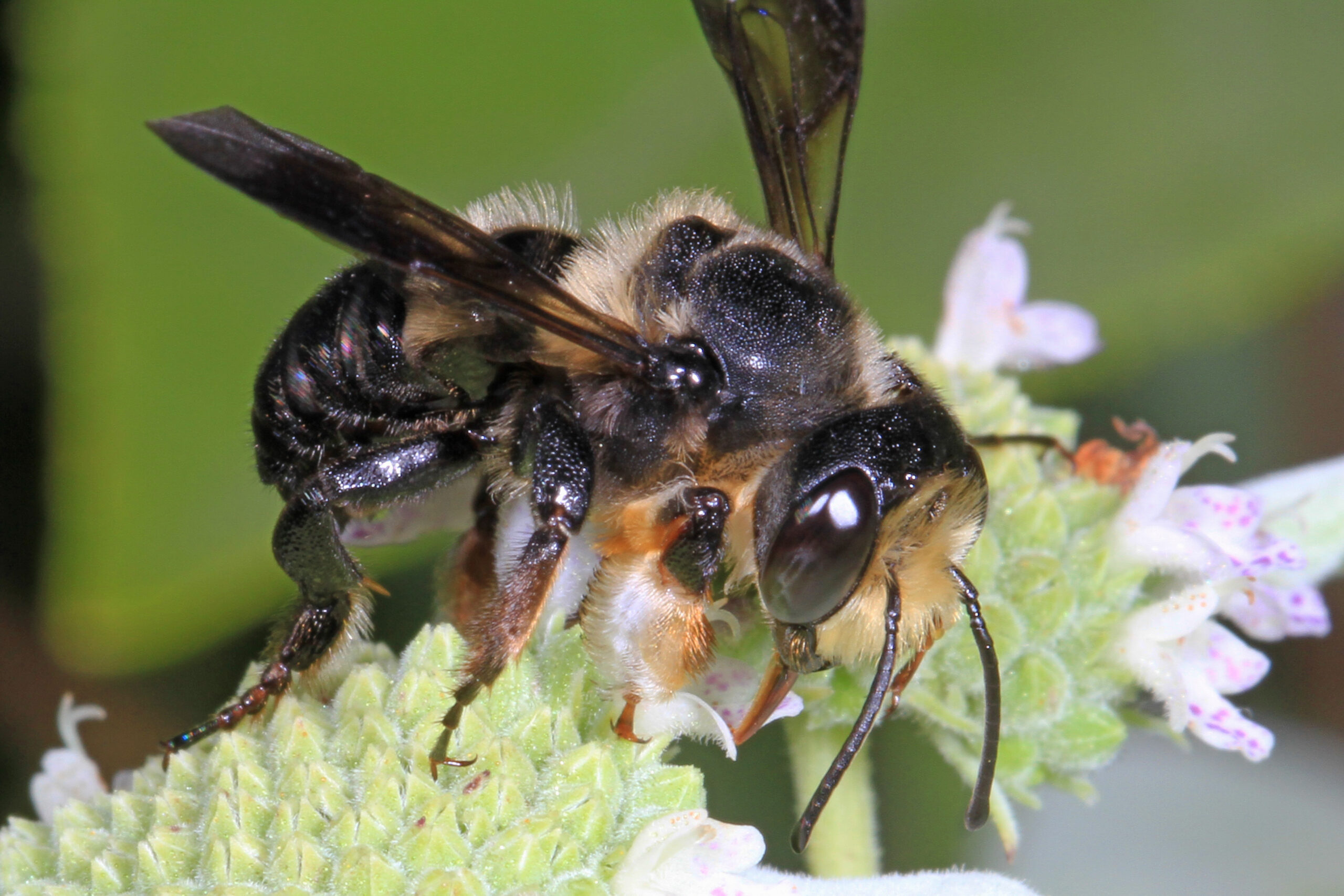 Photo Credit: Magnus Manske / Wikimedia Commons
In the sun-dappled woodlands and vibrant gardens of North America, the Leafcutter Bee, scientifically known as Megachile, flits about with a purpose that captivates both scientists and nature lovers alike. With its compact body, often weighing less than an ounce, this industrious insect is a master of efficiency, showcasing a striking blend of beauty and utility. Its most distinctive feature is its ability to cut precise circles from leaves, a behavior that not only sets it apart from other bees but also plays a crucial role in its life cycle. As it gathers these leafy pieces, the Leafcutter Bee is not just building a nest; it is also contributing to the health of the ecosystem by pollinating flowers along the way.
Imagine a warm afternoon where the air buzzes with activity, and the Leafcutter Bee dances from bloom to bloom, collecting nectar and pollen. This tiny architect is a vital player in the intricate web of life, acting as a gardener of sorts. By pollinating flowering plants, it helps them reproduce, ensuring that the cycle of life continues. The Leafcutter Bee’s unique behaviors and adaptations make it a fascinating subject of study, revealing the delicate balance of nature and the essential roles that even the smallest creatures play in our world. As we explore the life of the Leafcutter Bee, we will uncover the secrets of its habitat, diet, and the remarkable relationships it forms within its ecosystem.
The Leafcutter Bee, belonging to the genus Megachile, occupies a fascinating niche in the tree of life. This industrious insect is part of the family Megachilidae, which includes bees known for their unique behavior of cutting leaves and petals to create nests. Unlike many other bees, Leafcutter Bees are solitary, meaning they do not live in hives. Instead, they build individual nests, often in pre-existing cavities, showcasing a remarkable adaptation to their environment. Their role as pollinators is vital, helping to fertilize plants and contribute to the health of ecosystems.
| Taxonomic Rank | Scientific Name | Meaning & Significance |
|---|---|---|
| Kingdom | Animalia | This name signifies that Leafcutter Bees are part of the animal kingdom, which includes all multicellular organisms that are not plants, fungi, or bacteria. |
| Phylum | Arthropoda | Arthropoda means “jointed legs,” highlighting the characteristic jointed appendages of insects, spiders, and crustaceans. |
| Class | Insecta | Insecta refers to insects, which are defined by their three-part bodies, compound eyes, and usually two pairs of wings. |
| Order | Hymenoptera | Hymenoptera translates to “membranous wings,” a nod to the thin, transparent wings that many bees and wasps possess. |
| Family | Megachilidae | This family name means “large-lipped,” referring to the distinctive structure of the bees’ mouthparts, which are adapted for collecting pollen. |
| Genus | Megachile | Megachile combines “mega,” meaning large, and “chile,” meaning lip, again pointing to the bees’ specialized mouthparts for leaf-cutting. |
Understanding the Leafcutter Bee’s classification reveals much about its evolutionary journey. As part of the Hymenoptera order, these bees share a lineage with wasps and ants, showcasing a long history of adaptation and survival. Their unique behaviors, such as leaf-cutting and solitary nesting, highlight their evolutionary strategies to thrive in diverse environments. This classification not only emphasizes their role in pollination but also illustrates the intricate connections within ecosystems, where each species plays a crucial part in maintaining balance and biodiversity.
The evolutionary journey of the Leafcutter Bee, part of the genus Megachile, stretches back millions of years, intertwining with the development of flowering plants. These bees emerged during the Cretaceous period, around 100 million years ago, a time when the first flowering plants began to flourish. As these plants evolved, so did the Leafcutter Bees, adapting to their environment and forming a symbiotic relationship that would shape their survival.
Ancestral forms of Leafcutter Bees were likely similar to other early bees, which were primarily solitary and focused on foraging for nectar and pollen. Over time, these bees developed specialized behaviors and physical traits that allowed them to thrive in diverse habitats. One major transition was the shift from simple nesting habits to the creation of intricate nests made from cut leaves. This innovation not only provided better protection for their young but also allowed them to store food more efficiently. As flowering plants diversified, Leafcutter Bees adapted their foraging strategies, becoming adept at recognizing and utilizing specific plant species for their nesting materials and food sources.
The adaptations of Leafcutter Bees have been instrumental in their survival and success. By mastering the art of leaf-cutting, they not only create safe havens for their offspring but also contribute significantly to the health of ecosystems through pollination. Their ability to work together and efficiently gather resources ensures that they can thrive in a variety of environments, making them a vital part of the natural world. As they continue to evolve alongside flowering plants, Leafcutter Bees remain a testament to the intricate connections within nature.
The Leafcutter Bee presents a captivating sight, embodying both beauty and utility in its design. With a compact body that typically weighs less than an ounce, this bee is a master of efficiency. Its exoskeleton, a hard outer shell that protects its delicate insides, glistens in shades of black and brown, often adorned with fine hairs that help it collect pollen. The Leafcutter Bee’s most striking feature is its specialized mouthparts, which are perfectly adapted for cutting leaves. This ability not only sets it apart from other bees but also plays a crucial role in its life cycle.
| Feature | Description |
|---|---|
| Size | Compact, typically weighing less than 1 ounce |
| Color | Shades of black and brown, often with fine hairs |
| Skin Type | Exoskeleton, providing protection and support |
| Distinctive Feature | Ability to cut leaves for nesting material |
The combination of its lightweight body and sturdy exoskeleton allows the Leafcutter Bee to navigate through various environments with agility. Its ability to cut leaves not only provides essential materials for building nests but also showcases its role in the ecosystem as a pollinator. By collecting pollen while foraging, these bees contribute to the health of flowering plants, ensuring the continuation of the very habitats they rely on. Each feature of the Leafcutter Bee works in harmony, making it a vital player in the intricate web of life.
The Leafcutter Bee thrives in a variety of habitats that are rich in flowering plants. Picture sun-drenched woodlands where dappled light filters through the leaves, or expansive savannahs dotted with colorful blooms. These bees also make their homes in lush meadows and vibrant alfalfa fields, where they can easily find the nectar and pollen they need to survive. Their habitats are often alive with the sounds of nature, creating a perfect backdrop for these busy pollinators.
The Leafcutter Bee prefers climates that offer a mix of warmth and moisture. They are often found in areas where temperatures are mild to warm, as these conditions support the growth of the flowering plants they rely on. These bees are particularly active during the spring and summer months when flowers are in full bloom. They thrive in environments that provide a steady supply of nectar and pollen, which are essential for their diet and for raising their young.
Adaptation is key to the Leafcutter Bee’s success in these diverse habitats. They have developed a remarkable ability to cut leaves and petals from plants, which they use to construct their nests. This behavior not only helps them create safe spaces for their larvae but also ensures they have a reliable food source. By choosing specific plants that thrive in their environment, Leafcutter Bees have become expert foragers, making them vital players in the ecosystems they inhabit. Their unique nesting habits and foraging strategies allow them to flourish in a variety of settings, showcasing nature’s incredible adaptability.
The Leafcutter Bee leads a busy life filled with purposeful activities from dawn until dusk. As a diurnal insect, it rises with the sun, buzzing energetically from flower to flower. Its day is primarily spent foraging for nectar and pollen, which are essential for feeding itself and its young. This industrious bee is known for its unique habit of cutting leaves and petals, which it uses to create nests. These nests are often built in small cavities, where the bee lays its eggs and provides food for the larvae. Each day is a blend of exploration, gathering, and nurturing, showcasing the bee’s commitment to its survival and the next generation.
While Leafcutter Bees are primarily solitary creatures, they exhibit interesting social behaviors during their foraging activities. They may be seen working in the same area, but they do not form colonies like honeybees. Instead, each female is responsible for her own nest and offspring. Communication among these bees is subtle, often involving pheromones—chemical signals that convey information about food sources or nesting sites. This solitary lifestyle allows them to maintain independence while still benefiting from the presence of others in their environment.
| Behavior Type | Description |
|---|---|
| Foraging | Leafcutter Bees search for nectar and pollen, visiting various flowers to gather food for themselves and their larvae. |
| Nest Building | They cut leaves and petals to create nests, which serve as protective chambers for their eggs and food supplies. |
| Solitary Living | Each female bee operates independently, building her own nest and caring for her young without a colony structure. |
| Communication | They use pheromones to share information about food sources and nesting opportunities, facilitating interactions with other bees. |
The behaviors of Leafcutter Bees are finely tuned to ensure their survival in a world filled with challenges. By foraging efficiently and building nests with care, they provide for their young and contribute to the ecosystem. Their solitary nature allows them to adapt quickly to changing environments, while their communication methods help them navigate the landscape of flowers and resources. Each day, as they buzz through their routines, these bees play a vital role in pollination, supporting the growth of plants and the health of their habitats.
The Leafcutter Bee primarily feeds on nectar and pollen, making it an herbivore. These industrious insects are known for their unique foraging behavior, where they collect pieces of leaves to create nests. While they don’t eat the leaves themselves, they use them to line their nests, which helps protect their young. The nectar provides essential sugars for energy, while pollen is packed with proteins and fats, crucial for the growth of their larvae.
| Dietary Aspect | Details |
|---|---|
| Diet Type | Herbivore |
| Favorite Foods | Nectar and pollen from various flowering plants |
| Prey Items | None, as they do not consume other animals |
| Hunting/Foraging Strategies | Forages for nectar and pollen, collects leaf pieces for nesting |
This diet not only sustains the Leafcutter Bee but also plays a vital role in the ecosystem. By pollinating flowers while they gather food, these bees help plants reproduce, which in turn supports a wide range of wildlife. Their daily routine is a dance of energy and purpose, as they flit from bloom to bloom, ensuring that both their own species and the plants they depend on thrive together in harmony.
The Leafcutter Bee has a fascinating mating ritual that takes place during the warmer months, typically in spring and summer. Males often engage in aerial displays to attract females, showcasing their agility and strength. Once a female selects a mate, the pair will mate, and the female will begin her important task of laying eggs. This breeding season is crucial for the continuation of their species, as it aligns with the blooming of flowers, ensuring that food sources are abundant for the young.
| Reproductive Aspect | Details |
|---|---|
| Gestation Period | Eggs hatch within a few days |
| Litter Size | Typically 1 egg per nest |
| Age of Maturity | 1-3 days post emergence |
| Name of Young | Larvae |
After the eggs hatch, the young Leafcutter Bees, known as larvae, begin their development inside the cozy nests that their mothers have prepared. These nests are often made from cut leaves, providing a safe and nutritious environment. The larvae feed on the pollen and nectar stored by the mother, growing rapidly until they are ready to pupate. This transformation is a critical stage, as they will eventually emerge as adult bees, ready to take on the world and continue the cycle of life. The care provided by the mother ensures that the next generation is well-equipped to thrive in their vibrant ecosystems.
The Leafcutter Bee plays a vital role in the ecosystem, acting as a pollinator for many flowering plants. This means that as it collects nectar and pollen, it helps plants reproduce, which is essential for food production and maintaining biodiversity. However, despite its importance, the Leafcutter Bee faces several dangers that threaten its survival.
To defend itself against these threats, the Leafcutter Bee has developed several survival strategies. For instance, it often nests in hidden locations, such as in hollow stems or underground, to avoid predators. Additionally, these bees are known to be quite agile, allowing them to evade larger animals. When faced with danger, they can quickly dart away, using their speed to escape. By adapting to their environment and employing clever tactics, Leafcutter Bees continue to thrive despite the challenges they encounter.
A keystone species is an organism that has a disproportionately large impact on its environment relative to its abundance. In other words, if it were removed, the ecosystem would change dramatically. The Leafcutter Bee, belonging to the genus Megachile, qualifies as a keystone species due to its essential role in pollination and plant reproduction. By facilitating the growth of various flowering plants, these bees help maintain the balance of their ecosystems.
Leafcutter Bees are remarkable pollinators, visiting a wide range of flowering plants in their habitats, which include woodlands, savannahs, and meadows. As they collect nectar and pollen, they inadvertently transfer pollen from one flower to another, allowing plants to reproduce. This process is vital for the survival of many plant species, which in turn provide food and shelter for countless other organisms. For example, the Leafcutter Bee’s activity supports the growth of alfalfa, a crucial crop for livestock feed, thereby influencing agricultural systems and food chains.
Moreover, these bees contribute to the health of their ecosystems by promoting biodiversity. When Leafcutter Bees pollinate a variety of plants, they help create a rich tapestry of flora. This diversity is essential for the resilience of ecosystems, allowing them to withstand changes and disturbances. Additionally, the leaf-cutting behavior of these bees, where they gather pieces of leaves to build their nests, can also aid in the decomposition process, enriching the soil and supporting plant growth.
If Leafcutter Bees were to disappear, the consequences would be significant. Many plants that rely on these bees for pollination would struggle to reproduce, leading to declines in their populations. This, in turn, would affect the animals that depend on those plants for food and habitat. The loss of these bees could create a ripple effect throughout the ecosystem, reducing biodiversity and destabilizing food webs. Ultimately, the absence of Leafcutter Bees would not only impact the plants they pollinate but also the entire community of life that relies on those plants for survival.
The Leafcutter Bee plays a vital role in shaping its ecosystem, acting as a key player in the intricate web of life. This small but mighty insect is not just a pollinator; it is a gardener of sorts, helping to maintain the health and diversity of the environments it inhabits. By collecting nectar and pollen from various flowering plants, the Leafcutter Bee ensures that these plants can reproduce, which in turn supports a wide range of other species. Its activities create a ripple effect, influencing everything from plant growth to the availability of food for other animals.
| Ecosystem Service | Impact |
|---|---|
| Pollination | Facilitates the reproduction of flowering plants, leading to increased plant diversity. |
| Soil Health | Promotes healthy soil through the decomposition of plant materials, enhancing nutrient cycling. |
| Food Source | Provides food for various predators, including birds and other insects, supporting the food web. |
| Habitat Creation | Helps create habitats for other species by promoting plant growth, which offers shelter and resources. |
The influence of the Leafcutter Bee can be seen in many specific examples. For instance, in woodlands and meadows, these bees are crucial for pollinating wildflowers, which not only beautify the landscape but also provide food for other wildlife. In agricultural settings, such as alfalfa fields, Leafcutter Bees enhance crop yields by ensuring that plants are effectively pollinated. This is especially important for farmers who rely on these crops for livestock feed. Their leaf-cutting behavior also contributes to the health of the ecosystem by creating nesting materials that can enrich the soil as they decompose.
The broader ecological importance of the Leafcutter Bee cannot be overstated. As a keystone species, its presence is essential for maintaining the balance of its ecosystem. If Leafcutter Bees were to disappear, the consequences would be significant, leading to declines in plant populations and, consequently, the animals that depend on those plants for food and shelter. By supporting plant diversity and contributing to soil health, these bees help sustain the ecosystems they inhabit, making them indispensable allies in the fight for a thriving natural world.
In the intricate tapestry of nature, symbiosis refers to the close and often long-term interactions between different species. These relationships can take many forms, including mutualism, where both species benefit, parasitism, where one benefits at the expense of the other, and commensalism, where one benefits while the other is neither helped nor harmed. The Leafcutter Bee, known for its unique leaf-cutting behavior, engages in various ecological partnerships that highlight the interconnectedness of life.
| Species/Type | Relationship Type | Description |
|---|---|---|
| Flowering Plants | Mutualistic | Leafcutter Bees pollinate flowers while collecting nectar and pollen, aiding in plant reproduction. |
| Fungi (specifically, mycorrhizal fungi) | Mutualistic | Leafcutter Bees cultivate fungi in their nests, which serve as a food source for their larvae, while the fungi benefit from the organic material provided by the bees. |
| Predatory Wasps | Parasitic | Some wasps lay their eggs in Leafcutter Bee nests, where their larvae consume the bee larvae, benefiting at the bees’ expense. |
The evolution of these relationships showcases the dynamic nature of ecosystems. Over time, Leafcutter Bees have adapted to not only thrive in their environments but also to foster connections that enhance their survival. By pollinating flowering plants, they ensure a steady food supply for themselves and their young, while the plants benefit from increased reproduction. Meanwhile, the relationship with fungi illustrates a clever strategy for nurturing their offspring. However, the presence of predatory wasps reminds us that nature is a balance of cooperation and competition. These interactions highlight the complexity of life and the importance of each species in maintaining the health of their ecosystems.
The Leafcutter Bee is a small but extraordinary insect that plays a crucial role in our ecosystems. With its unique behaviors and adaptations, this bee is more than just a pollinator; it’s a master craftsman of the natural world.
The relationship between Leafcutter Bees and humanity has deep historical roots, stretching back to ancient times. These industrious insects have been admired for their remarkable ability to pollinate plants, which has made them significant in various cultures. In many regions, people have recognized the importance of these bees in agriculture, as they help produce fruits and vegetables. Some indigenous communities even incorporate Leafcutter Bees into their folklore, celebrating their role in the natural world. This cultural significance highlights how intertwined our lives have been with these tiny pollinators throughout history.
Today, our interactions with Leafcutter Bees are more complex. As urbanization and agricultural practices expand, these bees face challenges that threaten their populations. Conservation efforts are underway to protect their habitats and promote biodiversity. However, conflicts can arise when agricultural practices disrupt their nesting sites or when pesticides are used, harming these essential pollinators. Interestingly, some farmers have begun to domesticate Leafcutter Bees, utilizing their pollination skills to enhance crop yields. This shift reflects a growing understanding of the need to coexist with these remarkable insects rather than simply viewing them as pests.
Looking ahead, the future of our relationship with Leafcutter Bees holds promise and challenges. As awareness of their ecological importance grows, more people are likely to advocate for their protection. By fostering environments where these bees can thrive, we can ensure that they continue to play their vital role in pollination and ecosystem health. Embracing sustainable practices and supporting conservation efforts will be key to nurturing this relationship, allowing both humans and Leafcutter Bees to flourish together in harmony.
The Leafcutter Bee, a vital pollinator in many ecosystems, currently does not have a specific conservation status listed by the International Union for Conservation of Nature (IUCN). This means that while it is not considered endangered or threatened at this time, there is still much we do not know about its population trends. The estimated population size remains undetermined, which highlights the need for further research to understand how these bees are faring in their natural habitats.
| Conservation Factor | Status/Details |
|---|---|
| IUCN Status | Not Listed |
| Estimated Population Size | Undetermined |
| Population Trend | Unknown |
Despite their importance, Leafcutter Bees face several threats that could impact their populations. Habitat loss is a significant concern, as urban development and agricultural expansion reduce the availability of flowering plants they rely on for food. Pesticides, chemicals used to control pests in farming, can also harm these bees, disrupting their foraging and reproductive behaviors. Climate change adds another layer of complexity, altering the environments in which these bees thrive and potentially affecting their life cycles.
Conservation efforts for Leafcutter Bees are still in the early stages, but awareness is growing about their ecological importance. Initiatives to protect their habitats, such as creating pollinator-friendly gardens and reducing pesticide use, can help support their populations. By fostering environments rich in native plants, we can ensure that these industrious bees continue to thrive. The outlook for Leafcutter Bees depends on our collective actions to safeguard their habitats and promote biodiversity, reminding us that every small effort counts in the grand tapestry of nature.
| Question | Answer |
|---|---|
| What is the habitat of Leafcutter Bees? | Leafcutter Bees thrive in a variety of environments, including woodlands, savannahs, meadows, and even alfalfa fields. They prefer areas with plenty of flowering plants, as these provide the food they need to survive. |
| What do Leafcutter Bees eat? | Leafcutter Bees are herbivores, meaning they primarily feed on plant materials. They collect pollen and nectar from flowers, which they use to nourish their young and themselves. |
| How do Leafcutter Bees behave? | These bees are known for their unique behavior of cutting leaves to create nests. They are solitary creatures, meaning they do not live in large colonies like honeybees, and they often work alone to gather materials for their homes. |
| How do Leafcutter Bees reproduce? | Leafcutter Bees mate in the spring, and the female lays her eggs in the nests she has built. She provides each egg with a supply of pollen and nectar, ensuring that the larvae have enough food when they hatch. |
| What threats do Leafcutter Bees face? | Leafcutter Bees are not currently listed as endangered, but they do face threats from habitat loss and pesticide use. These factors can reduce their food sources and nesting sites, making it harder for them to survive. |
| What is an interesting characteristic of Leafcutter Bees? | One of the most distinctive features of Leafcutter Bees is their ability to cut leaves. They use these leaf pieces to line their nests, which helps protect their eggs and larvae from predators and the elements. |
| How do Leafcutter Bees contribute to the ecosystem? | Leafcutter Bees play a vital role in pollination, helping plants reproduce by transferring pollen from one flower to another. This not only supports plant diversity but also benefits other animals that rely on these plants for food. |