Taxonomy & Classification
- Kingdom
- Animalia
- Phylum
- Chordata
- Class
- Mammalia
- Order
- Carnivora
- Family
- Canidae
- Genus
- Canis
- Species
- Canis lupus

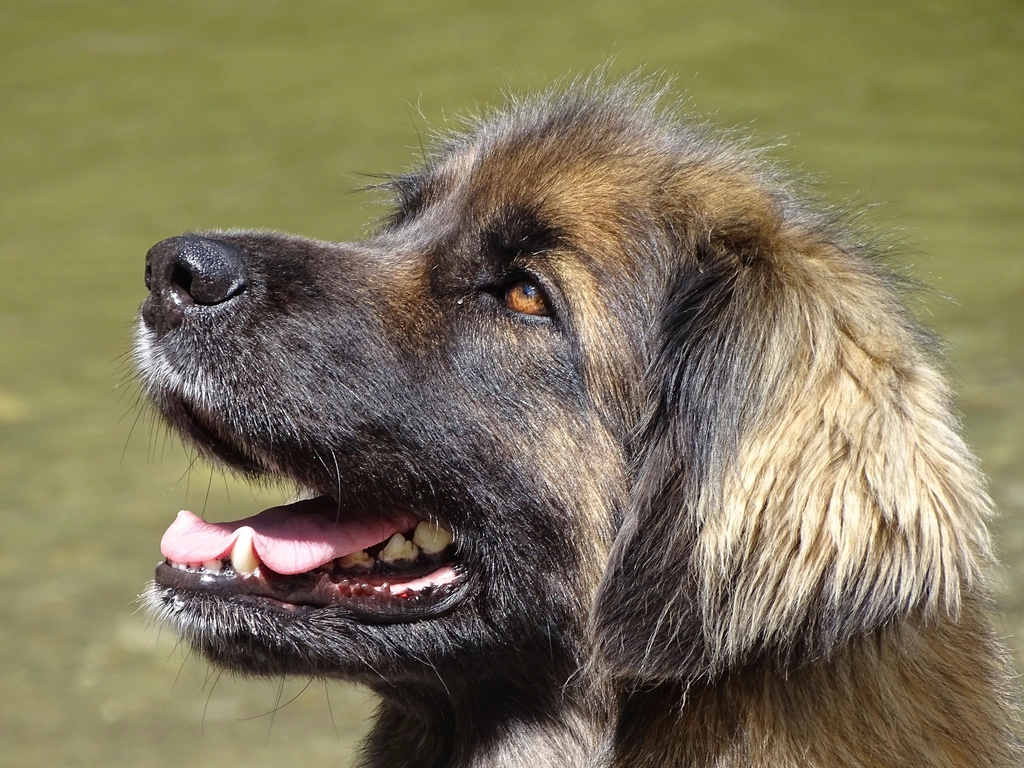 Photo Credit: Rawpixel
In the heart of Germany, where rolling hills meet lush meadows, the Leonberger (Canis lupus familiaris) stands as a majestic symbol of strength and gentleness. This large breed, often described as a gentle giant, boasts a robust frame that can weigh between 90 to 170 pounds. With its thick, water-resistant coat that shimmers in shades of gold and brown, the Leonberger is not just a sight to behold; it is a living testament to the bond between humans and dogs. Its friendly demeanor and playful spirit make it a beloved companion, while its impressive size and noble appearance capture the attention of dog lovers and scientists alike.
What makes the Leonberger particularly intriguing is its rich history and the unique role it plays in our lives. Developed in the 19th century, this breed was created by crossing several types of dogs, resulting in a canine that is both loyal and versatile. As a breed that thrives in open spaces, the Leonberger enjoys exploring its surroundings, often seen bounding through fields with a joyful energy that belies its size. This combination of playfulness and calmness, along with its ability to adapt to various environments, makes the Leonberger a fascinating subject for those who study animal behavior and domestication. Join us as we delve deeper into the world of the Leonberger, exploring its characteristics, lifestyle, and the special place it holds in our hearts.
The Leonberger is a captivating breed that sits within the intricate web of life known as the animal kingdom. Taxonomically, it belongs to the Kingdom Animalia, which includes all animals, and is classified under the Phylum Chordata, meaning it has a backbone. This majestic dog is part of the Class Mammalia, indicating it is a warm-blooded animal that nurses its young. Within the Order Carnivora, which encompasses meat-eating mammals, the Leonberger is further categorized in the Family Canidae, the group that includes wolves, foxes, and domestic dogs. Its scientific name, Canis lupus familiaris, highlights its close relationship with the gray wolf, showcasing its lineage and the traits that make it a beloved companion.
| Taxonomic Rank | Scientific Name | Meaning & Significance |
|---|---|---|
| Kingdom | Animalia | This name signifies that the Leonberger is part of the vast group of multicellular organisms that are heterotrophic, meaning they obtain their food by consuming other organisms. |
| Phylum | Chordata | Chordata refers to animals with a notochord, a flexible rod that supports the body, which in vertebrates like the Leonberger develops into a backbone. |
| Class | Mammalia | Mammalia indicates that Leonbergers are warm-blooded and possess mammary glands, allowing females to nurse their young, a key feature of this class. |
| Order | Carnivora | Carnivora means “meat-eater,” highlighting the evolutionary adaptations that have equipped the Leonberger and its relatives with sharp teeth and claws for hunting. |
| Family | Canidae | Canidae, the dog family, includes animals known for their social structures and pack behavior, traits that are evident in the Leonberger’s friendly and loyal nature. |
| Genus | Canis | Canis translates to “dog” in Latin, encompassing all domestic dogs and their wild relatives, emphasizing the Leonberger’s domesticated roots. |
| Species | Canis lupus familiaris | This name means “domesticated wolf,” reflecting the Leonberger’s ancestry and its close genetic ties to wolves, which share many behavioral traits. |
The classification of the Leonberger reveals a rich evolutionary history that connects it to both wild and domestic ancestors. As a member of the Canidae family, it shares traits with wolves, such as social behavior and loyalty, while also embodying the unique characteristics that have been cultivated through selective breeding. This blend of wild heritage and human companionship illustrates how the Leonberger has evolved to become not just a pet, but a cherished member of many families around the world. Understanding its place in the tree of life helps us appreciate the intricate relationships that exist within the animal kingdom and the shared history that binds us all.
The Leonberger, a large and gentle dog breed, has a rich evolutionary history that traces back to the 19th century in Germany. This breed was developed by crossing several types of dogs, including the Saint Bernard, Newfoundland, and various local herding breeds. The goal was to create a versatile working dog that could assist in various tasks, from guarding to companionship.
The ancestors of the Leonberger were not just bred for looks; they were selected for their strength, intelligence, and temperament. The Saint Bernard contributed to their size and gentle nature, while the Newfoundland added a love for water and a thick, water-resistant coat. Over time, these dogs adapted to the needs of their human companions, becoming not only reliable workers but also beloved family members.
These adaptations have played a crucial role in the Leonberger’s survival and popularity. Their size and strength make them formidable guardians, while their gentle nature ensures they are cherished family members. The combination of a water-resistant coat and intelligence allows them to thrive in various environments, making them versatile companions. As they continue to evolve alongside humans, Leonbergers remain a testament to the bond between people and dogs, showcasing how selective breeding can shape not just a breed, but a legacy.
The Leonberger is an impressive sight, exuding both strength and grace. With a robust body that can weigh between 90 to 170 pounds, this breed is built for both power and agility. Its broad chest and strong legs give it a sturdy stance, while the long, flowing coat adds an air of elegance. Males are particularly striking, often sporting a lion-like mane that frames their face, enhancing their noble appearance. The combination of their size and distinctive features makes them look like gentle giants, ready to protect and play.
| Feature | Description |
|---|---|
| Weight | 90-170 lbs |
| Skin Type | Hair |
| Most Distinctive Feature | Black mask and lion-like mane on males |
The Leonberger’s physical traits are not just for show; they serve important purposes in their lives. The thick, water-resistant coat helps protect them from harsh weather, while the black mask adds a striking contrast that enhances their expressive features. Their powerful build allows them to be both agile and strong, making them excellent companions for various activities, from playful romps to protective duties. Together, these characteristics create a breed that is not only visually stunning but also well-equipped for a life of loyalty and companionship.
The Leonberger, a majestic breed known for its size and gentle demeanor, thrives in a variety of environments, but it particularly enjoys spacious, open areas. Picture rolling hills, lush meadows, and serene lakesides where these dogs can roam freely. Originally bred in Germany, they are often found in settings that allow for both exercise and companionship, making them ideal for families and active individuals. Their friendly nature makes them well-suited to environments where they can interact with people and other animals.
Leonbergers prefer climates that are moderate, as they have thick, water-resistant coats that help them adapt to various weather conditions. They thrive in areas with cool to warm temperatures, but they can struggle in extreme heat due to their heavy fur. These dogs enjoy outdoor activities, so environments that offer a mix of sunshine and shade are ideal. They also appreciate spaces where they can engage in physical play, which is essential for their well-being.
To flourish in their habitats, Leonbergers have developed several adaptations. Their thick double coat not only protects them from cold weather but also helps regulate their body temperature in warmer climates. This breed is known for its endurance, allowing them to participate in long walks or hikes without tiring easily. Their friendly and social nature means they often form strong bonds with their human companions, making them not just pets but beloved family members who thrive in environments filled with love and activity.
The daily life of a Leonberger is a blend of playfulness, loyalty, and a touch of regal calm. These gentle giants typically start their day with a burst of energy, eager to explore their surroundings. Morning walks are a favorite, where they can stretch their long legs and take in the sights and smells of the world around them. After a hearty breakfast, they often settle into a routine of playtime, whether it’s chasing a ball in the yard or engaging in a friendly tug-of-war with their human companions. As the day unfolds, they enjoy lounging around, always keeping a watchful eye on their family, ready to spring into action if needed.
Socially, Leonbergers are known for their friendly and affectionate nature. They thrive in family settings and often form strong bonds with both humans and other pets. Their gentle demeanor makes them excellent companions for children, and they are known to be patient and protective. In group dynamics, they tend to take on a nurturing role, often acting as the peacekeepers during playtime. Their communication is rich and varied, using a combination of barks, growls, and body language to express their feelings and needs. This social behavior not only strengthens their bonds with family members but also helps them navigate their environment with confidence.
| Behavior Type | Description |
|---|---|
| Activity Patterns | Leonbergers enjoy regular exercise, including walks and playtime, which helps maintain their physical health and mental stimulation. |
| Social Structure | They thrive in family units, forming strong attachments and often taking on protective roles within the group. |
| Communication Methods | Leonbergers communicate through a mix of vocalizations and body language, using barks and growls to express emotions and needs. |
The behaviors of Leonbergers are not just charming; they play a crucial role in their survival and well-being. Their social nature fosters strong relationships, which can be vital for emotional support and security. By engaging in regular activities and maintaining clear communication with their families, these dogs ensure they remain active and healthy. This combination of social interaction and physical exercise helps them thrive, making them not only wonderful companions but also resilient members of their households.
The Leonberger is an omnivore, which means it enjoys a varied diet that includes both plant and animal foods. This breed thrives on a balanced mix of proteins, carbohydrates, and fats, which helps maintain its impressive size and energy levels. Leonbergers are known for their hearty appetites, and they often seek out a range of foods, from meats to vegetables, making them adaptable eaters. Their feeding behavior is influenced by their domestication, as they rely on their human companions for meals rather than hunting for food in the wild.
| Dietary Aspect | Details |
|---|---|
| Diet Type | Omnivore |
| Favorite Foods | Meat, vegetables, grains |
| Prey Items | Small animals, fish (if foraging) |
| Hunting/Foraging Strategies | Scavenging and foraging with human assistance |
The diet of a Leonberger not only supports its physical health but also shapes its daily routine and social interactions. With a strong bond to their human families, these dogs often share mealtimes, which fosters a sense of community. Their omnivorous diet allows them to adapt to various environments and food sources, making them versatile companions. This adaptability, combined with their gentle nature, makes Leonbergers not just loving pets but also excellent partners in outdoor adventures, where they can explore and enjoy the bounty of nature alongside their humans.
When it comes to mating, Leonbergers exhibit a natural and instinctive behavior. The breeding season typically occurs once a year, often in the spring or early summer. During this time, males become particularly attentive and may engage in playful displays to attract females. The female, when in heat, will signal her readiness to mate, and the pair will often form a strong bond during this period. This connection is not just about reproduction; it also helps ensure the safety and well-being of the future puppies.
| Reproductive Aspect | Details |
|---|---|
| Gestation Period | Approximately 63 days |
| Litter Size | Average of 6 puppies |
| Age of Maturity | About 18 to 24 months |
| Name of Young | Puppy |
Once the puppies are born, the nurturing journey begins. Leonberger mothers are known for their attentive and protective nature. They instinctively care for their young, keeping them warm and safe while providing them with the essential nourishment they need. As the puppies grow, they start to explore their surroundings, learning important social skills from their mother and siblings. This early development is crucial, as it shapes their personalities and prepares them for life as gentle giants. By the time they reach maturity, usually around 18 to 24 months, they are well-equipped to become loving companions and guardians.
The Leonberger, a large and gentle breed, occupies a unique position in the food web. While primarily a domesticated dog, it can still face dangers from wild animals and environmental threats. In the wild, its size and strength may deter some predators, but it is not entirely immune to the risks that come from living in a world shared with other species.
To defend itself against these threats, the Leonberger relies on its size and strength, often using its imposing presence to ward off potential predators. Additionally, its keen senses help it detect danger early, allowing it to retreat to safety. Socially, Leonbergers are known for their loyalty and protective instincts, often forming strong bonds with their human families. This bond can lead them to act as guardians, alerting their owners to any unusual activity. By combining their physical attributes with their social behaviors, Leonbergers navigate their environment with a blend of caution and confidence.
A keystone species is a vital part of its ecosystem, playing a crucial role in maintaining the structure and health of its environment. These species have a disproportionately large impact on their surroundings compared to their abundance. While the Leonberger is a beloved dog breed known for its gentle nature and impressive size, it does not qualify as a keystone species. This is primarily because it is a domesticated animal, and its role in the ecosystem is largely shaped by human interaction rather than natural ecological processes.
Although Leonbergers do not play a keystone role, they can still influence their environment in various ways. For instance, as omnivores, they contribute to the balance of local wildlife by controlling populations of smaller animals and helping to disperse seeds through their diet. Their presence can also encourage social interactions among other pets and wildlife, fostering a sense of community in shared spaces. Additionally, Leonbergers often serve as companions for humans, promoting outdoor activities that can lead to the preservation of natural habitats.
If Leonbergers were to disappear from their environments, the effects would be subtle but noticeable. The absence of these dogs could lead to an increase in small animal populations, which might disrupt local ecosystems. Additionally, fewer people might engage in outdoor activities, potentially leading to less awareness and care for natural habitats. While the Leonberger may not be a keystone species, its role as a companion and its interactions with the environment still contribute to the overall health of the ecosystem in which it resides.
The Leonberger, a gentle giant of the dog world, plays a significant role in shaping its ecosystem. As a domesticated breed, it interacts closely with humans and the environment, influencing both social and ecological dynamics. These dogs are not just companions; they help maintain the balance of their surroundings through their behaviors and interactions. Their presence can affect local wildlife, plant life, and even the overall health of their habitats.
| Ecosystem Service | Impact |
|---|---|
| Companionship | Enhances human well-being and encourages outdoor activities. |
| Protection | Acts as a guardian for livestock, reducing predation and promoting biodiversity. |
| Soil Aeration | Through their movement, they help aerate the soil, which benefits plant growth. |
| Seed Dispersal | May inadvertently assist in spreading seeds through their fur and movement. |
Leonbergers are known for their protective instincts, especially when it comes to livestock. By guarding sheep and other animals, they help reduce the risk of predation from wild animals, which can lead to a healthier balance in local ecosystems. Their presence can deter predators, allowing various species to thrive. Additionally, as they roam through fields and meadows, they naturally aerate the soil, promoting better plant growth and contributing to the overall health of their environment.
The broader ecological importance of the Leonberger extends beyond its immediate surroundings. By fostering a harmonious relationship between humans and nature, these dogs encourage outdoor activities and a deeper appreciation for wildlife. Their role as protectors and companions helps create a more sustainable environment, where both people and animals can coexist. In this way, the Leonberger is not just a pet; it is a vital part of the ecosystem, contributing to the health and balance of the world around us.
In the intricate tapestry of nature, symbiosis refers to the close and often long-term interactions between different species. These relationships can take many forms, including mutualism, where both species benefit, parasitism, where one benefits at the expense of the other, and commensalism, where one benefits while the other is neither helped nor harmed. Understanding these ecological relationships helps us appreciate how species like the Leonberger interact with their environment and other organisms, creating a dynamic web of life.
| Species/Type | Relationship Type | Description |
|---|---|---|
| Humans | Mutualistic | Leonbergers provide companionship and protection to humans, while receiving care, food, and shelter in return. |
| Fleas | Parasitic | Fleas can infest Leonbergers, feeding on their blood and causing discomfort, which is harmful to the dog. |
| Birds (like sparrows) | Commensal | Birds may perch on Leonbergers, benefiting from the height and safety while the dogs are unaffected. |
These relationships have evolved over time, shaped by the needs and behaviors of the species involved. The bond between Leonbergers and humans is particularly strong, as these dogs have been bred for companionship and service. This mutualistic relationship enhances the well-being of both parties, fostering loyalty and affection. On the other hand, parasitic relationships, like those with fleas, highlight the challenges that can arise in nature. Meanwhile, commensal relationships, such as those with birds, illustrate how different species can coexist without direct impact on one another. Understanding these connections enriches our knowledge of the natural world and emphasizes the importance of each species in maintaining ecological balance.
The Leonberger is not just a beautiful breed; it’s a fascinating blend of history, personality, and unique traits that make it stand out in the canine world. Here are some surprising facts that will surely intrigue nature enthusiasts of all ages.
The Leonberger, a breed that embodies both strength and gentleness, has a rich history intertwined with humanity. Originating in the 19th century in Germany, these dogs were bred to be companions, working animals, and even symbols of nobility. Their impressive size and friendly demeanor made them popular among families and aristocrats alike. In various cultures, the Leonberger has been celebrated not just as a pet but as a loyal guardian and a beloved member of the household. This historical significance has helped shape the breed’s identity, making it a cherished part of many communities.
Today, the relationship between Leonbergers and humans continues to evolve. These dogs are often seen in various roles, from family pets to therapy animals, providing comfort and companionship. Their gentle nature makes them excellent service dogs, assisting individuals with disabilities. However, like many domesticated animals, Leonbergers can face challenges, including health issues and the need for proper training and socialization. As we learn more about their needs, we also recognize the importance of responsible ownership and the role of these dogs in our lives, fostering a bond that is both enriching and rewarding.
As we look to the future, the bond between Leonbergers and humans is likely to deepen. With ongoing education about responsible pet ownership and the benefits of therapy animals, more people will come to appreciate the unique qualities of this breed. As society continues to recognize the emotional and physical support that dogs provide, Leonbergers will undoubtedly play a significant role in enhancing our lives. Together, we can ensure that this gentle giant remains a beloved companion for generations to come.
The Leonberger, a breed known for its gentle nature and impressive stature, currently holds a conservation status of “Not Listed.” This means that there are no specific conservation measures in place for this breed, and it is not considered endangered. While the population of Leonbergers is stable, it is essential to monitor their numbers to ensure they remain healthy and vibrant.
| Conservation Factor | Status/Details |
|---|---|
| IUCN Status | Not Listed |
| Population Estimates | Stable, but specific numbers are not documented |
| Trend Direction | Stable |
The main threats to the Leonberger breed stem from factors common to many dog breeds, including health issues and irresponsible breeding practices. Some Leonbergers may face genetic disorders due to a limited gene pool, which can lead to health complications. Additionally, as with many breeds, the demand for purebred dogs can sometimes encourage unethical breeding, which can compromise the health and well-being of the animals.
Conservation efforts for the Leonberger primarily focus on responsible breeding and education about the breed’s needs. Organizations dedicated to the breed work to promote best practices among breeders, ensuring that they prioritize health and temperament. As awareness grows and responsible ownership becomes more common, the outlook for the Leonberger remains positive. With continued care and attention, this gentle giant can thrive alongside its human companions for many years to come.
| Question | Answer |
|---|---|
| What is the habitat of a Leonberger? | Leonbergers are primarily found in human homes as beloved pets. Originally bred in Germany, they thrive in environments where they can be part of family life, enjoying both indoor and outdoor spaces. |
| What do Leonbergers eat? | Leonbergers are omnivores, which means they eat both plants and animals. A balanced diet for them typically includes high-quality dog food, meats, vegetables, and grains to keep them healthy and energetic. |
| What is the behavior of a Leonberger? | Leonbergers are known for their gentle and friendly nature. They are social dogs that enjoy being around people and other animals, making them great companions and family pets. |
| How do Leonbergers reproduce? | Like most dogs, Leonbergers reproduce through mating between a male and a female. The female typically goes into heat twice a year, and after a gestation period of about 63 days, she gives birth to a litter of puppies. |
| What threats do Leonbergers face? | Leonbergers are not currently listed as endangered, but they can face health issues like hip dysplasia and heart problems. Responsible breeding and regular veterinary care are essential to ensure their well-being. |
| What are some interesting characteristics of Leonbergers? | One of the most distinctive features of Leonbergers is their black mask and the lion-like mane that males develop. They are also known for their impressive size and strength, making them excellent working dogs in various roles. |
| How do Leonbergers interact with children? | Leonbergers are typically very good with children, displaying patience and gentleness. Their friendly demeanor makes them great playmates, but supervision is always recommended to ensure safe interactions. |