Taxonomy & Classification
- Kingdom
- Animalia
- Phylum
- Chordata
- Class
- Actinopterygii
- Order
- Cypriniformes
- Family
- Cobitidae
- Genus
- Misgurnus

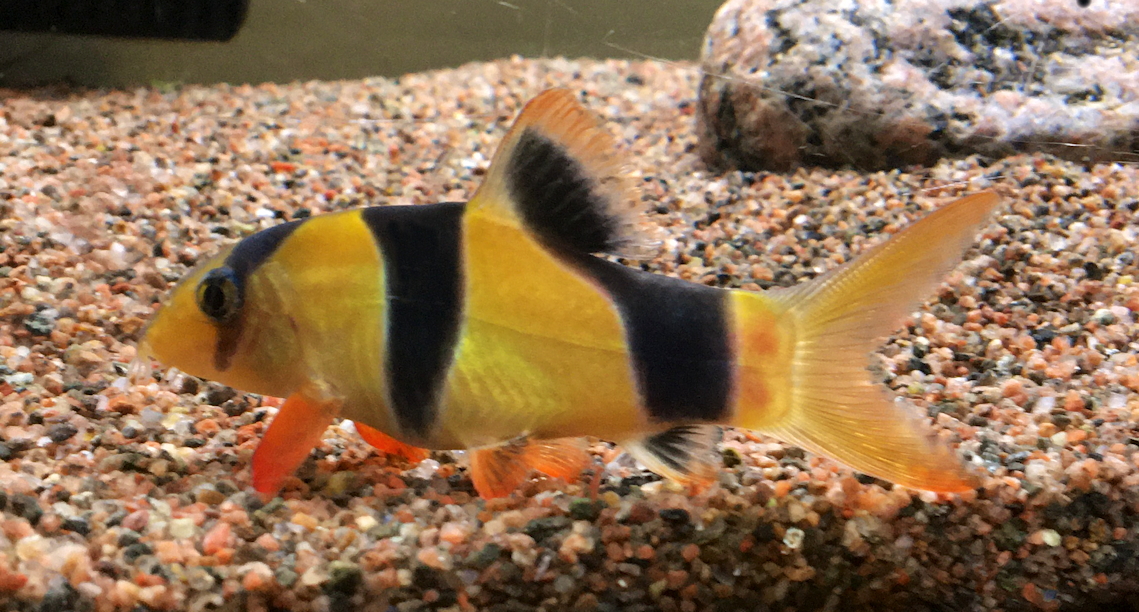 Photo Credit: Tommy Kronkvist / Wikimedia Commons
In the shimmering waters of freshwater rivers, the loach, scientifically known as Cobitidae, dances gracefully among the pebbles and sand. With its elongated body and playful movements, this charming fish captures the attention of anyone lucky enough to spot it. Loaches are not just beautiful; they are also fascinating creatures that have adapted to thrive in their aquatic environments. Their ability to burrow into the soft substrate and their vibrant colors make them a delight for both scientists and nature enthusiasts alike.
As you watch a loach glide through the gentle currents, you might notice its whisker-like barbels, which help it feel its way around in the murky waters. These sensory organs are essential for locating food, as loaches are omnivores that enjoy a varied diet of small invertebrates and plant matter. Their lively behavior and social interactions add to their allure, making them a vital part of the ecosystem. Loaches play a key role in maintaining the balance of their habitats, and their presence is a sign of a healthy freshwater environment. Join us as we dive deeper into the world of loaches, exploring their unique adaptations, behaviors, and the important roles they play in nature.
Loaches are intriguing fish that occupy a special place in the animal kingdom. They belong to the family Cobitidae, which is known for its diverse and colorful members. What sets loaches apart is their unique ability to thrive in freshwater environments, often found in rivers and streams across Asia and Europe. These fish are not just ordinary swimmers; they have a fascinating adaptation that allows them to breathe air, making them resilient in low-oxygen waters. This adaptability showcases their evolutionary journey and highlights their importance in aquatic ecosystems.
| Taxonomic Rank | Scientific Name | Meaning & Significance |
|---|---|---|
| Kingdom | Animalia | The name “Animalia” comes from the Latin word “animalis,” meaning “having breath.” This reflects the living, breathing nature of all animals, including loaches. |
| Phylum | Chordata | “Chordata” is derived from the Latin “chorda,” meaning “string.” This refers to the notochord, a flexible rod that supports the body in all chordates, including loaches during their early development. |
| Class | Actinopterygii | The term “Actinopterygii” means “ray-finned fish.” It highlights the structure of their fins, which are supported by bony rays, allowing for agile swimming. |
| Order | Cypriniformes | “Cypriniformes” comes from the Greek word “kyprinos,” meaning “carp.” This order includes loaches and their relatives, emphasizing their shared characteristics with carp-like fish. |
| Family | Cobitidae | The name “Cobitidae” is derived from the Latin “cobitus,” meaning “to lie down.” This reflects the loach’s behavior of resting on the substrate, often hiding among rocks and plants. |
| Genus | Misgurnus | “Misgurnus” is a combination of Greek and Latin roots, where “mis” means “bad” and “gurnus” refers to a type of fish. This name may relate to the loach’s muddy habitat and its ability to thrive in murky waters. |
Understanding the taxonomic classification of loaches reveals much about their evolutionary history. As members of the Chordata phylum, they share a common ancestry with all vertebrates, showcasing the deep connections within the animal kingdom. Their classification within the Actinopterygii class highlights their adaptation to aquatic life, while their place in the Cobitidae family emphasizes their unique behaviors and habitats. This intricate web of relationships not only illustrates the diversity of life on Earth but also underscores the evolutionary innovations that have allowed loaches to flourish in various environments.
The evolutionary journey of loaches stretches back millions of years, tracing their lineage to ancient freshwater environments. These fish belong to the family Cobitidae, which has adapted and diversified over time. The earliest ancestors of loaches emerged during the late Cretaceous period, around 100 million years ago, when the world was a very different place. As continents shifted and climates changed, loaches evolved to thrive in various freshwater habitats, showcasing their remarkable adaptability.
Ancestral forms of loaches were likely small, bottom-dwelling fish that inhabited rivers and lakes. Over time, they developed several key adaptations that allowed them to survive in diverse environments. One major transition was the development of a specialized sensory system, which includes taste buds on their skin. This adaptation helps them detect food in murky waters where visibility is low. Another significant change was the evolution of a more elongated body shape, which aids in navigating through tight spaces among rocks and plants. Additionally, loaches developed the ability to breathe air, allowing them to survive in oxygen-poor waters, a trait that has proven essential in their survival.
The adaptations of loaches have been vital for their survival in a variety of habitats. Their enhanced sensory perception allows them to locate food even when visibility is poor, while their elongated bodies help them navigate complex environments. The ability to breathe air gives them an edge in challenging conditions, ensuring they can thrive where other fish might struggle. Through these evolutionary changes, loaches have carved out a niche in the aquatic world, showcasing the wonders of adaptation in nature.
Loaches present a captivating sight, with their elongated bodies and playful movements. These fish can vary significantly in size, ranging from small, delicate specimens to larger, more robust individuals. Their bodies are typically slender and streamlined, allowing them to navigate through the water with grace. The most striking feature of loaches is their whiskers, or barbels, which extend from their snouts. These sensory appendages help them explore their surroundings, adding to their charm and functionality.
| Feature | Description |
|---|---|
| Weight | 0.3 lbs to 6.6 lbs (0.1 to 3 kg) |
| Skin Type | Scales |
| Most Distinctive Feature | Whiskers (barbels) |
The combination of their sleek bodies and sensitive whiskers serves a vital purpose in their survival. The scales protect their skin from potential threats, while the barbels allow them to detect food and navigate through murky waters. This blend of features not only enhances their ability to thrive in diverse freshwater habitats but also makes them a delightful subject of observation for both casual fish enthusiasts and dedicated aquarists alike.
Loaches thrive in the gentle currents of freshwater rivers, where they find a perfect blend of shelter and food. These fish often inhabit areas with soft, sandy bottoms and plenty of hiding spots, such as rocks and aquatic plants. The water is usually clear, allowing sunlight to filter through, which supports the growth of algae and other small organisms that loaches love to munch on. Their lively, darting movements can be seen as they explore their watery homes, searching for tasty morsels.
Loaches prefer environments that are rich in oxygen and have a moderate flow. They thrive in waters that are typically warm, with temperatures ranging from 20 to 25 degrees Celsius (68 to 77 degrees Fahrenheit). These fish are sensitive to pollution, so they are often found in clean, well-oxygenated rivers. The presence of plants and rocks is crucial, as these features provide both food sources and safe havens from predators.
To survive in their specific habitats, loaches have developed several clever adaptations. Their elongated bodies allow them to navigate through narrow crevices and hide among rocks, making it easier to escape from larger fish. Additionally, loaches have a unique ability to breathe air, which helps them survive in low-oxygen environments. This remarkable trait allows them to thrive in diverse river systems, showcasing their resilience and adaptability in the face of changing conditions.
Loaches lead a lively daily life filled with activity and exploration. As they glide through their freshwater habitats, these fish engage in a variety of behaviors that keep them busy. During the day, loaches often forage for food, sifting through the substrate with their sensitive barbels—tiny whisker-like structures on their faces. They are primarily bottom dwellers, meaning they spend most of their time near the riverbed, searching for tasty morsels like insects, worms, and small crustaceans. Their playful nature comes alive as they dart around, sometimes even performing acrobatic flips, especially when startled.
Socially, loaches are known for their schooling behavior. They thrive in groups, which provides safety in numbers. When swimming together, they create a mesmerizing display of movement, often changing direction in unison. This group dynamic not only helps them evade predators but also enhances their foraging efficiency. Within these schools, loaches communicate through subtle body movements and changes in color, signaling to one another about food sources or potential threats. Their social interactions are vital for maintaining a healthy and cohesive group, allowing them to share information and resources effectively.
| Behavior Type | Description |
|---|---|
| Activity Patterns | Loaches are active foragers, spending their days searching for food along the riverbed and engaging in playful movements. |
| Social Structure | They live in schools, which provide safety and enhance foraging success by allowing them to work together. |
| Communication Methods | Loaches communicate through body movements and color changes, signaling to each other about food and threats. |
The behaviors of loaches are finely tuned to ensure their survival in the wild. By foraging in groups, they not only increase their chances of finding food but also reduce the risk of becoming prey themselves. Their ability to communicate effectively within their schools allows them to respond quickly to dangers, making them more resilient in their ever-changing aquatic environments. Through these daily activities and social interactions, loaches exemplify the intricate balance of life in freshwater ecosystems.
Loaches are omnivores, which means they enjoy a varied diet that includes both plant and animal matter. These fish are particularly fond of small invertebrates, such as worms, which they hunt for in the soft substrate of their freshwater habitats. With their sensitive barbels—tiny whisker-like structures on their faces—loaches can detect food hidden in the sand or mud. This ability allows them to forage effectively, ensuring they find enough nourishment to thrive.
| Dietary Aspect | Details |
|---|---|
| Diet Type | Omnivore |
| Favorite Foods | Worms and other invertebrates |
| Prey Items | Small invertebrates |
| Hunting/Foraging Strategies | Using sensitive barbels to locate food in the substrate |
The diet of loaches plays a crucial role in their ecology and daily routine. By feeding on a variety of invertebrates, they help maintain the balance of their aquatic ecosystems. Their foraging behavior not only provides them with essential nutrients but also contributes to the health of the riverbed, as they aerate the substrate while searching for food. This interaction with their environment highlights the importance of loaches in their habitats, making them key players in the intricate web of life in freshwater ecosystems.
Loaches have a fascinating mating ritual that often takes place during the warmer months, typically in spring and early summer. During this breeding season, males become particularly vibrant, showcasing their colors to attract females. They engage in playful chasing and elaborate displays, which can include swimming in circles and nudging the females. Once a female is ready to spawn, she will lay her eggs in a safe, sheltered spot, often among plants or in soft substrate, where the eggs can develop away from predators.
| Reproductive Aspect | Details |
|---|---|
| Gestation Period | 24 hours |
| Litter Size | Up to several hundred eggs |
| Age of Maturity | 6 to 12 months |
| Name of Young | Fry |
After the eggs are laid, the female typically leaves them to develop on their own. The eggs hatch into tiny fry, which are incredibly small and vulnerable. During their early days, these young loaches rely on their yolk sacs for nourishment until they are big enough to start foraging for food. As they grow, they gradually learn to navigate their environment, developing the skills needed to thrive in their aquatic world. Parental care is minimal, but the fry are equipped with instincts that help them survive and adapt, eventually maturing into the vibrant adults that swim gracefully through their freshwater homes.
Loaches play a vital role in their freshwater ecosystems, serving as both prey and predator. Positioned in the food web, they contribute to the balance of aquatic life by consuming small invertebrates and, in turn, becoming a meal for larger fish and other animals. This delicate balance makes them an essential part of their habitats, but it also exposes them to various dangers.
To survive these threats, loaches have developed several clever strategies. They often seek refuge in soft, sandy bottoms or among rocks and plants, where they can hide from predators. Their ability to burrow into the substrate helps them evade detection. Additionally, loaches are known for their agility and quick movements, allowing them to dart away when danger approaches. By using these defensive behaviors, they increase their chances of survival in a world filled with challenges.
A keystone species is an organism that has a disproportionately large impact on its environment relative to its abundance. This means that if it were removed, the ecosystem would change dramatically. Loaches, with their unique behaviors and ecological roles, can indeed be considered a keystone species in their freshwater habitats. Their presence helps maintain the balance of the ecosystem, supporting a variety of other life forms.
Loaches contribute to their ecosystems in several important ways. As omnivores, they consume a mix of plant and animal matter, including small invertebrates like worms. By feeding on these organisms, loaches help control their populations, preventing any one species from becoming too dominant. This balance is crucial for maintaining biodiversity, which is the variety of life in a particular habitat. Additionally, loaches often stir up the substrate— the soft, sandy bottom of rivers— as they search for food. This behavior aerates the sediment, allowing oxygen to reach the roots of aquatic plants and promoting healthy plant growth.
Moreover, loaches are social fish that often school together. This group behavior not only provides safety in numbers from predators but also enhances their foraging efficiency. When they work together, they can uncover food sources more effectively, benefiting the entire community of fish and invertebrates in their habitat. Their role as both predator and prey further solidifies their importance in the food web, supporting larger fish and birds that rely on them for sustenance.
If loaches were to disappear from their ecosystems, the consequences could be severe. Without these fish, the populations of small invertebrates could explode, leading to imbalances that might choke out aquatic plants and disrupt the entire food web. Larger fish and birds that depend on loaches for food would struggle to find alternative sources, potentially leading to declines in their populations as well. The ripple effects of losing loaches would be felt throughout the ecosystem, highlighting just how vital these small fish are to the health of their watery homes.
Loaches play a crucial role in their freshwater ecosystems, acting as both foragers and prey. These fascinating fish thrive in rivers, where they navigate through soft, sandy bottoms and explore the nooks and crannies of their environment. By feeding on a variety of plant and animal matter, including small invertebrates, loaches help maintain the balance of their habitats. Their presence supports a diverse community of organisms, making them an essential part of the aquatic food web.
| Ecosystem Service | Impact |
|---|---|
| Foraging | Loaches consume small invertebrates, helping control their populations and promoting a balanced ecosystem. |
| Prey for larger species | As a food source for fish, birds, and other wildlife, loaches support the diets of various predators. |
| Habitat modification | By burrowing into the substrate, loaches aerate the riverbed, improving water quality and promoting plant growth. |
| Nutrient cycling | Loaches contribute to the breakdown of organic matter, returning nutrients to the ecosystem and supporting plant life. |
Loaches influence their ecosystems in several specific ways. For instance, their foraging habits help regulate the populations of small invertebrates, which can otherwise become overabundant. This control is vital for maintaining a healthy aquatic environment. Additionally, as loaches burrow into the riverbed, they aerate the substrate, allowing oxygen to reach plant roots and promoting the growth of aquatic vegetation. This not only provides shelter for other species but also enhances the overall health of the ecosystem.
The broader ecological importance of loaches cannot be overstated. As a keystone species, their presence significantly impacts the structure and function of their habitats. If loaches were to disappear, the balance of the ecosystem would be disrupted, leading to potential declines in both plant and animal populations. By supporting biodiversity and contributing to nutrient cycling, loaches help ensure that their freshwater environments remain vibrant and resilient. Their role is a reminder of how interconnected all life is within an ecosystem, highlighting the importance of every species, no matter how small.
In the intricate web of life, symbiosis plays a vital role in shaping ecosystems. This term refers to the close interactions between different species, which can be beneficial, harmful, or neutral. These relationships can be classified into three main types: mutualism, where both species benefit; parasitism, where one species benefits at the expense of another; and commensalism, where one species benefits while the other is neither helped nor harmed. Loaches, with their playful nature and diverse habitats, engage in various partnerships that highlight the beauty of these ecological connections.
| Species/Type | Relationship Type | Description |
|---|---|---|
| Freshwater Shrimp | Mutualistic | Loaches and freshwater shrimp often coexist in rivers. The shrimp help keep the environment clean by eating detritus, while loaches stir up the substrate, making it easier for shrimp to find food. |
| Leeches | Parasitic | Some leeches attach to loaches to feed on their blood. While this relationship benefits the leech, it can weaken the loach if the infestation is severe. |
| Algae | Commensal | Loaches often swim among algae-covered rocks. The algae benefit from the nutrients in the water stirred up by the loaches, while the loaches gain shelter without affecting the algae. |
These relationships have evolved over time, shaped by the needs and behaviors of the species involved. Mutualistic partnerships, like that between loaches and freshwater shrimp, enhance the survival of both species, creating a balanced ecosystem. Parasitic relationships, while harmful to the host, can also drive adaptations that help loaches develop better defenses. Commensal interactions allow loaches to thrive in their environments while providing benefits to other organisms. Understanding these connections deepens our appreciation for the complexity of nature and the delicate balance that sustains life in freshwater ecosystems.
Loaches are captivating fish that often go unnoticed in the vast world of aquatic life. With their playful nature and unique adaptations, these little swimmers have some surprising traits that can intrigue both seasoned nature enthusiasts and curious young minds alike.
Loaches have a long and storied relationship with humanity, dating back to ancient times. In many cultures, these fish have been celebrated for their unique characteristics and roles in freshwater ecosystems. For instance, in parts of Asia, loaches are not only appreciated for their ecological importance but also revered in traditional medicine and cuisine. Their presence in folklore and art highlights their cultural significance, symbolizing resilience and adaptability in the face of changing environments.
Today, interactions between loaches and humans have evolved, reflecting both conservation efforts and challenges. As habitats face threats from pollution and climate change, conservationists are working to protect loach populations and their ecosystems. However, conflicts can arise, particularly in aquaculture, where loaches are sometimes seen as pests in fish farms. On the other hand, loaches are also popular in the aquarium trade, where their playful behavior and vibrant colors attract fish enthusiasts. This duality showcases the complex relationship we have with these fascinating fish.
As we look to the future, the relationship between loaches and humanity will likely continue to evolve. With increasing awareness of environmental issues, there is hope for a more harmonious coexistence. By prioritizing conservation and sustainable practices, we can ensure that loaches thrive in their natural habitats while enriching our lives through their beauty and ecological roles. Together, we can foster a deeper appreciation for these remarkable fish and the vital ecosystems they inhabit.
The conservation status of loaches is currently classified as “Least Concern” by the International Union for Conservation of Nature (IUCN). This means that, overall, loaches are not facing immediate threats that could lead to their extinction. Their populations are stable in many areas, although some specific species may experience localized declines. As a group, loaches continue to thrive in various freshwater habitats around the world.
| Conservation Factor | Status/Details |
|---|---|
| IUCN Status | Least Concern |
| Population Estimates | Stable in many regions |
| Trend Direction | Stable |
Despite their overall stable status, loaches face several threats that can impact specific populations. Habitat destruction is a significant concern, as rivers and streams are often altered for agriculture, urban development, or dam construction. Pollution from agricultural runoff and industrial waste can also degrade water quality, making it difficult for loaches to thrive. Additionally, overfishing in some areas can lead to declines in local populations, particularly of certain species that are more vulnerable.
Conservation efforts are underway to protect loaches and their habitats. Many organizations are working to restore freshwater ecosystems and promote sustainable fishing practices. Education and awareness campaigns help local communities understand the importance of preserving these fish and their environments. With continued efforts, the outlook for loaches remains positive, as they adapt to changing conditions and maintain their role in freshwater ecosystems.
| Question | Answer |
|---|---|
| What is the natural habitat of loaches? | Loaches are typically found in rivers and streams. They prefer freshwater environments with plenty of hiding spots, like rocks and plants, where they can feel safe from predators. |
| What do loaches eat? | Loaches are omnivores, which means they eat both plants and animals. Their diet includes small insects, worms, and algae, making them important for keeping their habitats clean. |
| How do loaches behave in their environment? | Loaches are known for their playful and curious nature. They often dig in the substrate, or the bottom of their habitat, searching for food and exploring their surroundings. |
| How do loaches reproduce? | Loaches typically spawn in the spring when water temperatures rise. During this time, they lay eggs in hidden spots, and the eggs hatch into tiny fry, which are small versions of adult loaches. |
| What threats do loaches face? | While loaches are currently classified as Least Concern, they can still face threats from habitat destruction and pollution. Changes in water quality and the introduction of invasive species can also impact their populations. |
| What is a distinctive feature of loaches? | One of the most distinctive features of loaches is their whiskers, called barbels. These sensitive appendages help them navigate and find food in murky waters. |
| Are loaches social animals? | Yes, loaches are generally social creatures and often thrive in groups. They enjoy the company of their own kind, which can help reduce stress and encourage natural behaviors. |