Taxonomy & Classification
- Kingdom
- Animalia
- Phylum
- Chordata
- Class
- Aves
- Order
- Casuariiformes
- Family
- Casuariidae
- Genus
- Casuarius
- Species
- Casuarius

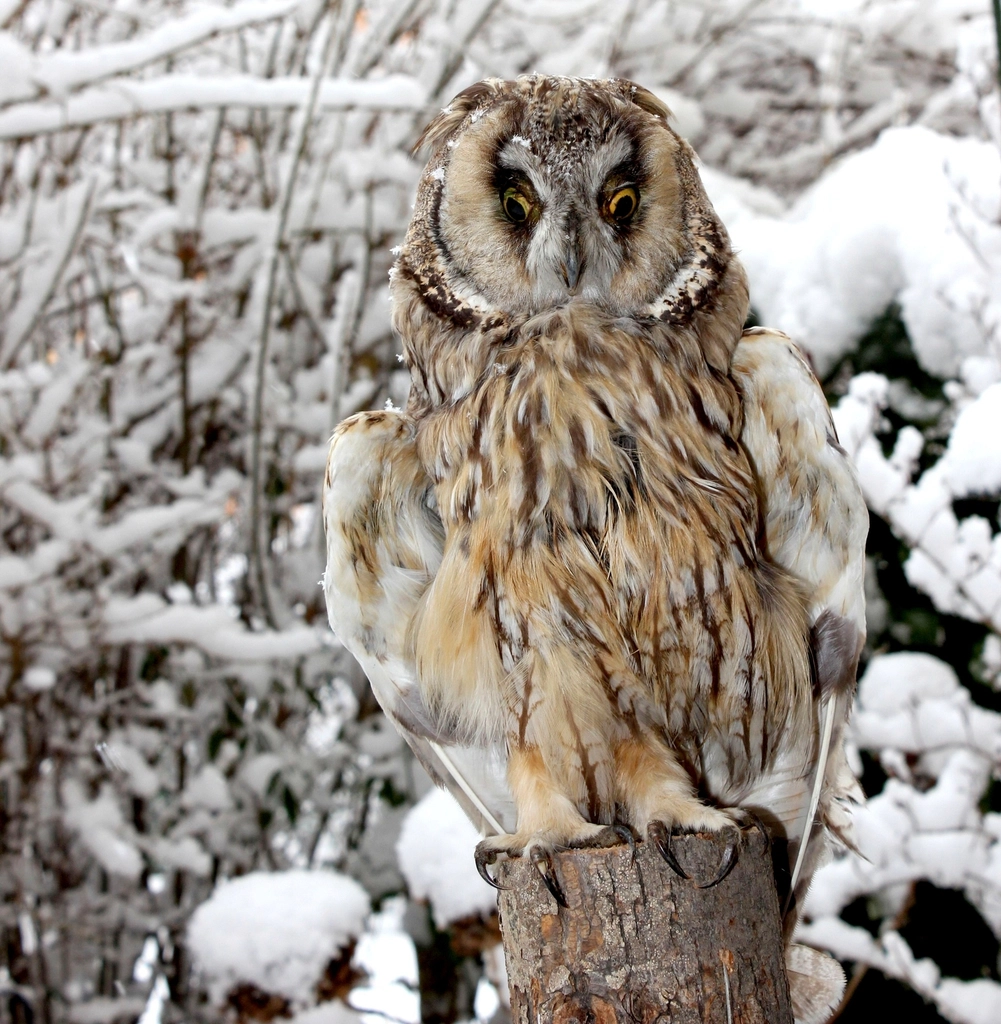 Photo Credit: Rawpixel
In the hushed twilight of a coniferous forest, the Long-Eared Owl, or Asio otus, perches silently among the branches, its tall, tufted ears standing like sentinels against the fading light. With a wingspan that can stretch up to 100 centimeters, this elegant bird blends seamlessly into its surroundings, thanks to its mottled brown and gray feathers that mimic the bark of the trees. As night falls, the forest transforms into a realm of mystery, and the Long-Eared Owl awakens, ready to embark on its nightly hunt. Its keen eyesight and exceptional hearing make it a masterful predator, allowing it to detect even the faintest rustle of a mouse in the underbrush.
What makes the Long-Eared Owl particularly captivating to scientists and nature enthusiasts alike is not just its striking appearance but also its fascinating behaviors. This nocturnal bird is known for its unique courtship displays, where males serenade potential mates with a series of haunting hoots that echo through the stillness of the night. Asio otus plays a crucial role in its ecosystem, helping to control rodent populations and maintain the balance of life in its habitat. With each silent flight and every watchful gaze, the Long-Eared Owl invites us to explore the wonders of the natural world, reminding us of the intricate connections that bind all living things together.
The Long-Eared Owl, known scientifically as Asio otus, occupies a special place in the tree of life. This bird is part of the class Aves, which includes all birds, and is classified within the order Strigiformes, the group that encompasses all owls. What sets the Long-Eared Owl apart is its distinctive ear tufts, which resemble long, pointed ears. These tufts are not actual ears but feathers that help with camouflage and communication. With its keen eyesight and silent flight, this owl is a masterful nocturnal hunter, showcasing the incredible adaptations that birds have developed over millions of years.
| Taxonomic Rank | Scientific Name | Meaning & Significance |
|---|---|---|
| Kingdom | Animalia | This name signifies that the Long-Eared Owl belongs to the broad group of multicellular organisms that are heterotrophic, meaning they consume organic material for energy. |
| Phylum | Chordata | Chordata refers to animals that have a notochord, a flexible rod that supports the body. In vertebrates like the Long-Eared Owl, this structure develops into the backbone. |
| Class | Aves | Aves is the class that includes all birds, characterized by feathers, beaks, and the ability to lay eggs. The Long-Eared Owl’s feathers are specially adapted for silent flight. |
| Order | Strigiformes | This order includes all owls, known for their nocturnal habits and unique adaptations for hunting in the dark, such as excellent night vision and hearing. |
| Family | Strigidae | Strigidae is the family of typical owls, which includes the Long-Eared Owl. Members of this family are known for their round faces and large eyes, perfect for spotting prey at night. |
| Genus | Asio | The genus name Asio comes from the Latin word for “owl,” highlighting the bird’s identity within the broader owl family. |
| Species | Asio otus | The species name otus is derived from the Greek word for “ear,” referring to the owl’s prominent ear tufts that give it a distinctive appearance. |
Understanding the Long-Eared Owl’s classification reveals much about its evolutionary journey. As a member of the Strigiformes order, it shares a lineage with other owls that have adapted to a nocturnal lifestyle. The unique features of the Long-Eared Owl, such as its ear tufts and silent flight, are not just for show; they are vital adaptations that have evolved to enhance its survival in the wild. This classification helps us appreciate the intricate web of life and the remarkable ways in which species have evolved to thrive in their environments.
The Long-Eared Owl, or Asio otus, has a rich evolutionary history that stretches back millions of years. This bird belongs to a lineage of owls that emerged during the late Eocene epoch, around 34 to 56 million years ago. As the world changed, so did these birds, adapting to new environments and challenges, leading to the diverse species we see today.
The ancestors of the Long-Eared Owl were likely small, nocturnal hunters that thrived in the dense forests of ancient landscapes. Over time, these early owls developed key features that would help them survive in various habitats. One major transition was the evolution of their specialized hearing, allowing them to detect the faintest sounds of prey in the dark. This adaptation was crucial for hunting at night, a time when many predators were active. Additionally, the development of their long ear tufts, which are not actually ears but feathers, helped with camouflage and communication, making them less visible to both prey and potential threats.
These evolutionary adaptations have been vital for the Long-Eared Owl’s survival. Their keen hearing and silent flight make them formidable nocturnal hunters, while their camouflage helps them evade predators. By being adaptable in their diet, they can thrive in various environments, from dense forests to open fields. This combination of traits has allowed the Long-Eared Owl to flourish across different landscapes, showcasing the wonders of evolution in action.
The Long-Eared Owl is a striking bird that captures attention with its tall, tufted ears and graceful silhouette. Standing between 31 to 37 centimeters tall, this owl has a slender body that is both elegant and efficient for flight. Its large, round eyes are framed by a distinctive facial disc, giving it an inquisitive and wise appearance. The overall impression is one of quiet strength, as it blends seamlessly into its woodland surroundings, thanks to its mottled plumage.
| Feature | Description |
|---|---|
| Height | 31cm – 37cm (12in – 14.5in) |
| Weight | 100g – 300g (8.75oz – 10oz) |
| Skin Type | Feathers |
| Color | Mottled brown and gray with lighter underparts |
| Eye Color | Bright yellow |
The Long-Eared Owl’s features are not just for show; they play vital roles in its survival. The mottled brown and gray feathers provide excellent camouflage against tree bark and foliage, allowing it to remain hidden from both predators and prey. Its large, bright yellow eyes are adapted for low-light conditions, making it an effective hunter during twilight hours. The tufted ears, while not used for hearing in the way we might think, help to enhance its overall silhouette, making it appear larger and more intimidating to potential threats. Together, these characteristics create a masterful blend of beauty and functionality, perfectly suited for life in the wild.
The Long-Eared Owl thrives in a variety of habitats, but it particularly favors coniferous forests. Imagine a serene woodland filled with tall, evergreen trees, their needles whispering in the wind. These forests provide the perfect backdrop for the Long-Eared Owl, offering ample cover and nesting sites. The dappled sunlight filtering through the branches creates a magical atmosphere, where this elusive bird can blend seamlessly into its surroundings.
This owl prefers areas with a mix of open spaces and dense tree cover. It thrives in climates that range from temperate to subarctic, where winters can be cold and snowy. Long-Eared Owls are adaptable, often found in regions that experience seasonal changes. They require environments that provide both shelter and hunting grounds, as they primarily feed on small mammals and birds. The presence of tall trees is essential, as they use them for roosting and nesting.
To survive in these specific habitats, the Long-Eared Owl has developed several clever adaptations. Its mottled plumage allows it to camouflage perfectly against the bark of trees, making it nearly invisible to both predators and prey. Additionally, its keen hearing helps it locate food even in the darkest of nights. With its ability to thrive in diverse environments, this owl showcases the wonders of nature’s adaptability, proving that it can make a home wherever it finds the right mix of trees and open land.
The Long-Eared Owl leads a life that is both intriguing and methodical. As a nocturnal bird, it spends the day resting in the dense foliage of trees, where its mottled feathers provide excellent camouflage. When dusk falls, this owl awakens, stretching its wings and preparing for a night of hunting. Its keen eyesight and exceptional hearing allow it to locate prey, such as small mammals and birds, with remarkable precision. The Long-Eared Owl is known for its silent flight, which helps it sneak up on unsuspecting dinner options.
Socially, the Long-Eared Owl is quite solitary, preferring to live and hunt alone rather than in groups. This independence allows it to establish its own territory, which it defends from other owls. While they may not be social butterflies, these owls do communicate with one another, especially during the breeding season. Males often call out to attract females, using a series of hoots that echo through the night. This vocalization is not just for romance; it also helps to establish boundaries with other males, ensuring that each owl knows its place in the landscape.
| Behavior Type | Description |
|---|---|
| Activity Patterns | Active at night, hunting for small mammals and birds, resting during the day in dense foliage. |
| Social Structure | Solitary, with each owl maintaining its own territory and avoiding group living. |
| Communication Methods | Vocalizations, especially during breeding season, with males hooting to attract females and establish territory. |
The behaviors of the Long-Eared Owl are finely tuned to ensure its survival in the wild. By being solitary, it minimizes competition for food and reduces the risk of attracting predators. Its nocturnal lifestyle, combined with its exceptional hunting skills, allows it to thrive in various environments. The ability to communicate effectively during mating season ensures that these owls can find partners while maintaining their territories. Each aspect of their daily life is a testament to their adaptability and resilience in the natural world.
The Long-Eared Owl is a dedicated carnivore, meaning it primarily eats meat. This owl has a particular fondness for small mammals, especially rodents, which make up a significant portion of its diet. It also enjoys snacking on small birds and even reptiles when the opportunity arises. With its keen eyesight and exceptional hearing, the Long-Eared Owl is a masterful hunter, often hunting at dusk or during the night when its prey is most active.
| Dietary Aspect | Details |
|---|---|
| Diet Type | Carnivore |
| Favorite Foods | Rodents, small birds, and reptiles |
| Prey Items | Field mice, voles, sparrows, and lizards |
| Hunting Strategies | Silent flight, excellent hearing, and ambush tactics |
The diet of the Long-Eared Owl plays a crucial role in its ecology and daily routine. By preying on rodents, it helps control their populations, which can benefit the surrounding environment. Its nocturnal hunting habits allow it to take advantage of the cover of darkness, making it a stealthy predator. This adaptability not only shapes its role in the ecosystem but also influences its behavior, as it must constantly be alert and ready to hunt in the quiet of the night.
As the days grow longer and the air warms, Long-Eared Owls begin their courtship rituals. Mating season typically starts in late winter to early spring, when these owls engage in a series of enchanting displays. Males hoot to attract females, showcasing their vocal prowess. Once a pair forms, they will often mate for life, returning to the same nesting sites year after year. This bond is crucial as they prepare to raise their young together.
| Reproductive Aspect | Details |
|---|---|
| Gestation Period | Approximately 28 to 30 days |
| Litter Size | 2 to 6 eggs |
| Age of Maturity | About 10 weeks |
| Name of Young | Owlets |
After the eggs hatch, the devoted parents take on the important role of caregivers. The owlets are born blind and helpless, relying entirely on their parents for food and protection. During the first few weeks, the mother stays close to the nest, while the father hunts to bring back meals. As the owlets grow, they begin to develop their feathers and learn to fly. By around ten weeks, they are ready to leave the nest and explore the world on their own, although they may still depend on their parents for guidance and support as they transition into adulthood. This nurturing process is vital for their survival, ensuring that the next generation of Long-Eared Owls can thrive in their woodland homes.
The Long-Eared Owl plays a vital role in its ecosystem, sitting comfortably in the middle of the food web. As a skilled predator, it helps control populations of small mammals, particularly rodents, which can become pests if their numbers grow too high. However, this owl is not without its challenges. It faces various threats that can impact its survival and well-being.
To defend itself against these dangers, the Long-Eared Owl has developed several clever survival strategies. Its excellent camouflage allows it to blend seamlessly into its surroundings, making it hard for predators to spot. When threatened, it often remains motionless, relying on its natural coloring to hide. Additionally, its ability to fly silently helps it escape from danger without drawing attention. By using these tactics, the Long-Eared Owl continues to thrive in the wild, showcasing the resilience of nature.
A keystone species is an organism that has a disproportionately large impact on its environment relative to its abundance. These species play a crucial role in maintaining the structure of an ecological community. The Long-Eared Owl, or Asio otus, qualifies as a keystone species due to its significant influence on the populations of small mammals and the overall health of its habitat.
The Long-Eared Owl primarily preys on small mammals, especially rodents like voles and mice. By keeping these populations in check, the owl helps maintain a balance in the ecosystem. If rodent numbers were to surge unchecked, they could overgraze vegetation, leading to habitat degradation. This, in turn, would affect other species that rely on the same plants for food and shelter. The owl’s hunting habits thus create a ripple effect, supporting a diverse range of life in its coniferous forest home.
Moreover, the Long-Eared Owl’s presence can indicate the health of its ecosystem. As a predator, it is sensitive to changes in prey availability and environmental conditions. If the owl population declines, it may signal problems such as habitat loss or pollution, prompting conservation efforts to protect the entire ecosystem. This makes the Long-Eared Owl not just a predator, but also a vital indicator of ecological well-being.
If the Long-Eared Owl were to disappear from its ecosystem, the consequences could be severe. Without this skilled predator, rodent populations could explode, leading to overconsumption of plants and destabilizing the entire habitat. This could result in a decline in plant diversity, which would affect other animals that depend on those plants for food and shelter. The loss of the Long-Eared Owl would not only disrupt the balance of its immediate environment but could also trigger a chain reaction, impacting many other species and the overall health of the ecosystem.
The Long-Eared Owl, or Asio otus, plays a vital role in its ecosystem, particularly within coniferous forests. This majestic bird occupies an ecological niche as a nocturnal predator, meaning it hunts at night. By controlling the populations of small mammals, especially rodents, the Long-Eared Owl helps maintain a balance in its habitat. This balance is crucial for the health of the forest ecosystem, as it prevents any one species from becoming too dominant and ensures a diverse array of wildlife can thrive.
| Ecosystem Service | Impact |
|---|---|
| Population Control | Regulates small mammal numbers, preventing overpopulation. |
| Food Source for Other Predators | Serves as prey for larger birds and mammals, contributing to the food web. |
| Seed Dispersal | Indirectly aids in plant growth by controlling herbivore populations. |
| Indicator Species | Reflects the health of the ecosystem, signaling changes in environmental conditions. |
The influence of the Long-Eared Owl extends beyond just its hunting prowess. By keeping rodent populations in check, it helps protect young trees and plants from being overgrazed. This is particularly important in coniferous forests, where saplings need space and resources to grow. Additionally, the presence of these owls can indicate a healthy environment, as they require specific conditions to thrive. When Long-Eared Owls are abundant, it often means that the ecosystem is balanced and supports a variety of species.
In the grand tapestry of nature, the Long-Eared Owl is a keystone species, meaning its presence is crucial for the stability of its ecosystem. By regulating prey populations and serving as an indicator of environmental health, this owl contributes to the intricate web of life in coniferous forests. Protecting these habitats not only ensures the survival of the Long-Eared Owl but also supports countless other species that share its home. In this way, the Long-Eared Owl exemplifies the interconnectedness of life and the importance of every creature in maintaining the balance of nature.
In the intricate web of nature, symbiosis refers to the close and often long-term interactions between different species. These relationships can take many forms, including mutualism, where both species benefit, parasitism, where one benefits at the expense of the other, and commensalism, where one benefits while the other is neither helped nor harmed. The Long-Eared Owl, with its keen hunting skills and unique adaptations, engages in various ecological relationships that highlight the interconnectedness of life in its coniferous forest habitat.
| Species/Type | Relationship Type | Description |
|---|---|---|
| Rodents (e.g., voles, mice) | Mutualistic | The Long-Eared Owl preys on rodents, helping to control their populations. In turn, the presence of these owls can encourage a healthier ecosystem by preventing overpopulation of these small mammals. |
| Ticks | Parasitic | Ticks can latch onto Long-Eared Owls, feeding on their blood. This relationship is harmful to the owls, as it can lead to health issues and weakened conditions. |
| Tree cavities | Commensal | Long-Eared Owls often nest in tree cavities, which provide shelter and safety. While the trees are not affected by the owls’ presence, the owls benefit from the protection these cavities offer. |
The evolution of these relationships showcases the dynamic nature of ecosystems. Over time, the Long-Eared Owl has adapted to thrive in its environment, forming partnerships that enhance its survival and that of other species. By preying on rodents, it helps maintain a balance in the food web, while its nesting habits provide a safe haven in the trees. These interactions illustrate how species can evolve together, creating a rich tapestry of life that supports the health of the entire ecosystem.
The Long-Eared Owl is a captivating bird that often goes unnoticed in the wild, despite its intriguing behaviors and adaptations. Here are some surprising facts that showcase just how remarkable this owl truly is.
The Long-Eared Owl, known scientifically as Asio otus, has woven itself into the fabric of human culture for centuries. In various societies, this owl has been seen as a symbol of wisdom and mystery. Ancient civilizations often depicted owls in their art and folklore, associating them with the night and the unknown. The Long-Eared Owl’s distinctive tufted ears and haunting calls have inspired stories and legends, making it a creature of fascination. As people have encountered these owls in their natural habitats, they have come to appreciate their beauty and the role they play in the ecosystem.
Today, the relationship between Long-Eared Owls and humans is complex and multifaceted. While many people admire these birds, their habitats are increasingly threatened by urban development and agricultural practices. Conservation efforts are underway to protect their nesting sites and ensure that they continue to thrive in the wild. However, conflicts can arise when these owls hunt in areas where farmers raise livestock, leading to misunderstandings about their role in the ecosystem. Unlike some other species, Long-Eared Owls are not domesticated, but they can be observed in the wild, where they continue to inspire curiosity and respect.
As we look to the future, the relationship between Long-Eared Owls and humanity holds promise. With increased awareness of environmental issues, more people are advocating for the protection of these magnificent birds and their habitats. By fostering a deeper understanding of their ecological importance, we can ensure that future generations will continue to marvel at the Long-Eared Owl. Together, we can create a world where humans and wildlife coexist harmoniously, celebrating the beauty and mystery of nature.
The Long-Eared Owl, or Asio otus, currently holds a conservation status of “Least Concern” according to the International Union for Conservation of Nature (IUCN). This means that, at present, the species is not facing an immediate threat of extinction. Population estimates suggest that there are stable numbers across its range, which includes parts of Europe, Asia, and North America. While some local populations may experience fluctuations, the overall trend for the Long-Eared Owl remains positive, allowing it to thrive in various habitats.
| Conservation Factor | Status/Details |
|---|---|
| IUCN Status | Least Concern |
| Population Estimates | Stable, with no specific global estimate |
| Trend Direction | Stable |
Despite its current stable status, the Long-Eared Owl faces several threats that could impact its future. Habitat loss is a significant concern, as urban development and agricultural expansion can reduce the availability of suitable nesting and hunting grounds. Additionally, changes in land use can lead to a decline in prey availability, particularly small mammals like voles and mice, which are essential for the owl’s diet. Human disturbances, such as logging and recreational activities, can also disrupt their nesting sites and hunting behaviors.
Conservation efforts are underway to ensure the Long-Eared Owl continues to thrive in its natural habitats. Organizations and wildlife agencies are working to protect and restore critical habitats, promoting sustainable land-use practices that benefit both the owls and their ecosystems. Public awareness campaigns help educate communities about the importance of these magnificent birds and the role they play in maintaining ecological balance. With ongoing efforts and a commitment to conservation, the outlook for the Long-Eared Owl remains hopeful, allowing future generations to appreciate this enchanting nocturnal predator.
| Question | Answer |
|---|---|
| What is the habitat of the Long-Eared Owl? | The Long-Eared Owl prefers coniferous forests, which are made up of trees like pines and spruces. These forests provide excellent cover and nesting sites, allowing the owls to stay hidden from predators and humans. |
| What does the Long-Eared Owl eat? | This owl is a carnivore, meaning it primarily eats meat. Its diet mainly consists of small mammals, such as voles and mice, but it can also catch birds and insects when necessary. |
| How does the Long-Eared Owl behave? | Long-Eared Owls are known for their silent flight, which helps them sneak up on prey. They are mostly nocturnal, meaning they are active at night, and they often roost in dense foliage during the day to stay safe. |
| How do Long-Eared Owls reproduce? | During the breeding season, which typically starts in late winter, Long-Eared Owls find a suitable nesting site, often in abandoned nests of other birds. The female lays about 2 to 7 eggs, and both parents help care for the young once they hatch. |
| What threats do Long-Eared Owls face? | While Long-Eared Owls are currently classified as Least Concern, they still face threats from habitat loss and human activities. Pesticides can also reduce their food supply, making it harder for them to find enough to eat. |
| What are some interesting characteristics of the Long-Eared Owl? | One of the most striking features of the Long-Eared Owl is its long ear tufts, which can make it look quite majestic. These tufts are not actually ears but are used for communication and camouflage, helping the owl blend into its surroundings. |
| How can you identify a Long-Eared Owl? | Long-Eared Owls are medium-sized with a wingspan of about 3.3 feet. They have a distinctive orange-brown plumage with streaks and a pale face, making them relatively easy to spot if you know what to look for. |