Taxonomy & Classification
- Kingdom
- Animalia
- Phylum
- Chordata
- Class
- Aves
- Order
- Passeriformes
- Family
- Aegithalidae
- Genus
- Aegithalos
- Species
- Aegithalos caudatus

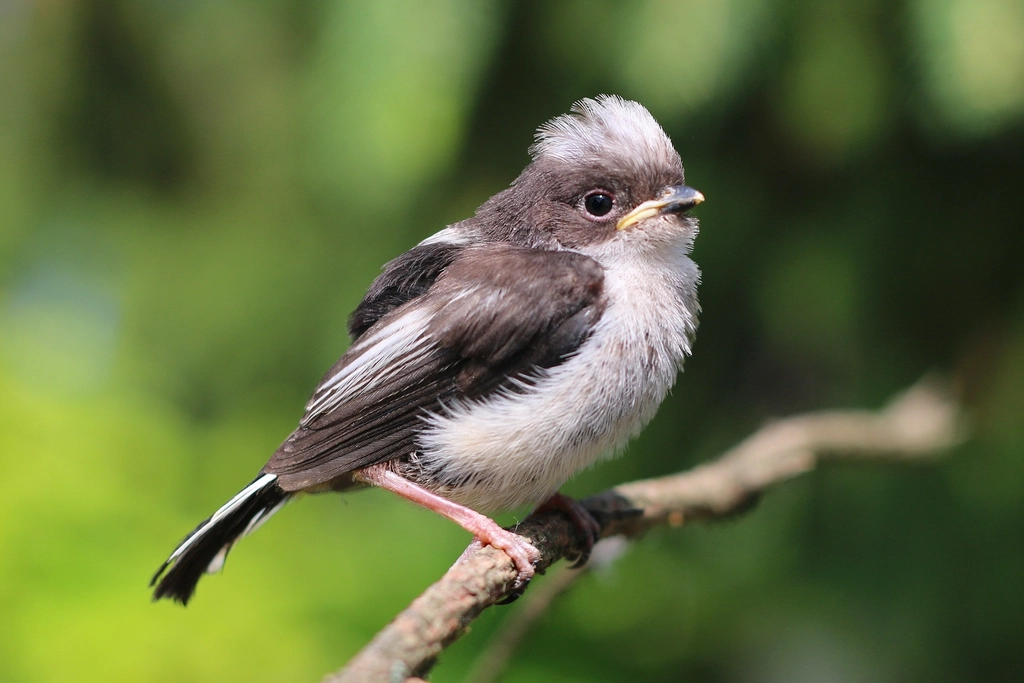 Photo Credit: Rawpixel
In the heart of lush woodlands and vibrant hedgerows, the Long-Tailed Tit, scientifically known as Aegithalos caudatus, flits about with an air of playful curiosity. This enchanting little bird, with its strikingly long tail that can be nearly as long as its body, is a delightful sight against the backdrop of green leaves and colorful blossoms. Its soft, fluffy plumage, often a blend of pastel pinks, whites, and blacks, makes it look like a tiny ball of cotton candy dancing through the branches. As it hops from twig to twig, its cheerful chirps and lively movements capture the attention of anyone lucky enough to witness its antics.
What makes the Long-Tailed Tit particularly captivating to scientists and nature enthusiasts alike is not just its adorable appearance but also its fascinating social behavior. These birds are known for their tight-knit family groups, often seen foraging together in search of insects and seeds. Their cooperative nature and intricate nesting habits reveal a complex social structure that sparks curiosity about their interactions and survival strategies. As we explore the world of the Long-Tailed Tit, we will uncover the secrets of its habitat, diet, and the vital role it plays in the ecosystem, all while celebrating the joy this little bird brings to our natural surroundings.
The Long-Tailed Tit, a charming little bird known for its distinctive appearance and lively behavior, occupies a special place in the tree of life. Scientifically classified within the kingdom Animalia, this delightful avian belongs to the phylum Chordata, which includes all animals with a backbone. As a member of the class Aves, or birds, it showcases the unique adaptations that allow it to thrive in various environments. The Long-Tailed Tit is particularly notable for its long, slender tail, which can be almost as long as its body, giving it a playful and acrobatic flair as it flits through trees and shrubs.
| Taxonomic Rank | Scientific Name | Meaning & Significance |
|---|---|---|
| Kingdom | Animalia | This term comes from the Latin word “animalis,” meaning “having breath” or “living.” It signifies all living organisms that are not plants or fungi. |
| Phylum | Chordata | Derived from the Greek word “chordē,” meaning “string,” this name refers to animals that possess a notochord, a flexible rod that supports the body during development. |
| Class | Aves | This Latin term simply means “birds.” It highlights the defining characteristics of this class, such as feathers and the ability to lay eggs. |
| Order | Passeriformes | From the Latin “passer,” meaning “sparrow,” this order includes perching birds, known for their vocal abilities and diverse species. |
| Family | Aegithalidae | This name comes from the Greek “aegithalos,” which refers to small birds with long tails, emphasizing the Long-Tailed Tit’s most striking feature. |
| Genus | Aegithalos | Similar to the family name, this genus name also highlights the small size and long tail of these birds, connecting them to their unique physical traits. |
The classification of the Long-Tailed Tit reveals much about its evolutionary journey. As a member of the Aegithalidae family, it shares a lineage with other small, agile birds that have adapted to life in trees. This evolutionary path has equipped the Long-Tailed Tit with specialized features, such as its long tail, which aids in balance and maneuverability as it navigates through dense foliage. Understanding its taxonomic position not only highlights its unique characteristics but also connects it to a broader narrative of avian evolution, showcasing the incredible diversity and adaptability of life on Earth.
The Long-Tailed Tit, a delightful bird with a tail that can be almost as long as its body, has a rich evolutionary history that stretches back millions of years. This tiny avian marvel belongs to the family Aegithalidae, which has its roots in the early Cenozoic era, around 60 million years ago. As the world transformed after the age of dinosaurs, these birds began to carve out their niche in the diverse ecosystems that emerged.
Ancestral forms of the Long-Tailed Tit likely resembled small, insect-eating birds that flitted through the trees, much like their modern relatives. Over time, they adapted to their environments, developing features that enhanced their survival. One major transition was the evolution of their long, slender tails, which not only aid in balance and maneuverability but also play a role in communication during social interactions. As they evolved, these birds became more specialized in their feeding habits, honing their ability to glean insects and seeds from foliage.
These adaptations have been vital for the Long-Tailed Tit’s survival in a changing world. Their long tails and social structures help them navigate and thrive in complex environments, while their soft plumage keeps them warm during colder months. By being flexible in their diet and communication, these birds have successfully carved out a niche for themselves, showcasing the wonders of evolution in action.
The Long-Tailed Tit is a delightful sight, often bringing a smile to those lucky enough to spot it flitting through the trees. This petite bird measures just 1 to 2 inches in height, making it one of the smaller members of the avian world. Its most striking feature is its extraordinarily long tail, which can be nearly as long as its body. This tail, combined with its round body and short wings, gives the Long-Tailed Tit a playful, almost cartoonish appearance. With its lively movements and cheerful chirps, it embodies the spirit of the forest.
| Feature | Description |
|---|---|
| Height | 1-2 inches |
| Weight | 9-10 grams |
| Most Distinctive Feature | Extremely long tail |
The Long-Tailed Tit’s features are not just for show; they serve important purposes in its daily life. The long tail aids in balance and maneuverability as it darts through branches in search of insects and seeds. Its small size allows it to navigate easily among the dense foliage, while its lightweight body helps it flit from one perch to another with agility. Together, these characteristics make the Long-Tailed Tit a master of its woodland habitat, showcasing the beauty and functionality of nature’s designs.
The Long-Tailed Tit thrives in a variety of habitats that paint a picturesque scene of nature’s beauty. Imagine wandering through lush moorlands, where rolling hills meet vibrant heather, or strolling through farmlands dotted with wildflowers. These little birds also find a cozy home in town and city gardens, where they flit among the branches of trees and shrubs, bringing life to urban spaces. Their playful antics and soft calls add a delightful soundtrack to these serene environments.
In terms of climate, the Long-Tailed Tit prefers areas that offer a temperate environment. This means they enjoy mild weather, with warm summers and cool winters. They are often found in regions that experience a good amount of rainfall, which helps keep their habitats lush and green. These birds are well-suited to environments that provide plenty of cover, such as dense foliage and thickets, where they can easily hide from predators and find food.
Adaptation is key to the Long-Tailed Tit’s success in these diverse habitats. Their small size allows them to navigate through tight spaces in trees and shrubs, while their long tails help with balance as they dart around in search of insects and seeds. Additionally, their social nature means they often travel in small flocks, which not only makes for a lively spectacle but also enhances their safety in numbers. This adaptability allows them to thrive in both rural and urban settings, showcasing their resilience in the face of changing environments.
The Long-Tailed Tit begins its day with a flurry of activity, darting through the trees in search of breakfast. These small birds are known for their energetic foraging, often hopping from branch to branch, pecking at insects and spiders hidden among the leaves. Their diet is primarily made up of tiny invertebrates, which provide the protein they need to fuel their lively antics. As the sun rises, you can see them flitting about in small groups, their soft, chirpy calls filling the air as they communicate with one another.
Socially, Long-Tailed Tits are incredibly engaging. They thrive in tight-knit family groups, often consisting of parents and their young from the previous breeding season. This cooperative behavior is essential for their survival, as it allows them to share the responsibilities of foraging and keeping watch for predators. Their social structure is dynamic, with members frequently interacting through a series of high-pitched whistles and trills. This communication not only strengthens their bonds but also helps them coordinate their movements as they navigate through their habitat.
| Behavior Type | Description |
|---|---|
| Foraging | Long-Tailed Tits search for insects and spiders, often moving quickly from branch to branch. |
| Social Structure | They live in family groups, which include parents and their young, promoting cooperation. |
| Communication | These birds use a variety of chirps and whistles to stay in touch and coordinate activities. |
| Predator Awareness | Group members take turns watching for danger while others forage, enhancing safety. |
The behaviors of Long-Tailed Tits are not just charming; they are vital for their survival. By foraging in groups, they increase their chances of finding food while also keeping an eye out for predators. Their social interactions foster strong family ties, ensuring that young birds learn essential skills from their parents. In this way, the Long-Tailed Tit exemplifies how cooperation and communication can lead to a thriving community in the wild.
The Long-Tailed Tit has a diverse diet that reflects its omnivorous nature, meaning it enjoys both plant and animal foods. This little bird primarily feeds on insects, which provide essential protein, especially during the breeding season when it needs extra energy. Long-Tailed Tits are expert foragers, often seen flitting through trees and shrubs, using their nimble movements to uncover hidden treats. They have a keen eye for spotting tiny insects and their larvae, which they skillfully extract from leaves and bark.
| Dietary Aspect | Details |
|---|---|
| Diet Type | Omnivore |
| Favorite Foods | Insects and their larvae, as well as seeds and berries |
| Prey Items | Small insects like aphids and caterpillars |
| Hunting/Foraging Strategies | Flitting through trees, hopping along branches, and probing into crevices |
This varied diet plays a crucial role in the Long-Tailed Tit’s ecology and daily routine. By consuming insects, these birds help control pest populations, contributing to the health of their habitats. Their foraging behavior not only supports their own survival but also influences the dynamics of the ecosystems they inhabit. As they search for food, they often move in small flocks, which enhances their safety from predators and allows them to share information about food sources. This social aspect of their feeding habits adds another layer of intrigue to their lively existence in the wild.
As spring arrives, the Long-Tailed Tit engages in a delightful courtship dance that sets the stage for reproduction. Mating typically occurs between March and June, when the days grow longer and warmer. During this time, males perform acrobatic displays to attract females, showcasing their agility and vibrant personalities. Once a pair has formed, they work together to build a cozy nest, often in the dense branches of shrubs or trees, creating a safe haven for their future offspring.
| Reproductive Aspect | Details |
|---|---|
| Gestation Period | About 14 to 16 days |
| Litter Size | Typically 6 to 12 eggs |
| Age of Maturity | About 1 year |
| Name of Young | Chicks |
Once the eggs hatch, both parents take on the important role of caregivers. They tirelessly feed their chicks a diet rich in insects, which helps them grow strong and healthy. The young Long-Tailed Tits remain in the nest for about 18 to 21 days, during which they develop their feathers and learn to fly. After leaving the nest, the fledglings continue to rely on their parents for food and guidance as they explore the world around them. This nurturing process is crucial, as it helps the young birds gain the skills they need to thrive in their environment and eventually become independent adults.
The Long-Tailed Tit plays a vital role in its ecosystem, often found flitting through trees in search of insects and seeds. As a small bird, it occupies a delicate position in the food web, where it serves as both predator and prey. While it helps control insect populations, it also faces numerous threats from larger animals that see it as a tasty snack.
To survive these dangers, Long-Tailed Tits have developed clever defensive behaviors. They often travel in small flocks, which provides safety in numbers. This social structure allows them to keep a watchful eye out for predators. When threatened, they can quickly dart into dense foliage, using their agility to evade capture. Additionally, their small size and ability to blend into their surroundings help them avoid detection, making it harder for predators to spot them.
A keystone species is a vital part of its ecosystem, meaning its presence and activities have a significant impact on the environment and other living things. The Long-Tailed Tit, with its lively nature and unique behaviors, does play an important role, though it may not fit the classic definition of a keystone species like wolves or sea otters. Instead, this charming little bird contributes to its ecosystem in several meaningful ways.
Long-Tailed Tits are known for their energetic foraging habits, which help control insect populations. By feeding on a variety of insects, they keep these populations in check, preventing any one species from becoming too dominant. This balance is crucial for maintaining healthy plant life, as many insects can be harmful to vegetation if left unchecked. Additionally, their omnivorous diet means they also consume seeds and berries, aiding in seed dispersal. When they eat fruits and then move to different areas, they help plants spread their seeds, promoting biodiversity in their habitats.
These birds are also social creatures, often seen in small flocks. This behavior not only enhances their foraging efficiency but also provides safety in numbers from predators. Their presence can attract other species, creating a lively community in gardens, moorlands, and farmlands. The Long-Tailed Tit’s nesting habits further contribute to the ecosystem. They build intricate nests that can provide shelter for other small creatures, fostering a sense of community among various species.
If Long-Tailed Tits were to disappear from their ecosystems, the effects could ripple through the environment. Insect populations might surge, leading to overgrazing of plants and a decline in vegetation health. This could disrupt the balance of the ecosystem, affecting not only plants but also the animals that rely on them for food and shelter. The loss of these birds would mean fewer seed dispersers, which could lead to a decline in plant diversity. Overall, the absence of Long-Tailed Tits would create a less vibrant and balanced ecosystem, highlighting their importance in the natural world.
The Long-Tailed Tit plays a crucial role in shaping its ecosystem, acting as both a forager and a pollinator. This small bird thrives in diverse habitats, including moorlands, farmlands, and even urban gardens. By flitting from branch to branch, it helps control insect populations while also spreading seeds and pollen, contributing to the health of the plants around it. Its lively presence not only adds vibrancy to the environment but also supports a balanced ecosystem.
| Ecosystem Service | Impact |
|---|---|
| Insect Control | Reduces pest populations, benefiting plants and crops. |
| Seed Dispersal | Helps in the growth of new plants by spreading seeds. |
| Pollination | Assists in the reproduction of flowering plants. |
| Food Source | Provides nourishment for predators, maintaining the food web. |
The Long-Tailed Tit’s influence can be seen in various ways. For instance, by consuming insects, it helps keep pest populations in check, which is especially important for farmers and gardeners. When these birds forage, they inadvertently spread seeds from the fruits and flowers they visit, promoting plant diversity. This not only enhances the beauty of their habitats but also supports other wildlife that relies on those plants for food and shelter. Their role in pollination further ensures that many flowering plants can reproduce, creating a thriving environment for countless species.
The broader ecological importance of the Long-Tailed Tit cannot be overstated. As a keystone species, its activities ripple through the ecosystem, affecting everything from plant growth to predator-prey relationships. By maintaining a balance in insect populations and supporting plant diversity, the Long-Tailed Tit helps create a healthy environment for many other organisms. In this way, it exemplifies how even the smallest creatures can have a significant impact on the world around them, reminding us of the interconnectedness of all life.
In the intricate web of nature, symbiosis refers to the close and often long-term interactions between different species. These relationships can take many forms, including mutualism, where both species benefit, parasitism, where one benefits at the expense of the other, and commensalism, where one benefits while the other is neither helped nor harmed. The Long-Tailed Tit, with its lively personality and social behavior, engages in various ecological partnerships that highlight the interconnectedness of life.
| Species/Type | Relationship Type | Description |
|---|---|---|
| Treecreeper | Mutualistic | Long-Tailed Tits and Treecreepers often forage together. The Treecreeper’s ability to find insects hidden in tree bark complements the Long-Tailed Tit’s search for food, allowing both to benefit from a richer foraging experience. |
| Blue Tit | Commensal | Long-Tailed Tits sometimes follow Blue Tits while foraging. The Blue Tit may disturb insects, making them easier for the Long-Tailed Tit to catch, benefiting the latter without affecting the Blue Tit. |
| Parasitic Cuckoo | Parasitic | The Common Cuckoo lays its eggs in the nests of Long-Tailed Tits. The unsuspecting Long-Tailed Tits raise the Cuckoo chick, often at the expense of their own young, as the Cuckoo chick can outcompete them for food. |
These relationships have evolved over time, shaped by the needs and behaviors of the species involved. Mutualistic partnerships, like that with the Treecreeper, enhance foraging efficiency, while commensal interactions with Blue Tits allow Long-Tailed Tits to thrive in their environment. On the other hand, the parasitic relationship with the Cuckoo highlights the challenges of survival in the wild. Each interaction plays a role in the delicate balance of ecosystems, demonstrating how interconnected life truly is.
The Long-Tailed Tit is a delightful little bird that captures the hearts of nature lovers with its charming appearance and lively antics. Here are some surprising facts that showcase just how special this tiny avian wonder truly is.
The Long-Tailed Tit has danced through the pages of human history, often celebrated for its enchanting presence. In various cultures, this small bird has been a symbol of joy and community, often appearing in folklore and art. Its lively antics and striking appearance have inspired poets and artists alike, making it a beloved subject in nature studies. Historically, people have marveled at the Long-Tailed Tit’s ability to flit gracefully among branches, embodying the spirit of freedom and playfulness. This connection to humanity has fostered a sense of wonder and appreciation for the natural world.
In modern times, the relationship between Long-Tailed Tits and humans has evolved, reflecting both cooperation and conflict. Conservation efforts have become increasingly important as urbanization and habitat loss threaten these charming birds. Many communities have taken steps to create bird-friendly environments, planting native trees and shrubs that provide food and shelter. However, challenges remain, such as the impact of pesticides on their insect prey and the dangers posed by domestic cats. While Long-Tailed Tits are not domesticated, their presence in gardens and parks allows for a unique interaction, where people can observe their lively behavior up close.
As we look to the future, the relationship between Long-Tailed Tits and humanity holds promise. With increased awareness of environmental issues, more people are recognizing the importance of protecting these delightful birds and their habitats. By fostering a deeper connection with nature, we can ensure that future generations will continue to enjoy the sight and sound of Long-Tailed Tits flitting through the trees. Together, we can create a world where both humans and wildlife thrive in harmony, celebrating the beauty of our shared environment.
The Long-Tailed Tit is currently classified as “Least Concern” by the International Union for Conservation of Nature (IUCN). This means that, overall, the species is not facing immediate threats of extinction. Population estimates suggest that these charming birds are relatively stable, with numbers remaining consistent across their range. However, like many species, they are not immune to the impacts of environmental changes, which can influence their habitats and food sources.
| Conservation Factor | Status/Details |
|---|---|
| IUCN Status | Least Concern |
| Population Estimates | Stable, with no significant declines reported |
| Trend Direction | Stable |
Despite their current stable status, Long-Tailed Tits face several threats that could impact their future. Habitat loss is a significant concern, as urban development and agricultural expansion can reduce the availability of the dense shrubs and trees they prefer for nesting and foraging. Additionally, climate change poses a risk by altering the ecosystems they rely on, potentially affecting food availability and breeding success. Predation by domestic cats and other animals can also take a toll on their populations, especially in urban areas.
Conservation efforts are underway to ensure the Long-Tailed Tit continues to thrive. Protecting their natural habitats is crucial, and initiatives aimed at restoring native vegetation can help provide safe nesting sites. Birdwatching communities and conservation organizations are also working to raise awareness about the importance of these delightful birds. With continued efforts and a focus on habitat preservation, the outlook for the Long-Tailed Tit remains positive, allowing future generations to enjoy their lively presence in the wild.
| Question | Answer |
|---|---|
| What is the habitat of the Long-Tailed Tit? | Long-Tailed Tits are found in a variety of habitats, including moorlands, farmlands, and even town and city gardens. They prefer areas with plenty of trees and shrubs, which provide them with shelter and nesting sites. |
| What do Long-Tailed Tits eat? | These charming birds are omnivores, meaning they eat both plants and animals. Their diet mainly consists of insects, seeds, and berries, which they forage for in trees and bushes. |
| How do Long-Tailed Tits behave? | Long-Tailed Tits are known for their social behavior, often seen in small flocks. They are very active and playful, flitting from branch to branch and often engaging in acrobatic displays as they search for food. |
| How do Long-Tailed Tits reproduce? | During the breeding season, Long-Tailed Tits build intricate nests, often shaped like a small ball. The female lays about 6 to 12 eggs, which she incubates for around two weeks before they hatch. |
| What threats do Long-Tailed Tits face? | While Long-Tailed Tits are currently classified as Least Concern, they face threats from habitat loss and changes in land use. Pesticides can also reduce their food supply by killing off insects. |
| What is the most distinctive feature of the Long-Tailed Tit? | The Long-Tailed Tit is easily recognized by its extremely long tail, which can be almost as long as its body. This unique feature helps them balance as they move through the trees. |
| Are Long-Tailed Tits migratory birds? | No, Long-Tailed Tits are not migratory. They tend to stay in their breeding areas year-round, although they may move to find food during harsh winter conditions. |