Taxonomy & Classification
- Kingdom
- Animalia
- Phylum
- Chordata
- Class
- Actinopterygii
- Order
- Clupeiformes
- Family
- Engraulidae

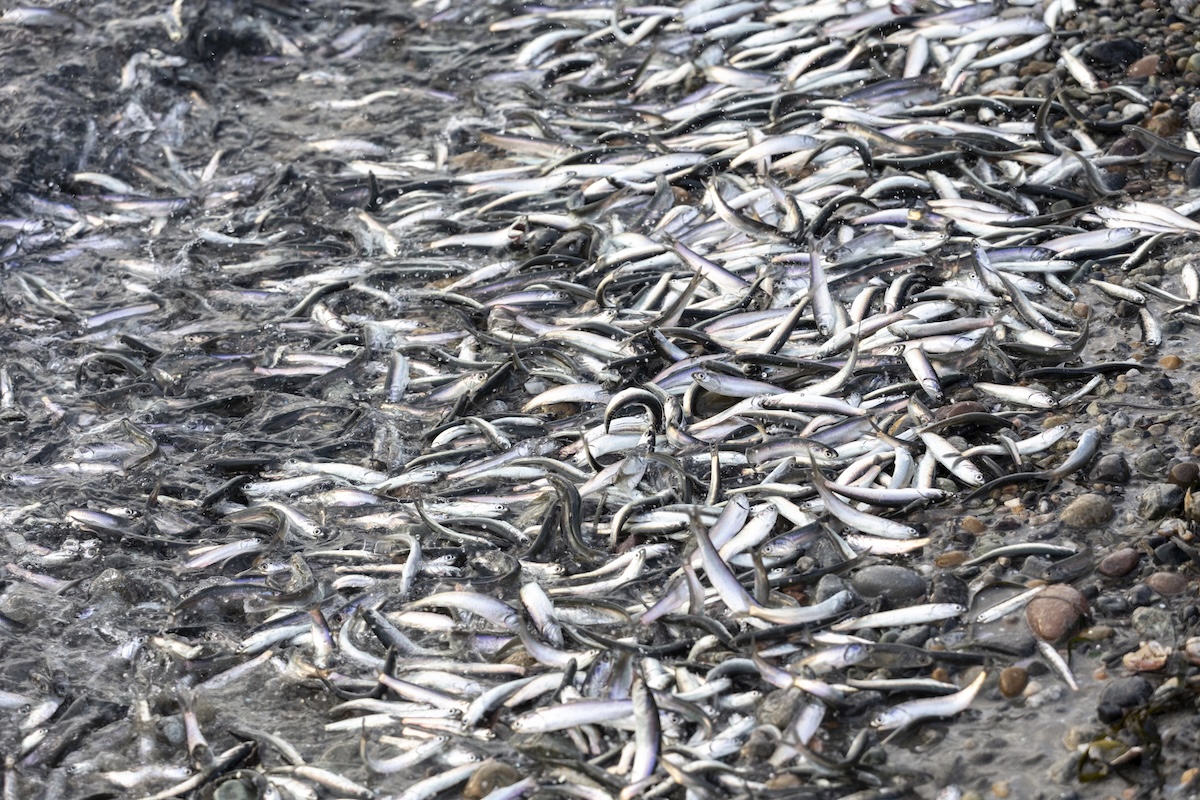 Photo Credit: Devon on Deposit Photos
In the shimmering waters of the world’s oceans, the anchovy, known scientifically as Engraulidae, dances through the currents with a grace that belies its small size. These slender fish, often no longer than a few inches, are a dazzling sight as they swim in tight schools, their silvery bodies reflecting the sunlight like a cascade of tiny mirrors. Picture a bustling underwater city, where thousands of anchovies dart and weave, creating a mesmerizing spectacle that captivates both the eye and the imagination. Their streamlined shape allows them to navigate swiftly, evading predators while foraging for tiny plankton and other morsels that make up their diet.
What makes anchovies particularly intriguing to scientists and nature enthusiasts alike is their vital role in the marine ecosystem. As a keystone species, anchovies serve as a crucial link in the food web, providing sustenance for larger fish, seabirds, and marine mammals. Their presence can significantly influence the health of their environment, making them essential players in the ocean’s intricate balance. With a fascinating evolutionary history that stretches back millions of years, anchovies have adapted to thrive in diverse aquatic habitats, from saltwater to brackish environments. As we dive deeper into the world of these remarkable fish, we will explore their behaviors, diets, and the unique relationships they form within their underwater communities.
Anchovies are small, schooling fish that belong to the family Engraulidae. These fish are part of the larger group known as Actinopterygii, which includes all ray-finned fishes. What makes anchovies particularly interesting is their role in marine ecosystems as a vital food source for larger predators, including birds, mammals, and larger fish. Their shimmering bodies and unique schooling behavior not only help them evade predators but also make them a captivating sight in the ocean.
| Taxonomic Rank | Scientific Name | Meaning & Significance |
|---|---|---|
| Kingdom | Animalia | This name comes from the Latin word for “animal,” highlighting that anchovies are part of the vast group of living organisms that are multicellular and capable of movement. |
| Phylum | Chordata | Derived from the Greek word “chordē,” meaning “string,” this classification indicates that anchovies have a notochord, a flexible rod that supports their bodies during development. |
| Class | Actinopterygii | This term means “ray-finned fishes,” referring to the bony rays that support their fins, allowing for agile swimming in their ocean habitats. |
| Order | Clupeiformes | From the Latin “clupea,” meaning “herring,” this order includes fish that are often found in schools and are important for both ecosystems and human consumption. |
| Family | Engraulidae | This name is derived from the Greek word “engraulis,” which refers to the anchovy itself, emphasizing its significance in both marine food webs and culinary traditions. |
Understanding the taxonomic classification of anchovies reveals much about their evolutionary journey. As members of the Chordata phylum, they share a common ancestry with all vertebrates, showcasing the remarkable adaptations that have allowed them to thrive in diverse aquatic environments. Their position within the Actinopterygii class highlights their evolutionary success as ray-finned fishes, which have diversified into thousands of species. Anchovies, with their unique adaptations and ecological roles, are a testament to the intricate web of life in our oceans.
The evolutionary journey of anchovies stretches back millions of years, weaving through the tapestry of marine life. These small fish, belonging to the family Engraulidae, have adapted and thrived in various aquatic environments since their ancestors first appeared during the late Cretaceous period, around 100 million years ago. As the oceans changed, so did anchovies, evolving traits that would help them survive and flourish in a world filled with predators and competition.
Anchovies are descendants of ancient fish that swam in the oceans alongside dinosaurs. Over time, they developed key adaptations that allowed them to exploit their environment more effectively. One significant transition was the shift from larger, solitary fish to smaller, schooling species. This change not only provided safety in numbers but also improved their foraging efficiency. As they evolved, anchovies also developed a streamlined body shape, which helps them swim quickly and evade predators. Their ability to filter-feed on tiny plankton using specialized gill rakers allowed them to thrive in nutrient-rich waters, making them a vital part of the marine food web.
These adaptations have been crucial for anchovies’ survival in the ever-changing marine environment. Their schooling behavior not only protects them from predators but also enhances their foraging success. The streamlined body allows for quick escapes, while their filter-feeding capabilities ensure they have a steady food supply. With the ability to reproduce rapidly, anchovies maintain their populations even in the face of challenges. Together, these traits have made anchovies a resilient and essential part of ocean ecosystems, showcasing the wonders of evolution in action.
Anchovies are small, sleek fish that glide through the water with an effortless grace. Their bodies are elongated and streamlined, allowing them to dart quickly in schools. With a shimmering silver hue along their sides, they catch the light beautifully, creating a dazzling display as they swim. One of their most striking features is their protruding upper jaw, which extends back to just behind their eyes, giving them a distinctive profile that sets them apart from many other fish.
| Feature | Description |
|---|---|
| Weight | A few ounces |
| Skin Type | Scales |
| Most Distinctive Feature | Protruding upper jaw that extends to behind their eyes |
These physical characteristics are not just for show; they play vital roles in the anchovy’s survival. The streamlined body helps them evade predators, while the shiny scales reflect light, making it harder for larger fish to spot them. The unique jaw structure aids in feeding, allowing anchovies to efficiently catch tiny plankton and other small organisms in the water. Together, these features create a perfect blend of form and function, enabling anchovies to thrive in their aquatic environment.
Anchovies thrive in vibrant aquatic environments, often found in the sunlit layers of saltwater and brackish waters. Picture a bustling underwater city where these small fish swim in schools, darting through the waves with a silvery shimmer. They prefer coastal areas, where the water is rich in nutrients, creating a perfect playground for their lively existence. These habitats are often teeming with life, from colorful corals to swaying sea grasses, making them a bustling hub of marine activity.
Anchovies are particularly fond of temperate waters, where the climate is just right for their survival. They thrive in areas with a mix of salt and fresh water, known as brackish environments, which often occur where rivers meet the sea. These regions typically have moderate temperatures and plenty of sunlight, allowing phytoplankton—tiny plants that form the base of the marine food web—to flourish. This abundance of food is crucial for anchovies, as they primarily feed on these microscopic organisms.
To make the most of their habitats, anchovies have developed some clever adaptations. Their streamlined bodies allow them to swim swiftly and evade predators, while their schooling behavior provides safety in numbers. By swimming together in large groups, they can confuse larger fish that might want to make a meal out of them. Additionally, their ability to thrive in varying salinity levels means they can move between different environments, ensuring they always have a place to call home. This adaptability is key to their success in the ever-changing world of the ocean.
Anchovies lead a lively and dynamic daily life in the bustling waters where they reside. As small, agile fish, they spend their days swimming in schools, which are large groups that provide safety in numbers. These schools can consist of hundreds or even thousands of anchovies, moving in unison to evade predators. Their daily activities include foraging for food, which primarily consists of tiny plankton and small crustaceans. Anchovies are known for their remarkable ability to filter-feed, using their gill rakers—tiny comb-like structures in their mouths—to capture food as they swim through the water.
Social behavior is a cornerstone of anchovy life. Within their schools, anchovies exhibit fascinating group dynamics that enhance their survival. They communicate through subtle movements and changes in swimming patterns, allowing them to stay coordinated and alert to potential threats. This social structure not only helps them find food more efficiently but also provides a sense of safety. When a predator approaches, the school can quickly change direction, creating a mesmerizing display of synchronized swimming that confuses the attacker. This teamwork is essential for their survival in the open ocean.
| Behavior Type | Description |
|---|---|
| Schooling | Anchovies swim in large groups, which helps protect them from predators. |
| Foraging | They filter-feed on plankton and small crustaceans, using their gill rakers. |
| Communication | Anchovies use body movements and swimming patterns to signal each other. |
| Coordinated Escape | When threatened, they can quickly change direction as a group to confuse predators. |
The behaviors of anchovies are finely tuned to ensure their survival in a world filled with dangers. By schooling together, they not only enhance their chances of finding food but also create a protective barrier against predators. Their ability to communicate and coordinate movements allows them to respond swiftly to threats, making them a resilient species in the ever-changing marine environment. Through these social interactions and survival strategies, anchovies thrive in their underwater world, showcasing the beauty of cooperation in nature.
Anchovies are omnivores, which means they enjoy a varied diet that includes both plant and animal matter. These small fish primarily feed on tiny organisms found in the water, such as plankton and recently hatched fish. They have a unique feeding behavior that involves swimming with their mouths open, allowing them to filter food from the water as they move. This method is not only efficient but also helps them gather the nutrients they need to thrive in their aquatic environment.
| Dietary Aspect | Details |
|---|---|
| Diet Type | Omnivore |
| Favorite Foods | Plankton and recently hatched fish |
| Prey Items | Small fish larvae and various types of plankton |
| Hunting/Foraging Strategies | Filter feeding by swimming with mouths open to capture food |
This diet plays a crucial role in the anchovy’s ecology and daily routine. By feeding on plankton and small fish, anchovies help maintain the balance of marine ecosystems. Their presence supports larger predators, such as seabirds and bigger fish, which rely on them as a food source. Additionally, their filter-feeding behavior allows them to thrive in schools, ensuring they can efficiently gather food while also providing safety in numbers. This interconnectedness highlights the importance of anchovies in their underwater world, making them vital players in the ocean’s food web.
Anchovies have a fascinating mating behavior that takes place during specific breeding seasons, which can vary depending on their location. Generally, these fish engage in spawning, where males and females come together in large groups. During this time, males will often display vibrant colors and perform energetic movements to attract females. The breeding season typically occurs in warmer months when water temperatures rise, creating ideal conditions for their young to thrive.
| Reproductive Aspect | Details |
|---|---|
| Gestation Period | Anchovies do not have a gestation period as they lay eggs. The eggs hatch within a few days after being released into the water. |
| Litter Size | A single female can release thousands of eggs at once, sometimes up to 100,000, depending on her size and health. |
| Age of Maturity | Anchovies typically reach sexual maturity in about 1 year. |
| Name of Young | The young anchovies are called larvae, which eventually develop into juvenile fish. |
Once the eggs are laid, they float in the water until they hatch into tiny larvae. These larvae are incredibly small and vulnerable, relying on the rich supply of plankton in their environment for food. As they grow, they undergo several stages of development, gradually transforming into juvenile anchovies. Interestingly, parental care is minimal; the adults do not stay with their young after spawning. Instead, the larvae must fend for themselves, navigating the challenges of their aquatic world. With time, they grow into adults, joining the schools that characterize their species and continuing the cycle of life in the ocean.
Anchovies play a crucial role in the marine food web, serving as a primary food source for a variety of larger predators. These small fish are often found in large schools, which not only helps them evade danger but also makes them an attractive target for hungry animals. Their position in the food web is vital, as they transfer energy from the microscopic organisms they consume to the larger fish, birds, and mammals that rely on them for sustenance.
To survive against these formidable threats, anchovies have developed several clever defensive strategies. Their schooling behavior is one of the most effective; by swimming in tight groups, they create confusion for predators, making it harder for them to target an individual fish. Additionally, anchovies can quickly dart in different directions, using their speed and agility to escape. When faced with danger, they can also dive deeper into the water, seeking refuge in darker, safer areas. These adaptations help ensure that anchovies can continue to thrive in their bustling underwater world.
A keystone species is a vital part of its ecosystem, meaning its presence or absence can significantly impact the environment and other species living there. Anchovies qualify as a keystone species due to their crucial role in marine food webs. These small fish are not just abundant; they are a key food source for many larger predators, making them essential for maintaining the balance of their aquatic habitats.
Anchovies have a profound ecological impact, primarily through their role as prey. They are a favorite meal for a variety of marine animals, including larger fish, seabirds, and even marine mammals. For instance, when schools of anchovies swim together, they create a feeding frenzy for predators like dolphins and pelicans. This dynamic helps regulate the populations of these larger species, ensuring that no single group dominates the ecosystem. Additionally, anchovies contribute to nutrient cycling in the ocean. As they feed on plankton and other small organisms, they help control these populations, which in turn supports the health of the marine environment.
Moreover, anchovies play a role in the transfer of energy within the food web. By consuming tiny organisms and then being eaten by larger predators, they help move energy from the lower levels of the food chain to the top. This process is essential for the overall productivity of marine ecosystems, as it supports a diverse range of life forms.
If anchovies were to disappear from their ecosystems, the consequences would be dire. Many species that rely on them for food would struggle to survive, leading to a decline in their populations. This could create a ripple effect, disrupting the entire food web and potentially causing the collapse of local marine ecosystems. Without anchovies, the balance of predator and prey would be thrown off, resulting in overpopulation of some species and the decline of others. The vibrant underwater world we know could become a shadow of its former self, highlighting just how crucial these small fish are to the health of our oceans.
Anchovies occupy a vital ecological niche in marine environments, acting as a crucial link in the food web. These small fish thrive in saltwater and brackish waters, often forming large schools that not only provide safety from predators but also enhance their role in the ecosystem. By feeding on tiny organisms like plankton, anchovies help regulate these populations, ensuring a balanced aquatic environment. Their presence supports a diverse range of marine life, making them essential players in the health of their ecosystems.
| Ecosystem Service | Impact |
|---|---|
| Food Source | Anchovies provide nourishment for larger fish, seabirds, and marine mammals, supporting a diverse array of wildlife. |
| Plankton Regulation | By consuming plankton, anchovies help maintain the balance of these tiny organisms, which are crucial for water quality. |
| Nutrient Cycling | Their waste products contribute to nutrient cycling, enriching the water and supporting plant life. |
| Habitat Formation | Schools of anchovies can influence the distribution of other marine species, creating dynamic habitats. |
Anchovies significantly influence their surroundings in various ways. For instance, when they gather in large schools, they create a spectacle that attracts predators like larger fish and seabirds. This not only provides food for these predators but also helps maintain their populations. Additionally, as anchovies feed on plankton, they help control these populations, preventing overgrowth that could lead to harmful algal blooms. Their role in nutrient cycling is equally important, as their waste enriches the water, promoting the growth of phytoplankton, which forms the base of the marine food web.
The broader ecological importance of anchovies cannot be overstated. As a keystone species, their presence is crucial for the stability of marine ecosystems. Without anchovies, many larger species would struggle to find food, leading to a ripple effect that could disrupt the entire food web. By supporting both predator and prey species, anchovies help maintain the delicate balance of life in the ocean. Their role exemplifies how even the smallest creatures can have a profound impact on the health and sustainability of our planet’s ecosystems.
In the intricate web of life beneath the waves, anchovies engage in various partnerships with other species, showcasing the beauty of symbiosis. Symbiosis refers to the close interactions between different species, which can be beneficial, harmful, or neutral. These relationships are essential for the health of ecosystems, as they help maintain balance and promote biodiversity. Anchovies, with their schooling behavior and omnivorous diet, find themselves in a variety of ecological roles, interacting with both predators and prey, as well as other marine organisms.
| Species/Type | Relationship Type | Description |
|---|---|---|
| Plankton | Mutualistic | Anchovies feed on plankton, which thrive in the same waters. This relationship benefits both, as anchovies help control plankton populations while gaining nourishment. |
| Predatory fish (e.g., tuna) | Commensal | Anchovies often swim in schools near larger predatory fish. While the predators benefit from the presence of anchovies as a food source, the anchovies gain protection from larger threats by staying close to these formidable fish. |
| Sea birds (e.g., gulls) | Parasitic | Some sea birds may feed on anchovies, which can be harmful to the fish. This relationship highlights the challenges anchovies face in their quest for survival. |
These relationships have evolved over time, shaped by the need for survival and adaptation in a dynamic environment. As anchovies interact with other species, they not only fulfill their own needs but also contribute to the health of their ecosystem. By feeding on plankton, they help regulate populations, while their presence supports larger predators. This interconnectedness illustrates how every species, no matter how small, plays a vital role in the grand tapestry of life in our oceans.
Anchovies may be small, but they are packed with surprises that make them truly captivating. These little fish play a big role in the ocean’s ecosystem and have some unique traits that might just blow your mind.
Throughout history, anchovies have held a special place in human culture and cuisine. These small fish have been enjoyed by people for thousands of years, dating back to ancient civilizations like the Romans and Greeks, who used them as a flavorful addition to various dishes. The savory taste of anchovies, often described as umami, has made them a staple in Mediterranean cooking, where they are used in sauces, salads, and even as toppings on pizzas. Beyond their culinary significance, anchovies have also been symbols of abundance and community, often associated with shared meals and gatherings.
In modern times, the relationship between anchovies and humanity has evolved, reflecting both challenges and opportunities. Overfishing has become a pressing concern, as these fish are harvested in large quantities for both human consumption and as feed for farmed fish. This has led to conflicts over fishing rights and the sustainability of anchovy populations. Conservation efforts are underway to ensure that anchovy stocks remain healthy, with regulations aimed at preventing overfishing and protecting their habitats. Additionally, some communities are exploring aquaculture, or fish farming, as a way to domesticate anchovies and reduce pressure on wild populations.
As we look to the future, the relationship between anchovies and humanity will likely continue to adapt. With growing awareness of environmental issues, there is hope that sustainable practices will become the norm in anchovy fishing and farming. By balancing our culinary desires with the need to protect marine ecosystems, we can ensure that these small fish remain a vital part of our diets and cultures for generations to come. The journey of anchovies is a reminder of how interconnected we are with the natural world, and how our choices can shape the future of both our plates and the oceans.
The conservation status of anchovies is currently classified as Data Deficient by the International Union for Conservation of Nature (IUCN). This means that there is not enough information available to assess their overall risk of extinction. However, estimates suggest that their population size is around 20,700 metric tons. While this figure provides a glimpse into their numbers, the trend direction—whether their population is increasing, decreasing, or stable—remains unclear due to limited data.
| Conservation Factor | Status/Details |
|---|---|
| IUCN Status | Data Deficient |
| Estimated Population Size | 20,700 metric tons |
| Population Trend | Unknown |
Despite their ecological importance, anchovies face several threats that could impact their populations. Overfishing is a significant concern, as these small fish are often caught in large quantities for human consumption and as bait for larger fish. Additionally, habitat degradation, such as pollution and changes in water temperature, can disrupt their breeding and feeding grounds. Climate change also poses a risk, as it can alter ocean currents and affect the availability of plankton, which is a primary food source for anchovies.
Conservation efforts for anchovies are still in the early stages, primarily due to the lack of comprehensive data on their populations and habitats. Researchers and conservationists are working to gather more information to better understand their status and the challenges they face. By promoting sustainable fishing practices and protecting their habitats, there is hope for improving the outlook for anchovies. With continued efforts, we can ensure that these small but vital fish remain a thriving part of our oceans.
| Question | Answer |
|---|---|
| Where do anchovies live? | Anchovies are found in salt waters and brackish waters, which are areas where fresh and saltwater mix. They thrive in temperate waters, often forming large schools near the surface, where they can easily find food and avoid predators. |
| What do anchovies eat? | Anchovies are omnivores, meaning they eat both plants and animals. Their diet mainly consists of small plankton, tiny fish, and other microscopic organisms, which they filter from the water using their gill rakers, specialized structures that help them catch food. |
| How do anchovies behave in the wild? | Anchovies are known for their schooling behavior, which helps them stay safe from predators. They often swim in large groups, moving in unison, which can confuse larger fish and birds that might want to eat them. |
| How do anchovies reproduce? | Anchovies reproduce by laying eggs in the water, a process known as spawning. Female anchovies can release thousands of eggs at once, which are fertilized by males in the open water, allowing the young to develop in the safety of the ocean. |
| What threats do anchovies face? | Anchovies face several threats, including overfishing and habitat loss due to pollution. Their populations can be affected by changes in water temperature and quality, which can disrupt their breeding and feeding grounds. |
| What is a unique feature of anchovies? | One of the most distinctive features of anchovies is their protruding upper jaw, which extends to behind their eyes. This unique jaw structure helps them catch food more effectively while swimming through the water. |
| Are anchovies important to the ecosystem? | Yes, anchovies play a crucial role in the marine food web. They serve as a primary food source for many larger fish, seabirds, and marine mammals, helping to support a diverse range of wildlife in their habitats. |