Taxonomy & Classification
- Kingdom
- Animalia
- Phylum
- Chordata
- Class
- Sarcopterygii
- Order
- Dipnoi
- Family
- Lepidosirenidae, Neoceratodontidae
- Genus
- Neoceratodus

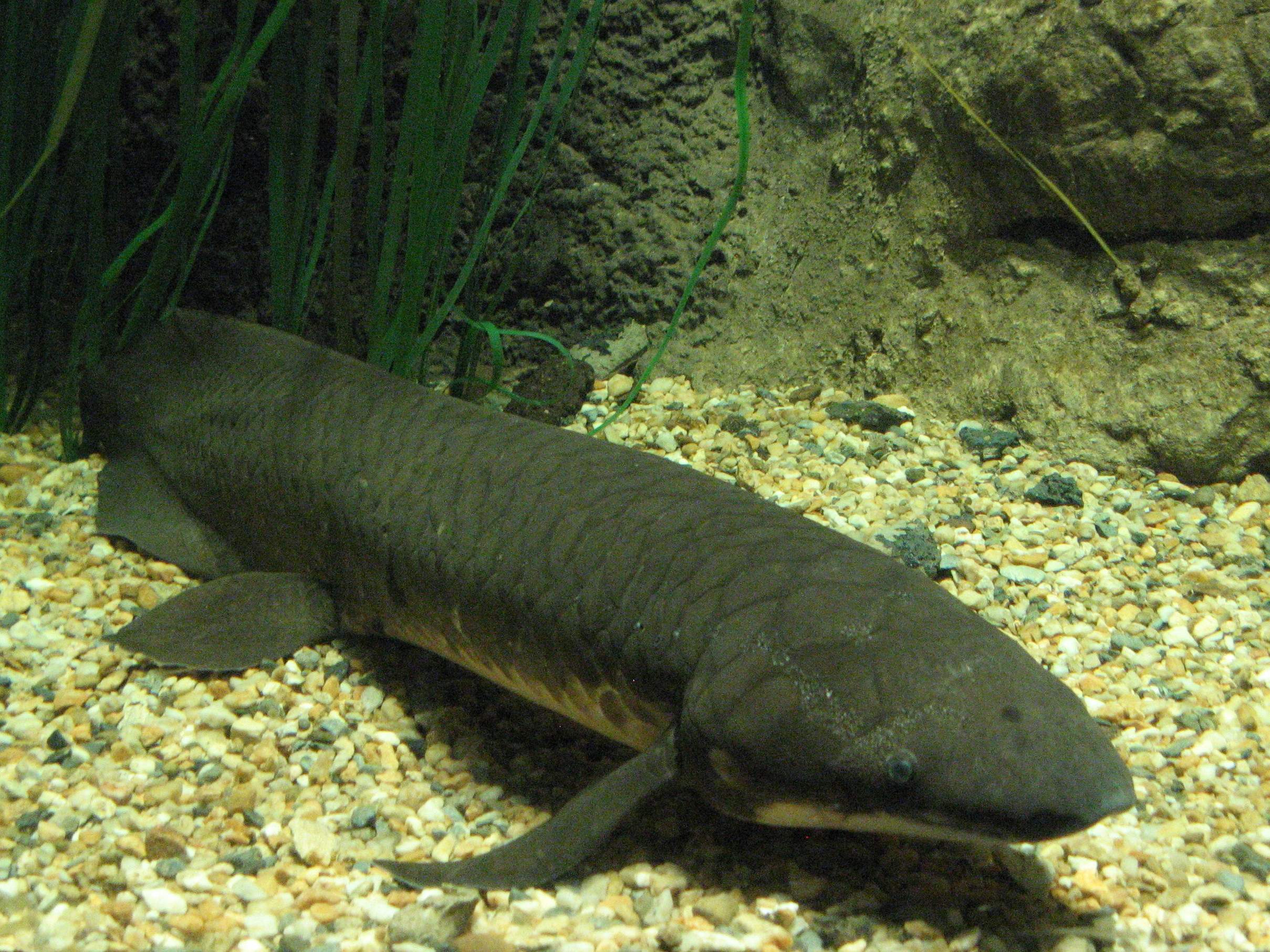 Photo Credit: Mitch Ames / Wikimedia Commons
In the shimmering waters of Africa and South America, the lungfish, known scientifically as Protopterus, emerges as a living testament to the wonders of evolution. Picture a tranquil river, its surface glistening under the sun, where this ancient fish glides gracefully through the depths. With its elongated body and smooth, scale-covered skin, the lungfish is a sight to behold. It can grow up to 37 pounds, making it one of the heftiest fish in its habitat. But what truly sets it apart is its remarkable ability to breathe air, thanks to its specialized lungs. This adaptation allows it to thrive in environments where oxygen levels can drop, showcasing its resilience and ingenuity.
Lungfish are not just survivors; they are fascinating creatures that bridge the gap between aquatic and terrestrial life. Their evolutionary history stretches back over 400 million years, making them some of the oldest living vertebrates on Earth. Scientists and nature enthusiasts alike are captivated by their unique adaptations, such as the ability to burrow into mud during dry seasons, entering a state of dormancy until the rains return. As we dive deeper into the world of lungfish, we will explore their habitats, behaviors, and the vital roles they play in their ecosystems, revealing the intricate connections that sustain life in these freshwater realms.
Lungfish are truly captivating members of the animal kingdom, sitting at a unique crossroads in the tree of life. They belong to the class Sarcopterygii, which means “fleshy fins,” a group that includes both lungfish and the ancestors of all land vertebrates. This ancient lineage dates back over 400 million years, making lungfish some of the closest living relatives to the first creatures that ventured onto land. Their ability to breathe air through lungs, in addition to gills, allows them to survive in oxygen-poor waters, showcasing their remarkable adaptability.
| Taxonomic Rank | Scientific Name | Meaning & Significance |
|---|---|---|
| Kingdom | Animalia | This name comes from the Latin word “animalis,” meaning “having breath” or “living.” It signifies all living organisms that are not plants, fungi, or bacteria. |
| Phylum | Chordata | Derived from the Greek word “chorde,” meaning “string,” this name refers to animals that have a notochord, a flexible rod that supports the body, at some stage of their development. |
| Class | Sarcopterygii | This term means “fleshy fins,” highlighting the thick, muscular fins of these fish, which are more robust than those of their relatives, the ray-finned fish. |
| Order | Dipnoi | From the Greek “diplo,” meaning “two,” and “noos,” meaning “breath,” this name reflects the lungfish’s dual breathing system, using both lungs and gills. |
| Family | Lepidosirenidae, Neoceratodontidae | The name Lepidosiren comes from the Greek “lepidos,” meaning “scale,” and “siren,” referring to the mythological creatures that lured sailors. Neoceratodus means “new horned tooth,” referring to the unique dental structure of this genus. |
| Genus | Neoceratodus | This name emphasizes the modern characteristics of the lungfish, particularly its distinct tooth structure, which is adapted for its diet. |
The classification of lungfish reveals a fascinating chapter in evolutionary history. As members of the Sarcopterygii class, they are not just fish; they are a living link to the ancestors of all terrestrial vertebrates. Their unique adaptations, such as the ability to breathe air and their fleshy fins, provide insight into how life transitioned from water to land. By studying lungfish, scientists can better understand the evolutionary processes that shaped the diversity of life we see today.
Lungfish have a remarkable evolutionary history that stretches back over 400 million years, making them some of the oldest living vertebrates on Earth. These ancient fish first appeared during the Devonian period, a time when the planet was teeming with diverse marine life. As the environment changed, lungfish adapted in extraordinary ways, allowing them to thrive in both water and on land.
The ancestors of lungfish were primarily aquatic, resembling modern-day fish with gills for breathing underwater. However, as some species began to inhabit shallow waters and floodplains, they faced challenges like drying ponds and fluctuating water levels. This led to significant evolutionary changes. One of the most important transitions was the development of lungs, which allowed them to breathe air when oxygen levels in the water were low. This adaptation was crucial for survival in their changing habitats. Over time, lungfish also evolved sturdy, fleshy fins that could support their weight on land, enabling them to venture onto the shore in search of food or to escape predators.
These adaptations have been essential for lungfish survival through the ages. By developing the ability to breathe air and move on land, they became resilient in the face of environmental changes. Their burrowing behavior allows them to endure droughts, ensuring they can emerge when conditions improve. This incredible journey through time showcases the lungfish’s ability to adapt and thrive, making them a living link to our planet’s distant past.
Lungfish present a striking silhouette that captures the imagination. With their elongated bodies, they can grow up to 37 pounds, making them quite hefty for fish. Their skin is covered in tough scales, which provide protection and a unique texture. The most eye-catching aspect of their anatomy is their modified lungs, which not only help them breathe air but also assist in buoyancy and waste extraction. This combination of features gives lungfish a distinctive appearance that sets them apart from other aquatic life.
| Feature | Description |
|---|---|
| Size | Can weigh up to 37 lbs and have an elongated body shape. |
| Color | Typically exhibit earthy tones, often in shades of brown or green, helping them blend into their surroundings. |
| Skin Type | Covered in tough scales that provide protection and a unique texture. |
| Most Distinctive Feature | Modified lungs that allow for air breathing, buoyancy control, and waste extraction. |
The features of the lungfish work together in a remarkable way to enhance their survival. Their sturdy scales shield them from predators and environmental hazards, while their earthy colors provide camouflage in murky waters. The modified lungs are a game-changer, allowing lungfish to thrive in oxygen-poor environments where other fish might struggle. This ability to breathe air and manage buoyancy not only aids in their movement but also helps them navigate through their habitats with ease. Together, these adaptations make lungfish a fascinating example of nature’s ingenuity.
Lungfish inhabit a variety of freshwater environments that paint a vivid picture of life in and around water. Picture a serene river winding through lush landscapes, or a tranquil lake surrounded by vibrant wetlands. These habitats are often rich in plant life, providing both shelter and food for the lungfish. The stillness of these waters is occasionally broken by the gentle ripples of a lungfish gliding through, showcasing its unique adaptations to life in these diverse aquatic settings.
Lungfish thrive in warm, shallow waters where the temperature is typically mild. They prefer environments that are rich in vegetation, as this not only provides cover from predators but also serves as a source of food. The water quality is crucial; lungfish need clean, oxygenated water to survive. However, they are also known for their ability to tolerate low-oxygen conditions, which can occur in stagnant waters during dry seasons.
These fascinating fish have developed remarkable adaptations to their habitats. One of their most impressive features is their ability to breathe air, thanks to a specialized lung-like structure. This adaptation allows them to survive in environments where oxygen levels may drop, such as during droughts when water bodies shrink. Additionally, lungfish can burrow into mud to escape harsh conditions, entering a state of dormancy until the rains return. This incredible resilience showcases their ability to thrive in ever-changing environments.
Lungfish lead a life that is both intriguing and adaptive, primarily focused on their daily quest for survival. As they glide through their freshwater habitats, these ancient fish engage in a variety of activities. During the day, lungfish often rest in the mud or among aquatic plants, conserving energy. When hunger strikes, they become active hunters, using their keen sense of smell to locate prey like insects, crustaceans, and smaller fish. Their unique ability to breathe air allows them to venture into shallow waters, where they can forage for food even when oxygen levels are low.
While lungfish are primarily solitary creatures, they do exhibit interesting behaviors when it comes to their interactions with others of their kind. They tend to be territorial, marking their space in the water and avoiding confrontations with other lungfish. However, during the breeding season, they may come together to find mates. Communication among lungfish is subtle; they rely on body language and chemical signals in the water to convey their presence and intentions. This careful balance of solitude and social interaction helps them navigate their environment effectively.
| Behavior Type | Description |
|---|---|
| Activity Patterns | Lungfish alternate between resting in mud and actively hunting for food, primarily during the day. |
| Social Structure | They are mostly solitary, establishing territories to avoid competition. |
| Communication Methods | They use body language and chemical signals to interact with each other, especially during mating. |
The behaviors of lungfish are finely tuned to ensure their survival in a world that can be both beautiful and challenging. By resting and conserving energy, they are prepared to hunt when food is available. Their solitary nature allows them to maintain control over their territory, reducing competition for resources. During breeding, their ability to communicate effectively ensures that they can find mates, continuing the cycle of life. In this way, lungfish exemplify the delicate balance of adaptation and instinct that has allowed them to thrive for millions of years.
Lungfish are omnivores, meaning they enjoy a varied diet that includes both plant and animal matter. These fascinating fish have developed unique feeding behaviors that allow them to thrive in their freshwater habitats. They use their elongated bodies to navigate through the water, searching for food on the bottom of rivers and lakes. With their keen sense of smell, lungfish can detect prey even in murky waters, making them effective hunters and foragers.
| Dietary Aspect | Details |
|---|---|
| Diet Type | Omnivore |
| Favorite Foods | Worms, crustaceans, insects, amphibians, plants, and even other lungfish |
| Prey Items | Small invertebrates and vertebrates |
| Hunting/Foraging Strategies | Bottom-feeding and using keen sense of smell to locate food |
This diverse diet plays a crucial role in the lungfish’s ecology and daily routine. By consuming a mix of plants and animals, lungfish help maintain the balance of their ecosystems, controlling populations of smaller creatures while also contributing to nutrient cycling in their habitats. Their ability to adapt their feeding strategies based on food availability allows them to survive in varying conditions, showcasing their resilience in the face of environmental changes.
Lungfish have a captivating mating ritual that takes place during the breeding season, which is often triggered by seasonal rains. Males will display their vibrant colors and perform elaborate courtship dances to attract females. This display is not just for show; it helps the female choose a healthy mate. Once a pair has formed, they will find a suitable nesting site, usually in shallow waters, where they can lay their eggs.
| Reproductive Aspect | Details |
|---|---|
| Gestation Period | 1-2 weeks |
| Litter Size | Up to 100 eggs |
| Age of Maturity | 1-2 years |
| Name of Young | Fry |
After the eggs are laid, the male lungfish often takes on the role of protector. He guards the nest, ensuring that the eggs are safe from predators. Once the eggs hatch, the young, known as fry, are quite small and vulnerable. They begin their lives in the shallow waters, where they can find food and shelter. As they grow, they develop the ability to breathe air, a vital adaptation that allows them to thrive in their sometimes murky environments. With time, the fry will mature into adults, continuing the cycle of life in the fascinating world of lungfish.
Lungfish occupy a special place in the food web, primarily as both predator and prey. These ancient fish are skilled hunters, feeding on a mix of plants and smaller animals. However, they are also vulnerable to various threats in their freshwater habitats. Their position in the ecosystem means they play a crucial role, but it also exposes them to dangers that can impact their survival.
To defend themselves against these threats, lungfish have developed several survival strategies. They can burrow into the mud during dry spells, entering a state of dormancy that helps them survive harsh conditions. This ability to breathe air through their lungs allows them to wait out unfavorable environments. Additionally, their tough skin and ability to camouflage among plants provide extra protection from predators. By using these clever tactics, lungfish can navigate the challenges of their watery world and continue to thrive.
A keystone species is an organism that plays a critical role in maintaining the structure of an ecosystem. Its presence or absence can significantly impact the environment and the other species that inhabit it. Lungfish, with their unique adaptations and ecological functions, can indeed be considered a keystone species in their freshwater habitats.
Lungfish are fascinating for their ability to thrive in various aquatic environments, including rivers, lakes, and wetlands. As omnivores, they consume a diverse diet of both plant and animal matter, which helps regulate the populations of these organisms. By feeding on smaller fish and invertebrates, lungfish help maintain a balance in the food web, preventing any one species from becoming too dominant. This balance is crucial for the health of their ecosystems, as it allows for a variety of species to coexist.
Moreover, lungfish have a remarkable ability to survive in low-oxygen environments. During dry seasons, they can burrow into the mud and enter a state of dormancy, breathing air through their lungs. This behavior not only allows them to endure harsh conditions but also creates a unique microhabitat for other organisms. When lungfish burrow, they aerate the soil, which can benefit plant life and other aquatic creatures when water levels rise again.
If lungfish were to disappear from their ecosystems, the consequences could be severe. Without these ancient fish, the balance of predator and prey would be disrupted, potentially leading to overpopulation of certain species. This imbalance could result in a decline in biodiversity, as some species might outcompete others for resources. Additionally, the loss of lungfish would mean the loss of their unique contributions to soil aeration and nutrient cycling, further destabilizing the ecosystem. In essence, the absence of lungfish would ripple through the food web, affecting countless other organisms and the overall health of freshwater environments.
Lungfish play a vital role in their ecosystems, acting as both predators and prey in freshwater habitats like rivers, lakes, and wetlands. These ancient fish are not just survivors; they help shape their environment in significant ways. By feeding on a mix of plants and smaller animals, lungfish help control populations of various species, ensuring a balanced ecosystem. Their unique adaptations, such as the ability to breathe air, allow them to thrive in environments that may become oxygen-poor, making them essential players in their watery worlds.
| Ecosystem Service | Impact |
|---|---|
| Population Control | Regulates the numbers of smaller fish and invertebrates, preventing overpopulation. |
| Nutrient Cycling | Contributes to the breakdown of organic matter, enriching the water and supporting plant life. |
| Habitat Creation | Creates burrows in riverbanks that can provide shelter for other species. |
| Food Source | Serves as a food source for larger predators, linking different levels of the food web. |
Lungfish influence their ecosystems in various ways. For instance, by consuming a diverse diet, they help maintain the balance of aquatic life. When lungfish feed on plants, they prevent any single species from dominating the environment, allowing for a rich variety of flora to thrive. Their burrowing behavior can also create habitats for other organisms, such as insects and amphibians, which rely on these spaces for shelter and breeding. This interaction highlights the interconnectedness of life in freshwater ecosystems.
The broader ecological importance of lungfish cannot be overstated. As keystone species, their presence helps maintain the structure and health of their habitats. Without lungfish, the delicate balance of their ecosystems could be disrupted, leading to a decline in biodiversity. By understanding and protecting these ancient fish, we can ensure the vitality of the ecosystems they inhabit, preserving the intricate web of life that depends on them.
In the intricate web of life, symbiosis refers to the close interactions between different species, which can take on various forms. These relationships can be mutualistic, where both species benefit, parasitic, where one benefits at the other’s expense, or commensal, where one benefits while the other is neither helped nor harmed. Understanding these connections helps us appreciate the delicate balance of ecosystems, where every organism plays a role, including the fascinating lungfish.
| Species/Type | Relationship Type | Description |
|---|---|---|
| Water Hyacinth | Mutualistic | Lungfish benefit from the cover provided by water hyacinths, which offer protection from predators while the plants thrive in nutrient-rich waters. |
| Leeches | Parasitic | Leeches attach to lungfish to feed on their blood, gaining nourishment while the lungfish may experience stress or health issues. |
| Small Fish | Commensal | Small fish may swim near lungfish, gaining protection from larger predators without affecting the lungfish. |
These relationships have evolved over time, shaped by the needs and adaptations of the species involved. Mutualistic partnerships, like that with water hyacinths, enhance survival for both parties, while parasitic interactions, such as those with leeches, highlight the challenges lungfish face in their environments. Commensal relationships demonstrate how some species can thrive alongside others without causing harm. Together, these connections illustrate the dynamic and interdependent nature of life in freshwater ecosystems, where every interaction contributes to the overall health and balance of the habitat.
Lungfish are truly extraordinary animals that bridge the gap between fish and land-dwelling creatures. With their unique adaptations and ancient lineage, they offer a glimpse into the distant past of vertebrate evolution.
Lungfish have a long and intriguing history with humanity, dating back to ancient times. These remarkable creatures, known for their ability to breathe air, have captured the imagination of various cultures. In some regions, lungfish were revered as symbols of resilience and adaptability, reflecting their unique evolutionary journey. Ancient texts and folklore often depicted them as mystical beings, bridging the gap between water and land. This cultural significance highlights how humans have historically viewed lungfish not just as animals, but as part of a larger narrative about survival and transformation.
Today, the relationship between lungfish and humans is evolving, shaped by both conservation efforts and challenges. As habitats are threatened by pollution and climate change, many organizations are working to protect these ancient fish and their ecosystems. However, conflicts can arise, particularly in areas where lungfish are seen as a food source. Some communities rely on lungfish for sustenance, leading to overfishing and habitat degradation. Interestingly, lungfish are also being studied for their unique adaptations, which could inspire advancements in medicine and technology, showcasing a potential for domestication and scientific collaboration.
As we look to the future, the relationship between lungfish and humanity holds both promise and responsibility. With increased awareness of environmental issues, there is hope for a more harmonious coexistence. By valuing lungfish not only for their cultural significance but also for their ecological role, we can foster a deeper understanding of the interconnectedness of all life. Protecting these ancient fish will not only benefit their populations but also enrich our own lives, reminding us of the wonders of nature and the importance of preserving it for generations to come.
Lungfish are currently classified as endangered, a status that highlights their precarious position in the natural world. While exact population estimates remain elusive, it is clear that their numbers are declining. This decline is a cause for concern, as these ancient fish play a vital role in their ecosystems. The combination of habitat loss and environmental changes has put significant pressure on lungfish populations, making their future uncertain.
| Conservation Factor | Status/Details |
|---|---|
| IUCN Status | Endangered |
| Estimated Population Size | Unknown |
| Population Trend | Declining |
The main threats to lungfish arise from human activities and environmental changes. Habitat destruction, primarily due to agriculture and urban development, has severely impacted their freshwater homes. Pollution from chemicals and waste also poses a significant risk, as it can degrade water quality and harm the delicate ecosystems where lungfish thrive. Additionally, climate change is altering water temperatures and flow patterns, further complicating their survival.
Conservation efforts are underway to protect lungfish and their habitats. Organizations are working to raise awareness about the importance of these ancient fish and the ecosystems they inhabit. Efforts include habitat restoration, pollution control, and research to better understand their needs. While the outlook remains challenging, there is hope that with continued dedication and action, lungfish populations can stabilize and even recover, allowing these remarkable creatures to thrive once more in their natural environments.
| Question | Answer |
|---|---|
| Where do Lungfish live? | Lungfish are found in rivers, lakes, wetlands, and streams, primarily in Africa, South America, and Australia. They prefer shallow waters where they can easily access the surface to breathe air. |
| What do Lungfish eat? | Lungfish are omnivores, meaning they eat both plants and animals. Their diet includes algae, insects, and small fish, which they catch using their strong jaws and sharp teeth. |
| How do Lungfish breathe? | Lungfish have modified lungs that allow them to breathe air, which is essential for their survival in oxygen-poor waters. They can gulp air at the surface, using their lungs to extract oxygen, much like we do. |
| How do Lungfish reproduce? | Lungfish typically reproduce by laying eggs in shallow water. The female lays hundreds of eggs, which the male fertilizes, and they often guard the eggs until they hatch into tiny fish. |
| What threats do Lungfish face? | Lungfish are considered endangered due to habitat loss, pollution, and overfishing. As their natural environments are destroyed, their populations decline, making conservation efforts crucial. |
| What is a unique characteristic of Lungfish? | One of the most distinctive features of Lungfish is their ability to survive in dry conditions by burrowing into mud and entering a state of dormancy. This adaptation allows them to withstand droughts for months or even years. |
| Are Lungfish related to any other animals? | Yes, Lungfish are closely related to the ancestors of all land vertebrates, including mammals, birds, and reptiles. This makes them an important species for understanding the evolution of life on land. |